The Native Texas Berries You Can Use In Holiday Wreaths
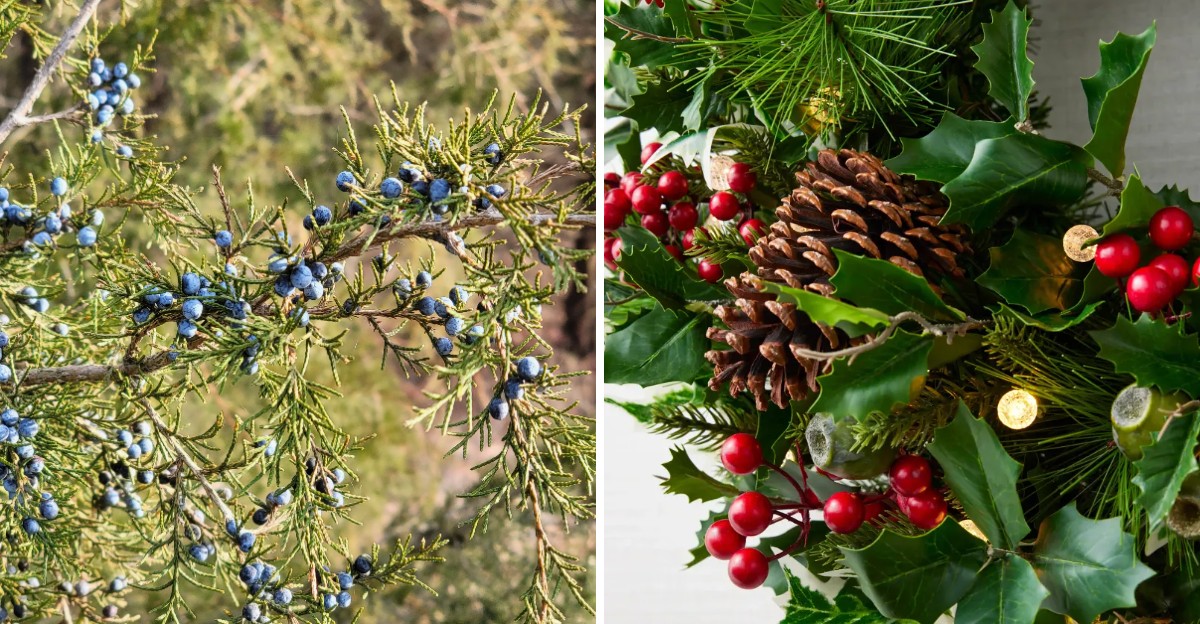
Female holly trees carry the bright red berries, while the male trees nearby carry only tiny pale flowers in spring. I learned that the hard way after planting a lonely male shrub and waiting years for color.
Texas woods and fencerows hold plenty of red, purple, and blue fruit by the time cold fronts start rolling through. Many of these native shrubs feed winter birds, so a little careful clipping goes a long way here.
Personally, I love walking my yard with pruners and a basket before the holiday rush begins each December. You might notice that store wreaths look shiny, yet they rarely smell like cedar or rustle like real branches.
What surprises me most is how many backyard shrubs can dress a front door with almost no money spent. Which of these wild beauties is already growing quietly along your fence line, waiting for a turn in the spotlight?
1. Possumhaw Holly
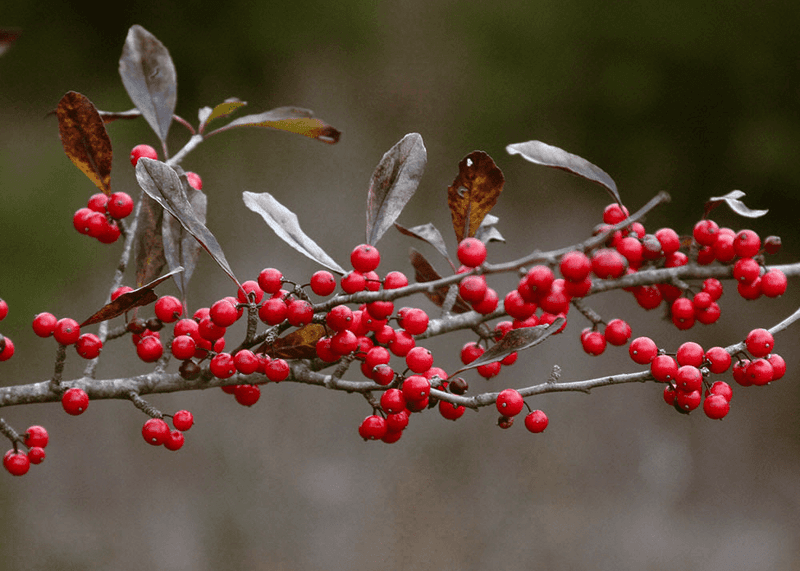
Possumhaw drops its leaves in late fall, and suddenly every gray twig looks dipped in shiny red candy. I still slow my car each winter when a roadside thicket glows like that against brown pasture grass.
Known to botanists as Ilex decidua, this deciduous holly grows across much of the eastern half of the state. It often reaches 15 to 20 feet tall and handles clay, wet spots, and drought fairly well.
Only female plants produce berries, so buy a named female variety or check for fruit at the nursery.
A male holly somewhere in the neighborhood usually handles pollination, since bees carry pollen a surprising distance in spring.
For wreaths, the bare berry stems are the real treasure, because nothing hides the color from across the yard. Cut short pieces with sharp pruners, then tuck them into an evergreen base so red pops against green.
Birds like robins and cedar waxwings gobble the fruit in late winter, often after other food runs low. I leave plenty on the shrub, taking only a few stems from the outer edges where cuts barely show.
Fresh stems usually hold berries for a couple of weeks indoors, especially away from heater vents and sunny windows. A light mist of water every few days keeps them plump a bit longer during the holiday stretch.
2. Yaupon Holly
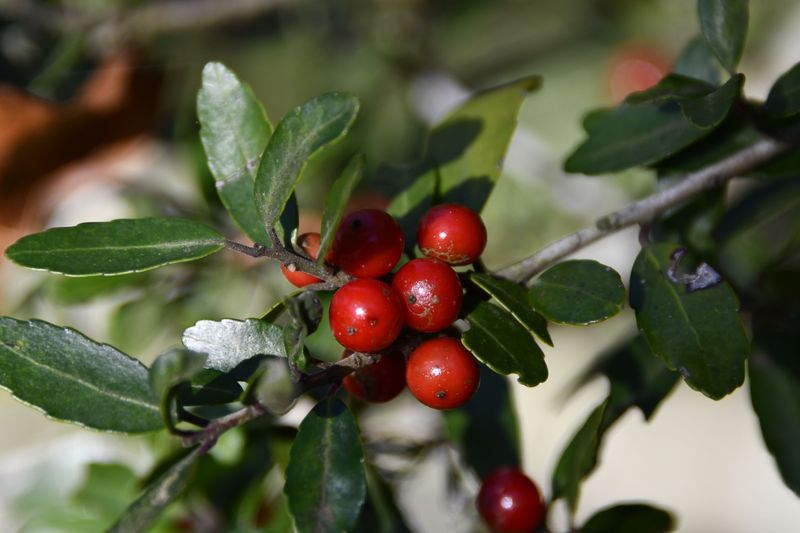
Tiny leaves and tiny red berries make yaupon feel like a dollhouse version of classic Christmas holly. You get evergreen foliage and fruit on the same stem, which saves serious time when building a wreath.
Ilex vomitoria is native to the southeastern United States, including the eastern and central parts of Texas. It grows in sun or shade and tolerates heat, drought, and heavy soils better than most nursery shrubs.
Fun fact for your next family gathering: yaupon is the only native North American plant that contains caffeine. Native peoples brewed its leaves for centuries, and small companies today sell yaupon tea once more.
Like other hollies, only female plants carry berries, so look for fruit before you bring one home. Dwarf types such as Nana are popular hedges, though many of those forms produce few berries.
I like snipping long, flexible branches and bending them right around a wire frame as the main greenery. The small leaves lie flat, so the finished wreath looks neat without much fussing or trimming afterward.
Berries are mildly toxic to people and pets, so hang wreaths where curious toddlers and puppies cannot reach.
Birds enjoy them, though, and mockingbirds often guard a heavily loaded yaupon like a personal snack bar.
3. American Beautyberry
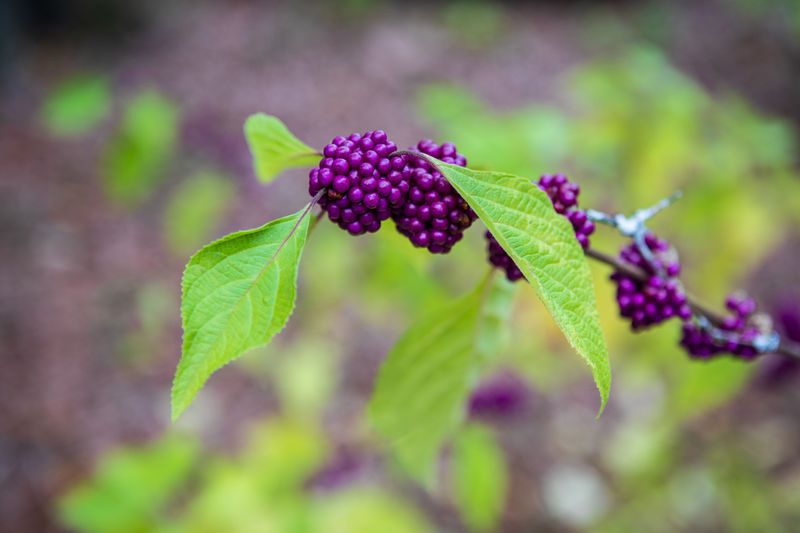
Neon purple berries look almost fake, and I have watched guests reach out to touch them in disbelief. American beautyberry wears that wild color in tight clusters wrapped right around its arching stems each fall.
Callicarpa americana grows naturally in eastern parts of the state, especially in woodlands and along creek edges. It prefers part shade and moist soil, though established plants handle dry spells with surprising grace.
Shrubs usually reach about four to six feet tall and wide with loose, open branches. Many gardeners cut them back hard in late winter, since berries form on new growth the following summer.
Timing matters for wreath makers because leaves drop and berries can shrivel once hard freezes arrive in winter. I clip stems in early fall, strip the leaves, and use them while the clusters still look plump.
Dried berries rarely keep their bright color for long, so treat beautyberry as a fresh accent for autumn wreaths. Pair it with silvery dusty foliage or golden grasses for a look that feels cheerful and unexpected.
Birds such as mockingbirds and cardinals eat the fruit, and deer browse the leaves in some areas.
Older folk tales mention crushed leaves rubbed on skin to repel mosquitoes, and researchers found compounds that support this.
4. Eastern Red Cedar
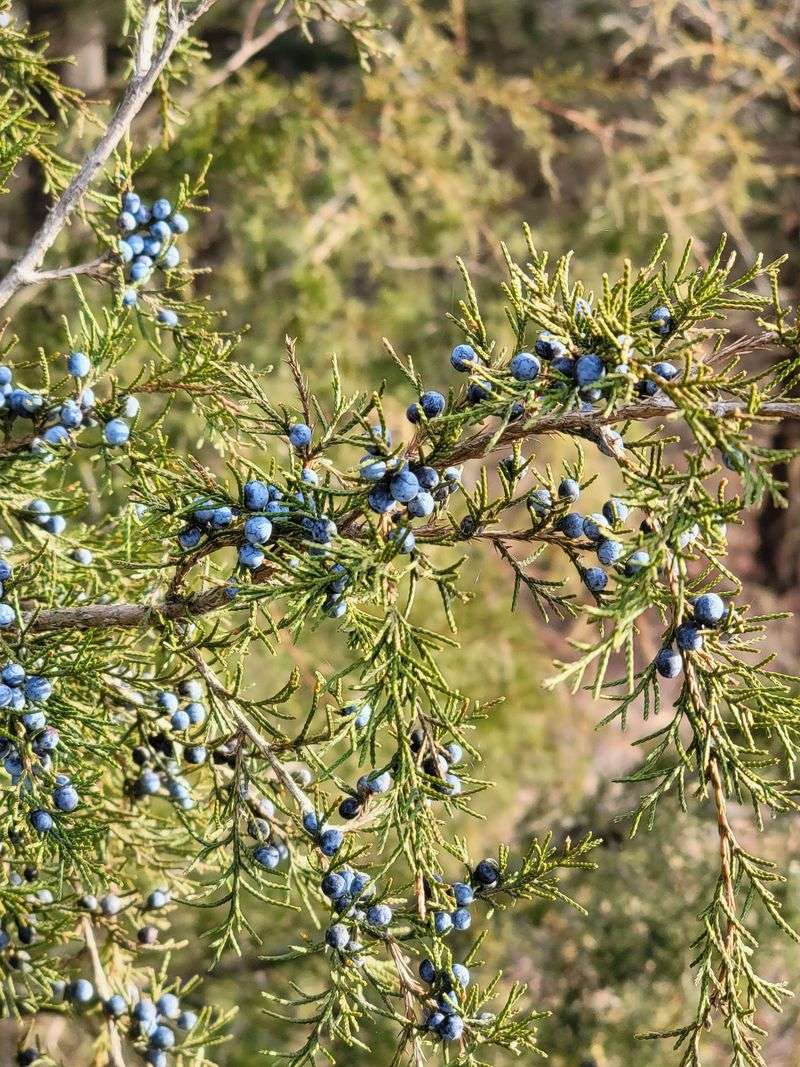
Crush one frosty blue cedar berry between your fingers and the smell instantly fills the room with woodsy spice. I keep a small bowl of clippings near my workbench simply because that scent feels like the holidays.
Technically, those blue berries are fleshy cones, but nearly everyone calls them berries anyway. Juniperus virginiana grows across much of the eastern half of the country, thriving in poor, rocky, or dry soil.
Female trees produce the berries, while male trees release clouds of pollen that bother allergy sufferers in winter. That male pollen is one reason some neighbors grumble about cedars in certain regions each year.
For wreaths, the scaly green foliage makes a sturdy base that holds shape for weeks without much shedding. Berry-covered sprigs add a soft powder blue that pairs beautifully with red holly or golden pine cones.
Wear gloves while cutting, since the prickly juvenile foliage and sticky sap can irritate tender skin. I trim lower branches from mature trees, which also gives lawn mowers easier access underneath the canopy.
Cedar waxwings got their name partly from their fondness for these fruits, and many other birds rely on them too. If a tree sits loaded with berries, take a modest amount and leave the rest for winter flocks.
5. American Holly
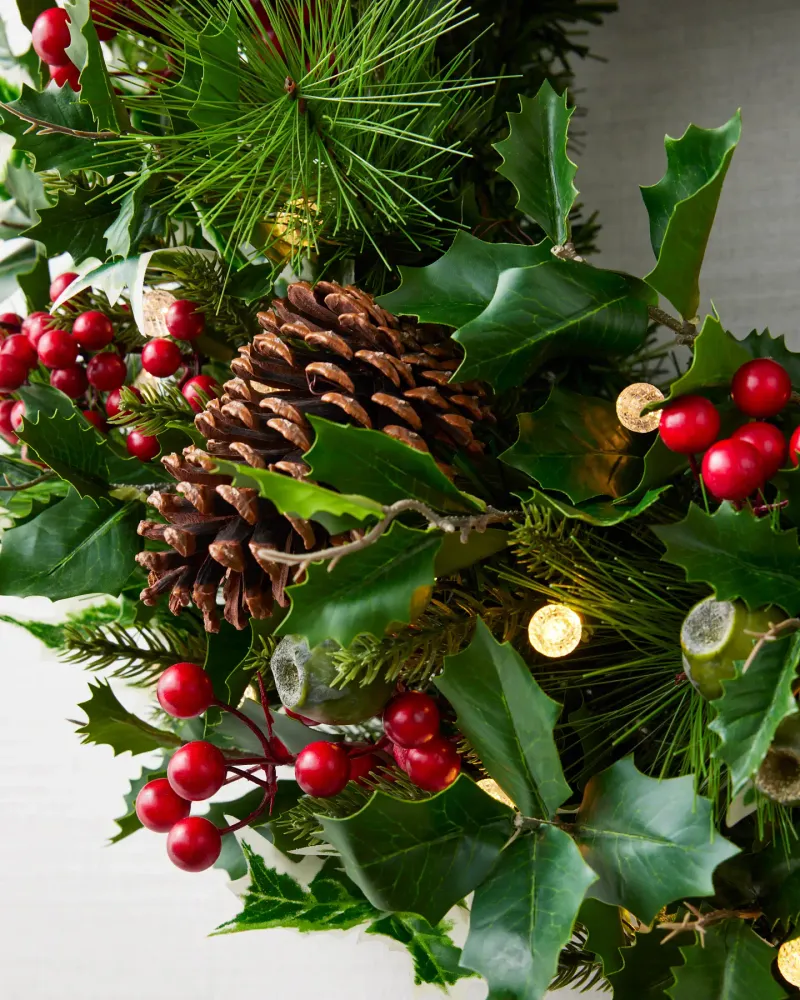
Spiny leaves and fat red berries make American holly the plant most of us draw on holiday cards. Seeing that classic look growing wild in east Texas forests honestly made me grin the first time.
Ilex opaca is a slow-growing evergreen tree that can eventually reach 30 feet or more in good conditions. It prefers acidic, well-drained soil and some afternoon shade, so it performs best in the eastern piney woods.
Gardeners in alkaline western soils often struggle with yellow leaves, which signals the tree cannot absorb enough iron. In those yards, yaupon or possumhaw usually grows with far less trouble and fewer soil amendments.
Once again, berries appear only on female trees, and a male tree nearby helps with pollination each spring. Plenty of named cultivars exist, so ask your local nursery which ones fruit reliably in your area.
Cut branches hold their leaves impressively well, often staying glossy for weeks in a cool spot outdoors. I wear thick gloves while working, because those leaf points poke through thin cotton surprisingly fast.
Wire short sprigs in clusters of two, letting the berries face outward toward visitors walking up your steps.
Keep finished wreaths away from pets and small children, because holly berries can upset stomachs when eaten.
6. Agarita
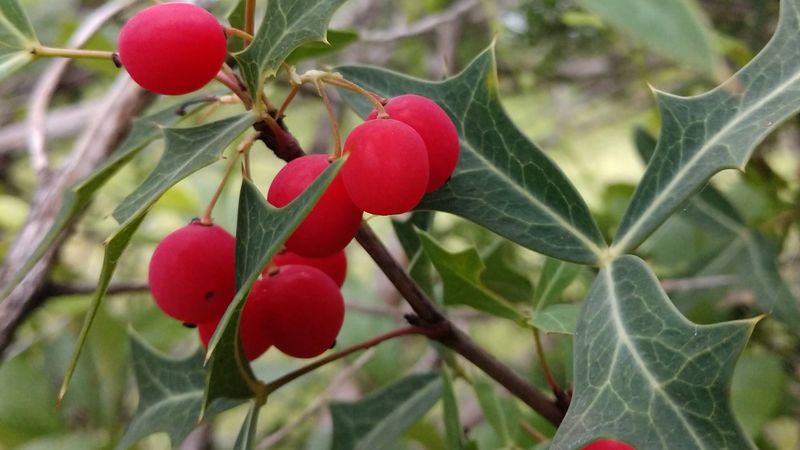
Ask a Hill Country old-timer about agarita, and you might hear a story about jelly and scratched-up arms. Gathering those tart berries traditionally meant beating branches over a sheet, because the leaves bite back.
Mahonia trifoliolata, sometimes listed as Berberis trifoliolata, grows wild across central, southern, and western parts of the state. It thrives in rocky limestone soil and full sun, shrugging off drought once roots settle deep.
Leaves are stiff, blue-green, and sharply pointed, a bit like a tiny silvery holly. Fragrant yellow flowers appear in late winter, and red berries follow in spring rather than around the holidays.
Since fruit ripens in spring, agarita brings mostly foliage to a holiday wreath instead of fresh berries. I still love its frosty blue tone, which looks wonderful tucked beside red possumhaw stems and cedar.
Freeze or dry a few berries in spring, and you can add them later as tiny accents. Some crafters glue dried berries in small clusters, though they shrink and darken somewhat over time.
Plant agarita where deer roam, since its prickly leaves discourage most browsing. Quail and other birds eat the berries, and the dense branches give small animals a safe hiding spot year-round.
7. Coralberry
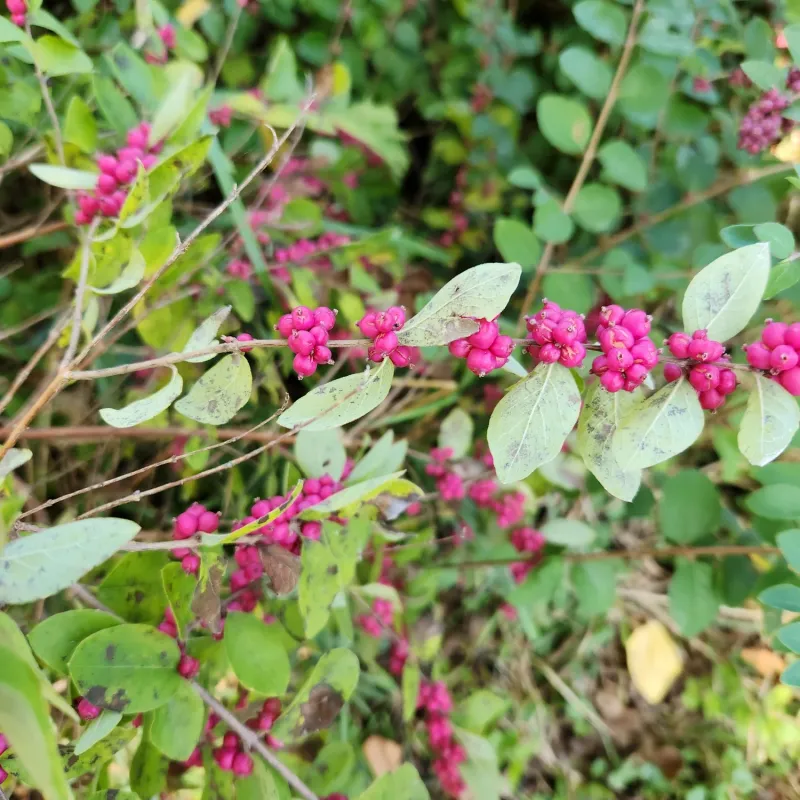
Small coral-pink berries cling along coralberry stems long after the leaves drop, almost like strings of beads. I first noticed them while hiking in winter, when everything else in the woods looked brown and sleepy.
Symphoricarpos orbiculatus is a low, spreading shrub native to much of the central and eastern United States. In Texas, it grows mostly in the eastern and central regions, often under trees along shady streams.
Plants usually stay two to five feet tall and spread by underground runners into loose colonies. That spreading habit makes coralberry useful for holding soil on slopes, though it may need edging in tidy beds.
Berries often last well into winter, which gives you a longer window for cutting than many native shrubs. Thin, flexible stems wrap easily around a grapevine wreath, adding a soft pinkish glow instead of bold red.
Shade or part sun suits it best, along with average soil that does not stay soggy for long. Water new plants during their first summer, then let them handle most dry spells on their own.
Berries are considered mildly toxic to people, so keep wreaths away from little hands and curious pets. Birds often eat them later in winter, so you can share and still enjoy plenty of color indoors.