Drought-Tolerant Texas Perennials That Don’t Need Watering To Bloom All Summer
Texas summers have a way of turning garden watering from a pleasant routine into an exhausting obligation, and plants that demand consistent moisture through the hottest months can feel like a liability rather than an asset.
The good news is that a genuine Texas summer garden does not have to run on a hose.
There are perennials that are so well adapted to Texas growing conditions that once they are established, they push out blooms through the entire summer on rainfall alone, even during the dry stretches that shut down less resilient plants.
These are not plants that merely survive without extra water. They actively perform, holding color and structure through weeks of heat and limited rain that would send other plants into stress or dormancy.
Texas has more of these options than most gardeners realize, and building a perennial garden around them changes the experience of summer gardening from maintenance-heavy to something that mostly takes care of itself.
1. Turk’s Cap
If your yard has a shady corner that never seems to grow anything worthwhile, Turk’s Cap might just change your mind about that spot forever. This native Texas perennial is one of the rare plants that handles both shade and drought with equal confidence.
Most drought-tolerant plants demand full sun, but Turk’s Cap thrives even under trees or along fences where sunlight is limited.
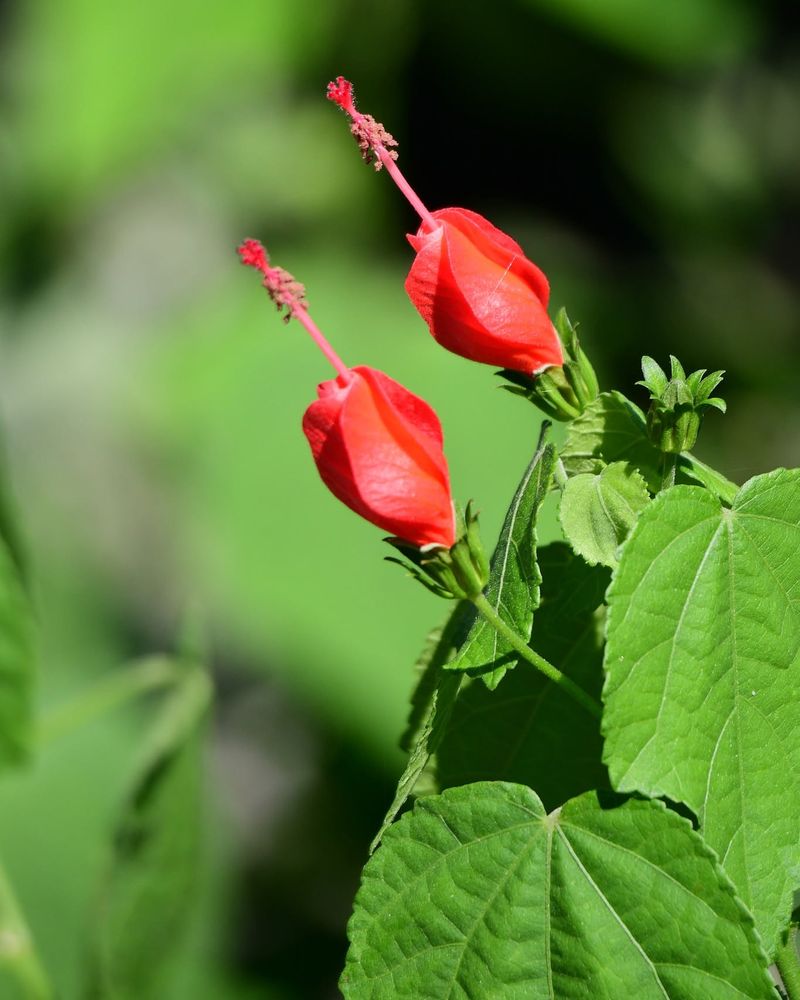
The blooms are absolutely distinctive. Each flower is a deep crimson red that twists into a spiral shape, never fully opening the way most flowers do.
That unique shape is actually what gives the plant its name, as the blooms resemble a style of turban historically worn in the Middle East. Hummingbirds are wild about these flowers and will visit your yard repeatedly once they discover this plant is there.
Turk’s Cap can grow quite large, sometimes reaching four to eight feet tall and wide in ideal conditions. It spreads naturally over time, filling in bare spots and creating a lush, tropical-looking backdrop in the garden.
Despite its impressive size, it requires almost no care once established. Prune it back in late winter to keep it tidy and encourage vigorous new growth in spring.
Butterflies and native bees also visit the flowers, and birds enjoy the small red fruit that follows each bloom. This plant blooms from spring through the first frost, offering months of color with zero fuss.
For Texas gardeners who want big impact with minimal effort, Turk’s Cap is a standout choice.
2. Blackfoot Daisy
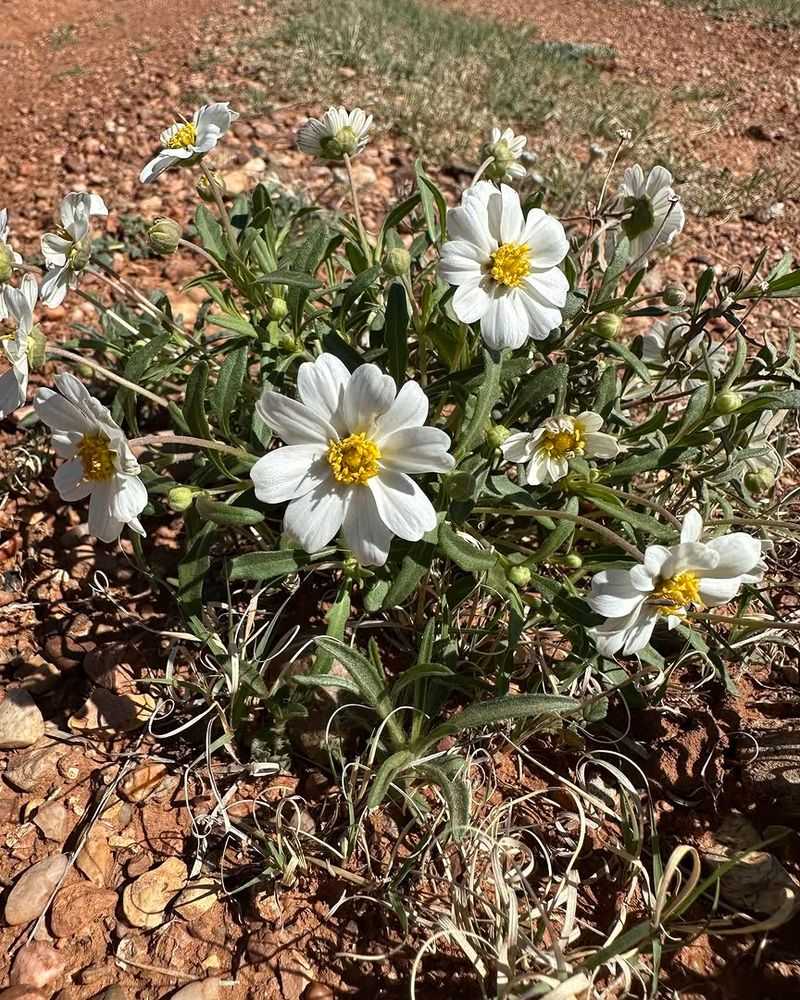
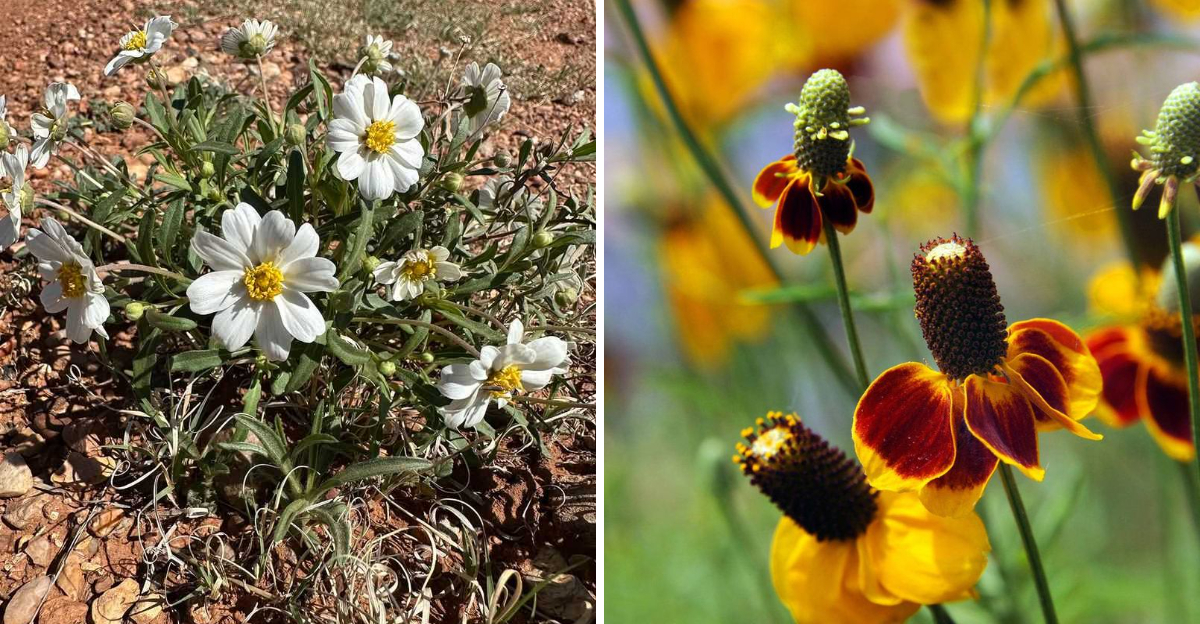
Picture a carpet of cheerful white flowers covering a rocky hillside in West Texas, even in the middle of a scorching summer with no rain in sight. That’s exactly what the Blackfoot Daisy does, and it does it without complaint.
This little powerhouse is native to the Chihuahuan Desert region, which means it was practically born to handle tough conditions.
The Blackfoot Daisy grows in low, spreading mounds that usually reach about six to twelve inches tall. Its blooms are bright white with golden yellow centers, giving off a faint honey-like fragrance that pollinators absolutely love.
Your Texas Garden Changes Every Week. Your Plan Should Too.
Gardening in Texas changes quickly throughout the season. Every Friday you’ll receive a simple weekly plan showing exactly what to plant, prune, fertilize, harvest, and protect so you never miss the right timing.
Bees and butterflies visit these flowers regularly, making your yard a mini wildlife haven without any extra effort on your part.
One of the best things about this plant is how little it asks for. It actually prefers poor, rocky, or sandy soil over rich garden beds.
Too much water or fertilizer can cause it to get leggy and stop blooming. Plant it in full sun, leave it alone, and it will reward you with blooms from early spring all the way through fall.
Blackfoot Daisies are perfect for rock gardens, garden borders, or even containers on a sunny patio. They stay compact and tidy without much pruning.
If you want to encourage more blooms, a light shearing mid-summer can help refresh the plant. This is one of the most reliable low-maintenance flowers you’ll ever grow in a Texas landscape.
3. Autumn Sage
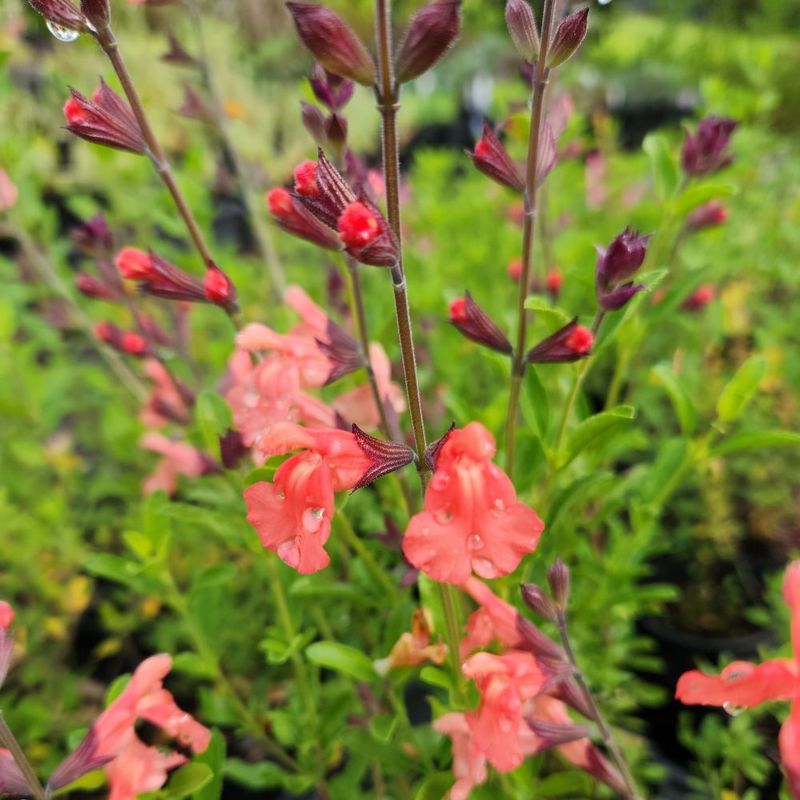
Walk through any Texas Hill Country garden in July, and there’s a good chance you’ll spot a burst of red, pink, or coral blooms holding strong in the heat. That’s Autumn Sage, and it’s been a Texas garden favorite for a very good reason.
Despite its name, this tough little native blooms from spring all the way through fall, not just in autumn.
Autumn Sage belongs to the salvia family, which is already known for being rugged and reliable. This particular species is native to the Trans-Pecos region of Texas and northern Mexico, where rocky limestone soils and extreme heat are just part of everyday life.
Those challenging origins have made it incredibly adaptable to home gardens across the entire state.
The flowers are small and tubular, which makes them perfect for hummingbirds, bees, and butterflies. A single plant can host dozens of pollinators on a warm afternoon.
Colors range from classic red to soft pink, salmon, white, and even bicolor varieties, so you can mix and match to suit any garden style or color scheme you prefer.
Plants typically grow one to three feet tall and wide, making them ideal for borders, pathways, or mass plantings. They prefer full sun and well-drained soil, and they strongly dislike sitting in wet conditions for too long.
Once established, they rarely need supplemental watering. A light trim after each big bloom cycle keeps the plant looking fresh and encourages even more flowers throughout the season.
4. Mealy Blue Sage
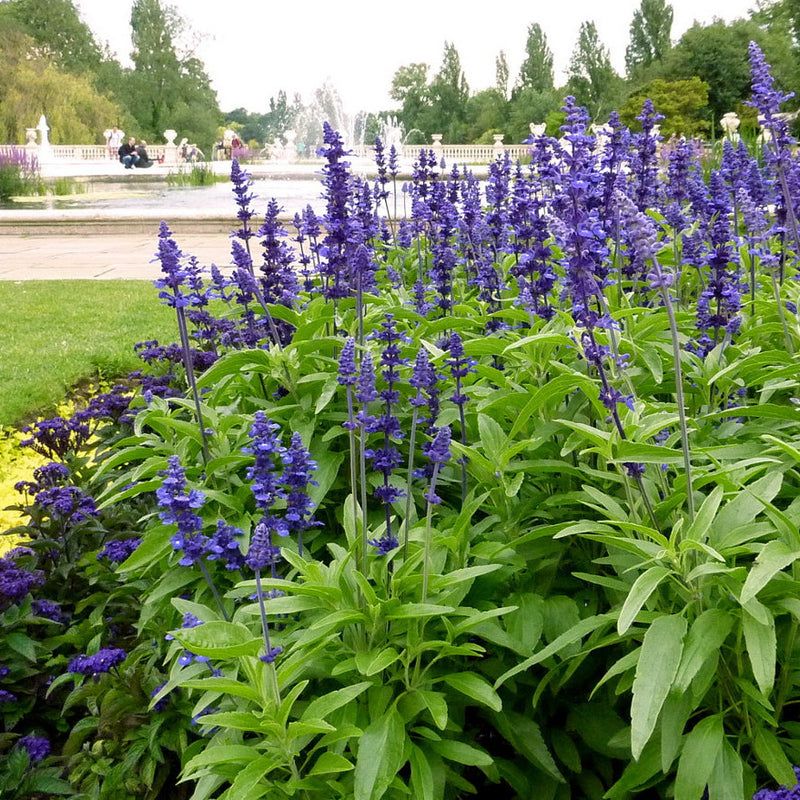
Few sights in a summer Texas garden are as striking as a row of tall blue flower spikes standing tall in the blazing afternoon sun. Mealy Blue Sage delivers exactly that kind of bold, eye-catching color, and it does so without ever demanding much from the gardener.
This native Texas wildflower has been growing along roadsides and in open meadows across the state for thousands of years.
The name “mealy” comes from the powdery, grayish coating found on the stems and flower bases, giving the plant a slightly frosted appearance up close. The blooms themselves are a rich violet-blue, rising on tall, elegant spikes that can reach two to three feet in height.
That vertical form makes it a fantastic plant for adding structure and height to flat garden beds.
Bees absolutely adore this plant. On a warm day, a patch of Mealy Blue Sage can sound like a gentle hum as dozens of native bees work the flowers from top to bottom.
Butterflies and hummingbirds visit regularly too, making this one of the most wildlife-friendly perennials you can grow in Texas. It pairs beautifully with yellow or orange flowers for a vibrant, high-contrast combination.
Plant it in full sun with good drainage, and it will bloom from spring through fall with very little attention. Deadheading spent spikes encourages continuous flowering.
It reseeds readily, so you may find new plants popping up nearby each year. That natural spreading habit means your investment in one plant could eventually fill an entire garden bed on its own.
5. Esperanza
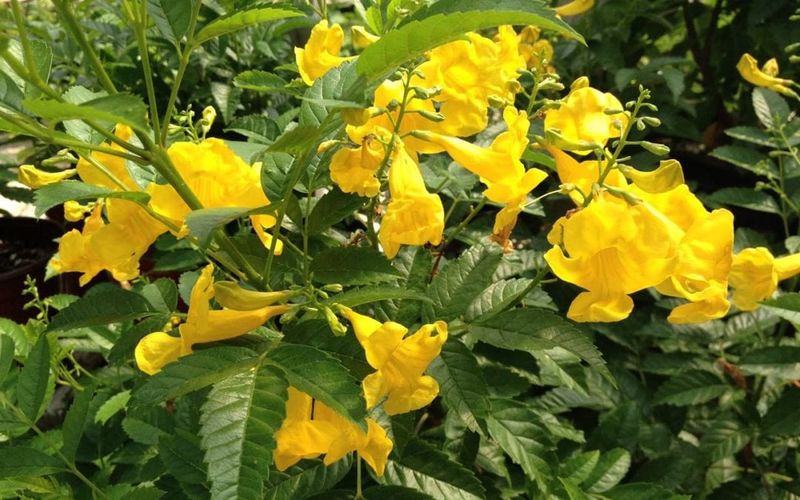
Golden trumpets, warm summer air, and not a drop of rain for two weeks, and yet the Esperanza just keeps on blooming.
This plant has a name that means “hope” in Spanish, and once you see it performing in the middle of a brutal Texas August, you’ll understand exactly why that name fits. Few plants bring as much sunshine to a dry garden as this one does.
Esperanza, also called Yellow Bells, is a fast-growing shrub-like perennial that can reach four to eight feet tall in a single season. Its clusters of bright golden-yellow, trumpet-shaped flowers appear in waves from late spring through the first frost.
The blooms are large, cheerful, and impossible to miss from across the yard. Hummingbirds and butterflies are regular visitors, drawn in by the rich nectar inside each flower.
Native to the Rio Grande Valley and northern Mexico, this plant evolved in some of the hottest, driest conditions in North America. It actually performs better in heat and drought than it does in cool, wet weather.
In fact, too much water can slow its blooming. Plant it in full sun, give it well-drained soil, and step back to watch it take off.
In South and Central Texas, Esperanza often acts as a true perennial, coming back reliably each spring from established roots.
In North Texas, it may behave more like an annual during harsh winters, but it grows so quickly that replanting is never a hardship. This plant earns its place in any Texas garden with bold, non-stop color all summer long.
6. Rock Rose
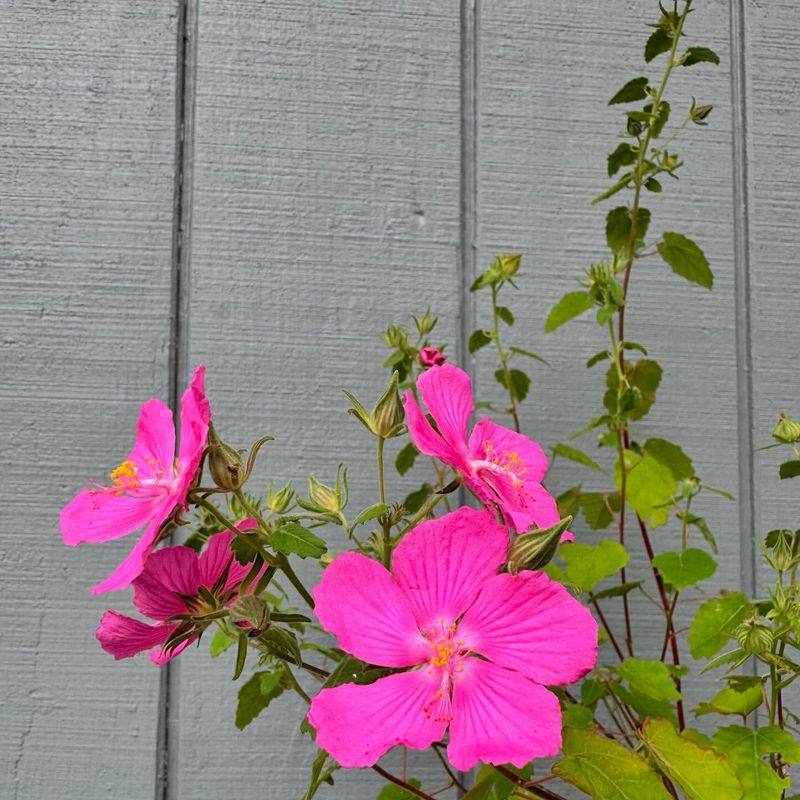
Bright fuchsia flowers dotting a sun-baked garden bed in the middle of summer might sound like wishful thinking, but Rock Rose makes it a reality. This Texas Hill Country native is one of those plants that seems almost too good to be true.
It blooms heavily, attracts wildlife, handles brutal heat, and practically takes care of itself once it finds a happy spot.
Rock Rose is a soft-wooded shrub that typically grows three to five feet tall and wide. The flowers are small but produced in such abundance that the plant looks like it’s covered in pink confetti for months at a time.
Each individual bloom only lasts a single day, but new flowers open constantly from late spring through fall, so the show never stops. Butterflies flock to this plant like it’s the best party in the garden.
True to its name, Rock Rose thrives in rocky, limestone-heavy soils that most plants would struggle in. It actually prefers lean, dry conditions and performs best when left to its own devices.
Rich soil and heavy watering tend to produce lots of leafy growth at the expense of flowers. Keep it lean, keep it sunny, and the blooms will be spectacular.
Pruning back the plant by about a third in late winter encourages dense, bushy growth and sets the stage for a strong spring bloom. Rock Rose also reseeds modestly, so you may find a few volunteer plants nearby over time.
For Texas gardeners who want a full season of fuchsia color with almost no maintenance, this native shrub is a true gem.
7. Mexican Hat
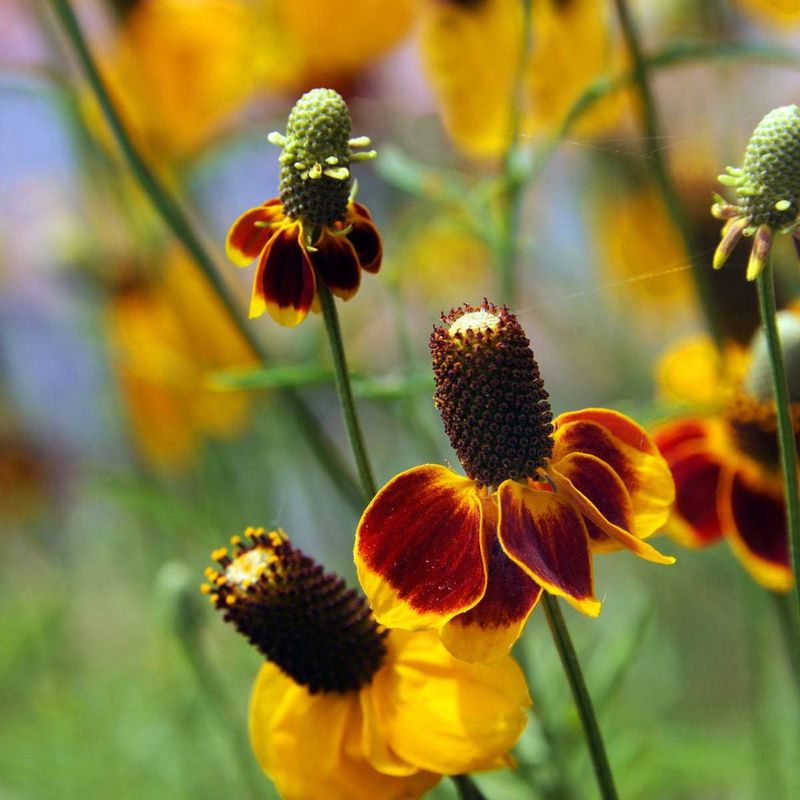
There’s something almost playful about a Mexican Hat flower. The long, cone-shaped center rising up like a tiny sombrero, with drooping yellow and deep red petals hanging down around it, looks like something a garden artist dreamed up.
But this quirky, colorful wildflower is as tough as any plant in Texas, and it’s been proving that for centuries across the state’s open prairies and roadsides.
Mexican Hat is a true Texas native and one of the most drought-hardy wildflowers you can grow. It thrives in poor, dry soil and full sun, asking for almost nothing in return for months of cheerful blooms.
The flowers come in shades of yellow, red, and combinations of both, nodding gently in the breeze on wiry stems that reach two to three feet tall. That movement gives the garden a lively, natural feel that more structured plants can’t quite match.
Pollinators love Mexican Hat. Bees and butterflies visit the flowers regularly, and the seeds that follow are a valuable food source for birds in late summer and fall.
Leaving the seed heads in place after blooming helps support local wildlife and also allows the plant to reseed naturally, spreading slowly to create a larger, more naturalistic planting over time.
Plant Mexican Hat in a sunny spot with decent drainage and almost forget about it. It’s one of those plants that resents too much attention.
Overwatering or fertilizing can actually reduce blooming. For wildflower gardens, native meadows, or dry slopes where other plants struggle, Mexican Hat is the definition of a no-fuss, high-reward Texas perennial.