The Heat-Proof Texas Herb That Repels Mosquitos From Your Patio
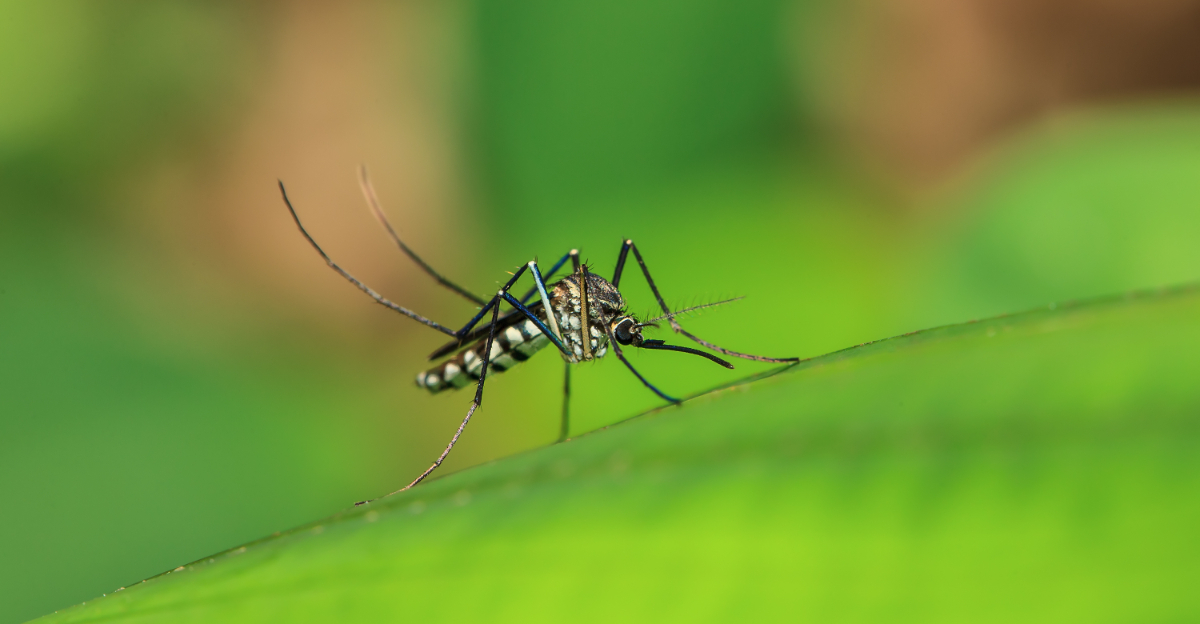
Texas heat does not play fair, and mosquitos treat that heat like an invitation. If your evening plans have ever turned into an itchy retreat indoors, you already know the pattern.
There is a plant quietly ending that pattern, and it does not need a single drop of spray to do it. This tough, aromatic grower shrugs off scorching afternoons that would wilt almost anything else in your yard.
While the heat index climbs, this plant just gets more fragrant, releasing an oil-rich scent that humans find irresistible and mosquitos find unbearable. A few pots near your seating area can shift your whole patio routine.
This Woody Mediterranean Herb Handles Texas Heat Without Slowing Down
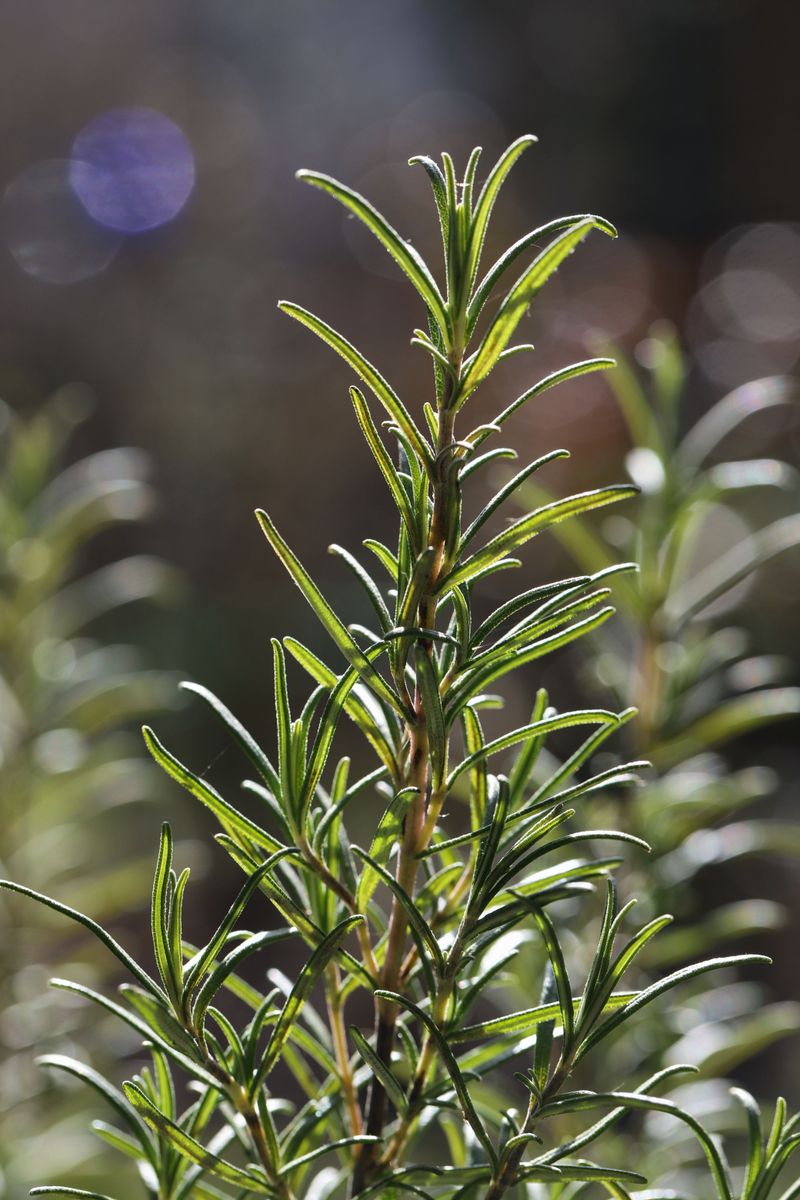
Rosemary does not flinch at heat. While other herbs wilt and yellow by mid-June, rosemary keeps its deep green color and stands tall through the worst of summer.
Originally from the rocky, sun-baked coastlines of the Mediterranean, this plant evolved to handle exactly the kind of punishment Texas dishes out. It thrives in sandy, dry soil with full sun and very little water.
Most herbs need babying in a Texas summer. Rosemary actually performs better when you back off and let the heat do its thing.
The plant’s needle-like leaves have a small surface area and a waxy coating, which helps it retain moisture and survive when rainfall disappears for weeks. That makes it perfect for anyone with a busy schedule.
In zones 7 through 10, rosemary can grow into a full shrub over several years. Some Texas gardeners end up with rosemary shrubs several feet tall after just a few seasons.
The woody base of the plant is not just for show. That thick, bark-like stem is built to anchor the plant through wind, heat, and hard freezes.
Upright varieties like Tuscan Blue grow tall and bushy, making them great for border plantings near a patio. Trailing varieties like Prostratus spill over the edges of raised beds or containers beautifully.
If you want a plant that earns its spot without asking for much, rosemary is the one. It shows up every single day, no matter what the thermometer says.
Rosemary Owes Its Repelling Power To A Few Key Compounds
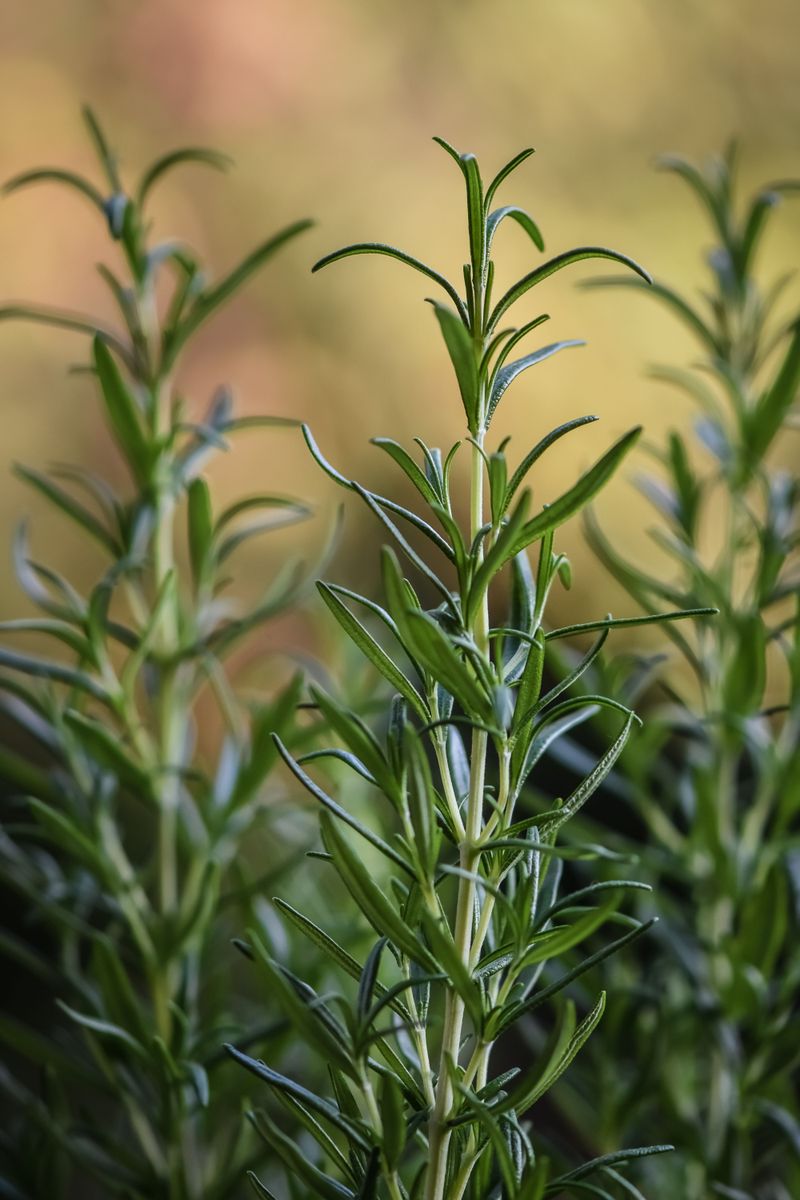
The scent of rosemary is not just pleasant. It is a chemical signal that mosquitos read as danger.
Rosemary produces several natural compounds that bugs find overwhelming. Camphor, alpha-pinene, and 1,8-cineole are the big three that do the heavy lifting when it comes to repelling insects.
Camphor plays a major role in making the plant unappealing to many flying insects. It works by overwhelming their olfactory sensors, which are the tiny receptors bugs use to smell and locate food sources.
Alpha-pinene is the same compound found in pine trees. It gives rosemary that sharp, almost forest-like edge to its scent, and insects find it deeply unpleasant.
1,8-cineole, also called eucalyptol, is found in eucalyptus oil, which is already well-known as an insect repellent. Rosemary produces it naturally and constantly.
Your Texas Garden Changes Every Week. Your Plan Should Too.
Gardening in Texas changes quickly throughout the season. Every Friday you’ll receive a simple weekly plan showing exactly what to plant, prune, fertilize, harvest, and protect so you never miss the right timing.
Some pest management research suggests rosemary essential oil can perform comparably to certain synthetic repellents in lab settings. That is a big deal for a backyard herb.
The compounds are most concentrated in the young growth at the tips of the branches. When you brush against those soft green tips, you release a fresh burst of repelling scent.
What makes rosemary special is that it produces these compounds around the clock. Unlike a spray that fades in an hour, a living rosemary plant keeps releasing its scent as it continues to grow.
That built-in, continuous release is what makes it such a smart addition to any mosquito-prone outdoor space.
Dry Soil And Bright Light Push The Scent Even Further

Stress brings out the best in rosemary. When the soil gets dry and the sun beats down hard, the plant ramps up its oil production as a survival response.
Those aromatic oils are the plant’s natural defense against heat and moisture loss. The hotter and drier the conditions, the more the plant produces them to protect itself.
That means a rosemary plant baking in a terracotta pot with gritty soil is actually releasing more scent than one sitting in rich, moist garden beds. You get more repelling power from a slightly stressed plant.
Sandy or rocky soil mimics the plant’s native Mediterranean habitat. Adding perlite or coarse sand to your potting mix helps drain water fast and keeps roots from sitting in moisture.
Overwatering is one of the most common mistakes people make with rosemary. Wet roots lead to root rot, and a sick plant produces far fewer oils than a healthy, dry one.
Bright light is just as important as dry soil. Rosemary needs at least six to eight hours of direct sun each day to produce oils at full strength.
South-facing spots on your patio or yard are ideal. The more sun exposure the plant gets, the more fragrant and effective it becomes as a natural repellent.
Think of sun and dry soil as the two dials that control the intensity of rosemary’s scent. Crank both up, and you get stronger mosquito-repelling output from the plants you grow.
Placement Near Seating Areas Makes The Biggest Difference

Location plays a major role in how effective rosemary is as a repellent. A plant sitting across the yard does almost nothing to protect the people on your Texas patio.
The goal is to create a scent barrier right where you spend your time. Placing rosemary within three to four feet of your seating area puts the oils exactly where mosquitos need to encounter them.
Flanking both sides of an outdoor chair or sofa with a pot of rosemary creates a fragrant wall that insects are reluctant to cross. You become the target behind the barrier instead of the first thing they find.
Corner placements work especially well on patios with defined edges. Two large pots in opposite corners of a seating area can cover a surprisingly wide zone with scent.
If you have a dining table outside, try placing a low rosemary plant as a centerpiece. It works as a natural table decoration and keeps bugs away from food at the same time.
Hanging baskets with trailing rosemary varieties are another smart option. Hung at shoulder height near doorways or pergola posts, they release scent right where people are likely to brush past them.
The key is thinking about airflow. Mosquitos follow air currents when searching for targets, so placing rosemary upwind of your seating area pushes the repelling scent directly toward incoming bugs.
A little strategic thinking about placement turns a simple herb into a reliable layer of outdoor protection whenever you sit down to relax outside.
Crushing The Leaves Releases More Protection Than Just Growing It

Growing rosemary nearby is a good start. Crushing the leaves and getting the oils on your skin takes the protection a step further.
When you rub a few sprigs between your palms, the oils transfer directly onto your hands and wrists. That turns your skin into a walking repellent source that mosquitos actively avoid.
People have relied on crushed rosemary and its oils for centuries, long before anyone had a label to put on it.
You can also make a simple spray by simmering a handful of fresh rosemary in two cups of water for about twenty minutes. Let it cool, strain it into a spray bottle, and mist it on exposed skin before heading outside.
The homemade spray stays effective for a few hours, which is usually enough for a backyard cookout or evening gathering. Reapply after swimming or sweating heavily.
Another approach is tossing a few sprigs directly onto hot coals or a fire pit. The smoke carries the oils into the air and creates a wider scent barrier around your entire outdoor space.
Fresh cuttings placed in a small bundle near a fan can also help. The moving air spreads the scent across a larger area and makes the repelling effect cover more ground.
The more you interact with your rosemary plants, the harder they work for you. Pinching off tips during regular pruning keeps the plant full and keeps the oils flowing strong.
Pairing It With Other Herbs Builds A Stronger Barrier

Rosemary is powerful on its own, but pairing it with other repelling herbs creates a scent combination that mosquitos find truly overwhelming. Think of it as building a team instead of relying on one player.
Lavender is the most natural partner for rosemary. Its linalool compounds work on a different olfactory channel than rosemary’s camphor, so together they block more of the receptors insects use to navigate.
Basil is another strong ally, especially lemon basil or Thai basil varieties. The sharp, clove-like scent of basil adds another layer of confusion to a mosquito’s search for a target.
Lemon balm brings a citrus edge to the mix. Its high citronellal content is similar to what makes citronella candles effective, and it grows fast and full even in Texas summer heat.
Catnip is worth mentioning because research from Iowa State University found it ten times more effective than DEET in repelling mosquitos. Planted alongside rosemary, it adds serious muscle to your herb barrier.
Marigolds round out the team with natural compounds in their foliage that many insects find unappealing. They also add a bright pop of color to the arrangement.
Grouping these plants together in a cluster near your seating area creates a layered scent wall with multiple active compounds working simultaneously. Mosquitos face a confusing and unpleasant chemical landscape whenever they approach.
The heat-proof Texas herb that repels mosquitos works best when it has backup. Build your herb team wisely, and your patio becomes a space where bugs are far less likely to stick around.