Native Pennsylvania Plants That Enrich Poor Soil While Blocking Weeds
Poor soil rarely fixes itself while sitting bare.
A thin patch in a Pennsylvania yard can lose moisture fast, grow more weeds than grass, and shed a little more soil every time heavy rain moves across it.
The surface stays exposed, the roots stay shallow, and opportunistic plants keep finding room to move in.
Native groundcovers can change that pattern.
They do not work like a quick fertilizer. Their value is slower and steadier. They shade the soil, hold it in place, add leaf litter, support soil organisms, and create living cover where weeds would rather take over.
The first season still matters.
Young plants need a clean start, regular checks, and enough spacing to fill in without being overwhelmed.
Once established, the right native groundcovers can make rough soil more stable, more alive, and much harder for weeds to claim.
So which native Pennsylvania plants help enrich poor soil while blocking weeds?
Start with tough, regionally appropriate groundcovers that match the site’s light, moisture, drainage, and long-term maintenance needs.
1. Pennsylvania Sedge
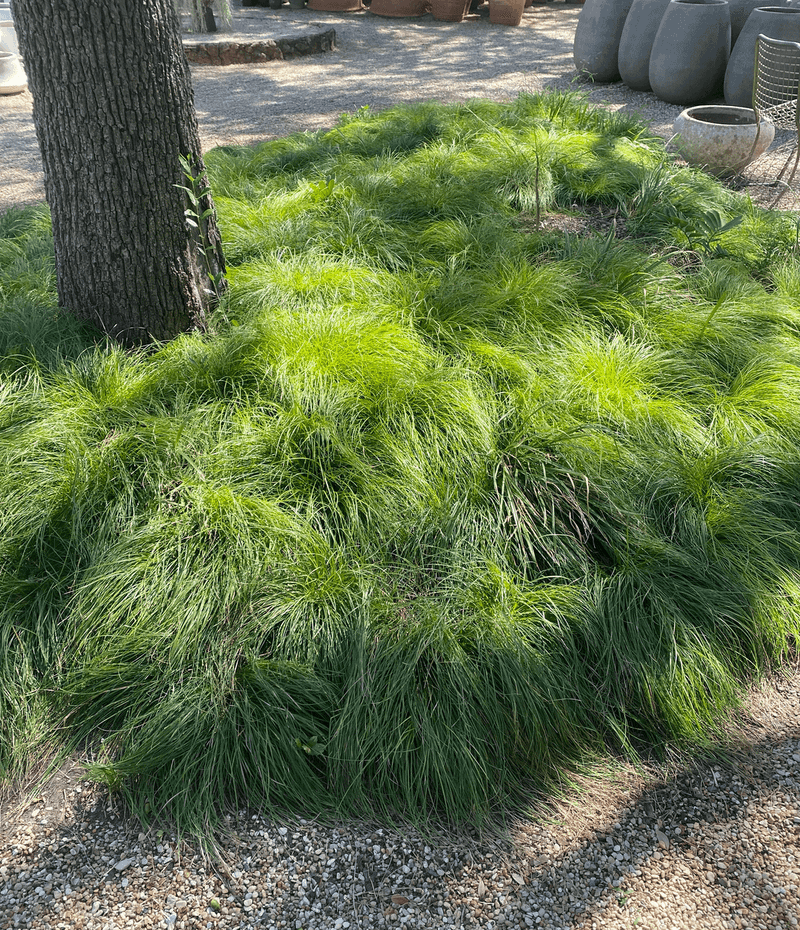
This is the quiet fix for dry shade.
Pennsylvania sedge brings fine, grass-like texture to places where lawn grass often thins out, especially beneath deciduous trees and along woodland edges. It looks soft and natural without needing constant mowing or heavy feeding.
The growth is gradual. This plant spreads by underground rhizomes, slowly knitting individual clumps into a low, flowing carpet.
That slow spread is part of its charm. It does not race across the garden or smother everything in its path, but it does build reliable coverage over time.
The foliage shades the soil. Once plants fill in, fewer weed seeds get the light they need to sprout.
It also feeds the surface naturally. Older leaves break down and add organic matter back into the top layer of soil.
Dry to medium soil suits it best. Pennsylvania sedge handles the dry shade under trees better than many showier groundcovers, but wet soil can weaken the planting.
Foot traffic should stay light. This is not a turfgrass replacement for a busy path or play area. It works best where people mostly admire it from the edge.
Spring cleanup is simple. A light trim or mowing at about three to four inches can refresh the planting before new growth fills in.
Prepare the site well before planting.
Young sedges do not compete well with established weeds, so clear the area thoroughly and use nursery-grown plants spaced close enough to cover within a few seasons.
2. Common Blue Violet
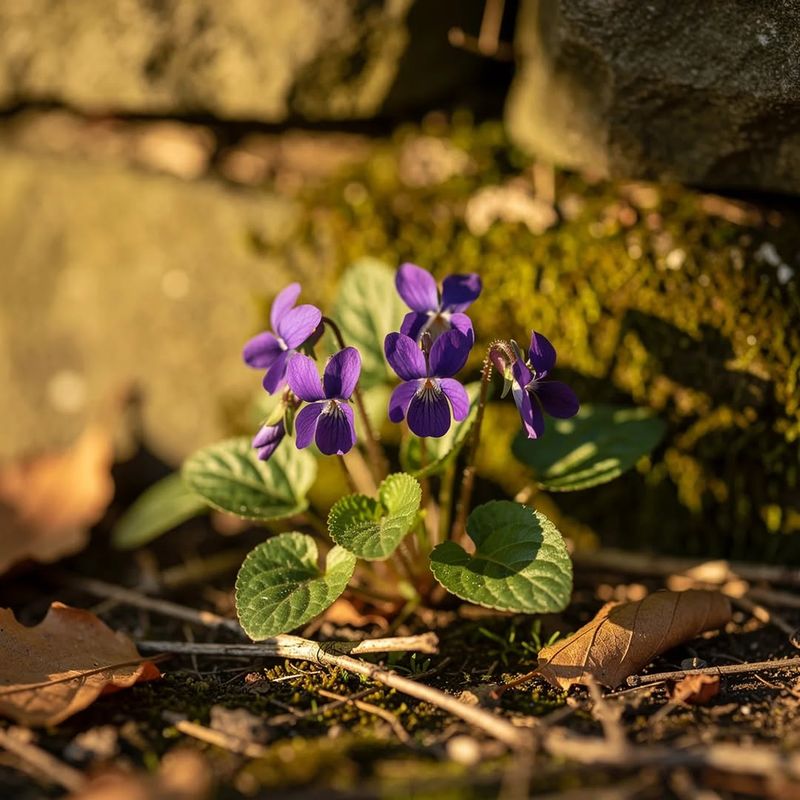
A patch of violets can do more than look sweet in spring.
Common blue violet spreads low across the soil with heart-shaped leaves and vivid purple-blue flowers. It fits naturally under shrubs, along woodland edges, and in informal beds where a little movement is welcome.
The leaves create useful cover. Once the patch thickens, the foliage shades the soil and makes it harder for small weed seedlings to get started.
Wildlife value is a major bonus. Native bees use the spring flowers, and fritillary butterfly caterpillars rely on violet foliage as food.
Your Pennsylvania Garden Changes Every Week. Your Plan Should Too.
Gardening in Pennsylvania changes quickly throughout the season. Every Friday you’ll receive a simple weekly plan showing exactly what to plant, prune, fertilize, harvest, and protect so you never miss the right timing.
This plant spreads in more than one way. It moves by short rhizomes and also self-seeds, which helps it fill bare spaces over time.
That spread needs honest planning. In a naturalistic planting, expansion is useful. In a tidy formal bed, occasional editing keeps it from wandering too far.
Moist to moderately dry soil can work. Violets are adaptable, especially when planted in part shade or beneath taller plants that soften afternoon heat.
Do not mistake useful spread for instant weed control. The planting still needs help in the beginning while young plants establish.
Remove competing weeds first. Established invasives or thick turf can overwhelm young violets before they form a real colony.
Use nursery-propagated plants when adding them intentionally.
Common blue violet may already appear in many Pennsylvania yards, but planned placement gives it a better role than random survival in the lawn.
This is a plant worth working with, not automatically pulling out.
It covers soil, feeds insects, and turns early spring into something much livelier.
3. Wild Strawberry
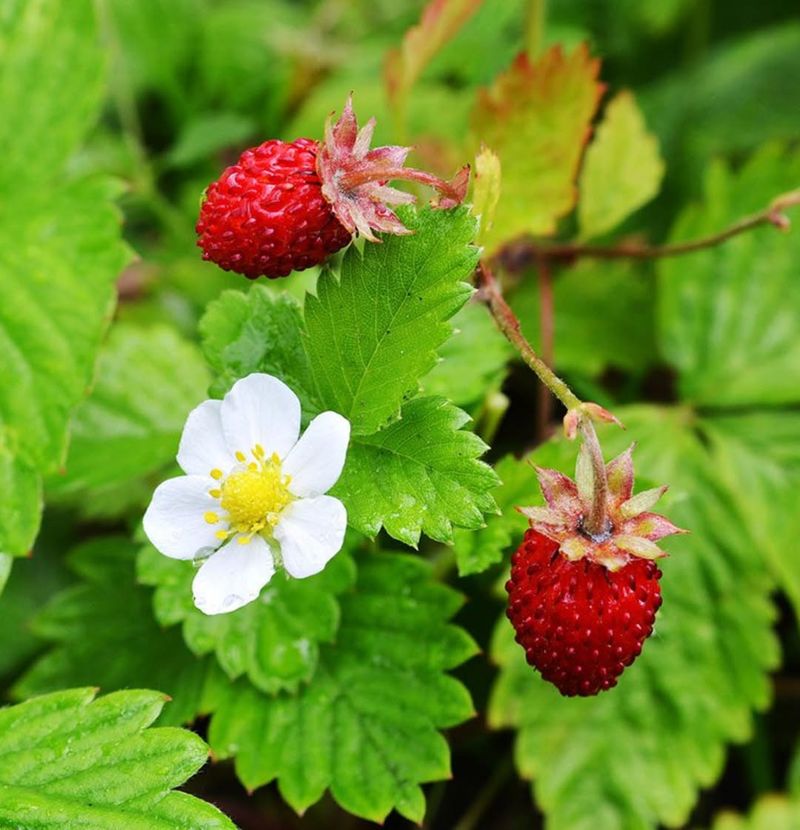
Wild strawberry is a sunny groundcover with real purpose.
It sends runners across open soil, rooting as it goes and creating a low mat of leaves. On sunny slopes, bed edges, and meadow-style plantings, that habit helps hold the surface in place.
The runners are the secret. Each new plant adds more living coverage, which reduces bare soil and blocks some weed seedlings from finding space.
Spring flowers add charm. Small white blooms appear before the tiny red fruits, bringing pollinators into the planting early in the season.
The fruit is small but flavorful. Birds, small mammals, and lucky gardeners may all enjoy it, though wildlife often finds the berries first.
Full sun to light shade is best. The plant can handle some shade, but stronger fruiting and denser growth usually come with more light.
Drainage matters. Wild strawberry does not want heavy, soggy soil around the crowns. Poor drainage can make the planting thin and weak.
A slope can be a great site. The spreading roots and runners help slow erosion where rain might otherwise move soil downhill.
Confirm the botanical name before buying. Look for Fragaria virginiana so the planting supports local wildlife and behaves like the native species.
Weed the site before planting. Young strawberry plants spread well, but they should not be asked to battle entrenched weeds from day one.
Space plants about a foot apart for faster coverage.
Once the runners begin filling the gaps, the bed starts doing what bare soil never could: holding, shading, feeding, and protecting itself.
4. Green And Gold
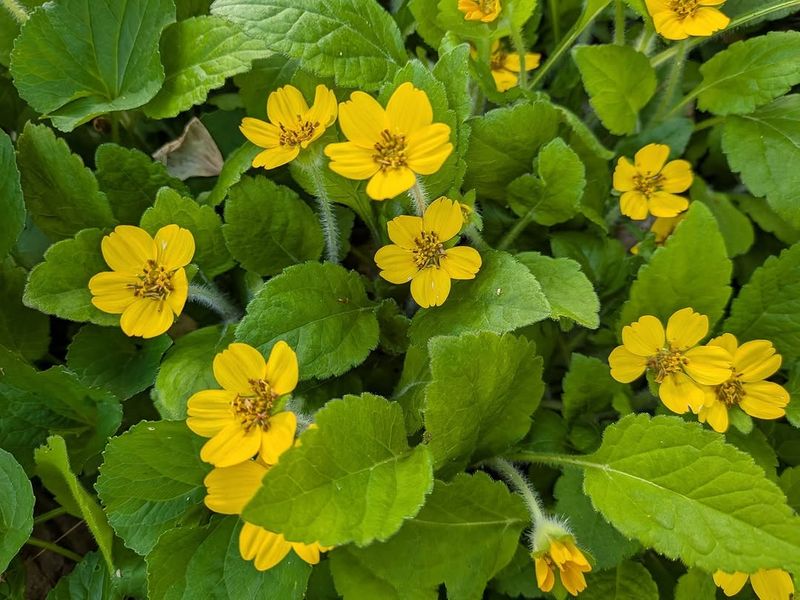
This groundcover brings a brighter mood to part shade.
Green and gold forms a low mat of dark green foliage, then covers itself with cheerful yellow flowers in spring. Smaller blooms may continue here and there through the warmer months, giving the planting a long season of interest.
The growth is polite. It spreads by short stolons, gradually filling open soil without behaving like a bully.
That makes it useful near shrubs. It can soften the base of woodland plantings, shade the soil, and leave room for taller native perennials nearby.
Part shade suits it best. Morning sun with afternoon shade or filtered light under open trees keeps the leaves fresher.
Moisture should stay moderate. Hot, dry, fully exposed sites can stress the foliage and slow the plant’s ability to cover ground.
The low canopy helps block weeds. Once plants knit together, they reduce the open spaces where weed seedlings usually appear.
Leaf litter adds to the soil over time. As older foliage breaks down, it contributes small but steady organic matter to the surface.
Good preparation makes the difference. Remove weeds before planting and loosen the top layer so roots can settle quickly.
Space plants about twelve to eighteen inches apart. Closer spacing gives faster weed suppression, especially in beds that have been difficult to keep clean.
This plant is not meant for harsh, dry sun.
In the right shaded bed, though, it turns poor open soil into a greener, softer, more stable patch with spring color as a bonus.
5. Golden Ragwort
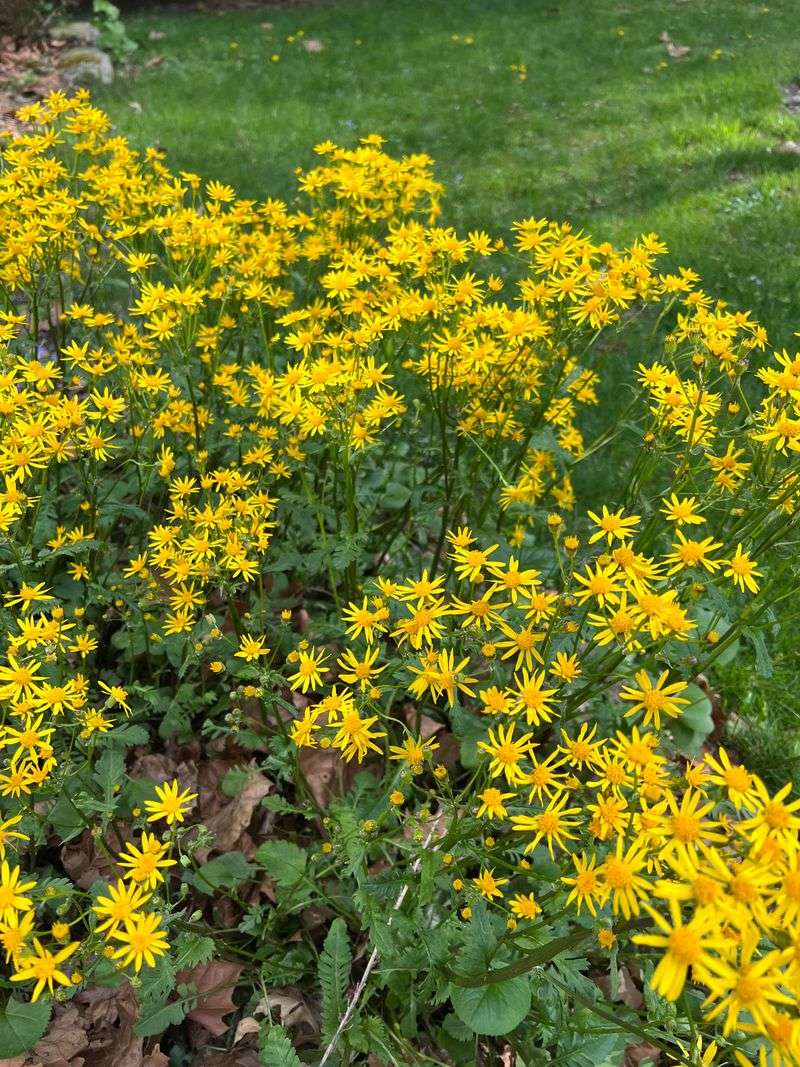
Golden ragwort is the fast mover for moist shade.
It forms semi-evergreen basal leaves that cover the ground through much of the year, then sends up bright yellow flowers in spring. In a damp Pennsylvania bed, that combination can be incredibly useful.
The groundcover effect starts low. Those leafy rosettes sit close to the soil, shading it before taller spring stems rise.
Moist soil brings out its strength. Woodland edges, rain garden margins, shaded low spots, and humus-rich beds are all good fits.
It spreads with purpose. Rhizomes and self-seeding can create a colony quickly once plants are comfortable.
That speed helps with weeds. A dense colony gives fewer openings to weed seedlings, especially in spaces that stay moist enough for constant weed pressure.
Room matters. Golden ragwort is excellent in naturalistic areas, but it may need editing in small structured beds.
The flowers feed early insects. Bees and small pollinators visit when many other garden plants are still waking up.
Avoid dry, hot sites. The foliage can struggle when soil dries out and afternoon sun gets strong.
Start with a clean bed. Persistent weeds should come out before planting so the ragwort can claim the space without constant competition.
Use nursery-grown plants. That protects wild populations and gives the planting a healthier beginning.
Golden ragwort is not shy.
Plant it where its spreading habit is an advantage, and it can turn a weedy moist patch into a bright, living groundcover that holds the soil beautifully.
6. Wild Ginger
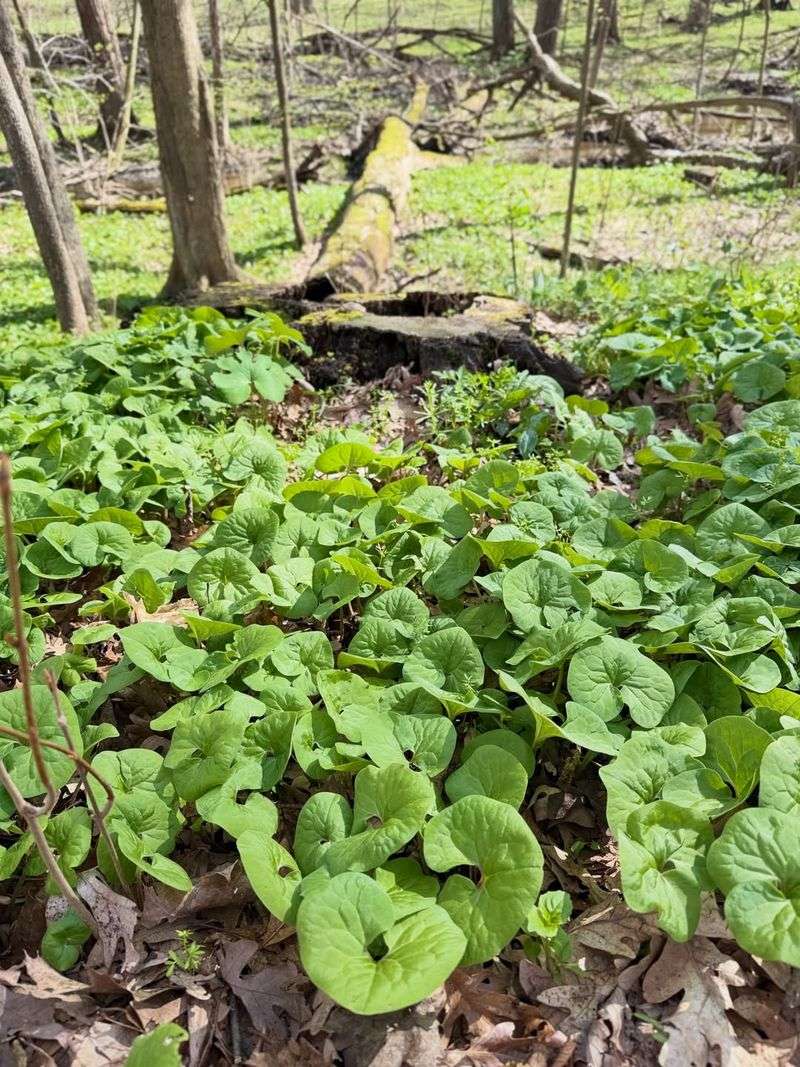
Wild ginger is slow, steady, and worth the wait.
It creates a low woodland carpet of broad, heart-shaped leaves that look lush without being flashy. The effect is calm, green, and especially useful in deep shade where many plants struggle.
The foliage is the feature. Small brownish-purple flowers appear near the soil in spring, but they hide under the leaves rather than putting on a show.
The spread is gradual. Wild ginger moves by rhizomes, slowly forming colonies that become better at covering soil with age.
Patience is required. This is not the groundcover for instant coverage in a large exposed area.
Moist, humus-rich soil helps it thrive. Dry shade slows growth and can leave the leaves stressed during summer.
Shade is essential. Woodland gardens, north-facing beds, and spots beneath deciduous trees suit it far better than sunny slopes.
Weed control improves with maturity. Once the leaves overlap, they shade the soil and reduce the light available to weed seedlings.
Early maintenance is important. Young plants leave gaps between them, so weeds must be removed while the colony fills in.
Add leaf compost when soil is thin. A woodland-style soil with organic matter supports stronger growth and better moisture retention.
Do not use it as culinary ginger. Wild ginger is a native ornamental groundcover, not a substitute for kitchen ginger.
This plant works on woodland time.
Give it shade, moisture, and a weed-free start, and it slowly builds the kind of living cover poor soil needs most.
7. Foamflower
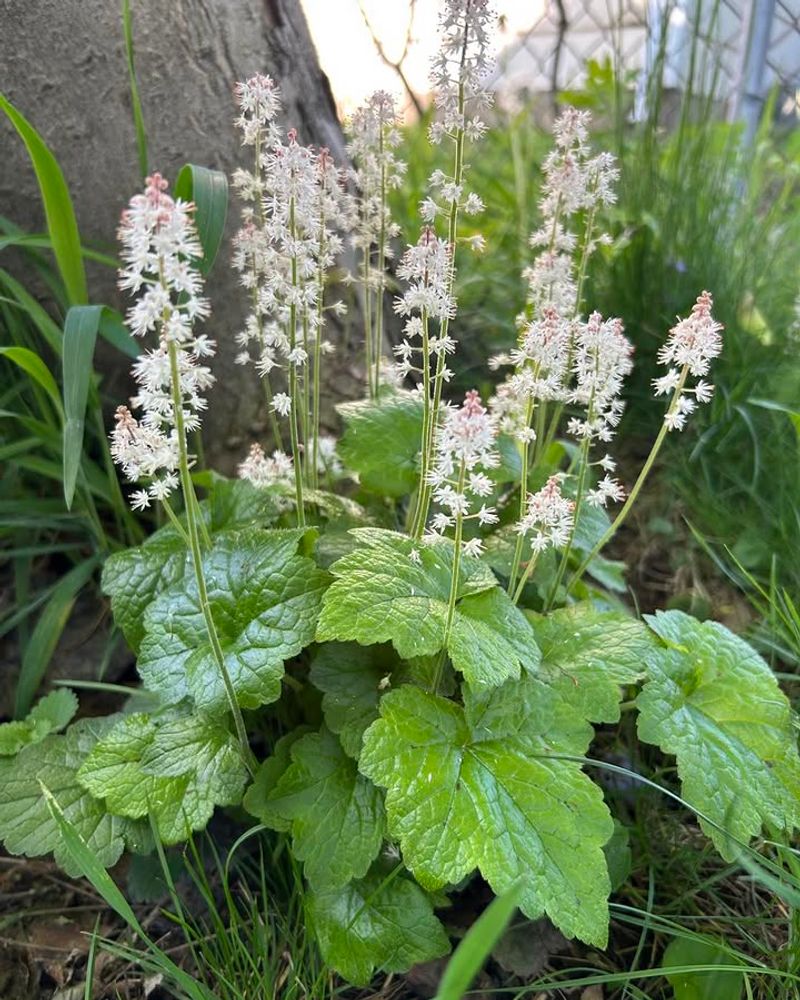
Foamflower brings delicate spring bloom with serious groundcover value.
Its airy white flower spikes rise above lobed leaves, giving shaded beds a soft woodland look. After bloom, the foliage keeps the planting attractive and helps protect the soil.
Cool shade is its comfort zone. Beneath trees, along woodland paths, and in moist part-shade beds, foamflower can settle in beautifully.
Hot dry sun is the wrong site. Too much afternoon heat can stress the leaves and weaken the planting before it forms good coverage.
Soil should stay evenly moist. Leafy, humus-rich soil supports better growth than thin, dry ground.
Some forms spread by stolons. Those types can fill gaps and create a stronger groundcover effect over time.
Other selections stay clumpier. Ask the nursery about the plant’s growth habit so the spacing and expectations match what you are buying.
The leaves add texture. Their shape, veining, and seasonal color shifts make the planting interesting after the flowers finish.
Weed before planting. Foamflower establishes best without competition from aggressive weeds or leftover turf roots.
Add leaf compost in poor soil. This helps copy the woodland conditions the plant prefers and improves the soil surface over time.
Avoid walking through the planting. Young foamflower can be damaged by foot traffic while roots are still spreading.
Foamflower is not a plant for every bare patch.
In cool, moist shade, it can turn difficult soil into a layered, living carpet with spring flowers and year-round softness.
8. Creeping Phlox
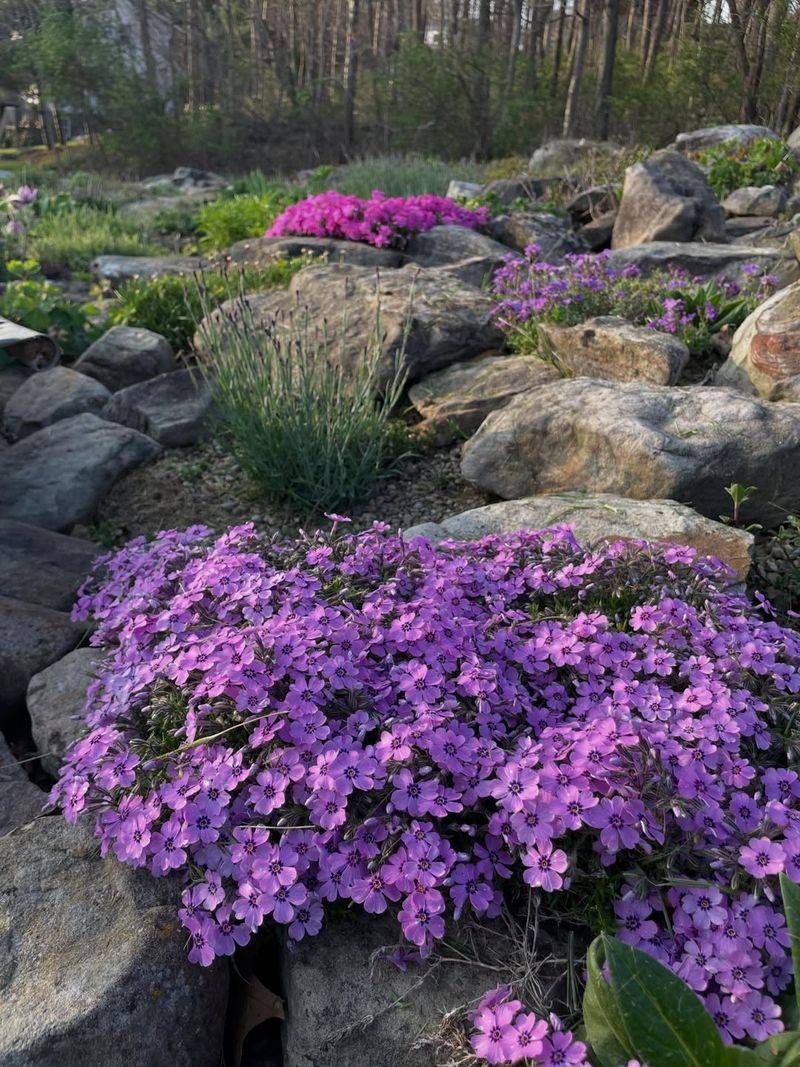
Creeping phlox is the sunny slope specialist.
In spring, it can cover the ground with pink, lavender, white, or bluish flowers so densely that the foliage nearly disappears. After bloom, its evergreen, needle-like leaves keep protecting the soil.
The year-round cover matters. Even outside bloom season, the mat helps reduce erosion and shades small weed seedlings before they gain strength.
Full sun gives the best flowering. Too much shade thins the plant and reduces the dense coverage that makes it useful.
Drainage is non-negotiable. Creeping phlox prefers sandy, rocky, or gravelly soil where water moves through quickly.
Wet clay can weaken it. Crowns sitting in heavy, soggy soil often struggle, especially after winter or rainy stretches.
Slopes are a natural fit. This plant shines where water would otherwise move across bare soil and carry the surface with it.
Trim after bloom. Cutting plants back by about one-third encourages fresh growth and keeps the mat dense rather than woody and open.
Prepare the slope carefully. Remove weeds first, loosen compacted pockets, and plant close enough for the edges to meet within a season or two.
Space plants about twelve to eighteen inches apart. Faster coverage means fewer chances for weeds to settle between plants.
Use nursery-propagated stock. That helps ensure you are planting the right native species while protecting wild populations.
Creeping phlox gives its biggest show in spring.
But its quieter work continues much longer, holding sunny soil in place and making weeds fight harder for every opening.