Why Georgia Gardeners Are Starting Fall Brassica Seeds Indoors Right Now
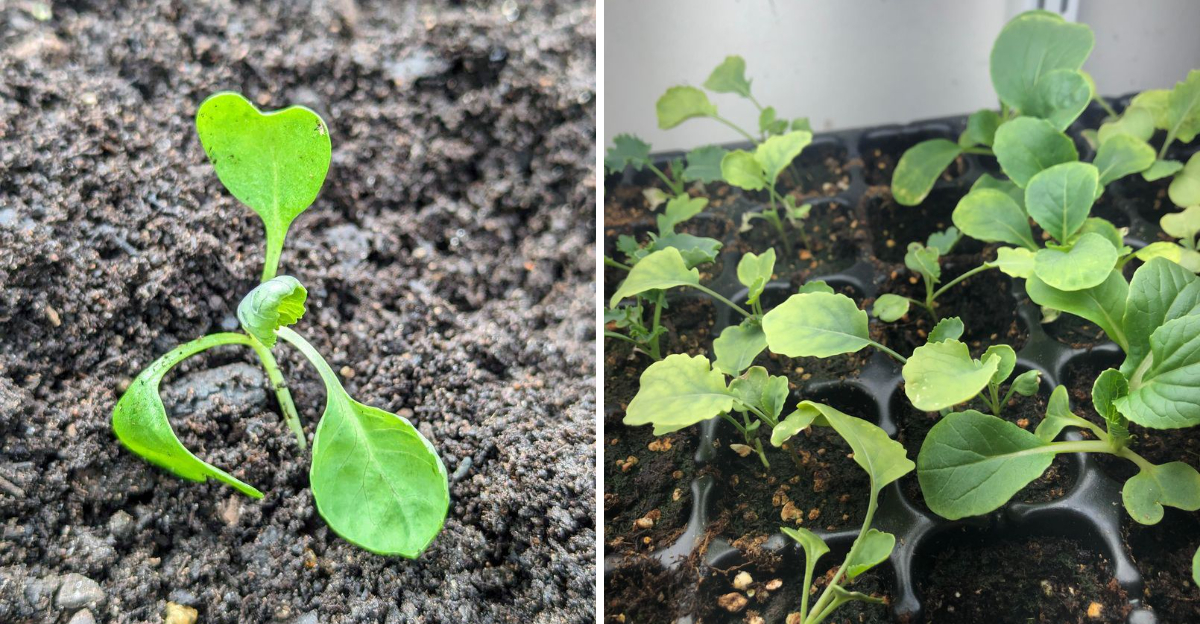
Fall gardening in Georgia begins while summer still has both hands on the thermostat.
That can feel strange at first. The air outside is heavy, the soil is hot, and the tomato vines may still be hanging on.
Yet indoors, smart gardeners are already filling seed trays with broccoli, cabbage, kale, cauliflower, collards, and other cool-season crops.
That timing is the secret.
Brassicas need several weeks of protected growth before they are ready for garden beds. Waiting until the weather feels cool enough outside usually means the planting window has already started slipping away.
Georgia adds another twist.
The mountains, Piedmont, coastal plain, and southern counties do not share the same fall schedule. A gardener near Blairsville works with a different calendar than one near Macon, Savannah, or Valdosta.
So why are Georgia gardeners starting fall brassica seeds indoors right now?
Because strong fall harvests begin with sturdy transplants, and sturdy transplants need time to grow before September planting arrives.
1. Brassicas Need A Head Start
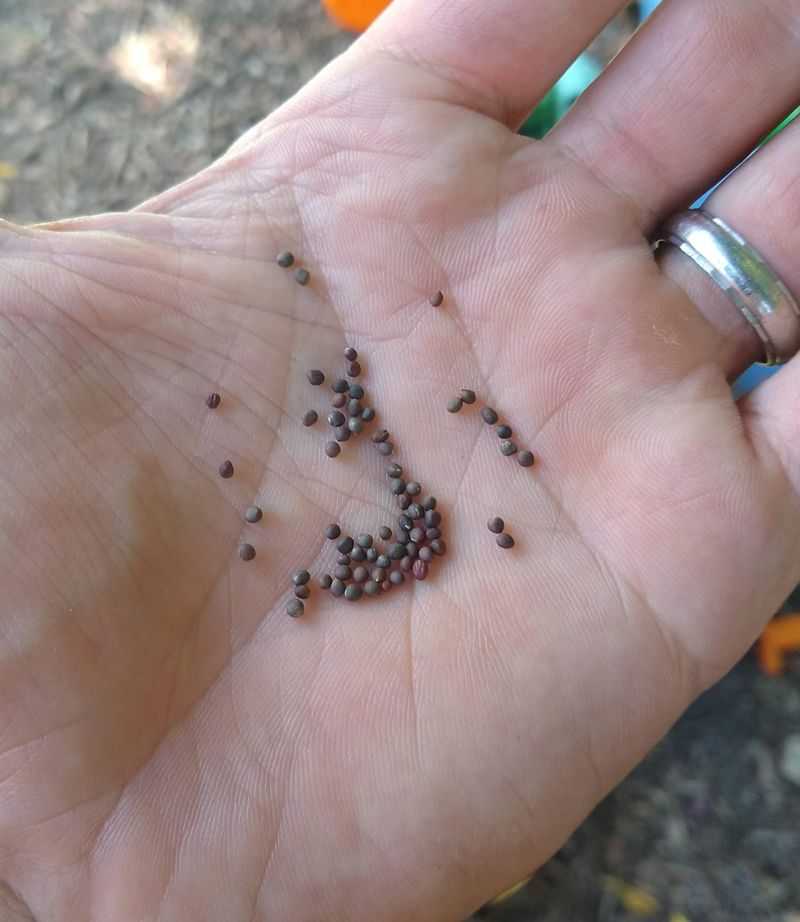
Brassicas are not instant fall crops.
Broccoli, cabbage, cauliflower, kale, collards, and Brussels sprouts all need time to grow into strong transplants before they move outdoors. The garden may not be ready for them yet, but the seed tray should be.
Start by counting backward. Look at the outdoor transplant window for your part of Georgia, then subtract the weeks each crop needs indoors.
Broccoli usually needs about five to six weeks. That gives seedlings enough time to build leaves, stems, and roots without becoming overgrown.
Cabbage may need a little longer. Six to eight weeks can help it reach transplant size with a strong root ball and compact growth.
Cauliflower needs careful timing too. It can be fussier than kale or collards, so a steady indoor start helps prevent weak, stretched seedlings.
Kale and collards move faster. They can often reach transplant size a bit sooner, which makes them more forgiving for gardeners running slightly behind.
Starting late creates small transplants. Those young plants may struggle to settle outdoors before cool weather arrives.
Starting too early creates a different problem. Overgrown seedlings can become root-bound, leggy, or stressed before the bed is ready.
The goal is balance.
A good brassica transplant should look compact, sturdy, green, and actively growing, not tiny, stretched, or stuck in the tray too long.
2. July Timing Builds Transplants
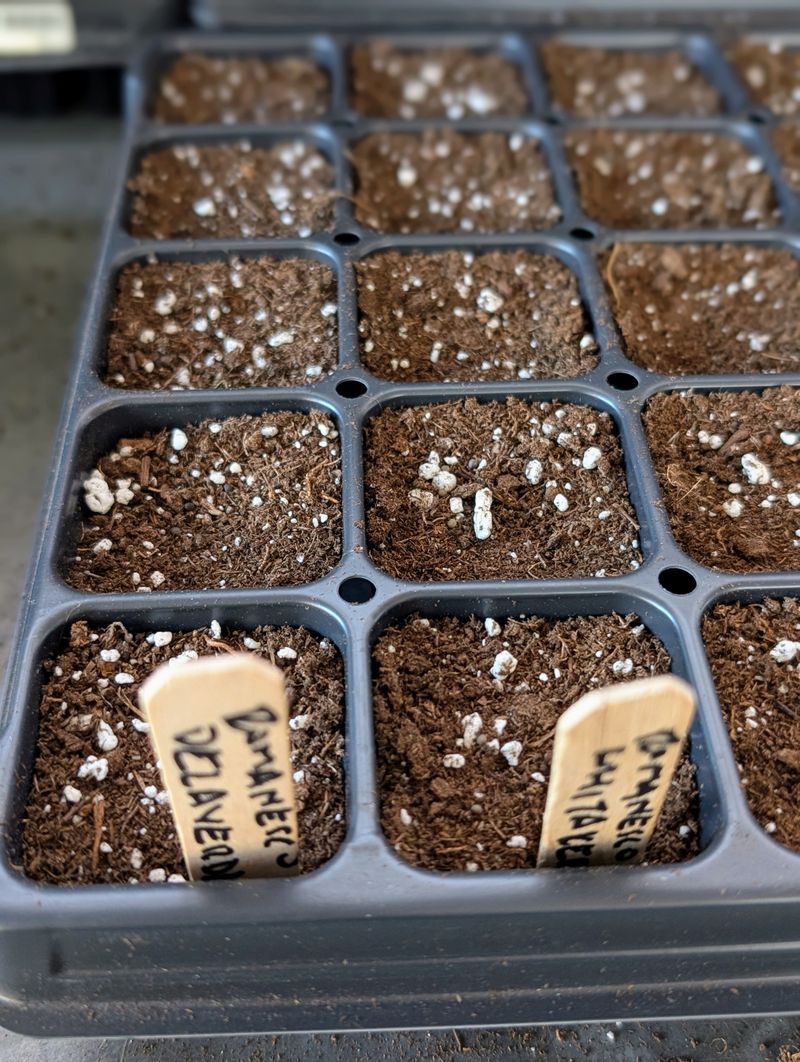
Georgia does not run on one fall planting calendar.
The state stretches across several growing regions, and those regions matter. North Georgia cools sooner, while southern and coastal areas often hold heat much longer into fall.
Local timing should guide the tray. A date that works perfectly in the mountains may be too early or too late in the coastal plain.
North Georgia gardeners usually think earlier. Cooler nights and earlier frost risk shorten the fall window, so transplants need to be ready sooner.
Central Georgia often sits in the middle. Gardeners there may have more flexibility, but early planning still matters because heat can linger.
Your Georgia Garden Changes Every Week. Your Plan Should Too.
Gardening in Georgia changes quickly throughout the season. Every Friday you’ll receive a simple weekly plan showing exactly what to plant, prune, fertilize, harvest, and protect so you never miss the right timing.
South Georgia gets a longer warm season. That can push outdoor planting later, but seedlings still need indoor time before the window arrives.
Do not copy a random date online. A single planting date cannot fit Gainesville, Atlanta, Columbus, Augusta, Savannah, and Valdosta equally well.
County calendars are worth checking. Local planting guides reflect frost patterns, summer heat, and the timing that works best in that specific area.
Keep your own notes too. Write down seed-start dates, transplant dates, weather problems, and harvest results each year.
Those notes become more useful than memory.
After a few seasons, your own garden will tell you which week gives the strongest fall brassicas.
3. Indoor Trays Beat Harsh Heat
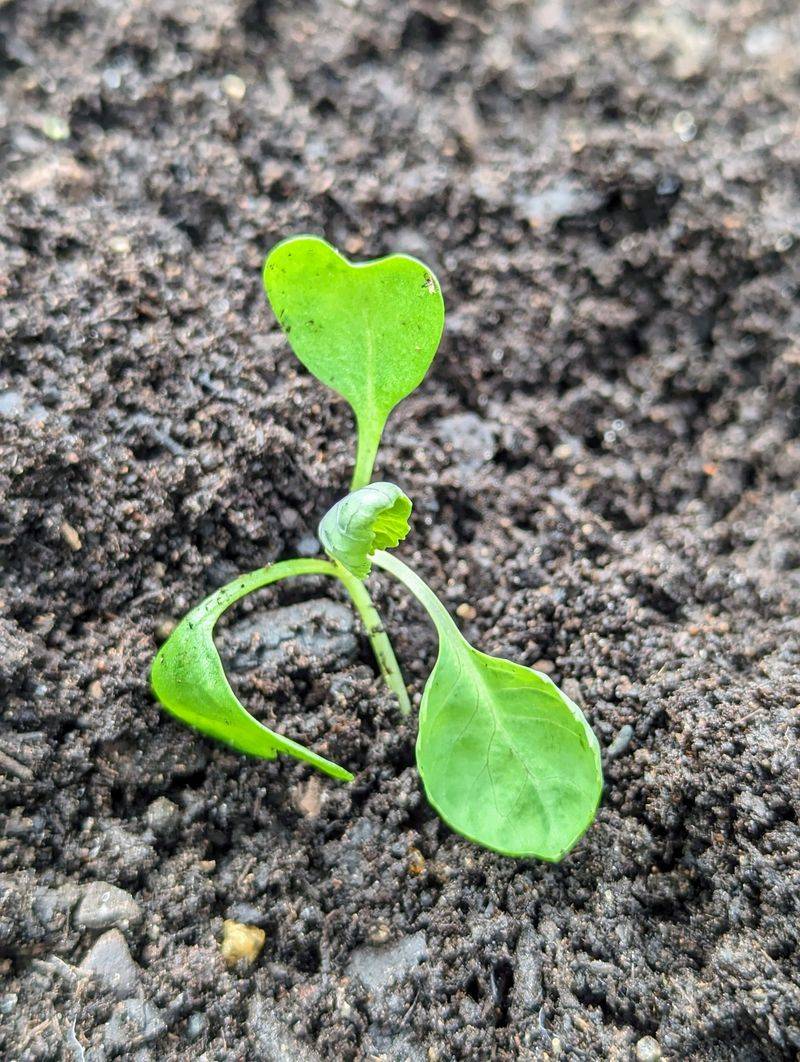
Outdoor seedbeds can be brutal in late summer.
Georgia soil stays hot, afternoon storms can hit hard, and tiny seedlings can struggle before they ever grow their first true leaves. Indoor trays give brassicas a safer start.
Temperature control helps germination. Brassica seeds usually sprout best in moderate warmth, not scorching soil that has baked all afternoon.
Moisture is easier indoors. A seed tray can be checked daily and watered gently without sudden drying, puddling, or crusting.
Storms are no threat inside. Heavy rain can flatten small outdoor seedlings, wash seeds sideways, or seal the soil surface into a hard crust.
Light still matters. A bright window often looks good to people but may not give seedlings enough direct light to stay compact.
Grow lights make stronger plants. An LED light kept close to the tray canopy helps prevent long, weak stems.
Run lights long enough. Fourteen to sixteen hours per day gives seedlings the steady energy they need to grow quickly.
Airflow prevents weak stems. A small fan on low, moving gently near the trays, helps seedlings grow sturdier and reduces damp surface conditions.
Avoid hot indoor spots. Do not place trays on appliances, near heat vents, or in rooms that climb too warm during the day.
Indoor growing is not pampering.
It is protection from the exact late-summer conditions that make outdoor brassica seed-starting so unreliable in Georgia.
4. Strong Roots Ease Planting
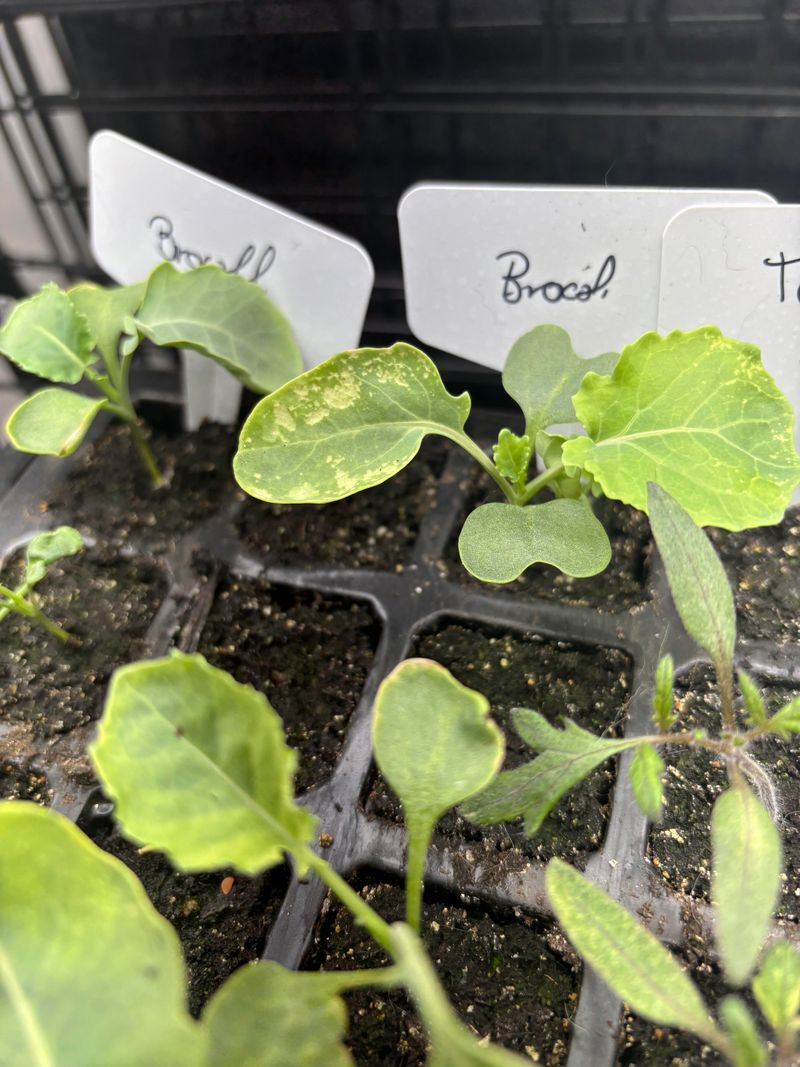
A fall brassica is only as strong as its roots.
Leaves matter, but roots decide how quickly a transplant settles into the garden. A seedling with a healthy root ball can recover faster once it meets sun, wind, soil, and real weather.
Use trays with enough depth. Very shallow cells can dry quickly and leave roots cramped before transplant day.
One plant per cell works best. Crowded seedlings compete for light, moisture, and nutrients, which weakens all of them.
Thin with scissors. When several seeds sprout in one cell, snip extras at soil level instead of pulling them out and disturbing the keeper plant.
Pot up when needed. Seedlings staying indoors longer may need a larger container before transplanting, especially cabbage and cauliflower.
Check the root ball before planting. Roots should hold the soil together lightly without circling tightly around the cell.
Water the night before transplanting. Moist root balls slide out more easily and suffer less stress during the move.
Handle seedlings by the leaves. Stems can bruise easily, while leaves can be replaced more readily as the plant grows.
Plant slightly deeper when useful. Many brassicas can sit a little deeper than they did in the tray, which gives the stem more support.
Firm soil gently around the roots.
Good root contact helps the transplant start drinking quickly, but heavy compaction works against the airflow roots still need.
5. Fall Beds Need Spacing Plans
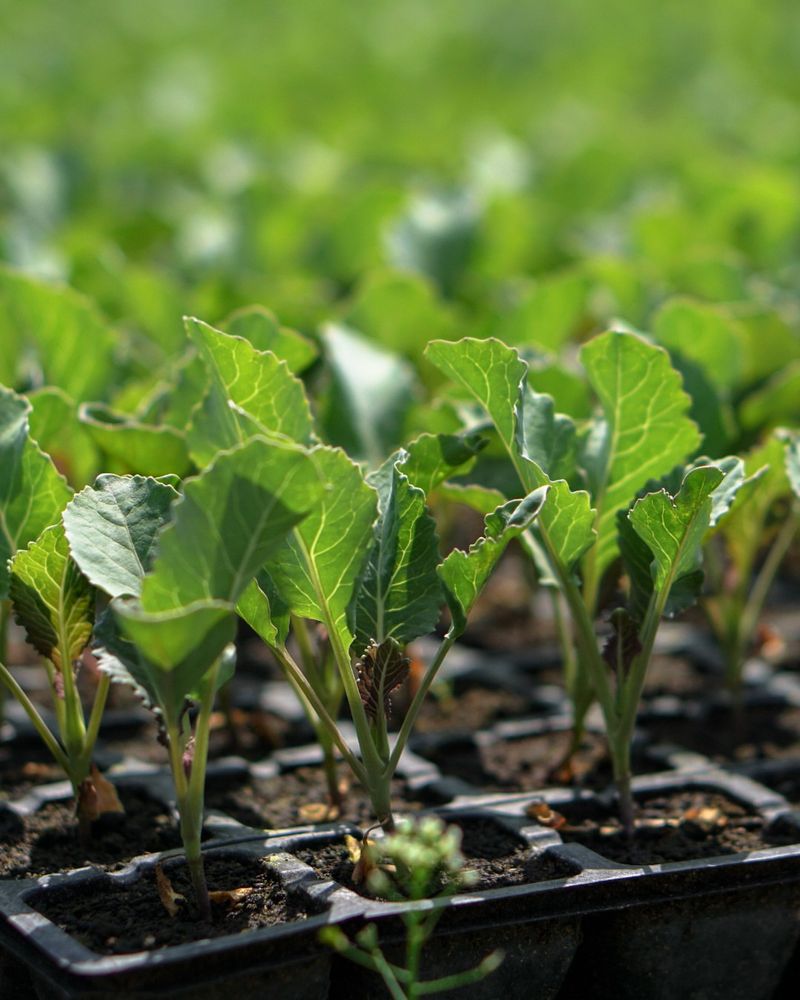
A tray of seedlings is exciting until the bed has no room.
Cabbage, broccoli, cauliflower, kale, and collards all need space to grow into full plants. Planning the bed before transplant day prevents crowded rows and weak airflow later.
Cabbage gets wide. Many plants need 18 to 24 inches of space, depending on variety.
Broccoli needs room too. Large leaves spread outward, and tight spacing makes it harder to inspect for pests.
Cauliflower dislikes crowding. Good airflow and steady growth help the heads form more cleanly.
Kale and collards can be slightly more flexible. They still need enough space for repeated leaf harvests and airflow.
Map the bed before planting. Sketching a quick layout saves the last-minute guesswork that leads to overcrowding.
Think about crop rotation. Avoid placing brassicas where cabbage-family crops grew recently, when another bed is available.
Use former summer crop space wisely. Beds that held beans, tomatoes, cucumbers, or squash may become good fall brassica locations after cleanup.
Prepare irrigation early. Drip line, soaker hose, or a reliable watering plan should be ready before seedlings leave the tray.
Add compost thoughtfully. A modest layer can refresh tired soil, but heavy amendment without a reason can create imbalance.
Spacing is not wasted space.
It is the room each plant needs to grow strong, dry faster after rain, and form the harvest you started seeds for in the first place.
6. Cabbageworms Arrive Early
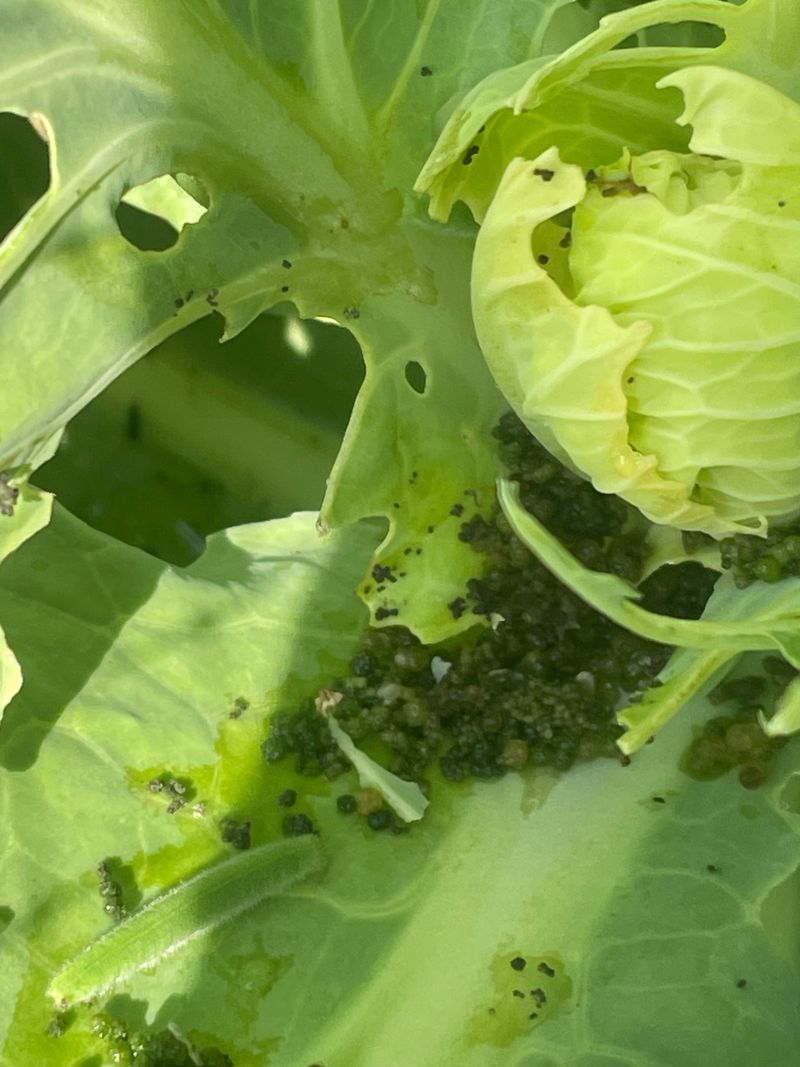
Brassica pests do not wait for cool weather.
White butterflies may start visiting soon after transplants go into the garden. Their eggs can become green caterpillars that chew holes through tender leaves before gardeners realize the crop is under pressure.
Check leaves from the start. The undersides are especially important because eggs and small caterpillars often hide there.
Look for ragged holes. Cabbageworms chew irregular patches that grow larger as the caterpillars feed.
Tiny green caterpillars blend in. They can sit along leaf veins and look almost invisible until the damage becomes obvious.
Row cover is strong prevention. Lightweight fabric placed over plants right after transplanting blocks egg-laying before it begins.
Secure the edges well. Butterflies can slip under loose fabric and turn a protected bed into a hidden feeding zone.
Remove covers when needed. Brassicas grown for leaves and heads can stay covered longer than crops that need pollination, but plants still need room as they grow.
Handpicking works early. Small numbers of caterpillars can be removed quickly during morning checks.
Use targeted products carefully. Caterpillar-specific options can help when pressure builds, but labels and timing still matter.
Healthy seedlings recover better. Plants that started strong indoors can handle minor chewing more easily than weak, stretched transplants.
Pest control starts before the first big hole appears.
The earlier you scout, the easier the fall brassica bed becomes to manage.
7. Harden Seedlings Before Planting
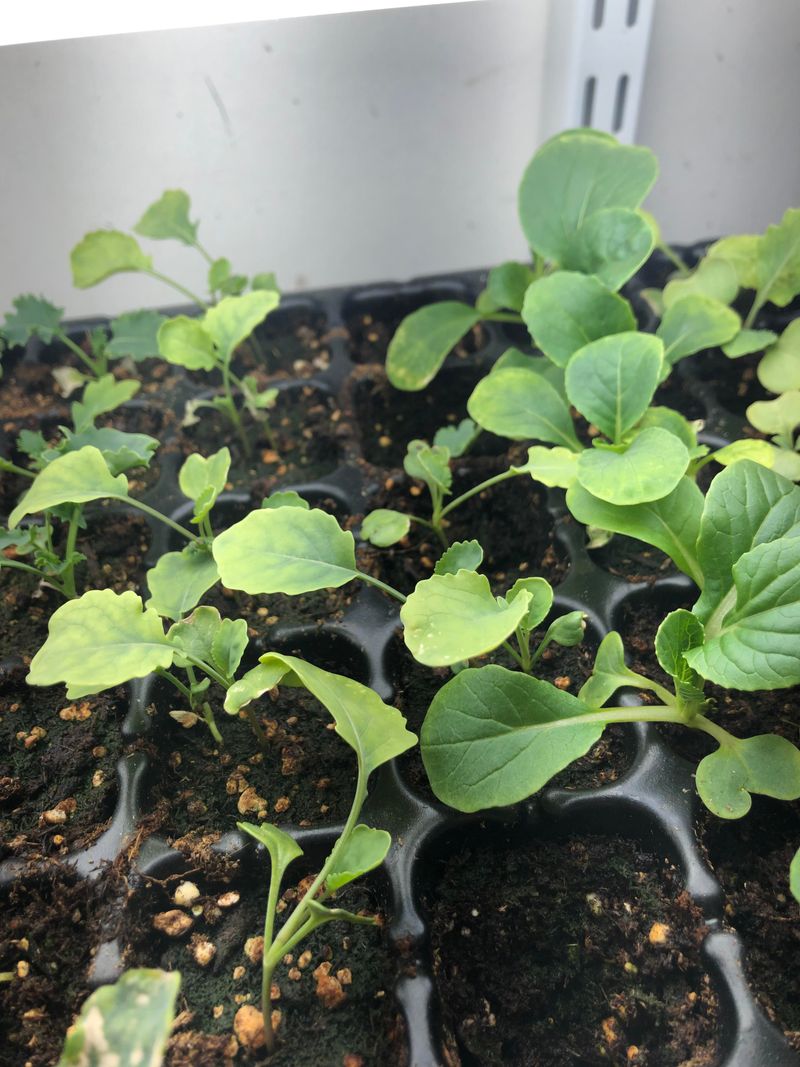
Indoor seedlings need a bridge to the garden.
A brassica grown under steady light, even moisture, and protected air has not yet faced direct sun, wind, heavy humidity, or outdoor temperature swings. Hardening off prepares the plant for that change.
Start in shade. Place trays outdoors for a short period in bright shade, then bring them back in before they wilt.
Add time gradually. Increase outdoor exposure over seven to ten days so leaves and stems toughen slowly.
Morning sun comes first. Early light is gentler than hot afternoon sun and helps seedlings adjust without too much stress.
Wind matters. Even a light breeze can surprise plants raised indoors, so start in a sheltered place.
Avoid hot concrete. Pavement can radiate heat into trays and cook the root zone faster than gardeners expect.
Water carefully during hardening. Seedlings should not stay soggy, but they also should not wilt hard and struggle to recover.
Watch the leaves. Pale patches, curling, or drooping during outdoor sessions mean the plants need more shade or a shorter exposure.
Move toward garden conditions. By the end of the hardening period, seedlings should handle longer outdoor days and some direct sun.
Do not skip this step.
A week of adjustment can save the plant from losing a week of growth after transplanting.
8. September Planting Comes Fast
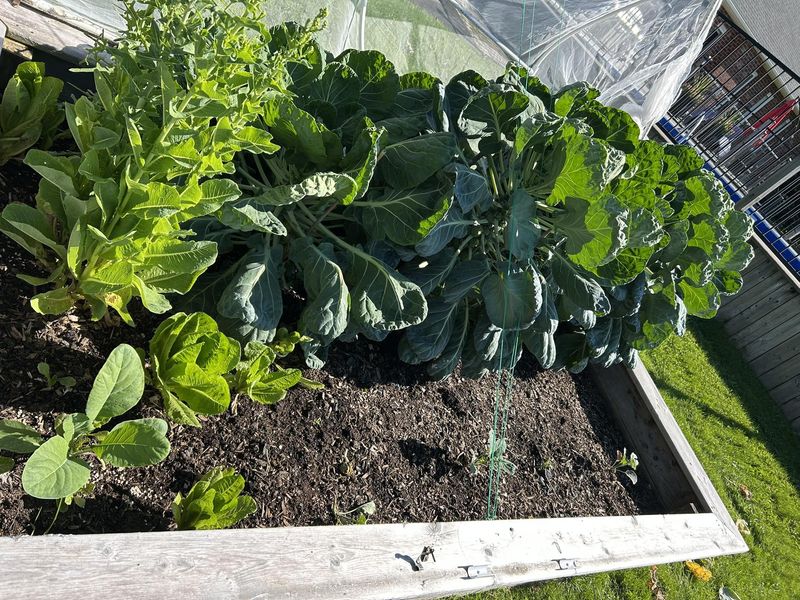
September always arrives sooner than the garden feels ready for it.
Summer heat can make fall planting seem far away, but brassica transplant windows come quickly in much of Georgia. Seedlings started now are preparing for that moment.
Beds should be ready early. Waiting until planting day to clear old crops, pull weeds, and add compost creates unnecessary stress.
Remove summer leftovers. Tired vines, diseased foliage, and spent plants should come out before brassicas move in.
Refresh the soil surface. Loosen crusted areas, level low spots, and add a thin layer of finished compost where needed.
Water before planting. Moist soil helps transplants settle faster than a dry bed that needs catching up.
Choose the right day. Cloudy weather, late afternoon, or a cooler stretch gives seedlings a gentler start.
Keep backup seedlings. A few extra plants can replace those damaged by storms, insects, pets, or transplant shock.
Watch heat forecasts. An unusually hot week may call for temporary shade cloth after planting.
Do not let seedlings outgrow their trays. A short delay is manageable, but root-bound plants lose momentum.
Planting day should feel organized.
The more work done before September, the smoother those fall brassicas move from tray to bed.