The Arizona Flowers That Can Still Be Planted During Monsoon Season
Most people stop planting flowers the moment monsoon storms arrive, but that can be a missed opportunity. Some flowers settle in surprisingly well while the soil stays warm and summer rains provide extra moisture.
If your garden needs fresh color, don’t assume you’ve run out of time. Arizona’s late-summer weather still gives certain bloomers a great start.
The trick is choosing flowers that welcome these conditions instead of struggling through them. Plant the right ones now, and you’ll enjoy brighter beds long after the monsoon clouds begin to fade.
Your neighbors may wonder how your garden keeps looking so colorful while theirs starts slowing down.
That’s the advantage of planting the right flowers at the right time, not simply waiting for fall because the season is not finished yet either.
1. Zinnias Fill The Garden With Late Summer Color
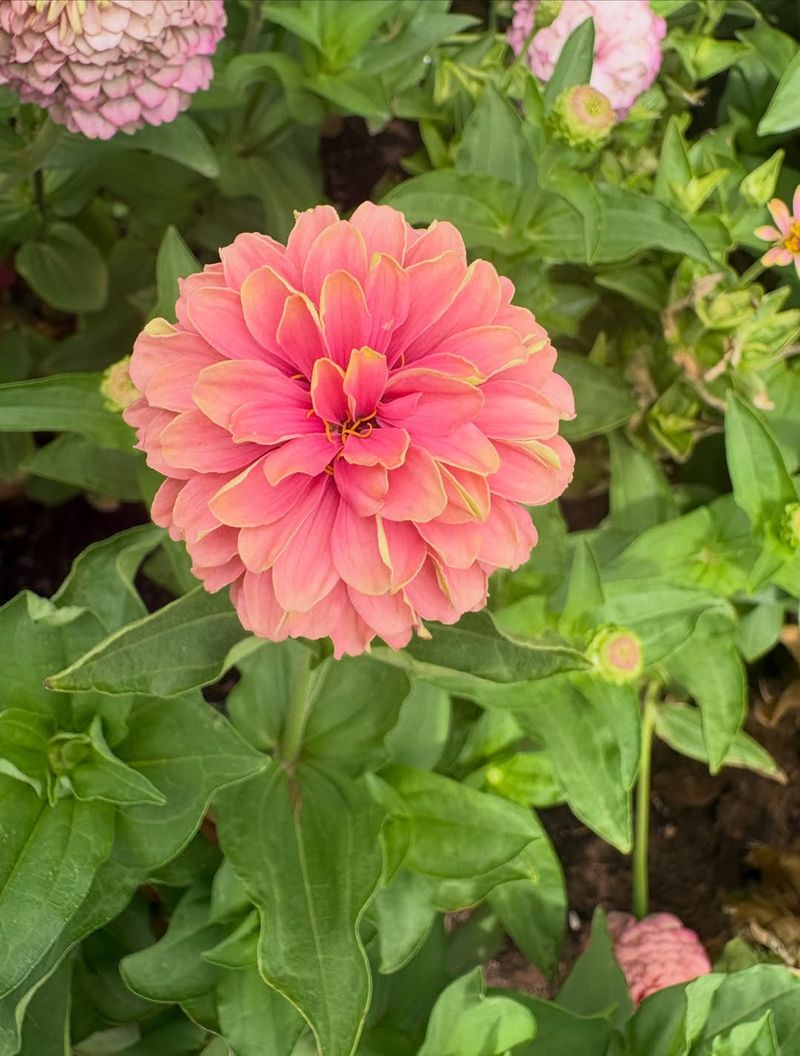
Few flowers deliver color as fast and as boldly as zinnias. From seed to bloom, they can turn around in as little as six to eight weeks.
That timeline fits perfectly inside what remains of the monsoon window.
Zinnias love heat. They thrive when daytime temperatures stay high, and the monsoon rains give them exactly the moisture boost they need to germinate quickly.
Direct-sow seeds into loose, well-draining soil and keep them lightly watered until sprouts appear.
Once established, zinnias are surprisingly low-maintenance. They do not need rich soil or heavy fertilizing.
Consistent sun and occasional deep watering between rain events is usually enough to keep them going strong.
Powdery mildew can be a concern in humid conditions. To reduce that risk, water at the base of the plant rather than overhead, and leave space between plants for air to circulate.
Good airflow makes a noticeable difference.
Colors range from bright red and orange to soft pink, yellow, and cream. Taller varieties can reach three feet, while dwarf types stay compact and tidy.
Both work well in garden beds or large containers.
Zinnias also attract butterflies and pollinators, which adds life and movement to the garden. Cutting blooms for indoor arrangements actually encourages more flowers to form.
Plant a short row now and enjoy fresh blooms through October in most low-desert areas.
2. Globe Amaranth Keeps Blooming Into Fall
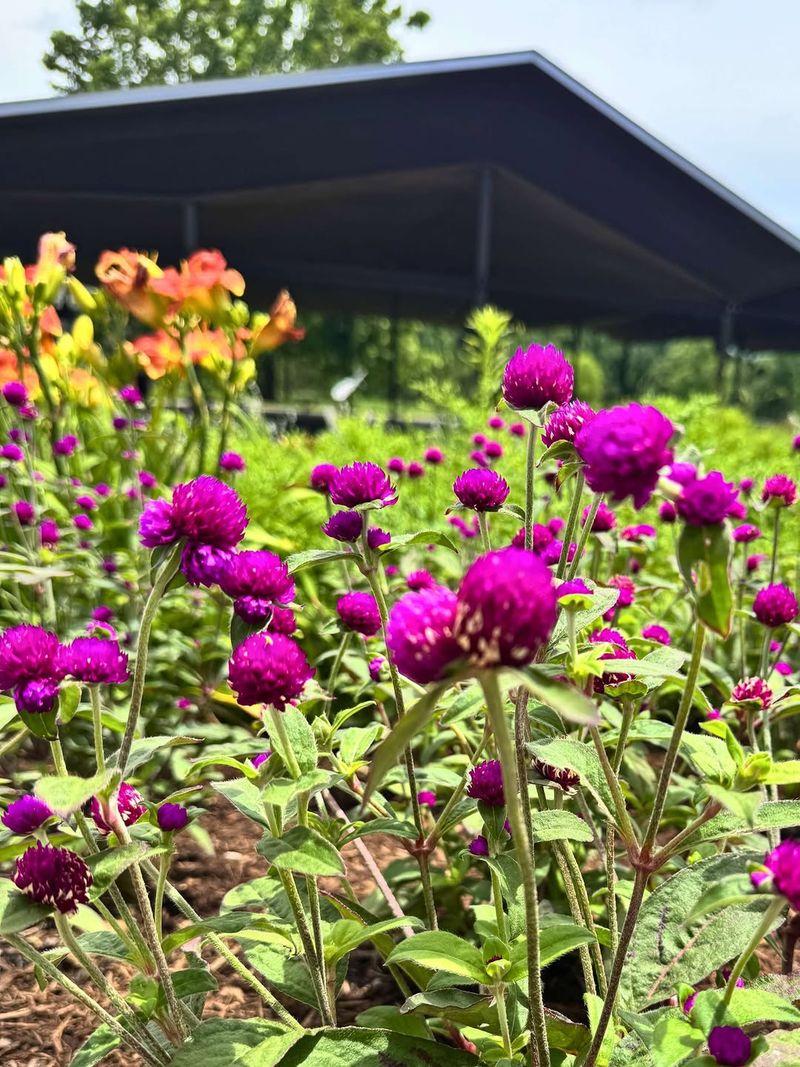
Globe amaranth looks like it was designed for punishment. Round clover-like blooms sit on sturdy stems and hold their shape even in blasting heat.
Rain does not flatten them, and dry spells between storms do not slow them down much either.
It is a warm-season annual that genuinely performs well when planted during or just after monsoon rains begin. The extra moisture helps seeds germinate or transplants establish without the stress of drought.
Once rooted in, it asks for very little.
Full sun is non-negotiable for globe amaranth. It tends to get leggy and produce fewer blooms in shaded spots.
Sandy or loamy well-draining soil suits it better than heavy clay, which can stay too wet after monsoon storms.
Colors include magenta, pink, white, orange, and lavender. The blooms are long-lasting both on the plant and when cut and dried.
Your Arizona Garden Changes Every Week. Your Plan Should Too.
Gardening in Arizona changes quickly throughout the season. Every Friday you’ll receive a simple weekly plan showing exactly what to plant, prune, fertilize, harvest, and protect so you never miss the right timing.
Many gardeners use dried globe amaranth in wreaths or arrangements because the color holds for months after cutting.
Plants grow roughly one to two feet tall depending on the variety. Regular deadheading is not strictly necessary, but removing faded blooms can encourage fresh ones.
A light trim mid-season can also reinvigorate growth if plants start looking tired.
Globe amaranth keeps producing color well into October across much of the low desert. It is a reliable, low-drama flower that earns its place in any late-summer planting plan.
3. Moss Rose Flourishes In Full Sun
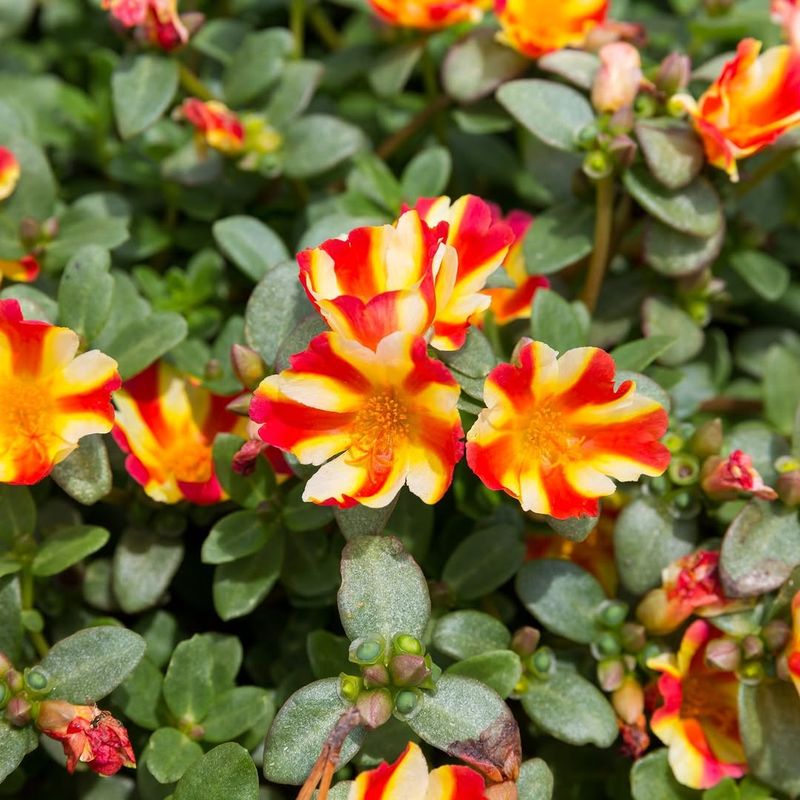
Moss rose thrives where other flowers give up. Portulaca grandiflora, its botanical name, was practically built for hot, dry, sunny spots.
It handles reflected heat from pavement, rocky soil, and intense afternoon sun without much protest.
Monsoon rains give moss rose a helpful boost, but it does not need much water to survive. Its thick, succulent-like leaves store moisture between dry spells.
Planting it during the monsoon window means it gets established before the dry fall months set in.
Seeds germinate quickly in warm soil. Scatter them on the surface of well-draining soil and press lightly.
They need light to sprout, so do not bury them. Transplants from a nursery work just as well if you want blooms sooner.
Flowers come in vivid shades of red, orange, yellow, pink, and white. Some varieties have semi-double or fully double blooms that look almost like tiny roses.
Blooms typically open in the morning and close in the afternoon or on cloudy days.
One thing to keep in mind: moss rose spreads low and wide, usually staying under six inches tall. It works beautifully as a ground cover, in rock gardens, or spilling over the edges of containers.
Overwatering is the main issue to avoid. Soggy soil after heavy monsoon rains can cause root problems.
Good drainage is the most important factor in keeping moss rose happy and blooming through the end of summer.
4. Vinca Keeps Flowering During Extreme Heat
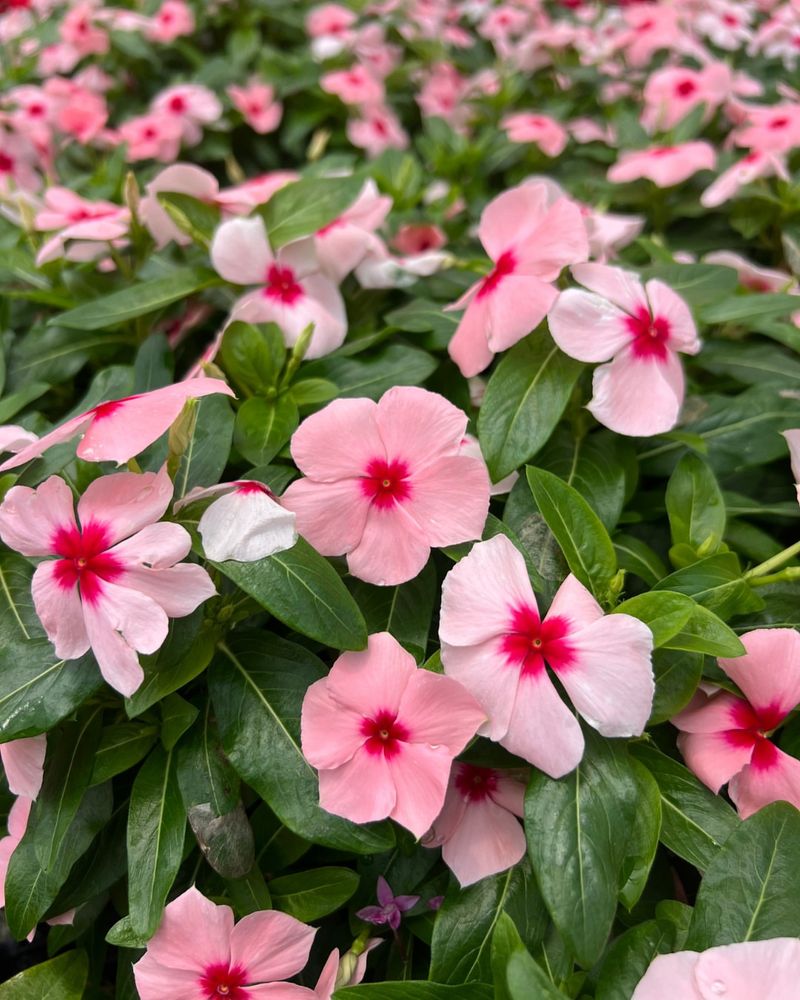
Vinca, also called catharanthus or periwinkle, handles desert heat better than almost any other flowering annual. Temperatures that shut down other plants barely slow it down.
It keeps pushing out fresh blooms even when conditions feel brutal.
Monsoon season is a solid time to get vinca in the ground. The combination of warm soil and regular rainfall helps transplants establish quickly.
Once rooted, vinca is remarkably self-sufficient and rarely needs much extra attention.
Plant it in full sun for the best bloom production. Partial shade works, but you may see fewer flowers.
Soil does not need to be especially rich, though it should drain well. Standing water after monsoon storms is the main thing to avoid.
Colors include pink, red, white, lavender, and bicolor combinations. Flowers are flat and five-petaled, with a small contrasting eye at the center.
The foliage stays glossy and deep green, which makes the blooms pop visually.
Vinca grows roughly one to two feet tall and wide depending on the variety. Compact types work well in containers or as border edging.
Taller varieties fill in nicely as low bedding plants in larger garden spaces.
Deadheading is not required since vinca is self-cleaning. Old blooms drop on their own and new ones follow quickly.
With decent care and reliable sun, vinca planted during monsoon season can stay in bloom clear into November in warmer low-desert locations.
5. Celosia Adds Bold Color Into Fall
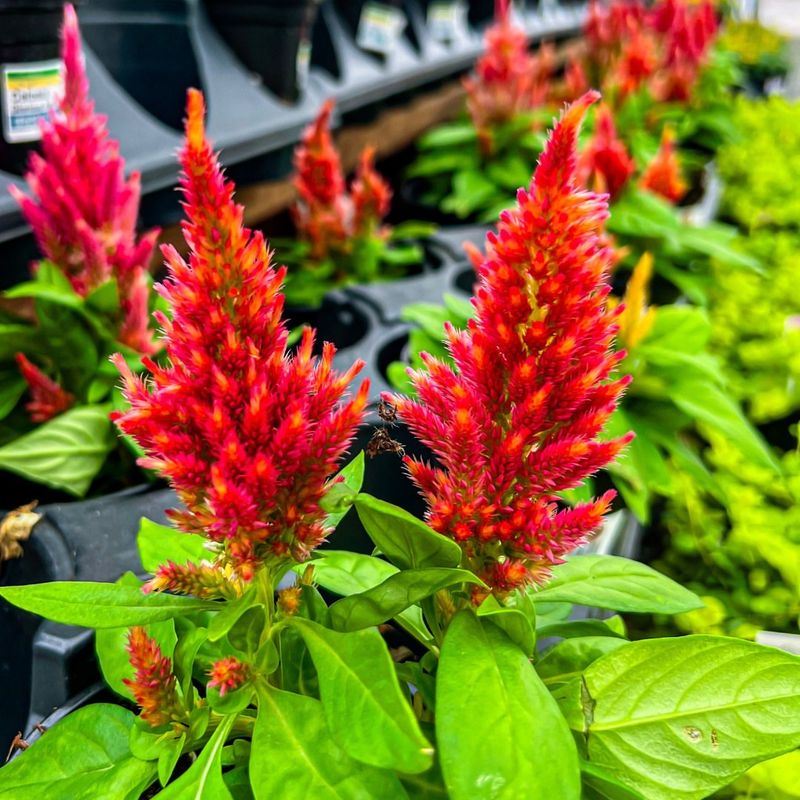
Celosia is one of the most visually striking flowers you can plant right now. Its blooms come in two main forms: plumed types with feathery, upright spikes, and crested types with wavy, brain-like flower heads.
Both are eye-catching and hold up well in heat.
Hot weather is where celosia shines. Cooler temperatures can actually slow its bloom production, so planting during the warm monsoon months works in its favor.
The humidity and rain help seeds sprout fast or give transplants a quick start.
Full sun is the right spot for celosia. It needs at least six hours of direct light daily to bloom well.
Sandy or loamy soil with good drainage suits it better than heavy, compacted ground that holds moisture after storms.
Colors range from deep crimson and magenta to bright orange, yellow, and salmon. The intensity of the pigment is remarkable, especially in late afternoon light.
Celosia holds its color longer than many other summer flowers as temperatures begin to drop.
Plants typically grow between one and three feet tall, depending on variety. Taller types make good back-of-border plants, while compact varieties fit neatly into containers or front-row garden beds.
Celosia also works well as a cut flower, and the blooms dry beautifully. Harvest plumes before they fully open if you want dried arrangements that hold color well.
Planted now, celosia can keep the garden looking sharp well into October.
6. Marigolds Bloom Well In Monsoon Weather
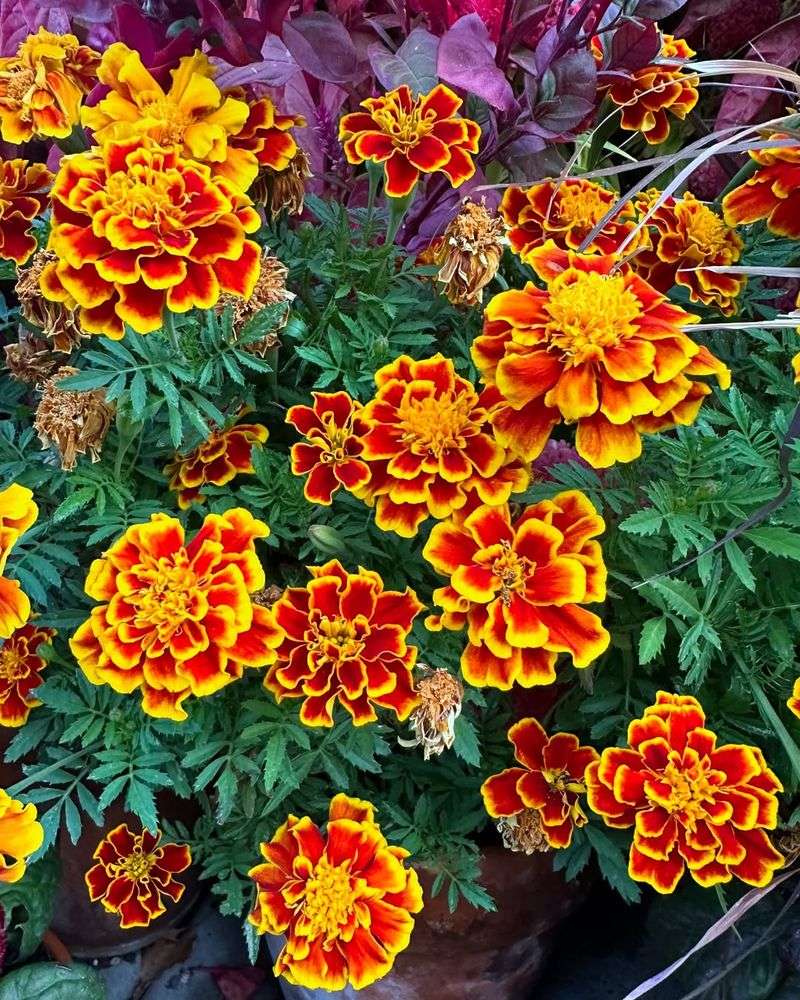
Marigolds have a reputation as workhorses of the garden, and that reputation is well-earned. Heat does not bother them much, and the monsoon rains give them the moisture they need to establish quickly.
They are one of the easiest flowers to grow from seed or transplant during the summer months.
Plant them in full sun with well-draining soil. Marigolds do not need rich or amended soil to perform well.
Average garden soil, or even slightly sandy desert soil, suits them fine as long as it does not stay waterlogged after rain.
French marigolds tend to stay compact, usually under a foot tall. African marigolds grow taller and produce larger blooms.
Both types perform well in the desert Southwest, though French varieties often handle humidity a bit more gracefully.
Colors range from bright yellow and orange to deep gold and rust-red. Some varieties have bicolor petals with contrasting edges.
The blooms are dense and long-lasting, giving the garden steady color from planting through the first cold snap.
One well-known benefit of marigolds is their ability to repel certain garden pests. Their scent is thought to deter some insects, though results can vary.
Planting them near vegetables or other flowers may offer some protective benefit.
Deadhead spent blooms regularly to keep new flowers coming. With consistent sun and the natural moisture from monsoon rains, marigolds planted now can bloom steadily into November in many parts of Arizona.
7. Short-Season Sunflowers Still Have Time To Bloom
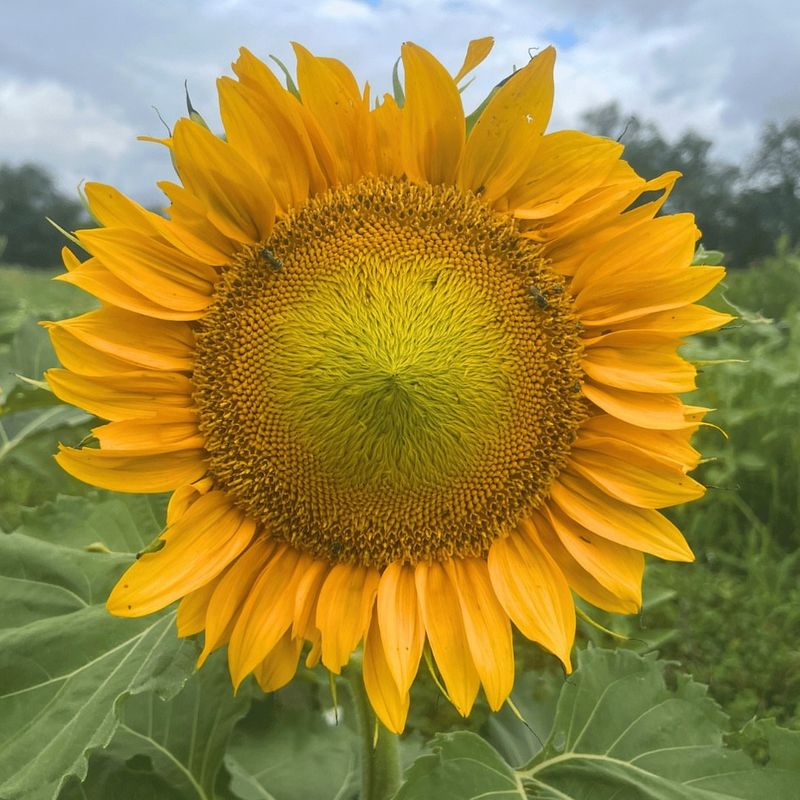
Sunflowers feel like a summer staple, but many gardeners assume the planting window has passed by July. Short-season varieties flip that assumption entirely.
Some cultivars go from seed to bloom in as few as 50 to 60 days, which puts fall color well within reach.
Monsoon rains are actually a plus here. Warm, moist soil speeds up germination significantly.
Seeds can sprout in as little as seven to ten days when soil temperatures are high and moisture is consistent. That kind of fast start makes late planting very workable.
Look for compact or dwarf varieties if space is limited. Types like Sunspot or Little Becka stay under two feet tall and produce full-sized blooms on shorter plants.
They fit easily into containers, raised beds, or tight garden corners.
Plant seeds directly in the ground rather than starting them indoors. Sunflowers prefer not to have their roots disturbed, so direct sowing gives better results.
Press seeds about an inch deep into loose, well-draining soil in a full-sun location.
Water regularly until seedlings are a few inches tall, then ease back a bit. Established sunflowers are fairly drought-tolerant and can rely more on monsoon rains as they grow.
Avoid overwatering, which can cause stem and root problems in sandy soils.
Expect blooms in late September or early October depending on your planting date. Short-season sunflowers bring a cheerful, classic look to the late-summer garden without requiring much effort in return.
8. Angelonia Stands Up To Monsoon Rains
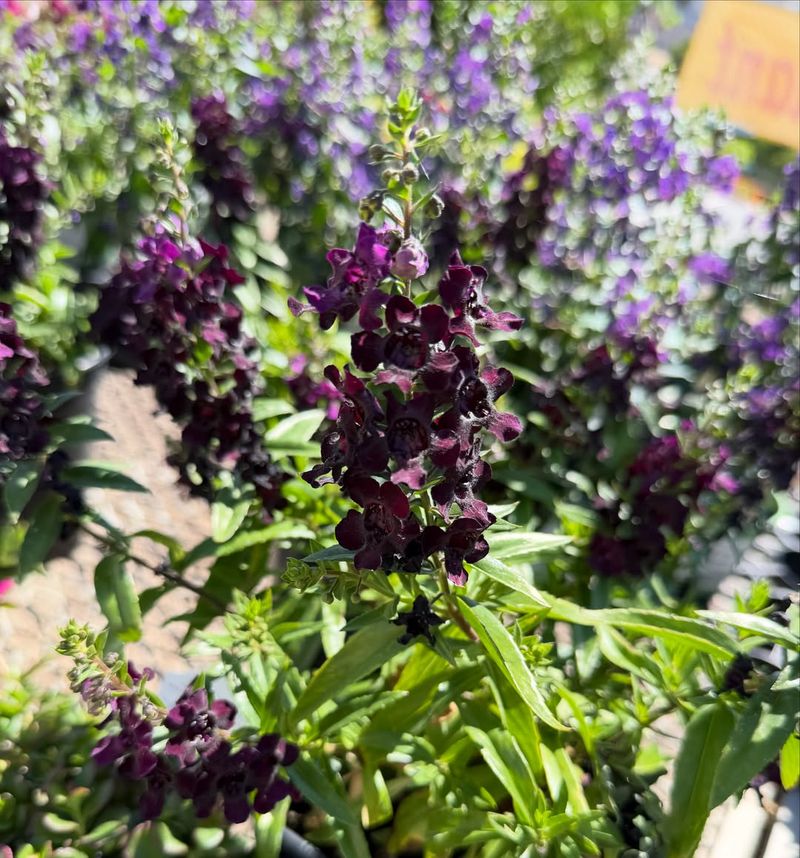
Angelonia does not flinch when the rain hits hard. Most flowers fall apart in heavy monsoon downpours, but angelonia bounces back fast.
Its upright stems hold steady even after a solid soaking, which makes it a standout choice for summer planting.
Plant it in full sun and give it well-draining soil. Soggy roots can cause problems, so raised beds or sloped garden spots work well here.
Once it settles in, it needs very little from you beyond occasional watering between rain events.
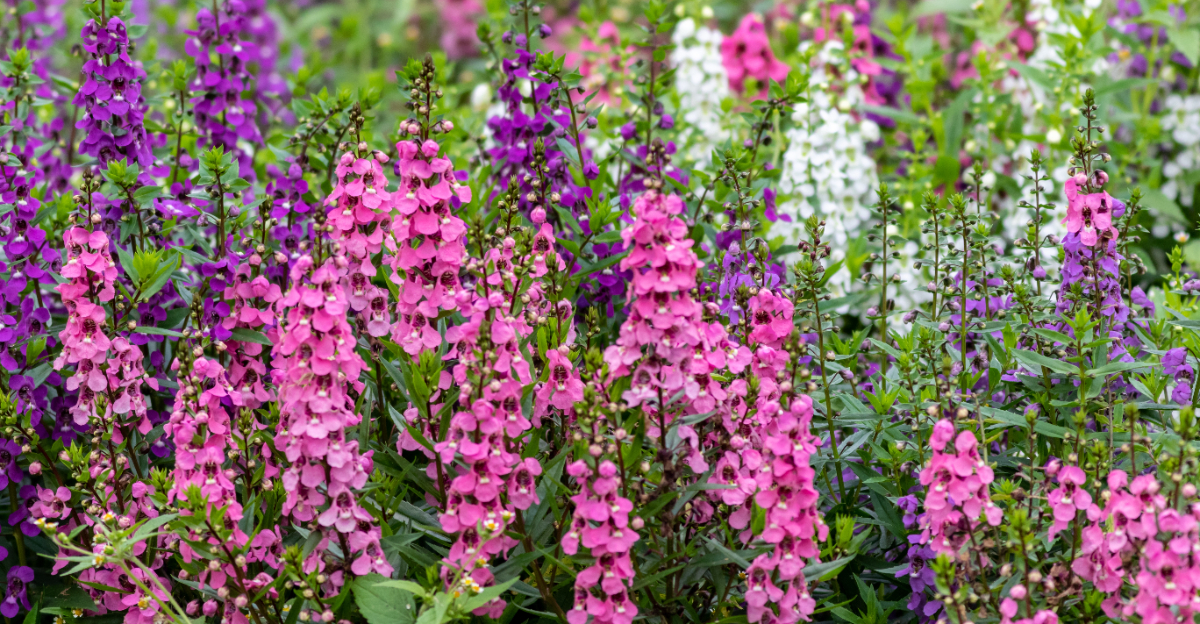
Blooms come in purple, pink, white, and bicolor varieties. The flowers are small but clustered tightly along each stem, giving you a lot of color for the space.
Some gardeners describe the scent as faintly grape-like, which is a nice bonus on a warm evening.
Angelonia keeps blooming through intense heat without much fuss. Deadheading is not required since spent blooms drop on their own.
It typically grows between one and two feet tall, making it a solid mid-border plant.
Start from transplants rather than seed if you want faster results. Nursery starts give you a head start since the season is already rolling.
With a few weeks of monsoon moisture behind it, angelonia can establish quickly and carry color well into fall.