The Pennsylvania Native Tree That Practically Takes Care Of Itself
Most trees ask something of you. Regular watering during establishment, seasonal pruning to maintain form, vigilance for pests, maybe some fertilizing to keep them performing at their best.
For gardeners who want a beautiful, functional tree without committing to years of ongoing intervention, the search for a truly low maintenance option can feel surprisingly frustrating.
There is one native Pennsylvania tree that comes remarkably close to taking care of itself.
Once established, it handles drought without wilting, shrugs off Pennsylvania’s winter cold without damage, resists most of the common pests and diseases that keep other tree owners busy, and maintains a naturally attractive form without needing to be shaped.
It doesn’t drop excessive mess, it doesn’t develop aggressive surface roots, and it doesn’t outgrow its space in ways that create problems down the line.
It’s also ecologically valuable, supporting birds and pollinators generously through the year in ways that ornamental trees from other regions simply cannot match.
Here’s the native Pennsylvania tree that rewards you with beauty and wildlife value while asking almost nothing in return.
This Tree Takes Care Of Itself
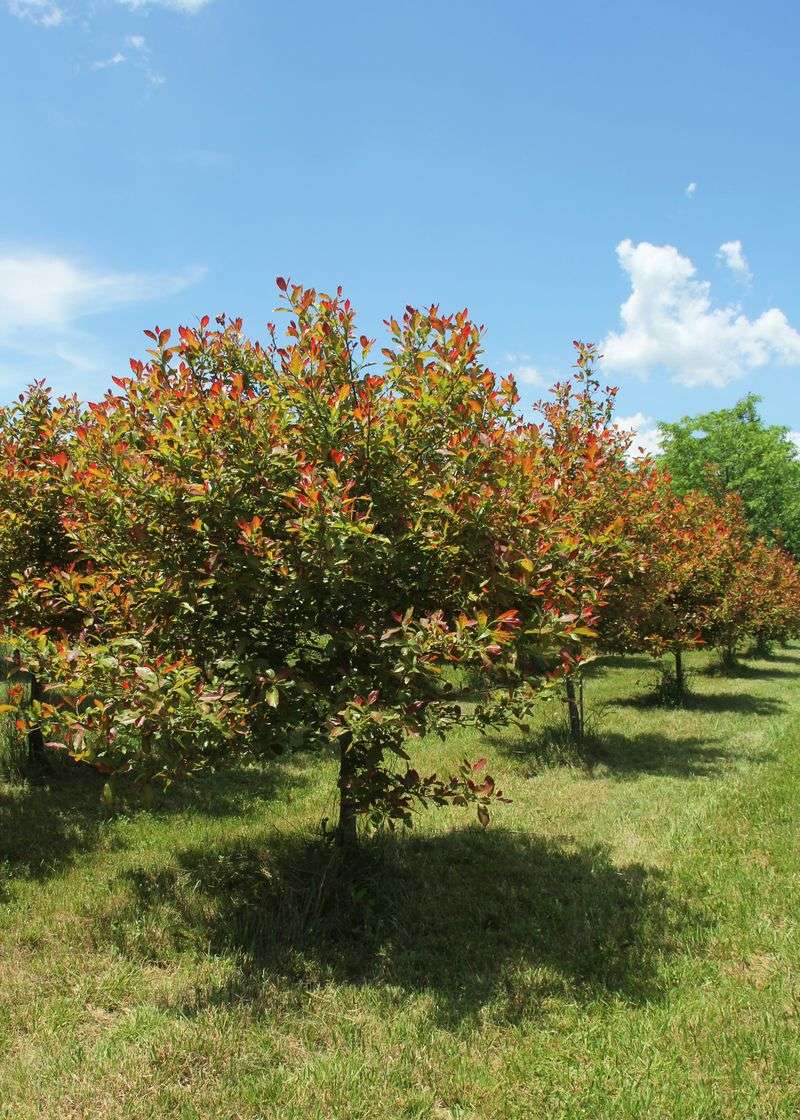
Not every great tree gets the attention it deserves, and black gum is a perfect example of that. Scientifically known as Nyssa sylvatica, black gum is a deciduous native tree that has been growing across Pennsylvania for thousands of years.
You might also hear it called black tupelo, sour gum, or pepperidge, depending on where you live. All of these names refer to the same tough, beautiful, and surprisingly low-fuss tree.
Black gum has a naturally attractive shape that develops on its own without much help from you. Its branches tend to grow in a layered, horizontal pattern that gives the tree a clean, structured look year-round.
Unlike many ornamental trees that need regular shaping to stay tidy, black gum holds its form with very little interference. That alone makes it stand out from a lot of other planting options.
Once this tree gets settled into the right spot, it generally needs very little routine maintenance to stay healthy and looking its best. It is not a tree that demands constant attention, expensive treatments, or complicated care schedules.
Homeowners who want a reliable, long-lived tree without the ongoing hassle will find black gum to be an excellent match. It is native, it is tough, and it is genuinely suited to Pennsylvania’s climate and soils.
For anyone looking to add a meaningful tree to their property, black gum is a strong and rewarding choice that will pay off for decades to come.
Why Black Gum Is So Low-Maintenance
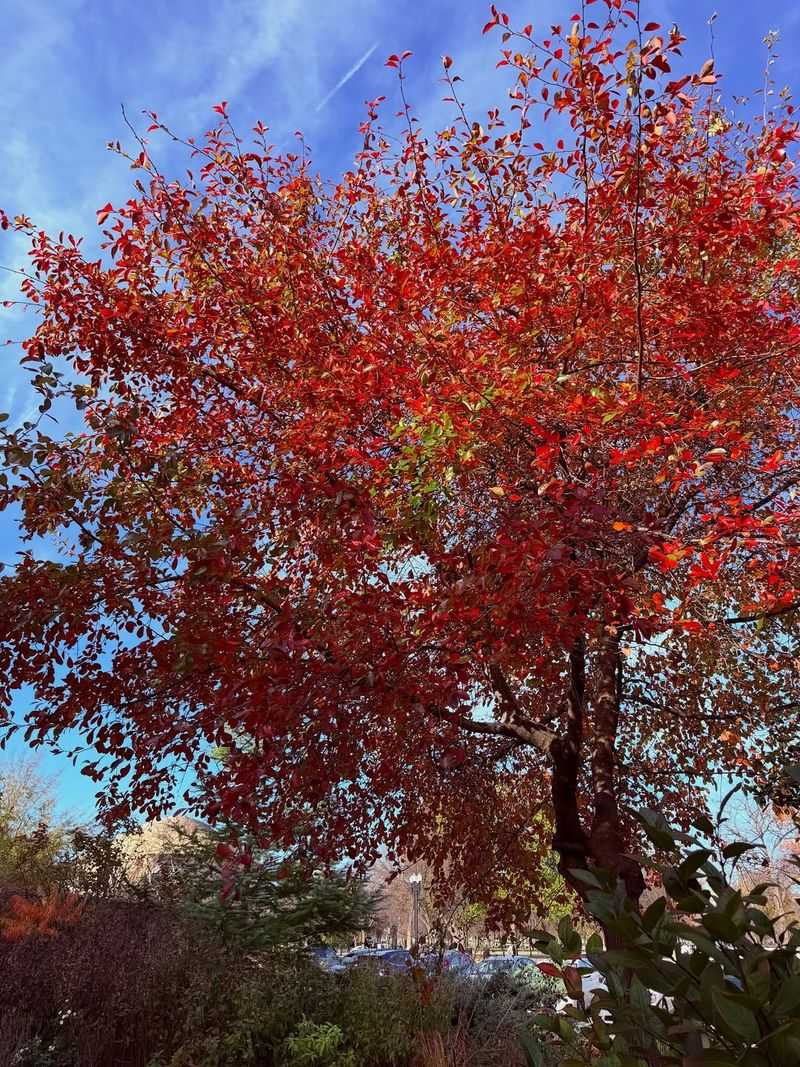
One of the biggest reasons gardeners love black gum is how little drama it brings to the yard. Compared to many other trees, it has relatively few serious insect or disease problems.
You are not going to be constantly checking for infestations or rushing to apply treatments every season. For busy homeowners, that kind of reliability is genuinely refreshing.
Pruning needs are minimal with a well-placed black gum. Routine cuts are usually limited to removing dry, damaged, or crossing branches, and even that does not need to happen every year.
Your Pennsylvania Garden Changes Every Week. Your Plan Should Too.
Gardening in Pennsylvania changes quickly throughout the season. Every Friday you’ll receive a simple weekly plan showing exactly what to plant, prune, fertilize, harvest, and protect so you never miss the right timing.
The tree naturally develops a strong structure that holds up well over time without needing you to step in and correct its growth. A pair of clean pruning shears and a little time every few years is often all it takes.
Fertilization is another area where black gum keeps things simple. When planted in suitable soil, it does not require regular feeding to stay healthy and vigorous.
The tree is adapted to the natural nutrient levels found in Pennsylvania soils, so you can skip the annual fertilizer routine that some other trees demand. Established trees also handle occasional dry spells and shifting moisture conditions without much complaint.
They are built to roll with the changes that come with Pennsylvania’s variable weather. That built-in toughness is not something you can teach a tree.
It is just part of what makes black gum such a smart, sensible choice for anyone who wants a beautiful tree without turning yard care into a second job.
Where This Native Tree Grows Best
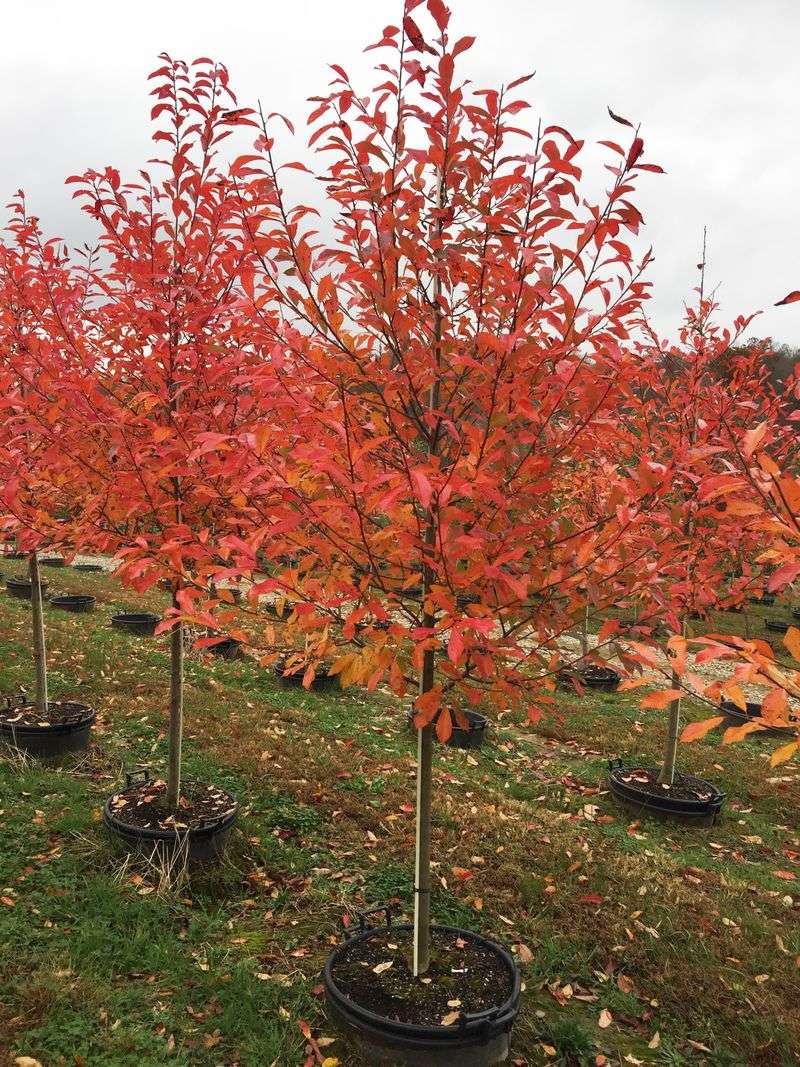
Picking the right spot for black gum makes all the difference. Get the location right, and the tree will practically grow itself.
Get it wrong, and you will spend years fighting problems that could have been avoided from the start. So before you grab a shovel, take some time to read your yard carefully.
Black gum does well in full sun or partial shade, giving you some flexibility when choosing a planting site. It prefers soil that is acidic, moist, and well-drained, which describes a lot of Pennsylvania landscapes naturally.
Interestingly, it can also handle periodically wet ground without much trouble. That makes it a smart option near rain gardens, drainage swales, or low spots in the yard where water tends to collect after a heavy rain.
One thing to watch out for is strongly alkaline soil. When black gum is planted in soil with a high pH, the leaves can turn yellow and growth may slow noticeably.
If you are not sure about your soil’s pH, a simple soil test from your local cooperative extension office can give you a clear answer before you plant. Adjusting soil acidity before planting is much easier than trying to fix problems after the tree is in the ground.
A pH between 5.5 and 6.5 is generally where black gum performs at its best. Matching the tree to the right conditions from day one sets you up for years of low-effort enjoyment and a healthy, thriving tree that looks good in every season.
Give It Enough Permanent Growing Space
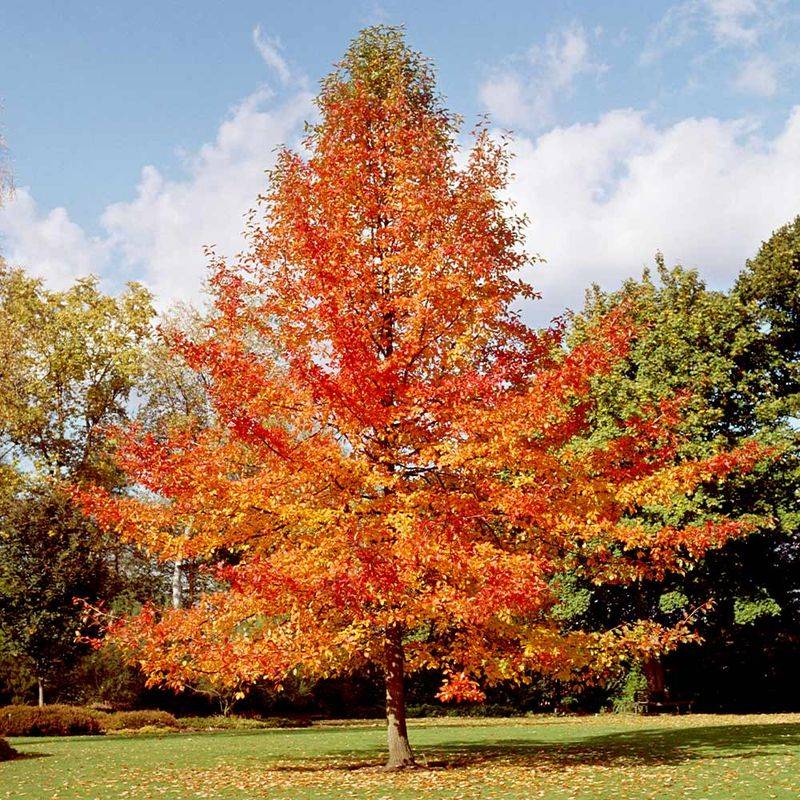
Here is something worth knowing before you plant: black gum is not a small tree. It commonly reaches 30 to 50 feet tall at maturity, and older specimens in favorable conditions can grow even larger.
The crown spreads out generously as well, so giving this tree enough permanent space from the very beginning is one of the most important decisions you will make.
Planting too close to buildings, utility lines, or neighboring trees is a common mistake that creates headaches down the road. Black gum needs room to spread its canopy without running into obstructions.
Crowded growing conditions can limit its natural shape and force you into more frequent pruning than you would otherwise need. A wide open spot away from overhead lines and structures is always the better choice.
There is another reason to choose the location carefully: black gum develops a strong taproot that anchors it firmly in the ground.
That taproot is part of what makes the tree so resilient once established, but it also means the tree is very difficult to transplant successfully after it has had a season or two to settle in.
Moving it later is not a realistic option. Plan ahead, measure your space, and think about what the tree will look like in 20 or 30 years, not just next spring.
Giving black gum the permanent space it needs from day one means you will never have to make a tough call about removing a tree you worked hard to grow. Patient planning now leads to a genuinely impressive, long-lived shade tree later.
It Rewards Gardeners With Fall Color And Wildlife Value
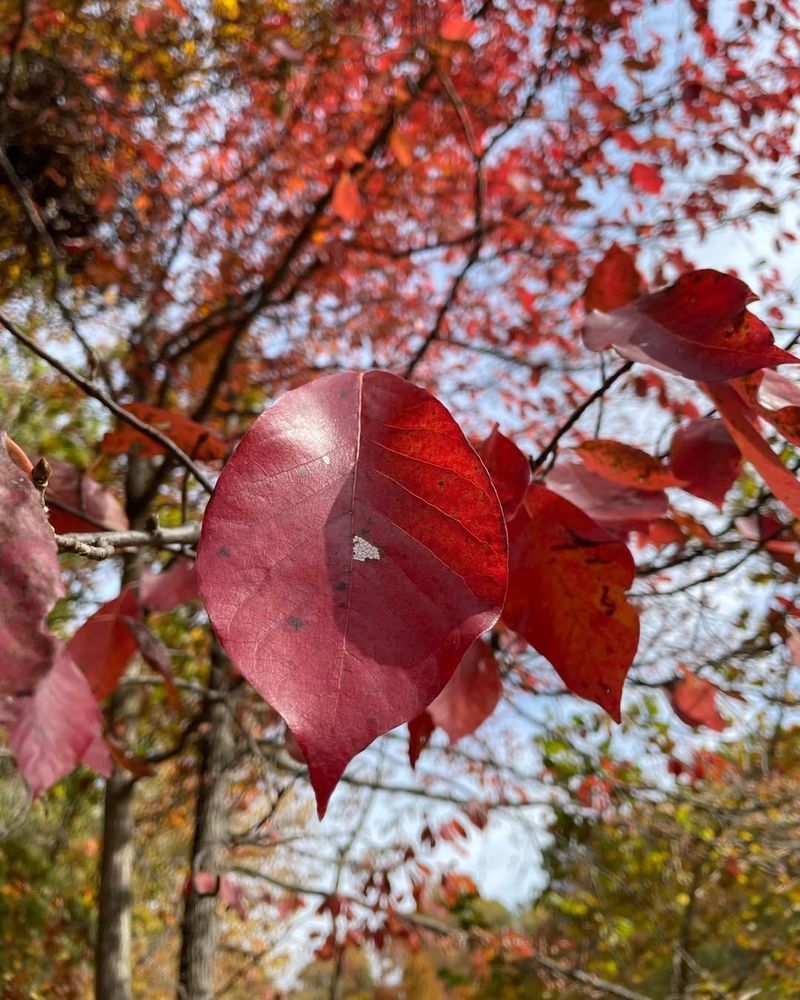
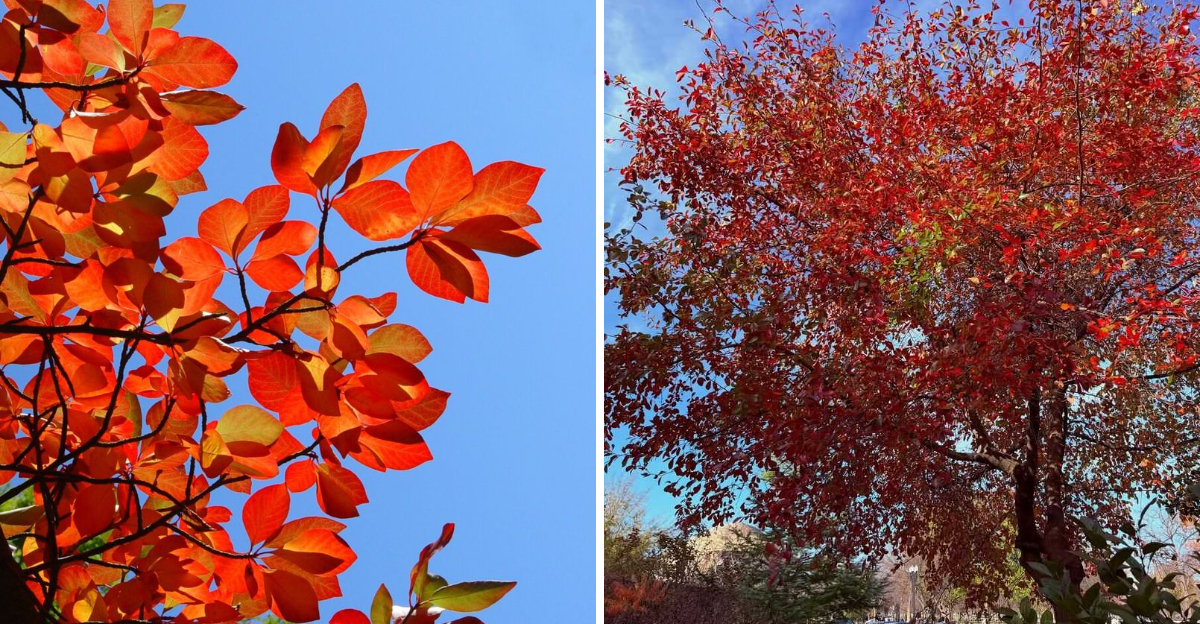
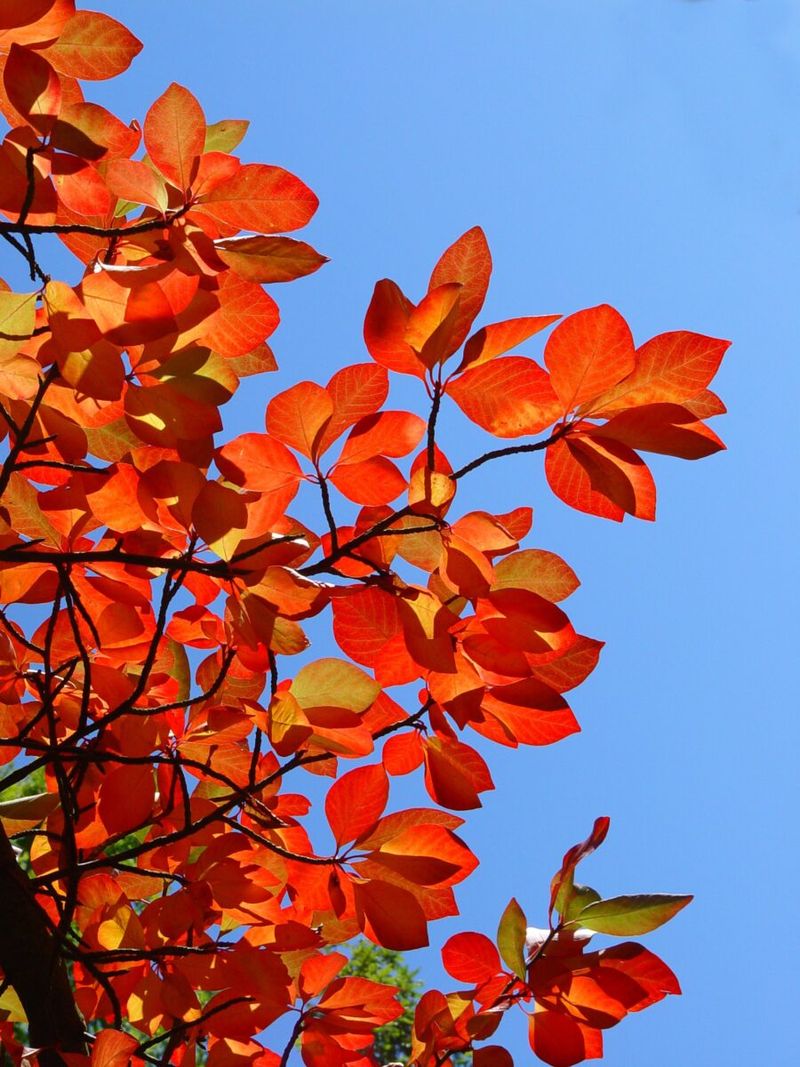
Few trees put on a fall color show quite like black gum. When temperatures drop in Pennsylvania, the foliage shifts through a stunning range of colors including yellow, orange, scarlet, red, and even purple.
The color change often happens earlier than many other trees, giving your yard a head start on the season’s best display. Neighbors tend to notice, and they tend to ask what that beautiful tree is.
Beyond the visual drama, black gum offers something even more meaningful: real wildlife value. Female trees produce small blue-black fruits in late summer and fall when they are pollinated.
Those fruits are not just decorative. They are an important food source for a wide variety of birds, including wood thrushes, robins, and woodpeckers.
Planting a black gum is essentially putting out a welcome sign for local wildlife every single year.
Did you know that black gum flowers are also a favorite among pollinators? Bees visit the small spring blooms eagerly, and beekeepers have long valued black gum as a nectar source.
The tree quietly supports the local food web from spring through fall, offering resources at multiple points in the season. That kind of ecological generosity is rare in a single tree.
For gardeners who care about creating a yard that supports nature, not just looks good to human eyes, black gum delivers on every level. It is one of those rare trees that manages to be both a showstopper and a genuine contributor to the health of the landscape around it.
What It Still Needs During Establishment
Even the toughest trees need a little extra help when they are just getting started. Black gum is no exception.
During its first one to three growing seasons, regular watering is essential to help the root system establish itself in the new location.
Deep, consistent moisture during dry stretches makes a big difference in how quickly the tree gets settled and starts growing confidently on its own.
Mulching is another simple step that pays off in a big way. Spread a two to four inch layer of wood chip mulch over the root zone to help retain soil moisture, moderate soil temperature, and reduce competition from grass and weeds.
Just be sure to keep the mulch a few inches away from the trunk itself. Piling mulch directly against the bark can create moisture problems and invite pests, so a small gap around the base is always a good idea.
Protecting the bark from lawn mowers and string trimmers is something a lot of people overlook, but it matters more than you might think. Even minor repeated scraping of the bark at the base of the trunk can weaken a young tree over time.
A simple tree guard or a slightly wider mulch ring can prevent that kind of damage easily. Also avoid compacting the soil around the root zone by keeping heavy foot traffic and equipment away from the area.
Once the root system is fully established, ongoing care drops off dramatically. Black gum rewards your early patience and attention with years of reliable, mostly hands-off growth that makes the whole effort feel completely worth it.