The Most Underrated Pennsylvania Native Flower That Feeds Pollinators Into Fall
Most Pennsylvania gardens peak in midsummer and then gradually wind down. The spring bloomers are long finished, the classic summer perennials start fading in August, and by September a lot of garden beds are coasting on foliage alone.
For pollinators that need reliable food sources well into fall, that gap is a real problem. One native Pennsylvania flower refuses to participate in that decline.
It keeps feeding pollinators into September and October with a generosity that makes it one of the most ecologically important plants you can have in a fall garden.
Bees, butterflies, and beneficial insects that are building up reserves for winter or preparing for migration find it reliably when other sources are drying up.
The timing of its bloom cycle is not an accident. It evolved alongside Pennsylvania’s native pollinator community over thousands of years. And most Pennsylvania gardeners have never planted it.
Here’s the underrated native flower that extends your garden’s value deep into fall and why it deserves a permanent place in your landscape.
This Flower Feeds Pollinators Into Fall
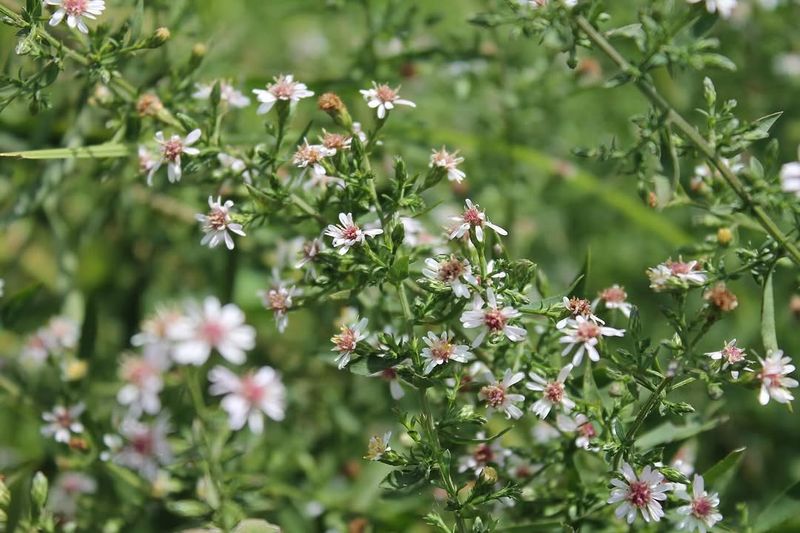
Not every garden superstar looks the part. Calico aster (Symphyotrichum lateriflorum) is one of those plants that sneaks up on you.
At first glance, it looks like a wild, airy shrub covered in tiny white stars. Then you notice the pollinators swarming it, and suddenly you understand why native plant enthusiasts get so excited about it.
Calico aster is a Pennsylvania-native perennial, meaning it evolved right here in this region and is perfectly suited for local growing conditions.
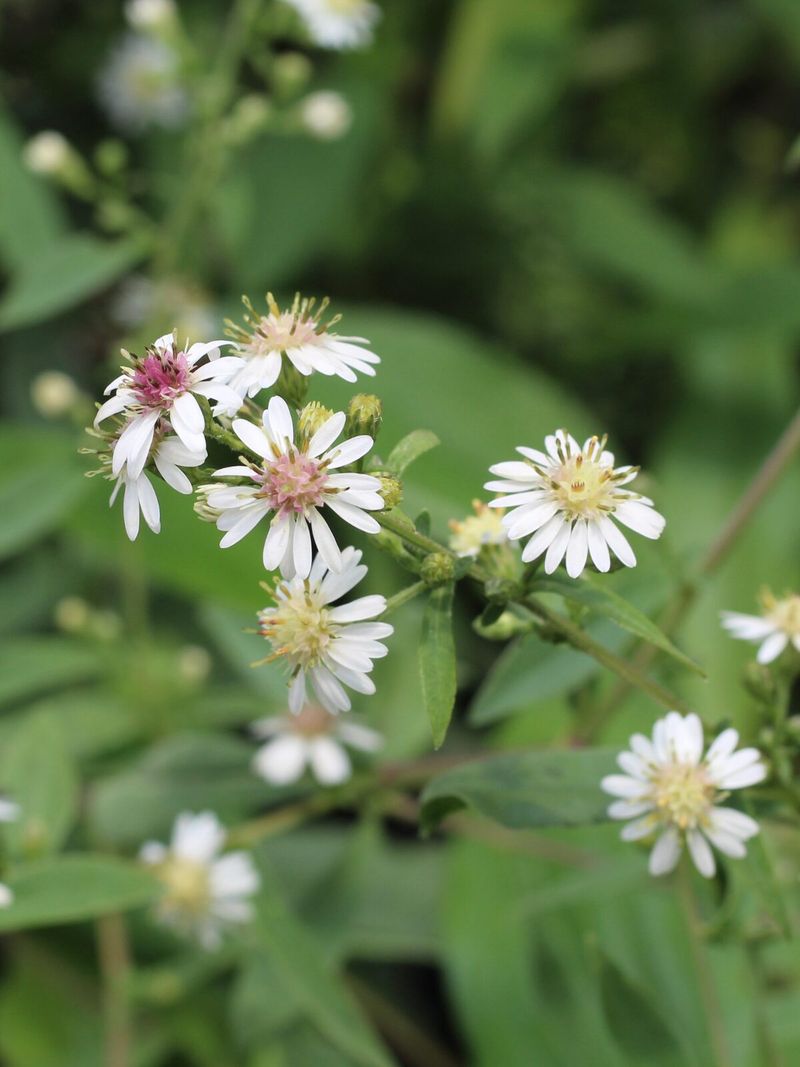
It produces an enormous number of small white flowers, each with a center that starts out yellow and gradually shifts to a rich reddish purple as it matures.
That color-changing center is actually how it earned the name “calico” since the mix of colors across a single plant resembles the old patchwork fabric pattern.
The plant grows with an airy, branching habit that creates a soft, cloud-like display rather than a few oversized blooms. It does not try to compete with showy summer flowers.
Instead, it fills space with texture and movement, swaying gently in fall breezes. Mature plants commonly reach about two to three feet tall, though some can get a bit wider depending on growing conditions.
Calico aster is not a flashy plant by typical garden standards. It does not have giant blooms or neon colors.
What it does have is reliability, ecological value, and a quiet, wild beauty that feels completely at home in a Pennsylvania landscape. Once you plant it, you will wonder why it took you so long to discover it.
Why Its Late Bloom Matters
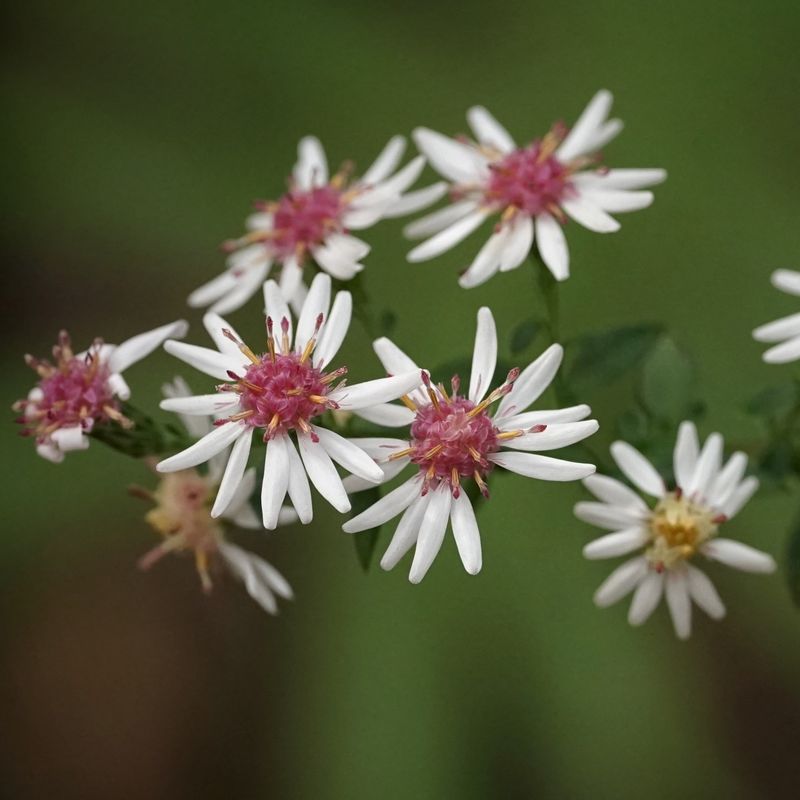
Timing is everything in a pollinator garden. Most flowering perennials put on their big show from May through July, and by August, many gardens start to look pretty bare.
That gap between late summer and frost is a critical time for pollinators, and calico aster fills it beautifully.
Calico aster generally begins flowering in August and keeps going strong well into October. Some plants will even push blooms into early November if the weather cooperates.
Your Pennsylvania Garden Changes Every Week. Your Plan Should Too.
Gardening in Pennsylvania changes quickly throughout the season. Every Friday you’ll receive a simple weekly plan showing exactly what to plant, prune, fertilize, harvest, and protect so you never miss the right timing.
That means it stays productive long after many summer perennials have finished up and gone to seed. For pollinators preparing for winter or migration, that extra food source can make a real difference.
Think about it from a bee’s perspective. A bumblebee queen needs to build up enough energy to survive winter and start a new colony in spring.
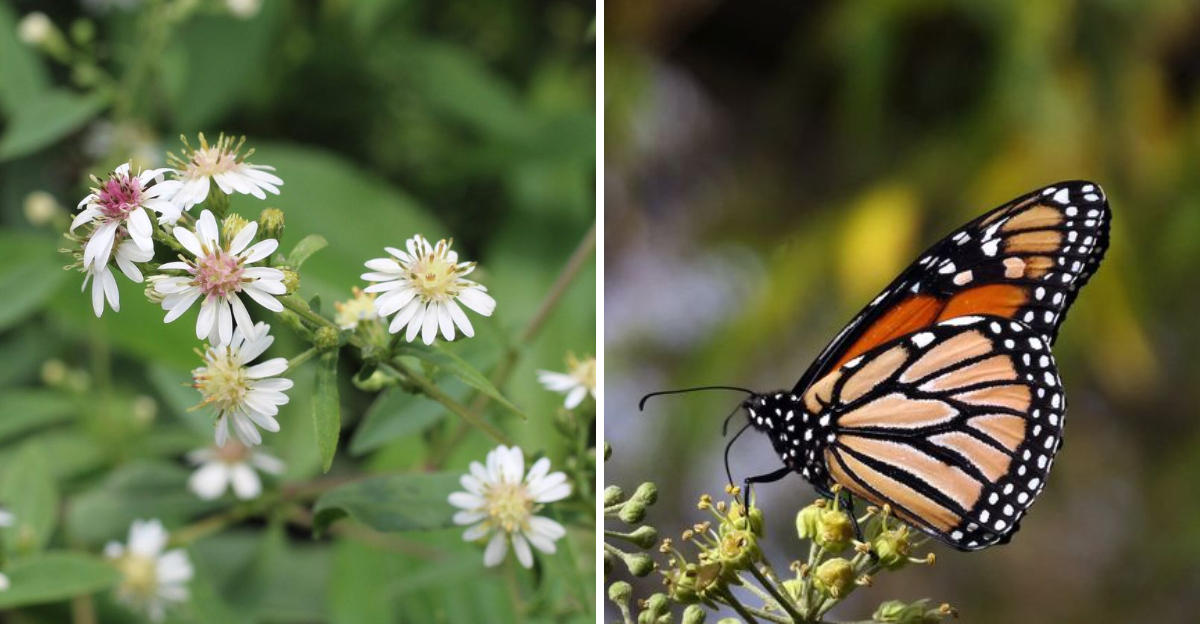
A monarch butterfly needs fuel for its long journey south. When flower options are limited, every available bloom matters more. Calico aster steps in right when that need is greatest.
Bloom timing can shift a bit depending on local weather, available light, and soil moisture. Plants growing in shadier spots may bloom slightly later than those in full sun.
A dry summer can push bloom time earlier, while a cool, wet season might delay it. Either way, calico aster consistently delivers flowers during a stretch of the season when most other plants have already wrapped up.
Planting it means you are not just adding color to your fall garden. You are keeping a food source open for pollinators at one of the most important times of the year.
Which Pollinators Visit The Flowers
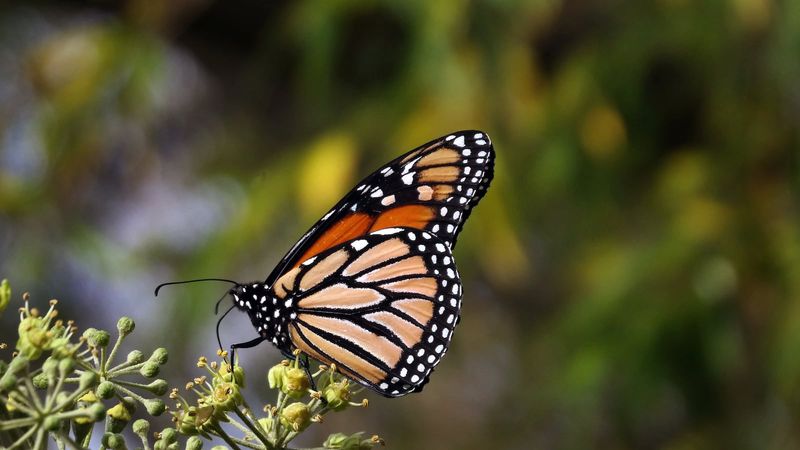
Pull up a chair and watch a blooming calico aster for about ten minutes. You will be amazed at the parade of visitors.
This plant is not picky about who it feeds, and the pollinators are not picky either. They show up in numbers that can genuinely surprise you.
Small native bees are among the most frequent guests. Sweat bees, mining bees, and small bumble bees can easily reach the shallow flower centers to collect nectar and pollen.
The open, flat shape of each bloom makes it accessible to insects that might struggle with tubular or deep flowers. That accessibility is a big part of what makes calico aster so valuable to such a wide range of species.
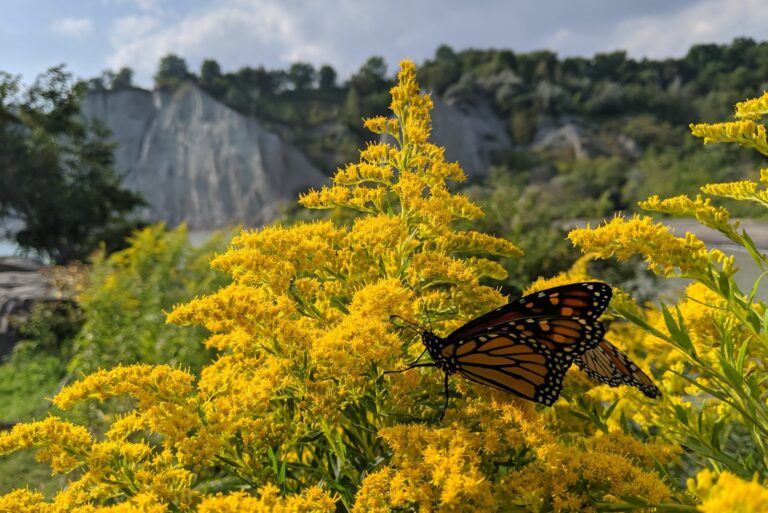
Butterflies love it too. Monarchs, skippers, sulfurs, and cabbage whites have all been spotted nectaring on calico aster during fall migration and late-season feeding.
Flower flies, which look like small bees but are actually flies, visit in large numbers. Beneficial wasps also stop by regularly. Even some beetles and moths make appearances on warm fall afternoons.
Large clusters of calico aster provide more feeding opportunities than a single isolated stem ever could. A plant that has spread into a three-foot-wide clump can support dozens of insects at once.
That is why planting several together, or letting one established plant spread naturally, creates a much bigger impact than a single specimen.
Calico aster contributes to a continuous supply of flowers from summer into fall, helping bridge the gap between the last of the summer bloomers and the first frost. For pollinators, that bridge can be a lifeline.
Where Calico Aster Grows Best
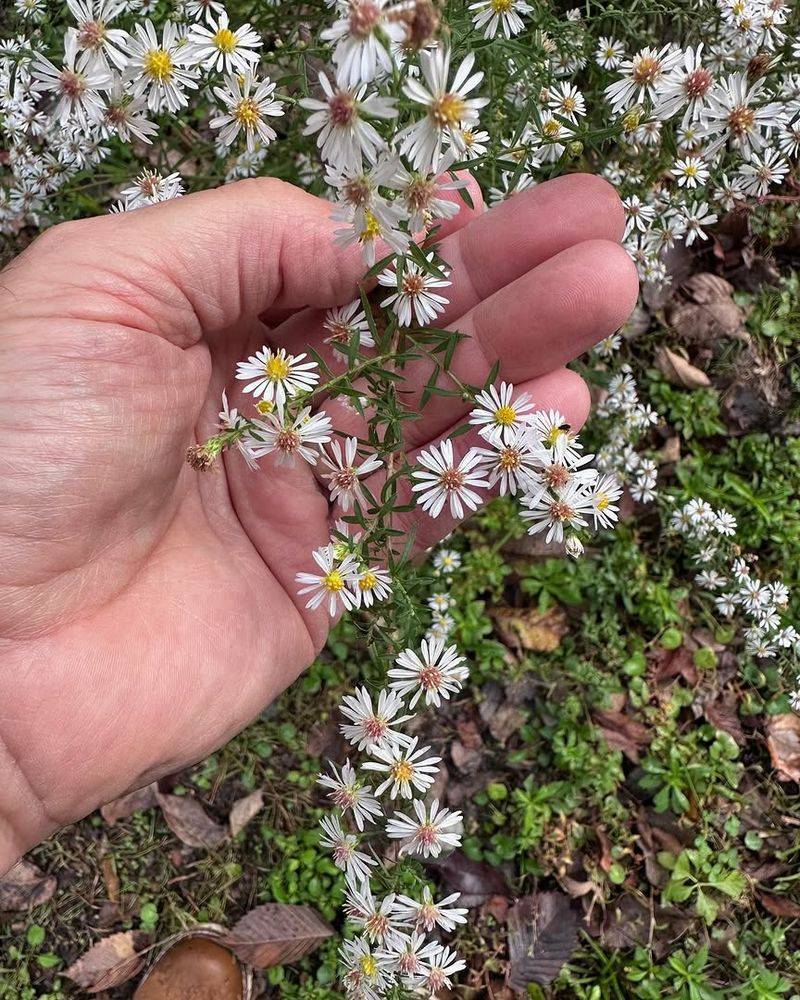
One of the best things about calico aster is how flexible it is when it comes to growing conditions. You do not need a perfectly sunny, perfectly drained garden bed to grow it well. It actually thrives in spots that challenge other plants.
Calico aster performs well in both partial shade and full sun. That range makes it one of the more versatile native plants you can add to a Pennsylvania landscape.
Woodland edges are a natural fit because the plant evolved in exactly those kinds of in-between spaces where trees thin out and light filters through. Gardens beneath open tree canopies, where many sun-loving plants struggle, are ideal spots for calico aster to shine.
Soil preference is refreshingly straightforward. Calico aster prefers average to moderately moist soil with reasonable drainage.
It does not need rich, amended garden soil to do well. In fact, overly fertile soil can cause problems, which will be covered in a later section.
Average garden soil, or even slightly lean soil, tends to produce sturdier, more compact plants.
Plants growing in sunnier, drier locations may need a bit of supplemental water during long dry spells, especially in their first season while roots are getting established. After that, most plants handle dry stretches on their own without much help.
Once calico aster settles in, it becomes a pretty independent plant. If you have a shady corner where other flowering plants have struggled, or a woodland edge that looks bare in fall, calico aster is worth a serious try.
It tends to reward patience with a genuinely impressive display once it finds its footing.
How To Use It In A Pennsylvania Garden
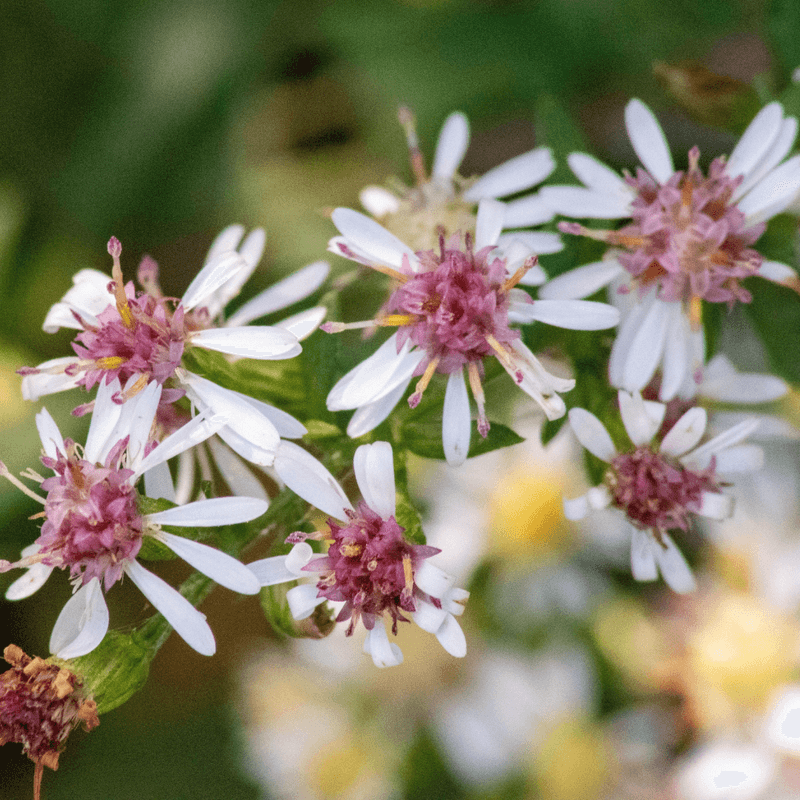
Calico aster is one of those plants that plays well with others. It is not a diva. It does not demand the spotlight. Instead, it weaves itself into a garden design and quietly makes everything around it look better.
Add it to native borders, pollinator gardens, cottage-style gardens, and naturalized areas where plants can spread a bit freely. It works especially well along fence lines, at the back of mixed borders, or in the transitional zone between a lawn and a wooded area.
Its branching stems can become quite broad at maturity, so placing it behind shorter plants gives it room to spread without crowding out its neighbors.
Pairing calico aster with goldenrod is a classic combination that both looks beautiful and feeds pollinators at the same time.
Mountain mint, which blooms earlier in summer, creates a nice seasonal relay when planted nearby since calico aster takes over just as mountain mint finishes up.
Black-eyed Susans and native grasses like little bluestem or switchgrass also make excellent companions, adding height variation and texture throughout the season.
The small, airy flowers of calico aster do something special in a mixed planting. They soften the bold, solid colors of larger fall flowers and create a layered, naturalistic look that feels less like a formal garden and more like a thriving meadow.
That contrast between fine-textured calico aster and chunkier plants like goldenrod or coneflower is genuinely pleasing to the eye.
Even in a small garden, one well-placed clump of calico aster can anchor a fall planting scheme and keep pollinators busy right up until frost arrives.
How To Keep It Attractive And Manageable
Calico aster is low maintenance, but a little bit of attention at the right moments can make a real difference in how the plant looks and behaves. The good news is that none of these tasks are complicated or time-consuming.
Pinching or cutting stems back in late spring is one of the easiest ways to shape the plant. When stems are about eight to twelve inches tall, cut them back by about half.
This encourages the plant to branch more, which results in a shorter, bushier, more compact form. Without pinching, calico aster can get a little floppy by fall, especially in shadier spots.
A quick trim in May or early June makes a noticeable difference. Skip the fertilizer. Seriously, avoid it.
Calico aster growing in overly rich soil tends to produce long, weak, floppy stems that flop over and look messy. Average or even slightly lean soil actually produces better results with sturdier stems and a more attractive plant overall.
If your soil is already rich, calico aster may still do fine, but hold off on any additional feeding.
Established clumps can spread over time through self-seeding and root expansion. If the plant starts moving beyond its intended space, dividing it every few years keeps things tidy.
Early spring, just as new growth emerges, is the best time to divide. Simply dig up the clump, split it into sections, and replant where you want it.
Leave some dried stems standing through winter. They offer shelter and overwintering spots for beneficial insects.
Then cut them back to the ground in early spring before new growth begins, and the cycle starts all over again.