These Are The Summer Pests That Move From Pennsylvania Gardens Into Your Home Plants
Summer in Pennsylvania is when the line between outdoor garden and indoor plant collection gets a lot more permeable than most houseplant owners anticipate.
Pests that establish themselves in garden beds, on patio containers, or on plants brought in temporarily from outside do not stay where they started.
Several of the most common summer garden pests in Pennsylvania are also capable of moving onto houseplants, either hitching a ride on foliage that comes inside, drifting through open windows and doors, or spreading from outdoor containers that spend the warm months on a porch or deck.
By the time the infestation is visible on an indoor plant, it has usually been building for long enough that a quick fix is no longer the realistic outcome.
Knowing which outdoor summer pests are most likely to make that transition indoors, and what the early signs look like before populations build, gives Pennsylvania houseplant owners a meaningful head start on protecting their indoor collection.
1. Aphids
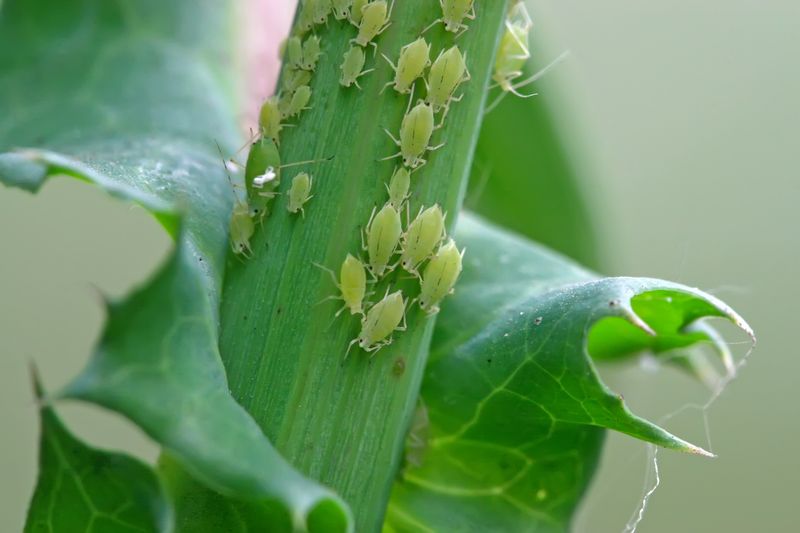
You might not notice them at first, but aphids are masters at hiding in plain sight. These tiny, soft-bodied insects are usually green, yellow, black, or even pink, and they love to cluster on the undersides of leaves or along fresh new stems.
They feed by piercing plant tissue and sucking out the sap, which weakens your plants over time and causes leaves to curl, yellow, or look wrinkled.
In Pennsylvania, aphid populations explode during the warm summer months. Gardeners often accidentally bring them indoors when carrying in cuttings, potted herbs, or freshly cut flowers from outside.
A single stem can harbor dozens of these pests, and once they settle into your home, they can spread quickly to nearby houseplants.
One easy way to check for aphids is to look closely at new growth and the undersides of leaves. You might also notice a shiny, sticky residue called honeydew on the leaves or nearby surfaces.
That stickiness is actually aphid waste, and it can attract other problems like mold. Getting rid of aphids does not have to be complicated. A strong spray of water from a sink faucet can knock many of them off.
You can also wipe leaves down with a damp cloth or use a diluted neem oil spray. Repeating this process every few days usually clears them up.
Keeping new plants quarantined for a week or two before placing them near your other houseplants is one of the smartest habits you can build during summer.
2. Spider Mites
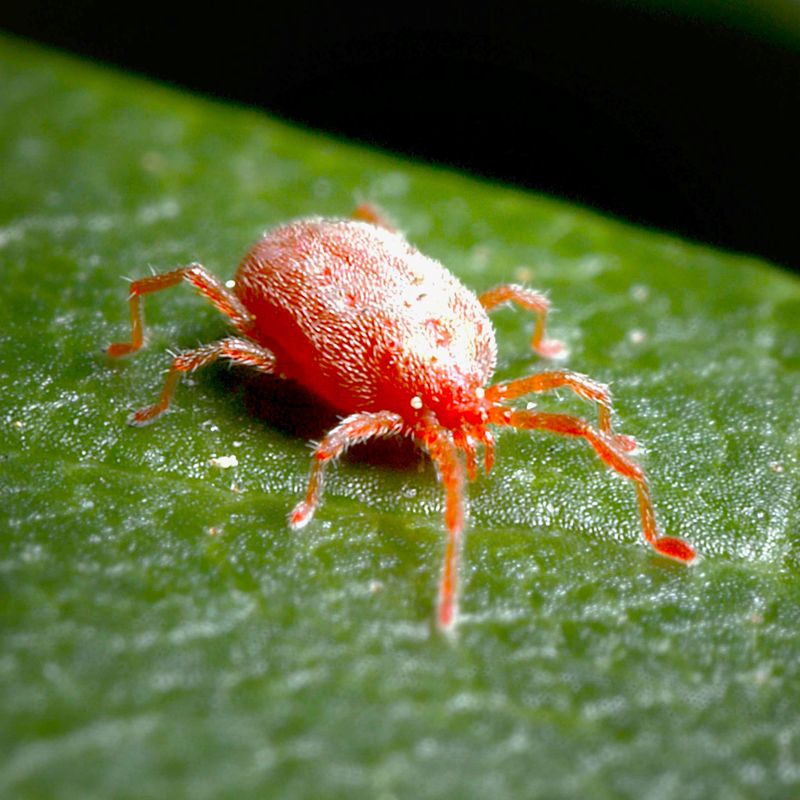
Spider mites are so small you might think your plant just looks dusty. These microscopic pests are not actually insects but are related to spiders and ticks.
They thrive in hot, dry conditions, which makes Pennsylvania summers the perfect time for their populations to surge. Garden plants that sit in full sun all day are especially vulnerable.
When spider mites move indoors, they usually come in on plants that were spending time outside on a patio or porch. Once inside, the lower humidity of air-conditioned rooms actually makes things worse, because dry air is exactly what spider mites love.
Your Pennsylvania Garden Changes Every Week. Your Plan Should Too.
Gardening in Pennsylvania changes quickly throughout the season. Every Friday you’ll receive a simple weekly plan showing exactly what to plant, prune, fertilize, harvest, and protect so you never miss the right timing.
They multiply at a shocking speed, and a small problem can become a big one within just a couple of weeks.
The most obvious sign of spider mites is fine, silky webbing on your plant, especially around stems and where leaves meet the stalk. You might also notice tiny yellow or bronze speckles on the leaf surface.
That stippling effect happens because mites are feeding on the cells inside the leaf, draining color and vitality right out of it.
Raising the humidity around your plants can slow spider mites down noticeably. Misting your plants regularly or placing a small humidifier nearby makes the environment less welcoming for them.
Wiping leaves with a damp cloth helps remove mites physically. Neem oil or insecticidal soap sprays are also very effective when applied consistently.
Before bringing any outdoor plant inside for the summer, inspect it carefully and rinse it off thoroughly to lower the chances of bringing these pests along for the ride.
3. Whiteflies
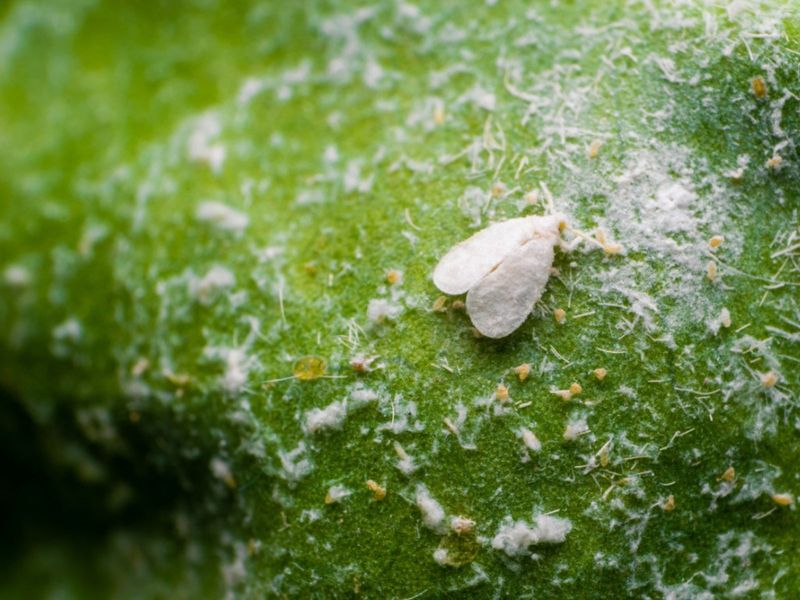
Shake a plant with whiteflies and you will immediately know something is wrong. A cloud of tiny, white, moth-like insects will flutter up into the air before settling right back down.
Whiteflies are one of the most frustrating summer pests in Pennsylvania because they are hard to catch and even harder to fully clear out once they are established indoors.
These insects prefer the undersides of leaves, where they feed on sap and lay their eggs in neat circular patterns. They are especially common on tomatoes, peppers, and ornamental plants in outdoor gardens.
When those plants get moved inside at the end of summer, or when windows and doors are left open near garden beds, whiteflies can easily make the jump to your indoor space.
Besides weakening plants by draining their sap, whiteflies also leave behind honeydew, which encourages a black, sooty-looking mold to grow on leaf surfaces.
Over time, heavily infested plants look dull, discolored, and covered in a sticky film. Leaves may also drop prematurely, leaving your plant looking bare and stressed.
Yellow sticky traps are a great first line of defense because whiteflies are attracted to the color yellow and get stuck when they fly near them. Placing these traps around your plants can help you monitor the problem and reduce adult populations.
Neem oil sprays and insecticidal soaps work well when applied directly to the undersides of leaves, where the insects live and lay eggs. Consistency matters here.
Treating your plants every five to seven days for several weeks gives you the best chance of clearing the infestation completely.
4. Mealybugs
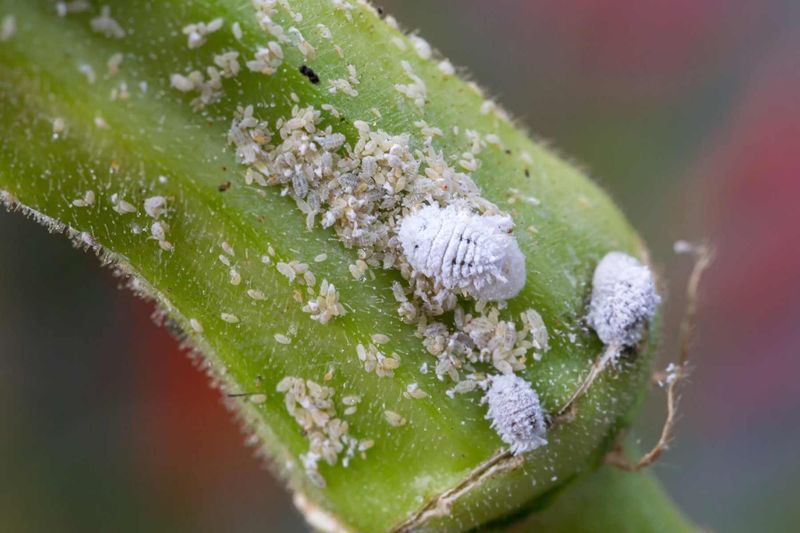
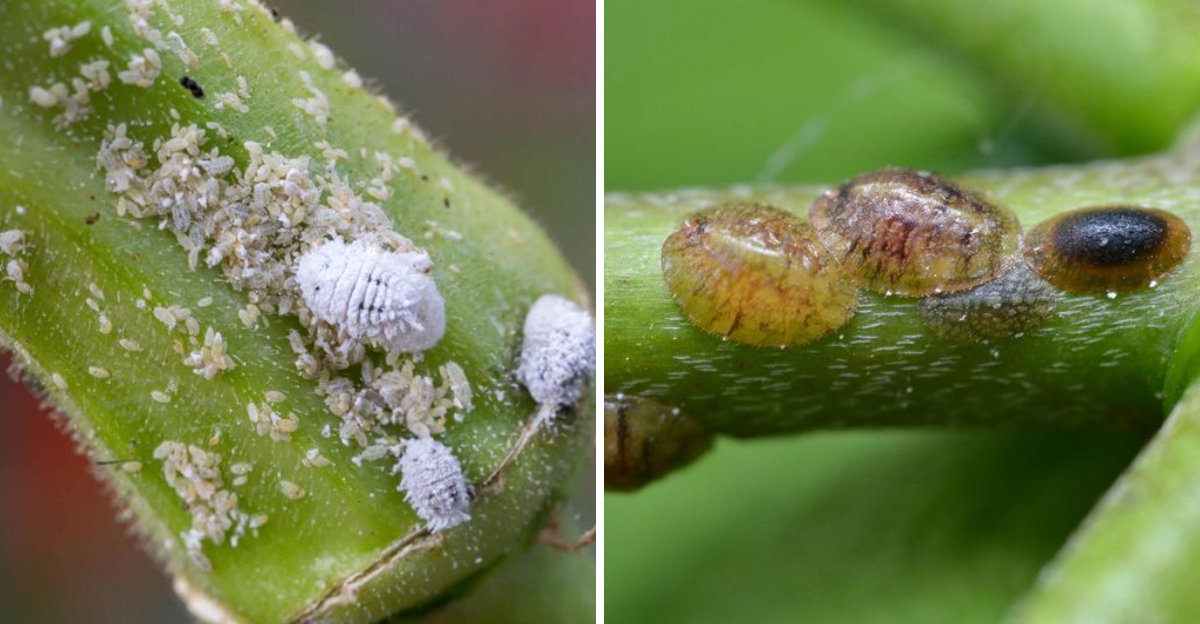
Mealybugs look like tiny pieces of cotton fluff tucked into the corners where leaves meet stems. That white, waxy coating is actually a protective covering these sap-sucking insects produce around themselves.
It makes them harder to reach with sprays and gives them a deceptively harmless appearance. Do not let that fool you, though, because mealybugs can seriously weaken a plant if left unchecked.
In Pennsylvania gardens, mealybugs are often found on succulents, ornamental shrubs, and tropical plants kept outdoors during summer.
When gardeners bring these plants back inside in late summer, or purchase new outdoor plants from a nursery, mealybugs frequently come along as stowaways.
They are sneaky because they tend to hide deep in leaf clusters or under pot rims where they are hard to spot during a quick check.
Once inside, mealybugs spread by crawling slowly from plant to plant, especially when pots are placed close together. Infested plants often show yellowing leaves, stunted growth, and that telltale sticky honeydew residue.
A fuzzy white buildup along stems or at the base of leaves is your clearest signal that mealybugs have moved in.
Rubbing alcohol is one of the most effective home treatments for mealybugs. Dip a cotton swab into 70 percent isopropyl alcohol and dab it directly onto each bug you see.
The alcohol breaks down their waxy coating and clears them out quickly. For larger infestations, a neem oil spray applied every week works well.
Always quarantine new plants for at least two weeks before introducing them to your other indoor plants, especially during summer months.
5. Fungus Gnats
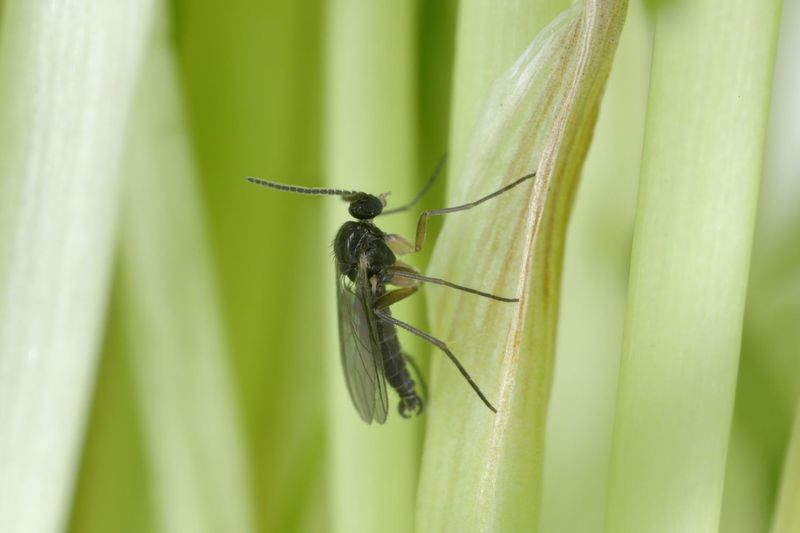
Fungus gnats are one of those pests that seem to appear out of nowhere. One day your plant looks fine, and the next you notice tiny black flies hovering around the soil every time you water.
These little flies are more of a nuisance than a threat to healthy, established plants, but their larvae can cause real trouble for younger or more delicate ones.
The adult flies do not feed on your plants directly. Instead, they lay their eggs in moist soil, and when the larvae hatch, they feed on organic matter, fungi, and sometimes the fine root hairs of your plants.
This root damage can slow plant growth and make plants look droopy or yellowed even when you are watering correctly. Seedlings and cuttings are especially sensitive to larval feeding.
Fungus gnats love the damp, rich soil conditions found in many garden pots during a wet Pennsylvania summer.
They often get introduced indoors when gardeners bring in pots that were sitting outside on damp ground, or when soil from the garden is used to repot indoor plants.
Overwatering indoors makes the problem much worse because it keeps the soil consistently moist, which is exactly the environment these pests need to breed.
Letting the top inch or two of soil dry out completely between waterings is the most effective way to break the fungus gnat cycle. Yellow sticky traps placed at soil level catch adult flies before they can lay more eggs.
You can also use a product containing Bacillus thuringiensis israelensis, a naturally occurring bacteria that targets the larvae in the soil without harming your plant. Consistency is everything when managing these persistent little fliers.
6. Thrips
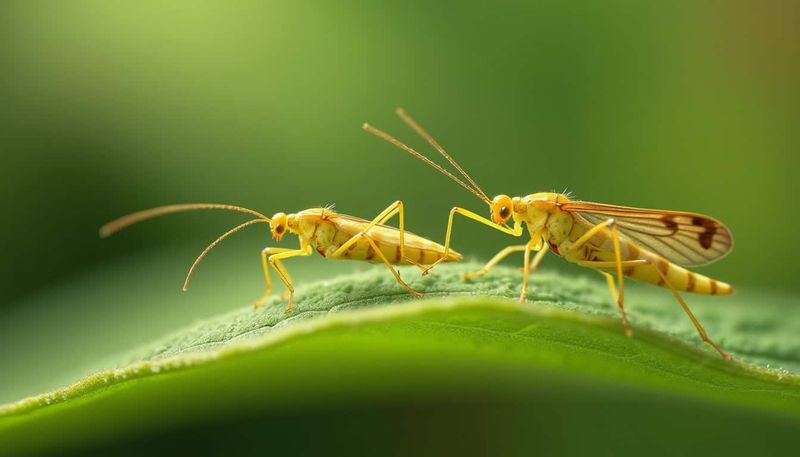
Thrips are so slim and fast-moving that most people do not realize they have an infestation until the damage is already visible. These slender little insects are barely a millimeter long, and they come in shades of yellow, brown, or black depending on the species.
What they lack in size, they more than make up for in the trouble they cause to both garden and indoor plants.
During Pennsylvania summers, thrips are extremely active in gardens, especially on flowers, herbs, and vegetables. They feed by scraping the surface of leaves and petals to get to the plant fluids underneath.
This leaves behind a distinctive silvery or bronze streaking pattern on the leaf surface, along with tiny black specks of waste.
When you bring cut flowers inside, carry in fresh herbs from the garden, or move a flowering plant onto a windowsill, thrips can easily hitch a ride.
Once indoors, thrips move quickly through your plant collection. They hide inside flower buds and along leaf veins where they are hard to spot.
Badly infested flowers may look distorted or fail to open properly. Leaves can develop a papery, faded texture that makes the whole plant look washed out and tired.
Removing heavily damaged leaves and flowers right away helps limit the spread. Blue sticky traps are particularly effective for catching thrips since they are attracted to that color more than yellow.
Neem oil or spinosad-based sprays applied to the entire plant, including under leaves and inside flower buds, work well when used regularly. Inspect any cut flowers or herbs carefully before bringing them indoors, especially during peak summer weeks.
7. Scale Insects
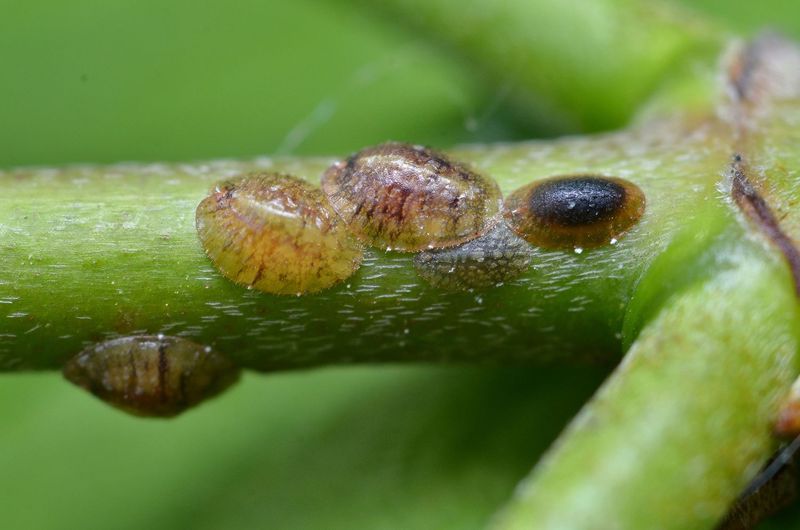
Scale insects are one of the oddest-looking pests you will ever find on a plant. They do not look like bugs at all at first glance.
Instead, they appear as small, flat, brownish bumps stuck firmly to stems and leaves. You might even try to scrape one off thinking it is just dried sap or a bit of bark.
That bump is actually the insect itself, protected by a hard or waxy shell it builds around its body.
There are two main types of scale insects you will encounter in Pennsylvania: hard scale and soft scale. Both types attach themselves to plant tissue and feed by sucking sap from inside the stem or leaf.
Soft scale insects also produce honeydew, which leads to that sticky residue and eventual sooty mold growth. Hard scale insects do not produce honeydew but are tougher to treat because of their shell.
Scale insects commonly travel indoors on outdoor shrubs, potted citrus trees, or decorative plants that spend the summer on a patio or deck.
They move slowly and tend to stay in one spot for most of their adult lives, which makes them easy to miss during routine plant checks.
By the time you notice a heavy buildup on a stem, the infestation may have been building for weeks.
Scraping scale off manually with a soft toothbrush or your fingernail is surprisingly effective for small infestations. Following up with a rubbing alcohol wipe along the stems removes any remaining insects and their eggs.
Horticultural oil sprays smother scale insects by coating their shells and disrupting their ability to breathe. Treating plants every week for a month gives you the best shot at full removal before they spread further.