8 Most Common Hummingbird Feeder Mistakes You’re Probably Making in Wisconsin
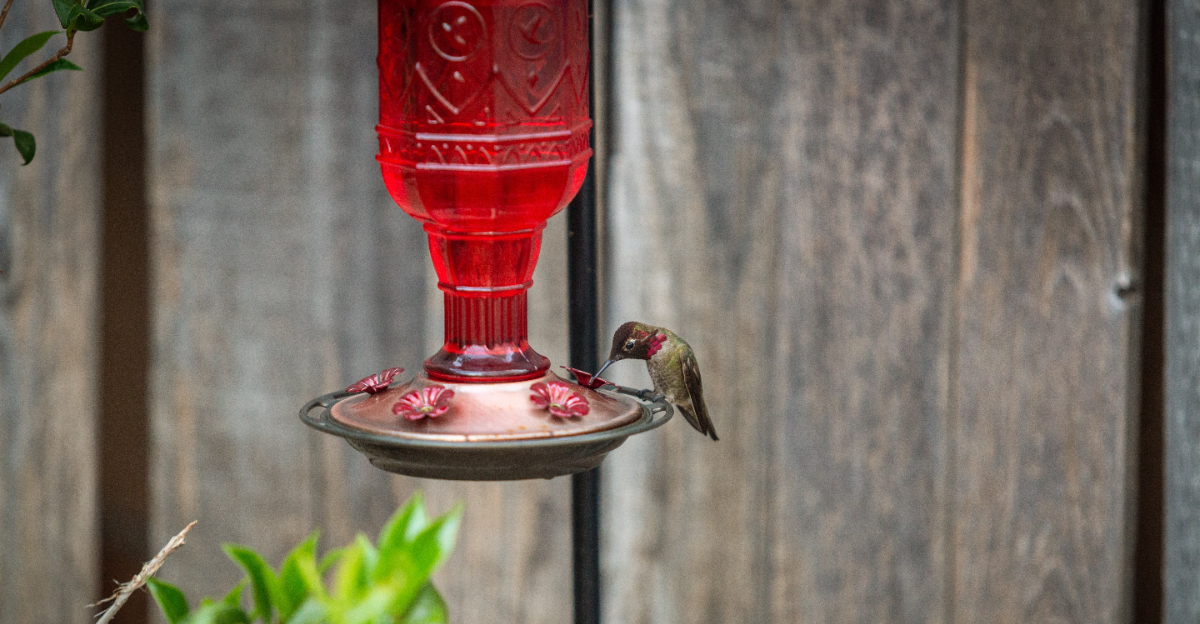
Somewhere between the coffee pot and the porch door, a flash of emerald wings passes by and vanishes before you can blink. Hummingbirds treat backyard feeders like five-star diners, and they’re brutally picky about the menu.
The trouble is, most feeders quietly fail their tiniest guests without anyone noticing. Something small and easy to overlook can turn a bustling feeder into a ghost town almost overnight.
These birds burn through enormous amounts of energy just hovering in place, so tiny details matter far more than most people realize. One overlooked habit can quietly undo weeks of steady visits.
If your feeder used to hum with activity and now sits eerily still, chances are one of these eight sneaky mistakes is the culprit.
1. Adding Red Dye To The Nectar
Stop right there before you add that red food coloring. Many Wisconsin backyard birders believe red dye makes nectar more attractive to hummingbirds.
That belief isn’t supported by evidence, and dyed nectar may actually harm the birds. Experts warn artificial dyes may damage tiny kidneys over time.
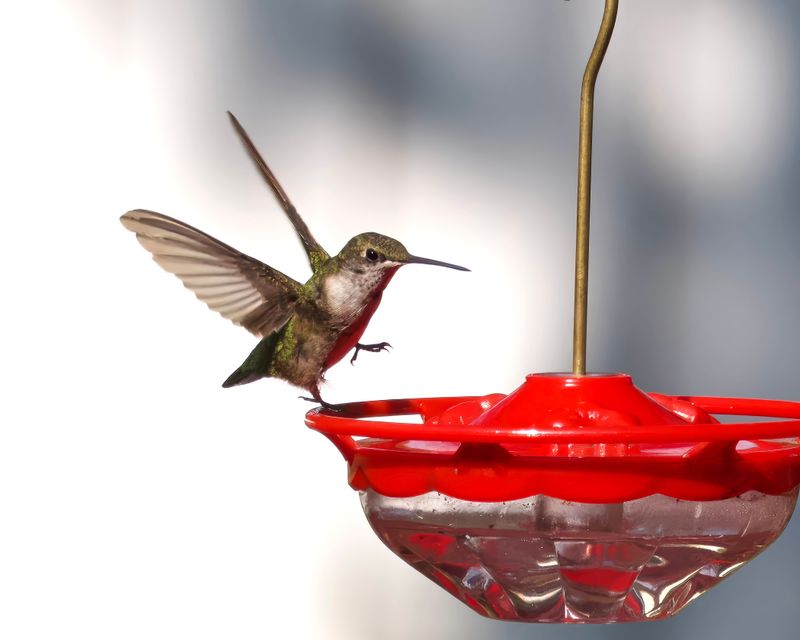
Hummingbirds are drawn to red feeders, not red liquid. The bright color of the feeder itself does all the attracting work you need.
Plain white sugar dissolved in water is the safest, most effective nectar you can make. Hummingbirds want their nectar simple, with nothing added and nothing changed.
The recipe is simple: one part white granulated sugar to four parts water. Stir until fully dissolved, and you are good to go.
Honey, brown sugar, and artificial sweeteners are all off the table. These alternatives can grow mold faster and cause serious digestive issues for hummingbirds.
Raw or organic sugar is also a no-go because it contains trace minerals like iron that are harder for hummingbirds to process. Stick with plain, store-brand white granulated sugar every single time.
Boiling the water first helps slow spoilage and keeps nectar fresh longer. Let the mixture cool completely before filling your feeder.
Wisconsin summers get warm and humid, which speeds up spoilage. Clean and refill your feeder every two to three days during hot weather.
Making safe nectar is one of the easiest ways to keep hummingbirds coming back all season long.
2. Hanging A Feeder That’s Too Large
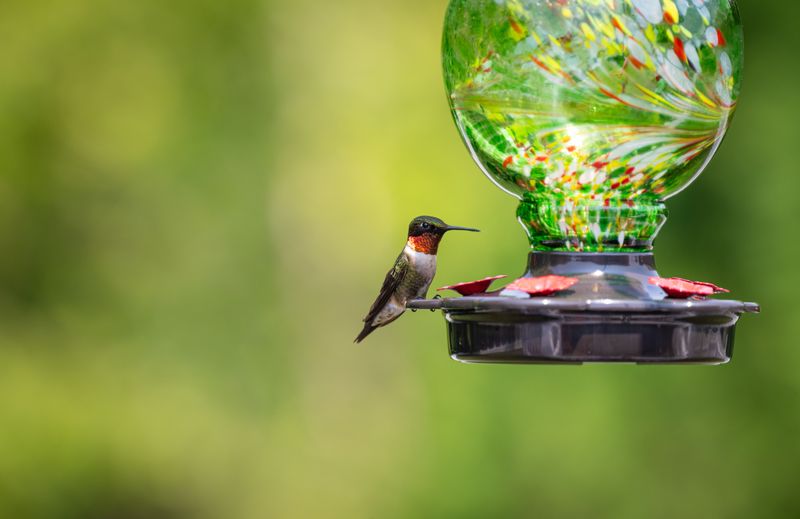
Bigger is not always better, especially when it comes to hummingbird feeders. A giant feeder might look impressive on your porch, but it can actually work against you.
Most Wisconsin hummingbird populations are not large enough to drain a big feeder quickly. That means nectar sits too long and goes bad before it gets consumed.
Spoiled nectar smells sour and tastes off to hummingbirds. Once they sample bad nectar, they may avoid your feeder for days.
A smaller feeder forces you to refill more often, which keeps the nectar consistently fresh. Fresh nectar is the single biggest factor in keeping hummingbirds loyal to your yard.
For most Wisconsin backyards, a feeder holding eight to twelve ounces is plenty. That size gets emptied and refreshed at the right pace.
Your Wisconsin Garden Changes Every Week. Your Plan Should Too.
Gardening in Wisconsin changes quickly throughout the season. Every Friday you’ll receive a simple weekly plan showing exactly what to plant, prune, fertilize, harvest, and protect so you never miss the right timing.
If you get serious traffic late in summer, you can always add a second small feeder nearby. Two small feeders beat one giant one every time.
Smaller feeders are also easier to clean thoroughly. Mold and bacteria love to hide in tight corners, and a compact design makes scrubbing much simpler.
Look for feeders with wide openings or ones that come apart easily. Cleaning shouldn’t feel like a science project.
Matching your feeder size to your actual bird traffic is smart backyard strategy. Start small, observe your visitors, and scale up only if needed.
3. Choosing The Wrong Spot For Your Feeder
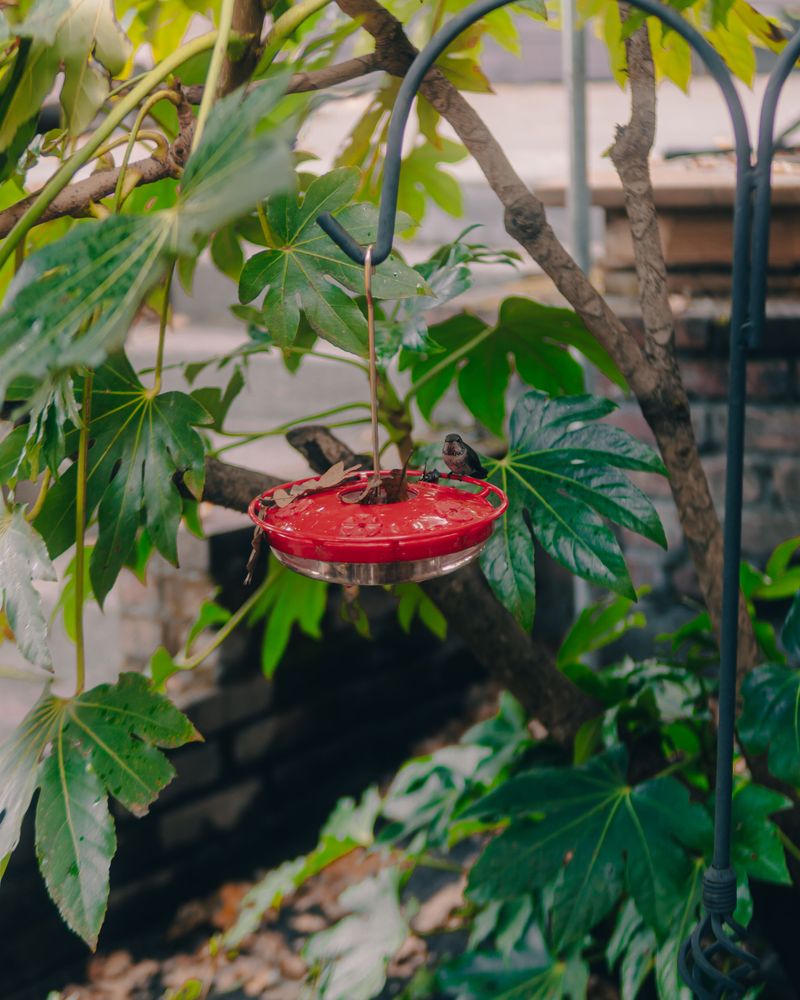
Location matters more than most people realize when hanging a hummingbird feeder. Slap it in the wrong spot and your feeder becomes a ghost town fast.
Full sun is one of the biggest placement mistakes you can make. Direct sunlight heats nectar quickly, speeding up spoilage and making it unsafe to drink.
Aim for a spot that gets morning light but afternoon shade. That balance keeps nectar cooler and fresher throughout the hottest part of the day.
Hummingbirds also need nearby perches to rest between feeding sessions. Placing your feeder close to shrubs or small trees gives them a safe landing zone.
Too much open space around the feeder can make birds feel exposed and vulnerable. Predators like cats and hawks make hummingbirds cautious about feeding in wide-open areas.
At the same time, do not hang the feeder so deep in dense brush that you cannot see it. You want a clear sightline from inside your home for maximum enjoyment.
Height matters too. Hanging a feeder between four and six feet off the ground tends to work well for most yards.
Avoid placing feeders near windows where birds could collide with the glass. Window strikes are a real and preventable danger for small birds.
Finding that sweet spot takes a little trial and error, but once you nail it, hummingbirds will find you reliably every season.
4. Buying A Stylish Feeder Before A Functional One
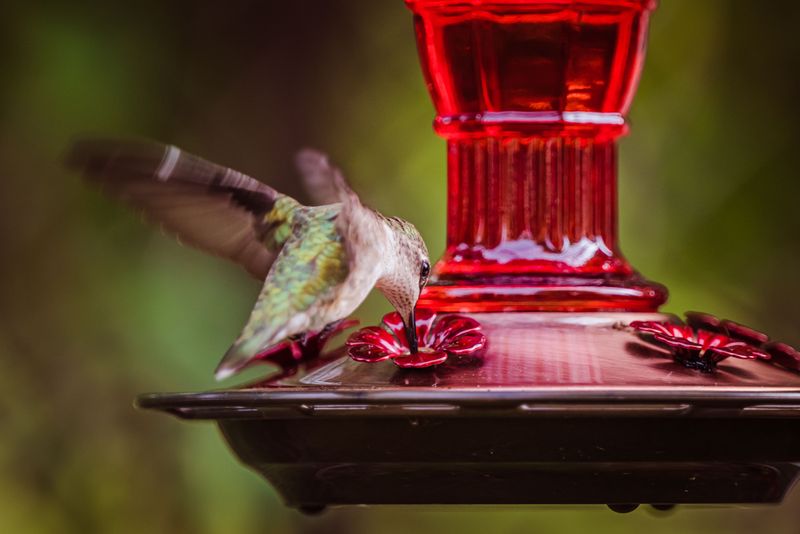
That gorgeous hand-blown glass feeder looks stunning in the garden store. But beautiful feeders are often a nightmare to actually use and maintain.
Narrow necks, decorative crevices, and tiny feeding ports make cleaning nearly impossible. Bacteria and black mold thrive in spots you cannot reach with a brush.
Hummingbirds do not care how pretty your feeder looks. They care whether the nectar is fresh, the ports are accessible, and the feeder is reliably clean.
When shopping, prioritize feeders with wide-mouth openings and removable parts. A feeder that comes apart fully is a feeder you will actually clean properly.
Look for smooth interior surfaces without sharp angles or deep grooves. The simpler the design inside, the easier your weekly cleaning routine becomes.
Dish-style feeders are a favorite among serious backyard birders for exactly this reason. They are shallow, easy to scrub, and dry out fast after washing.
Avoid feeders with painted or coated interiors that could chip over time. Flaking paint near nectar ports is a contamination risk you do not need.
Durability matters too, especially through Wisconsin winters if you store feeders outdoors in shoulder seasons. Choose UV-resistant plastic or thick borosilicate glass that will not crack easily.
Spending thirty dollars on a functional feeder beats spending sixty on a decorative one. A feeder you can clean easily is the one hummingbirds will keep coming back to.
5. Waiting Too Long Between Nectar Changes
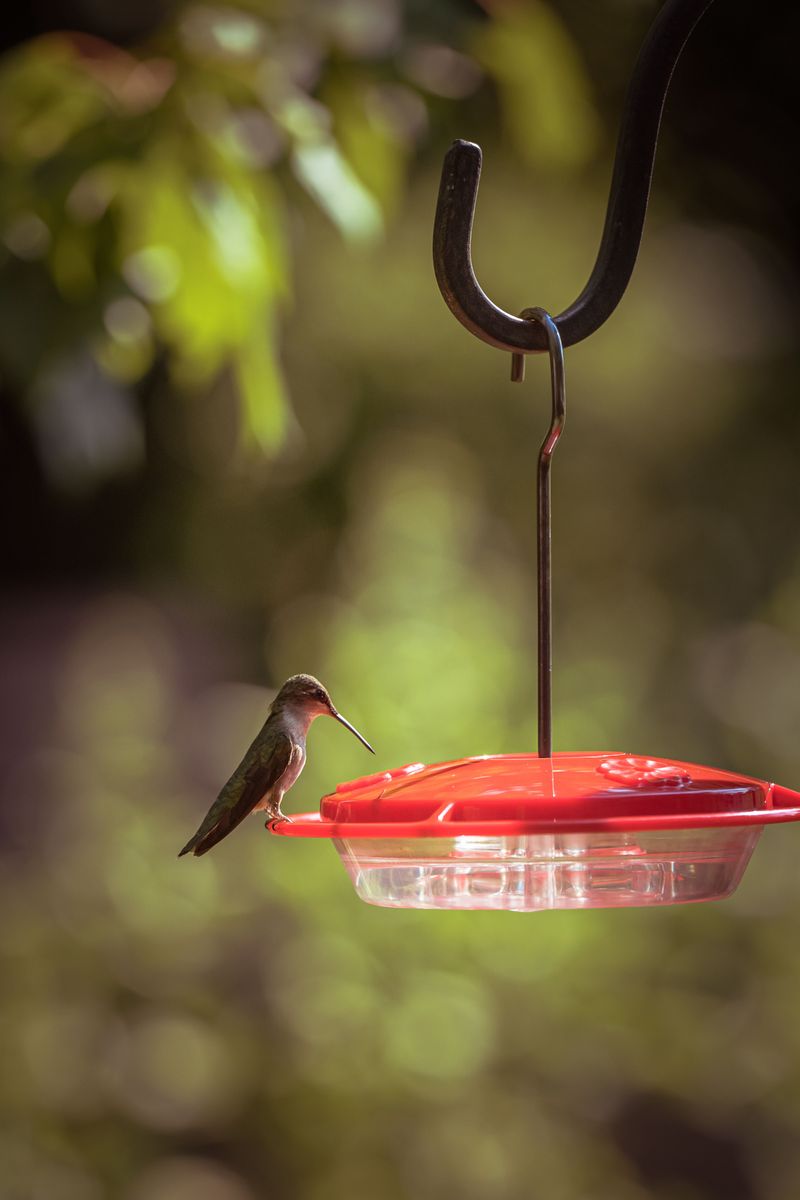
Nectar goes bad faster than most people expect. What looks clear and clean on Monday can be spoiled by Wednesday, especially in warm Wisconsin summers.
Spoiled nectar can contain harmful bacteria and mold spores that are genuinely harmful to hummingbirds. Drinking it stresses their tiny digestive systems in ways that add up over time.
A good rule of thumb is to change nectar every two days when temperatures climb above eighty degrees. In cooler stretches, every three to four days is acceptable.
Do not wait until you see the nectar turn cloudy or yellow. By then, the damage to its quality has already happened.
If you notice black spots inside the feeder, that is mold. Scrub the entire feeder with hot water and a bottle brush before refilling.
Avoid just topping off an old feeder with fresh nectar. Empty it completely, rinse it out, and start with a fully clean vessel each time.
Soap can leave residue that hummingbirds find repellent, so rinse very thoroughly if you use any. Hot water and a stiff brush handle most cleaning jobs just fine.
Setting a phone reminder every two days takes the guesswork out of the process. Consistent maintenance is the single habit that separates successful feeders from abandoned ones.
Fresh nectar signals to hummingbirds that your yard is a reliable food source. Keep it clean, and they will keep showing up.
6. Using The Wrong Sugar-To-Water Ratio
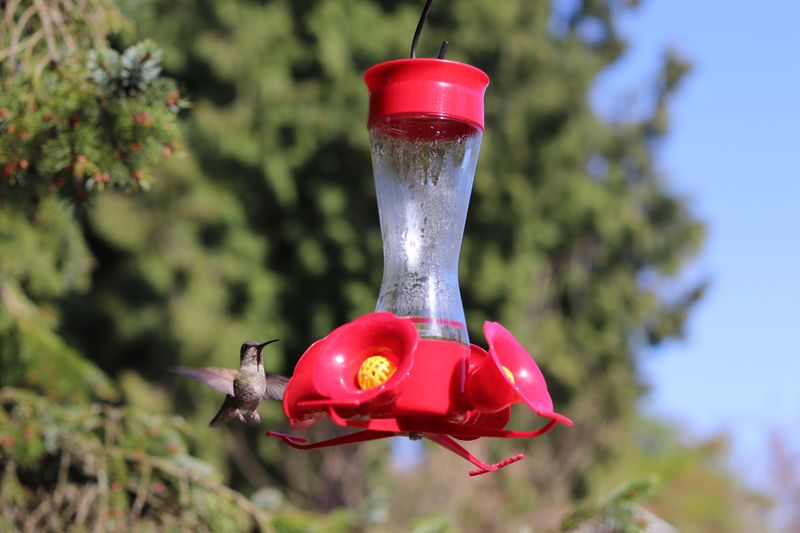
Getting the nectar ratio wrong is one of the most common hummingbird feeder mistakes backyard birders make. Too sweet or too diluted, and you are not doing the birds any favors.
The correct ratio is one part white sugar to four parts water. That matches the natural sugar concentration found in flower nectar.
Some people go heavier on the sugar thinking more sweetness means more attraction. But overly concentrated nectar can stress hummingbird kidneys and liver over time.
Too diluted a mixture does not provide enough energy for these high-metabolism birds. Hummingbirds burn through calories at an astonishing rate and need reliable fuel.
A single hummingbird can visit over a thousand flowers in one day just to meet its energy needs. Your feeder needs to offer something genuinely worth stopping for.
Mixing by weight is the most accurate method, but measuring by volume works fine for most backyard situations. One cup of sugar to four cups of water is easy to remember.
Stir the mixture until the sugar fully dissolves. You can gently warm the water to speed this up, but boiling is not required.
Skip vitamins, electrolytes, or commercial nectar enhancers. Plain sugar water is exactly what hummingbirds need, nothing extra required.
Writing the ratio on a sticky note inside your cabinet keeps the recipe handy for every refill. Simple habits lead to consistently healthy nectar all season.
7. Putting Feeders Out Too Late In Spring
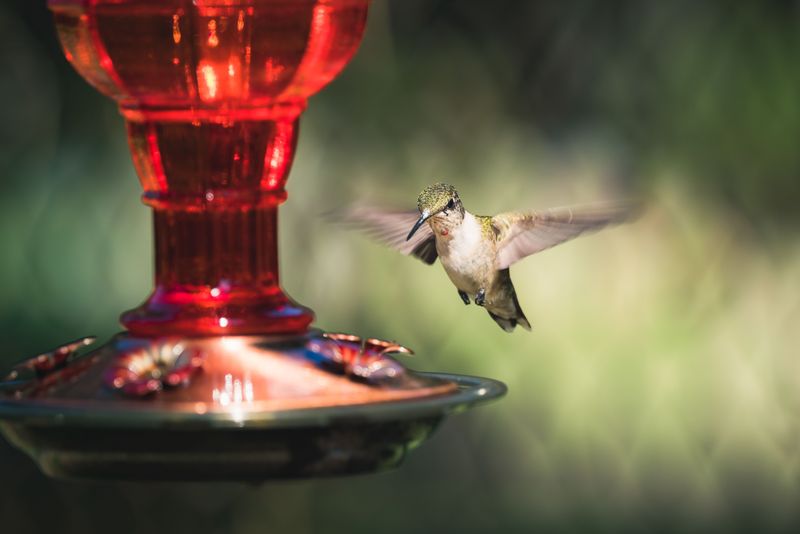
Hummingbirds are early arrivers, and they do not wait around for slow humans to get organized. Missing their first appearance means missing weeks of incredible backyard activity.
In Wisconsin, ruby-throated hummingbirds typically begin showing up in late April through early May. Scout males arrive first, checking territories before females follow.
If your feeder is not out when those scouts pass through, they may move on and establish feeding routes elsewhere. First impressions matter in the hummingbird world.
A good target date is to hang your feeder by April 25th each year. That gives you a comfortable buffer before the earliest arrivals appear.
You do not need to worry about the feeder keeping birds from migrating south in fall. That instinct is hardwired and no feeder will override it.
Checking regional hummingbird tracking maps is a smart way to time your setup. Sites like Journey North post real-time sighting data from across the country.
Even if temperatures are still cool in late April, hummingbirds are tougher than they look. They can handle chilly nights as long as food is available.
Pairing your feeder launch with some early-blooming red flowers boosts your yard’s appeal significantly. Coral bells, bleeding heart, and native columbine are all excellent spring options.
Getting your feeder out early is one of the simplest changes you can make. That one shift alone can dramatically increase how many hummingbirds visit your yard.
8. Taking Feeders Down Too Early In Fall
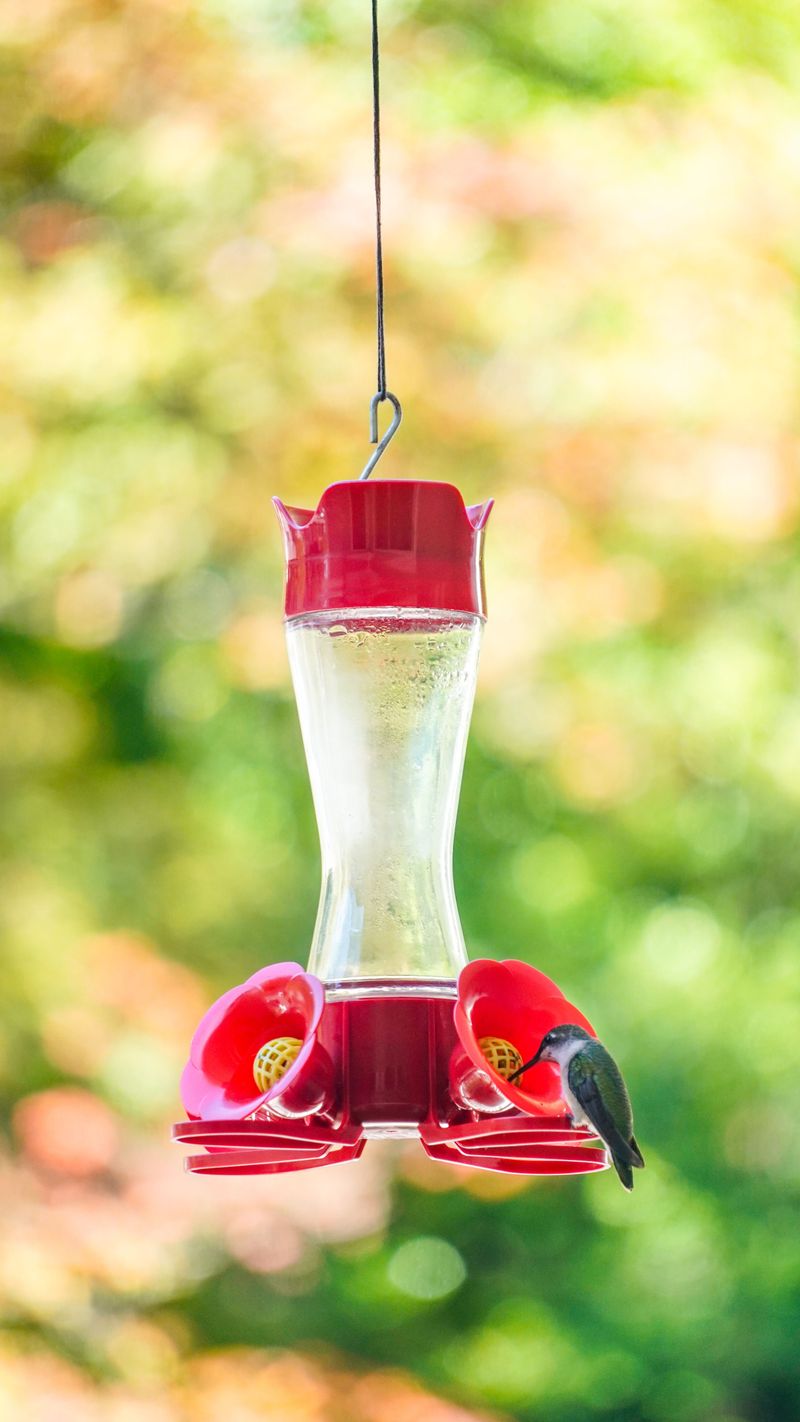
Pulling your feeder down at the first sign of autumn is a mistake that costs migrating hummingbirds a critical fuel stop. Late-season travelers need every calorie they can find.
Many Wisconsin residents take feeders down in early September, thinking the season is over. But stragglers and late migrants can pass through well into October.
Keeping your feeder up through mid-October ensures you support birds that are still moving through on their long journey south. Some of these travelers have come from as far as Canada.
The idea that feeders delay migration is a persistent myth with no scientific backing. Birds migrate based on daylight changes, not food availability.
Leaving your feeder up actually helps late migrants build the fat reserves they need for the long flight ahead. A well-fueled bird is much better prepared for the journey ahead.
Watch for hummingbirds even on cool October mornings. A flash of iridescent green near your feeder after mid-September is a rare and rewarding sight.
Change the nectar on schedule even if you have not seen any visitors in a few days. A passing bird may stop unexpectedly and you want fresh fuel ready.
When you finally do take the feeder down, clean it thoroughly before storage. Dried sugar residue is much harder to remove after sitting all winter.
Avoiding these hummingbird feeder mistakes gives every passing traveler a fighting chance. Your backyard can be an important stop on a very long journey.