8 Crucial August Tasks To Keep Your Dahlias Flowering Into Fall In Wisconsin
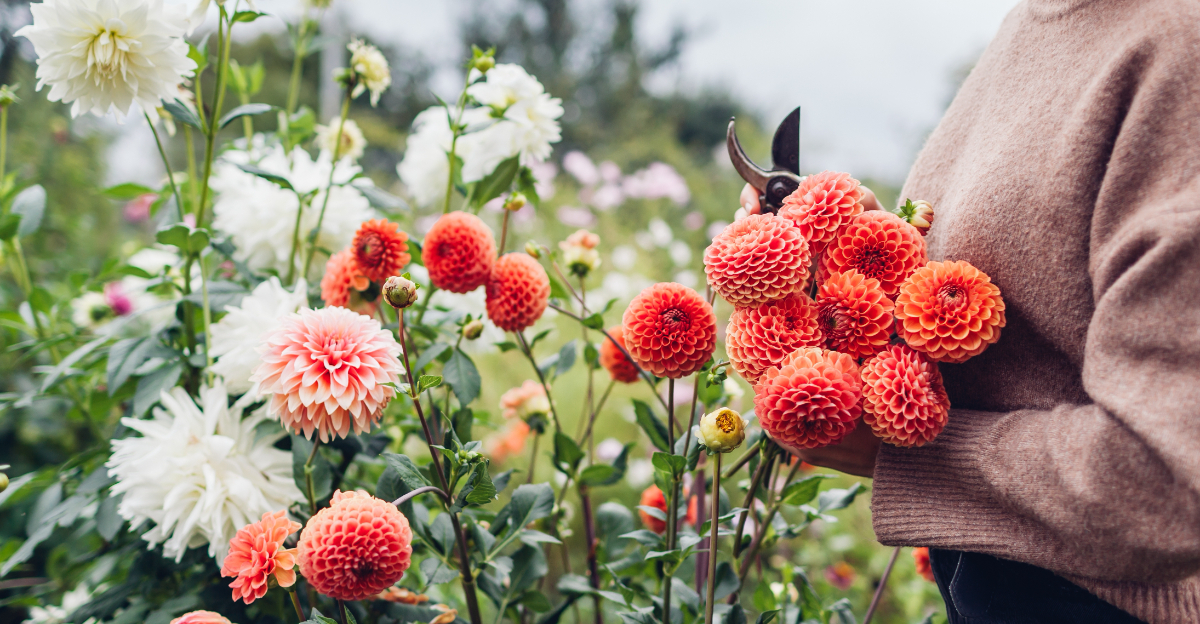
August asks something of your dahlias, and they’re listening closely. Long days of heat can quietly slow the show, turning bold blooms into tired stragglers before you notice. Right now, your Wisconsin garden holds all the cards.
The plants that keep blooming through fall aren’t lucky. They’re getting small, consistent attention while everyone else’s dahlias start winding down early.
A little care now, applied the right way, and suddenly your patch is the one neighbors stop to photograph. October rewards what August starts.
Stick around, and your dahlias will still be turning heads long after the first cool nights arrive.
1. Remove Spent Blooms To Keep New Flowers Coming
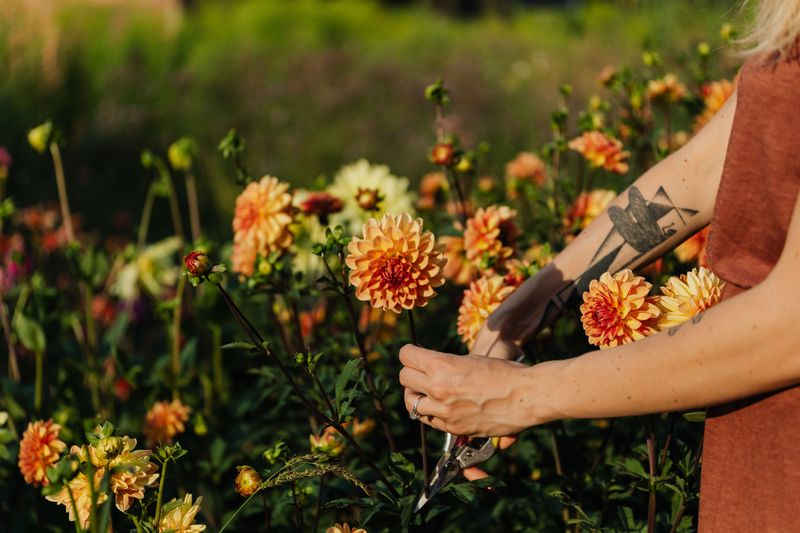
Grab your shears and take a close look at your dahlias. That browning, drooping bloom is stealing energy your plant could use for new buds.
Removing spent blooms is one of the most effective habits for keeping dahlias flowering through fall. When a bloom fades, the plant shifts its focus toward making seeds instead of new flowers.
You want to cut the spent stem all the way back to the nearest set of healthy leaves or a side shoot. Do not just snip the flower head off at the neck.
Cutting deeper tells the plant to push out a fresh stem with a new bud on top. It sounds aggressive, but dahlias respond beautifully to this kind of attention.
Check your plants every two to three days in August. Heat speeds up the bloom cycle, so spent flowers appear faster than you might expect.
Make clean cuts with sharp, sanitized shears to avoid spreading disease between plants. Sanitize your blades between cuts if any plant looks unhealthy.
Toss the spent blooms into your compost bin, not onto the soil around the base. Leaving old petals on the ground can invite fungal problems during humid August nights.
Once you get into a rhythm, this simple task takes only a few minutes per plant. That small investment pays off with armloads of fresh blooms stretching deep into autumn.
2. Water Deeply To Prevent Stress And Bud Drop
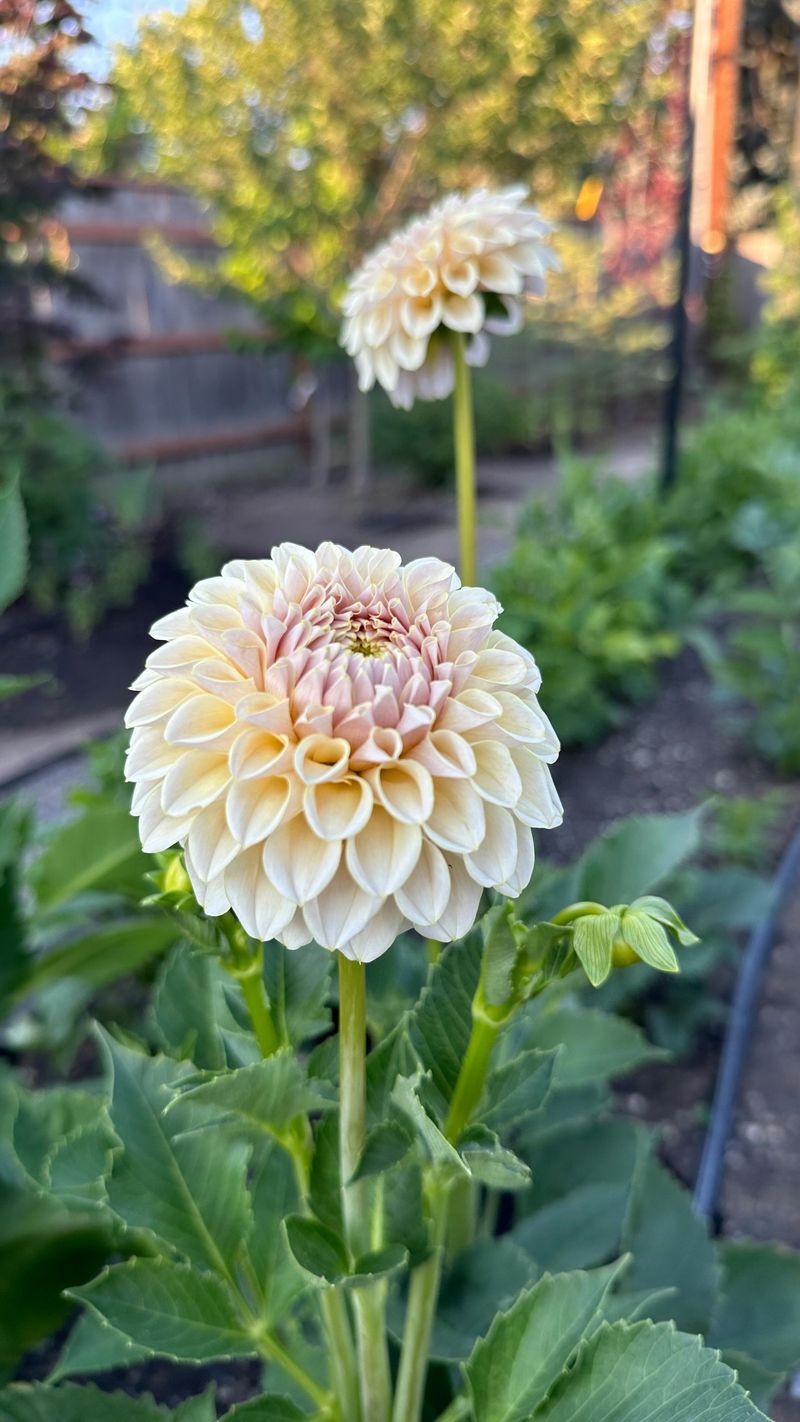
Bud drop is one of the most frustrating things a dahlia grower can face. You spot a fat, promising bud one morning, and by the next day it has fallen off without ever opening.
Heat and inconsistent watering are almost always the culprits. Dahlias need steady moisture at their roots, not just a light sprinkle on the surface.
Shallow watering encourages shallow roots, which makes plants more vulnerable to August heat spikes. Deep, slow watering pushes roots downward and builds a more resilient plant overall.
Aim to water at the base of each plant, directly over the root zone. Overhead watering wets the foliage and creates conditions where powdery mildew can take hold quickly.
Water your dahlias two to three times per week during dry August stretches. Sandy Wisconsin soils may need daily watering, while clay-heavy beds hold moisture longer.
A simple finger test works well: push your finger two inches into the soil near the plant base. If it feels dry at that depth, it is time to water thoroughly.
Your Wisconsin Garden Changes Every Week. Your Plan Should Too.
Gardening in Wisconsin changes quickly throughout the season. Every Friday you’ll receive a simple weekly plan showing exactly what to plant, prune, fertilize, harvest, and protect so you never miss the right timing.
Mulching around your dahlias with a two-inch layer of straw or wood chips helps lock in soil moisture between watering sessions. It also keeps roots cooler during the hottest part of the day.
Consistent watering keeps dahlias flowering into fall without the stress-triggered bud drop that ruins so many late-season displays. Steady habits now mean stunning blooms later.
3. Feed With Low-Nitrogen Fertilizer For Continued Blooms
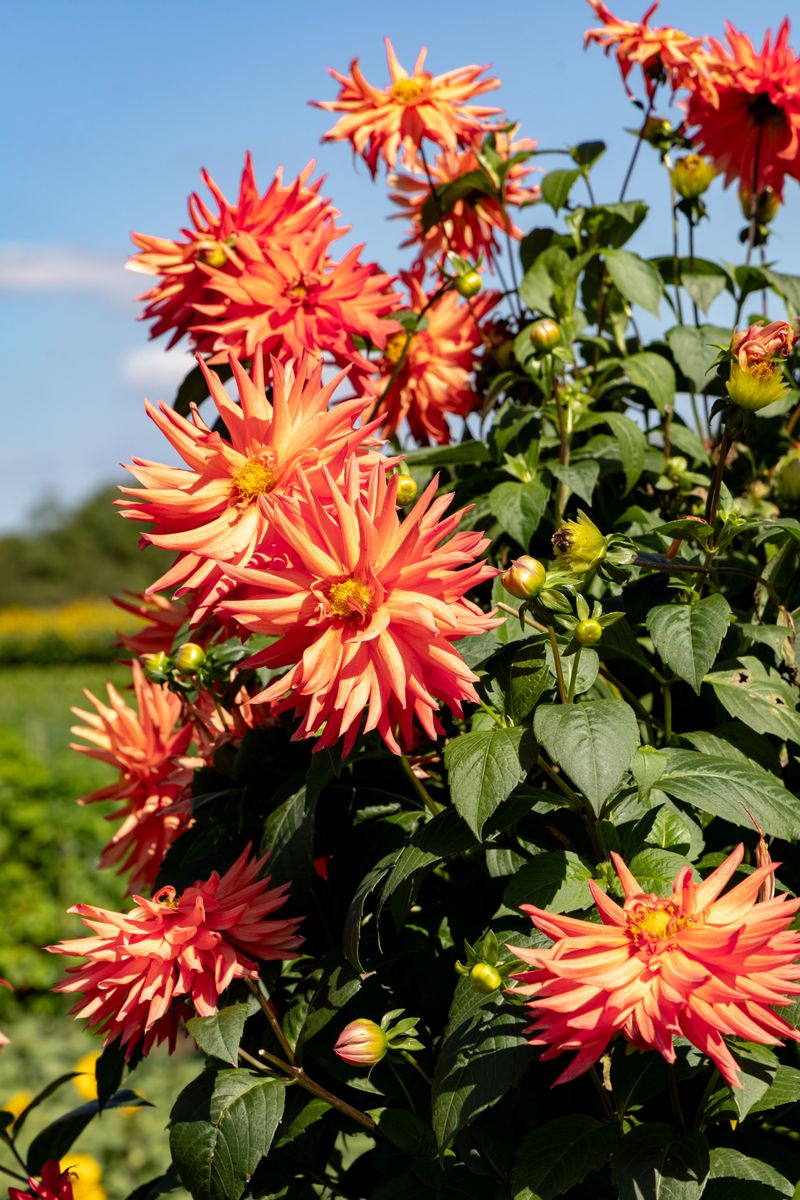
Here is a mistake that trips up even seasoned Wisconsin gardeners: feeding dahlias too much nitrogen in late summer. Nitrogen is great for green growth, but it tells your plant to grow leaves instead of flowers.
By August, your dahlias do not need more foliage. They need fuel for blooming, and that means switching to a fertilizer higher in phosphorus and potassium.
Look for a formula where the second and third numbers on the bag are higher than the first. Something like a 5-10-10 or 0-10-10 blend works well for encouraging strong flower production.
These nutrients support root strength and bud development without pushing out excess leafy growth. Your plants stay compact, sturdy, and loaded with color through September and beyond.
Feed your dahlias every three to four weeks during the growing season. August calls for at least one good feeding, ideally two if your soil is lean or sandy.
Liquid fertilizers work faster than granular options, which is handy when you want quick results before fall arrives. Granular formulas release nutrients more slowly and are great for a steady, sustained boost.
Always water your plants before and after applying fertilizer to prevent root burn. Dry roots absorbing concentrated nutrients can cause stress and leaf scorch.
Feeding your dahlias the right blend at the right time is one of the simplest ways to extend their season. A little attention to the label goes a long way for fall flowers.
4. Stake Heavy Stems Before Late Summer Storms Hit
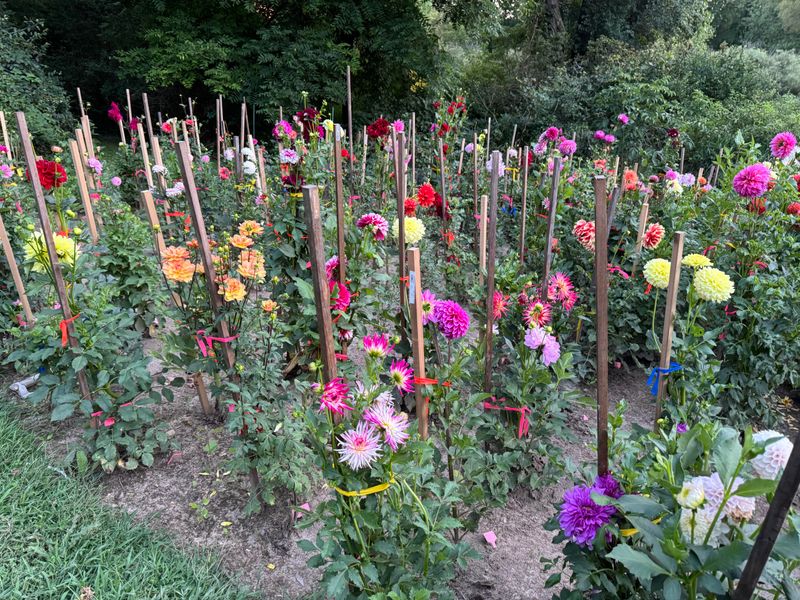
Late August storms across Wisconsin can snap a dahlia stem in seconds. One strong gust of wind can undo weeks of steady growth.
Dahlias grow fast and tall, and the dinner-plate varieties especially can reach five or six feet by midsummer. Those big blooms are beautiful but surprisingly heavy on thin stems.
If you have not already staked your plants, August is your last reasonable chance before fall weather rolls in. Do not wait for the first storm warning to scramble for supplies.
Bamboo stakes and soft garden twine are the classic combo for a reason. They are inexpensive, easy to find, and gentle enough to avoid cutting into tender stems.
Push each stake six to eight inches into the ground beside the main stem. Tie the stem loosely to the stake using a figure-eight knot, which keeps the plant supported without constricting growth.
Check your ties every couple of weeks as the plant grows taller and heavier. A tie that was fine in July can become too tight by late August as stems thicken.
For very large or multi-branching plants, a tomato cage placed early in the season works better than a single stake. The cage supports multiple stems from all directions at once.
Keeping your dahlias upright through August storms protects every bud and bloom you have worked so hard to grow. Strong support now means your fall display stays standing and spectacular.
5. Watch For Pests Like Spider Mites And Thrips
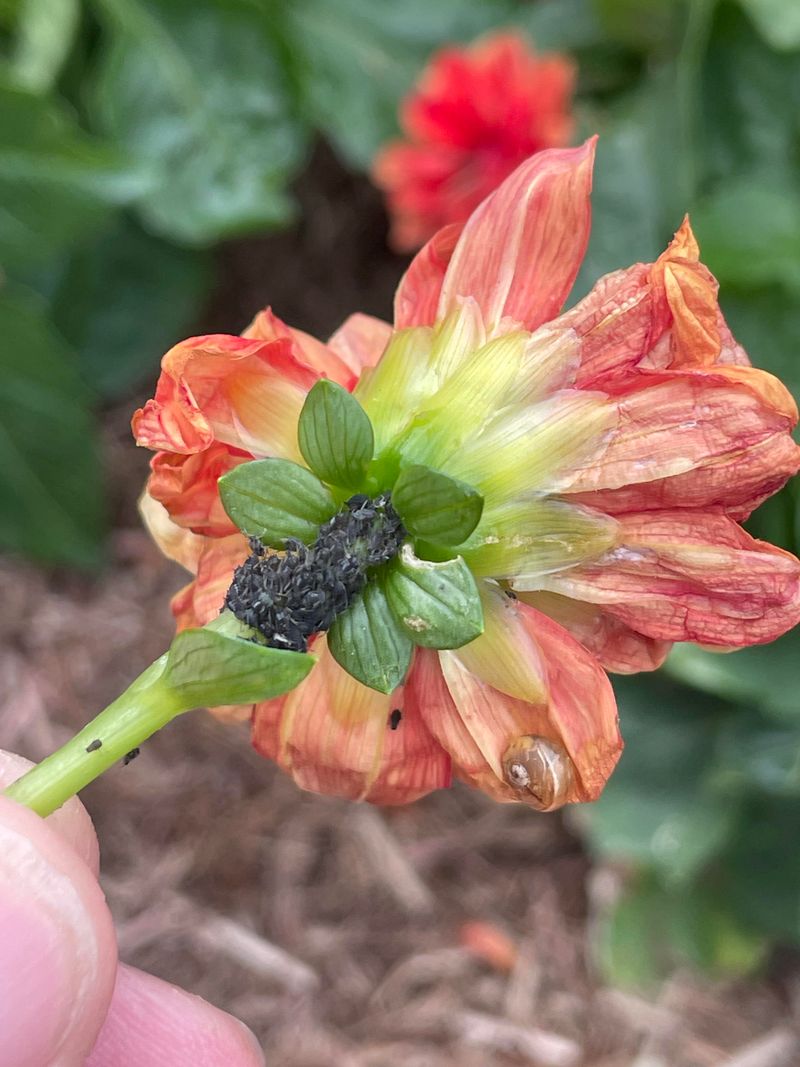
August heat is exactly when spider mites and thrips start multiplying fast on dahlia foliage. These pests thrive in dry, warm conditions, and a light infestation can turn into a serious problem within days.
Check the undersides of leaves every few days, especially during stretches without rain. Spider mites leave tiny yellow speckles and fine webbing, while thrips cause silvery streaks and distorted new growth near the buds.
A strong blast of water from the hose can knock mite populations down significantly if you catch them early. For heavier infestations, insecticidal soap or neem oil applied in the evening works well without harming beneficial insects during the day.
Spacing your plants properly also helps. Good airflow between dahlias makes it harder for pests to spread from one plant to the next, and it keeps foliage drier overall.
Avoid working with wet foliage or overhead watering during pest season, since damp leaves create ideal conditions for mites and fungal issues to take hold together. Focus your watering at the base instead.
Inspect new growth closely, since thrips tend to hide inside unopened buds where sprays cannot easily reach. Removing a few heavily infested buds early can protect the rest of the plant from further spread.
Staying ahead of pests in August means your dahlias keep their energy for blooming instead of fighting off damage. A few minutes of inspection each week saves you from bigger headaches heading into September.
6. Thin Side Buds For Bigger Blooms
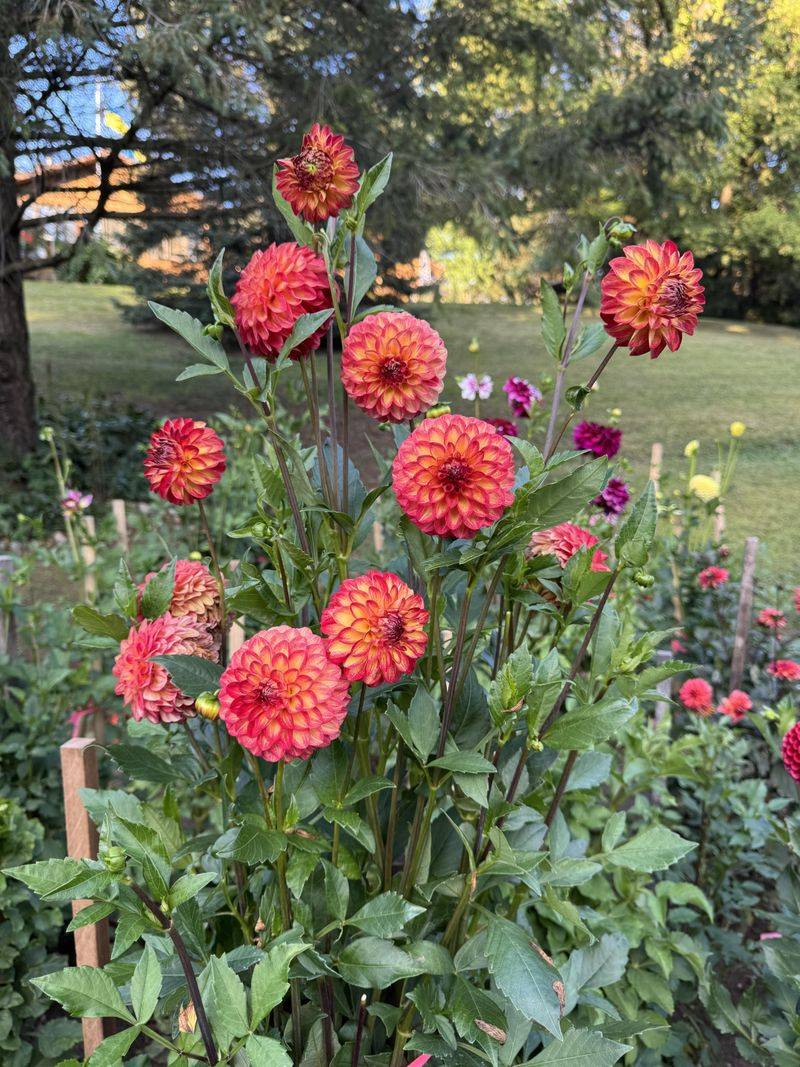
If you want show-stopping blooms rather than a plant covered in smaller flowers, disbudding is worth the extra few minutes. Each dahlia stem typically produces one center bud flanked by two smaller side buds just below it.
Removing those side buds redirects the plant’s energy into the central flower, producing a noticeably larger and fuller bloom. This technique is especially useful if you are growing dahlias for cutting or for entering into a local flower show.
Look for the side buds while they are still small, tucked close to the main stem just under the central bud. Pinch them off gently with clean fingers or snip them with small, sharp scissors.
Timing matters here. Catch the side buds early, while they are still soft and small, rather than waiting until they have grown large themselves.
If you prefer a bushier plant with more total flowers rather than fewer oversized ones, you can skip this step entirely. It comes down to what kind of display you want in your Wisconsin garden this fall.
For dinner-plate varieties especially, disbudding makes a visible difference in bloom size. The center flower often grows noticeably wider once it is not competing with its neighbors for resources.
Make this a regular part of your August routine alongside removing spent blooms, checking your plants every few days for new side buds forming as the season pushes forward.
7. Cut Flowers Often To Encourage More Growth
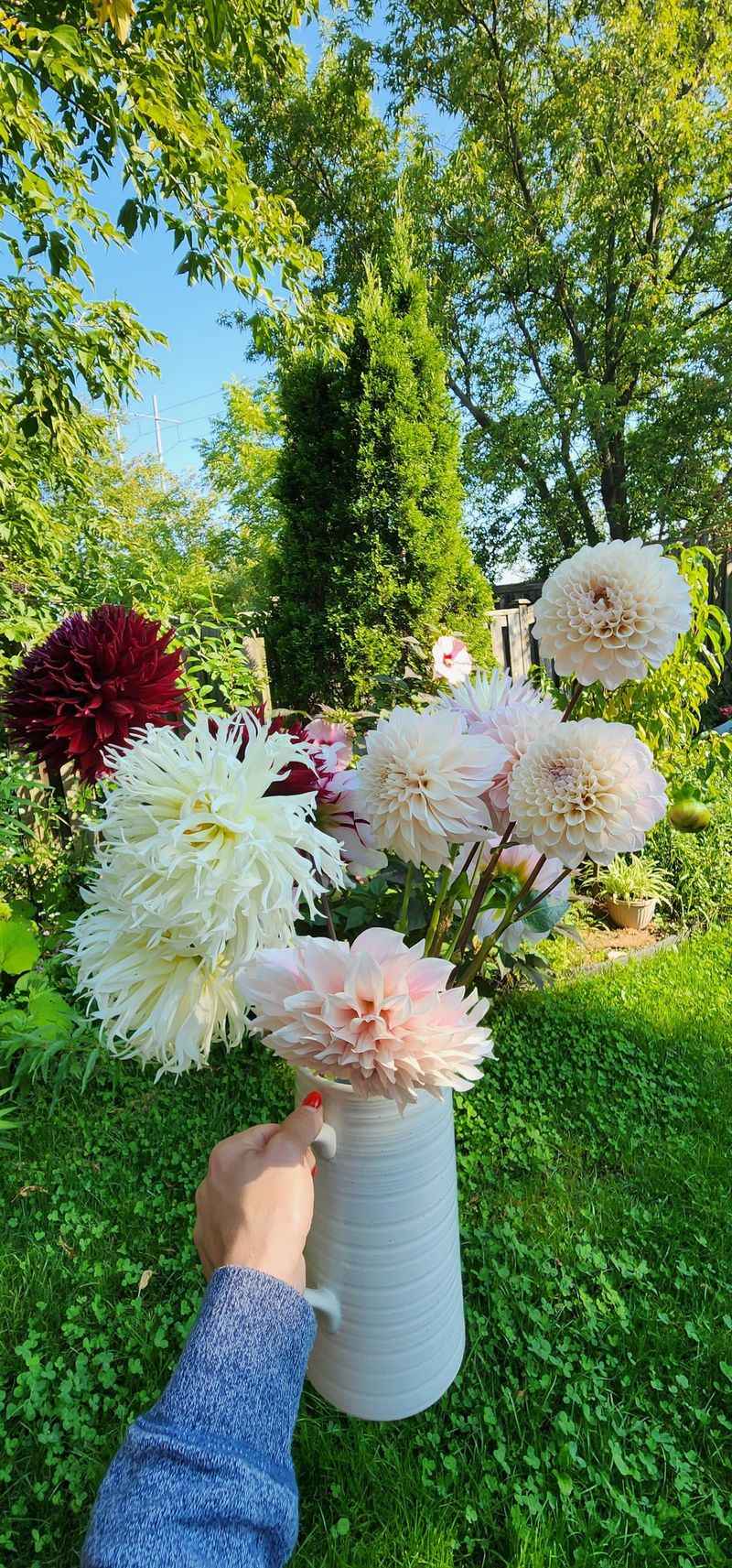
Cutting dahlias for arrangements does double duty in August. You get armfuls of fresh flowers for your home, and the plant responds by pushing out new stems and buds in place of what you removed.
Unlike some flowers that slow down when cut, dahlias tend to respond well to regular harvesting. The more you cut, the more the plant branches out and produces additional flowering stems through the rest of the season.
Cut early in the morning when stems are full of moisture and temperatures are cooler. Choose blooms that are fully open, since dahlias do not continue opening much once removed from the plant.
Cut stems long, right above a leaf node, rather than snipping just below the flower head. This encourages branching lower down the plant and gives you longer stems for arrangements.
Place cut stems in water immediately, and consider recutting the ends at an angle once you get them indoors. This helps the flowers take up water more efficiently and last longer in a vase.
Rotate which plants you cut from throughout the week rather than repeatedly cutting the same stems. This spreads out the stress evenly and keeps your whole dahlia bed producing consistently.
Regular cutting throughout August essentially works like removing spent blooms with a bonus. Your Wisconsin garden stays productive, and you get to enjoy the blooms indoors as well as out.
8. Improve Airflow To Prevent Powdery Mildew
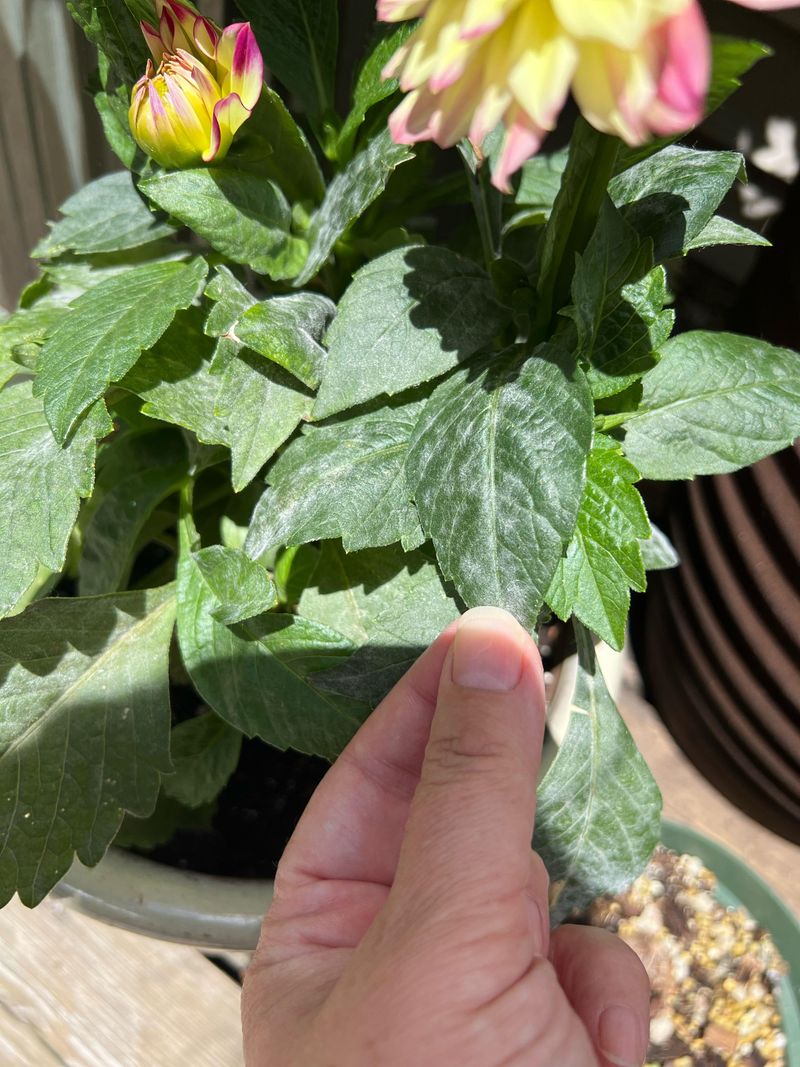
Humid Wisconsin nights in August followed by warm days create close to perfect conditions for powdery mildew on dahlia foliage. That white, dusty coating on leaves can spread quickly once it takes hold in a crowded bed.
Good airflow is one of the simplest ways to keep it from becoming a problem. Dahlias planted too closely together trap moisture between their leaves, giving fungal spores exactly what they need to thrive.
If your plants have grown into each other, consider removing a few lower leaves to open up space near the base. This small adjustment lets air move more freely through the plant without sacrificing much foliage.
Watering at the soil level rather than overhead also plays a big role here. Wet leaves overnight are one of the main triggers for powdery mildew to establish itself on a plant.
If you notice early signs of mildew, remove the affected leaves right away rather than leaving them on the plant. This limits how far the spores can spread to healthy foliage nearby.
A homemade spray of diluted milk or a labeled fungicide can help manage an existing outbreak, but prevention through spacing and smart watering works far better than treating an established problem.
Keeping airflow in mind throughout August protects the healthy foliage your dahlias need to keep photosynthesizing and producing blooms all the way into fall.