What Drooping Leaves On Wet North Carolina Shrubs Are Really Telling You After A Storm
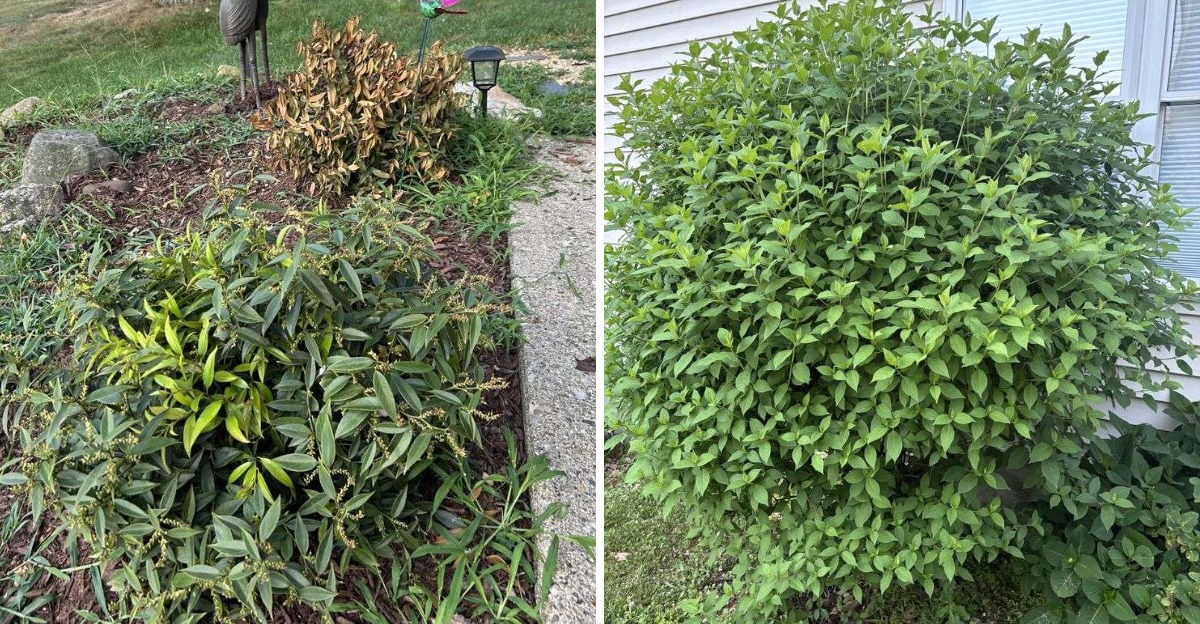
Drooping leaves on shrubs right after a storm often look alarming, but this response is usually temporary and tied directly to sudden oversaturation.
Roots struggle to take in oxygen when soil becomes fully saturated, causing leaves to droop even though water isn’t actually lacking.
This reaction typically resolves within a day or two once excess water drains and soil conditions improve. Shrubs planted in heavier clay soil tend to show this drooping more dramatically, since drainage is naturally slower in these areas.
Checking soil a few inches down helps confirm whether drooping is related to excess moisture rather than an underlying problem.
Avoiding additional watering immediately after a storm gives roots time to recover without added stress.
If drooping persists beyond several days, checking for root rot or fungal issues becomes more important. In most cases, patience is all that’s needed for shrubs to bounce back naturally.
1. The Roots May Be Short Of Oxygen
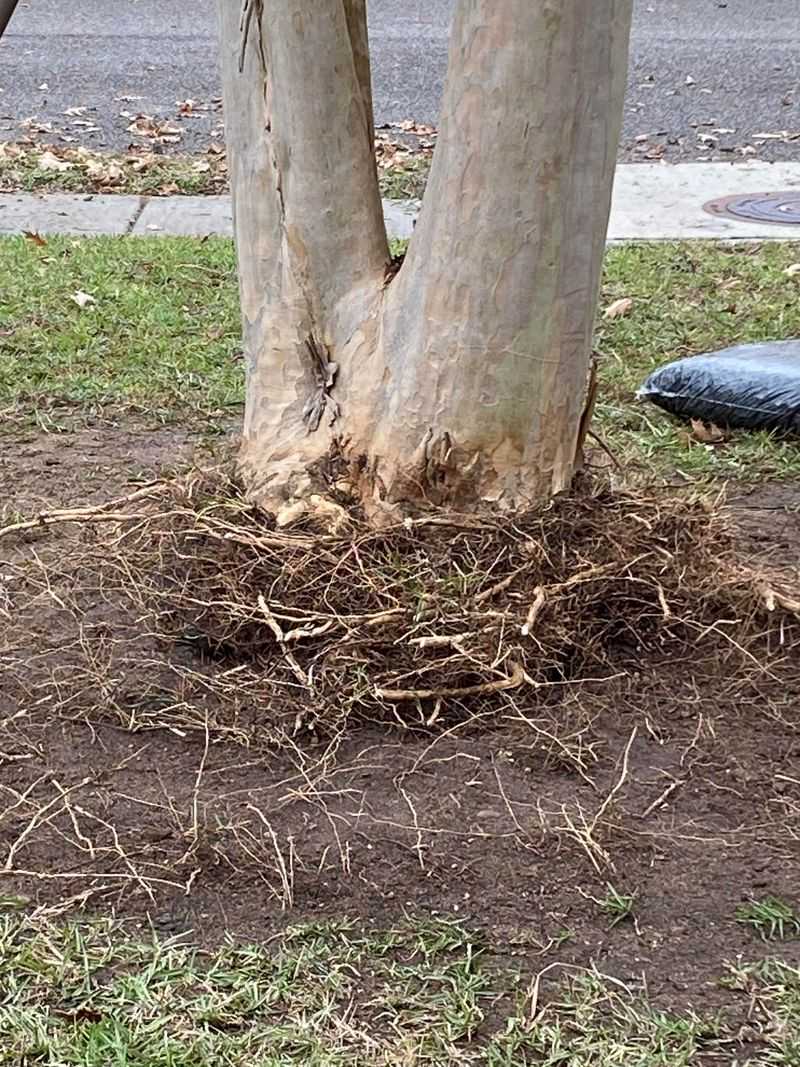
Soggy soil after a storm might look like the perfect drink for a thirsty shrub, but roots tell a completely different story. When soil becomes fully saturated, the tiny air pockets between soil particles fill with water instead.
Roots need those air pockets to breathe, and without enough oxygen, they start struggling to do their job properly.
A root system that cannot breathe also cannot move water and nutrients up into the plant effectively. So even though the ground is soaking wet, the leaves begin to sag as if the shrub is parched.
Many gardeners confuse this with drought stress and reach for the garden hose, which only makes things worse.
Before adding any irrigation, check the soil a few inches below the surface. If it feels wet and dense down there, the shrub does not need more water.
Pausing irrigation while the soil remains saturated is one of the smartest moves you can make.
Brief waterlogging may cause temporary leaf droop that clears up on its own as the soil drains. Prolonged saturation, however, can cause lasting injury to the root system.
Keeping a close eye on how quickly your soil dries out after heavy rain gives you valuable information about your garden’s long-term health and drainage needs.
2. The Storm May Have Exposed A Drainage Problem
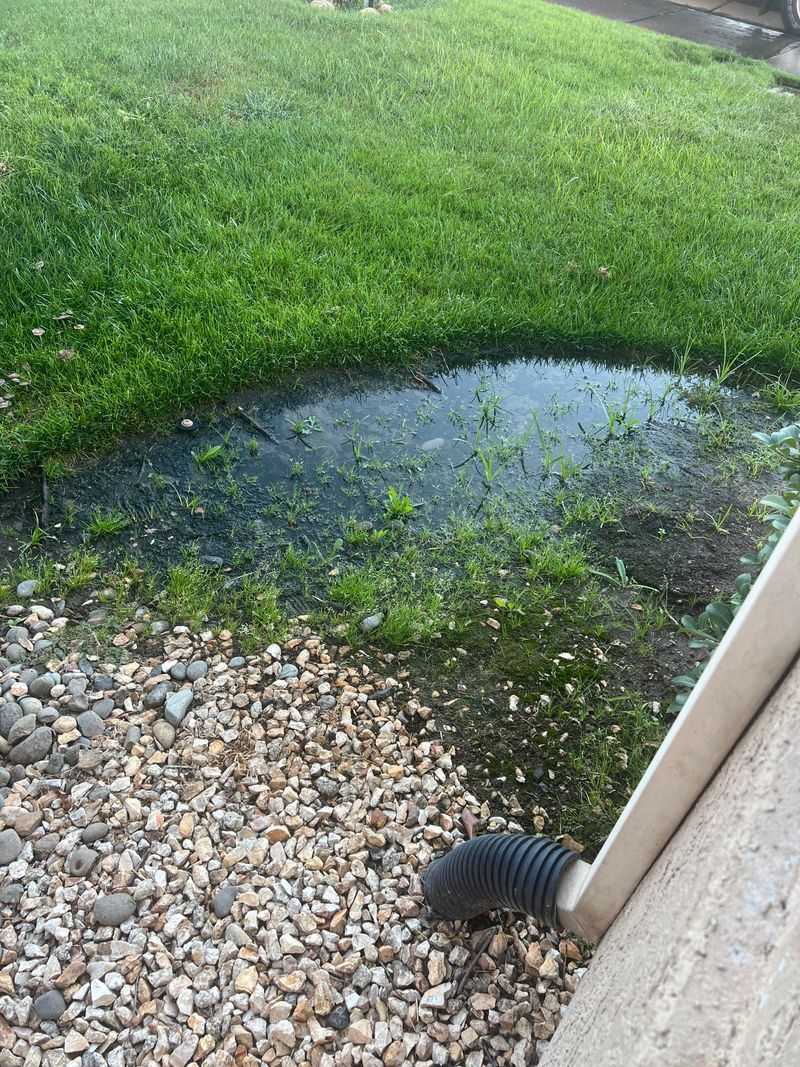
Storms have a sneaky way of revealing problems that hide beneath the surface during normal weather.
A shrub that looked perfectly healthy last week may suddenly droop after a big rain event, and the real culprit could be a drainage issue that was quietly building for months.
Water collecting in planting holes, compacted clay soil, or low spots in the yard can all trap moisture right where roots live.
Beds that border driveways, patios, or sidewalks are especially vulnerable because pavement redirects runoff directly into the planting area.
Roof gutters that empty near shrubs can also dump concentrated water into a small zone faster than the soil can absorb it.
Watching how long puddles remain in your yard after a storm is one of the most useful observations a gardener can make.
Your North Carolina Garden Changes Every Week. Your Plan Should Too.
Gardening in North Carolina changes quickly throughout the season. Every Friday you’ll receive a simple weekly plan showing exactly what to plant, prune, fertilize, harvest, and protect so you never miss the right timing.
Adding more soil on top of the roots does not fix restricted drainage and can actually bury the crown too deeply, creating new problems. Where it is safe and practical, redirecting concentrated runoff away from planting beds helps significantly.
Simple changes like adjusting a downspout extension can make a noticeable difference.
For larger concerns like grading issues, retaining walls, or persistently flooded areas, consulting a qualified landscape professional is a smart investment.
Identifying the drainage problem early and addressing it properly protects not just one shrub but your entire garden long term. Storms are tough, but a well-drained yard handles them with far less drama.
3. The Original Root Ball May Be Holding Too Much Water
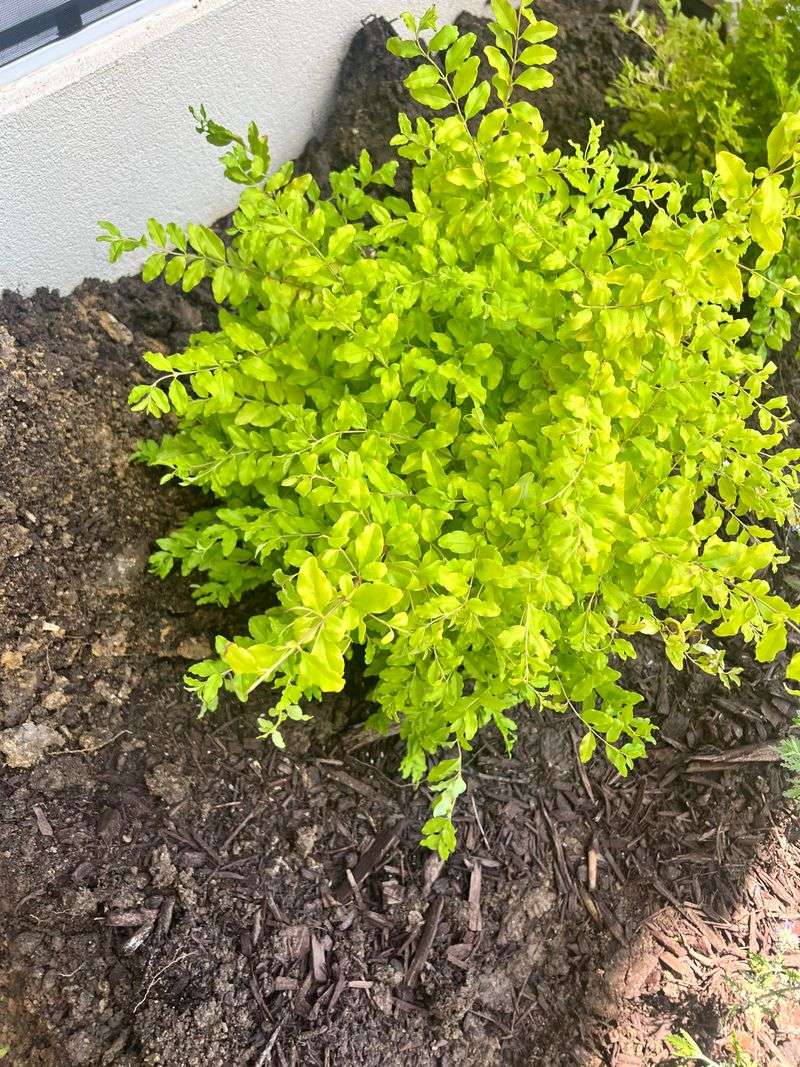
Newly planted shrubs can be especially confusing after a storm because the original root ball and the surrounding soil do not always behave the same way.
Nurseries typically grow shrubs in a dense, peat-based growing mix that absorbs water very differently from native North Carolina clay or sandy soil.
After planting, that original root ball can stay soaked long after the surrounding ground has started to drain.
Think of the planting hole as a bathtub. Water flows into it easily but may not drain out quickly if the surrounding soil is compacted or heavy.
The root ball sitting in the center of that bathtub soaks up moisture like a sponge and holds it close to the roots for an extended period. This trapped moisture is often the reason a newer shrub droops while an established one nearby looks just fine.
When checking moisture, always test both the original root ball and the soil a few inches outside it. Testing only one location gives you an incomplete picture.
If the root ball feels wet and squishy while the outer soil feels dry, the shrub does not need irrigation regardless of how the surface looks.
Confirming that the top of the root flare sits at the proper level at planting time also matters enormously. A crown buried too deeply stays wetter longer and faces higher risk of stress.
Catching this early, especially in the first growing season, gives your new shrub the best possible start in its new home.
4. Hot Sun After Rain Can Intensify The Drooping
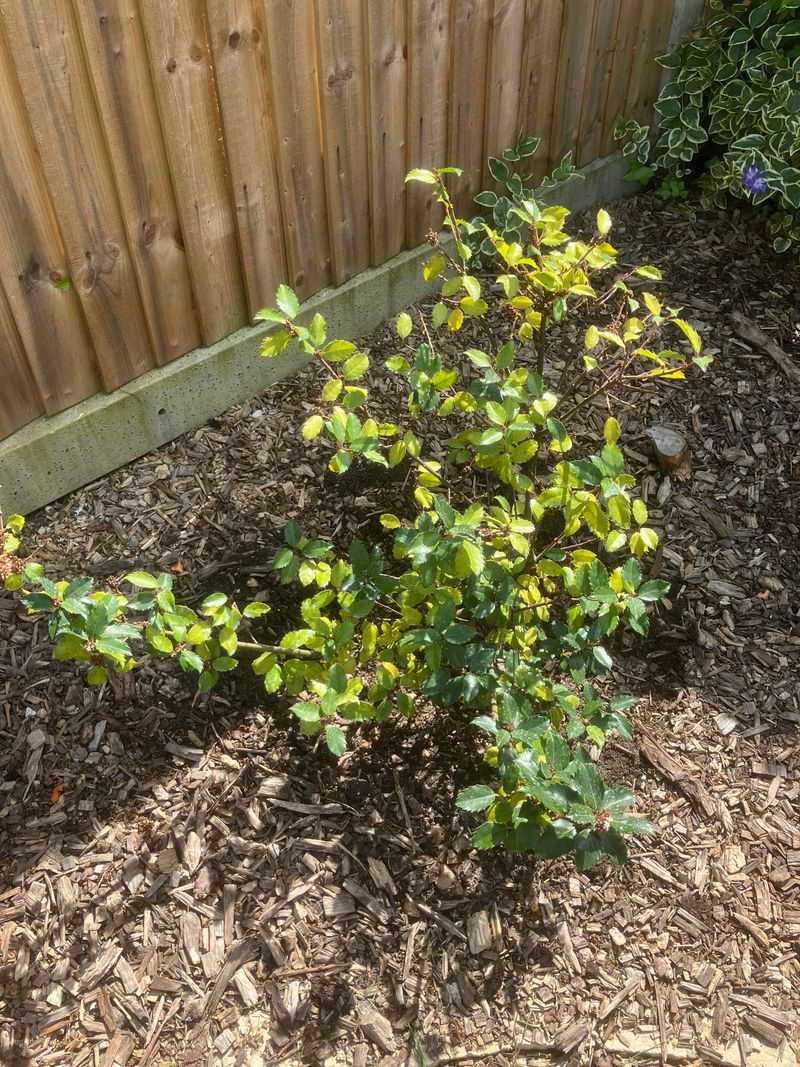
North Carolina summers pull no punches, and the combination of a heavy rainstorm followed by blazing afternoon sun can leave shrubs looking genuinely miserable.
When temperatures climb quickly after a storm, warm leaves begin losing moisture through their pores at a rapid rate.
If the roots are still oxygen-stressed from saturated soil, they simply cannot keep up with that demand, and the leaves droop in response.
Seeing a shrub wilt in the afternoon heat right after rain can feel alarming, but it does not automatically mean the soil has gone dry. Many gardeners panic and water immediately, which is the exact opposite of what the plant needs.
Checking the shrub again during the cool early morning hours gives you a much more accurate read on its actual condition.
Broadleaf evergreens like camellias and hollies, along with newly planted shrubs, tend to show this response more dramatically. Plants growing beside brick walls, concrete, or other heat-reflecting surfaces also experience more intense afternoon stress.
These spots heat up fast and amplify the challenge for any shrub trying to recover after a storm.
Before reaching for the hose, always test soil moisture a few inches below the surface during the cooler part of the day. If the soil still feels moist, give the plant time to recover on its own.
Most healthy, established shrubs bounce back once temperatures drop in the evening and the soil begins releasing excess water naturally. Patience is often the best tool in the garden shed.
5. Broken Roots Or Branches May Be Interrupting Water Movement
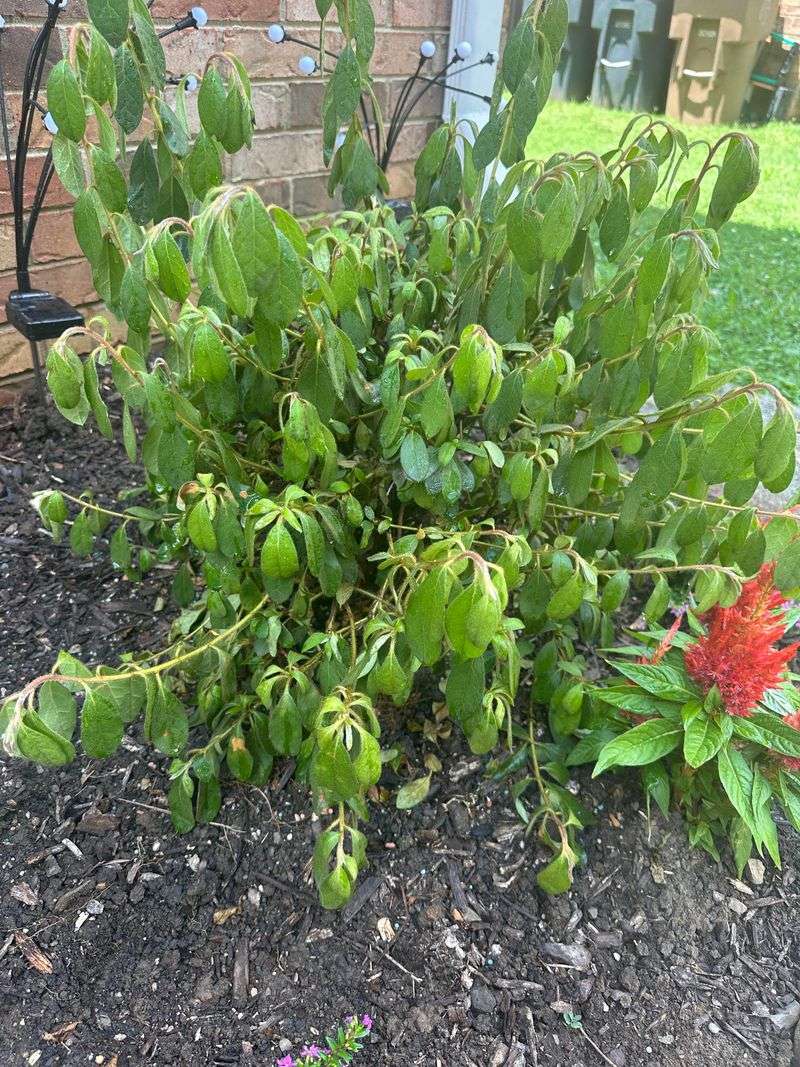
Strong storms do more than just dump water on your garden. High winds, heavy rain, and whipping branches can cause real physical damage to shrubs that is not always obvious at first glance.
A root ball loosened by wind-saturated soil, a split branch union, or a bent stem can interrupt the flow of water and nutrients just as effectively as any root disease.
Walk around each shrub after a storm and look carefully at the base. Lifted soil, cracks in the ground near the roots, or a plant that seems to lean at a slightly different angle than before are all worth investigating.
Foliage drooping on only one side of the shrub often points to an injury in a specific branch or stem rather than a whole-plant problem.
When you spot clearly broken branches, remove them with clean, sharp tools to help the plant focus its energy on recovery. Avoid the temptation to do heavy cosmetic pruning right after a storm, though.
The shrub needs its remaining healthy foliage to support the recovery process, and removing too much at once adds unnecessary stress.
A large shrub that is leaning noticeably, sitting close to a structure, or showing significant root movement deserves professional attention before you attempt any correction yourself.
Pushing a shifted root ball back into place without proper support can cause more harm than leaving it temporarily.
A certified arborist or landscape professional can assess the situation safely and recommend the right next steps for your specific plant and site.
6. Yellowing And Persistent Wilt Can Signal Root Disease
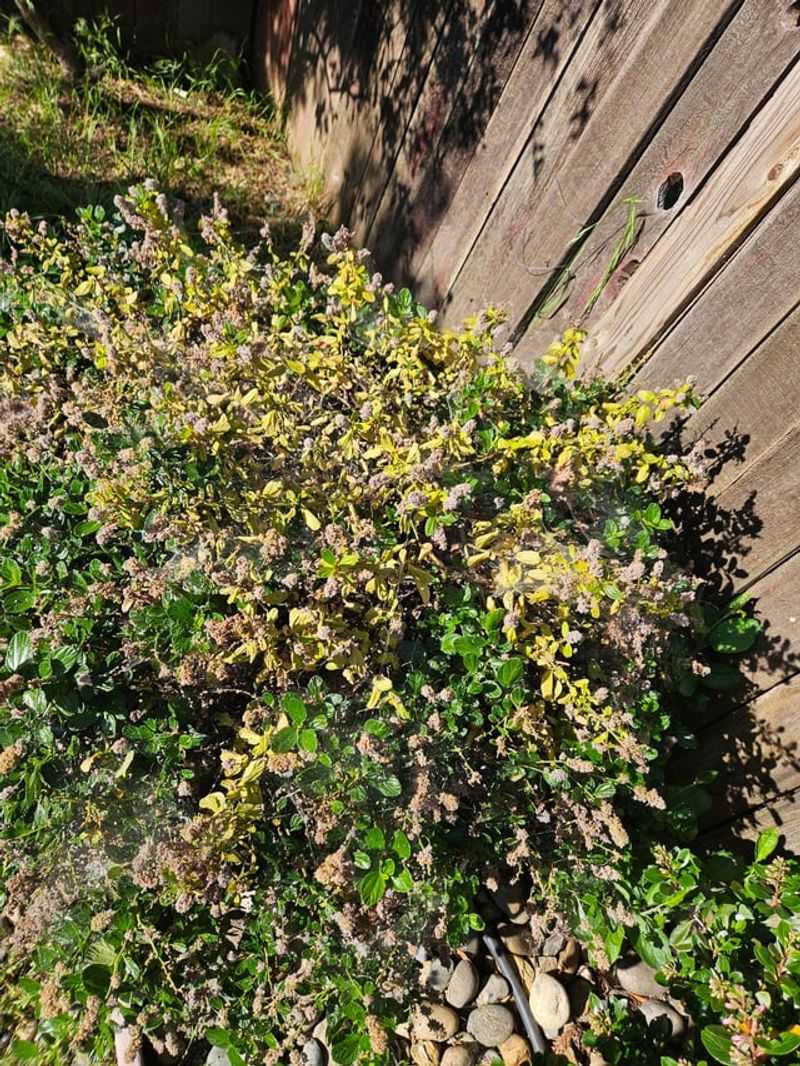
Not every case of post-storm drooping is simply a matter of too much water or too little oxygen.
When wilt continues even after the soil starts to drain, and yellowing foliage begins to appear alongside thinning growth, something more serious may be developing in the root zone. These are the moments when paying close attention really matters.
Phytophthora root rot is one of the most common culprits in North Carolina landscapes when poorly drained soil stays wet for extended periods. Roots affected by this pathogen often appear brown or soft rather than firm and light-colored.
Darkened tissue near the crown, branches that decline on one side of the plant, and a general failure to recover over several days are all signs worth taking seriously.
Seeing these symptoms does not automatically confirm a specific disease, because several different problems can produce similar-looking results. Getting an accurate identification is important before taking action.
The North Carolina Cooperative Extension service and the NC State Plant Disease and Insect Clinic both offer resources and testing services to help gardeners figure out exactly what they are dealing with.
Applying a fungicide without a confirmed diagnosis and a label that specifically covers your shrub and the suspected disease is a gamble that often wastes money and time.
Starting with a correct diagnosis puts you in a much stronger position to choose the right solution and protect the rest of your garden from spreading problems. When in doubt, reach out to your local Extension office first.
7. Some Shrubs Tolerate Wet Soil Better Than Others
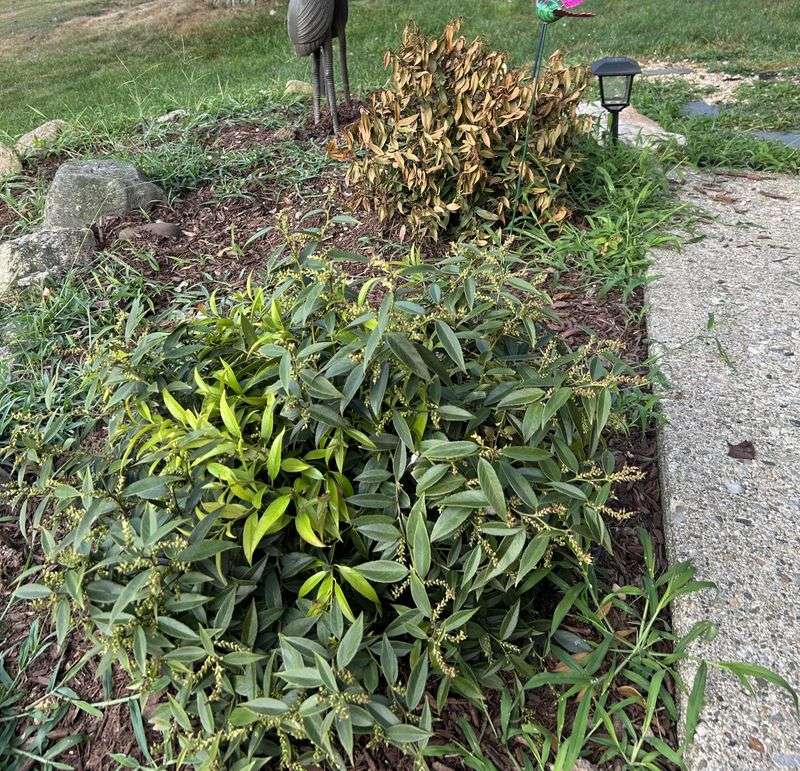
Plant choice matters more than most people realize when storm season arrives in North Carolina.
Shrubs that evolved along floodplains, stream banks, and seasonally wet meadows have root systems built to handle temporary flooding with far less drama than plants that prefer well-drained conditions.
Knowing which category your shrub falls into helps you interpret what you are seeing after a heavy rain.
Virginia sweetspire, buttonbush, swamp rose, and inkberry holly are examples of native shrubs that handle periodic wet soil with ease.
On the other end of the spectrum, plants like rosemary, lavender, and many ornamental grasses strongly prefer fast-draining conditions and can show significant stress after just a day or two of waterlogged roots.
Putting the wrong plant in the wrong spot sets up a cycle of repeated post-storm problems.
Even moisture-tolerant shrubs have their limits, though. When roots remain deeply submerged for an extended period or when the crown is buried under soil or mulch, stress can develop in even the toughest species.
Tolerance has a range, and pushing past it consistently weakens the plant over time.
If your shrub droops after every significant rain event, that pattern is telling you something important about the match between the plant and the site.
Identifying the shrub and comparing its actual moisture preferences with your yard’s real drainage behavior is a productive first step.
Sometimes the most practical solution is selecting a species that genuinely thrives in the conditions your yard naturally provides rather than fighting the landscape every season.
8. Recovery Depends On Drainage Rather Than More Water
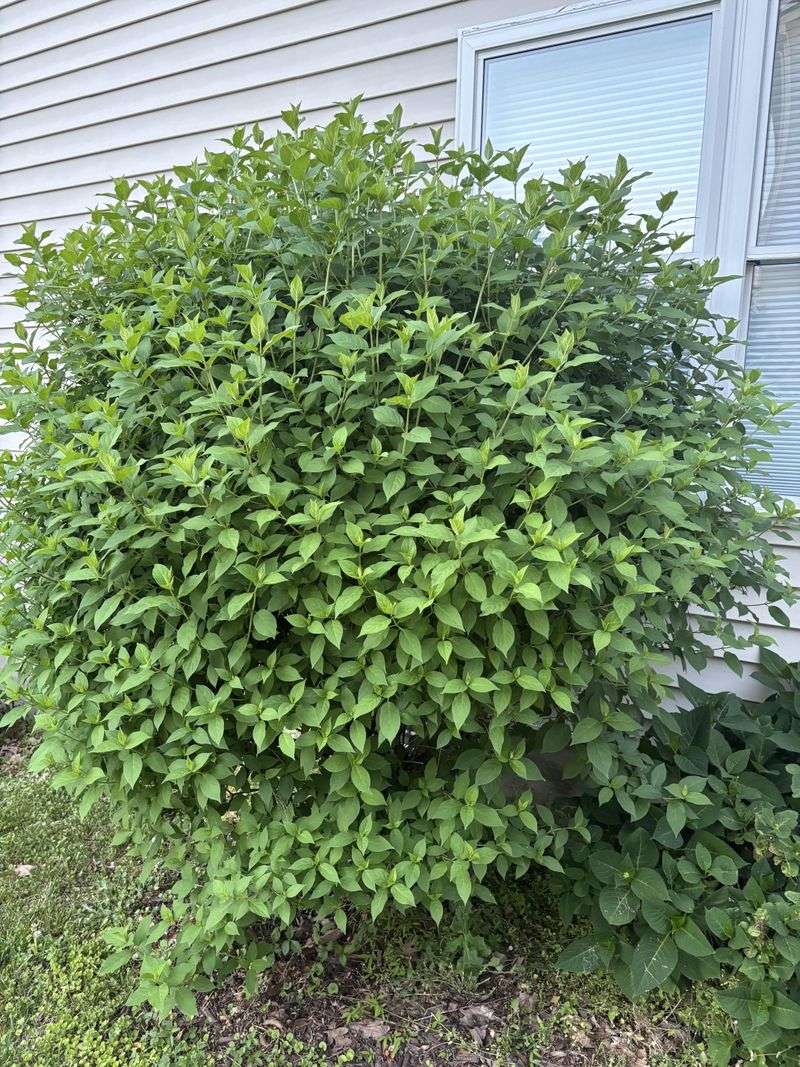
When a shrub is drooping in wet soil, the instinct to water it is completely understandable but almost always counterproductive.
Recovery after a storm depends on the root zone getting access to air again, and that happens through drainage rather than irrigation.
The very first step is turning off any automatic sprinkler system so the soil has a chance to release the excess water it is already holding.
Moving containers that may be blocking surface drainage outlets, clearing debris from drainage channels, and removing anything that directs more water toward the planting bed all help the situation improve faster.
Avoid walking repeatedly over saturated soil near the shrub, because foot traffic compacts wet soil and squeezes out the air pockets that roots desperately need.
Even a few extra passes over soggy ground can make the drainage problem noticeably worse.
Fertilizer is not a recovery tool in this situation. Adding fertilizer to a plant with stressed roots places additional demands on a system that is already struggling.
Hold off on any feeding until the shrub shows clear signs of stable recovery and the soil has returned to normal moisture levels.
Over the following days, monitor leaf position, color, and overall branch condition alongside soil moisture levels. A shrub bouncing back will show gradually firmer leaves, improving color, and new growth returning to normal.
The right question to keep asking yourself is not how quickly you can add more water but how well the root zone is draining.
Answer that question honestly, and your shrub has the best possible chance of coming through the storm in great shape.