Feed Your Wisconsin Birds Through Winter With These 6 Seed-Heavy Plants You Leave Standing
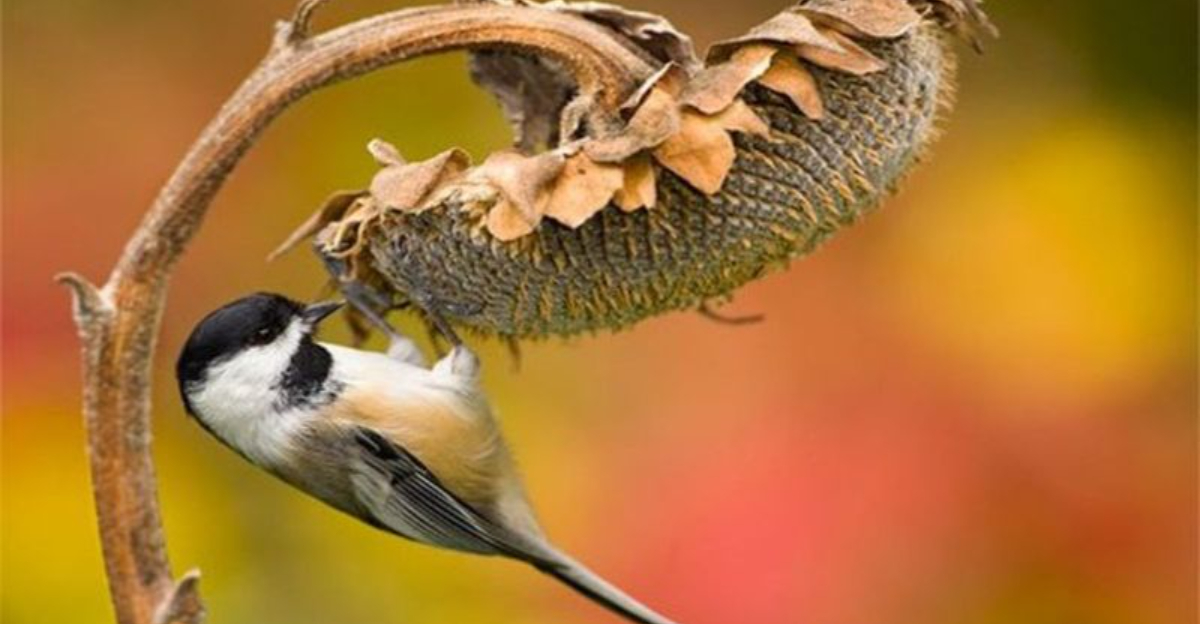
Wisconsin winters get long, cold, and snowy, and our feathered neighbors have to work hard to find enough food. One of the easiest ways to help them is to simply leave certain plants standing in your garden instead of cutting them back in fall.
Their dried seed heads turn into a natural buffet that birds can visit all winter. Here are six seed-heavy plants that will keep your backyard buzzing with birds even when the snow piles up.
1. Purple Coneflower (Echinacea spp.)
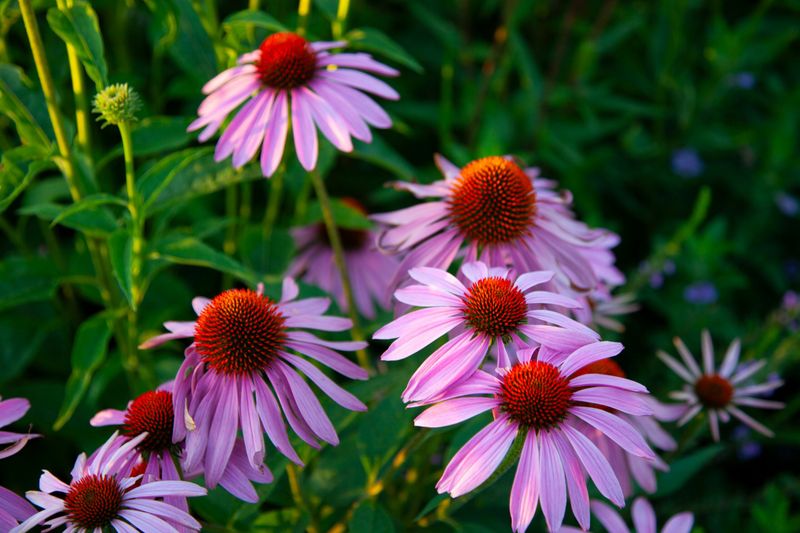
Picture a goldfinch clinging to a spiky brown cone poking above the snow, tugging out seeds one by one. That little scene plays out all winter in Wisconsin gardens where purple coneflower is left standing instead of trimmed down.
The cone-shaped seed heads are tough, and they hold up beautifully against Wisconsin frost, wind, and heavy snow. Finches especially love them, and the seeds stay packed inside the cone where birds can reach them long after fall has passed.
Beyond feeding birds, these native perennials are famously low-maintenance for Wisconsin gardeners. Once established, they shrug off drought and cold with barely any care, coming back stronger each year.
Leaving the stalks up gives you winter structure and a reliable food station rolled into one.
2. Black-Eyed Susan (Rudbeckia spp.)
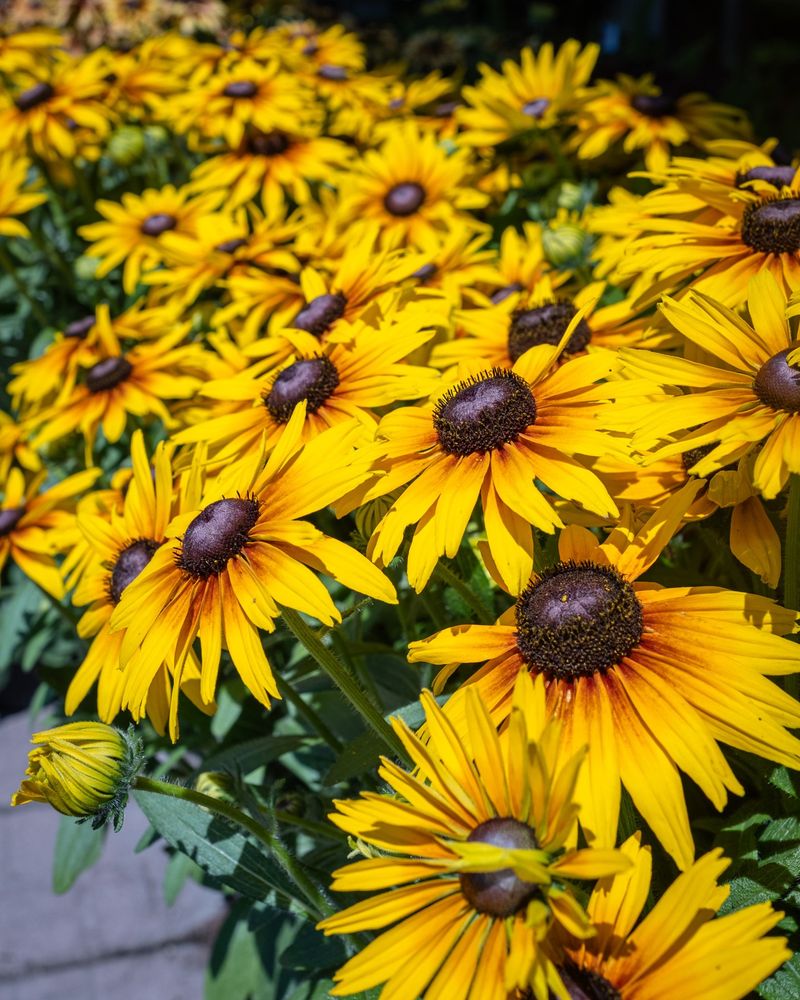
Those cheerful yellow flowers that lit up your Wisconsin garden all summer have a quiet second act. When the petals fall away, the dark round seed heads left behind become a winter pantry for hungry birds.
What makes black-eyed Susan special is how generous it is. The plants readily self-seed, so a small patch this year can spread into a much bigger bird feeding zone in future Wisconsin winters, and you barely have to lift a finger.
The seed heads are surprisingly durable too. Even after a snowfall blankets your Wisconsin yard, those firm dark centers poke through and stay easy for sparrows and finches to pick clean.
3. Blazing Star (Liatris spp.)
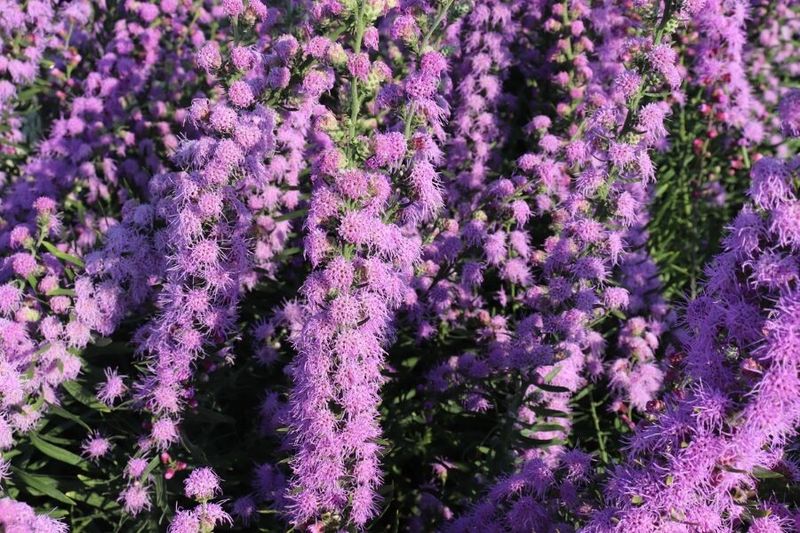
Come summer, blazing star sends up tall purple spikes that pollinators can’t resist. Come winter, those same stiff stems become one of the smartest food sources you can offer Wisconsin birds.
Rough Blazing Star and Prairie Blazing Star are both native to Wisconsin, and their seeds mature in stages. That means birds get a slow, steady supply rather than everything at once, stretching the feeding season well into the cold months.
The real trick is those rigid, upright stems. They hold the seed heads high above the snowpack, so even after a big Wisconsin storm the food stays out in the open where birds can actually get to it.
4. Asters (Symphyotrichum spp.)
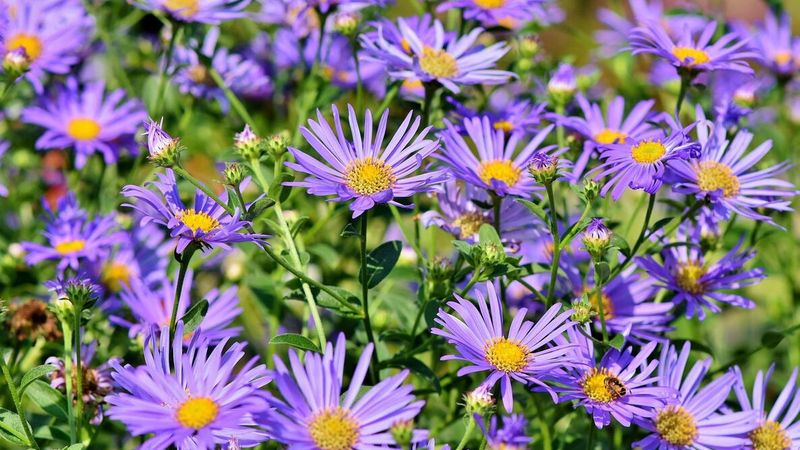
Asters are the last big party in the garden before winter arrives, blooming in soft purples and blues when almost everything else has given up. That late timing is exactly why they matter so much for Wisconsin birds.
Because these native asters flower so late in the season, their seeds ripen just as colder weather sets in. That extends the food supply for Wisconsin birds right when other plants have already been picked clean.
Your Wisconsin Garden Changes Every Week. Your Plan Should Too.
Gardening in Wisconsin changes quickly throughout the season. Every Friday you’ll receive a simple weekly plan showing exactly what to plant, prune, fertilize, harvest, and protect so you never miss the right timing.
Small seed-eaters find plenty to like in the fluffy, fine seed heads. For birds trying to store up energy through a rough Wisconsin cold snap, an aster patch left standing can make a real difference.
5. Goldenrod (Solidago spp.)
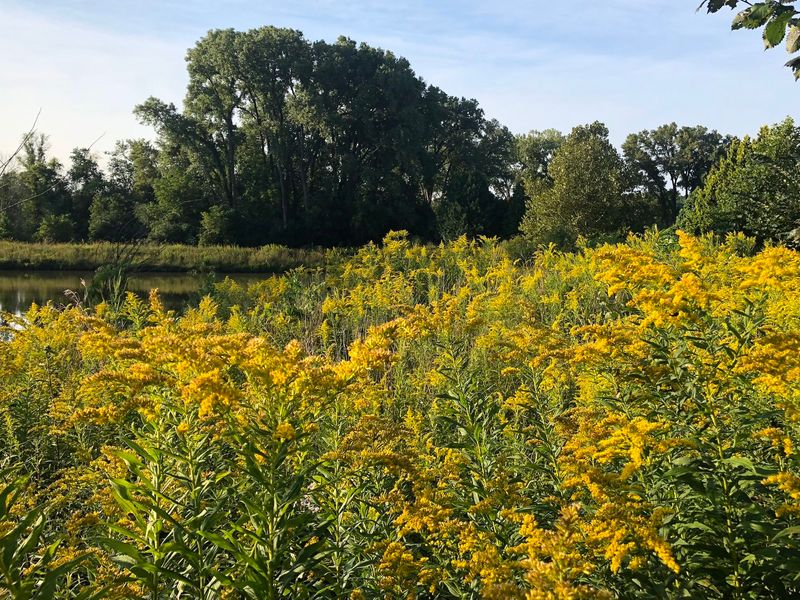
Goldenrod gets a bad rap for allergies it doesn’t actually cause, and that’s a shame, because it’s a powerhouse for Wisconsin wildlife. Those bright fall plumes turn into an enormous stash of seeds once the color fades.
Few native plants produce seeds as prolifically as goldenrod, which means a reliable food supply for Wisconsin birds when the winter menu grows thin. When natural food runs low in January and February, that abundance really pays off.
Leaving the stalks up does double duty. They feed the birds while adding golden, feathery texture to an otherwise bare Wisconsin winter landscape, giving you something pretty to look at through the window.
6. Perennial Sunflower (Helianthus spp.)
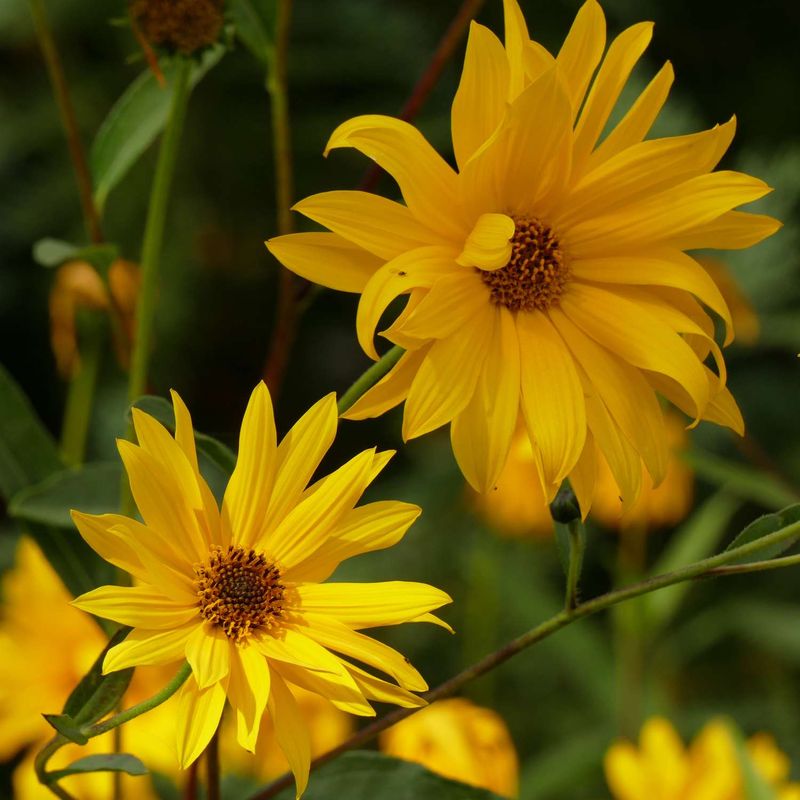
If there’s one plant that turns a backyard into a bird cafeteria, it’s the sunflower. Perennial types like the native Ox Eye Sunflower load up their heads with fat, nutritious seeds that Wisconsin birds go wild for.
These are hearty, dependable plants, and their seed heads pack serious nutritional value right when birds need calories most. Finches, cardinals, and chickadees all flock to them during Wisconsin’s coldest stretches.
Here’s a bonus: unlike the annual sunflowers you replant every year, these perennials come back on their own. That means a steady, low-effort food source for Wisconsin birds season after season with almost no work from you.
7. Winter Bird Garden Care Tips
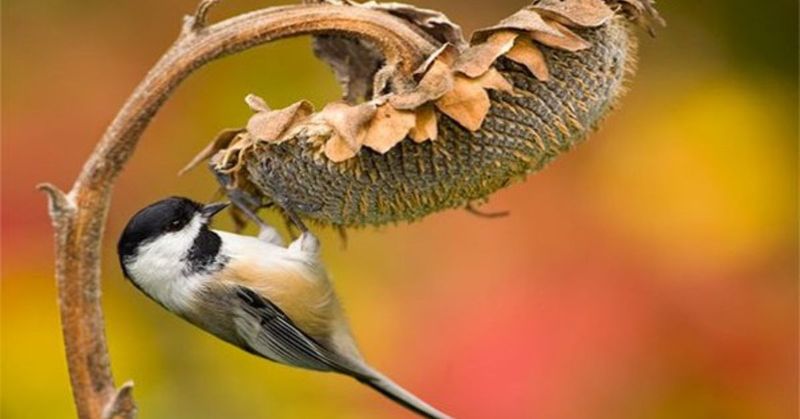
Putting all six of these plants together in one spot creates something better than any store-bought feeder for Wisconsin birds. The secret is simple restraint: resist the urge to tidy up in fall and let those dried seed heads stand right where they grew.
Try grouping plants so there’s a mix of bloom times and heights, which keeps seeds available across the whole Wisconsin winter. Tall, stiff stems like blazing star and sunflower hold food above the snow, while asters and goldenrod fill in the gaps between them.
When spring finally rolls around, you can cut everything back and let new growth take over. By then your standing garden will have carried countless Wisconsin birds through the hardest months, and you’ll have had a front-row seat to the show all winter long.