The One August Task That Determines How Well Your California Citrus Overwinters
August may feel early for winter concerns, but citrus trees already take notes. The care they receive now can shape how well they handle cold nights months later.
Trees have excellent memories when gardeners make questionable choices.
One timely task can help new growth mature before temperatures drop. Skip it, and the tree may enter fall with tender shoots that have little defense against sudden cold.
California weather makes the timing tricky. Warm days can encourage fresh growth long after the calendar hints at fall.
That late push may look healthy, yet it can leave the tree more vulnerable once winter arrives.
This task does not require a major overhaul or an entire weekend. It simply asks for good timing and a little restraint.
Get it right in August, and the tree has a stronger chance to face winter without damage that lingers into spring.
1. The August Task You Should Prepare For
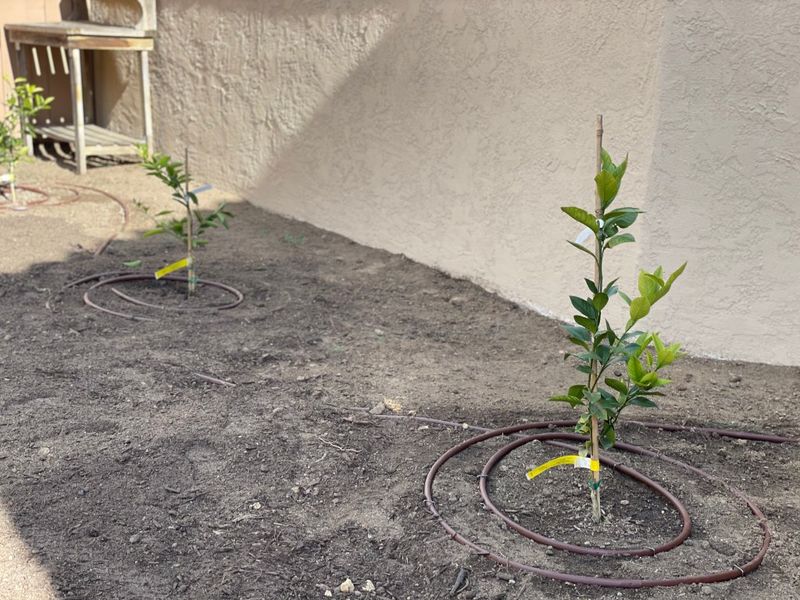
Here is something most backyard growers do not realize until it is too late. The single most important thing you can do for your citrus tree in August is water it deeply and consistently.
Not a quick splash. Not a five-minute sprinkler run.
A long, slow soak that pushes moisture far down into the root zone.
Deep watering means letting water penetrate at least 18 to 24 inches below the soil surface. That is where the most active feeder roots live.
When those roots get consistent moisture in late summer, the tree builds up stronger cell walls and healthier tissue. That strength is exactly what it needs to handle cold snaps later in the year.
In California, August is typically hot and dry. Soil dries out faster than you might expect.
Even if you watered last week, the top layers can look fine while the deeper soil is bone dry. Checking moisture a few inches down before watering is a smart habit to build.
Use a wooden dowel or a soil probe to check.
Watering deeply once or twice a week is usually better than watering lightly every day. Frequent shallow watering actually trains roots to stay near the surface.
That makes trees far more vulnerable when cold weather arrives. Going deep in August is the foundation of everything else on this list.
2. Late-Summer Drought Weakens Citrus Before Winter
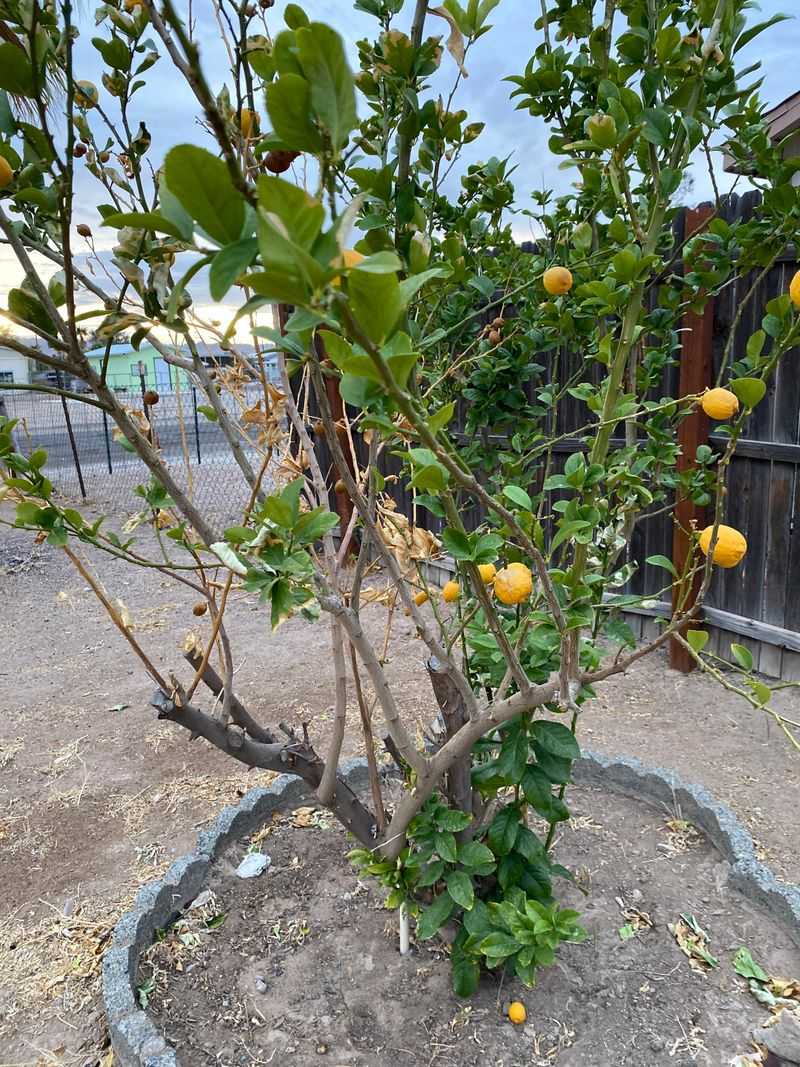
Drought stress in late summer does more damage than most people give it credit for. When a citrus tree goes without enough water in August, it enters a stressed state right before it needs to prepare for cooler weather.
That is the worst possible timing. A water-stressed tree pulls moisture from its own leaves and fruit to survive. The cells inside the wood and bark become weaker.
Thin, dehydrated cell walls do not handle frost well. Even a mild cold snap can cause more damage to a drought-stressed tree than it would to a well-hydrated one.
In the northern and inland regions of California, summer heat is intense and soil moisture drops quickly. Trees that look healthy on the outside might be quietly struggling underneath.
Your California Garden Changes Every Week. Your Plan Should Too.
Gardening in California changes quickly throughout the season. Every Friday you’ll receive a simple weekly plan showing exactly what to plant, prune, fertilize, harvest, and protect so you never miss the right timing.
Yellowing leaves, dropping fruit, or a dull appearance on the foliage are all signs that your tree is not getting enough water.
Catching drought stress early in August gives you time to fix it before temperatures shift. Start by watering deeply right away and stick to a consistent schedule for the rest of the month.
A tree that enters fall well-hydrated is far more resilient. It stores more energy in its roots, holds its fruit better, and recovers faster from any cold weather that comes its way.
3. Roots Need Moisture Beyond The Trunk
A lot of California gardeners make the mistake of watering right at the base of the trunk. It feels natural.
The tree is right there. But that is actually one of the least effective spots to apply water.
Citrus roots spread wide, often extending as far out as the canopy and beyond. The most active feeder roots are located near the outer edge of that spread, sometimes called the drip line.
That is where the tree actually absorbs most of its water and nutrients. Watering only near the trunk means those outer roots stay dry.
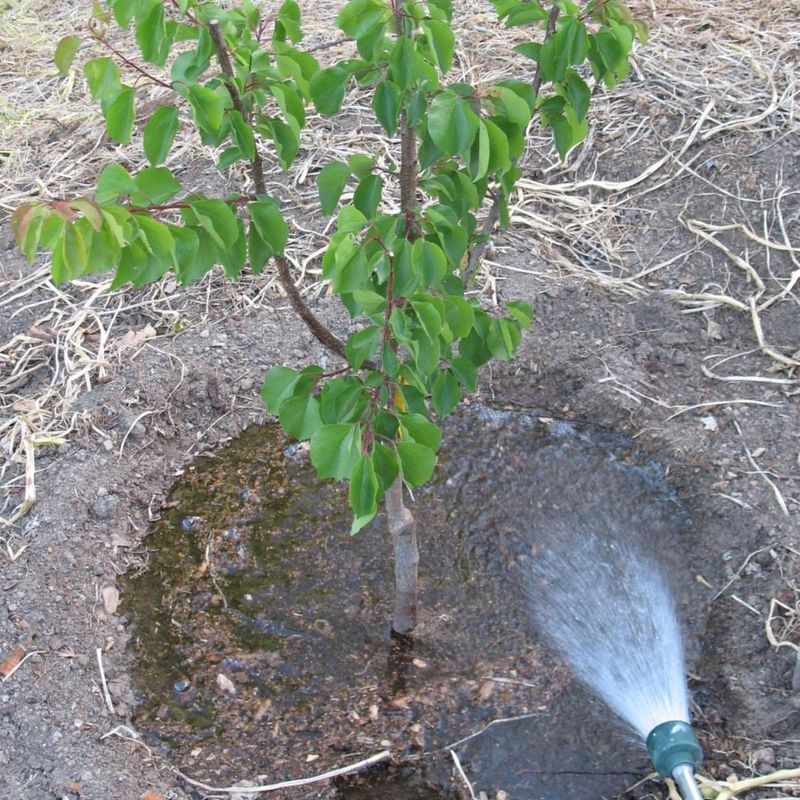
In August, when the goal is to build deep moisture reserves before winter, reaching those outer roots matters more than ever. Try setting up a soaker hose or drip emitters in a ring around the outer canopy edge.
Let the water run slowly for a long time so it soaks in rather than running off.
For trees planted in the ground, you can also build a shallow berm or watering ring around the drip line to hold water in place as it soaks down. This simple trick keeps water exactly where the roots need it most.
When you water the full root zone consistently through August, the tree builds a strong, even moisture reserve that supports it through the cold months ahead. Wide, deep roots are healthy roots.
4. Shallow Sprinkling Leaves Trees Vulnerable
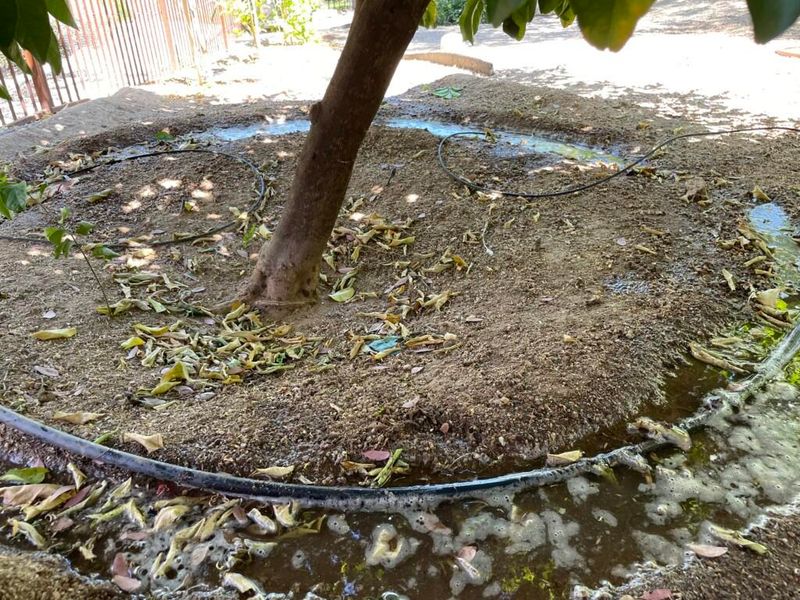
Shallow watering is one of the most common mistakes citrus growers make, and it creates a hidden problem that shows up in winter.
When you only wet the top few inches of soil, roots follow that moisture and grow upward toward the surface.
Surface roots are exposed to more temperature swings and dry out faster.
Come winter, those shallow roots are the first to feel the cold. They have less insulation from the soil above them and less access to the stable moisture deeper in the ground.
A tree with mostly shallow roots is far more likely to show stress or damage after a cold night.
Overhead sprinklers are a common culprit. They feel like they are doing a good job because the surface looks wet.
But unless you run them for a very long time, the water rarely penetrates more than a few inches. Short, frequent sprinkler cycles train roots to stay shallow over time.
Switching to drip irrigation or soaker hoses and running them for longer periods is one of the best adjustments you can make before fall arrives. In August, give your tree a long, deep soak at least once a week.
Check the soil depth after watering to see how far down the moisture actually reached. Pushing roots downward now creates a tougher, more cold-resistant tree by the time winter rolls around.
5. Mulch Helps Roots Stay Cooler Longer
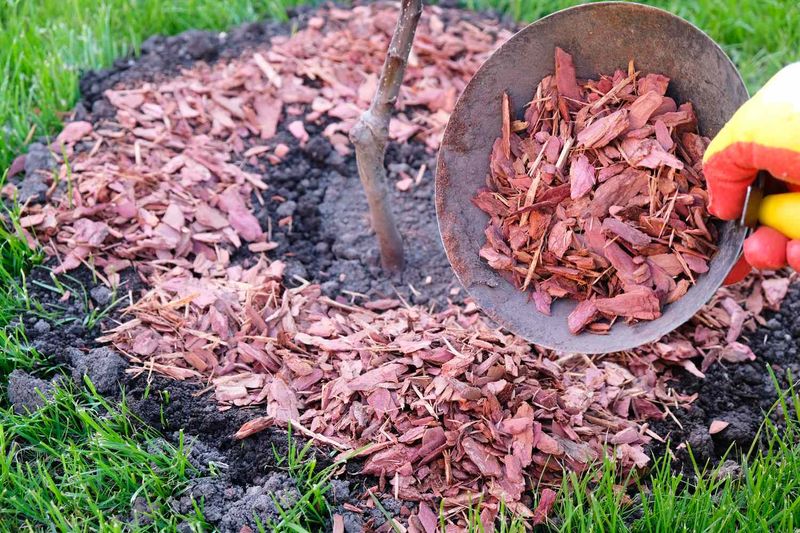
Pairing deep watering with a good layer of mulch is one of the smartest things you can do for your citrus tree in August.
Mulch acts like a blanket over the soil, slowing down evaporation and keeping the root zone from heating up too fast on hot afternoons.
When the soil stays cooler and more consistently moist, roots do not have to work as hard to find water.
That means the tree spends more energy on growth and fruit development rather than just surviving the heat.
Going into fall with well-rested, healthy roots makes a real difference.
Wood chips, straw, or shredded bark all work well. Apply a layer about three to four inches thick, spreading it out to the drip line of the tree.
Keep the mulch a few inches away from the trunk itself to prevent moisture buildup against the bark, which can cause rot over time.
Mulch also moderates soil temperature in winter, keeping the root zone from experiencing extreme cold fluctuations on frosty nights.
In California, where temperatures can swing dramatically between day and night in fall and winter, that thermal protection is genuinely helpful.
Adding mulch in August means it has time to settle and start doing its job before the cooler months arrive. It is a low-cost step with a surprisingly big payoff for your tree’s overall health.
6. Container Citrus Needs Closer August Checks
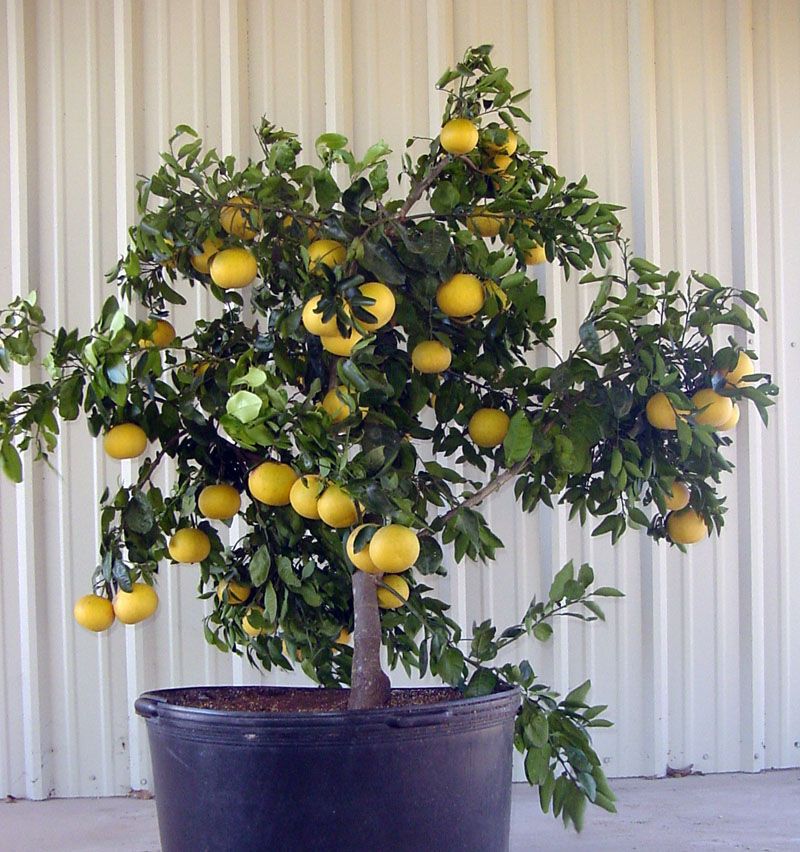
Growing citrus in a container is popular in California, especially in areas where space is limited or winters get cold enough to warrant bringing trees indoors. But container trees face a very different August challenge than in-ground trees.
Pots heat up fast in summer sun. The soil inside a container can dry out completely within a day or two during a hot August week.
When that happens, the roots have nowhere else to go for moisture. They are limited to whatever is inside that pot.
A dry container citrus can go from fine to severely stressed in just a few days.
Check your container trees every single day in August. Stick your finger two inches into the soil.
If it feels dry at that depth, it is time to water. Water thoroughly until it drains freely from the bottom of the pot.
That ensures moisture reaches all the roots, not just the top layer.
Also consider moving containers out of direct afternoon sun during the hottest part of August. A spot with morning sun and afternoon shade can reduce how fast the soil dries out.
Grouping containers together also helps retain moisture longer. Container citrus that goes into fall well-watered and healthy will handle the transition to cooler temperatures much more smoothly.
These trees depend entirely on you for their water, so the August check-in routine really matters.
7. Don’t Flood Trees After Letting Them Dry Out
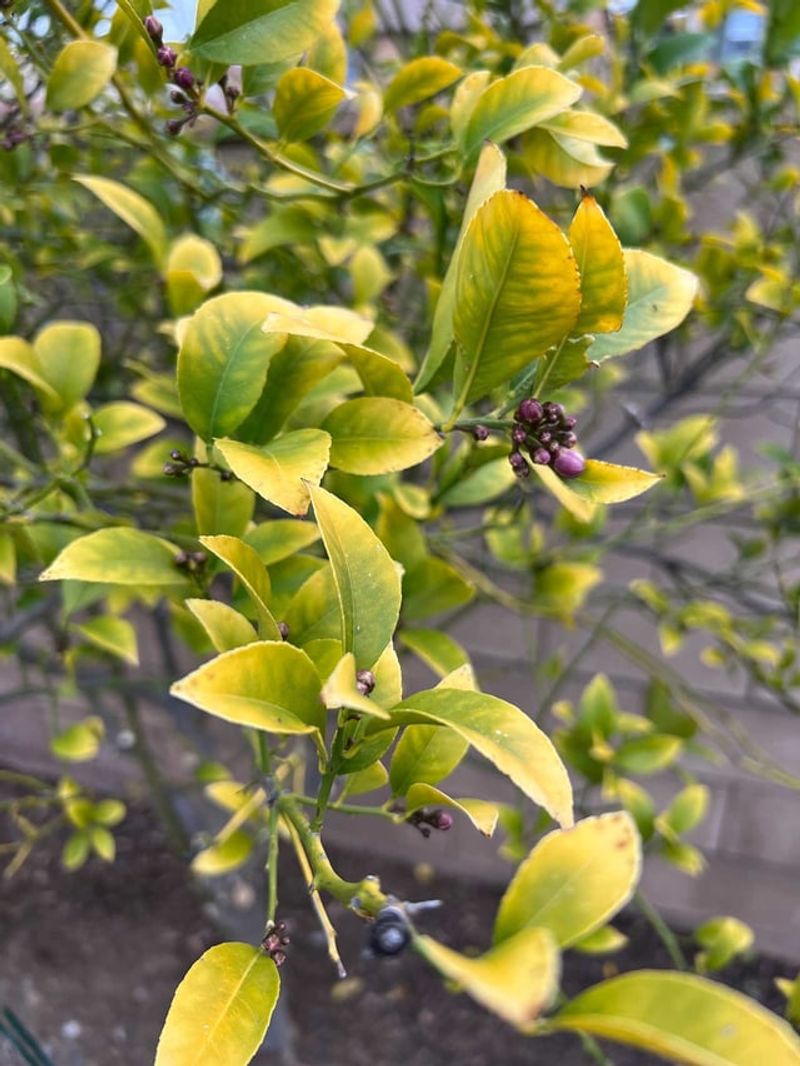
When you realize your citrus tree has not been watered enough, the instinct is to make up for it fast with a big, heavy watering session. That feels like the right fix.
But suddenly flooding a dry tree can actually cause more harm than the drought itself.
When soil goes very dry and then gets flooded quickly, water often runs off the hardened surface rather than soaking in. The roots at the center of the root zone may still stay dry while the outer edges get oversaturated.
That uneven moisture creates stress on the tree and can even cause root issues if the waterlogged soil sits too long.
Dry soil also becomes hydrophobic, meaning it actually repels water instead of absorbing it. You can see this when water beads up on the surface or runs off in sheets.
The fix is to water slowly and in stages. Give the soil a light soak, wait an hour, then water again.
Repeating this two or three times helps rehydrate the soil gradually.
Going forward, the goal is to never let your tree get severely dry in the first place. In August, set a watering schedule and stick to it.
Consistent, deep watering every week is far better than forgetting for two weeks and then flooding. Your tree will respond better to steady care than to cycles of drought followed by heavy watering bursts.
8. Skip Heavy Pruning Before Winter
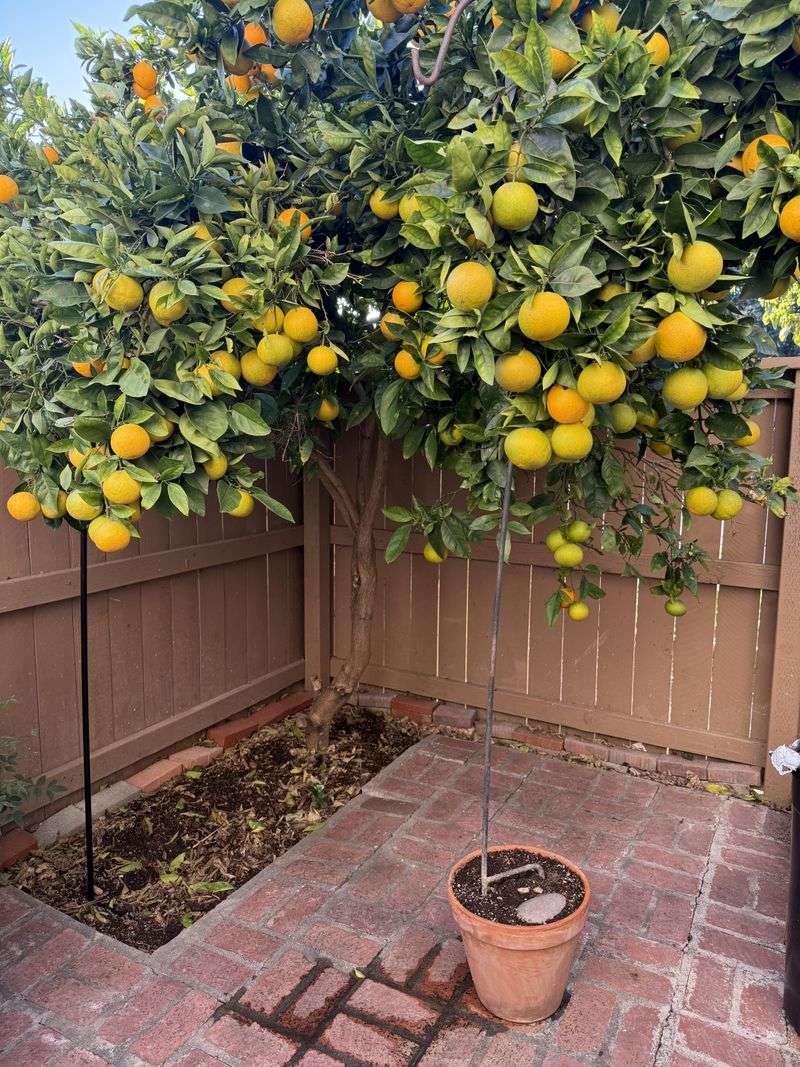
Pruning feels productive. It is satisfying to clean up a tree and shape it the way you want.
But doing heavy pruning in August or early fall is one of the quickest ways to undo all the good work your deep watering has done.
When you cut off large branches or do major shaping work before winter, the tree responds by putting energy into healing those cuts and pushing out new growth. That new growth is soft and tender.
Soft, fresh growth has very little cold resistance. When temperatures drop, that new tissue is the first to get damaged.
Heavy pruning also reduces the overall leaf canopy. Leaves play a big role in protecting the inner branches and fruit from cold.
Fewer leaves mean less natural insulation for the tree during cold nights. In California, where coastal areas stay mild but inland and mountain-adjacent zones can get real cold snaps, keeping that canopy intact matters.
Save major pruning for late winter or early spring, after the risk of frost has passed and the tree is ready to push new growth into warm weather. In August, stick to removing damaged wood, crossing branches, or any diseased material.
Light, targeted cuts are fine. The goal right now is to keep the tree as strong and full as possible heading into the colder months. Let the tree hold its energy where it counts most.