Brown Patch Fungus Is Spreading Across Virginia Lawns This Week, And Here’s How To Stop It
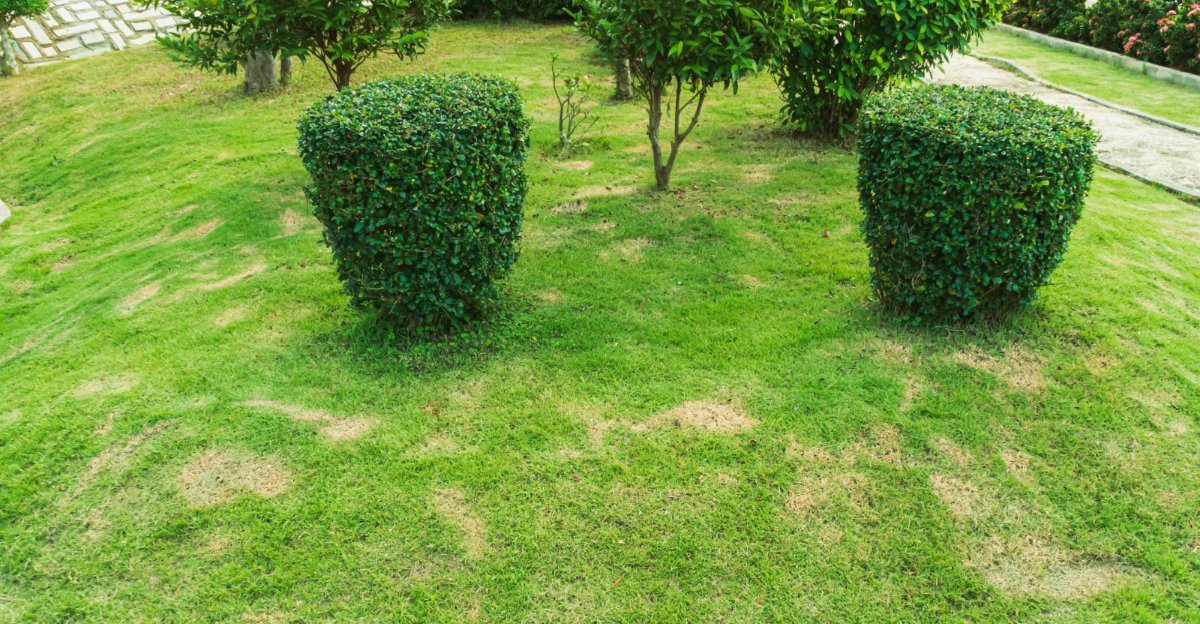
Ghostly brown circles are spreading across your lawn overnight. Your grass looks perfect Tuesday, then collapses into brown rings by Friday. You are watching brown patch fungus quietly take over, fast.
Virginia’s intense heat and heavy humidity create ideal conditions for this fungus to spread quickly. Nobody warned you how quickly this disease truly spreads. Every lawn you love is suddenly at real risk right now.
Worry will not save your grass from this fungal harm. Timing determines whether you save your lawn or lose it. Ignoring these circles only increases the risk of further spread.
Professionals across Virginia see this exact pattern every summer. Understanding this fungus gives you real, lasting control fast. Answers exist, and they work quickly once you apply them.
That next move you make decides how much damage spreads further today. Waiting only hands this stubborn fungus more ground to take. Now is not the time for you to look away.
What Is Brown Patch Fungus
Your lawn’s damage has a clear, microscopic cause. Brown patch fungus, caused by the soil-dwelling pathogen Rhizoctonia solani, infects grass blades quickly and without much warning.
This fungus lives in soil year-round but waits for the right conditions to strike. Warm nights above 70 degrees and daytime humidity above 80 percent create favorable conditions for an outbreak.
Once those thresholds are met, the pathogen can activate quickly, moving from a few infected blades to a visible patch faster than most homeowners expect.
Once active, the fungus affects grass at the leaf and sheath level, interfering with the plant’s ability to move water through the blade.
The grass does not just look bad; it is genuinely stressed at the leaf and stem level, even if the roots remain intact underground.
This distinction matters, because many lawns can recover fully once conditions improve and proper care is applied.
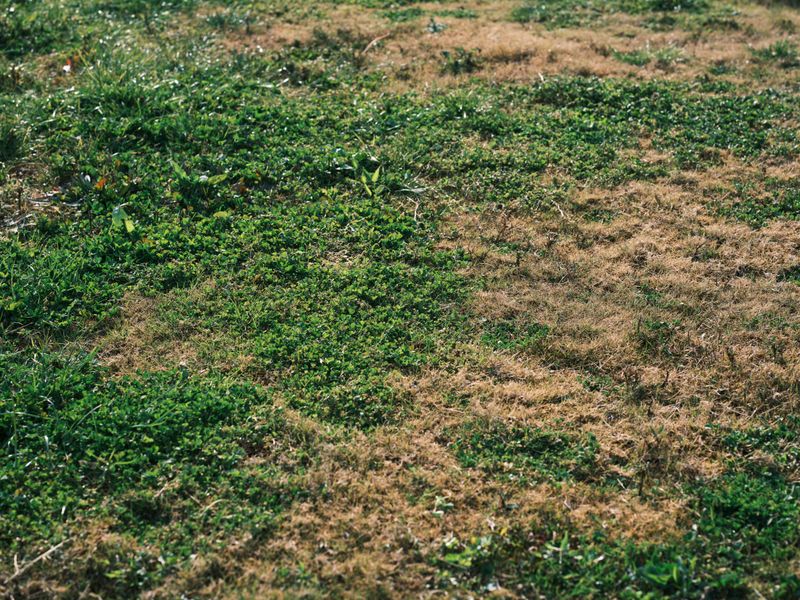
Brown patch gets its name from the circular tan or brown patches it creates on lawns. These circles can range from a few inches wide to several feet across over time, often expanding outward from a single point.
The outer ring of a patch often looks darker or water-soaked in the early morning. That border is called a smoke ring, and spotting it early is your biggest advantage in stopping the spread.
Homeowners often mistake this damage for drought stress or grub damage. Knowing what you are actually dealing with changes how you respond, which products you use, and how fast your lawn recovers.
Why Virginia Lawns Are Vulnerable This Week
Hot, sticky mid-summer weeks in the mid-Atlantic region regularly create ideal conditions for fungal growth.
During Virginia’s peak summer stretches, daytime temperatures commonly climb above 85 degrees while nighttime lows rarely drop below 70, leaving grass with little chance to dry out completely.
That combination is the exact sweet spot where brown patch fungus increases sharply in activity.
Rhizoctonia solani grows fastest when soil temperatures hover between 70 and 90 degrees Fahrenheit, a range that mid-Atlantic lawns hit repeatedly throughout the summer months.
Your Virginia Garden Changes Every Week. Your Plan Should Too.
Gardening in Virginia changes quickly throughout the season. Every Friday you’ll receive a simple weekly plan showing exactly what to plant, prune, fertilize, harvest, and protect so you never miss the right timing.
Humidity across the state has been running high, with dew points making mornings feel especially damp. Grass blades stay wet for long stretches, giving the fungus the moisture it needs to spread from plant to plant, sometimes overnight.
Recent rainfall patterns have also left many lawns with excess moisture sitting near the surface. Soggy soil supports fungal growth, especially in shaded areas where the sun cannot dry things out quickly, allowing moisture to linger for hours after sunrise.
Virginia’s clay-heavy soils in many counties tend to hold water longer than sandy or loamy alternatives. That extra moisture retention makes certain neighborhoods especially prone to outbreaks during weeks like this one, particularly where drainage is already limited.
Timing matters enormously with fungal diseases. Catching this outbreak now, before it jumps to neighboring grass sections, is the difference between a small repair job and a full lawn renovation this fall.
Waiting even a week or two can allow a single patch to spread across an entire section of turf, turning a manageable problem into a much larger one.
Signs And Symptoms To Look For
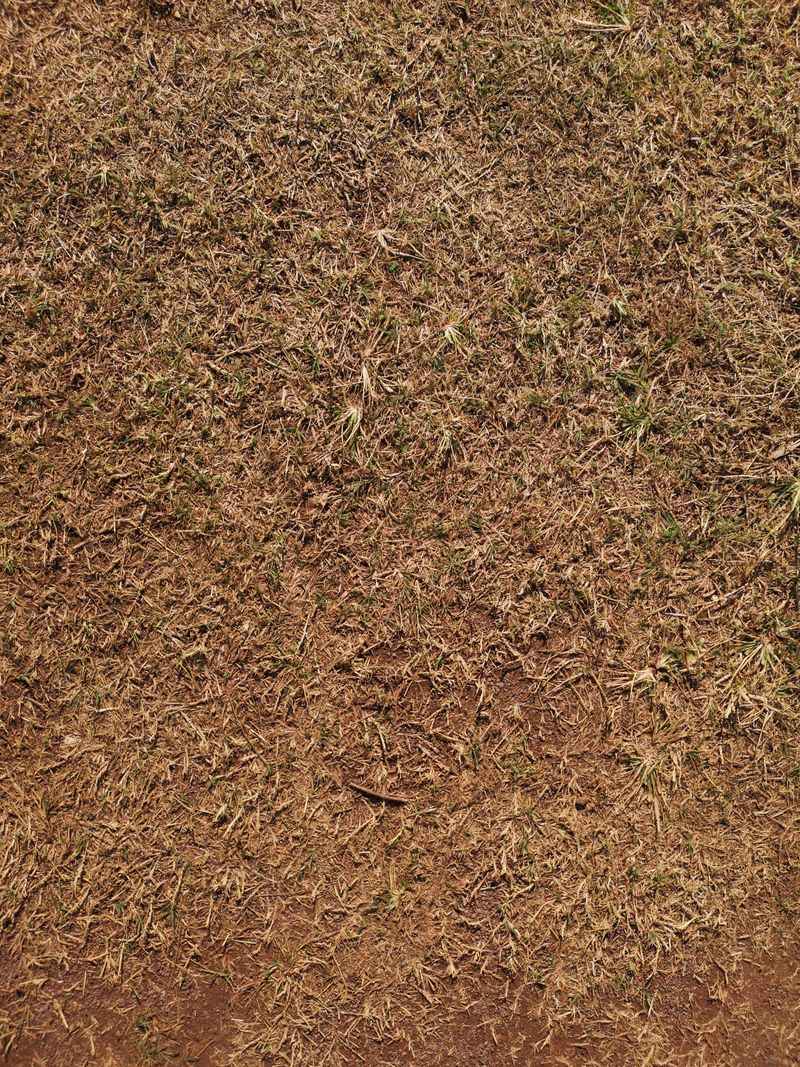
Your lawn is trying to tell you something, and the message is written in brown circles. The earliest sign of brown patch is a slightly yellowed or water-soaked ring of grass that appears in the early morning hours.
As the day warms up and dew evaporates, that ring often fades, which makes it easy to miss if you are not checking your yard in the morning. Set a habit of walking your lawn before 9 a.m. this week.
Infected grass blades show tan or light brown lesions with a darker brown border. The lesion usually starts near the tip of the blade and works its way downward toward the soil.
Patches can appear round or roughly circular and may look almost perfectly geometric. Sizes range from a dinner plate to a kiddie pool, depending on how long the fungus has been active.
In severe cases, the center of the patch may recover slightly while the outer edges continue to decline. This creates a donut or frog-eye appearance that is a classic calling card of this particular disease.
Pull a few blades from the edge of a suspicious patch and examine the base. If the tissue near the crown is dark, mushy, or rotting, brown patch fungus is almost certainly the cause of your lawn trouble.
Which Grass Types Are Most At Risk
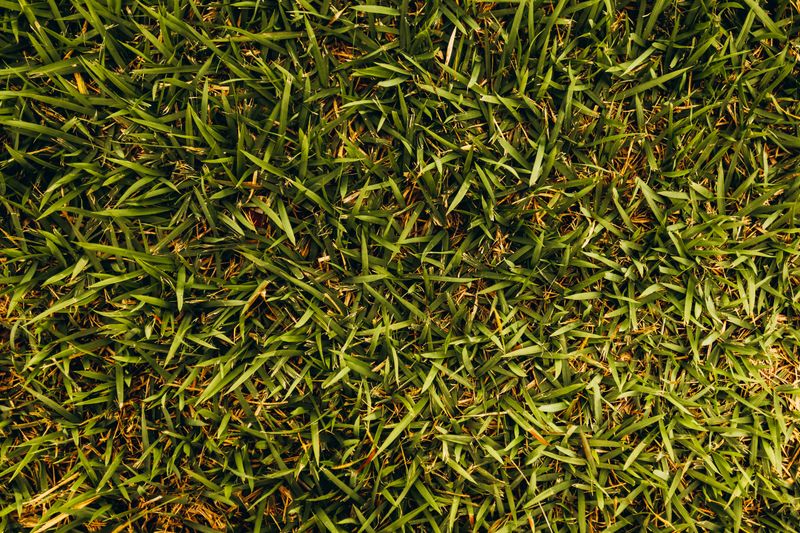
Not all grass is created equal when it comes to fungal resistance. Cool-season grasses are by far the most vulnerable to brown patch, and those are exactly what most homeowners in northern and central parts of the state grow.
Tall fescue is one of the most commonly planted grasses across the region, and unfortunately it is highly susceptible to this disease. When conditions are right, tall fescue lawns can show widespread damage within a few days.
Kentucky bluegrass is another popular cool-season option that struggles against Rhizoctonia solani. Lawns with a high percentage of bluegrass should be monitored especially closely this week.
Perennial ryegrass rounds out the trio of most-at-risk species found in home lawns across the mid-Atlantic states. It tends to develop severe symptoms quickly once the fungus gets a foothold in the turf.
Warm-season grasses like Bermudagrass and Zoysia are not immune but tend to handle brown patch better during summer, though Zoysia can still be vulnerable to related fungal diseases in cooler, wetter conditions.
They are also more actively growing right now, which helps them recover faster from damage. If your lawn is a mix of grass types, look carefully at which sections are browning.
Identifying the affected species helps you target treatments more precisely and protect the most vulnerable areas of your yard first.
How Brown Patch Spreads
Fungus spreads easily across your yard without any outside help. Brown patch spreads through a combination of water movement, foot traffic, and lawn equipment carrying infected soil and grass debris from one spot to another.
Morning dew and irrigation water are among the biggest culprits in moving fungal spores across a lawn. Water flows downhill, and so does the disease, which is why you often see patches spreading in the direction of drainage.
Walking through an infected area and then across a healthy section of lawn is enough to carry spores on your shoes. Even pets running through the yard can transfer the pathogen to previously clean grass.
Your lawn mower is one of the most common ways this fungus spreads. Mowing over an infected patch and then continuing across the rest of the yard sends spores flying in every direction.
Wind can also carry spores short distances, especially on dry afternoons after morning dew has evaporated. This makes perimeter monitoring important, not just checking the center of your lawn.
Understanding spread patterns helps you take smarter action. Mow infected areas last, clean equipment before storing it, and avoid foot traffic across affected zones until conditions dry out and treatment has had time to work.
Adjust Watering And Mowing Habits
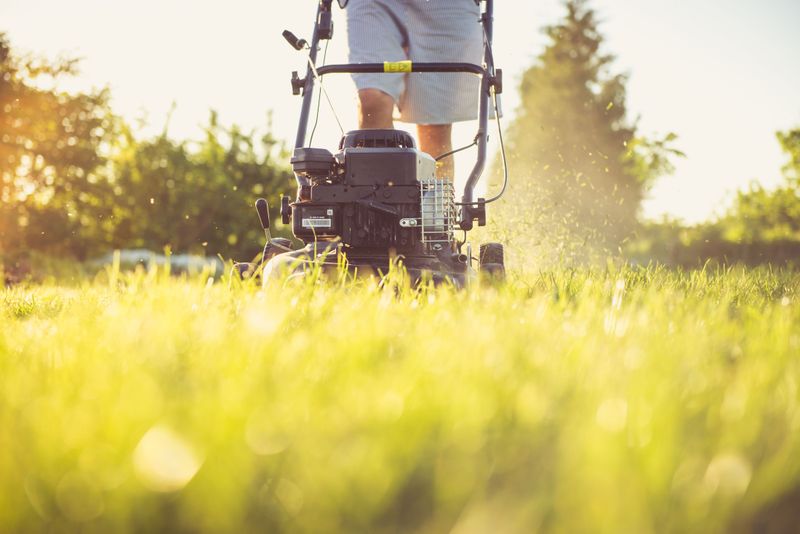
Your watering schedule might be feeding the fungus more than your grass. Brown patch thrives when grass stays wet for long periods, so the timing and amount of irrigation you use matters enormously right now.
Switch all watering to early morning, ideally between 4 a.m. and 8 a.m. This gives the grass blades time to dry out completely before evening, cutting off the moisture window the fungus depends on to spread from blade to blade.
Avoid watering in the evening or at night under any circumstances during an active outbreak. Wet grass sitting through a warm night creates favorable conditions for Rhizoctonia solani activity, giving the pathogen extra hours to infect new areas of the lawn.
Reduce watering frequency if your lawn does not show signs of drought stress. Giving the soil a chance to dry out slightly between sessions weakens the fungus and slows its spread across the turf, without putting the grass itself at risk.
Mowing height also plays a surprising role in disease management. Cutting grass too short stresses the plants and removes protective leaf tissue, making them more vulnerable to infection and slower to recover once damage has already occurred.
Raise your mower deck to at least 3.5 to 4 inches for cool-season grasses during this period. Taller grass shades the soil, reduces moisture evaporation, and creates better airflow that helps blades dry faster after morning dew settles in.
Small adjustments like these can meaningfully reduce how long moisture lingers on the lawn each day, which directly limits the fungus’s ability to spread further.
Apply Fungicide Treatment Correctly
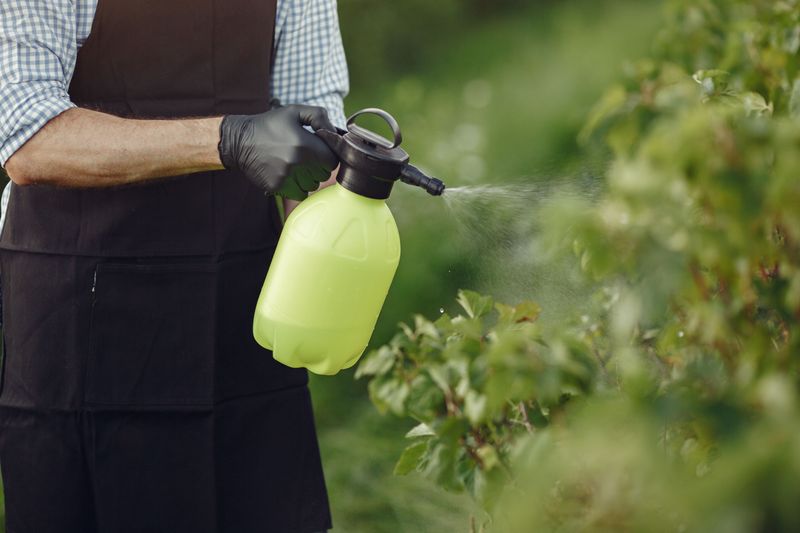
When cultural fixes are not enough, fungicide is your next move. Choosing the right product and applying it correctly makes the difference between results and wasted money on a bottle that sits in your garage.
Look for fungicides containing active ingredients like azoxystrobin, propiconazole, or myclobutanil. These are proven to work against Rhizoctonia solani and are widely available at garden centers and home improvement stores.
Read the label before you open the cap, not after. Application rates, timing, and safety precautions vary between products, and using the wrong concentration can harm your lawn or reduce the treatment’s effectiveness significantly.
Apply fungicide in the early morning when wind is calm and temperatures are cooler. This helps the product settle onto the grass surface without evaporating too quickly or drifting onto garden beds.
Check your product label for mowing restrictions after applying a fungicide treatment, as timing varies by product. Mowing too soon removes the treated leaf tissue before the product has time to absorb and protect the plant.
Most fungicides require a second application on a schedule specified on the product label, typically within one to four weeks.
Always follow the exact interval listed on your specific product, since timing can vary by active ingredient and brand.
Mark your calendar right now so you do not skip that follow-up, because one treatment alone rarely stops brown patch fungus completely during peak season.
Improve Soil And Lawn Conditions Long-Term
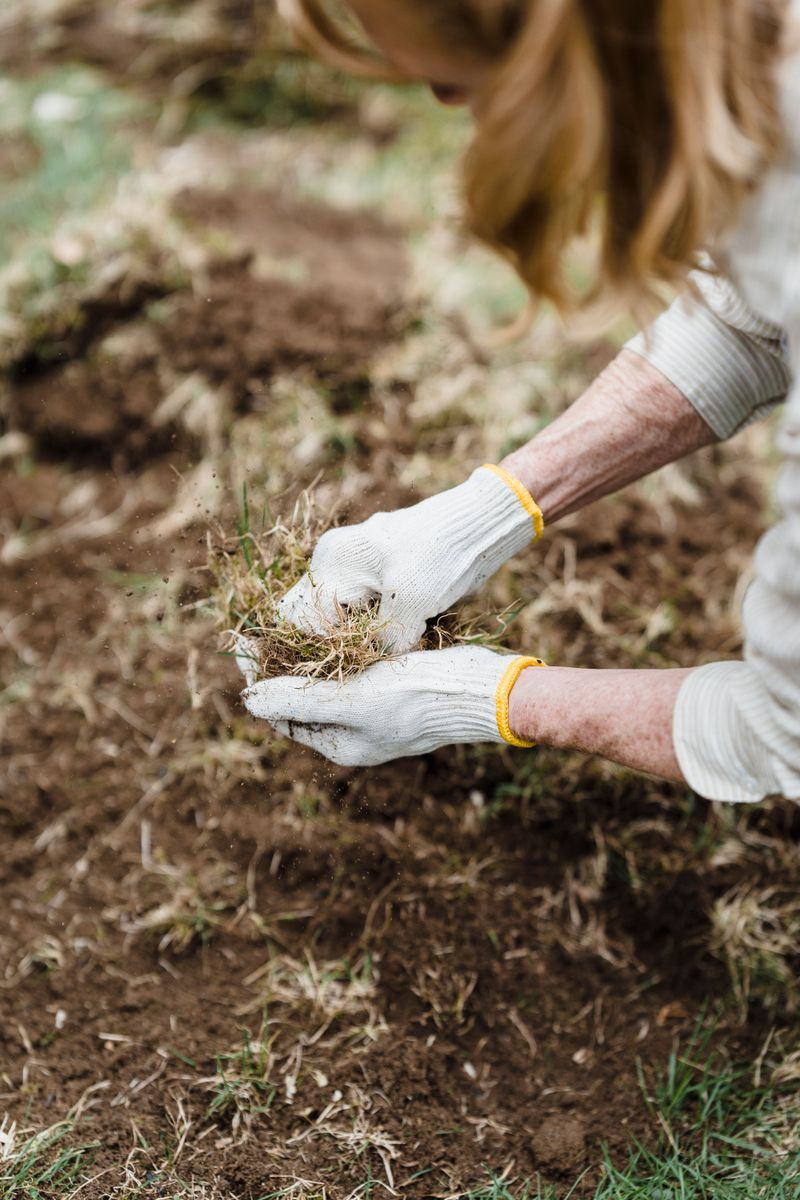
Stopping this outbreak is one thing, but making sure it does not come back next summer is the real goal. Long-term lawn health starts below the surface, where soil conditions either support or suppress fungal activity.
Core aeration is one of the best investments you can make for a lawn that keeps dealing with disease year after year. Aerating in the fall reduces soil compaction, improves drainage, and lets air reach the root zone more effectively.
Thatch buildup is another factor that contributes to fungal disease. A thick layer of thatch traps moisture near the soil surface and creates a cozy habitat where pathogens like Rhizoctonia solani can overwinter easily.
Dethatch your lawn if the thatch layer exceeds half an inch in depth. This single step can dramatically reduce the conditions that allow brown patch fungus to return season after season with increasing intensity.
Fertilizer timing and type also influence disease pressure more than most homeowners realize. Avoid high-nitrogen fertilizers in late spring or summer, because excess nitrogen pushes rapid, soft growth that is more vulnerable to fungal infection.
Healthy, balanced soil with good drainage and proper pH creates grass that naturally resists brown patch fungus. Invest in a soil test this fall to find out exactly what your lawn needs to stay strong through the next hot, humid season.