Why Ground Beetles Under North Carolina Mulch Are One Of The Best Signs For Pest Control
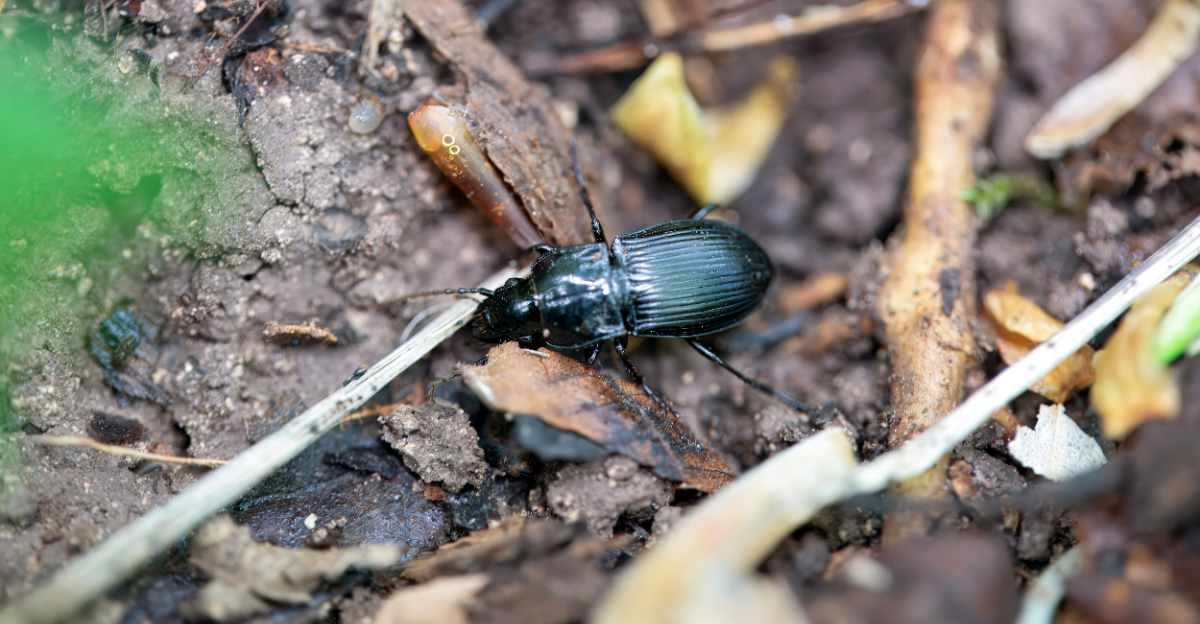
Finding ground beetles tucked beneath mulch is actually great news for North Carolina gardeners dealing with common pest problems.
These beneficial insects feed on slugs, cutworms, and other soil dwelling pests that often damage tender seedlings and low growing plants.
Mulch provides the cool, moist hiding spots ground beetles need during the day before becoming active hunters at night.
Their presence signals a healthy, balanced garden ecosystem working in your favor without any extra effort required.
Avoiding pesticide use helps protect these helpful beetles, since broad treatments often destroy beneficial insects alongside actual pests.
Maintaining consistent mulch coverage encourages ground beetles to stick around and continue their natural pest control work.
Gardeners who notice fewer slug or cutworm problems often have healthy ground beetle populations to thank.
Seeing these beetles under mulch is a small but reassuring sign that your garden is thriving.
1. They Patrol The Garden After Dark
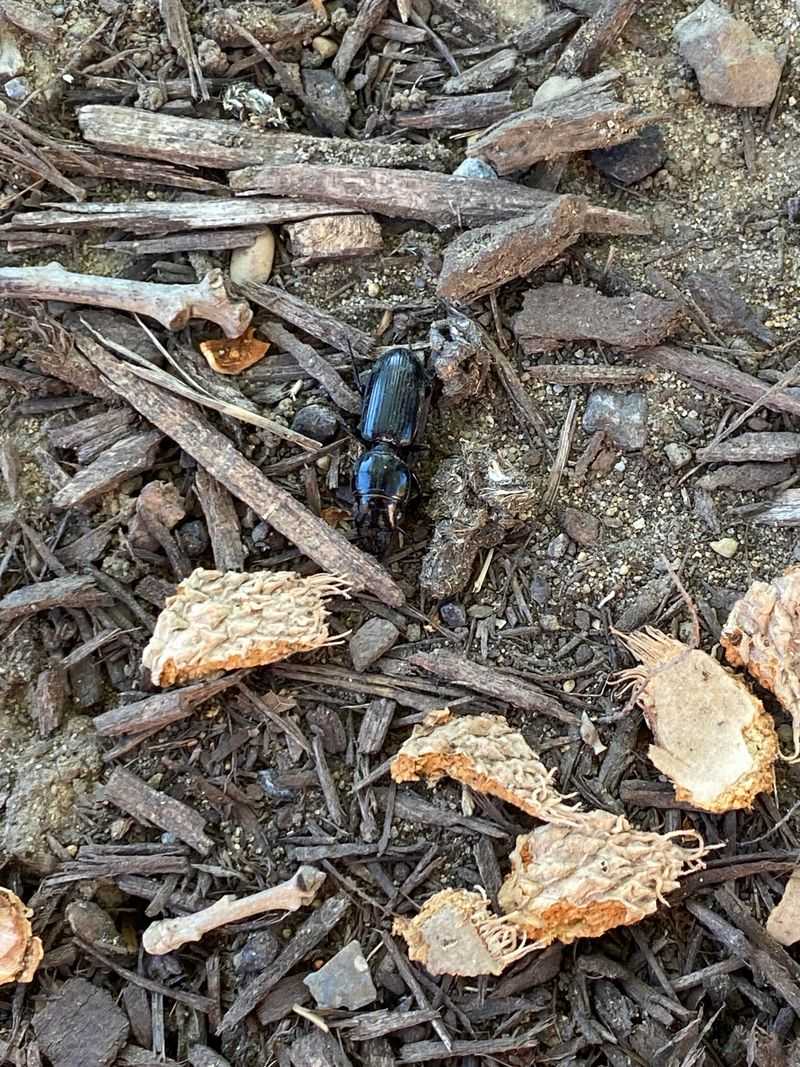
Most people never see ground beetles in action simply because they are sound asleep when the beetles clock in for work.
Ground beetles spend their days resting quietly beneath mulch, stones, bark, and plant debris, staying cool and out of sight. When the sun goes down, they come out and get busy.
Across North Carolina gardens, these beetles move steadily across the soil surface and through low-growing vegetation while searching for food.
Their nighttime schedule happens to overlap with the activity of many common garden pests that shelter or feed close to the ground after dark. That overlap is exactly what makes them so useful to have around.
Spotting ground beetles beneath mulch means that effective predators are already positioned right where they need to be, close to plant crowns, seedling rows, and low foliage.
They do not need to travel far to encounter the pests moving through the same spaces. That kind of proximity matters a lot in pest management.
Worth noting is that their presence alone does not guarantee your garden will stay completely pest-free.
Feeding habits vary among beetle species, and results depend on the prey available in a given area.
Ground beetles are a genuinely helpful part of your garden ecosystem, but realistic expectations keep gardeners from being caught off guard when some pest pressure still appears despite a healthy beetle population.
2. Many Species Feed On Caterpillars
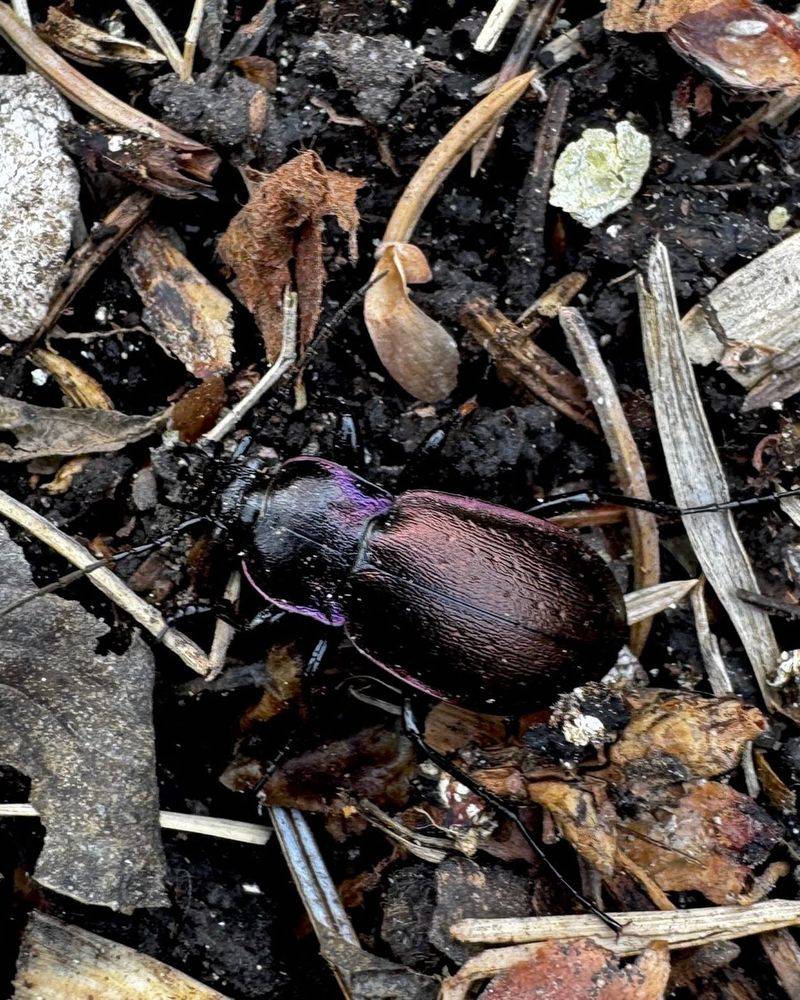
Caterpillars chewing through seedlings or hiding near plant stems are one of the most frustrating problems for North Carolina gardeners, and ground beetles have a natural appetite that works in your favor.
Several ground beetle groups actively consume caterpillars and other soft-bodied insects they encounter while patrolling garden beds at night.
Some of the larger beetle species are especially capable of handling larvae that would otherwise reach plant foliage.
You might spot caterpillars moving across bare soil to reach a stem or find a sheltered resting spot. That journey across the ground puts them right in the path of hunting beetles.
Ground beetles are general predators rather than specialists locked onto one target, so they respond to whatever suitable prey crosses their path during a nightly patrol.
Your North Carolina Garden Changes Every Week. Your Plan Should Too.
Gardening in North Carolina changes quickly throughout the season. Every Friday you’ll receive a simple weekly plan showing exactly what to plant, prune, fertilize, harvest, and protect so you never miss the right timing.
Because of that broad appetite, they can provide some level of pressure on multiple pest types within the same garden season.
Gardeners in North Carolina dealing with repeated caterpillar pressure near vegetable rows or flower beds benefit from protecting ground beetle habitat rather than disrupting it.
Preserving their shelter while continuing to inspect leaves, stems, and the soil surface for signs of feeding damage is the smartest approach.
Ground beetles can reduce caterpillar numbers, but they will not eliminate every problem on their own.
Pairing their natural activity with regular garden scouting gives you the strongest combination of practical pest management without reaching for a spray every time you spot a chewed leaf.
3. Beetle Eggs And Small Larvae Can Become Food
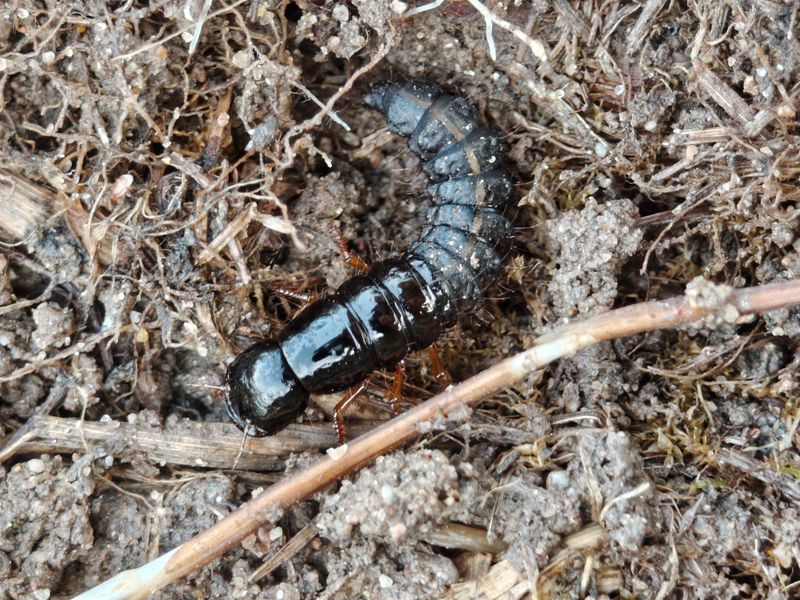
Not every pest problem starts with a fully grown insect. Many of the most damaging garden pests begin their lives as eggs or tiny larvae tucked into the soil, and that early stage is exactly where certain ground beetles focus their feeding.
Catching a pest before it grows larger can reduce the number that eventually reaches your plant roots or foliage.
Some North Carolina ground beetle species feed on beetle eggs, small larvae, and other vulnerable early insect stages they encounter while moving through the soil layer and beneath mulch.
These interactions happen out of sight, in the narrow spaces between soil particles and organic matter where gardeners rarely get a clear look.
The work is quiet and consistent, running beneath the surface of what most people observe in their gardens.
The benefit depends on whether the ground beetle and the pest happen to share the same corner of the garden at the right time. It is not a guaranteed outcome with every pest in every bed.
Ground beetle activity works best when you think of it as one layer within a larger pest management system rather than a standalone fix.
Keeping mulch at a moderate depth, avoiding unnecessary soil disturbance, and planting diverse species all help support the kind of stable habitat where ground beetles stay active across multiple seasons.
Encouraging them to remain in your beds means that early pest stages face consistent pressure from below, reducing the number that mature into a more serious problem before you even notice them.
4. They Consume More Than Insects
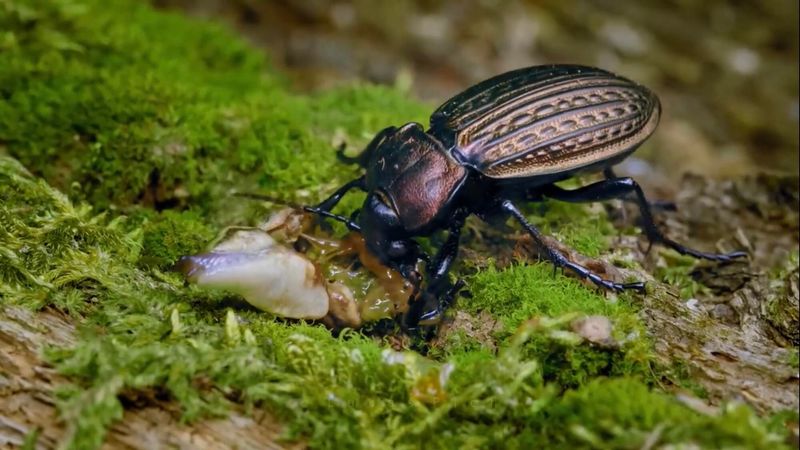
Slugs and snails creeping through a garden bed overnight can shred tender seedlings faster than most gardeners expect.
What many people do not realize is that ground beetles are not limited to hunting other insects.
Several species actively feed on snails and other small invertebrates they find moving near the soil surface, making them broadly useful rather than narrowly specialized.
Cool, shaded mulch creates natural travel routes for many garden animals, including plant feeders looking for moisture and cover.
Ground beetles use those same pathways, which puts them in regular contact with slugs and snails that might otherwise go unnoticed until the damage is already visible.
A healthy ground beetle population places steady feeding pressure on several kinds of potential pests at once rather than concentrating on a single host plant.
That said, slugs and snails can still build up quickly during prolonged wet weather in North Carolina, especially when dense mulch provides extra shelter and moisture.
Ground beetles help, but they are not always enough on their own when conditions strongly favor the pests.
Checking vulnerable seedlings after dark with a flashlight gives you a clearer picture of what is actually moving through your garden at night.
Correcting overly damp conditions by adjusting irrigation or thinning mulch in problem areas makes a real difference.
Protecting confirmed ground beetles while managing the habitat they share with pests is a practical balance.
More mulch is not always better, and keeping the garden environment from tipping too far in either direction is the goal every season.
5. Some Ground Beetles Remove Weed Seeds
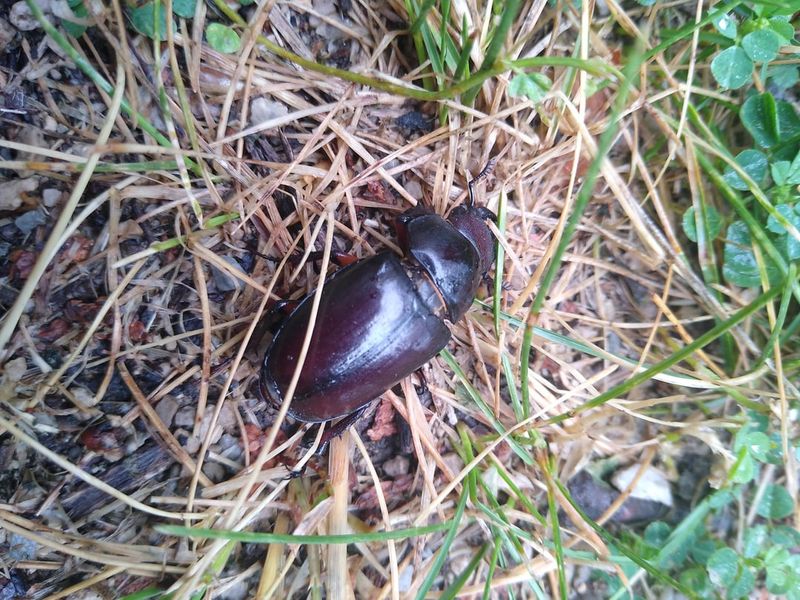
Here is something that surprises most gardeners: not every ground beetle is primarily hunting other insects.
Several common ground beetle groups found in North Carolina gardens spend a significant portion of their feeding time consuming seeds lying on or near the soil surface.
Weed seeds scattered across a garden bed after summer flowering are a regular part of their diet.
When a beetle feeds on a weed seed before it has a chance to germinate, that is one fewer weed plant you will need to pull next season.
The reduction is not dramatic enough to replace good mulching, hand weeding, or removing weeds before they produce seeds, but it adds up quietly over time.
A diverse ground beetle community working across multiple beds can chip away at the weed seed bank in a way that supports your other efforts.
Different beetle species show different feeding preferences, with some leaning toward animal prey, others toward seeds, and many consuming a flexible mixture of both depending on what is available.
That dietary variety is part of what makes a healthy ground beetle population so broadly valuable in a managed garden setting.
You get multiple services from the same group of insects without any extra work on your end.
Encouraging a variety of ground beetle species by maintaining diverse plantings and stable mulched beds increases the chance that both seed-eating and insect-hunting types are present at the same time.
Viewing seed feeding as an added benefit rather than a primary pest control tool keeps your expectations grounded and your overall garden management strategy realistic and effective.
6. Mulch Gives Them A Useful Daytime Refuge
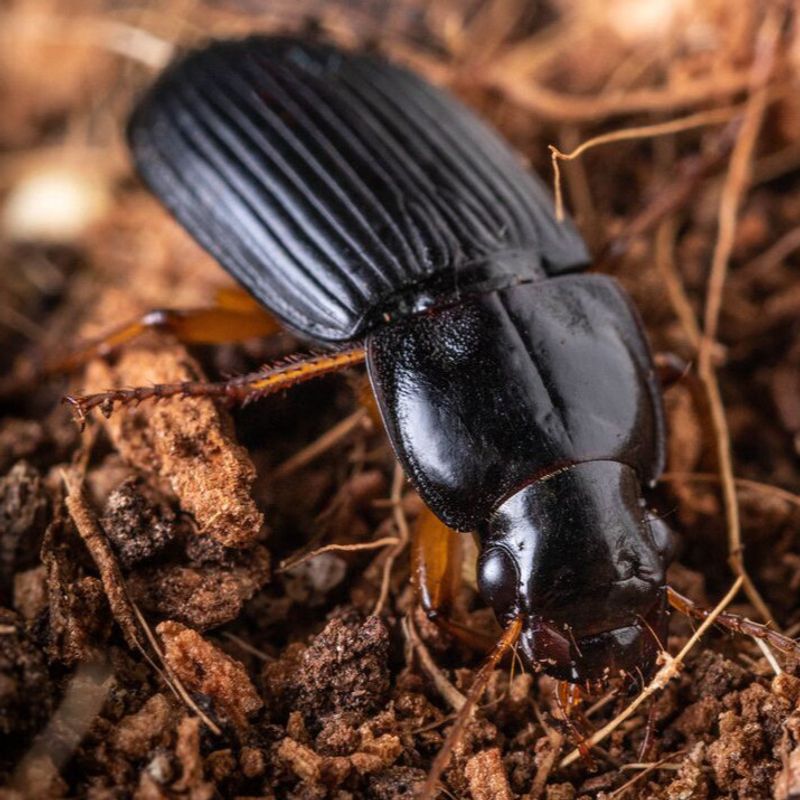
Finding ground beetles beneath a layer of mulch in your North Carolina garden bed is actually a signal worth paying attention to.
Their presence suggests that the bed is providing the kind of stable, sheltered environment that beneficial ground activity depends on. Mulch does more than just suppress weeds and hold moisture for your plants.
A moderate mulch layer protects the soil surface from intense summer heat, slows moisture loss between rainfalls, and creates shaded resting spaces where beetles can stay cool during daylight hours.
Plant cover along bed edges and undisturbed corners also provide travel corridors and overwintering sites that help beetles return season after season.
The more consistently suitable the habitat, the more reliably beetles will occupy it.
Maintaining an appropriate mulch depth, generally two to three inches for most North Carolina garden beds, keeps conditions favorable without going overboard.
Leaving plant crowns and woody trunks uncovered prevents rot and reduces the risk of creating overly moist conditions that attract less desirable visitors.
Balanced mulch management supports beetles while also protecting the plants themselves. Mulch piled too deeply can retain excessive moisture and end up sheltering slugs, rodents, or other unwanted guests that offset any benefit from the beetles.
More mulch is not always better, and learning to recognize the right amount for your specific bed type makes a real difference.
Ground beetles thriving beneath a well-managed mulch layer are a visible reward for getting that balance right, and they are a great reason to keep up with good mulching habits throughout the growing season.
7. They Show Why Broad Spectrum Treatment Can Backfire
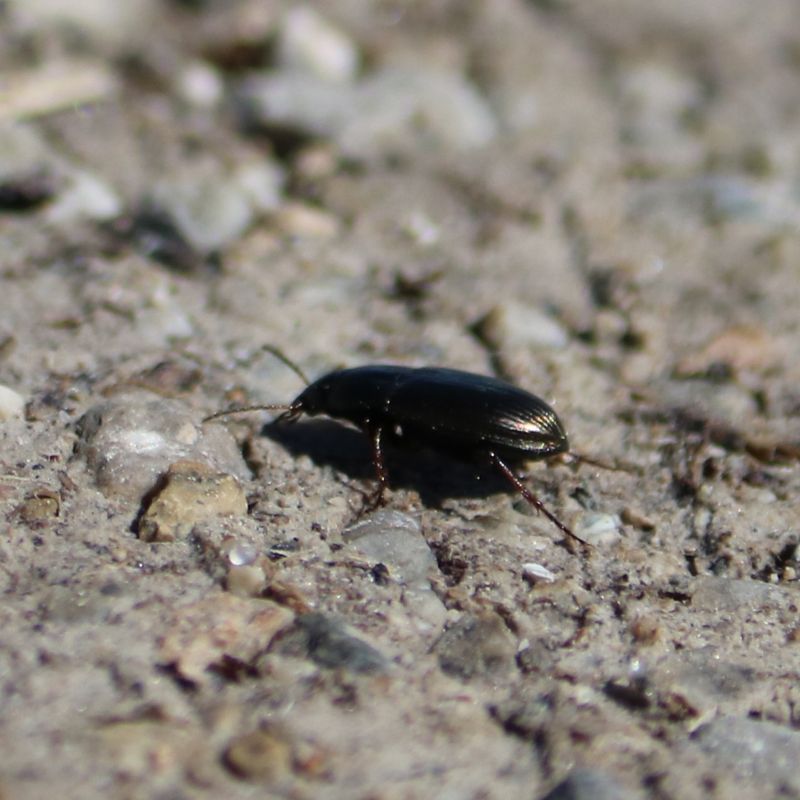
Ground beetles resting beneath your mulch are one of the best reasons to slow down and identify a pest before reaching for any control product.
Broad spectrum sprays applied across soil, mulch, lawns, or shrub beds do not distinguish between the pest you are targeting and the beneficial insects already working in that space.
The same application that addresses one problem can quietly remove the natural pest management already happening at ground level.
Losing a healthy ground beetle population means losing the consistent feeding pressure they were placing on caterpillars, larvae, weed seeds, slugs, and other pests across the season.
That gap often goes unnoticed right away, but the effects tend to show up weeks later when pest populations rebound without the natural checks that were previously in place.
Prevention through identification is always more effective than reacting after the balance has already shifted.
Inspecting damaged plants closely, confirming the specific pest responsible, and selecting the least disruptive effective response protects both your plants and the beneficial insects supporting them.
Hand removal, physical barriers, habitat corrections, and targeted treatments applied according to every product label are all tools worth using before broad coverage becomes necessary.
Each step taken before spraying broadly gives ground beetles a better chance to stay active and continue contributing.
Ground beetles are genuinely valuable partners in a well-managed North Carolina garden, but healthy pest control still requires regular scouting and realistic expectations from every tool available to you.
No single insect solves every problem, and the strongest gardens are built on a combination of observation, smart management, and respect for the beneficial life already living in the soil beneath your feet.