The Fire-Resistant California Vines That Won’t Climb Onto Your Roof
A vine can soften a bare wall or fence in a way few plants can match. The trouble starts when it reaches beyond its assigned space and heads toward the roof like it owns the place.
In fire-prone parts of California, that extra growth can create real concern. Dry stems near eaves may add fuel where homeowners least want it, especially during late summer.
Some vines offer a safer balance. They can bring color and shade without the same urge to scramble across gutters or slip beneath roof edges. Much better manners.
Plant choice matters, but growth habit matters just as much. A vine that stays easier to control can keep a landscape attractive without turning routine care into a rooftop project.
The right options prove that fire-conscious design does not have to look bare or boring. A beautiful vertical accent can still work near the house, provided it knows where to stop.
1. Roger’s Red Grape Stays Best On A Strong Trellis
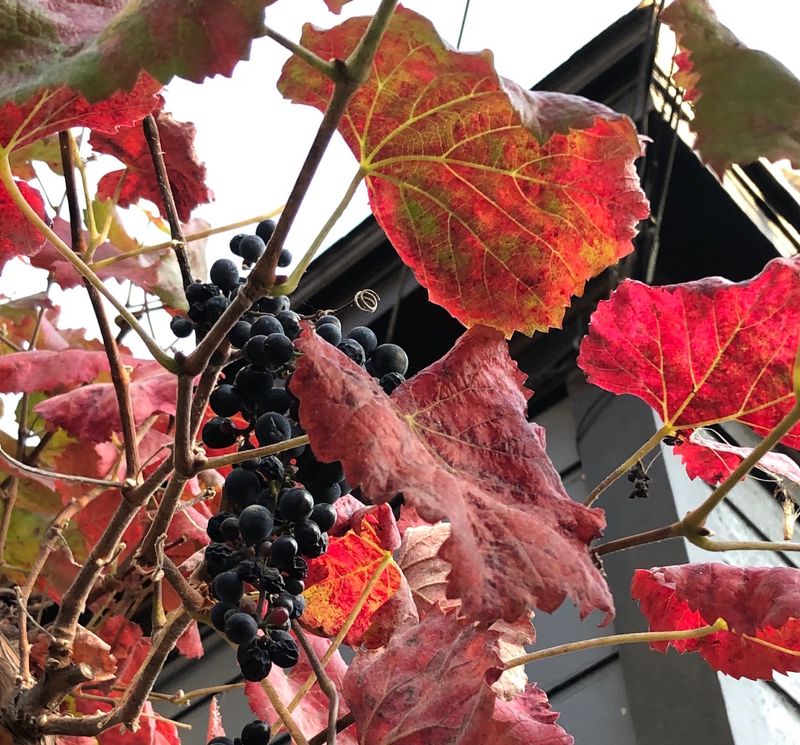
Few vines put on a fall color show quite like Roger’s Red Grape. The leaves turn a deep, rich crimson in autumn that stops neighbors in their tracks.
It’s one of the most visually stunning native vines you can grow in our state.
Roger’s Red is a hybrid of the native California Wild Grape and a cultivated variety. It grows vigorously, which is part of what makes it so beautiful.
But that same energy means it needs a firm hand and a strong trellis to keep it from spreading where you don’t want it.
The best strategy is to install a heavy-duty metal or wood trellis at least six feet away from your home’s exterior walls. Never let it touch the eaves or roof edge.
Trim it back hard every late winter before new growth starts.
This vine is drought-tolerant once established, which makes it well-suited for our dry summer climate. It also attracts birds and butterflies, adding life to your yard beyond just good looks.
The thick stems can hold moisture, so keeping it pruned reduces fire load significantly.
Gardeners in the hotter inland regions especially love this plant for its toughness. Give it full sun and well-drained soil.
With the right support structure and consistent pruning, Roger’s Red Grape becomes a spectacular, manageable, and relatively fire-smart feature in any landscape.
2. California Wild Grape Can Be Kept Off The Roofline
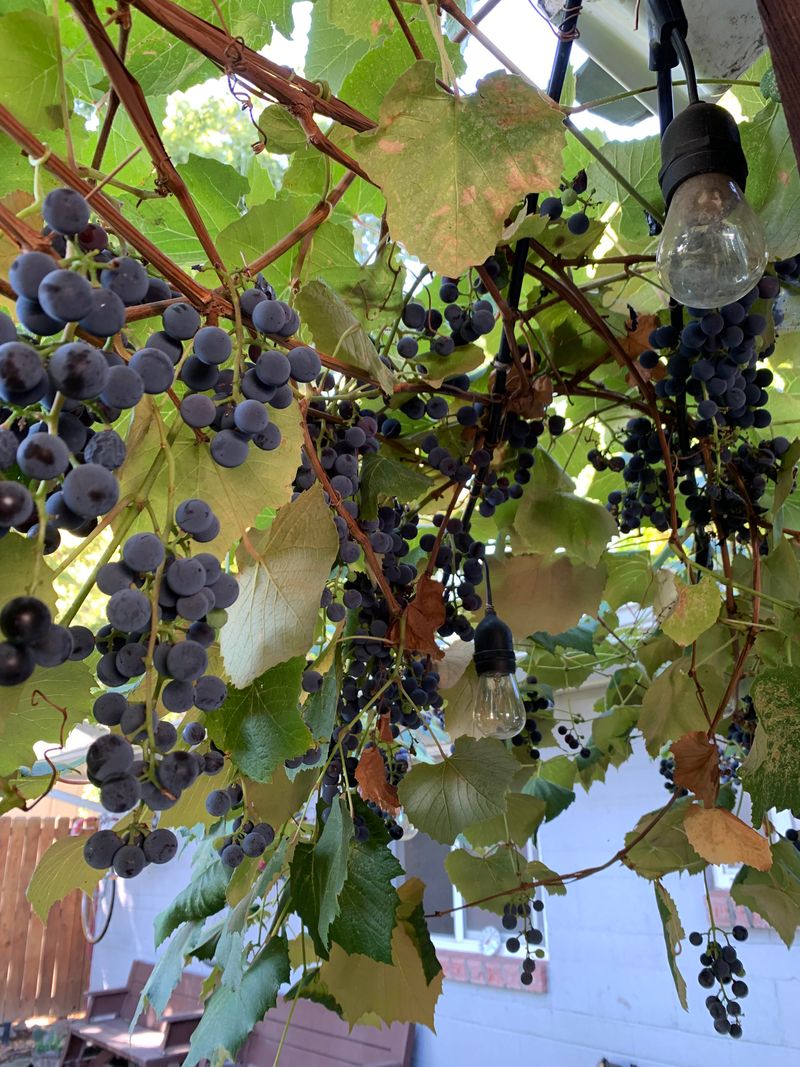
Native to stream banks and woodland edges across our state, the Wild Grape has been growing here long before anyone planted a garden. It’s tough, adaptable, and deeply connected to local wildlife.
Dozens of bird species rely on its small fruit clusters every fall.
Left completely alone, this vine can take over fences, trees, and yes, even rooftops. That’s why placement and pruning are everything with this plant.
Grow it on a sturdy fence or a freestanding trellis that stands well away from your home’s structure.
Trim it at least twice a year, once in late winter and again in midsummer. Removing withered wood is especially important since dry, woody debris increases fire risk.
Your California Garden Changes Every Week. Your Plan Should Too.
Gardening in California changes quickly throughout the season. Every Friday you’ll receive a simple weekly plan showing exactly what to plant, prune, fertilize, harvest, and protect so you never miss the right timing.
Keep the base of the vine clear of leaf litter and old canes too.
One thing gardeners love about Wild Grape is how little water it needs after the first year. It naturally goes semi-dormant during dry summers, which actually reduces its moisture content and fire risk compared to many exotic vines.
The leaves are broad and attractive through spring and early summer.
In northern regions and coastal areas, it tends to grow more aggressively than in drier inland spots. Knowing your local climate helps you plan the right trimming schedule.
With consistent attention, Wild Grape becomes a rewarding and wildlife-friendly vine that stays safely off your roofline.
3. Pink Honeysuckle Works With Regular Summer Trimming
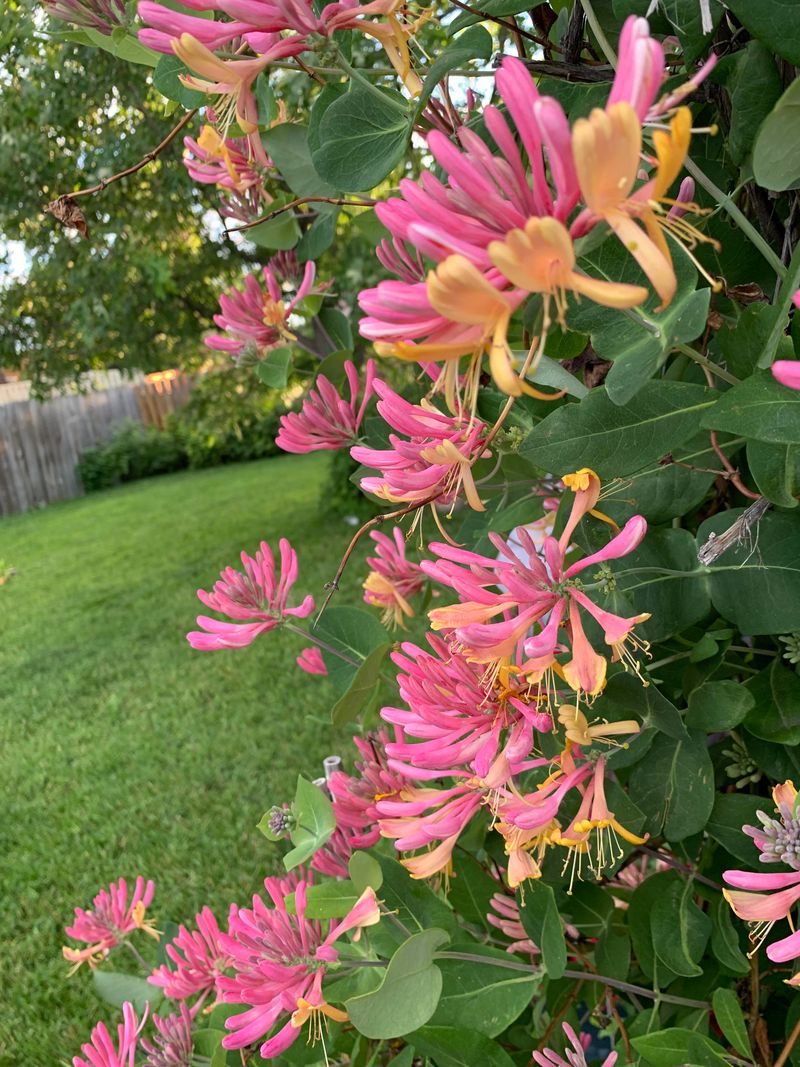
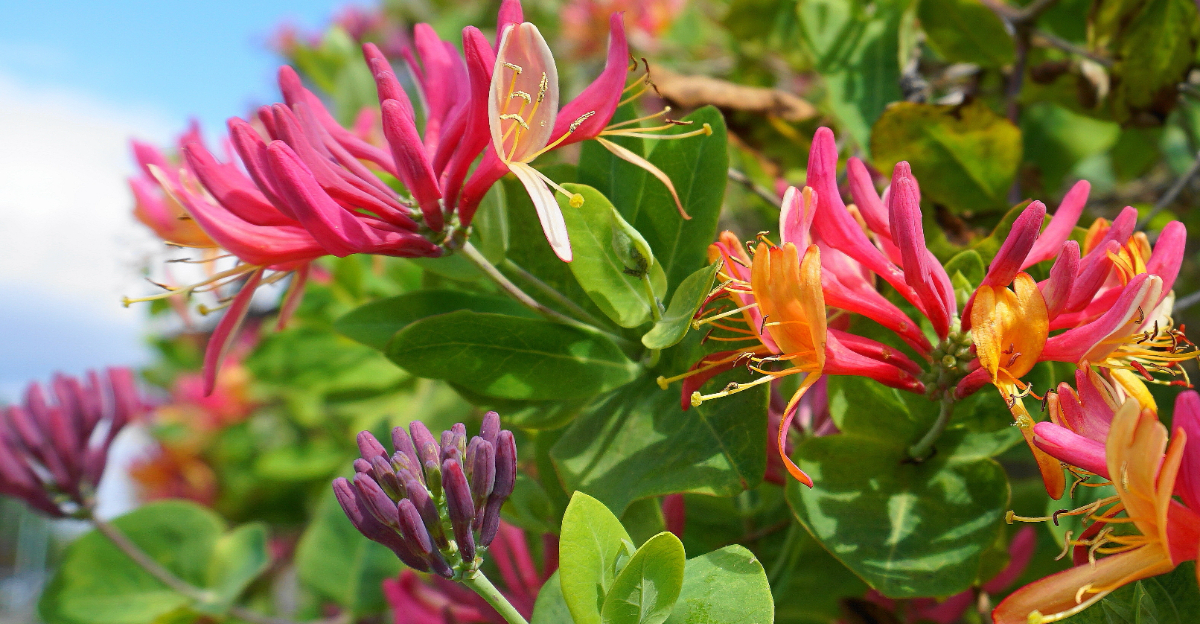
There’s something almost magical about watching a hummingbird hover in front of Pink Honeysuckle blooms. The soft pink and cream tubular flowers are irresistible to pollinators, and they bloom for months across spring and into summer.
It’s one of the most rewarding native vines you can plant.
Lonicera hispidula, as it’s formally known, is native to the chaparral and woodland edges found throughout our state. It’s naturally adapted to dry summers and mild winters.
Unlike many exotic honeysuckles, this species doesn’t become aggressively invasive when given proper care.
The key to keeping Pink Honeysuckle fire-smart is a consistent summer trimming routine. Cut back any long runners that reach toward your home, roof, or wooden structures.
A good rule is to trim monthly during the active growing season to keep growth controlled and tidy.
Train it onto a metal garden trellis or a wire fence rather than wood siding or lattice attached to your house. Metal supports don’t contribute to fire spread the way wood does.
Keeping the vine off combustible surfaces is one of the smartest moves a homeowner can make.
Beyond its fire-smart qualities, Pink Honeysuckle provides food and shelter for native bees, butterflies, and birds. It’s a small vine that earns big points in any wildlife-friendly yard.
With a little summer attention, it stays beautiful, manageable, and safely contained away from your roofline all season long.
4. Chaparral Clematis Needs Space Away From Eaves
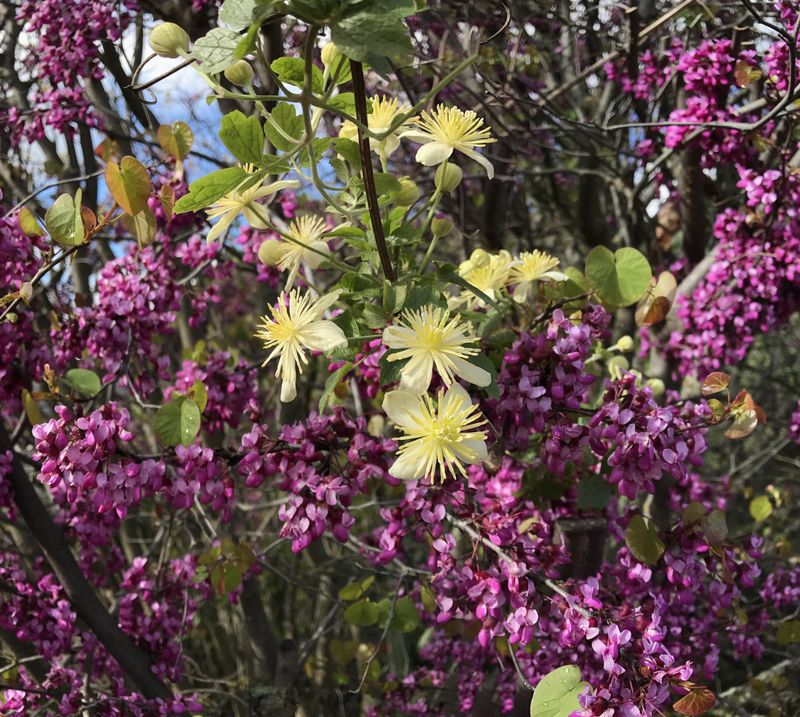
Not all clematis vines are showy, but Chaparral Clematis makes up for its modest flowers with incredible feathery seed heads that shimmer in the breeze. Native to the dry slopes and chaparral zones across our state, this plant knows how to handle heat and drought like a pro.
Clematis lasiantha blooms in late winter and early spring with clusters of small white flowers. After blooming, the fluffy silver seed plumes take over and last well into summer.
It’s a plant that offers something interesting in every season.
Because it’s a vigorous grower in good conditions, giving it plenty of space is non-negotiable. Plant it on a freestanding arbor or fence that sits at least eight feet from your home.
Never let it creep toward the eaves, since dry clematis stems can carry flame quickly.
Prune it back hard right after flowering ends in spring. This keeps the plant compact and reduces the amount of dry, woody material that builds up over summer.
Remove any withered stems at the base regularly throughout the year.
One fun fact about this plant is that native bees absolutely love the early spring blooms, often visiting before most other flowers have opened. It plays an important role in supporting early-season pollinators.
With smart placement and consistent pruning, Chaparral Clematis is a striking, fire-aware choice for dry gardens across our state.
5. Virgin’s Bower Climbs Lightly With Support
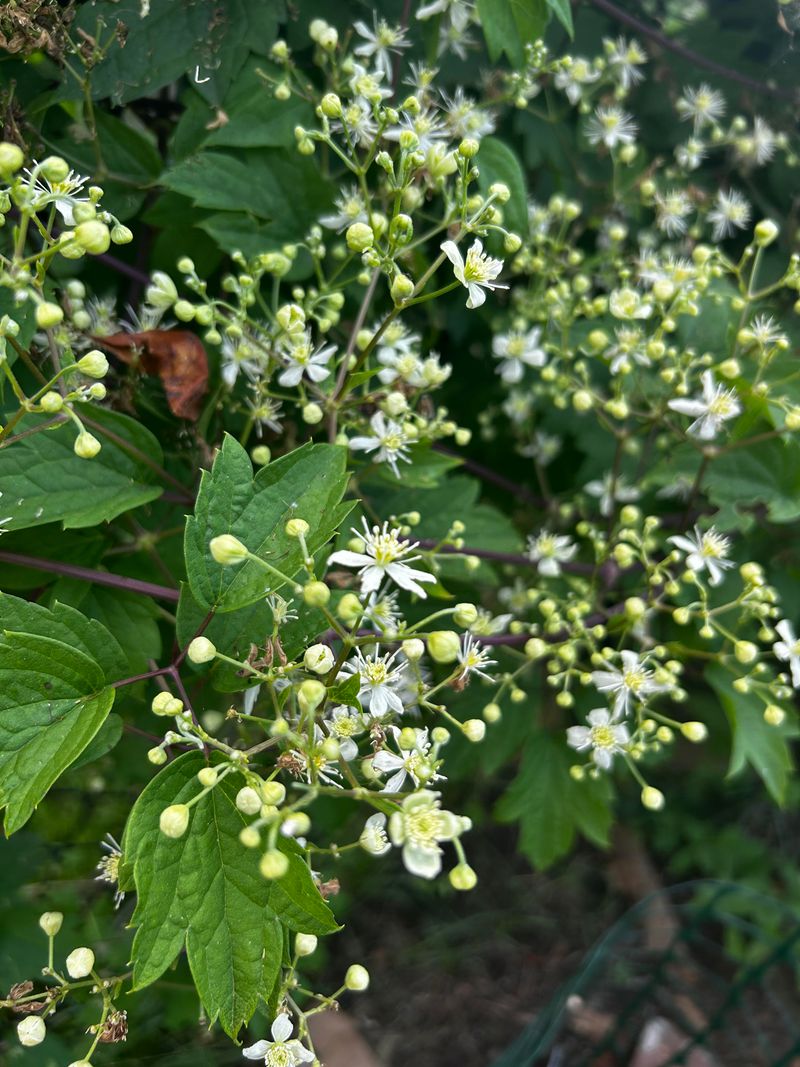
Virgin’s Bower has a name that sounds ancient, and in many ways it is. Clematis ligusticifolia has been winding its way through riparian woodlands and stream edges across western North America for centuries.
It’s a plant with real history rooted in the landscapes of our state.
Compared to Chaparral Clematis, Virgin’s Bower tends to grow in slightly moister areas, including stream banks and canyon bottoms. It produces masses of tiny white flowers in late summer, which is unusual since most native vines bloom in spring.
That late-season bloom is a valuable nectar source for pollinators.
The plant climbs by twisting its leaf stems around whatever support it finds. This means it doesn’t attach itself permanently to surfaces the way some vines do with sticky tendrils.
That actually makes it easier to redirect and retrain when needed.
Use a lightweight wire trellis or chain-link fence as its support. Keep it away from wood siding, overhangs, and roof edges at all times.
A gentle monthly check during the growing season lets you catch any wandering stems before they become a problem.
Pruning in late winter keeps the plant healthy and reduces fire load by removing old woody growth. Virgin’s Bower responds well to being cut back significantly without suffering.
Its light, airy growth habit makes it one of the easier native vines to manage safely in a home landscape with minimal effort.
6. California Pipevine Belongs On A Detached Arbor
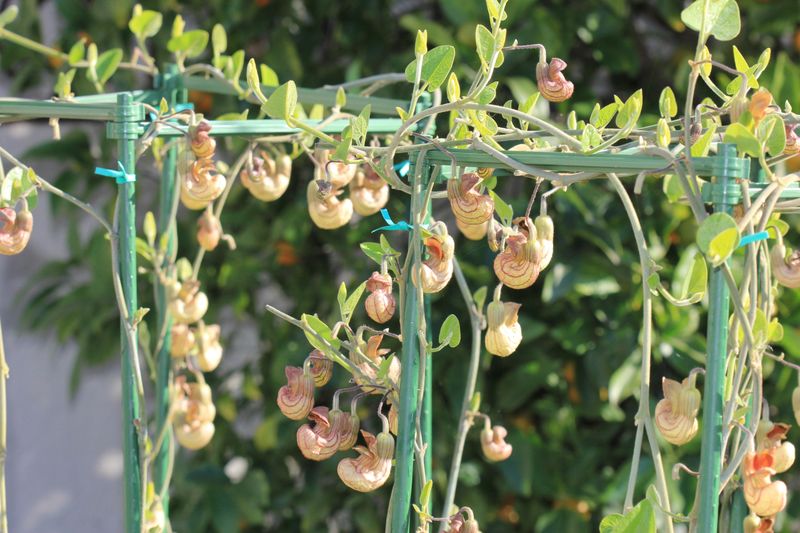
There’s nothing else in the plant world that looks quite like a California Pipevine flower. The blooms are small, curved, and shaped like little smoking pipes, which is exactly why the plant earned its quirky common name.
Aristolochia californica is native to the wooded foothills and stream sides of our state’s northern and central regions.
Beyond its unusual looks, this vine is famous for being the only host plant for the Pipevine Swallowtail butterfly. That stunning blue-black butterfly lays its eggs exclusively on this plant.
Growing it in your yard is like sending out a personal invitation to one of our state’s most beautiful insects.
Because it can grow quite dense and woody over time, placing it on a detached arbor or pergola is the smartest move. A structure that stands completely separate from your home eliminates the risk of the vine providing a fire pathway to your walls or roof.
Water it occasionally during the first two summers to help it establish. After that, it manages well on seasonal rainfall in most parts of our state.
Prune back any withered or crossing stems each winter to keep the structure open and reduce dry fuel.
Gardeners who plant it near a sitting area get to enjoy watching Pipevine Swallowtail caterpillars and butterflies up close throughout the warmer months. It’s a vine that earns its place in the garden with both beauty and serious ecological value.
7. Island Morning Glory Needs Careful Containment
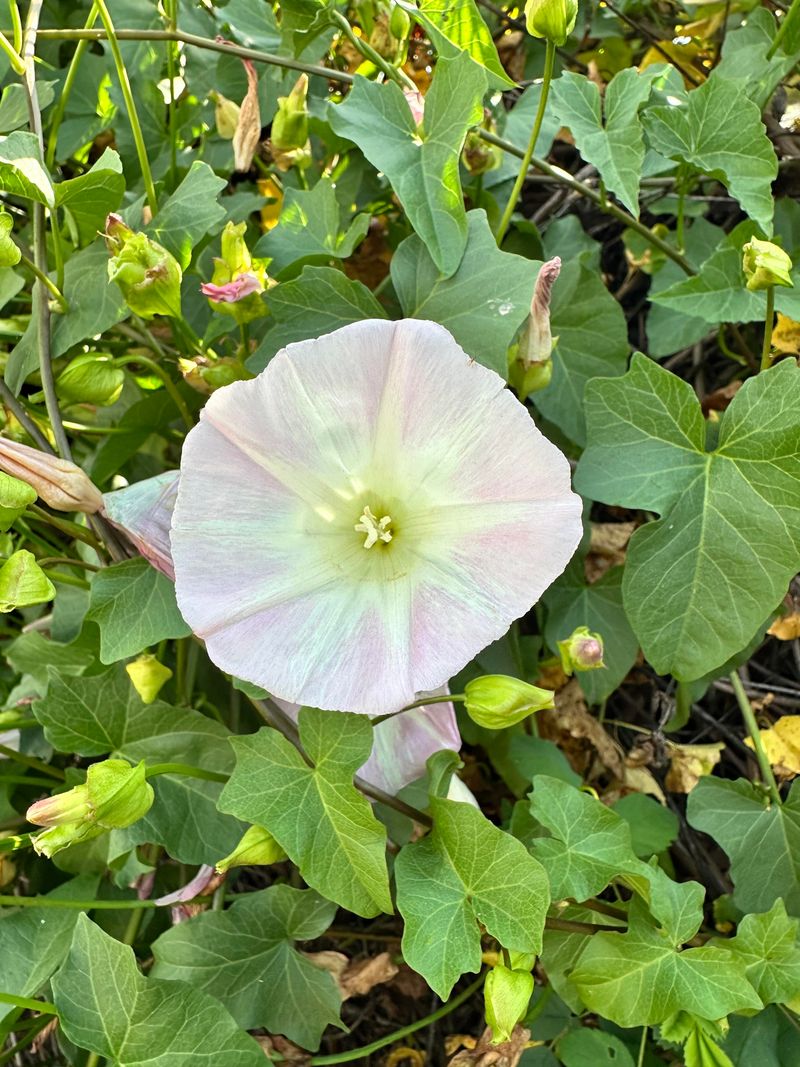
Anybody who has seen Island Morning Glory in full bloom understands why gardeners keep planting it despite its reputation for spreading. The large white trumpet-shaped flowers are breathtaking, especially in coastal gardens where the plant truly thrives.
Calystegia macrostegia is native to the Channel Islands and coastal bluffs of our state.
The word to keep in mind with this vine is containment. It spreads both by runners above ground and by underground rhizomes that can pop up far from the original plant.
Without regular attention, it can quickly cover fences, shrubs, and structures you never intended it to reach.
Plant it on a wire fence or metal trellis that stands away from your home. Check the base of the plant monthly for new underground shoots and remove them promptly.
A root barrier installed at planting time can help limit underground spread significantly.
Trim back long surface runners every four to six weeks during the growing season. This keeps the plant looking tidy and prevents it from reaching wood siding or eave overhangs.
Dry vines draped over combustible structures are a serious risk in fire-prone areas.
Despite needing attentive management, Island Morning Glory rewards careful gardeners with a long bloom season that runs from late winter through spring. Pollinators swarm the flowers on warm mornings.
For coastal homeowners who stay on top of trimming, it’s a dazzling native vine that adds dramatic beauty to any fire-smart landscape plan.
8. Canyon Grape Works Best On Fences Away From Homes
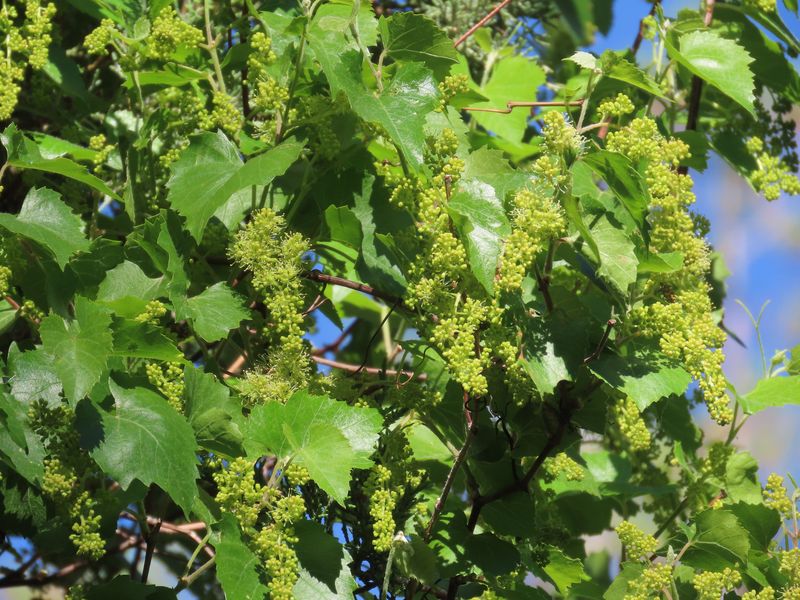
Out in the dry canyons and rocky washes of our state’s inland and southern regions, Canyon Grape has been finding its own way for thousands of years. Vitis arizonica is tougher than it looks, surviving on very little water and tolerating temperatures that would wilt most garden plants.
It’s a survivor with serious landscaping potential.
The fruit clusters are small and tart, but birds don’t mind one bit. Mockingbirds, thrashers, and several species of warblers descend on Canyon Grape in late summer and fall when the berries ripen.
Planting it means adding a natural bird feeder to your yard at no extra cost.
For fire safety, the absolute best location for this vine is a perimeter fence that sits well away from your home and any outbuildings. Wood fences are acceptable if you keep the vine trimmed back hard.
Metal or masonry fences are even better since they don’t add fuel to any potential fire.
Prune Canyon Grape in late winter while it’s still dormant. Remove at least one-third of the old canes each year to encourage fresh growth and reduce woody fuel buildup.
Clear away any fallen leaves and old fruit clusters from the base of the plant regularly.
In hotter inland valleys and desert-edge gardens, this vine handles summer heat without complaint. It’s a no-fuss plant for people who want wildlife value and visual interest without spending hours on irrigation or complicated care routines throughout the year.
9. Climbing Snapdragon Softens Trellises Without Heavy Wood
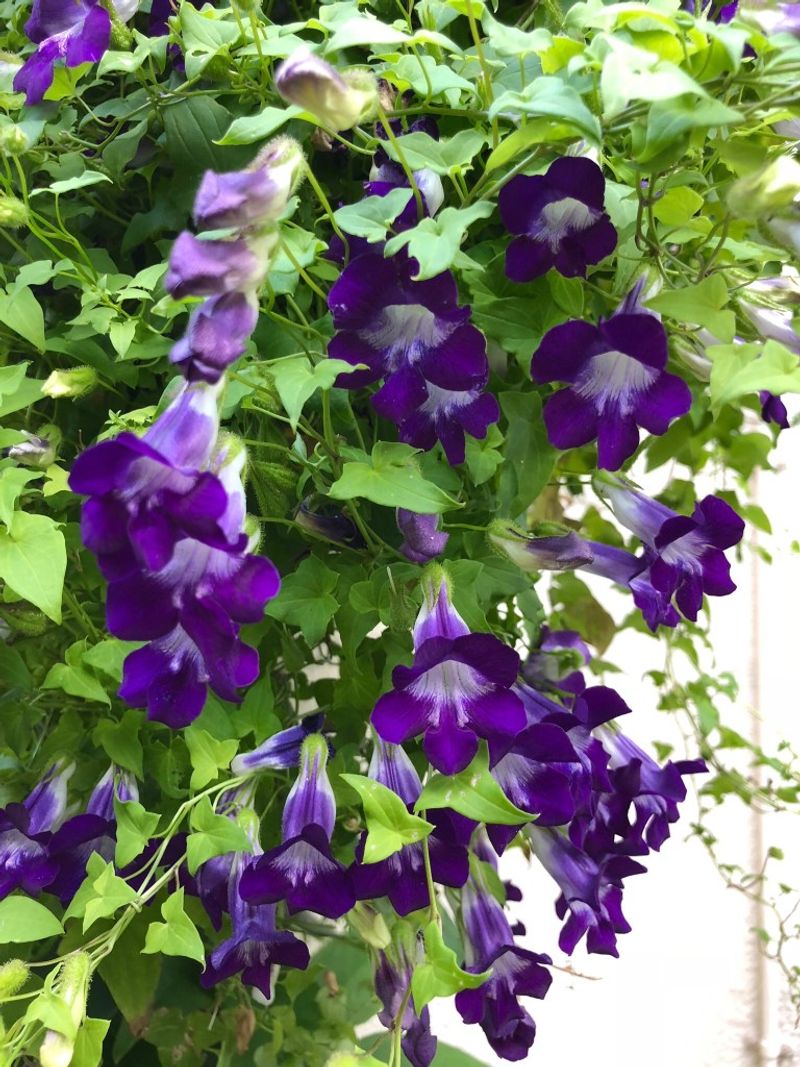
Delicate is not a word that usually gets paired with fire-smart gardening, but Climbing Snapdragon earns that description honestly. Maurandya antirrhiniflora is a slender, fine-textured native vine that produces tiny snapdragon-shaped flowers in shades of pink, purple, and lavender.
It’s charming without being overwhelming.
Unlike the heavier vines on this list, Climbing Snapdragon stays relatively lightweight and small. It rarely grows more than six feet long, which makes it one of the easiest native vines to manage around a home.
The thin stems and small leaves mean there’s far less dry material to worry about during fire season.
It grows best on a lightweight metal trellis, wire garden frame, or chain-link fence. Avoid attaching it to wood siding or wooden lattice panels directly on your home’s exterior.
Even small, lightweight vines can carry embers into gaps and crevices if they’re touching combustible surfaces.
Water it lightly but regularly during its first summer to help it get established. After that, it handles dry spells quite well on its own.
Trim back any damagedstems in late winter to keep it looking tidy and reduce fire fuel.
Hummingbirds are absolutely wild about the small tubular flowers and visit them repeatedly throughout the bloom season. It’s a vine that brings energy and movement to a garden without demanding much in return.
For small spaces, patios, or courtyard gardens, Climbing Snapdragon is a genuinely fire-aware and utterly charming choice.