What It Really Means When Birds Stop Visiting Your North Carolina Feeders In August
A sudden drop in bird activity at feeders often puzzles North Carolina gardeners, but this shift usually has a simple, natural explanation.
Late summer brings an abundance of natural food sources like seeds, berries, and insects, giving birds less reason to rely on feeders.
Many species also enter a molting phase in August, becoming quieter and less active as they conserve energy for growing new feathers.
Breeding season winding down means birds are less territorial and visible around consistent feeding spots.
Checking that feeders remain clean and filled helps rule out spoiled seed as a possible reason for reduced visits. Providing fresh water alongside feeders can help attract birds even when natural food is plentiful elsewhere.
This quiet period is usually temporary, with activity picking back up again as fall approaches. In most cases, fewer visits simply means birds have plenty of other options right now.
1. Natural Foods May Be More Abundant Than Feeder Seed
Picture your yard in August as a full buffet that nobody told you about. Across North Carolina, late summer quietly transforms the landscape into one of the richest natural dining experiences birds get all year.
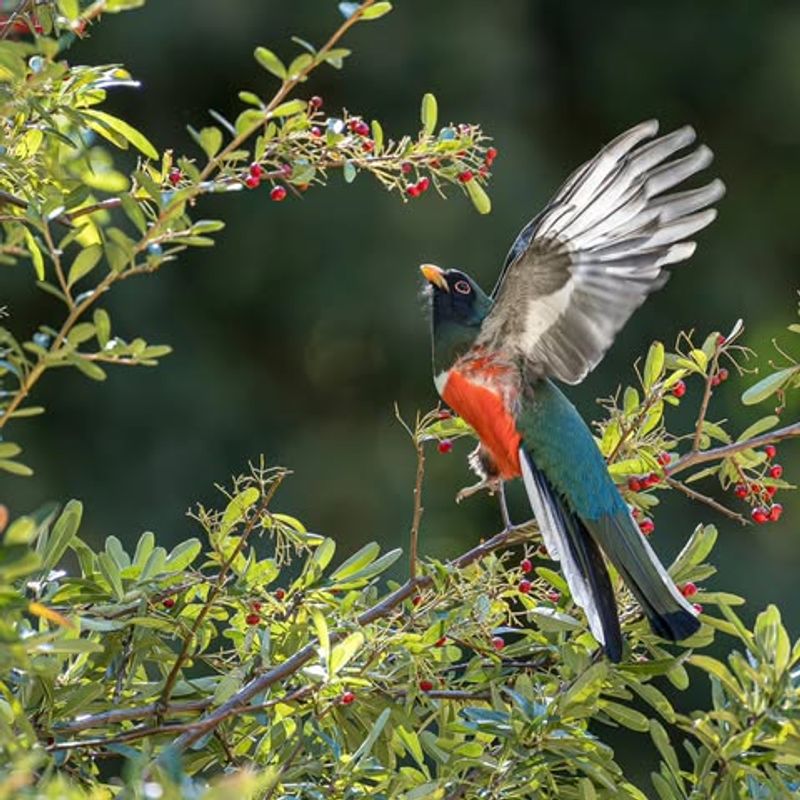
Insects are everywhere, native berries are ripening, wildflowers have gone to seed, and woodland edges are packed with food that birds instinctively prefer over processed feeder mix.
Weed seeds, ripe pokeweed berries, wild blueberries, and the seed heads of coneflowers and black-eyed Susans all become prime targets for songbirds during this season.
Birds spend their time foraging through shrubs, tall grasses, garden beds, and tree canopies rather than stopping at an open feeder.
The surrounding habitat is essentially doing your job for them, and doing it extremely well.
Reduced feeder visits in August often signal that your yard and neighborhood are ecologically healthy and full of seasonal food sources. This is genuinely good news.
Birds have not abandoned your space. They are simply making the most of what nature is serving up right now.
Planting native shrubs and flowers that produce late-summer fruit and seeds can actually make your yard even more appealing to birds year-round. Keeping a feeder stocked during this time still pays off, because some individuals will always stop by.
Patience and observation during these weeks will reward you with some surprisingly interesting sightings as birds move through the natural food chain happening right outside your window.
2. Birds May Be Molting And Staying Less Visible
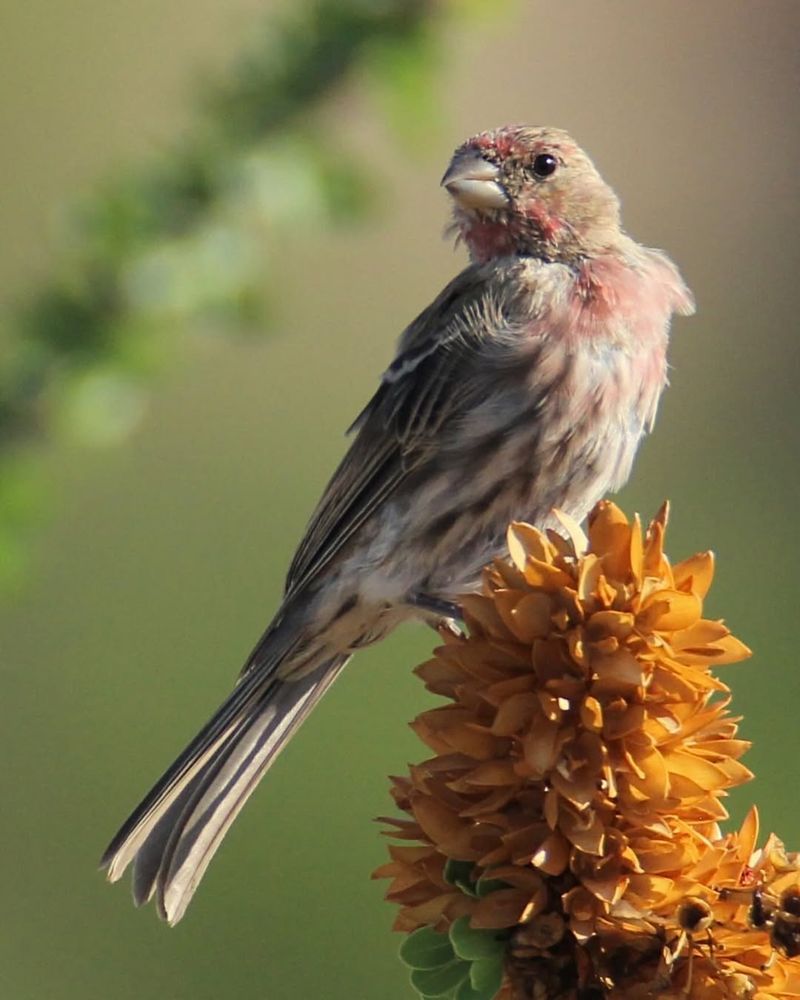
Ever notice how some birds in August look a little rough around the edges? That scruffy appearance is not an accident.
Late summer is molting season for most North American songbirds, and it is one of the most energy-draining processes a bird goes through all year. Replacing worn feathers after a busy nesting season takes serious physical effort.
During a molt, birds tend to stay quieter and move much more cautiously than usual.
Flying with incomplete or uneven feathers makes them slightly more vulnerable, so they instinctively tuck themselves deep into protective shrubs, thickets, and leafy vegetation where predators have a harder time spotting them.
Your North Carolina Garden Changes Every Week. Your Plan Should Too.
Gardening in North Carolina changes quickly throughout the season. Every Friday you’ll receive a simple weekly plan showing exactly what to plant, prune, fertilize, harvest, and protect so you never miss the right timing.
That dense hedge you planted along your fence? It might be sheltering several birds right now that you simply cannot see from the window.
North Carolina yards with plenty of native shrubs, tall ornamental grasses, and layered plantings give molting birds the safe retreat they need. Just because your feeder is quiet does not mean your yard is empty.
A bird going through a molt may visit feeders only briefly and during the calmest parts of the day. Watching patiently during early morning hours can reveal birds you would otherwise miss entirely.
Understanding molting helps you appreciate that August is actually a time when birds need your yard as a refuge more than ever, even if they are not showing up at the feeder in their usual numbers or with their usual boldness.
3. Nesting Activity May Be Winding Down
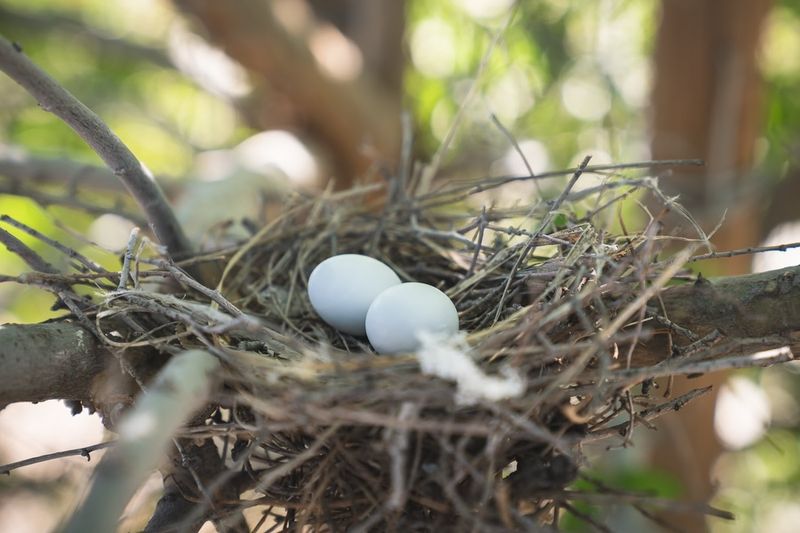
For weeks, your feeder might have been the most popular spot in the neighborhood. Adult birds were making constant trips, grabbing high-energy seed to fuel both themselves and their growing nestlings.
That kind of intense, regular feeder activity is directly tied to the demands of nesting season, and once those demands ease up, the pattern changes almost overnight.
By August in North Carolina, most resident songbirds have wrapped up their nesting duties.
Young birds that recently left the nest are now learning to find food on their own, exploring wider areas rather than staying close to the territory where they hatched.
Adult birds, freed from the exhausting work of raising young, begin foraging more independently and less predictably. The tight family routine that kept your feeder busy simply loosens up.
What this means for your feeder is that the crowd thins out, but the birds themselves are still around.
Fledglings are practicing their foraging skills across a broader range, which means they might show up at your feeder one afternoon and then disappear for several days.
Watching for these young birds is actually one of the most rewarding parts of late-summer birding. They often look slightly different from adults and behave with a curious, exploratory energy that is genuinely entertaining to observe.
Keeping your feeder clean and stocked during this transitional period means you stay on the radar of both experienced adults and newly independent young birds discovering your yard for the first time.
4. Seasonal Movement May Already Be Beginning
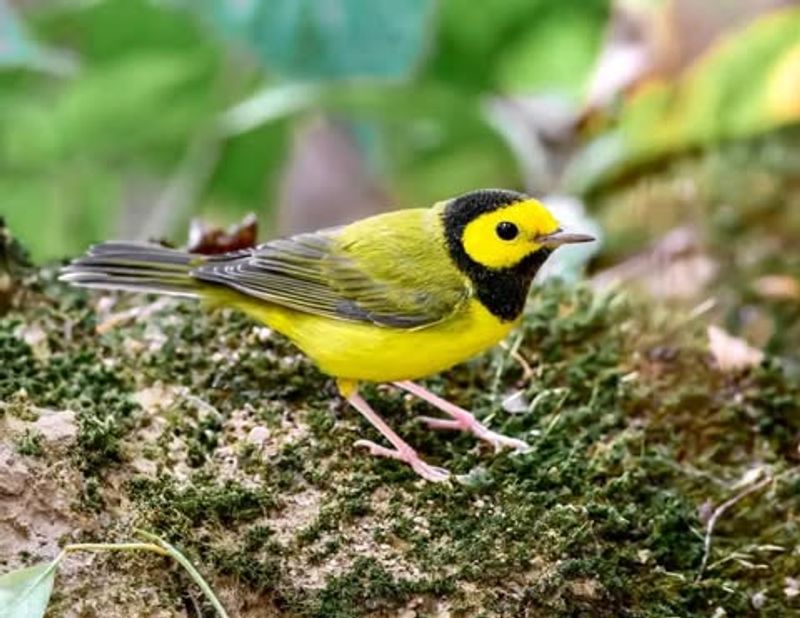
Most people think of fall migration as a September and October event, but for many species, the journey actually starts much earlier than that.
Some shorebirds begin moving south as early as late June, and by August, warblers, flycatchers, and other songbirds are already trickling through North Carolina on their way to wintering grounds.
The backyard can feel noticeably different during this shift. North Carolina sits right along the Atlantic Flyway, one of the major migration corridors in North America.
That geographic position means your yard can host a surprisingly rotating cast of visitors throughout late summer and early fall.
Species that nested farther north may pass through briefly, while your regular summer residents begin quietly drifting southward.
The mix of birds at your feeder or in your trees can change from week to week in ways that feel almost mysterious if you are not watching closely.
Leaving your feeder available during this period is genuinely worthwhile, even when it seems quiet. A migrating bird stopping to refuel in your yard is one of the most exciting things a backyard birder can witness.
Keeping a simple notebook or using a free birding app to track what you see during August can reveal patterns you never noticed before. Migration does not stop birds from needing food and water along the way.
Your yard, stocked with fresh seed, clean water, and native plantings, can serve as a reliable rest stop for travelers passing through the Carolina corridor.
5. August Heat May Change The Visiting Schedule
North Carolina summers are no joke. August temperatures regularly climb into the upper 90s, and the humidity can make even a short walk outside feel exhausting.
Birds feel that heat too, and they respond to it in ways that can make your feeder look completely abandoned even when the birds are still very much present in your yard.
During the hottest parts of the day, birds tend to rest quietly in shaded vegetation, conserving energy and staying cool.
Feeder activity often shifts to early morning, when temperatures are lower and birds are most active, and again in the late afternoon as the day begins to cool.
If you are only glancing at your feeder during midday, you might genuinely miss most of the action happening at dawn and dusk.
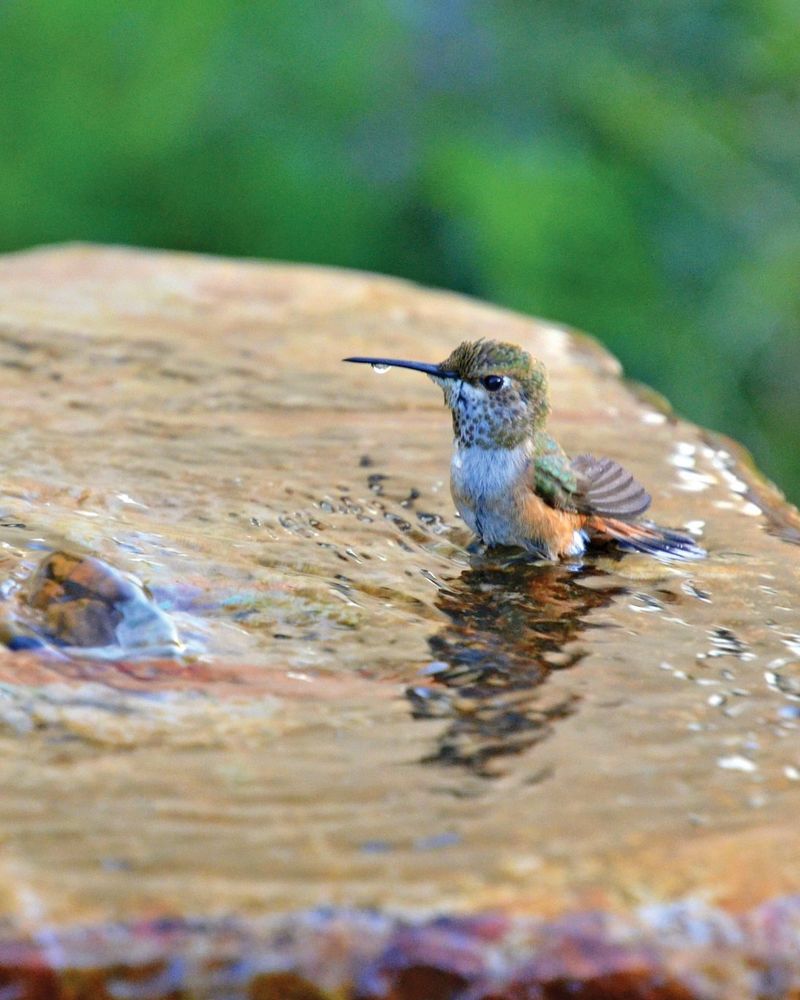
Fresh, clean water becomes even more important than seed during intense summer heat. A shallow bird bath placed in a shaded spot, refreshed daily to prevent stagnation, can attract more birds than any feeder during August.
Pair that with nearby shrubs or trees that offer shade and quick escape cover, and your yard becomes a genuinely comfortable destination.
Watching your feeder across several different times of day before drawing any conclusions about bird activity is always the smartest approach.
You might be surprised to discover that your yard is busier than you thought, just on a schedule that revolves around the thermometer rather than the clock on your wall.
6. Damp Or Stale Seed May Be Driving Birds Away
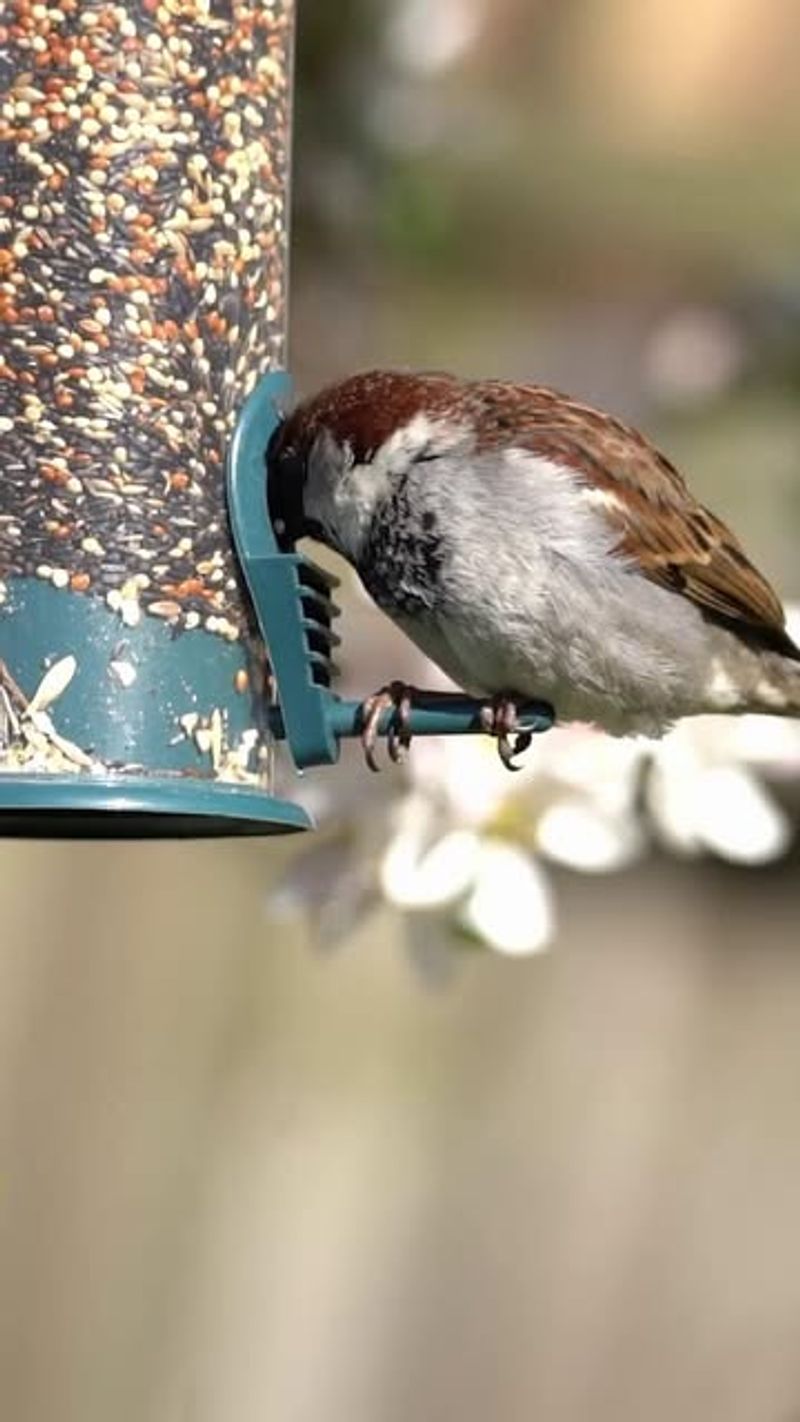
Here is something a lot of backyard birders do not think about until it becomes a real problem. A feeder that looks full is not always a feeder that birds want to visit.
North Carolina summers bring intense heat, high humidity, frequent afternoon thunderstorms, and plenty of moisture that can turn perfectly good seed into something birds will actively avoid.
When seed gets wet and stays wet, it clumps together, loses its natural oils, and can develop mold or bacteria surprisingly fast.
Birds have a strong instinct to reject compromised food sources, which means a feeder packed with damp or stale seed will simply be skipped over.
You might refill the feeder and wonder why nothing is visiting, not realizing the problem is the quality of what is inside rather than the quantity.
The fix is straightforward but requires some regular effort during summer months. Remove old or clumped seed completely rather than topping it off.
Wash the feeder with a mild soap and water solution, rinse it thoroughly, and let it dry fully before adding fresh seed. Check that drainage holes at the bottom of the feeder are clear and functioning.
Refilling with smaller amounts more frequently keeps the seed fresher and reduces waste. High-quality seed mixes that include black-oil sunflower seed, safflower, and nyjer tend to hold up better than cheap filler-heavy blends.
A clean feeder with fresh seed sends a clear, welcoming signal that birds respond to quickly and reliably.
7. Hummingbird Nectar May Be Spoiling Too Quickly
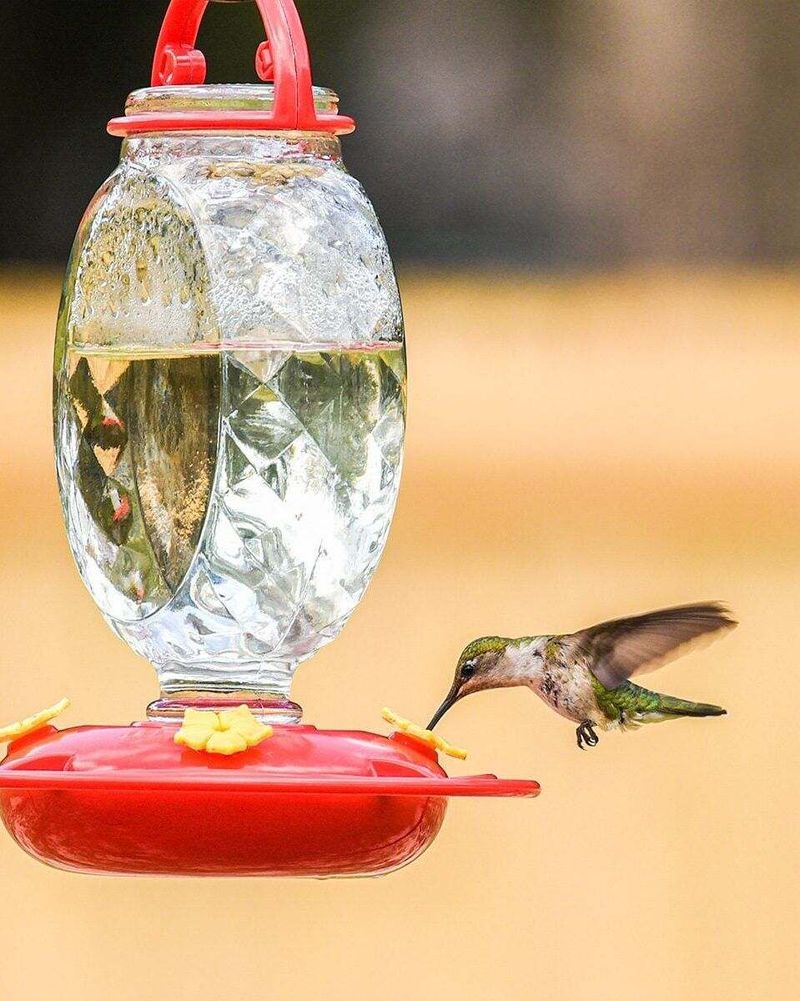
Ruby-throated Hummingbirds are one of the most beloved summer visitors in North Carolina, and watching them zip around the yard never gets old. But if your hummingbird feeder goes quiet in August, the nectar itself might be the reason.
Sugar water ferments much faster than most people realize, especially during the brutal heat of a Carolina summer.
Nectar that has turned cloudy, developed a sour smell, or attracted insects is nectar that hummingbirds will refuse. Fermented sugar water can actually be harmful to them, and these tiny birds are surprisingly good at detecting when something is off.
A feeder that looked fine yesterday morning might already be past its prime by afternoon if temperatures are extremely high. During the hottest weeks of August, nectar should be replaced every one to two days without exception.
Cleaning the feeder each time you refill it is just as important as the nectar itself. Rinse it with hot water, scrub any residue from the ports and reservoir, and allow it to dry briefly before refilling.
The correct nectar recipe is simple: one part plain white granulated sugar dissolved in four parts water, cooled before filling the feeder. Skip the red food coloring entirely, as it offers no benefit and may cause harm over time.
Keeping a second feeder on hand makes the rotation easier. With fresh nectar and a clean feeder, hummingbirds will return quickly and reliably throughout the rest of the season.
8. A Predator May Be Making The Feeder Feel Unsafe
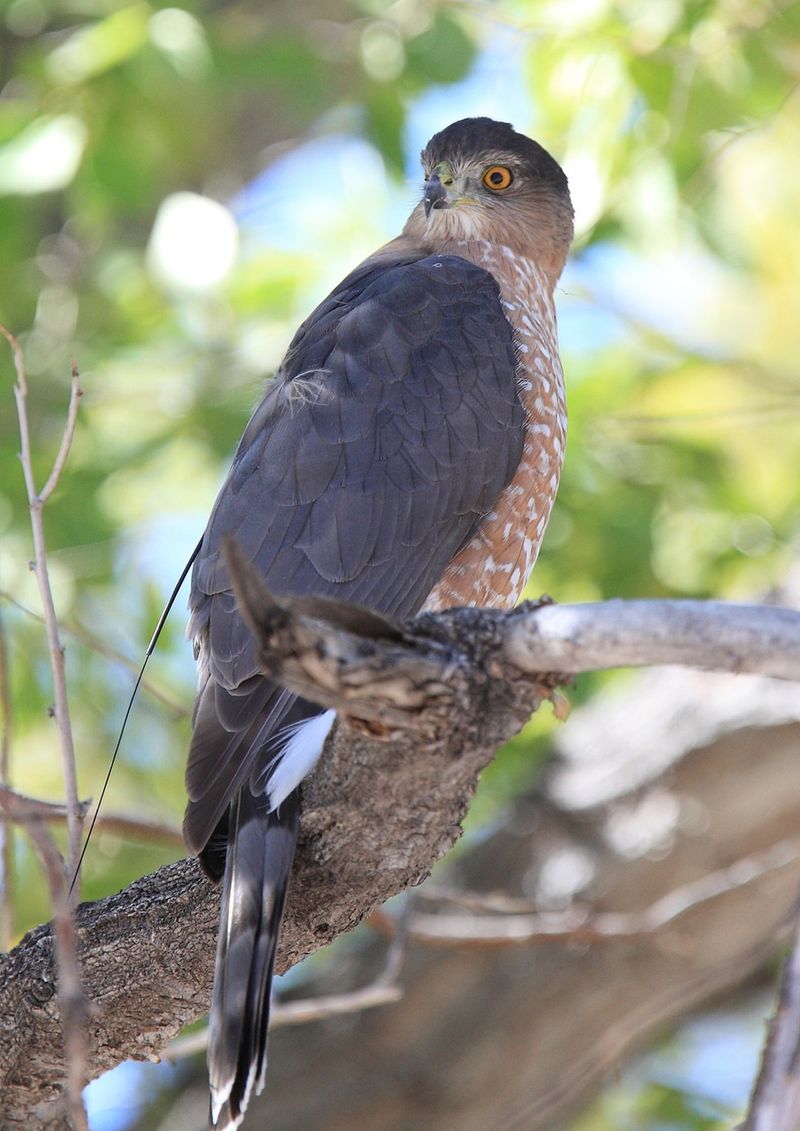
Sometimes the quietest feeders tell the most dramatic stories. If birds that were visiting regularly suddenly stop appearing, and you notice no obvious issue with the seed or feeder itself, a predator may have discovered your yard.
Hawks, in particular, are smart and persistent hunters that quickly learn where reliable prey gathers.
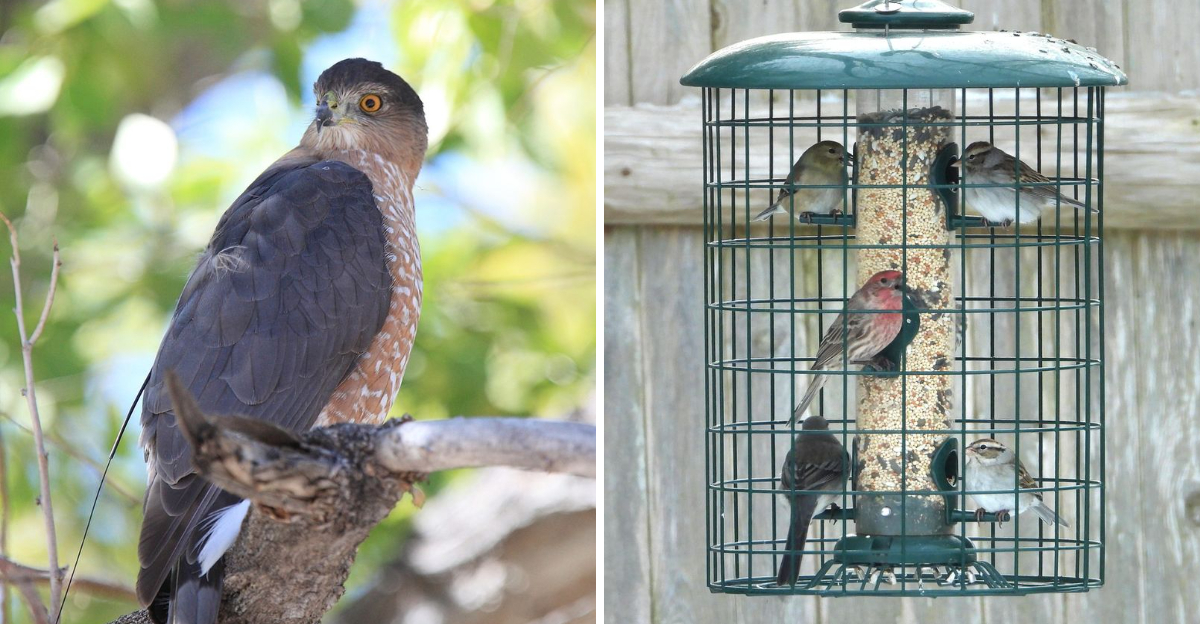
Cooper’s Hawks and Sharp-shinned Hawks are both present in North Carolina and are well-known for staking out bird feeders as hunting grounds.
A single hawk visit can scatter every bird in the area instantly, and repeated visits can teach feeder birds to avoid the location entirely for days at a time.
Outdoor cats are another serious concern, especially when they crouch beneath or near feeders where birds land on the ground to pick up dropped seed.
Providing dense shrubs or native hedging within a few feet of your feeder gives small birds a fast escape route while still keeping the feeding area visible and accessible.
Moving the feeder slightly, adding more layered planting nearby, or temporarily closing it for a week can break the predator’s established hunting pattern.
Keeping cats indoors is genuinely one of the most effective things you can do for backyard birds year-round. Once the predator pressure eases, birds typically return to a familiar, well-stocked feeder within days.
Watching the surrounding trees and fences during quiet feeder periods often reveals the visitor that has been keeping everyone else away.
9. Larger Visitors May Be Controlling The Feeding Area
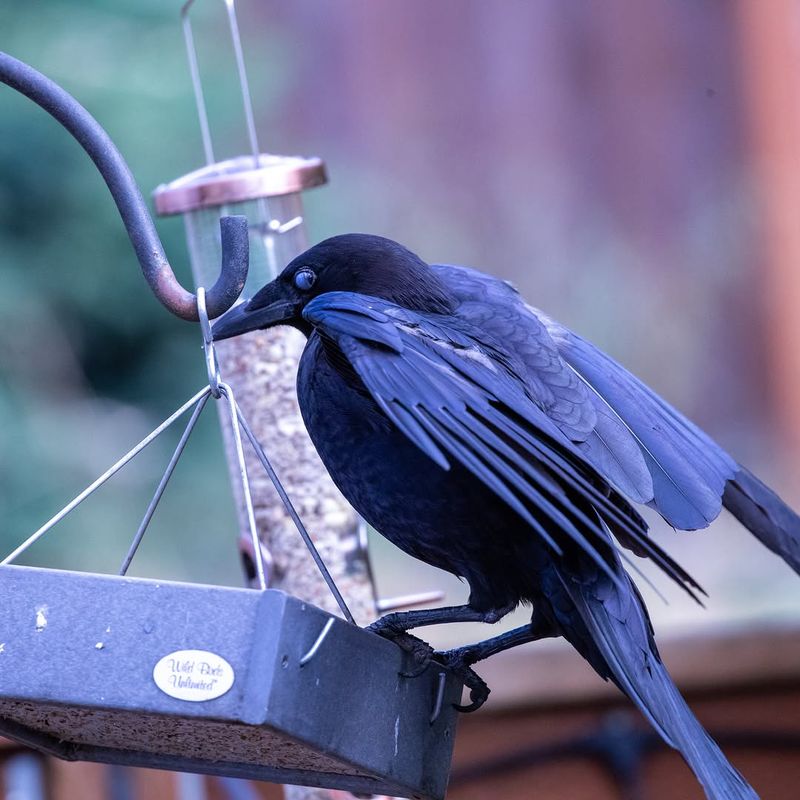
Not every feeder problem comes from something lurking in the trees. Sometimes the trouble is happening right at the feeder itself, and smaller birds are simply getting pushed out by bigger, bolder visitors.
Squirrels, Common Grackles, European Starlings, and Blue Jays can be wonderfully entertaining to watch, but they can also dominate a feeding station in ways that discourage the smaller species you were hoping to attract.
Squirrels are particularly persistent. They can empty a standard feeder in hours and physically block smaller birds from landing.
Grackles tend to arrive in groups and consume seed rapidly while behaving aggressively toward other birds.
When this kind of crowding becomes routine, smaller songbirds learn to avoid the area altogether and find quieter feeding spots elsewhere in the neighborhood.
A few practical adjustments can shift the balance significantly. Weight-sensitive feeders that close under the heavier load of squirrels work well for protecting sunflower seed.
Tube feeders with shorter perches are harder for large-bodied birds to use comfortably. Offering safflower seed instead of sunflower can reduce grackle and squirrel interest, since most of them find it less appealing.
Cleaning up spilled seed from the ground regularly removes the easy pickings that attract opportunistic feeders. Adding a second or third feeding station in different parts of the yard spreads activity out and reduces competition.
Observing your feeder closely for a few days before making changes will help you identify exactly which visitors are running the show.
10. Your Feeder May No Longer Match The Birds Nearby
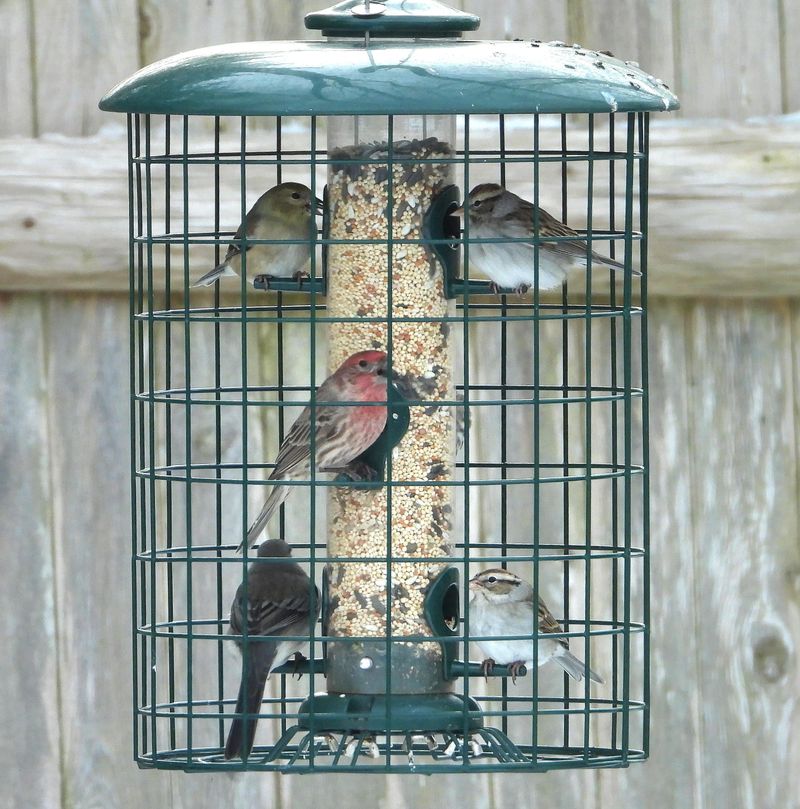
Think of your feeder like a restaurant menu. If the menu only offers one dish and the customers have moved on to craving something completely different, the place is going to look empty no matter how well-stocked it appears.
August in North Carolina brings a shift in the local bird community, and the species mix changes enough that a feeder setup which worked perfectly in May might not appeal to the birds currently using your yard.
Different birds have genuinely different preferences. American Goldfinches favor nyjer seed in tube feeders.
Carolina Wrens and Eastern Towhees prefer foraging on the ground for millet or cracked corn. Catbirds and thrashers are far more interested in fruit, berries, or mealworms than in any seed mix.
Hummingbirds, of course, need nectar and also catch tiny insects for protein. A single platform feeder filled with a generic seed blend will not serve all of these birds equally well.
Before swapping out your feeder or changing your food entirely, spend a few mornings simply watching and identifying the birds that are actually moving through your yard right now.
A free birding app like Merlin can help with identification and will even tell you which species are expected in your area during August.
Once you know who your current audience is, matching the food and feeder style to those specific birds becomes much more straightforward.
Small adjustments, like adding a ground tray, switching to sunflower hearts, or hanging a fresh fruit skewer, can bring noticeably more activity within just a few days.