These Yard Habits Make Yellowjacket Season Worse In California
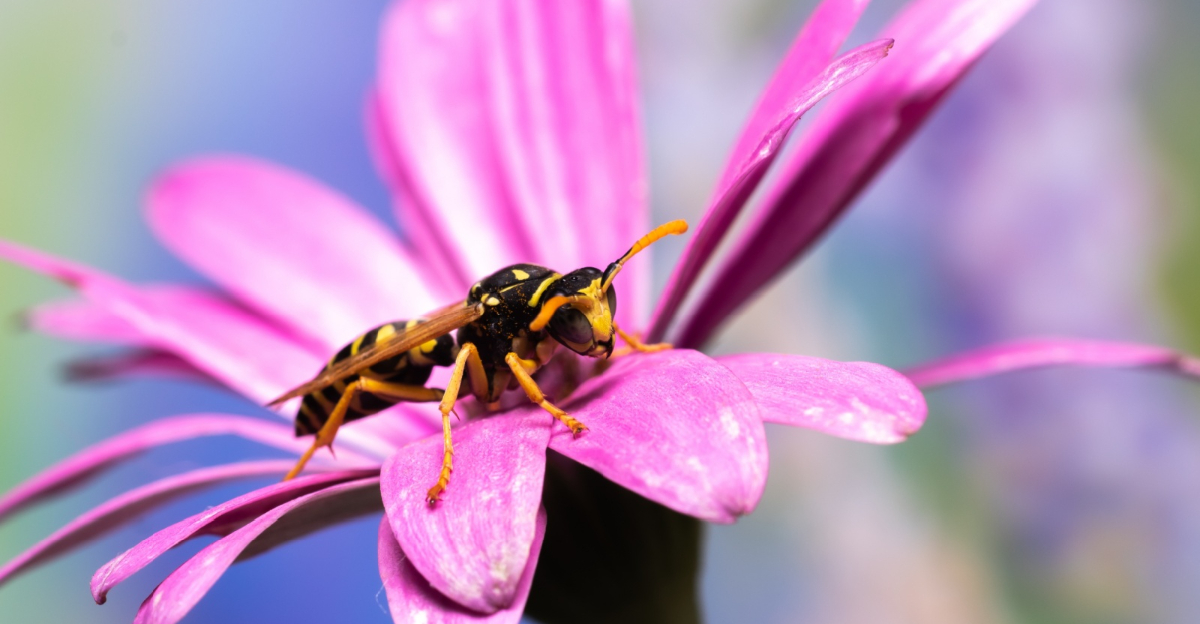
Buzzing visitors are already circling your California backyard right now. Nobody warned you how easily they slip past your defenses.
Your daily choices might be quietly inviting them closer than you think. Small details you overlook outside could be sending clear signals outward.
Certain habits quietly announce themselves to every passing yellowjacket scout. Patio corners, porch railings, yard edges, all become targets fast.
California summers only sharpen their curiosity and their persistence. Silence outside doesn’t mean safety, it means they’re watching closely.
Every unnoticed detail out there works quietly against you. Nothing about this stays accidental once you understand the pattern.
Few homeowners realize how much power they’ve already handed away. Signals surround you everywhere, waiting patiently to be recognized.
Trouble rarely announces itself with obvious noise beforehand. Instinct alone won’t protect your outdoor space anymore either.
Answers exist, but only if you keep looking closely. What’s drawing them in will surprise you completely.
1. Leaving Pet Food Bowls Outside All Day
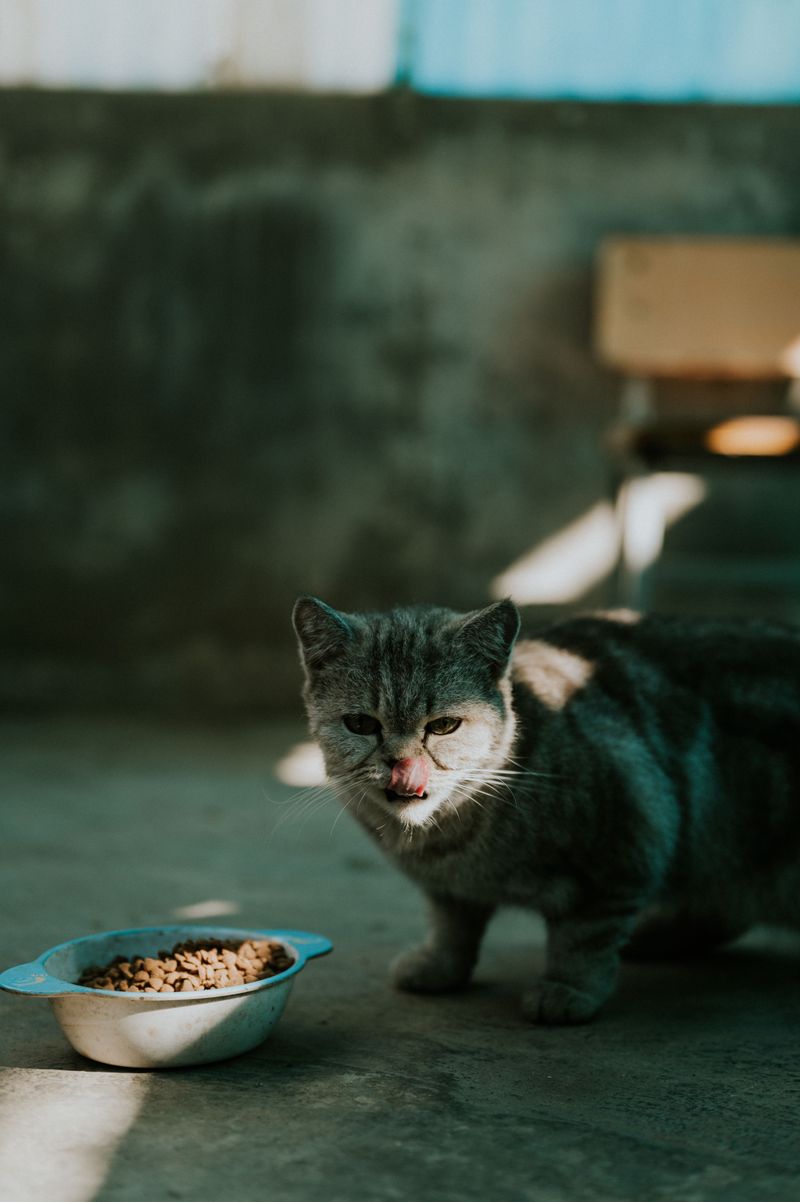
Your dog’s leftover kibble can strongly attract yellowjackets. Protein-rich pet food ranks among their favorite targets around your yard.
This pull gets stronger during late summer, when colonies grow fast and hungry. Yellowjackets are not picky eaters by any stretch.
They chase meat, fish, and anything carrying a strong savory scent. Wet pet food becomes especially risky to leave sitting outside.
That smell travels farther than most people realize, pulling scouts in quickly. Once a scout finds your bowl, it flies straight back to the nest.
It recruits workers along the way, and they follow fast. Before long, several wasps return to your patio during every feeding time.
What started as one bowl becomes a recurring problem you didn’t ask for. The fix costs you almost nothing and takes seconds to apply.
Bring the bowl inside the moment your pet finishes eating. Rinse it clean before setting it back outside again.
If your pet grazes throughout the day, switch to a covered slow-feeder bowl instead. Many models include lids built specifically to block scent from spreading.
Feeding pets indoors during peak season also cuts down exposure significantly. That stretch generally falls between July and October, though timing can shift depending on your specific region and climate within California.
Changing this one habit now spares you countless buzzing standoffs later. Small adjustments like this add up fast when yellowjackets are involved nearby.
2. Skipping Regular Trash Can Cleaning
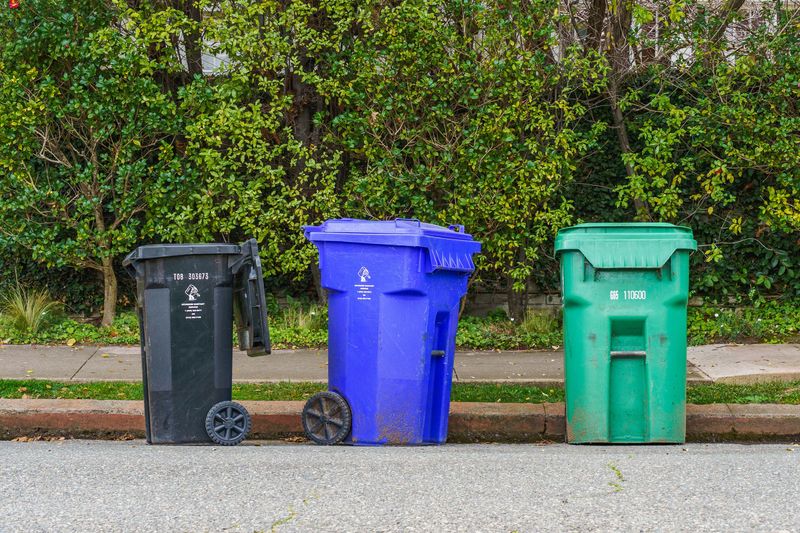
Sticky soda residue, greasy wrappers, and leftover scraps make your trash can highly attractive to yellowjackets. Even after the bag disappears, those smells cling stubbornly to the inside walls.
Most homeowners never think to clean their outdoor bins at all. That invisible layer of grime keeps broadcasting a signal to every passing wasp.
Yellowjackets carry an impressive sense of smell, far sharper than most people assume. They detect food odors from surprisingly long distances away.
A dirty can near your fence line can pull them in from neighboring yards entirely. Cleaning your trash cans every two weeks makes a real difference fast.
Your California Garden Changes Every Week. Your Plan Should Too.
Gardening in California changes quickly throughout the season. Every Friday you’ll receive a simple weekly plan showing exactly what to plant, prune, fertilize, harvest, and protect so you never miss the right timing.
Use hot water, dish soap, and a long-handled scrub brush for stubborn corners. Residue likes to hide there, so scrub thoroughly and don’t rush the job.
After scrubbing, rinse everything and let the can air dry completely before adding a new bag. A damp environment invites other insects too, so drying matters more than people realize.
Some homeowners spray a diluted peppermint oil solution afterward as an extra deterrent, though its effectiveness isn’t strongly backed by research. It’s a low-cost option worth trying alongside the cleaning routine, not a replacement for it.
Keeping your bins fresh stands out as one of the easiest ways to cut yellowjacket pressure around your home. Small habits like this stop problems before they start circling your patio.
3. Letting Fallen Fruit Rot Under Trees
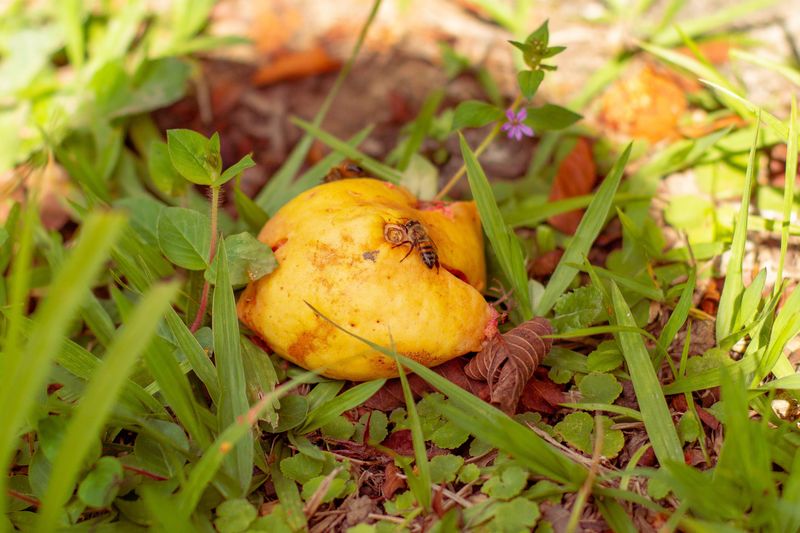
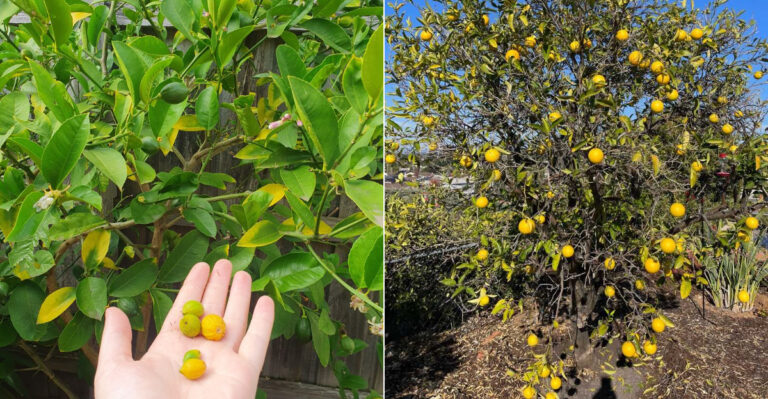
A peach tree in full bloom looks stunning, but fallen fruit tells a different story. Rotting fruit on the ground releases sugary, alcoholic vapors wasps find irresistible.
California homeowners with citrus, apple, plum, or fig trees face this every season. Warmer weather speeds up decay, and scouts show up faster because of it.
Fermented fruit becomes especially attractive as sugars break down into alcohol compounds wasps find hard to resist. Yellowjackets get a quick energy hit from it, pulling the whole colony back repeatedly.
Your yard turns into a reliable stop on their daily route. Picking up fallen fruit every day or two remains the most effective solution available.
It takes only minutes and removes the source before it draws real attention. If a heavy drop season overwhelms you, lay a tarp under the tree instead.
Roll it up afterward for quick, mess-free disposal without extra effort. Compost the fruit in a sealed bin rather than tossing it into an open pile.
Open piles keep releasing that scent for days, extending the invitation further. Avoid leaving collected fruit sitting in an open bucket near the tree.
Even a short window gives scouts enough time to find and mark it. Once marked, that spot stays on their radar for the rest of the season.
Staying consistent with cleanup makes your yard far less interesting to yellowjackets overall. Small routines like this quietly shut the door before trouble ever arrives.
4. Ignoring Small Holes Or Burrows In The Lawn
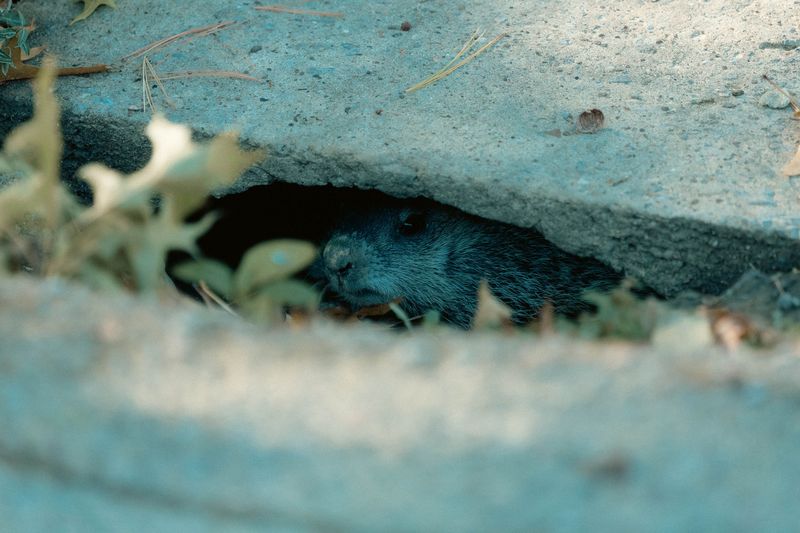
That small hole near your garden bed might look harmless, but it could be the front door to a yellowjacket nest. Ground-nesting yellowjackets are common in California and love to set up colonies in abandoned rodent burrows.
Unlike paper wasps that build visible nests in eaves, ground-nesting species stay hidden until you accidentally step near their entrance. That surprise encounter usually ends with multiple stings very quickly.
A colony can grow to several thousand workers by late summer. What starts as a tiny hole in spring becomes a serious problem by August if left alone.
Check your lawn regularly for small round holes, especially in dry, sunny areas near garden borders or under shrubs. Ground nests are often found in spots with loose or sandy soil.
If you spot a suspicious hole, watch it from a safe distance for a few minutes. Yellowjackets will fly in and out in a consistent, purposeful pattern that is easy to recognize once you know what to look for.
Do not attempt to seal an active nest yourself without professional help. Blocking the entrance can agitate the colony and cause them to chew a new exit through your lawn or even into your home’s foundation.
Catching a new nest early gives you the best chance of safe removal before the population grows out of control.
5. Ferrying Sugary Drinks And Soda Cans Outdoors Uncovered
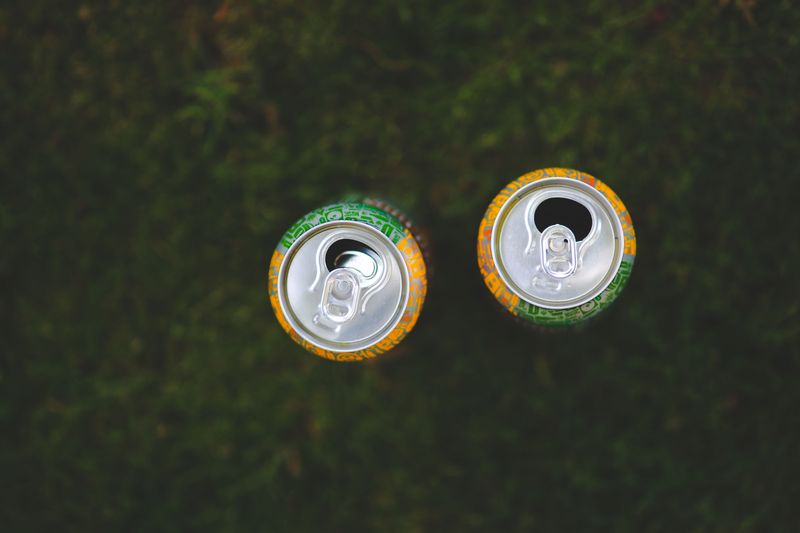
Nothing invites yellowjackets to your outdoor gathering faster than an open can of soda. The sweet carbonated liquid is one of their top food sources during warm months, and they will crawl right inside a can without hesitation.
This isn’t just annoying. It can also pose a real safety risk. Some people get stung on the lip or inside the mouth after unknowingly sipping from a can that a wasp crawled into.
Yellowjackets are also attracted to juice boxes, sports drinks, lemonade, and anything with added sugar. Even a few drops spilled on a table can bring them circling within minutes.
The smartest habit is to use covered cups or bottles with lids whenever you eat or drink outside. Reusable insulated cups with sealed lids keep your drink safe and block the scent from escaping into the air.
If you are hosting a backyard event, skip the open punch bowls or at least set them up far from the seating area. Keeping food and drinks covered between servings cuts down on wasp traffic significantly.
Wipe down tables and chairs after eating to remove sticky residue from spills. Yellowjackets are persistent, and even a small sugary smear on a chair arm is enough to bring them back the next day.
A little cleanup goes a long way toward a sting-free afternoon outside.
6. Ignoring Gaps Or Cracks In Siding And Eaves
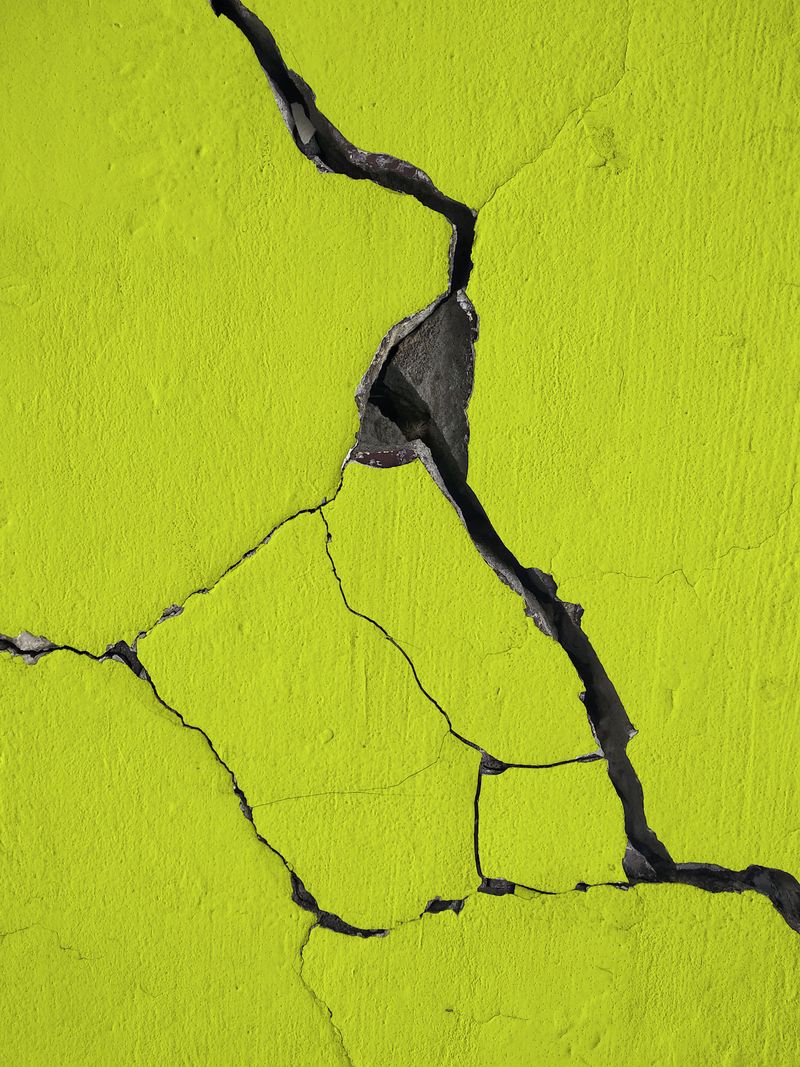
Your house might be offering yellowjackets an ideal nesting spot without you realizing it. Small gaps in siding, cracks near window frames, and open spaces under eaves are all prime real estate for a growing colony.
Yellowjackets are skilled at squeezing through tiny openings. Even a small crack can be wide enough for them to establish a full nest inside your wall cavity.
Wall nests are especially tricky because you often cannot see the activity until the colony is massive. By then, the nest may have expanded through insulation and into multiple wall sections.
Walk around the outside of your home each spring and look for any gaps, loose boards, or deteriorating caulk. Pay close attention to areas where different building materials meet, like where wood siding meets stucco or brick.
Seal any openings you find with exterior-grade caulk or foam sealant rated for outdoor use. This kind of inspection is quick and can prevent a serious infestation from developing inside your walls.
If you notice yellowjackets entering and exiting a specific spot on your home’s exterior, do not seal it while they are active inside.
Trapping an active colony can force them to chew through drywall into your living space. Call a licensed pest control professional to handle an established wall nest safely.
7. Keeping Compost Bins Uncovered Near The House
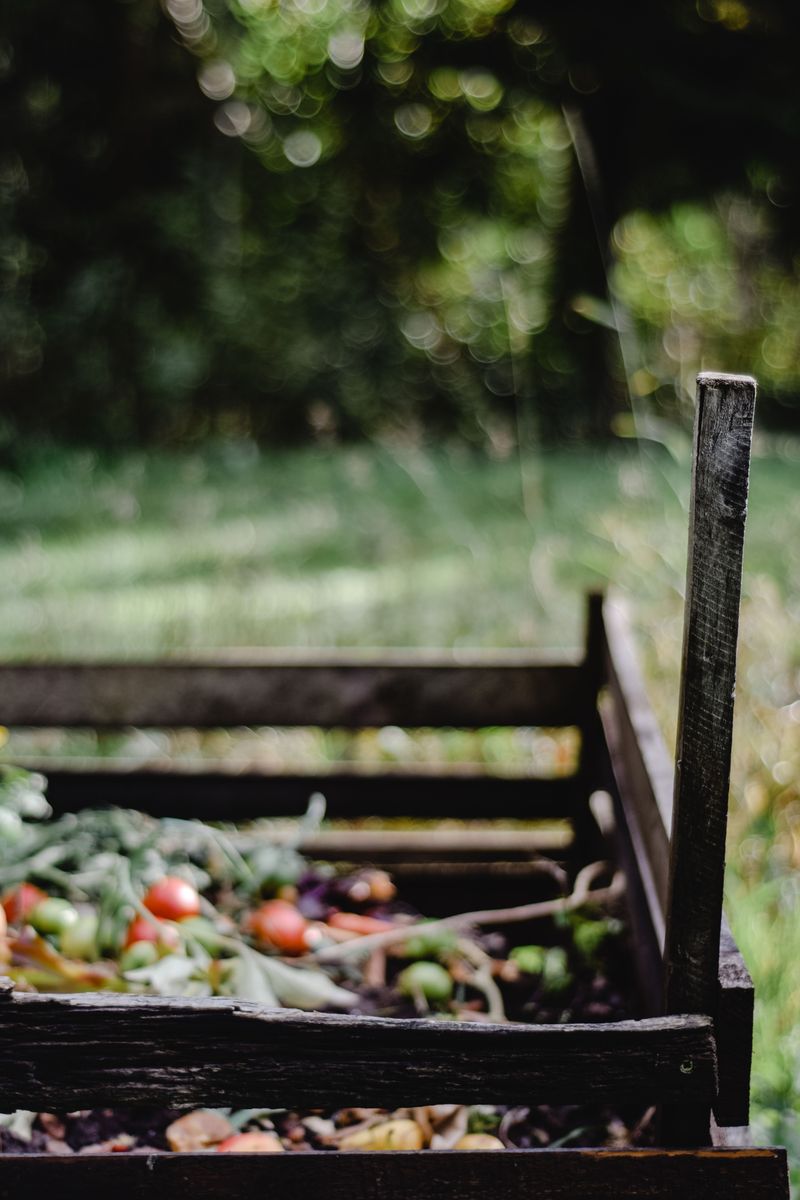
Composting is great for your garden, but an uncovered bin placed close to the house can strongly attract yellowjackets. Food scraps, fruit peels, and fermented vegetable matter are exactly what these wasps seek out during foraging trips.
The smell of decomposing organic material travels far on a warm California afternoon. Scouts pick up on it quickly, and once they find a reliable food source, they return again and again.
An active compost pile that gets turned regularly is less appealing because the disruption discourages nesting. But a static, uncovered bin left alone for weeks is a different story entirely.
Switch to a compost bin with a secure, tight-fitting lid to block both scent and access. Tumblers are an excellent option because they seal completely and make turning the material easier at the same time.
Move the bin as far from your main outdoor living area as your yard allows. Distance matters because it shifts wasp activity away from where you spend time relaxing or entertaining guests.
Avoid adding meat, fish, dairy, or cooked food to your compost, as these materials attract wasps faster than fruit and vegetable scraps. Burying fresh additions under a layer of dry leaves or cardboard also helps suppress odors.
Making these adjustments keeps your composting routine eco-friendly and your backyard far less attractive to yellowjackets.
8. Watering Plants With Overly Sweet Fertilizer Runoff
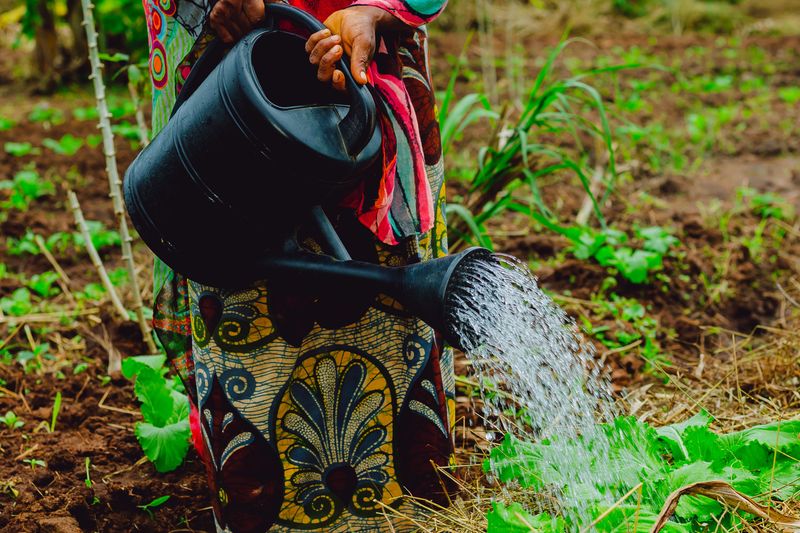
Liquid fertilizers that contain sugars or molasses are popular with organic gardeners, but they come with an unexpected side effect. The sweet runoff that collects on soil surfaces and garden paths can strongly attract yellowjackets.
When you water after applying these fertilizers, the sugary liquid seeps out and pools in low spots. Yellowjackets can be drawn to the sugar in that runoff much like they are to soda or juice.
This habit can also create a moisture-rich environment near your foundation, which is another condition that wasps and other insects find appealing. Combining sugar and moisture makes the area significantly more attractive to wasps.
Check the ingredient list on your fertilizer products and look for added sugars, molasses, or corn syrup. These are common in some organic blends and can be swapped for sugar-free alternatives that still deliver excellent nutrients.
Water your garden in the morning so the soil dries out more quickly during the day. Midday and evening watering leaves moisture sitting longer, which extends the window of attractiveness for foraging yellowjackets.
Rinse garden paths and patio surfaces after fertilizing to wash away any residue before it dries and concentrates. Staying aware of what goes into your soil is a smart move for both plant health and pest control.
Reducing sweet runoff is one of the less obvious but effective ways to make your California backyard less attractive to yellowjackets.