The Simple Two-Step Fire Ant Method Experts Recommend For North Carolina Yards This Fall
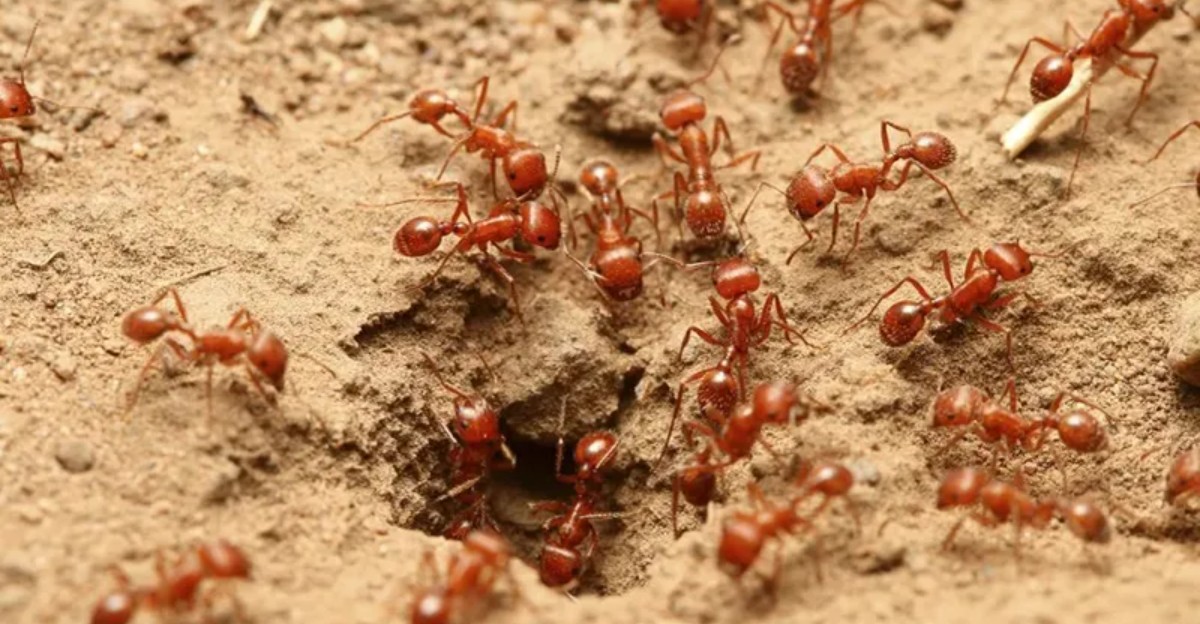
Fighting fire ants one mound at a time is exhausting. New ones appear as fast as you treat the old ones. That is why experts suggest a two-step plan.
First, you spread a bait across the whole yard. Worker ants carry it back to the colony and share it, which reaches queens you will never see. Second, you treat the mounds that bother you most, such as ones near play areas or walkways.
Together, the steps work faster and last longer than either one alone. October helps because ants are still busy foraging, and the weather is mild.
Dry bait works best on a dry day. A little planning turns a messy, endless chore into a method that gets real results.
1. The Method Combines Broad And Targeted Treatment
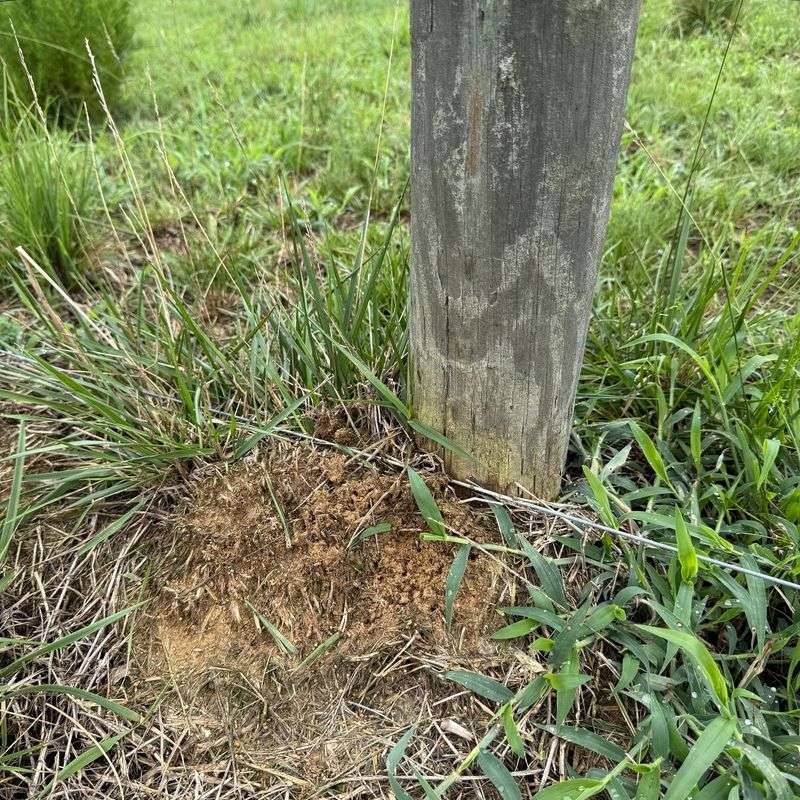
Chasing fire ant mounds one by one can feel like a game of whack-a-mole that never ends. You treat a mound by the mailbox, and two more show up near the porch a week later.
Experts at NC State Extension and other universities suggest a smarter plan called the two-step method.
The idea is simple. First, you spread a slow-acting bait across the whole yard so worker ants from many colonies can find it, even colonies you cannot see yet.
Second, you treat only the individual mounds in busy spots where people need faster relief, like walkways or play areas.
Why does mixing broad and targeted treatment work so well? The bait handles the big picture by reaching hidden colonies, while the mound treatment takes care of urgent trouble spots. Together, they cover each other’s weak points.
Another perk is that this approach usually uses less insecticide than treating every single mound by hand.
Bait is spread at a very low rate, often only about a pound or so per acre, depending on the product. That small amount goes a long way because the ants do the delivery work for you.
Control also tends to last longer. Treating just the mounds you can see leaves many colonies untouched, and they keep growing and spreading. Baiting the whole property tackles the problem at a wider scale.
For North Carolina homeowners, this matters a lot. Red imported fire ants, known to scientists as Solenopsis invicta, are well established across the Piedmont and Coastal Plain. Each year, they creep into new counties too.
A plan that covers the whole yard gives you a real fighting chance against such a determined invader.
2. Step One Is Broadcasting Bait Across The Whole Yard
Those dirt mounds in your grass are only the tip of the iceberg. Underneath the lawn, fire ant colonies run tunnels and foraging trails that can stretch far beyond what you can see. Some colonies have not even built a visible mound yet.
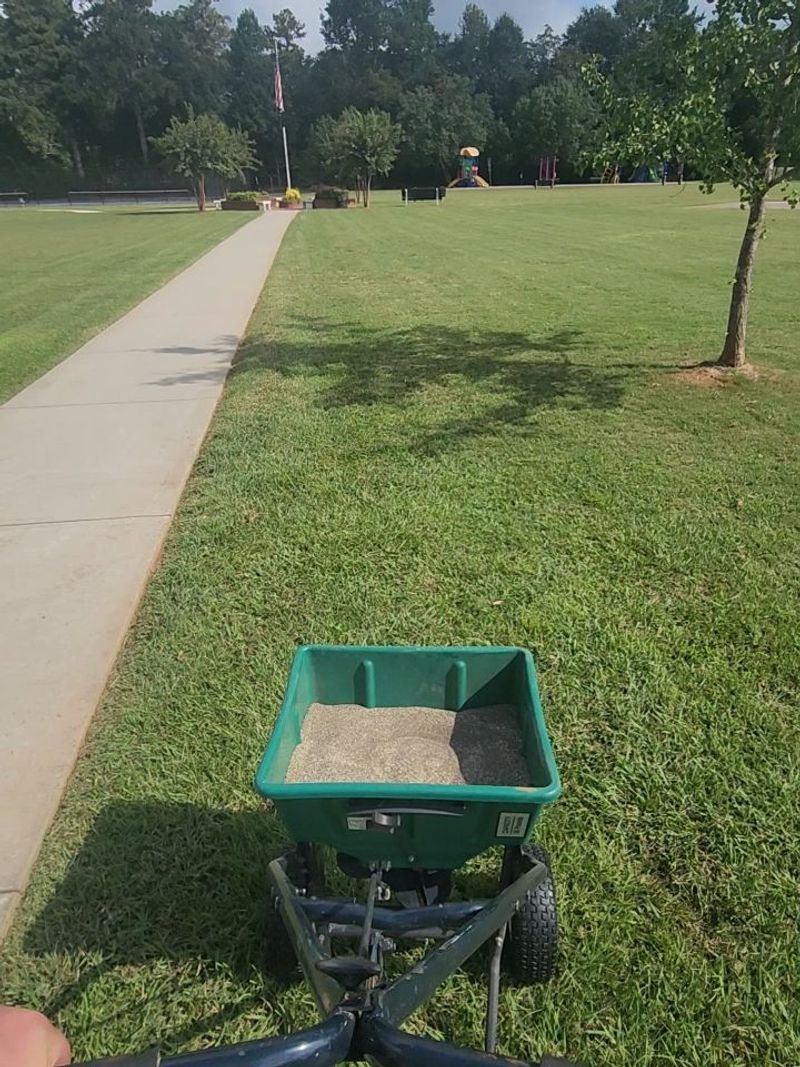
Broadcasting bait across the entire yard solves that problem. Worker ants are always out searching for food, so when bait lands throughout the lawn, ants from every nearby colony have a chance to find it.
They pick it up and carry it home, sharing it with the rest of the nest. Getting the application right is easier than you might think.
Your North Carolina Garden Changes Every Week. Your Plan Should Too.
Gardening in North Carolina changes quickly throughout the season. Every Friday you’ll receive a simple weekly plan showing exactly what to plant, prune, fertilize, harvest, and protect so you never miss the right timing.
A small hand-held spreader works great for most home lawns. Set it to a low rate, since bait granules are light and you only need a small amount spread over a large area.
Check the product label for the exact amount. Many baits call for just a few tablespoons around a single mound or around one to one and a half pounds per acre when broadcast. Walk at a steady pace and aim for an even, thin layer rather than heavy clumps.
One common mistake is dumping bait right on top of a mound. Ants prefer to forage away from the nest, and disturbing the mound can make them move instead of feeding. Let the bait sit scattered in the grass where foragers will naturally find it.
North Carolina yards often hide more colonies than homeowners realize. After a good rain, new mounds can seem to appear overnight, but those ants were there all along. Broadcasting bait reaches them before they surprise you.
3. Fall Is One Of The Best Times To Bait
Cool mornings, warm afternoons, and crunchy leaves underfoot make fall a favorite season for many North Carolinians. Fire ants seem to agree. When temperatures are mild, they head out to gather food with plenty of energy.
That busy feeding time is exactly why fall works so well for baiting. Most fire ant baits act slowly, so the ants need time to collect them and pass them around the colony.
Baiting while they are still hungry gives the product a head start before winter cold slows everything down.
The payoff shows up later. Yards treated in fall often have fewer mounds the following spring, when families are ready to enjoy the lawn again.
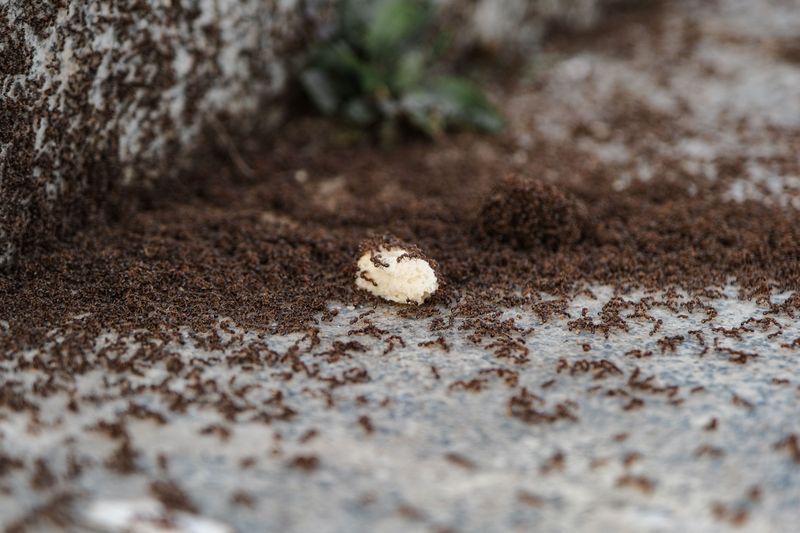
Wondering if the ants are actually eating? A quick kitchen test can tell you. Place a small piece of hot dog or a potato chip on the ground near a mound, then check back in about 30 minutes.
If ants have swarmed the snack, they are foraging and ready for bait. If nobody shows up, wait for a warmer day and try again.
Fire ants generally forage best when soil temperatures are roughly between 70 and 90 degrees, so a sunny afternoon is often a better choice than a chilly morning.
Here in North Carolina, fall weather often stays pleasant well into October. Those long, mild stretches give homeowners a nice window to put out bait and let it work.
Mark your calendar for a warm, dry weekend, run the snack test, and you will know you picked the right moment.
4. Baits Work Slowly But Reach The Queen
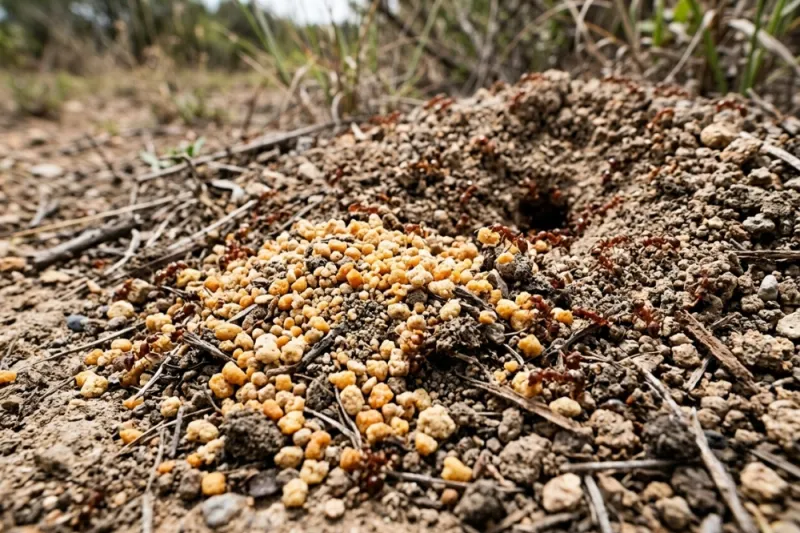
Patience might be the most underrated tool in fire ant control. Many homeowners spread bait, check the next morning, and feel let down when the mounds still look busy. Hang in there, because the real work is happening underground.
Worker ants carry bait back to the nest and share it with other members of the colony. Eventually, it reaches the queen, who is responsible for laying all the eggs.
A single fire ant queen can lay over a thousand eggs a day, so stopping her is the key to shutting a colony down.
Not every bait moves at the same speed, though. Some active ingredients start showing results within a few days to about a week.
Others, called insect growth regulators, stop the queen from producing healthy young, and those can take several weeks or even a couple of months to show their full effect.
So how do you know what to expect? Read the label before you buy. It will tell you the active ingredient and give you a general timeline, which helps you plan around backyard parties or outdoor projects.
After baiting, leave the mounds alone. Kicking, raking, or flooding them can cause the ants to scatter or relocate, and it interrupts their feeding. Give the colony space to finish carrying the bait inside.
In North Carolina, colonies are tough and quick to rebuild. Knocking down the top of a mound does little if the queen stays safe below. Bait that reaches her is what truly stops a colony from bouncing back.
5. Weather And Freshness Affect Bait Success

Have you ever eaten chips from a bag left open for weeks? They taste stale and greasy, and fire ants react to old bait in much the same way. Freshness matters more than most people expect.
Most fire ant baits are made of corn grits soaked in soybean oil mixed with the active ingredient. Ants love that oil, but once a bag is opened, it can slowly turn rancid. Rancid bait smells wrong to foraging ants, so they simply ignore it.
Buying fresh bait is the easy first move. Choose a bag that looks well sealed, and buy only what you will use in a season.
After opening, close it tightly and keep it somewhere cool and dry, such as a shelf in the garage away from heat, then use it within the time the label recommends.
Water is the other enemy. Rain and soggy grass can ruin bait before the ants ever collect it. Plan to apply when the lawn is dry and no rain is expected for at least a day.
Timing within the day helps too. Early mornings often bring heavy dew, which can soak granules and make them unappealing. Waiting until the grass dries in late morning or afternoon gives your bait the best shot.
North Carolina falls can bring surprise storms, lingering remnants of tropical systems, and plenty of morning dew. A quick glance at the weather forecast before you head out can save both your money and your effort.
6. Step Two Treats Problem Mounds Only
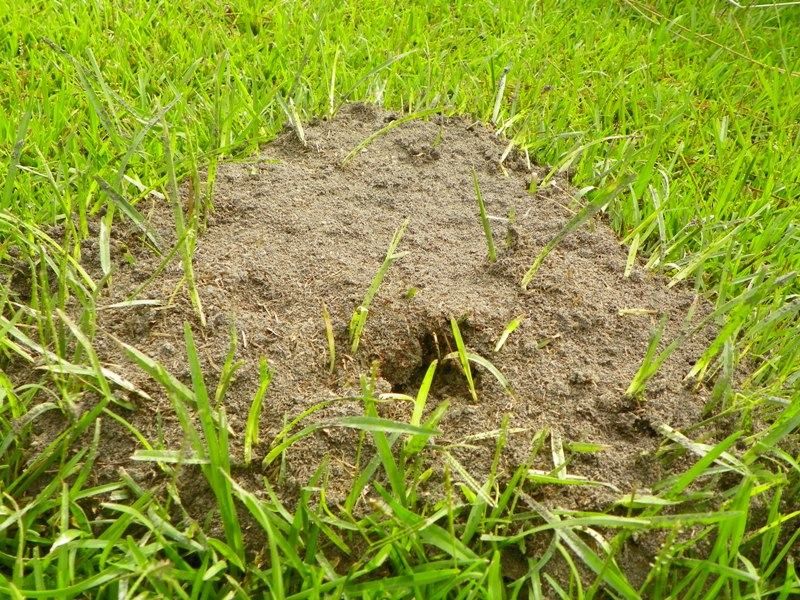
Some fire ant mounds are simply in the wrong place. A mound beside the swing set, next to the patio steps, or along the garden path is just waiting to cause painful stings. Those spots deserve faster attention.
That is where step two comes in. While the broadcast bait slowly works across the whole yard, you can directly treat only the mounds that put people or pets at risk. Think about play areas, walkways, patios, and garden beds where hands and feet go every day.
Timing makes a difference. Wait a few days after spreading bait before treating individual mounds. That gives foraging ants time to pick up the bait first, so you get the benefits of both steps.
For the mounds themselves, choose a product clearly labeled for individual mound treatment.
Liquid drenches are poured over the mound so they soak down into the tunnels. Granular products are sprinkled on and around the mound, then watered in as the label directs.
Follow the directions closely. Labels list how much product to use, how much water to add, and how wide an area around the mound to treat. Using the right amount helps the product reach deep enough to work without wasting it.
Fire ant stings are a common problem across North Carolina, showing up in lawns, parks, ball fields, and playgrounds.
A sting creates a burning feeling and often a small white blister, and some people have serious allergic reactions. Treating high-traffic mounds quickly helps keep everyone more comfortable outdoors.
7. Repeat In Spring For Year-Round Control
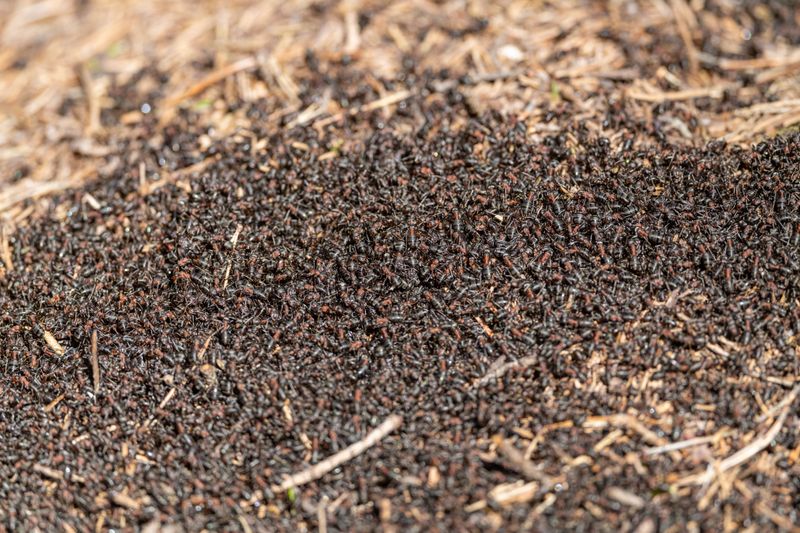
Winning one round against fire ants feels great, but the match is not over. New queens fly in from nearby colonies, and fresh mounds can start showing up months after a successful treatment. Planning ahead keeps those newcomers from settling in.
A single application gives you control for a period of time, often several months. It cannot keep a property free of fire ants forever, though.
Winged queens travel during mating flights, often after warm rains, and land in yards that were clear just weeks before.
The fix is a steady routine. Many experts suggest repeating the two-step method twice a year, once in spring and again in fall. Spring baiting knocks back colonies as they become active, and fall baiting cuts down on mounds before winter.
Your neighbors can be your best allies. Fire ants do not care about property lines, so a treated yard next to an untreated one can fill back up quickly. Chatting over the fence about timing your treatments together can stretch your results much further.
Keeping simple records helps too. Jot down the date, the product name, and how much you used each time. Those notes make it easier to see what worked, avoid overusing any product, and remember when the next round is due.
Across North Carolina, fire ants can march back into treated lawns from roadsides, fields, and empty lots. A twice-a-year schedule, plus a little teamwork with the folks next door, turns short-term relief into lasting comfort in your yard.
8. Use Products Safely Around Families And Gardens
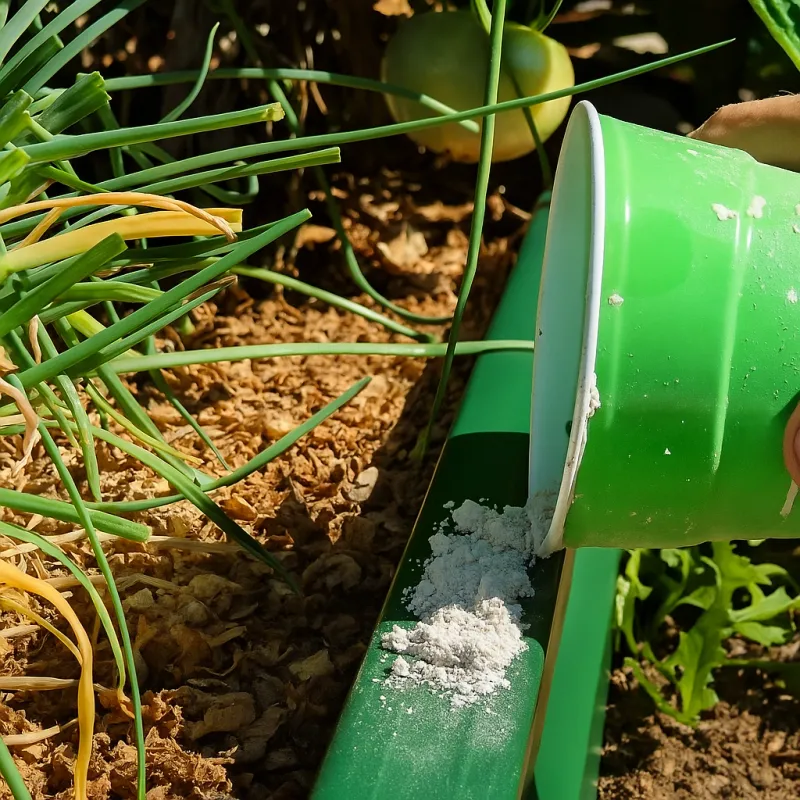
A happy yard is one where kids can play tag, dogs can roll in the grass, and tomatoes can ripen safely on the vine. Fire ant control should protect all of that, not put it at risk. Safe habits make the whole plan work better.
Everything starts with the label. It is a legal document that explains how much product to use, where it can go, and how to protect people and pets. Read it fully before you open the bag, and follow every step.
Keep children and pets off treated areas for as long as the label says. Some products allow people back on the lawn once granules are watered in and the grass dries, while others need more time.
Bringing the dog inside and planning a backyard break for the kids keeps everyone safe. Water deserves special care.
Many fire ant products are harmful to fish and other aquatic life, so avoid applying near ponds, streams, and storm drains. Sweep any granules that land on driveways or sidewalks back onto the grass.
Vegetable gardens need extra caution too. Plenty of fire ant products are not labeled for food-growing areas. Only use baits that specifically list vegetable gardens on the label in those spaces.
Slip on a pair of gloves when handling any product, and wash your hands afterward. In North Carolina, fire ants often move into yards filled with gardens, pets, and busy children. A few careful habits let you enjoy a healthier, more welcoming yard all season long.