This Is Where Spider Mites Damage Michigan Container Plants First During Hot Dry Weeks
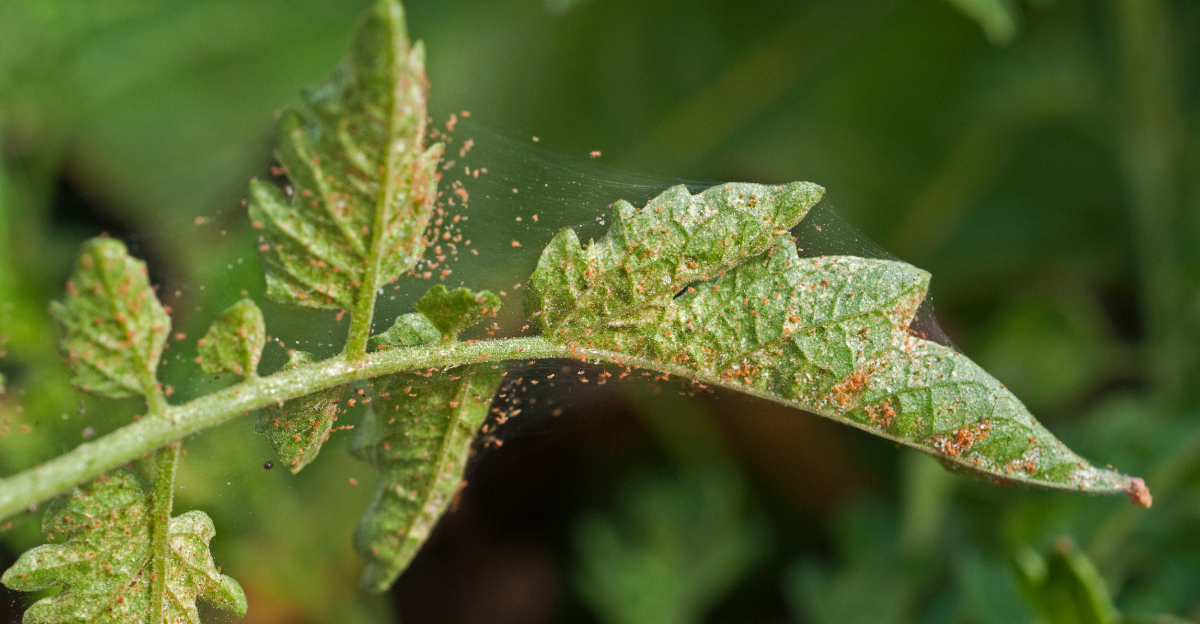
Spider mites tend to target the undersides of leaves first, making container plants especially vulnerable during Michigan’s hot, dry summer stretches.
These tiny pests thrive in warm, dust filled conditions, often appearing suddenly once humidity drops and heat sticks around for several days.
Checking leaves closely reveals fine webbing or tiny yellow speckling before damage becomes obvious from a distance.
Container plants face higher risk since potting soil dries out faster than garden beds, creating stressed conditions mites take advantage of quickly.
A strong spray of water on leaf undersides can help knock mites off and disrupt their populations early. Increasing watering frequency during dry stretches also helps plants stay resilient against stress that attracts these pests in the first place.
Wiping leaves down periodically removes dust that mites rely on for shelter. Catching this early damage now protects container plants before infestations spread further.
1. Lower Leaf Undersides Show The First Activity
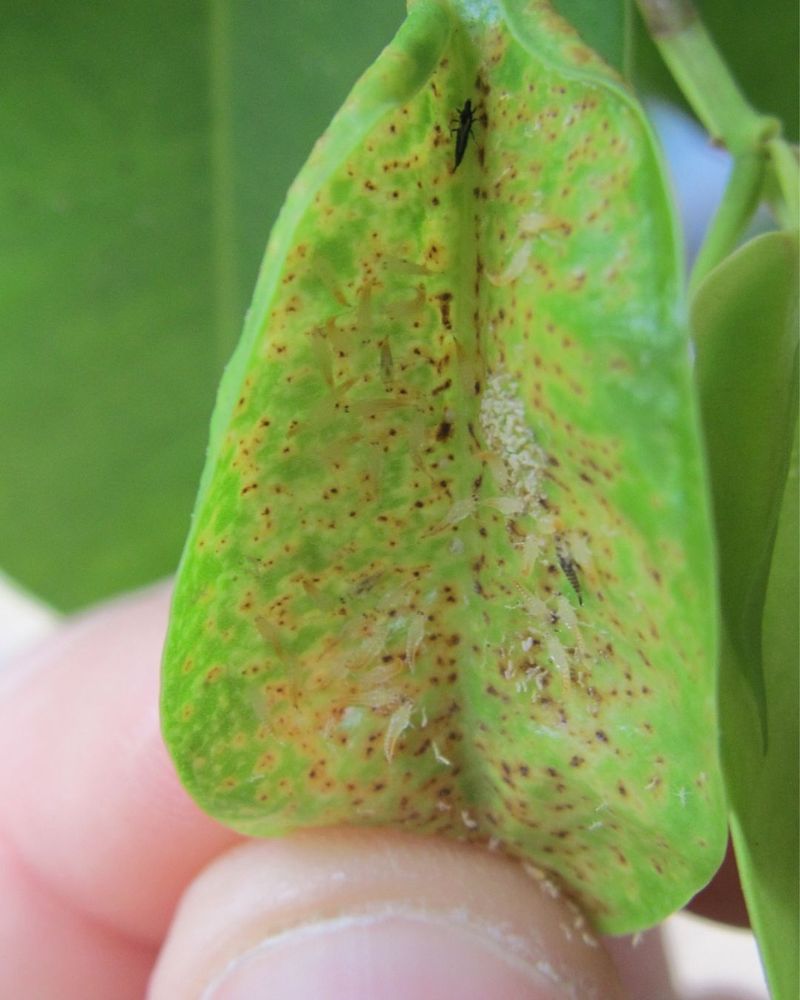
Most gardeners walk past their container plants and glance at the tops of the leaves, but that habit misses where spider mites actually begin their work.
The undersides of the lowest, most sheltered leaves on a container plant are the very first places these pests settle in.
They prefer spots that offer some protection from wind and direct sun, and the underside of a low-hanging leaf checks both boxes perfectly.
When a mite population is still small, you will not spot any obvious damage from a distance. The colony is quietly building numbers in that hidden space, feeding on plant cells and multiplying fast.
Michigan summers can turn hot and dry within just a few days, and those conditions speed up the mite life cycle considerably, sometimes doubling a population in under a week.
Lifting leaves gently and tilting them toward the light is the single most useful habit a container gardener can build. Check several leaves at different heights rather than just one or two at the top.
Running a finger lightly across the underside of a leaf and feeling a faint grittiness is often the earliest physical clue that something is moving around down there.
Catching activity at this stage, before numbers climb, puts you in the best possible position to protect your plant with simple, low-effort methods rather than having to manage a full-blown infestation later in the season.
2. Pale Speckles Appear On The Upper Leaf Surface
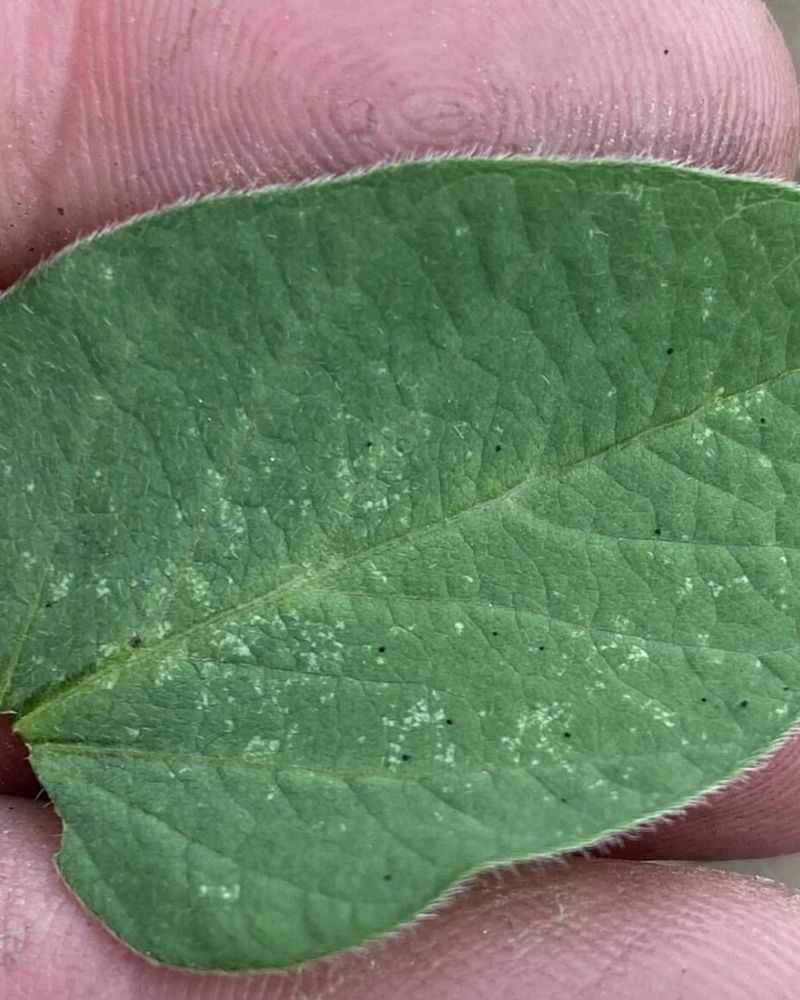
Something strange happens when spider mites feed on a leaf. They pierce the underside and drain the contents from individual plant cells, one tiny cell at a time.
Each feeding spot leaves behind a small empty pocket, and from above that shows up as a pale white or yellow speck. Gardeners often call this pattern stippling, and once you know what it looks like, you will spot it quickly.
The speckled surface can look a lot like a leaf that got splashed with a fine mist of bleach, or one that simply looks washed out and tired. Some people first assume the plant needs more fertilizer or water, which is a very reasonable guess.
Your Michigan Garden Changes Every Week. Your Plan Should Too.
Gardening in Michigan changes quickly throughout the season. Every Friday you’ll receive a simple weekly plan showing exactly what to plant, prune, fertilize, harvest, and protect so you never miss the right timing.
The key detail that points toward mites rather than a nutrient problem is that the speckling tends to appear in scattered clusters rather than following the veins or edges of the leaf evenly.
Any leaf that develops an unexplained faded or sandblasted appearance deserves a closer look from the other side. Flip it over carefully and bring it close to your eyes or use a small magnifying glass.
Even at the stippling stage, tiny moving specks or fine dusty material on the underside confirms mite activity. Acting at this point, before the discoloration spreads across the whole leaf surface, keeps the situation manageable.
Stippling is one of the clearest early warning signs container gardeners in Michigan have during those long stretches of hot, rainless summer weather.
3. Interior Leaves May Show Symptoms Before Outer Growth
Bushy container plants have a hidden world tucked inside their outer layers of foliage, and that interior space is exactly where spider mites love to get started.
The leaves near the center of a dense plant receive less direct sunlight, experience less air movement, and stay slightly more humid than the outer growth.
Those conditions create a surprisingly comfortable environment for mites during the early stages of an infestation.
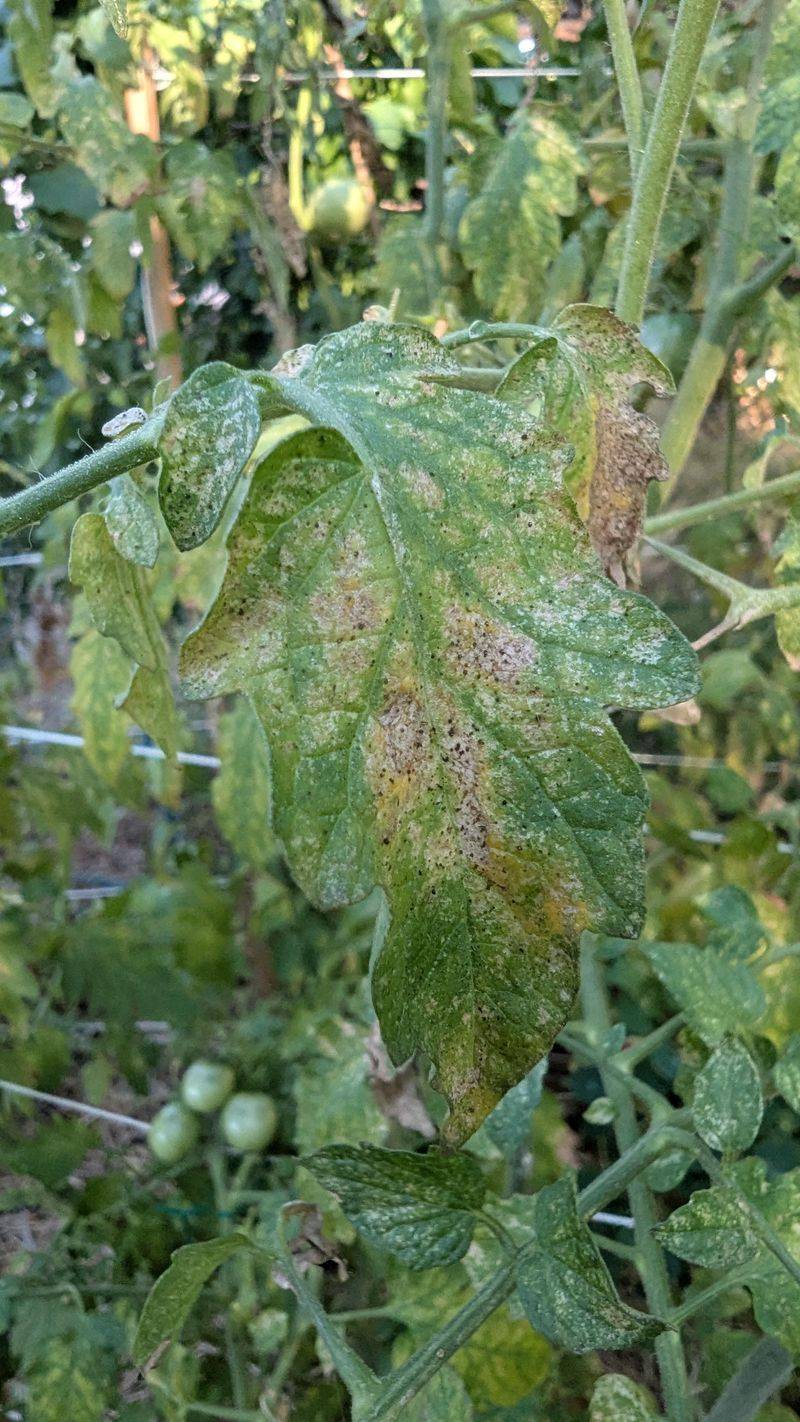
Here is something that surprises many gardeners: the outer leaves of a plant can look perfectly healthy while the interior foliage is already showing stippling, fine webbing, or discoloration.
Because most people inspect what they can easily see, the inner damage builds up unnoticed. By the time the outer leaves start looking off, the mite population inside has already had time to grow and spread outward.
Spreading stems apart gently and peering into the center of a container plant should become a regular part of your summer care routine, especially during dry stretches in Michigan when temperatures stay high for several days in a row.
Use good lighting, whether that means stepping into direct sunlight or using a small flashlight, to get a clear view of those tucked-away leaves.
Pay special attention to spots where multiple stems cross or crowd together, since air circulation there is the weakest.
A few minutes of careful interior inspection every week can reveal a problem while it is still small enough to address with straightforward methods.
4. Hot Walls And Pavement Can Increase The Risk
Picture a container plant sitting on a sun-baked concrete patio right next to a south-facing brick wall. The wall absorbs heat all day and radiates it back onto the plant through the afternoon and evening.
The concrete below does the same thing. That plant is essentially surrounded by heat on multiple sides, and the potting mix inside the container dries out far faster than soil in a garden bed ever would.
Spider mites thrive in exactly these hot, dry conditions. Research has shown that mite populations can explode when temperatures stay consistently above 80 degrees Fahrenheit and humidity stays low.
A container plant baking beside a heat-reflecting surface experiences both of those conditions at the same time, which makes it one of the highest-risk spots in any Michigan yard or patio garden during a dry summer stretch.
Plants in these exposed locations need more frequent watering than those in shadier spots, and they also need more frequent inspection.
Checking the undersides of leaves every few days rather than once a week makes a real difference when conditions are extreme.
Moving a container even a few feet away from a reflective wall or giving it afternoon shade with a patio umbrella can reduce heat stress noticeably.
Reducing plant stress also reduces vulnerability to mites, since a well-hydrated plant in reasonable temperatures is better equipped to handle early mite pressure than one that is already struggling with heat and moisture loss every single day.
5. Fine Webbing Usually Signals A Larger Population
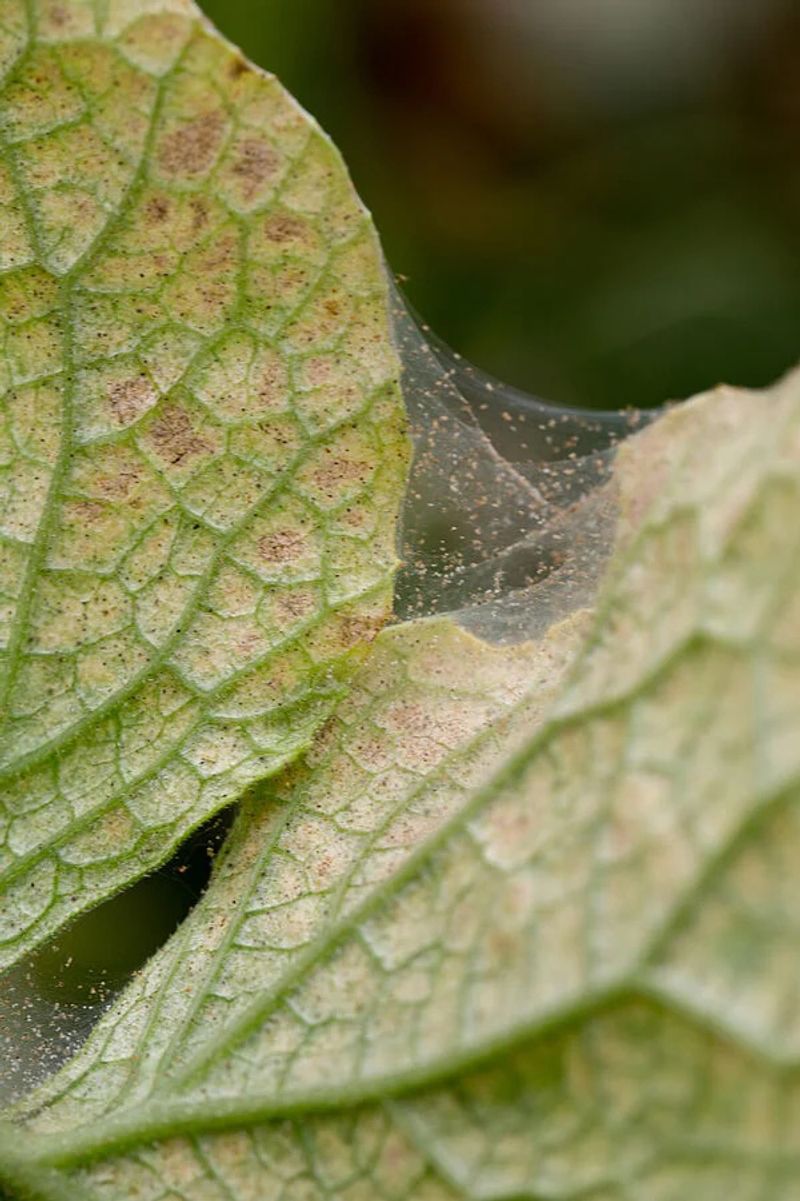
Finding fine, silky webbing on your container plant is one of those moments that stops a gardener in their tracks.
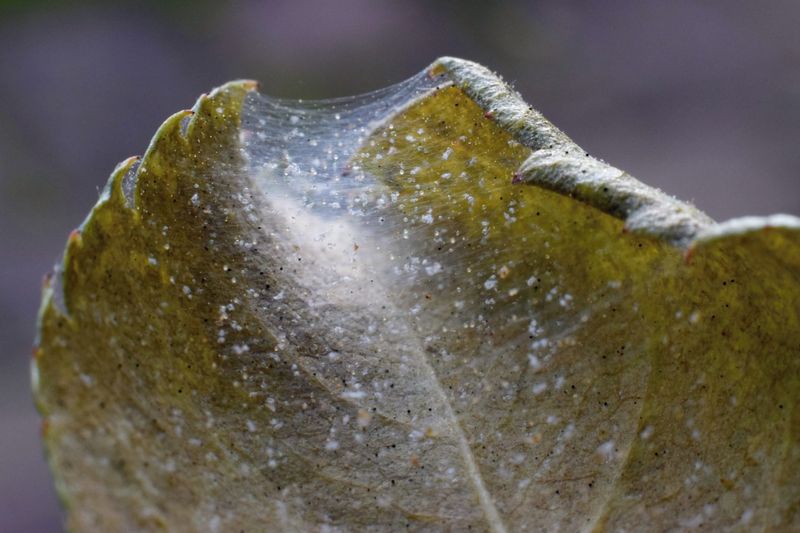
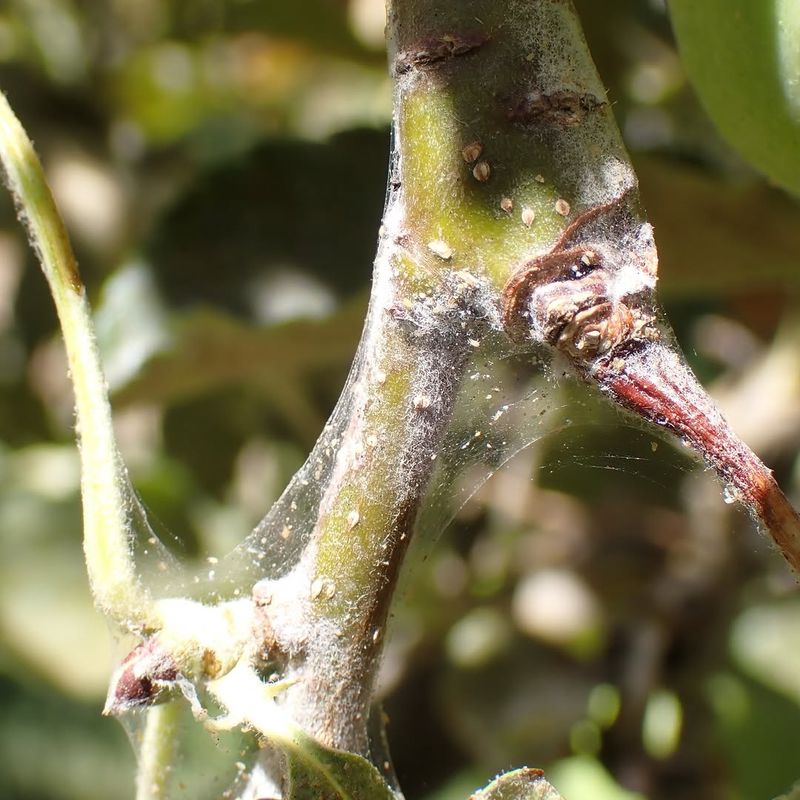
It is delicate, almost like a tiny version of a spider web, and it tends to appear first in sheltered spots such as the undersides of leaves, the joints where stems branch off, and around developing buds.
Seeing it means the mite population has grown large enough to produce noticeable amounts of silk.
Here is the part that matters most: webbing is not the beginning of the story. By the time silk becomes visible, mites have already been feeding and reproducing for some time.
Many gardeners wait to act until they see webbing, but that approach allows the population to reach numbers that are harder to bring down.
Pale stippling on the leaf surface, or tiny specks moving on a white piece of paper after tapping a branch, are earlier clues that show up well before any webbing appears.
That said, finding webbing is not a reason to panic. It is a clear signal that the situation needs attention right away, and it also helps confirm that spider mites are the issue rather than some other pest or environmental problem.
Remove heavily webbed leaves carefully to reduce the population quickly, then focus your inspection and treatment on the leaf undersides throughout the rest of the plant.
Staying ahead of the webbing stage is the goal, but catching it at this point still leaves plenty of room to protect your plant effectively.
6. The White Paper Test Can Confirm Suspicious Movement
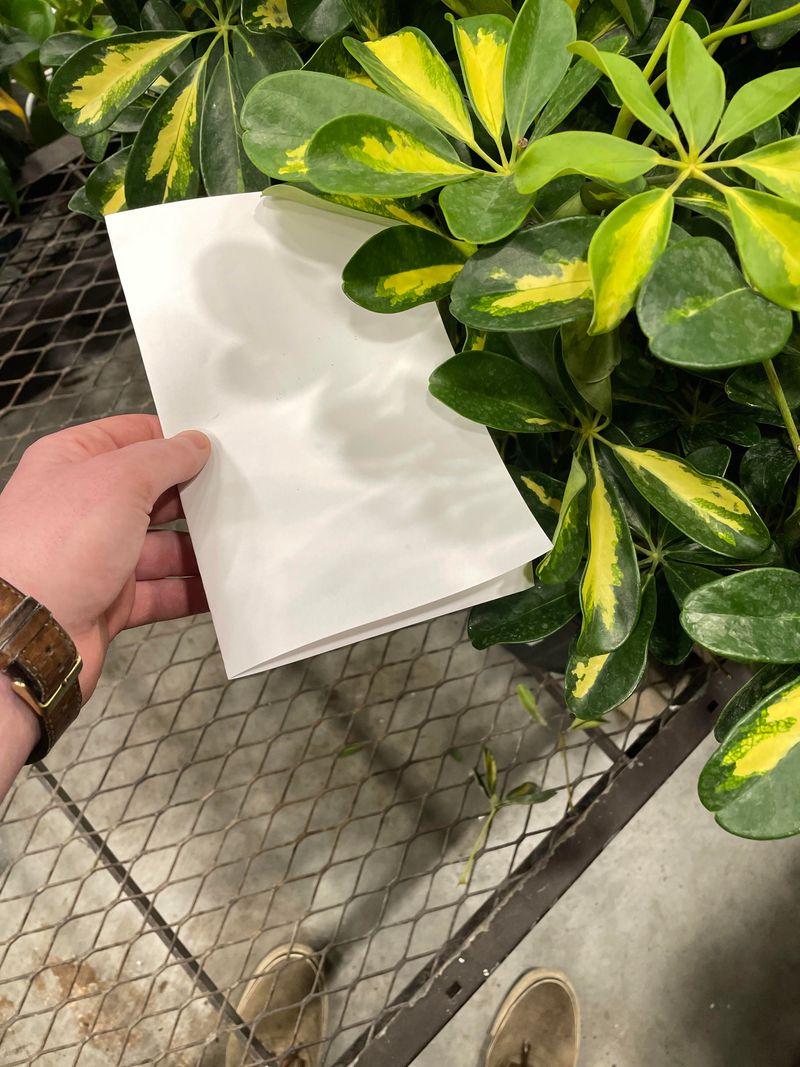
Sometimes a leaf looks off but you just cannot tell why. The color seems slightly faded, maybe a little rough to the touch, but there is nothing obviously crawling around.
That is exactly when the white paper test earns its reputation as one of the handiest tricks in a gardener’s toolkit. All you need is a clean sheet of plain white paper and a steady hand.
Hold the paper flat underneath a suspicious branch or leaf cluster, then give the foliage a firm but gentle tap. Watch the paper closely for a few seconds.
Tiny moving dots, often reddish-brown, green, or nearly translucent depending on the mite species, may appear and begin crawling slowly across the surface. A hand lens or magnifying glass makes them much easier to see and confirm.
Even a phone camera zoomed in on the paper can reveal movement that the naked eye struggles to catch.
Keep in mind that this test supports identification but does not replace a professional opinion when something unusual is going on. If the dots you see do not move, they might just be plant debris or pollen.
Moving dots, especially ones that are very small and travel in random directions, are a strong indicator of mite activity.
Gardeners who are unsure about what they are seeing can bring a sample to a Michigan State University Extension office or a reliable local garden center for a second opinion.
Getting the identification right before choosing any response saves both time and your plant.
7. Dry Container Soil Can Make The Damage More Noticeable
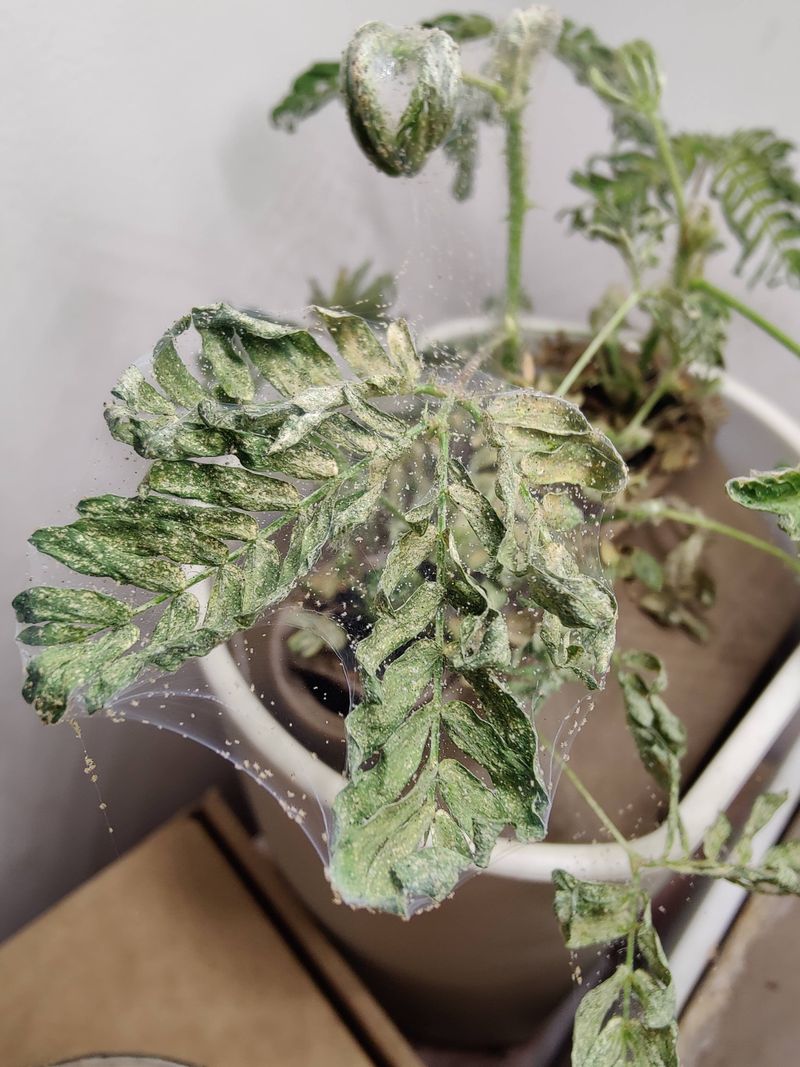
Dry potting mix and spider mite damage can look remarkably similar on a container plant. Both can cause leaves to fade, curl at the edges, and take on a dull or tired appearance.
When a Michigan summer turns hot and dry for an extended stretch, many gardeners reach for the hose and assume water is the only thing the plant needs. Sometimes that is true, but sometimes mites are also part of the picture.
Container plants dry out faster than plants growing in the ground because the volume of soil around the roots is limited. A small or medium pot sitting in full sun on a warm day can lose most of its available moisture within 24 hours.
When a plant is already stressed from inconsistent watering, its natural defenses are weakened, and spider mites take advantage of that vulnerability without hesitation.
The two problems, moisture stress and mite feeding, can stack on top of each other and make the plant look far worse than either issue would cause alone.
Checking the potting mix by pressing a finger about an inch into the soil gives you useful information before you assume the problem is purely water-related. Water the plant according to its specific needs, then give it a day and check the foliage again.
If the leaves still look stippled or rough after the soil moisture has been corrected, flip a few leaves over and look closely at the undersides.
Confirming mite presence before choosing any response keeps you from treating the wrong problem and wasting valuable time during peak summer heat.
8. Early Action Should Reach The Leaf Undersides
Water is one of the most effective and accessible first responses when spider mites are caught early on a container plant.
A firm spray directed specifically at the undersides of affected leaves can physically dislodge a significant portion of the mite population.
The key word there is undersides, because that is where the mites are actually living and feeding, not on the top surface where most water naturally lands.
Repeating this process every few days matters because mite eggs are much harder to remove than the adults and nymphs. Eggs can remain attached to the leaf surface after a water spray and hatch within days, restarting the cycle.
Keeping up with inspections after the first spray helps you spot any new activity before it builds back up to the level you started with. Consistency during the first two weeks of action makes a real difference in the outcome.
Insecticidal soap products made specifically for garden use can help when mite numbers are too high for water sprays alone to manage. Always read the product label completely before applying anything, and follow the directions exactly as written.
Most labels will tell you not to apply the product to plants that are already stressed from lack of water, and many caution against applying during the hottest part of the day or when temperatures are extreme.
Giving the plant a thorough watering the day before any soap application, and treating during cooler morning hours, protects the plant while giving the product the best chance to work as intended.