The Arizona Backyard Lizard More Homeowners Are Starting To Notice This Summer
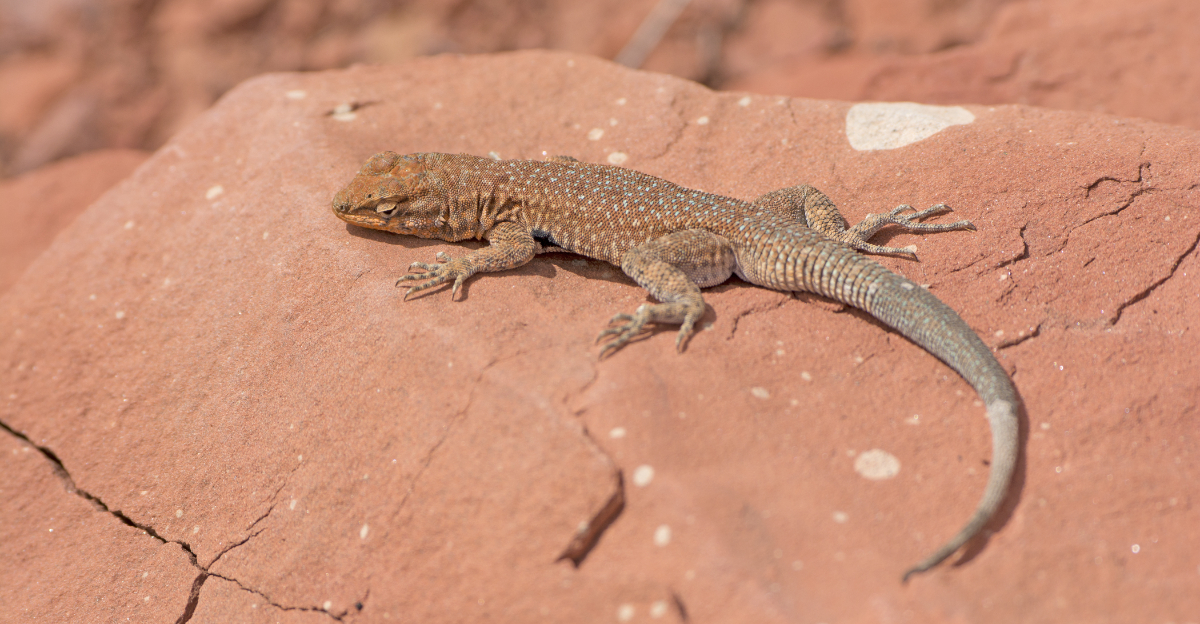
Tiny reptiles are catching more attention in Arizona yards this summer. Their quick movements make them easy to spot but difficult to identify.
Most appear for only a few seconds before disappearing behind rocks, shrubs, or garden borders. That is part of their normal behavior.
Warm weather keeps them active throughout the day. Sunny walls, patios, and pathways provide perfect places to rest between hunting trips.
They spend much of their time feeding on small insects around the yard. That makes them useful neighbors for many gardeners.
Many people assume they are seeing different lizards every time. In reality, the same species often returns to familiar spots.
Learning which native lizard is visiting your yard makes those quick sightings much more interesting.
You will understand why it thrives there and what keeps drawing it back.
1. Common Side Blotched Lizards Thrive In Sunny Backyards
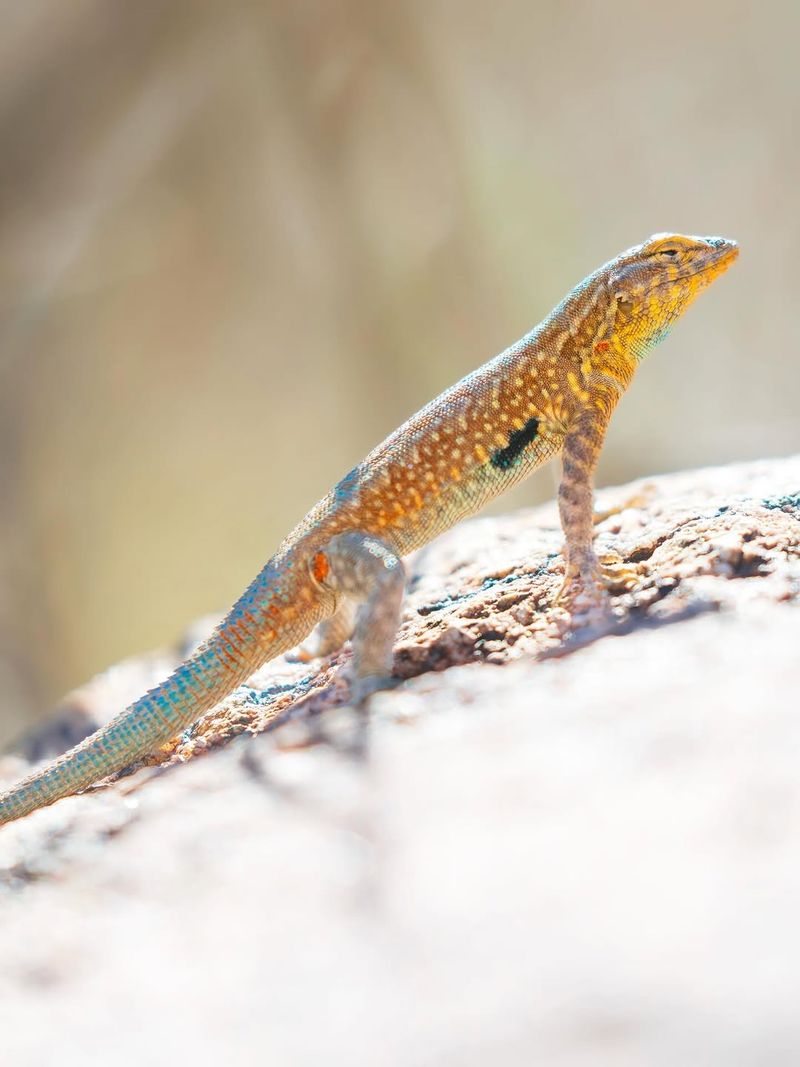
Spot one darting across your patio and you might think it appeared out of nowhere. Common Side-blotched Lizards are fast, alert, and surprisingly comfortable in residential yards.
They are one of the most widespread small lizards in the American Southwest.
Adult males usually grow between four and six inches long from snout to tail tip. Females tend to be slightly smaller and less boldly colored.
Both have a small dark blotch behind each front leg, which is the easiest way to identify them on the spot.
These lizards are native to dry, open environments. Backyards with gravel, flagstone, concrete, or sparse low vegetation suit them well.
They do not need dense greenery or water features to feel at home.
Warm pavement and open sunny ground are enough to attract them in summer. Yards that stay warm through the afternoon tend to see more activity.
Shade-heavy gardens with thick mulch or dense grass are less appealing to this species.
Noticing one in your yard is a sign your outdoor space has the right combination of warmth and open ground.
Arizona backyards with minimal lawn and more hardscape tend to support small lizard populations more consistently than heavily irrigated green spaces.
2. Sunny Areas Give Them Time To Bask
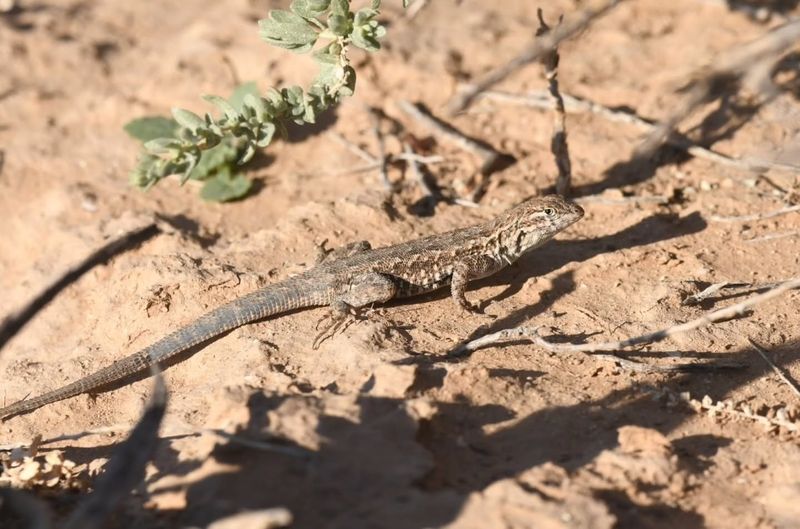
Basking is not laziness. Lizards are ectothermic, meaning they rely on outside heat sources to regulate their body temperature rather than generating warmth internally like mammals do.
Without enough sun exposure, a Side-blotched Lizard cannot digest food properly, move quickly, or stay active for long. Morning basking is especially important after cool desert nights.
You will often spot them on south-facing walls, flat rocks, or concrete slabs early in the day.
Concrete and stone absorb heat efficiently and release it slowly. A lizard sitting on your driveway at 8 a.m. is not lost.
It is warming up before heading out to hunt insects.
By midday in peak summer, surface temperatures can get uncomfortably hot even for desert lizards. They tend to retreat to shaded spots during the hottest hours and return to basking sites in the late afternoon when conditions cool slightly.
Yards with a mix of sunny and shaded surfaces are more useful to them than yards that are entirely exposed or entirely shaded.
Your Arizona Garden Changes Every Week. Your Plan Should Too.
Gardening in Arizona changes quickly throughout the season. Every Friday you’ll receive a simple weekly plan showing exactly what to plant, prune, fertilize, harvest, and protect so you never miss the right timing.
A patio with partial tree cover, a low wall with sun on one side, or a rock garden near a fence line can all serve this purpose naturally.
3. Small Insects Provide A Reliable Food Source
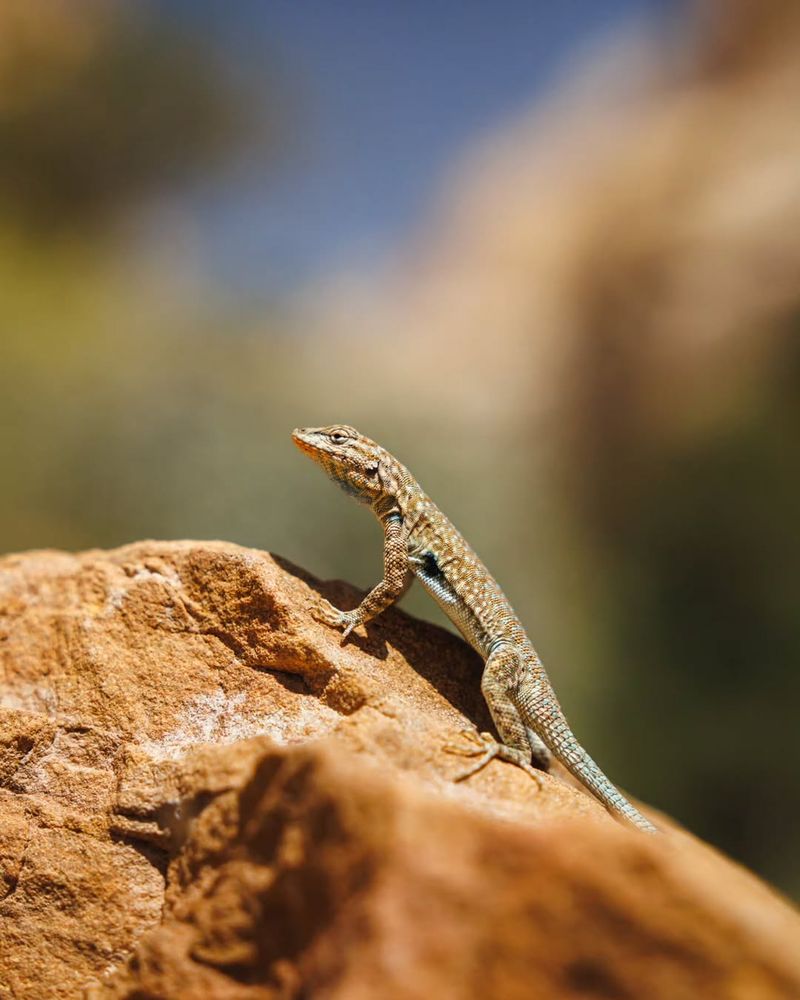
Hungry lizards go where the food is. Side-blotched Lizards feed primarily on small insects and other invertebrates including ants, beetles, small spiders, and similar-sized prey they can catch quickly.
Backyards with active ant trails are especially attractive to them. Ants are abundant, predictable, and easy to intercept near their regular routes.
A lizard near your garden bed or along a fence line is likely tracking ant activity nearby.
Insects tend to concentrate around certain yard features. Compost areas, flowering plants, outdoor lighting, and damp soil all attract bugs that lizards will follow.
You do not have to do anything special to create this. It happens naturally in most maintained yards.
Side-blotched Lizards are active hunters. They watch for movement and dart forward quickly when prey is within range.
Their small size means they can only handle prey up to a certain size, so they focus on smaller insects rather than larger beetles or grasshoppers.
Keeping a yard free of broad-spectrum pesticide use can help maintain the insect populations these lizards depend on. Fewer insects means fewer lizards, and fewer lizards means more unchecked insect activity.
4. Low-Growing Plants Offer Safe Shelter
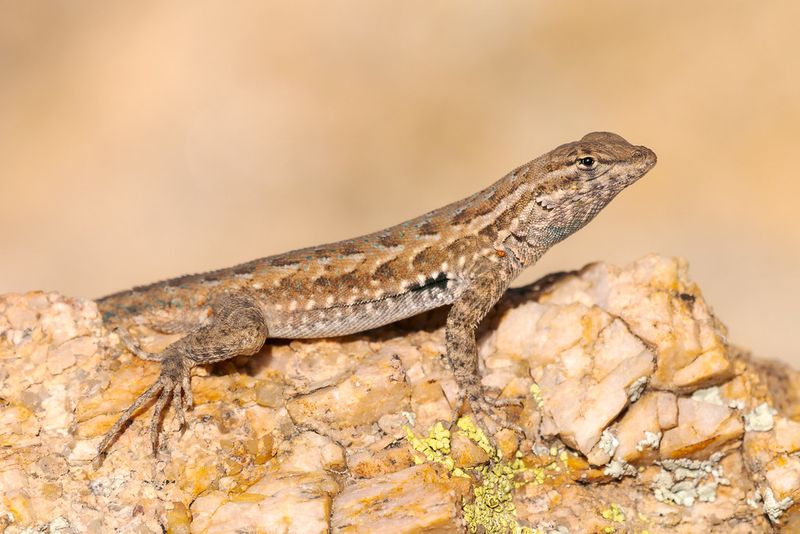
Cover matters more than most people realize. Low-growing plants give lizards a place to retreat quickly when a bird flies overhead or something startles them from across the yard.
Native desert plants like brittlebush, desert marigold, and low-spreading groundcovers work well as natural shelter spots. These plants grow close to the ground and create shaded pockets that lizards can slip into within a second or two.
Speed is their main defense, and nearby cover makes that defense work.
Ornamental shrubs trimmed too high off the ground lose most of their value as lizard shelter. A plant that starts branching at knee height offers much less protection than one that spreads along the ground from the base.
If you have plants in your yard that touch the soil or come close to it, those are the spots worth watching.
Lizards also use the edge zones between open ground and planted areas. They tend to position themselves near the border of a plant rather than deep inside it.
That way they can bask on open ground while staying within a short dash of cover.
Adding a few low native plants around the edges of a patio or along a garden border can increase how often lizards visit and linger. It does not take a major landscaping project.
5. Rock Piles Create Places To Hide
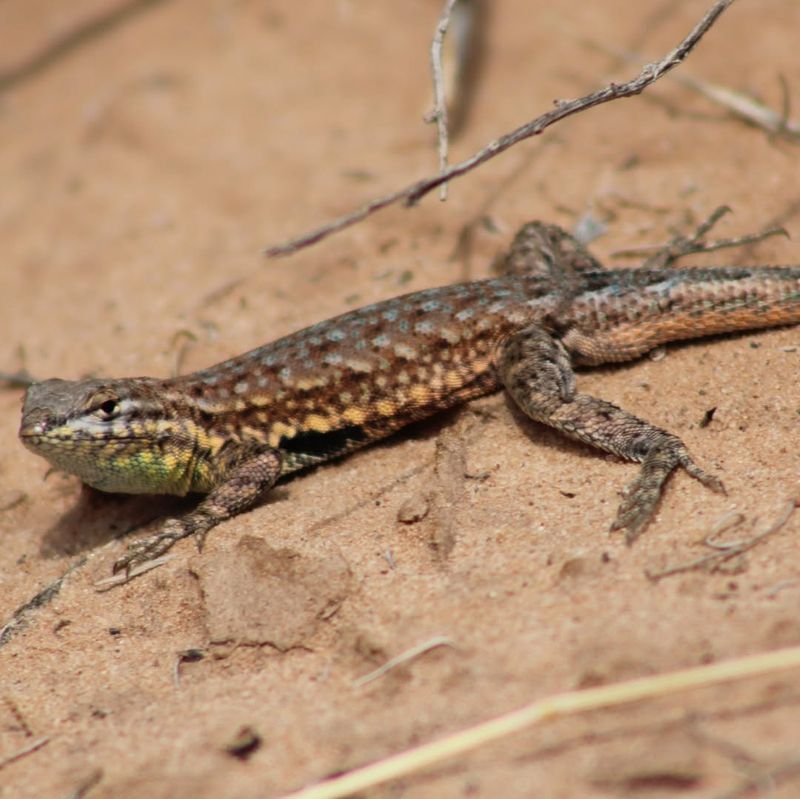
A loose pile of rocks in your yard might look like a landscaping detail, but to a lizard it is prime real estate. Gaps between rocks create shelter, regulate temperature, and offer quick escape routes from predators.
Side-blotched Lizards use rock features throughout the day. In the morning, they emerge and bask on the warm upper surfaces.
When temperatures peak, they slip into the cooler gaps between stones. Late afternoon brings them back out to catch the last of the day’s warmth.
Flat rocks stacked loosely work better than tightly fitted stone walls. The gaps need to be large enough for a small lizard to enter quickly.
Even a modest arrangement of three or four flat stones near a sunny fence line can become a regular hangout spot.
Rock piles also attract the insects lizards feed on. Beetles, ants, and other small bugs often shelter under and around rocks.
A lizard positioned near a rock pile has both shelter and a nearby food source within easy reach.
Homeowners across the Southwest who add decorative rock features to their yards often notice an increase in lizard activity within a few weeks.
It is not guaranteed, but the combination of warmth, cover, and nearby prey makes rock features one of the most effective passive ways to encourage Side-blotched Lizards to visit your outdoor space more consistently.
6. Their Presence Shows They Find Food Nearby
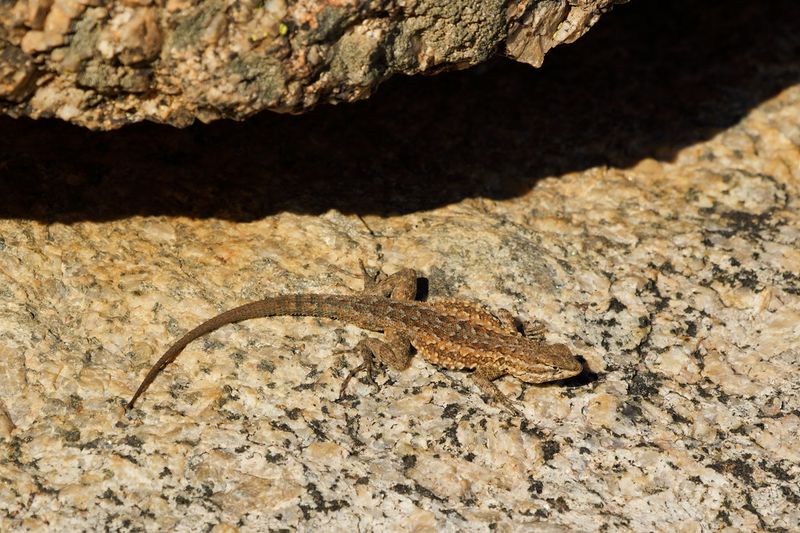
Seeing a lizard regularly in the same spot is not a coincidence. Side-blotched Lizards are opportunistic but deliberate.
When they return to a location, it usually means something there is worth coming back for.
Most of the time, that something is food.
Active ant trails, clusters of small beetles near a garden bed, or insects gathering around an outdoor light at night can all draw lizards to specific zones.
They learn where reliable food sources are and work those areas consistently.
Yards with diverse native plantings tend to support more insect variety, which in turn supports more consistent lizard activity.
A yard with only turf grass and concrete offers far less prey diversity than one with native flowering plants, mulched garden beds, or a vegetable patch.
Bird feeders can also indirectly attract lizards. Spilled seed draws ants and small beetles, which in turn draw lizards looking for an easy meal.
It is a food chain that plays out in ordinary backyards more often than people notice.
Paying attention to where in your yard lizards appear most often can reveal a lot about what your outdoor space is actually providing.
If they keep showing up near the same corner or along the same fence line, there is likely a reliable insect source nearby.
7. Established Territories Bring Them Back Often
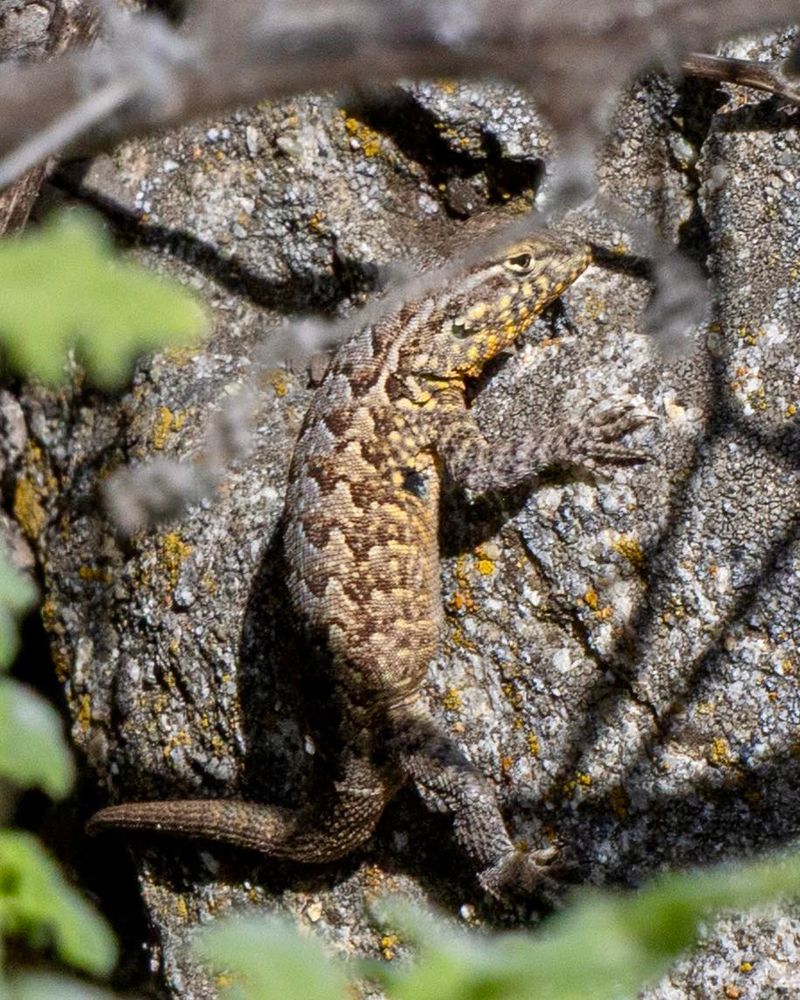
Male Side-blotched Lizards are territorial. Once one claims a patch of your yard, it tends to stay and defend that space through the active season, which typically runs from early spring through late summer in warmer desert regions.
Territories are not large by human standards. A single male may patrol an area of just a few square meters around a central basking spot.
Within that range, he monitors for rivals and keeps track of nearby females. You may notice him doing quick push-up displays on a rock or fence post.
That behavior is a visual signal to other lizards, not a reaction to you.
Females and younger lizards have smaller, overlapping ranges and are generally less aggressive about defending space.
Multiple lizards can coexist in a single yard without major conflict as long as food and shelter are adequate.
Once a lizard establishes a territory in your yard, it is likely to return to the same general area day after day.
Removing rock piles, clearing low vegetation, or significantly changing the yard layout can disrupt that pattern and cause them to relocate. Summer is when territorial behavior peaks in the Southwest.
Spotting the same lizard repeatedly in your yard over several weeks is a strong sign it has settled in and found your space suitable.