The One Thing Oregon Hydrangeas Need In August Or They Will Skip Blooming Next Spring
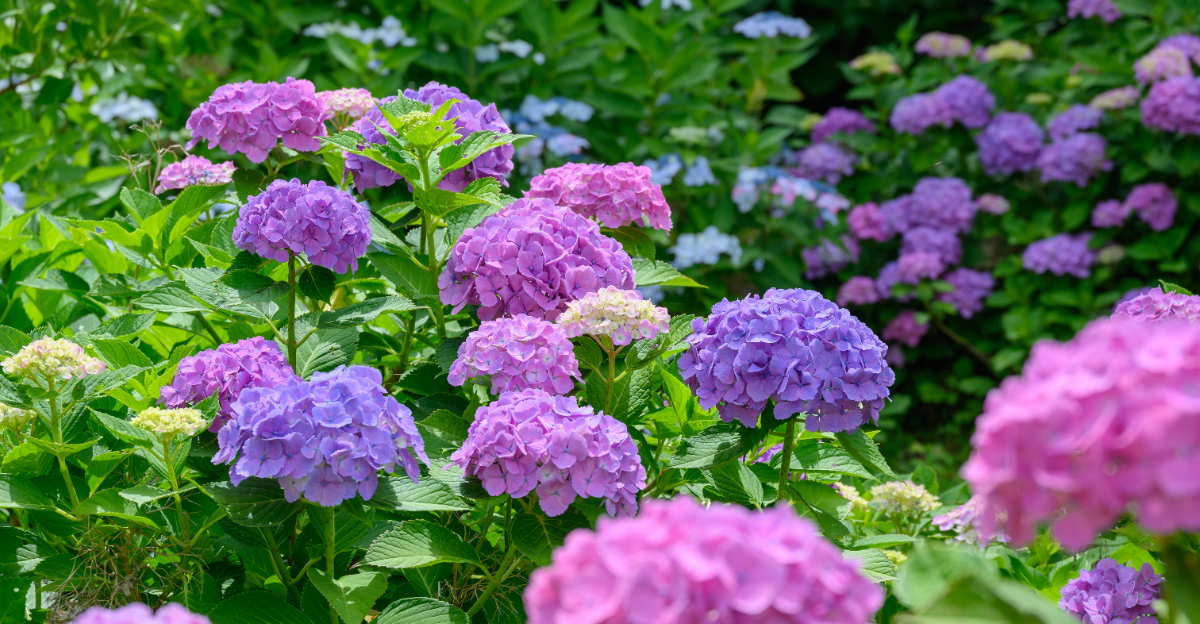
August can decide what an Oregon hydrangea does next spring. The shrub may still look full and healthy now, but hidden changes have already begun inside its stems.
One overlooked need during this month can affect the flower show months later. Miss that window, and the plant may return with plenty of leaves but very little color.
Hydrangeas do love a delayed plot twist.
Late-summer heat can also make the situation harder to read. A shrub may appear fine even as stress slowly changes its plans for the next season.
The key is not a complicated treatment or a dramatic garden overhaul. It comes down to one timely bit of care that supports the plant at a crucial stage.
Give the hydrangea what it needs now, and spring may bring the reward you hoped for. Ignore it, and those big blooms could take the year off without so much as an apology.
1. Don’t Do This In August
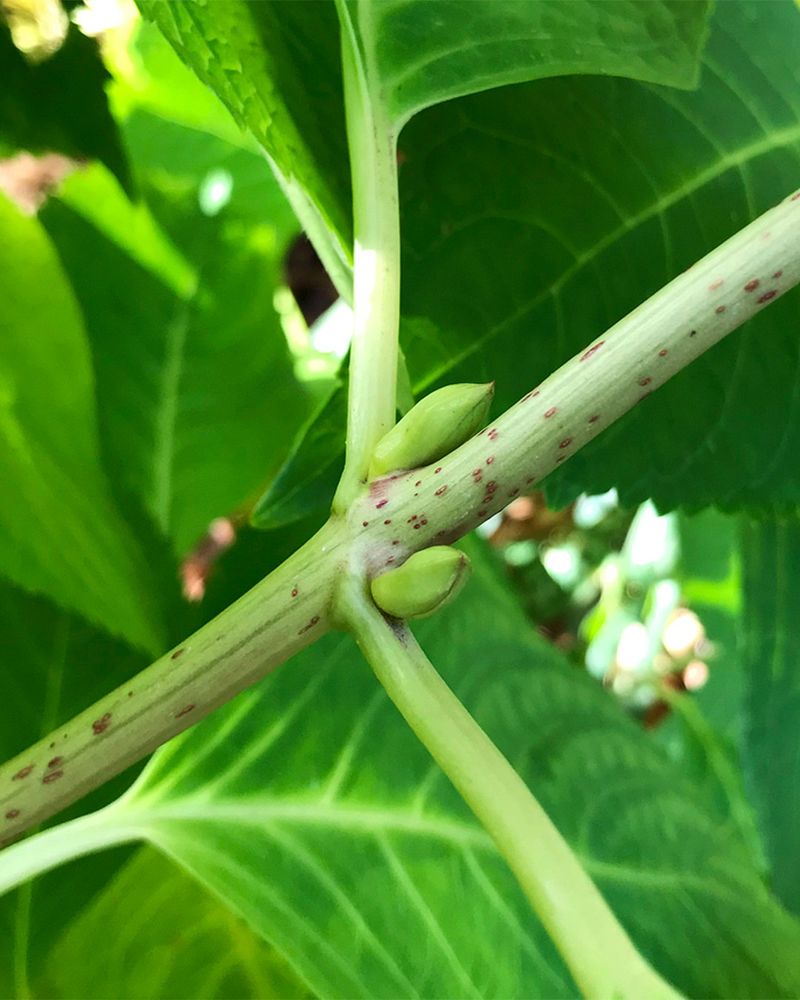
August might feel like the perfect time to tidy up the yard, but putting those pruning shears away is one of the best decisions you can make for your hydrangeas. Hard pruning in August can seriously set back your plant’s ability to bloom next spring.
Many gardeners do not realize how much damage a well-meaning trim can cause at this time of year.
Most hydrangeas grown in Oregon bloom on what is called old wood. That means the flower buds for next year are already forming on the stems that grew this past season.
When you hard-prune in August, you are cutting off those future blooms before they ever get a chance to open.
Hard pruning means cutting stems back significantly, not just snipping a withered flower here or there. Even a moderate cutback can remove enough budding wood to leave your plant flowerless next spring.
The results will not show up until months later, which makes it easy to forget the August trim was the cause.
Waiting until late winter or very early spring is the safer option. By then, you can see which stems survived the cold and make smarter cuts.
Protecting your stems through August gives your hydrangeas the best shot at a full, colorful bloom season. Hold off, and your patience will be rewarded with a gorgeous display come spring.
2. Next Spring’s Buds May Already Be Forming
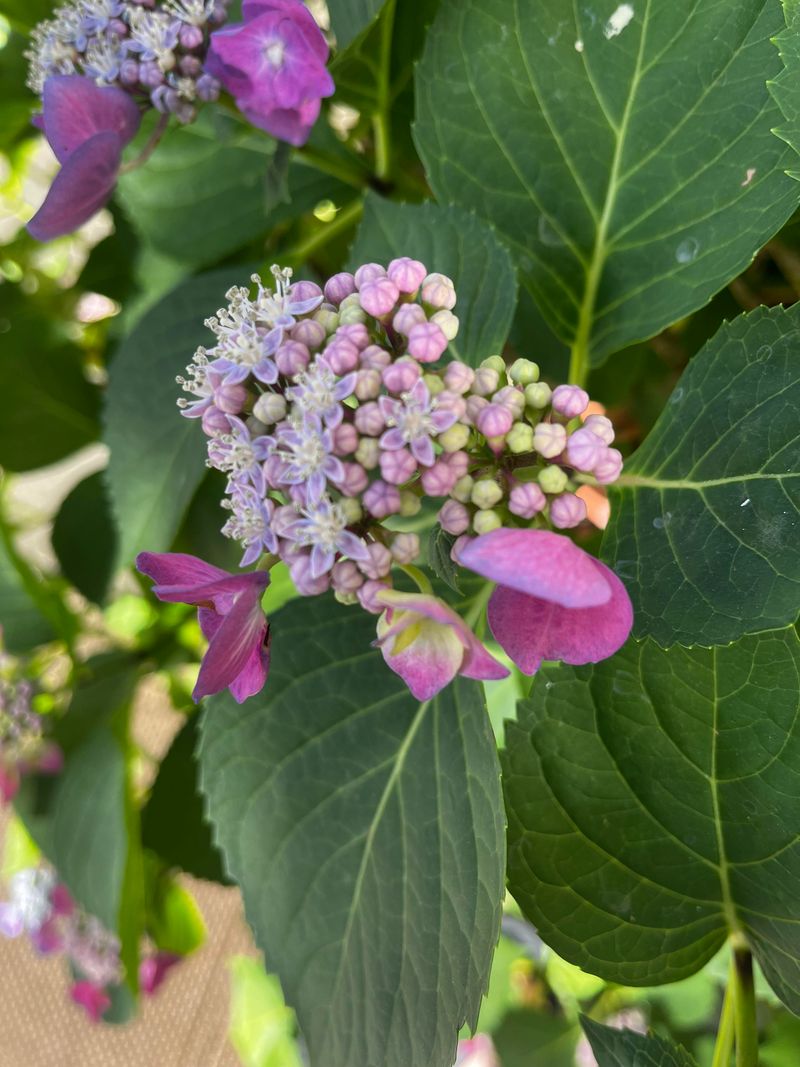
Most people think of spring as when the growing really begins, but for hydrangeas, the groundwork for next year’s blooms starts much earlier.
By August, many hydrangea varieties are quietly doing some very important work inside their stems.
Tiny flower buds are beginning to develop, even if you cannot see them yet.
Old-wood bloomers like Bigleaf and Oakleaf hydrangeas set their buds on the previous season’s growth.
That means the stems standing in your garden right now are carrying the seeds of next spring’s flower show.
Removing them now would be like erasing a painting before it is finished.
The bud-setting process is triggered by the shortening days of late summer. As daylight decreases, the plant shifts its energy from producing new leaves and flowers toward preparing for dormancy and future growth.
Your Oregon Garden Changes Every Week. Your Plan Should Too.
Gardening in Oregon changes quickly throughout the season. Every Friday you’ll receive a simple weekly plan showing exactly what to plant, prune, fertilize, harvest, and protect so you never miss the right timing.
This shift happens quietly and invisibly, but it is one of the most important events in the plant’s yearly cycle.
Cooler nights in this region can also speed up this process. Oregon’s climate, with its mild but shifting late-summer temperatures, creates the right conditions for early bud development.
Knowing this should change how you look at your hydrangea in August. What looks like a plant winding down is actually one gearing up.
Treat it with care during this window, and next spring will reward you with blooms worth waiting for.
3. Old-Wood Hydrangeas Need Their Stems
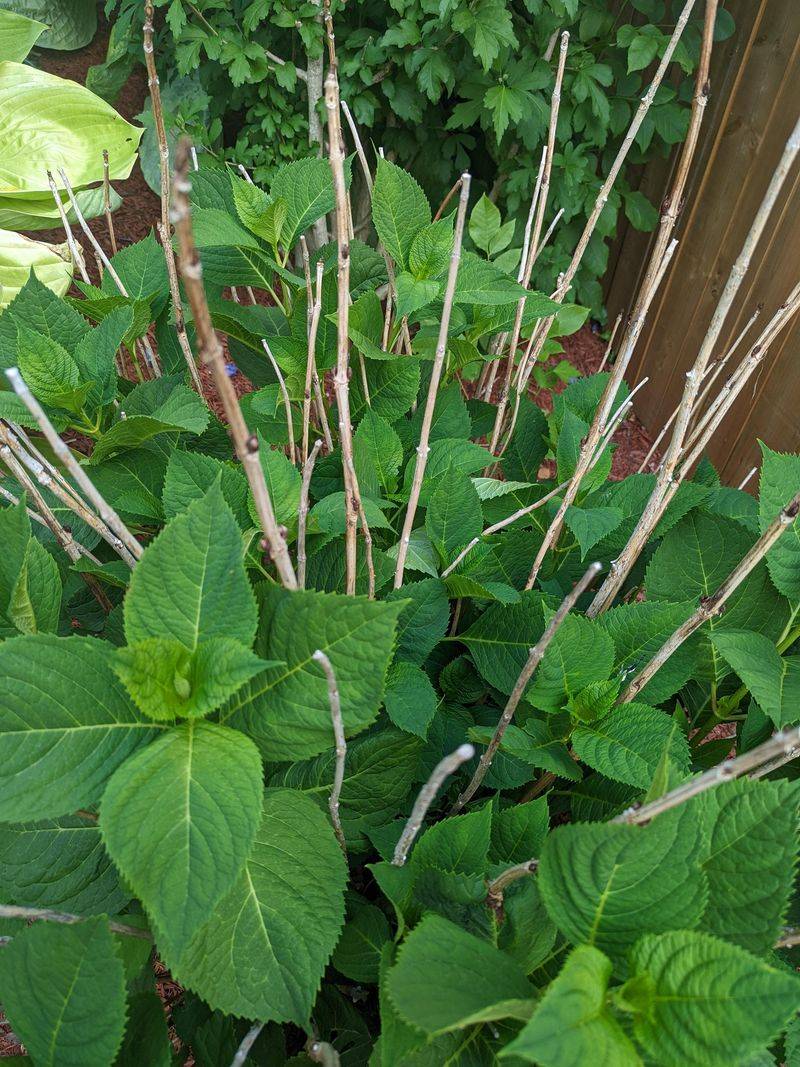
Not all hydrangeas are the same, and knowing which type you have makes all the difference. Old-wood hydrangeas bloom on stems that grew the year before.
That is the key fact that changes everything about how you should care for them in August.
Bigleaf hydrangeas, also called Hydrangea macrophylla, are the most common type grown in Oregon. Oakleaf hydrangeas are another popular old-wood bloomer.
Both of these types depend on last year’s stems to carry the buds for next year’s flowers. Without those stems, there is no bloom.
Removing old-wood stems in August is like pulling the foundation out from under a house. The plant may survive, but its ability to flower the following spring takes a major hit.
Gardeners who wonder why their hydrangeas leaf out beautifully but never bloom often find that an August or fall pruning was the reason.
Keeping those stems intact through late summer and into winter is essential. Even if the stems look a little rough or the old flowers have turned brown and papery, leave them alone.
Those woody stems are protecting developing buds from wind, cold, and frost as the seasons change. Think of them as a built-in shield.
Once you understand how old-wood hydrangeas work, it becomes much easier to resist the urge to cut everything back and just let the plant do its thing.
4. Cutting Back Now Can Remove Future Flowers
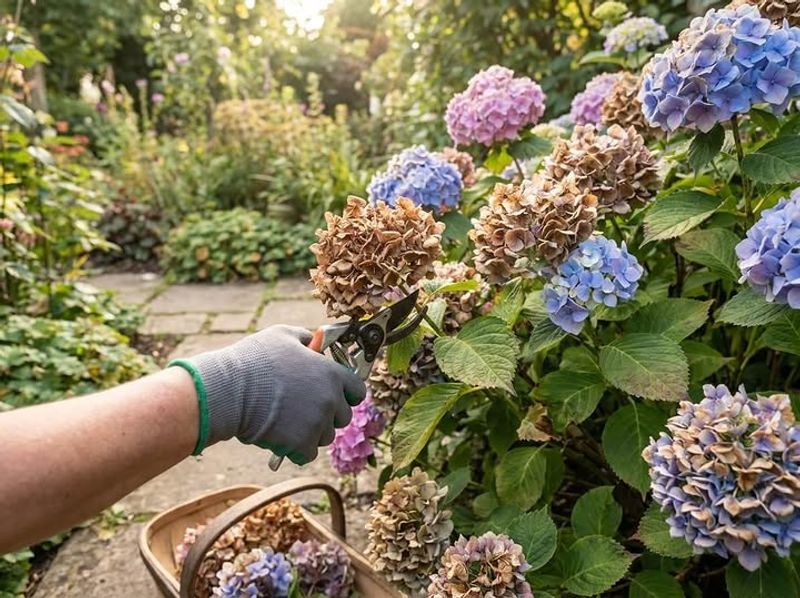
There is a direct connection between what you cut in August and what you see blooming next May. Cutting back your hydrangeas now does not just affect the plant’s looks.
It can completely eliminate next spring’s flower display before it ever begins.
Here is why that happens. Old-wood hydrangeas store their future blooms in the buds that form along the stems during late summer.
When you cut those stems away, the buds go with them. The plant then has to start over, spending energy growing new stems that will not be ready to bloom until the year after next.
Some gardeners try to compromise by cutting back only a few stems. But even selective cutting can remove a significant portion of next year’s blooms.
Unless you know exactly which buds are forming and where, it is safer to leave the whole plant alone until late winter.
Late-summer cuts also leave fresh wounds on the plant right before temperatures start dropping. In northern regions of this state, that can create extra stress as the plant heads into cooler months.
Fresh cut ends are more vulnerable to cold damage than intact, hardened stems.
The best rule of thumb is simple: if it is August, put the pruning shears down. Wait until you see new growth emerging in late February or March.
Then you can trim with confidence, knowing exactly what survived and where the fresh buds are ready to go.
5. Deadhead Lightly, But Stop There
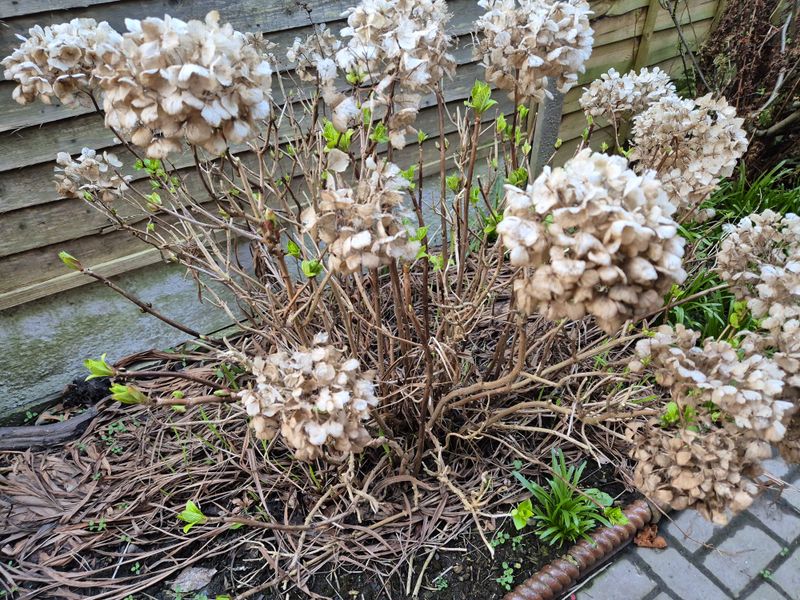
Deadheading is one of those gardening habits that feels productive and satisfying. Removing spent blooms can tidy up a plant and, in some cases, encourage more flowers.
But with hydrangeas in August, you have to know exactly where to stop.
Light deadheading is fine. Snipping off the old, faded flower head right at the base of the bloom is generally safe.
You are removing the spent part without disturbing the stem below it. That stem is what matters most right now, because it is where next year’s buds are forming.
The problem comes when deadheading turns into trimming. It is easy to start with one snip and keep going.
Before you know it, you have cut several inches down the stem and removed the budding wood you were trying to protect. This is one of the most common August mistakes gardeners make without realizing it.
A good rule is to cut only the flower cluster itself, staying as close to the base of the bloom as possible. Do not cut down into the green, leafy part of the stem.
If you are unsure, it is perfectly fine to leave the old blooms right where they are. Dried hydrangea heads actually have a quiet beauty in the fall and winter garden.
They add texture and structure when most other plants have gone dormant. So when in doubt, leave it alone and let the plant keep doing its work.
6. Leave Healthy Green Stems Alone
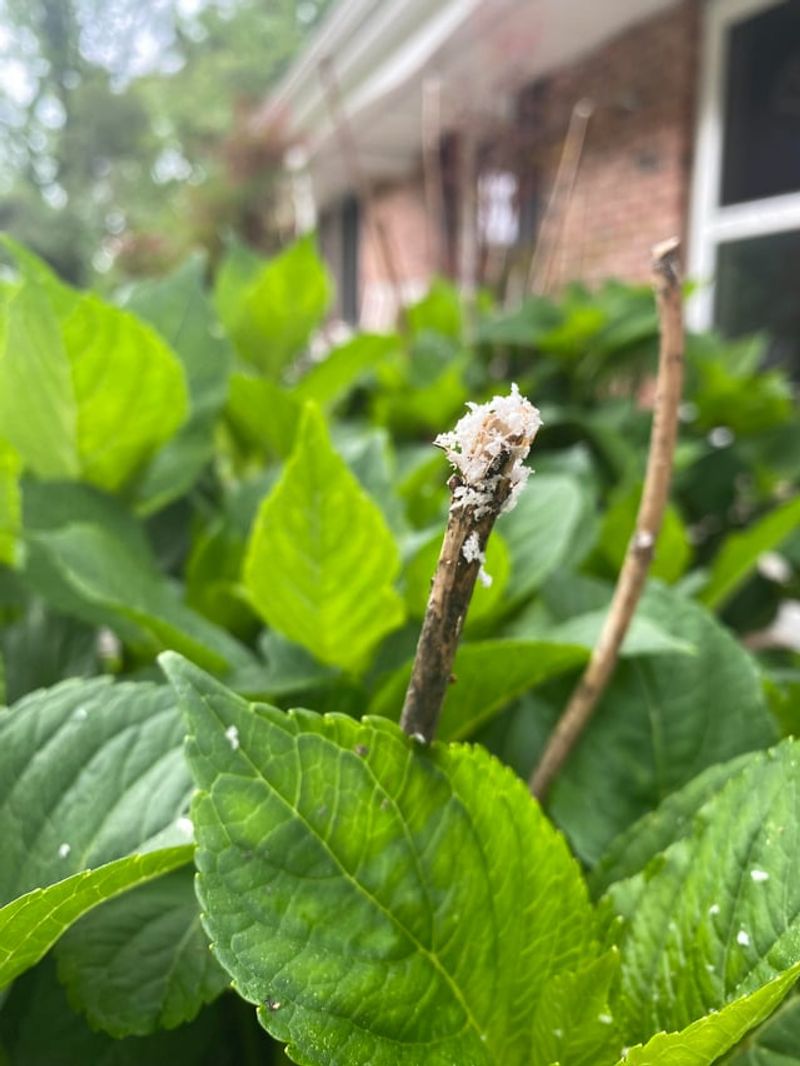
Green stems on a hydrangea in August are a sign that the plant is healthy and active. They are not just filler.
Those stems are doing real work, carrying nutrients, supporting bud development, and preparing the plant for the months ahead.
A common gardening instinct is to cut back anything that looks overgrown or out of place. But healthy green stems on an old-wood hydrangea should be treated like something valuable, because they are.
Cutting them now means losing a direct line to next spring’s blooms.
Even stems that look a little floppy or lanky deserve to stay. The plant’s structure in August does not need to be picture-perfect.
What matters more is that those stems remain intact long enough for the buds inside them to mature and harden before winter arrives.
If a stem is broken, clearly damaged, or showing signs of disease, removing it is fine. But healthy green growth should be left completely alone.
This is especially true in Oregon, where late-summer conditions are often mild enough that the plant is still actively growing and setting buds well into September.
Trusting the plant to do its job is sometimes the hardest part of gardening. Hydrangeas are remarkably self-sufficient when given the right conditions.
Your job in August is mostly to step back, water well, and resist the urge to cut. The plant will take care of the rest if you give it the chance.
7. Skip The End-Of-Summer Cleanup Cut
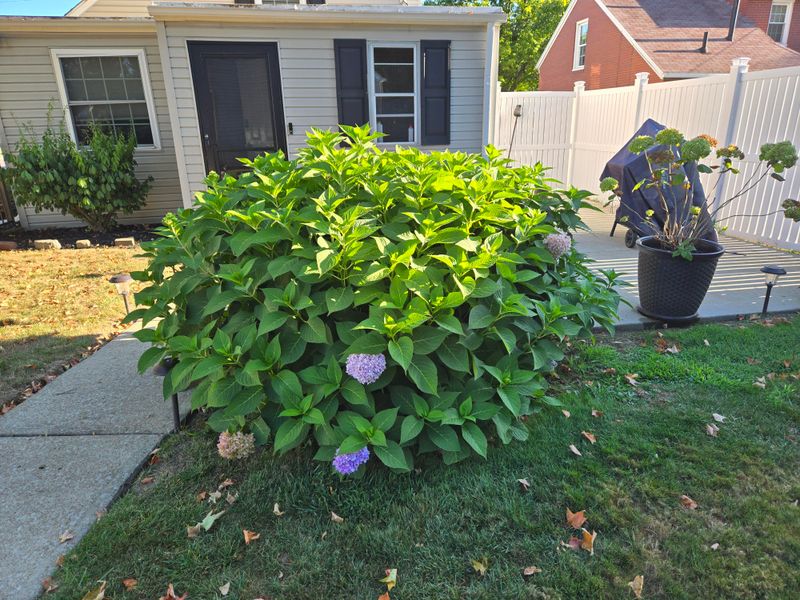
End-of-summer cleanup is a satisfying ritual for many gardeners. Cutting things back, clearing out old growth, and tidying up the beds can feel like a fresh start.
But when it comes to hydrangeas, that cleanup cut can do more harm than good.
Many gardeners treat hydrangeas the same way they treat other perennials, cutting everything back to the ground or to a low framework in late summer or fall. That approach works fine for some plants, but it is exactly the wrong move for old-wood bloomers.
The end-of-summer cut removes the very stems the plant needs to carry next year’s flowers. By the time August arrives, those stems are already in the process of forming buds.
A cleanup cut wipes out all of that progress in one afternoon.
Skipping the late-summer cut does not mean your garden has to look messy. You can tidy up around the base of the plant, remove any fallen leaves or debris, and pull weeds nearby.
The hydrangea itself just needs to be left alone above the soil line.
In cooler parts, leaving the stems standing through winter also gives the plant some natural protection. The old stems act as a windbreak and help insulate the crown of the plant during cold snaps.
Come late winter, you can assess what made it through and make careful, informed cuts. That timing makes all the difference for a strong bloom next spring.
8. Water Deeply To Support Bud Formation
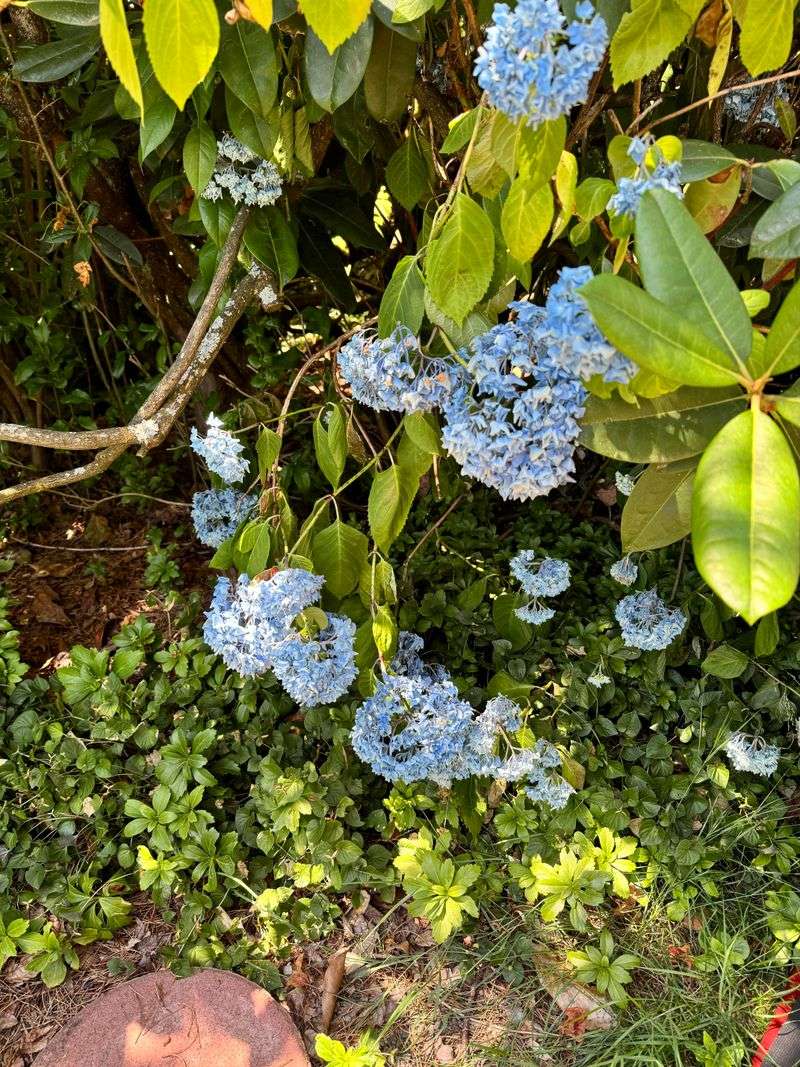
While avoiding the pruning shears is the most talked-about August tip, watering is just as important during this time. Hydrangeas are thirsty plants, and in August, that thirst is tied directly to bud formation.
A plant that runs dry during this window may struggle to produce strong buds for next spring.
Deep watering is the goal. Rather than a quick sprinkle every day, aim for slow, thorough watering that soaks down to the root zone.
This encourages roots to grow deeper and gives the plant steady moisture to support the energy-intensive process of setting buds.
August can bring dry spells, especially in the Willamette Valley and southern regions. During those dry stretches, hydrangeas may wilt in the afternoon heat.
That wilting is a signal to water more consistently, not less.
Mulching around the base of the plant helps retain soil moisture and keeps roots cooler during warm days.
A two to three inch layer of wood chips or shredded bark can make a big difference in how well the plant holds up through late summer heat.
Avoid watering the leaves and blooms directly. Wet foliage in warm weather can encourage fungal issues.
Instead, water at the base of the plant, close to the soil. Consistent, deep watering through August sets the stage for healthy bud development and gives your hydrangeas the foundation they need to deliver a beautiful bloom next spring.