What It Really Means When Fireflies Stop Showing Up In Your North Carolina Yard By Late Summer
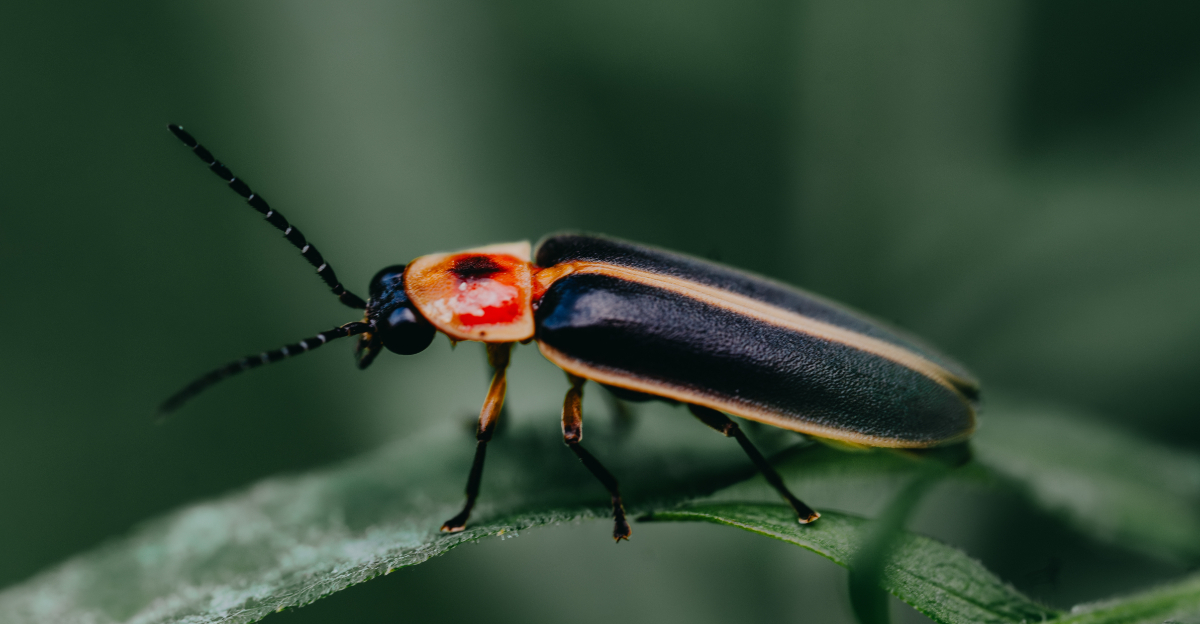
Step outside on a warm July night and something feels off. The backyard that sparkled with tiny lights just weeks ago now sits quiet and dark. For North Carolina firefly fans, that sudden stillness can feel like a loss worth worrying about.
Here’s the twist: this sudden disappearance might not mean what you think. There’s a handful of surprising factors at play, and most of them have a far simpler explanation than you’d guess.
So before you assume the worst about your backyard, let’s dig into what’s really going on and why those lights are likely closer than you think.
Their Adult Stage Only Lasts A Few Weeks
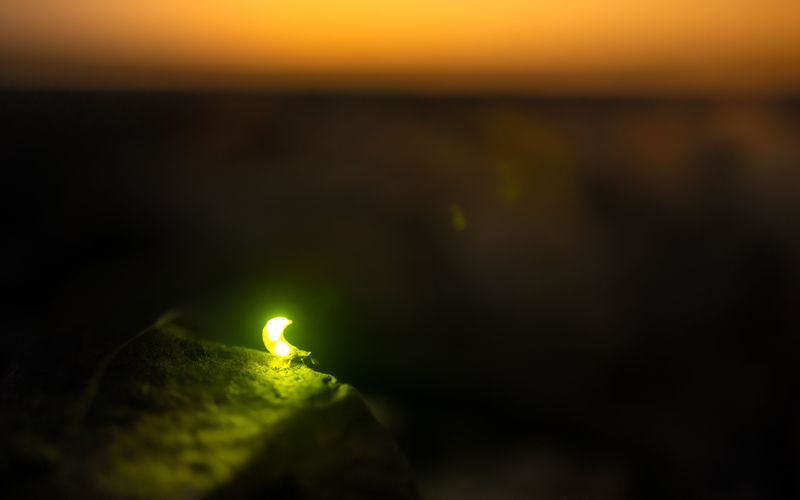
Fireflies live fast. Their adult lives are shockingly short, often lasting only two to four weeks total.
During that brief window, adult fireflies have one main mission: find a mate. They flash, they signal, and they search with remarkable urgency every single night.
Once mating wraps up, the adults simply stop appearing. Their bodies are not built for long summers of leisurely glowing in your backyard.
Most people assume fireflies live all season long, but that is a common misconception. The adult stage is just a tiny slice of a much longer life cycle.
Firefly larvae, for example, spend months underground before ever becoming the blinking adults we recognize. The glowing phase we enjoy is actually the grand finale of a year-long journey.
When fireflies vanish from your North Carolina yard by late summer, their adult stage has simply run its course. Nothing went wrong in your yard.
Think of it like a spectacular fireworks show. The show ends not because something failed, but because it was always designed to be temporary.
Understanding the adult lifespan helps remove the panic many homeowners feel in August. The disappearance is not a warning sign but a natural conclusion to a beautiful biological process.
Next time you notice the lights going dark, remember the fireflies already accomplished everything they came to do. Their short lives were full and purposeful.
Mating Season Naturally Wraps Up By Midsummer
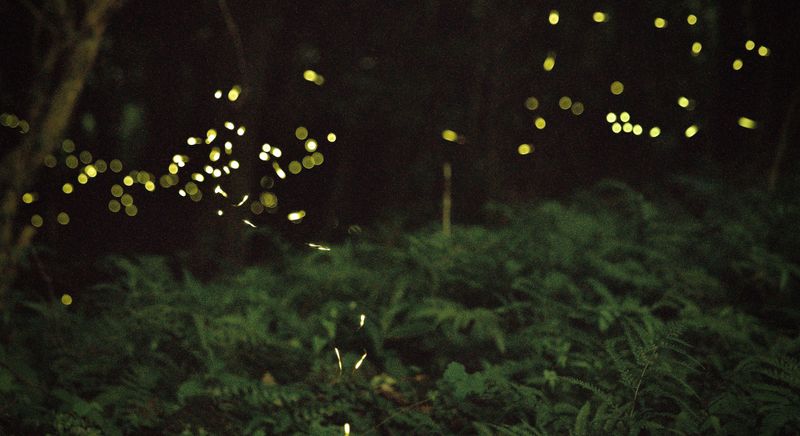
Picture this: your yard in June, absolutely electric with blinking lights from dusk until nearly midnight. By late July, total darkness.
That dramatic shift happens because firefly mating season follows a tight biological schedule. Most North Carolina species peak between late May and early July.
Each firefly species has its own specific flash pattern. Males blink in the air while females respond from the grass below, and the whole conversation is timed perfectly.
Once females have mated and laid their eggs, the flashing communication simply stops. There is no longer any biological reason for the light show to continue.
Some people mistake this natural conclusion for a population problem. They assume pesticides, neighbors, or habitat loss caused the sudden quiet in their yard.
But midsummer silence is actually a sign the season went exactly as planned. A successful mating season means eggs are already tucked safely into moist soil.
Your North Carolina Garden Changes Every Week. Your Plan Should Too.
Gardening in North Carolina changes quickly throughout the season. Every Friday you’ll receive a simple weekly plan showing exactly what to plant, prune, fertilize, harvest, and protect so you never miss the right timing.
Different species also wrap up at slightly different times, which is why the disappearance can feel gradual at first and then sudden. One species fades, then another follows within days.
Fireflies in North Carolina include species like Photinus pyralis, the common big dipper firefly. That particular species typically finishes its flash season well before August arrives.
Knowing the mating calendar turns confusion into appreciation. The quiet late-summer yard is not a loss but a sign your local firefly population did its job well.
Cooler Nights And Drier Soil Signal The Shift
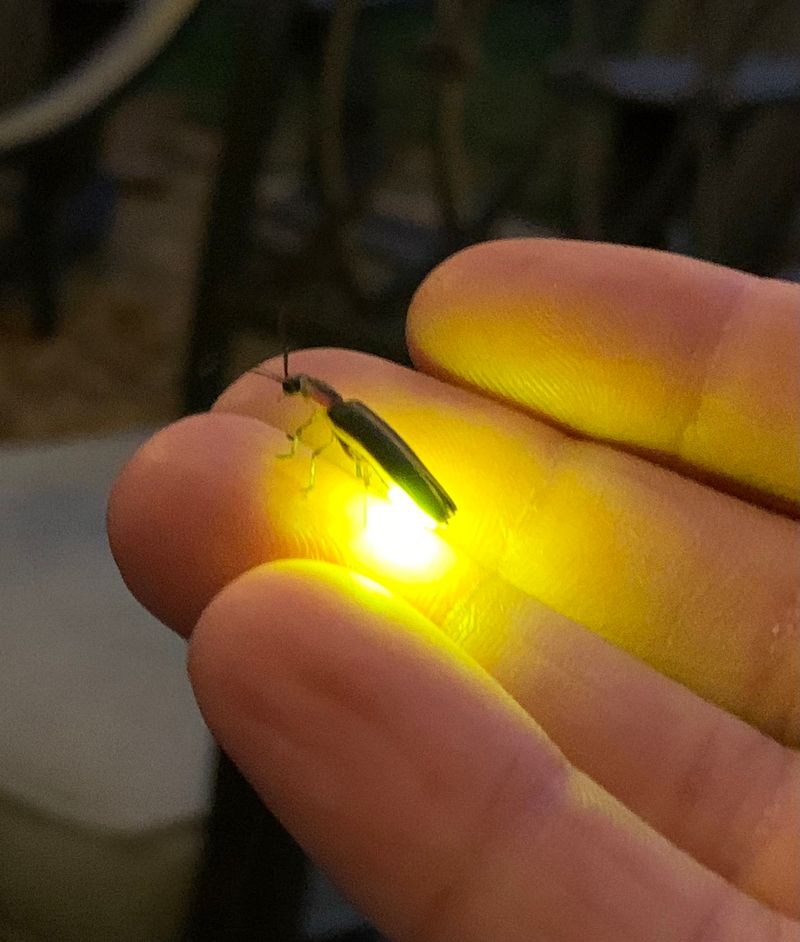
Weather shapes firefly behavior more than most people realize. Even small changes in temperature and moisture can significantly alter when and where they appear.
Fireflies are cold-blooded insects, meaning their activity is directly tied to the warmth around them. As late summer nights grow cooler, their energy and movement slow down noticeably.
Soil moisture also plays a huge role in the timing of their disappearance. Firefly larvae need damp soil to survive underground, and adult females prefer moist ground for laying eggs.
When August arrives and the soil dries out from summer heat, conditions become less hospitable for the whole life cycle. Adults that remain active have fewer suitable spots to deposit eggs.
North Carolina summers can swing from humid and wet to baking dry within just a few weeks. That kind of variability directly affects how long the adult firefly season stretches in any given year.
In wetter years, you might spot a few stragglers glowing into early August. During drought years, the season can end noticeably earlier than expected.
Paying attention to your yard’s moisture levels actually gives you a rough forecast for firefly activity. A consistently damp lawn with shaded areas tends to support a longer visible season.
The shift in temperature and soil conditions is not a threat but a natural cue. Fireflies respond to their environment with impressive precision, and late summer is simply their signal to step back.
A Quiet Yard Doesn’t Always Mean A Declining Population
Silence in late summer can feel unsettling, especially if you love fireflies. But a yard without blinking lights is not automatically a yard in trouble.
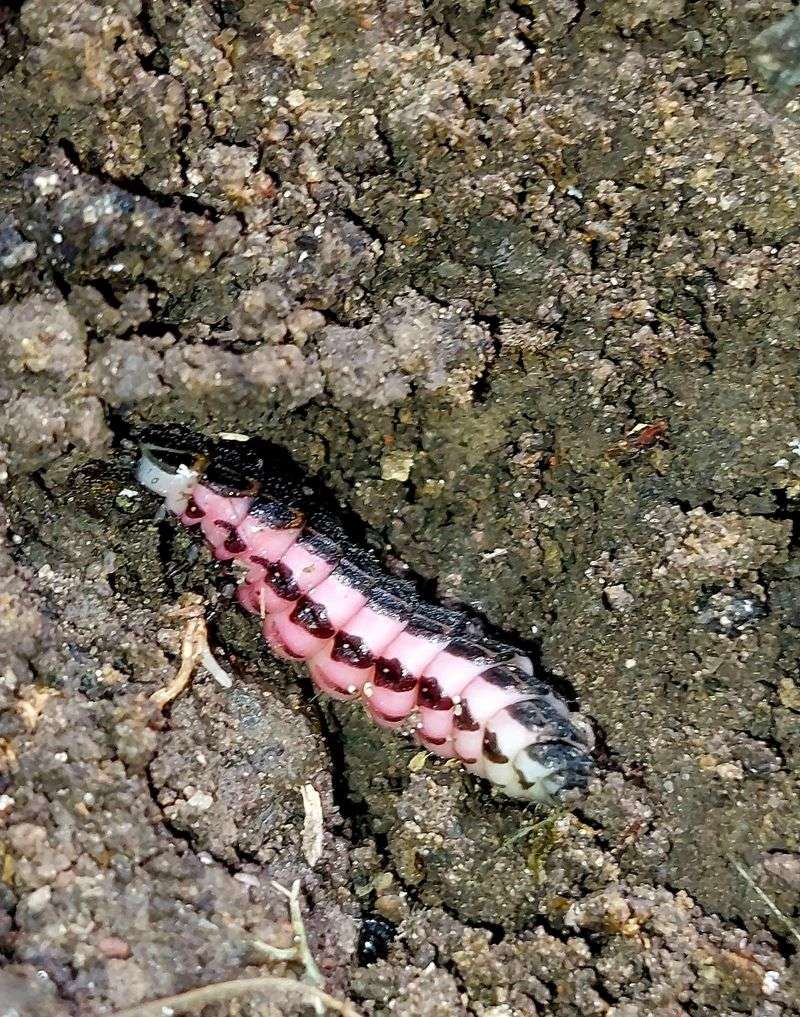
Adult fireflies are gone by this point in the season, but that does not mean the population vanished. Thousands of larvae could be living just inches below your feet right now.
Firefly larvae are predators that hunt small invertebrates in the soil and leaf litter. They are active, healthy, and largely invisible to anyone standing on the lawn.
The absence of adult fireflies after midsummer is a normal part of the annual cycle, not evidence of a population decline. Many homeowners misread this seasonal quiet as a long-term problem.
Populations can genuinely decline over time due to habitat loss or chemical use, but late-summer disappearance alone is not that signal. Timing matters when reading what your yard is telling you.
A better indicator of actual population health is how many fireflies appeared during peak season. If June and early July were active, your yard likely supported a solid group of adults.
Keeping leaf litter in garden beds and avoiding lawn pesticides are two simple steps that protect larvae already in the ground. Those choices now pay off in flashing lights next spring.
A calm August yard, full of hidden larvae beneath the surface, is actually a hopeful sign. What it really means when fireflies stop showing up is that the next generation is already underway.
Light Pollution And Drought Can Still Play A Role
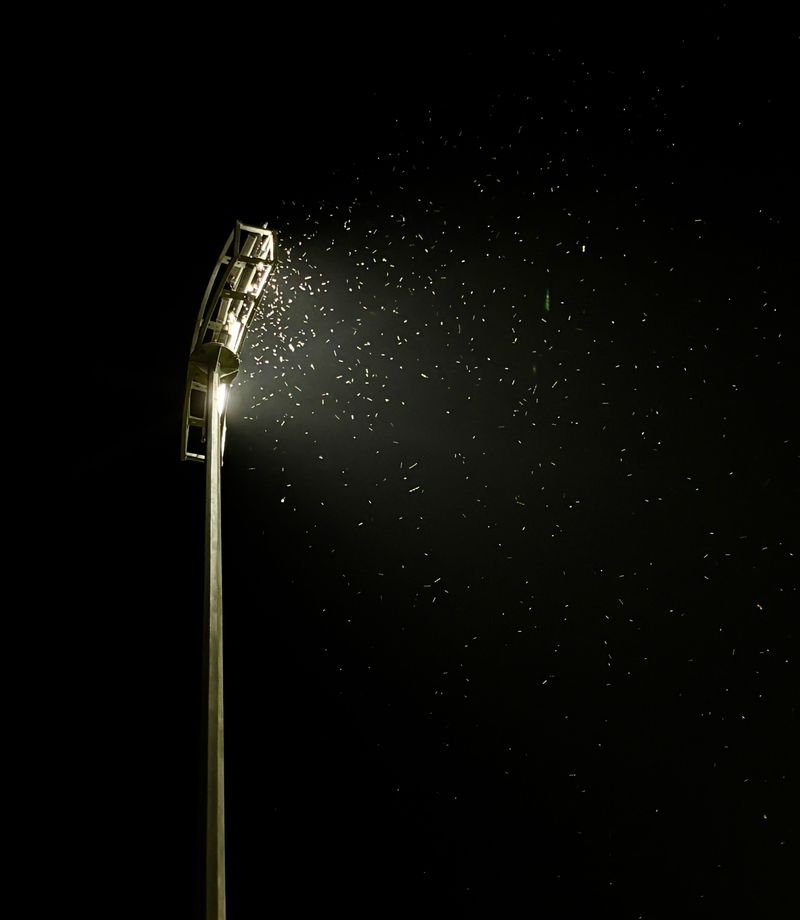
Not every late-summer disappearance is purely about biology. Sometimes human-made conditions push the season to end even earlier than nature intended.
Light pollution is a growing problem for fireflies across the country. Artificial lights from streetlamps, porch lights, and bright windows interfere with the flash signals fireflies use to find mates.
When fireflies cannot communicate clearly, mating success drops. Fewer successful matings means fewer eggs and a shorter visible season overall in affected neighborhoods.
Drought adds another layer of pressure on top of that. Dry conditions stress adult fireflies and make egg-laying harder, since females need moist, soft soil to deposit eggs safely.
North Carolina has experienced stretches of significant summer drought in recent years. During those dry spells, firefly seasons in affected yards tend to wrap up faster than normal.
The combination of artificial light and dry soil creates a tough environment for the final weeks of adult activity. Fireflies in those conditions often disappear earlier than they would in a darker, wetter yard.
Simple fixes can help reduce these pressures over time. Switching outdoor lights to warm amber bulbs and watering garden beds during dry spells can extend conditions that support late-season fireflies.
You may not be able to control the weather, but you can control your porch light. Small changes in your yard add up to meaningful support for local firefly populations season after season.
Next Year’s Fireflies Are Already Developing Underground
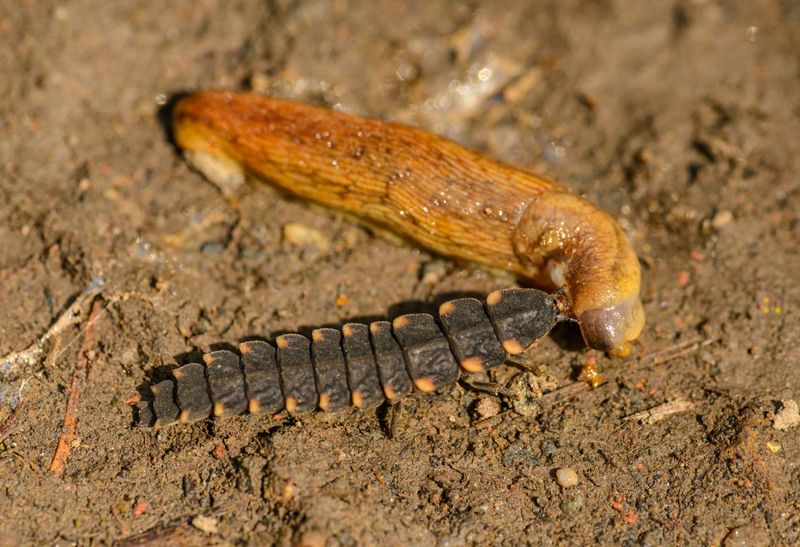
Here is the part that genuinely changes how you feel about August. While your yard sits quiet and dark, something remarkable is already happening below the surface.
Firefly eggs laid in June and July are hatching into larvae right now. Those tiny larvae are burrowing into your soil and beginning a months-long underground journey.
Firefly larvae spend the fall, winter, and early spring feeding and growing in the earth beneath your lawn and garden beds. They are patient, slow-moving, and surprisingly resilient through cold months.
For many species, those larvae will spend a year or more underground before transforming into pupae. A few weeks after that, a brand-new generation of glowing adults will emerge right in your own backyard.
The cycle is continuous and self-sustaining when conditions are right. Every late-summer disappearance sets the stage for next summer’s light show, assuming the habitat stays intact.
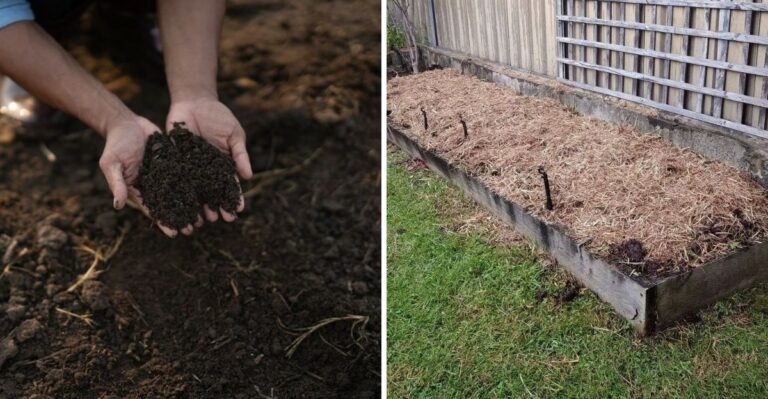
Protecting that underground generation is the most powerful thing a homeowner can do. Avoid tilling garden beds heavily in fall, and leave some areas of leaf litter undisturbed through winter.
Leaf litter acts as insulation and hunting ground for larvae through the colder months. Raking everything bare might feel tidy, but it removes the shelter the next generation depends on.
What it really means when fireflies stop showing up in your North Carolina yard by late summer is simply this: the future is underground, alive, and already working toward next June. That is worth celebrating.