Native North Carolina Shrubs That Outlast Leyland Cypress As A Privacy Screen Without The Headaches
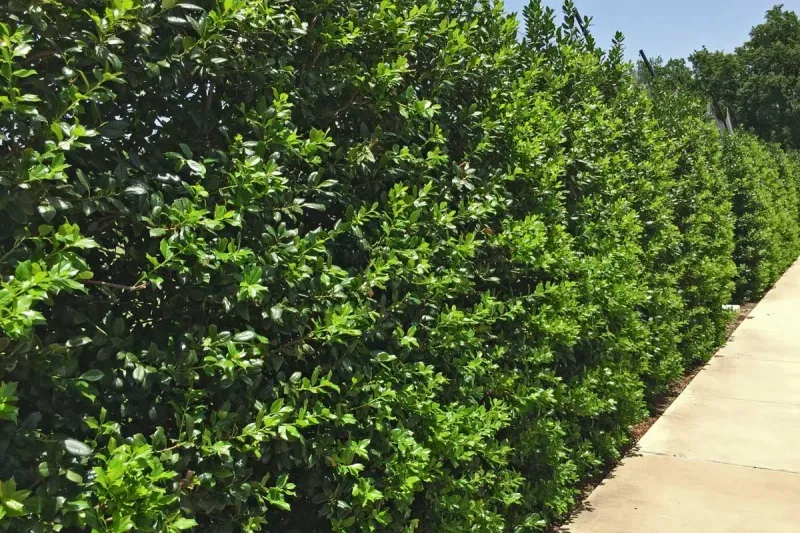
You planted a row of Leyland cypress five years ago for a quick privacy wall, and now half of them are turning brown from the inside out. That is the story on so many North Carolina fences, and it almost always ends the same way. Leyland cypress grows fast, then it gets bagworms, canker disease, and root rot in our red clay, and one August storm can flatten a whole row. Native shrubs do the same screening job without the drama, and they feed birds and pollinators while they are at it.
Here are seven North Carolina natives that will still be standing, and thriving, long after the Leylands are gone.
1. Wax Myrtle Screens Fast And Shrugs Off Salt
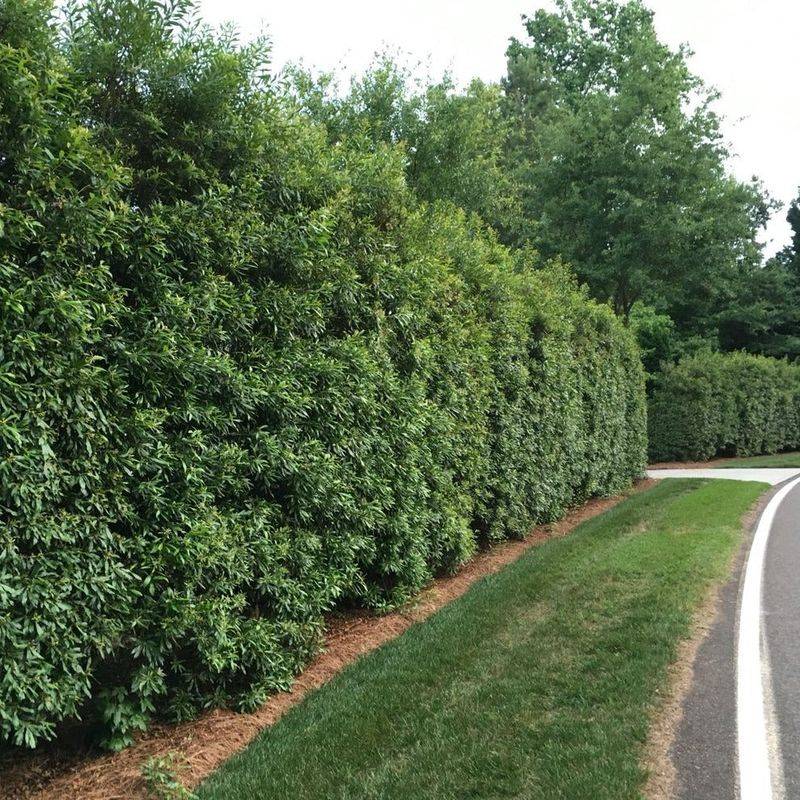
Picture the fastest native shrub in your yard, the one that fills a gap in two seasons instead of five. Wax myrtle (Morella cerifera) grows 3 to 5 feet a year once it settles in, which is nearly Leyland speed without the fragile trunk.
Here is the turn most folks miss. Leyland cypress topples in hurricane wind because its roots stay shallow and its top stays heavy. Wax myrtle bends, holds, and keeps its feet. It handles salt spray, so coastal readers from Wilmington to the Outer Banks can plant it near the road or the dune line.
Space plants 5 feet apart for a solid hedge, or 8 feet if you want a looser, more open look. It tops out around 15 to 20 feet, and you can shear it to any height you like in late winter. Give it full sun to part shade and it forgives our sandy Coastal Plain soil and our sticky Piedmont clay alike.
The quiet bonus is the berries. Female plants carry small waxy fruit that yellow-rumped warblers strip through winter, which is where the old name bayberry comes from. Colonists once boiled that wax for candles.
You get a green wall by year two, a fragrant one when you brush past it, and a bird buffet in January. That is a lot of work from one tough shrub.
2. American Holly Holds A Wall Through Winter
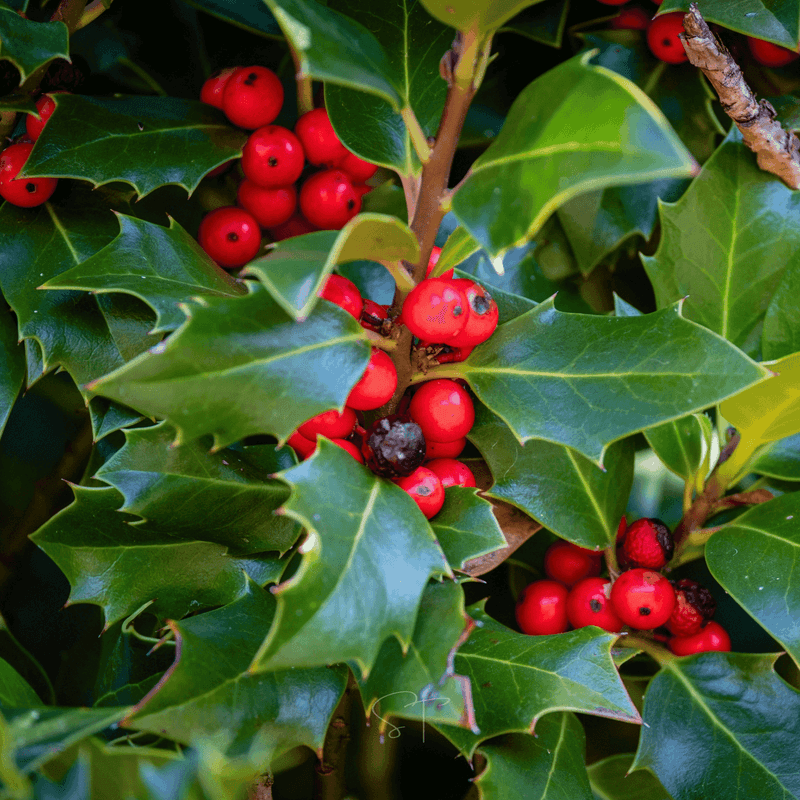
Walk past a Leyland hedge in February and you may find brown gaps where disease crept through. Walk past American holly (Ilex opaca) that same cold week and you get a solid green wall studded with red.
Evergreen and dense, this native holly does the one thing a privacy screen must do, it stays full year round. It grows slower than wax myrtle, about 1 to 2 feet a year, so patience is the price. What you buy with that patience is a shrub-to-tree that can live over 100 years and never asks for a rescue.
Plant it 5 to 8 feet apart in full sun to part shade. It tolerates our acidic Piedmont clay well, and it wants decent drainage, so skip the soggy low spot. A layer of mulch, kept a couple inches off the trunk, keeps roots cool through muggy July.
The spiny leaves do double duty as a living barrier that deer and nosy dogs respect. Only female hollies make the famous red berries, and you need a male plant somewhere nearby to pollinate them, so buy at least one of each.
Your North Carolina Garden Changes Every Week. Your Plan Should Too.
Gardening in North Carolina changes quickly throughout the season. Every Friday you’ll receive a simple weekly plan showing exactly what to plant, prune, fertilize, harvest, and protect so you never miss the right timing.
Cedar waxwings and robins mob those berries in late winter when little else is left. You get privacy, wildlife, and a plant your grandkids will still lean the ladder against. Slow, yes. Fragile, never.
3. Yaupon Holly Takes The Shears And The Drought
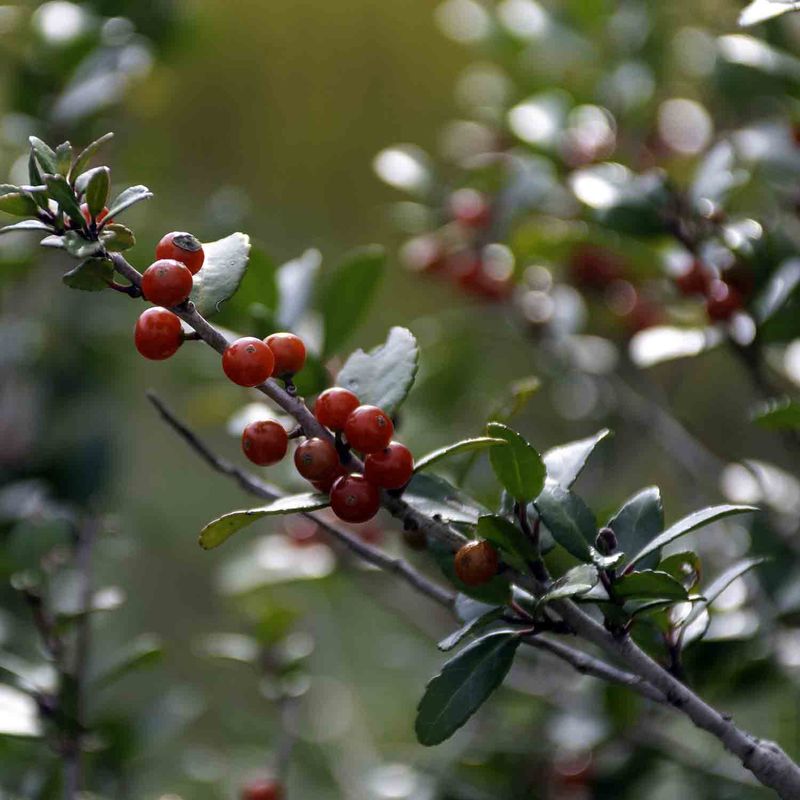
Say you want the crisp, clipped look of a formal hedge but the water bill from your last screen made you wince. Yaupon holly (Ilex vomitoria) is the answer, and it barely sips.
Once established, this tough native handles drought that would brown out a Leyland by August. It grows across North Carolina from the Sandhills to the coast, thriving in poor sandy soil and full sun where fussier shrubs sulk.
Small evergreen leaves take shearing beautifully, so you can keep a tight 6-foot wall or let it ramble to 15 feet. Space plants 3 to 5 feet apart for a hedge and trim in late winter before new growth. It grows about 2 feet a year, a steady middle pace.
Here is the part that surprises people. Yaupon is the only plant native to what is now the United States that makes caffeine, and Southeastern tribes brewed its leaves for centuries. You can dry and steep the leaves for a mild tea, no headache required despite that unfortunate scientific name.
Female plants glow with translucent red berries that feed mockingbirds and cardinals into winter. Compact dwarf types exist too if you want a low border instead of a full screen.
Low water, low fuss, high reward. That is a rare combination in a hedge.
4. Eastern Red Cedar Is The Windbreak That Lasts
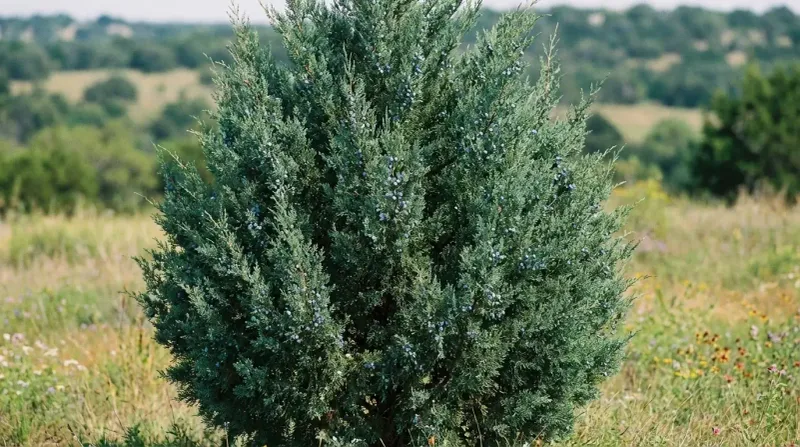
Drive any old country road in the Piedmont and you will see them, tall dark green columns lining fencerows that nobody planted on purpose. Eastern red cedar (Juniperus virginiana) is North Carolina’s own native evergreen, and it has been screening farmsteads since long before Leyland cypress showed up.
If you loved the cypress look, this is the honest swap. It gives you that same tall, dense, coniferous wall, but it is built for our climate instead of fighting it. Red cedar laughs at drought, poor soil, ice storms, and the surprise cold snaps that catch our mild winters off guard.
Plant it 6 to 8 feet apart for a windbreak or privacy row. It grows 1 to 2 feet a year and can reach 30 to 40 feet, so give it room and full sun. It asks for almost nothing after the first year.
One honest catch, cedar-apple rust. If you grow apple or crabapple trees, red cedar can pass a harmless-to-it fungus to them, so NC State Extension suggests keeping some distance between the two.
Female trees carry frosty blue berry-cones that cedar waxwings devour in flocks. The dense branches shelter nesting birds through winter storms. Plant it and forget it, the way your grandparents did.
5. Inkberry Fills The Wet Shady Corner
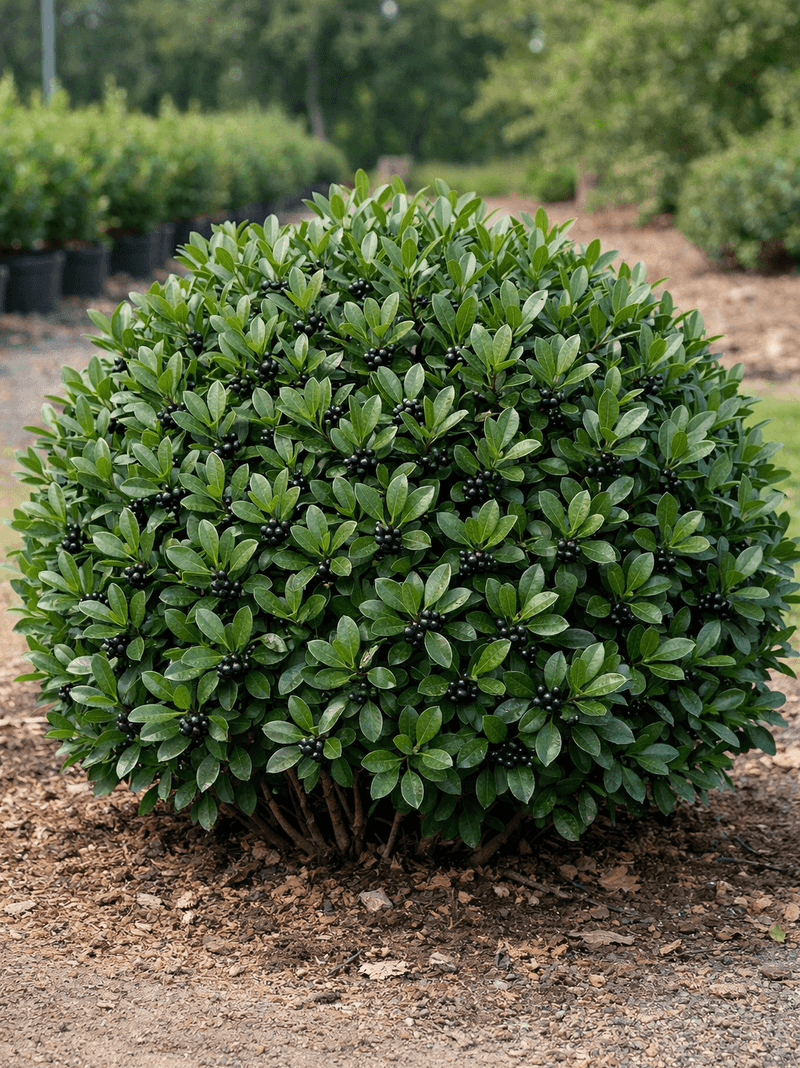
Every yard has that one spot, the low corner that stays damp and shaded where Leyland cypress would rot at the root and quit. Inkberry holly (Ilex glabra) actually wants that spot.
A soft-looking evergreen with small rounded leaves and no spines, it handles wet feet and part shade better than almost any screening native we grow. It stays greener at the bottom than many hollies, which matters when you need privacy at eye level and not just up top.
Expect a mannerly 5 to 8 feet tall and wide, so it fits smaller Piedmont lots and suburban side yards. Space plants 3 to 4 feet apart, and pick a compact cultivar if you want it to stay full down low instead of getting leggy with age.
It grows a modest 1 foot or so a year, and a hard prune in late winter keeps it dense. Native to bogs and pocosins across the Coastal Plain, it drinks up the rain that pools after our afternoon storms.
The dark berries feed songbirds, and the spring flowers pull in bees. Beekeepers even prize the honey. So that awkward soggy corner becomes the easiest, greenest part of your line, and you never touch the hose.
6. Southern Wax Bayberry Screens And Feeds The Coast
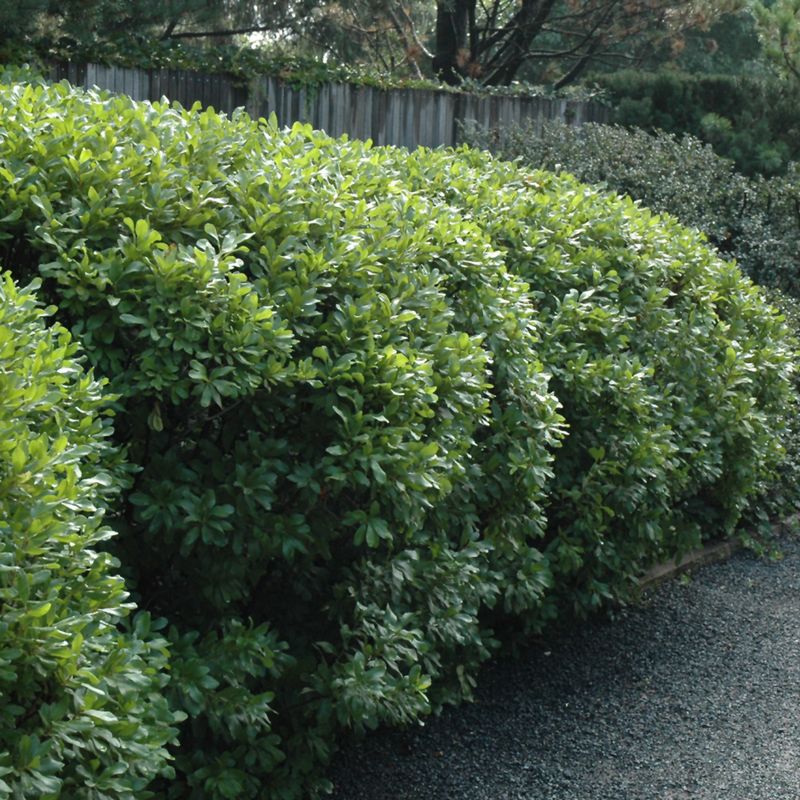
Northern bayberry (Morella pensylvanica) is the tougher cold-country cousin of our wax myrtle, and it earns a spot for one reason, it holds its ground where wind and salt punish everything else.
Semi-evergreen in the mountains and holding leaves longer down east, it forms a rounded thicket 5 to 10 feet tall that knits together into a real barrier. Colonies spread by root suckers, so a few plants fill a run over time, which is a gift when you have a long line to cover on a budget.
Space starts 4 to 5 feet apart and let them thicken. It handles our zones from the 6a mountains to 8a Piedmont, and it fixes its own nitrogen, meaning it feeds itself in the poor sandy or rocky soil that starves other shrubs.
The gray waxy berries are the classic candle bayberry, and yellow-rumped warblers key on them through the coldest weeks. Brush a leaf and you get that clean bayberry scent that mosquitoes seem to dislike, though do not count on it as real bug control.
Where wax myrtle wants the mild coast, this one carries the same job into colder, windier ground. Plant it on the exposed edge of the property and let it take the beating so you do not have to.
7. Arrowwood Viburnum Screens Then Puts On A Show
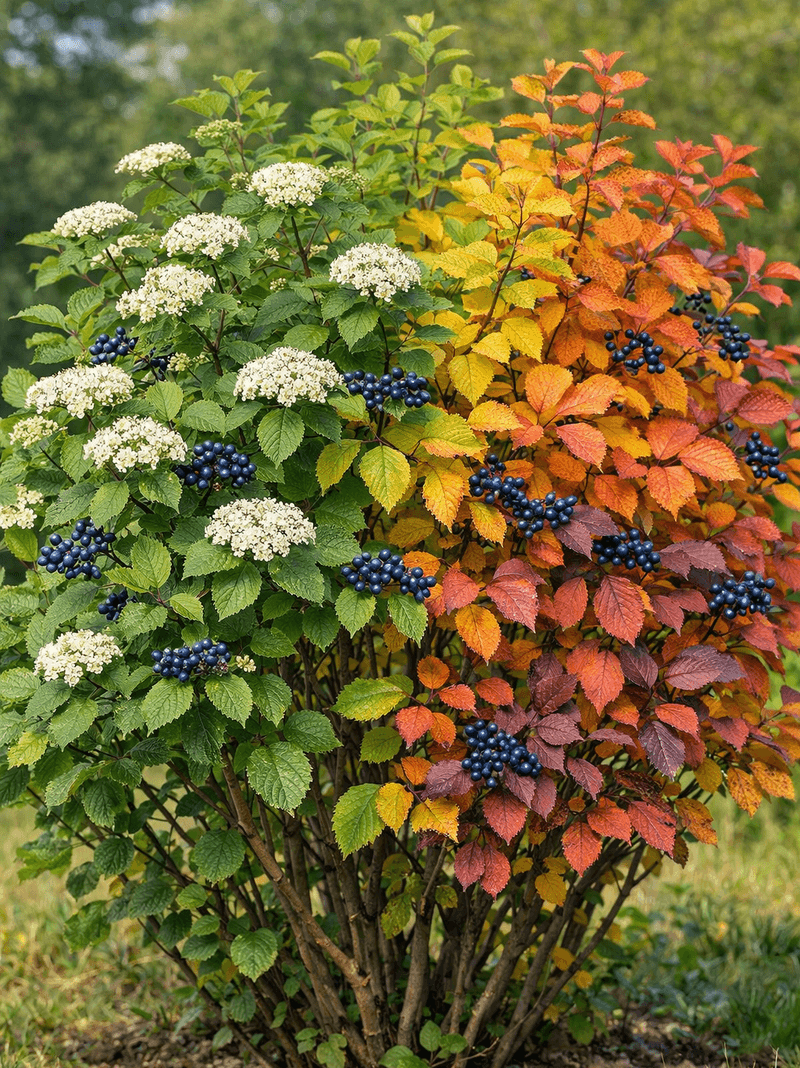
Not every privacy plant has to stand there like a green fence and do nothing else. Arrowwood viburnum (Viburnum dentatum) screens all summer, then hands you white spring flowers, blue fall berries, and burgundy autumn leaves for good measure.
Deciduous, so it does drop leaves in winter, which is the trade-off to know up front. From spring through fall it forms a dense 6 to 10 foot mound that blocks the neighbor’s window during every season you actually sit outside. And a bare-twig screen in January still breaks a sightline better than most people expect.
Plant it 4 to 6 feet apart in sun to part shade, in either clay or sandy soil, it is not picky. It grows a brisk 2 to 3 feet a year and takes pruning right after it blooms in May.
The real payoff is life. Those flat white flower clusters are a landing pad for native bees and butterflies, and the blue-black berries in fall feed migrating birds, including the thrushes passing through the Piedmont. Viburnums are a host plant for the spring azure butterfly too.
You get a working screen and a wildlife buffet in one shrub. When the monarchs drift south in October, your hedge is part of the reason they stop. That is a privacy wall with a pulse, and it will outlast a Leyland by decades.