How To Stop Yellow Starthistle From Taking Over Your California Property
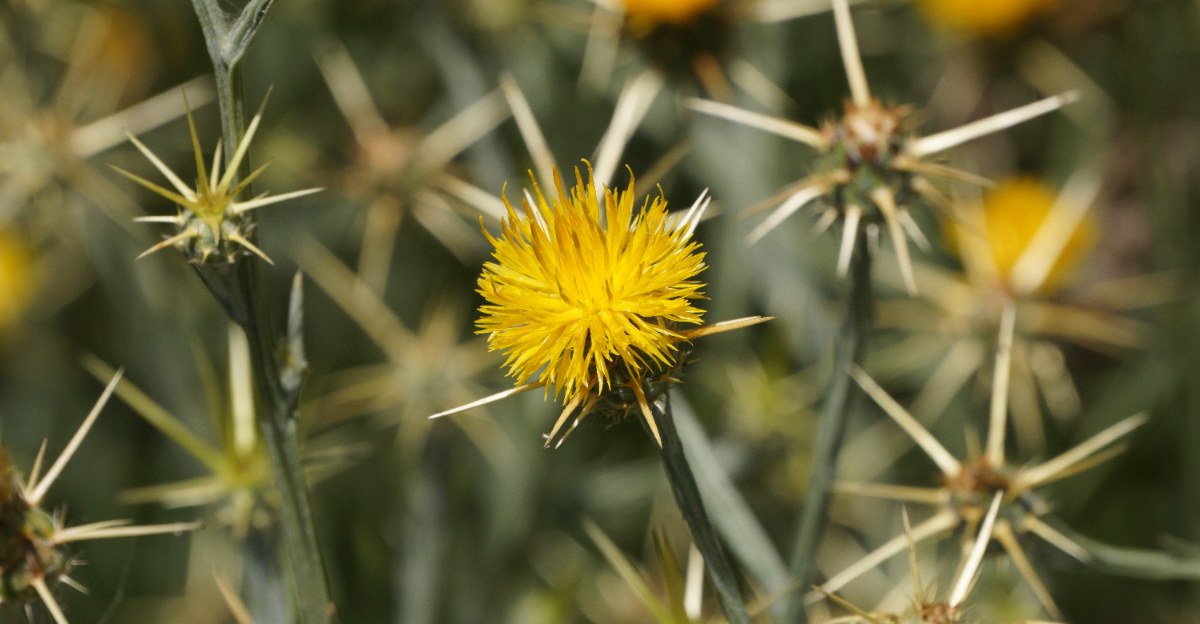
A single yellow bloom along a driveway can look harmless.
That is what makes this weed so frustrating. It starts as a small rosette, blends into dry ground, then grows into a spiny, branching plant that can fill open areas before many property owners realize how far it spread.
California land makes it easy for this problem to move.
Roadsides, pastures, trails, fence lines, disturbed soil, and dry hillsides all give the plant room to establish. Once it produces seed, the work becomes much harder because the soil can keep sending up new plants for years.
Control takes timing.
Pull too late, and seed may already be forming. Mow too early, and the plant can branch low and keep going. Leave bare soil after removal, and the same patch may refill with seedlings next season.
So how can California property owners stop yellow starthistle from taking over?
Start by confirming the weed, mapping every patch, removing plants before seed matures, cleaning equipment, repeating treatments, and replanting with competitive perennials that give bare soil a better future.
1. Confirm Yellow Starthistle First
Identification comes before control.
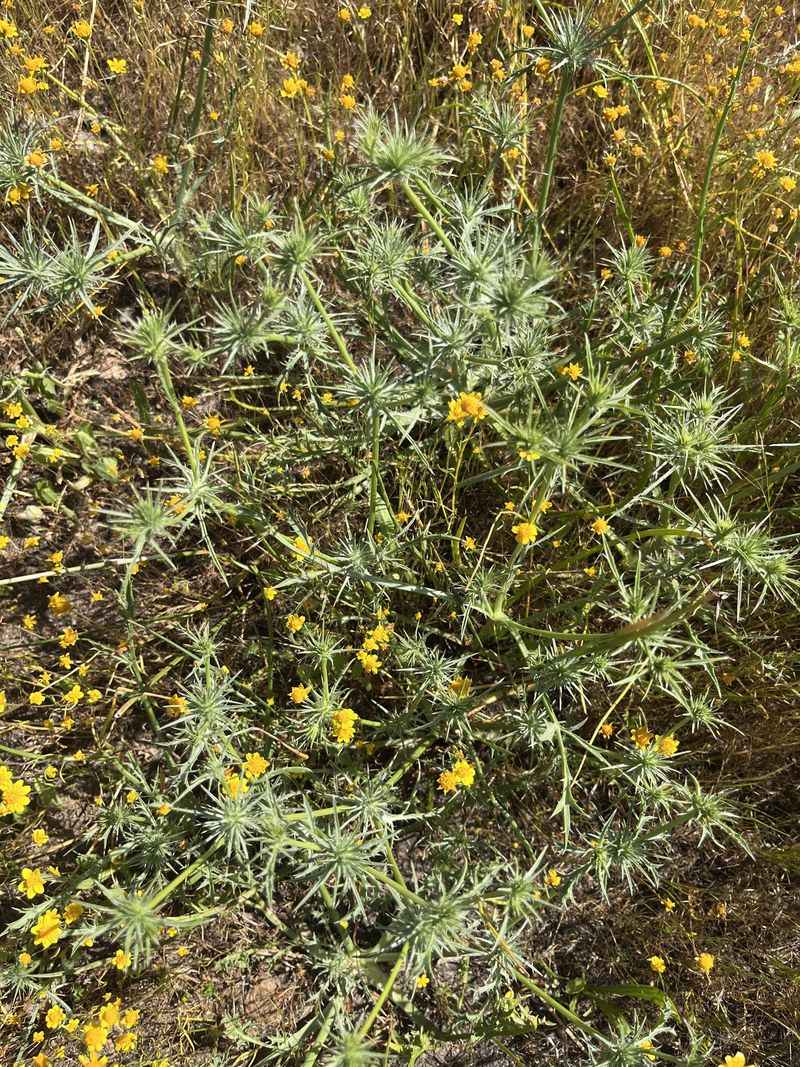
Yellow starthistle starts as a gray-green rosette close to the ground. At that stage, it can hide among grasses and other weeds, especially in dry California soil where many plants look dusty by late spring.
The texture is a clue. Young leaves often look woolly or cottony, with a pale gray cast that separates them from many greener annual weeds.
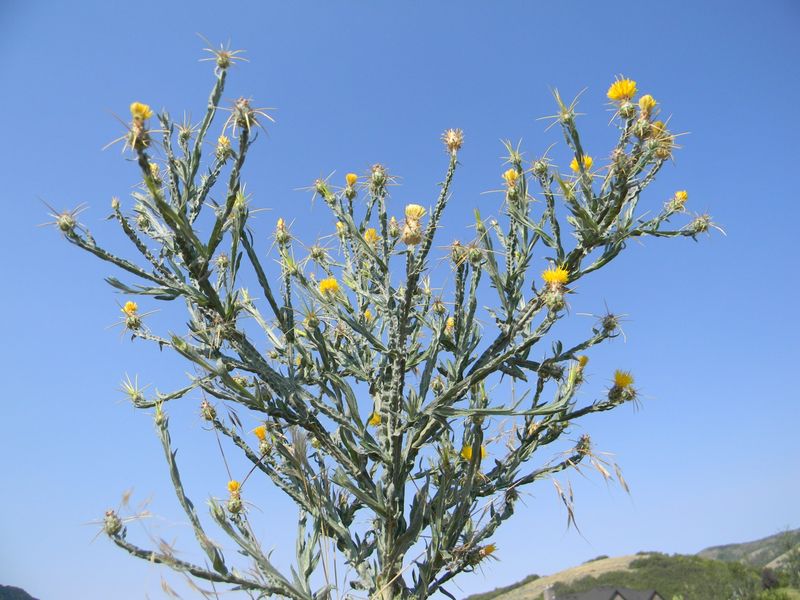
The mature plant becomes easier to recognize. It sends up branching stems with wing-like growth along the sides and bright yellow flowers at the tips.
The flower base matters most. Yellow petals rise from a spiny head surrounded by stiff straw-colored bracts that can poke through thin gloves or pant legs.
Spines signal urgency. Once flower heads and spines appear, the plant is moving toward seed production.
Take photos before pulling. Capture the rosette, stem, flower head, spines, and full plant so you can compare the details later.
Look for similar plants nearby. Some yellow-flowered weeds and native plants can confuse the picture from a distance.
Check more than one growth stage. A property may have rosettes, bolting plants, and flowering plants at the same time.
Ask for help when unsure. A county agricultural commissioner, local weed management group, or cooperative extension office can help confirm the identification.
A correct ID saves effort.
The whole control plan depends on knowing that the plant in front of you is truly yellow starthistle.
2. Map Every Patch Before Flowering
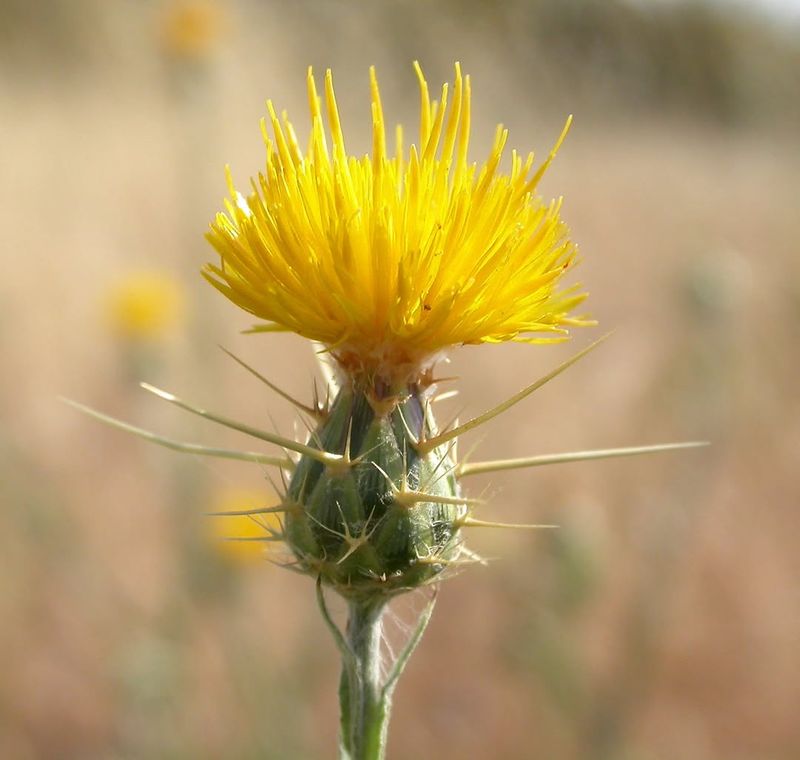
You need to know the full spread before choosing a control plan.
Yellow starthistle rarely stays in one neat clump. It follows roads, driveways, animal paths, fence lines, drainage routes, disturbed soil, and equipment tracks.
Walk the property slowly. Start at the edges, then move inward so satellite patches do not get missed.
Mark what you find. Flagging tape, stakes, a notebook, or a phone map can all help track the infestation.
Separate dense patches from scattered plants. The dense core is important, but the small outliers are often the biggest threat to future spread.
Your California Garden Changes Every Week. Your Plan Should Too.
Gardening in California changes quickly throughout the season. Every Friday you’ll receive a simple weekly plan showing exactly what to plant, prune, fertilize, harvest, and protect so you never miss the right timing.
Treat satellites first. A few plants near a fence or roadside can become a new large patch within a couple of seasons.
Check disturbed ground closely. Bare soil, gravel edges, recently graded areas, and livestock routes are common places for seedlings to establish.
Look beyond the obvious flowers. Rosettes without stems may be younger plants that will flower later.
Photograph each area. A dated photo helps you compare progress through the season and again next year.
Return to the same points. Mapping only once misses later germination and regrowth.
Update the map after each treatment. Mark pulled areas, mowed areas, and places that need another visit.
A map turns the problem from overwhelming to organized.
Once you know where the weed is, you can stop chasing random flowers and start working through a real plan.
3. Pull Small Plants After Rain
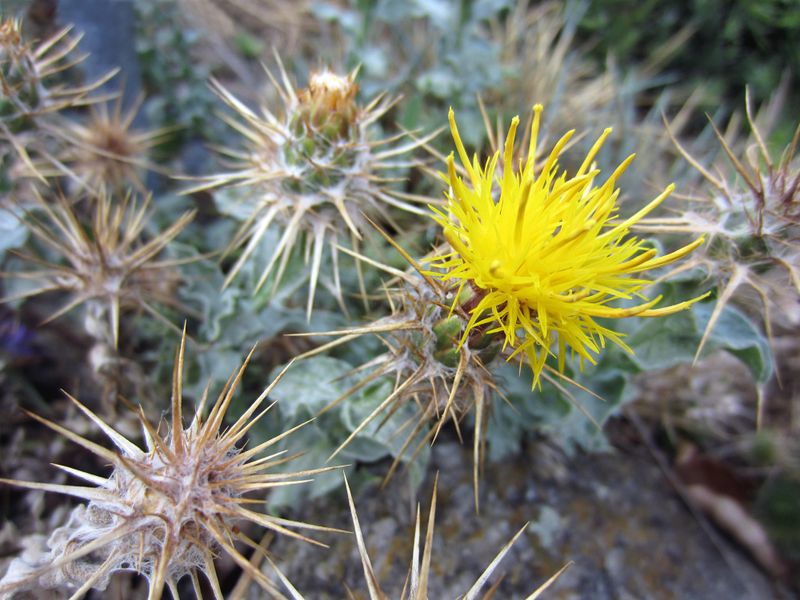
Wet soil makes hand-pulling much more effective.
Small yellow starthistle plants are easiest to remove before they flower, especially after rain or irrigation softens the soil. Dry ground can snap stems and leave the crown behind.
Pull early growth first. Rosettes and young bolting plants are safer and easier to handle than mature spiny plants.
Wear thick gloves. Even young plants can scratch, and flowering plants become much more painful to touch.
Use long sleeves and eye protection. Spines and dry stems can catch skin quickly during large cleanup sessions.
Grip low on the plant. Pulling near the base gives you a better chance of lifting the crown and upper root cleanly.
Use steady pressure. A slow upward pull works better than a quick yank that snaps the stem.
Bag flowering plants. Any plant that has opened flowers or developing seed heads should not be dropped back onto the soil.
Do not leave pulled flowers lying around. Seed can continue maturing on some cut or pulled material when the plant is already far enough along.
Return after new flushes. More seedlings can emerge after rain, especially in areas with an established seed bank.
Work from clean areas toward dense areas. That reduces the chance of dragging seed into parts of the property with fewer plants.
Hand-pulling is not glamorous.
But on small patches and scattered outliers, it is one of the cleanest ways to reduce seed production before the problem expands.
4. Remove The Entire Root Crown
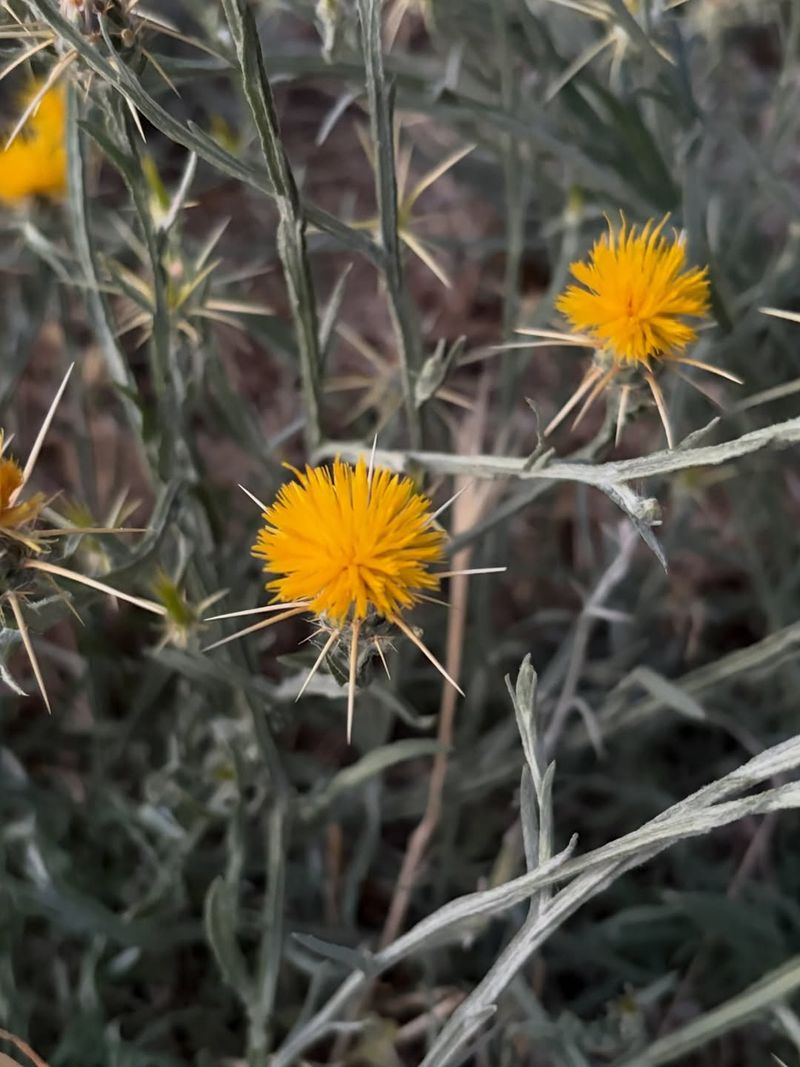
Snapping off the stem is not enough.
Yellow starthistle can regrow when the growing point at the crown remains in the soil. That makes shallow cutting one of the most common control mistakes.
The crown sits near the soil surface. It is the point where the stem meets the root, and it needs to be removed or severed below the growing point.
Cut slightly below ground level. A sharp hoe, soil knife, or narrow weeding tool can slice under the crown without digging up the whole bed.
Keep cuts precise. Broad digging disturbs soil and can bring buried seed closer to the surface.
Avoid unnecessary soil turning. Light, moisture, and disturbed ground can encourage another flush of weeds.
Use a long-handled tool for larger patches. It saves your back and helps keep your hands away from spiny tops.
Check the plant after cutting. The severed crown should come loose from the soil rather than remain attached below the surface.
Collect cut material. Flowering or budded plants should be bagged and removed from the site.
Watch moist soil after cutting. In some conditions, plant pieces left on damp ground may linger long enough to cause trouble.
Revisit the area. Any missed crowns or new seedlings should be handled while small.
This is detailed work, but it matters.
Removing the crown is what separates real control from a plant that simply pauses and returns
5. Mow At Early Flowering
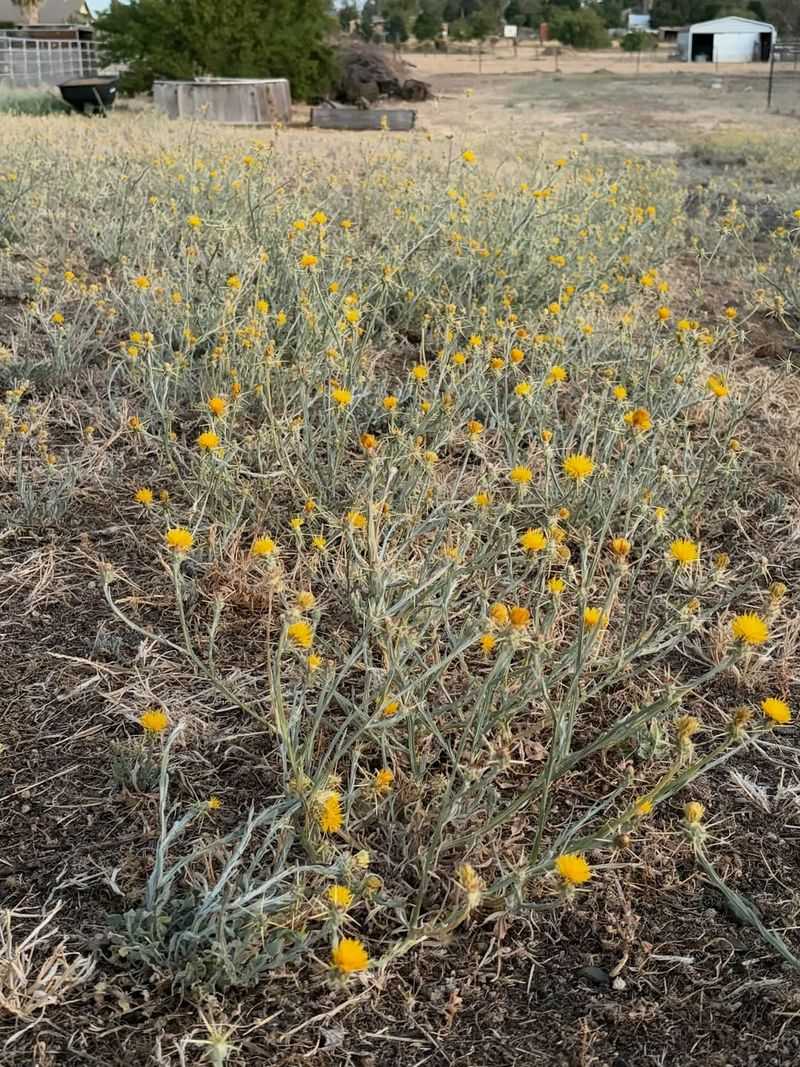
Mowing only works when the timing is right.
Yellow starthistle can respond badly to early mowing. Cut it too soon, and the plant may branch low, stay below the mower deck, and produce flowers later anyway.
Watch the flower stage. The best window is usually early to full flowering before viable seed has matured.
Do not mow during the rosette stage for control. The plant can recover and keep growing.
Do not wait for dry seed heads. Once seeds are firm and mature, mowing can spread them instead of stopping them.
Check a few heads before mowing large areas. Seeds that are soft and pale are much safer to cut than hard, dark, mature seeds.
Set the mower low enough to remove flower heads. The goal is to cut the reproductive growth before it finishes.
Avoid scalping the soil. Bare disturbed ground can create a new germination site.
Use mowing for large open areas. Pastures, roadsides, and fields may be too big for hand-pulling alone.
Plan for a second pass. Plants do not all flower at the same time, so one mowing rarely catches everything.
Keep cut material away from horses. Yellow starthistle is a serious risk in horse areas, especially when animals consume it over time.
Mowing is a timing tool, not a cure.
Used at the right stage, it can reduce seed production across areas too large to manage by hand.
6. Repeat After New Stems Rise
One treatment is rarely enough.
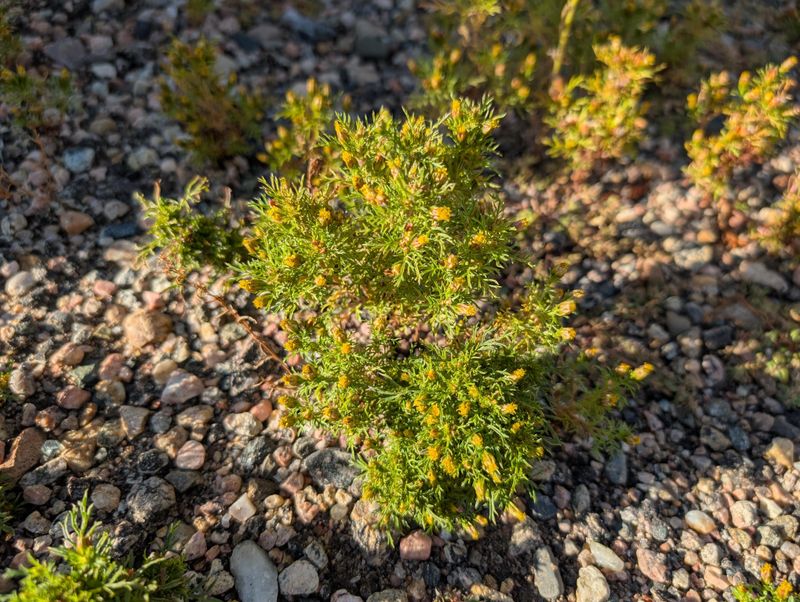
Yellow starthistle is persistent, and treated areas often send up new stems or new seedlings after the first round of work. That does not mean the plan failed. It means the next pass is part of the plan.
Check again in two to three weeks. That timing helps catch regrowth before it flowers.
Look low to the ground. Plants cut too early may branch close to the soil where mower blades miss them.
Hand-cut low branches. A soil knife or hoe can remove regrowth that sits below mowing height.
Watch after rain. Moisture can trigger fresh seedlings from seed already in the soil.
Remove seedlings while small. They are much easier to pull than mature spiny plants.
Keep a treatment calendar. Write down when you pulled, cut, mowed, or replanted each patch.
Compare regrowth between areas. Dense regrowth may show where seed pressure is highest or where the first treatment missed crowns.
Do not skip the edges. Yellow starthistle often survives along fence lines, rocks, posts, and rough margins where equipment misses.
Expect more than one season. Established infestations usually require repeated monitoring before the seed bank drops.
Consistency beats intensity.
A property checked several times at the right moments will improve faster than one attacked hard once and ignored afterward.
7. Clean Equipment Before Moving
Seeds travel when equipment travels.
A mower, tractor, truck, ATV, rake, boot sole, or pair of pant cuffs can carry yellow starthistle seed from one area to another. That turns one patch into several.
Clean before leaving infested areas. Do not drive straight from a weedy patch into a clean pasture, driveway edge, or neighbor’s land.
Brush mower decks carefully. Seeds and plant fragments can lodge under housings and around blades.
Check tires and treads. Mud, dry stems, and seed heads can cling to grooves.
Use compressed air or a stiff brush. A hose rinse can help when water is available and safe to use.
Clean hand tools too. Hoes, shovels, rakes, and weeders can carry seed in soil stuck to the blade.
Brush boots before walking into clean areas. Seeds can cling to laces, soles, cuffs, socks, and work pants.
Check animal fur. Dogs, livestock, and other animals can move seed after walking through mature patches.
Be careful with borrowed equipment. Gear used on another property may arrive with weed seed already attached.
Clean trailers and truck beds. Loose plant material can sit unnoticed until it falls out somewhere new.
Sanitation feels like a small step.
But preventing seed movement can save years of future control work.
8. Replant With Competitive Perennials
Bare soil invites the weed back.
After yellow starthistle is removed, the open ground still contains seed and still offers light. Something desirable needs to occupy that space before the weed does.
Choose competitive perennial plants. Deep roots, dense cover, and long-term growth help reduce open germination space.
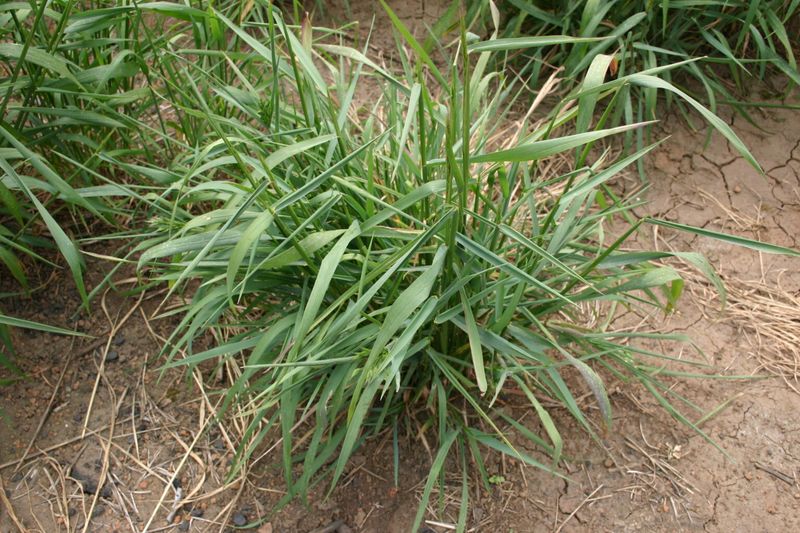
Native perennial grasses can help. Species such as purple needlegrass or blue wildrye may be useful where site conditions match their needs.
Match plants to the property. Sun, slope, rainfall, soil type, irrigation access, grazing, and elevation all affect what will establish.
Do not plant blindly. A species that struggles in the site will leave gaps, and gaps are where starthistle returns.
Use mulch in landscape beds. Wood chips can suppress seedlings while shrubs, grasses, or perennials settle in.
Keep mulch away from plant stems. A few inches of clear space helps prevent crown problems.
Water new plantings through establishment. Even drought-adapted plants usually need help during their first dry season.
Monitor between new plants. Starthistle seedlings can still appear before the desirable cover fills in.
Pull seedlings immediately. Do not let the next generation get tall enough to compete.
Think in years, not weeks. Rebuilding plant cover takes time, especially on dry California land.
The best long-term control is not empty ground.
It is soil covered with plants you actually want.