The California Plants That Shade Out Weeds In Raised Beds Without Chemicals
Raised beds can make gardening easier, but open soil still invites weeds. In California, warm weather can help tiny seedlings show up fast between vegetables, herbs, or flowers.
Chemicals are not the only answer. The right plants can help by spreading enough foliage to shade the soil and slow unwanted growth.
They also make the bed look fuller instead of leaving blank spaces for weeds to claim. This works best when the plants fit the season and do not crowd the crops you actually want.
A good choice should cover ground without stealing the whole bed. It should also handle your local heat and watering routine.
Once you know which plants work as living cover, raised beds can stay cleaner with less pulling and fewer bare patches.
1. Bush Beans Create A Low Canopy Between Taller Crops
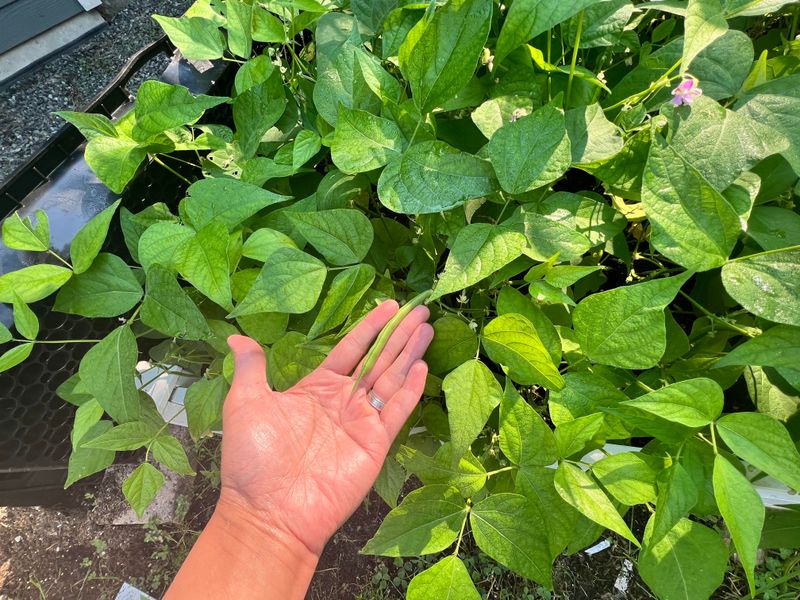
Bush beans might be the most underrated weed suppressors in the vegetable garden. They grow compact, bushy, and thick.
Unlike pole beans that need a trellis, bush beans stay low and spread outward, creating a leafy canopy about eighteen inches above the soil. That canopy does a solid job of blocking sunlight from hitting bare ground.
When planted between taller crops like tomatoes or peppers, bush beans fill in the middle layer of the garden. They use space that would otherwise stay bare and weedy.
The dense foliage shades the soil below and slows weed growth significantly. They also fix nitrogen in the soil, which means they feed the plants around them while suppressing weeds.
In California, bush beans grow fast in warm weather. Most varieties are ready to harvest in about fifty to sixty days.
That quick turnaround means you can plant a second round after the first harvest, keeping that weed-blocking canopy going through the whole season.
Sow seeds directly into the bed about one inch deep and four to six inches apart. Water well after planting.
Once they sprout, they grow quickly and need little attention. Keep the bed evenly moist and watch the plants fill in.
As they bush out, they will cover soil between your taller plants and make it much harder for weeds to find a foothold.
2. Sweet Alyssum Fills Bare Edges With Pollinator Flowers
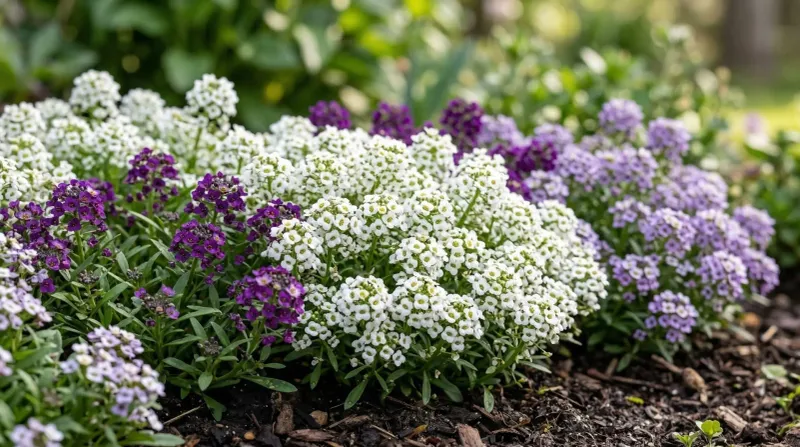
Sweet alyssum is one of those plants that punches way above its size. It stays low to the ground, usually only four to six inches tall, but it spreads wide and fills in bare spots fast.
The tiny white or purple flowers smell like honey and attract beneficial insects by the dozens.
Along the edges of a raised bed, bare soil is an open invitation for weeds. Sweet alyssum takes that space before weeds can.
Its dense, mat-forming habit covers the soil surface and keeps light from getting through. It works especially well as a border plant tucked around the edges of taller crops.
One fun fact: sweet alyssum is a cool-season plant that can bloom almost year-round in warmer parts of California. In hotter regions, it may slow down in midsummer but bounce back when temperatures drop.
Your California Garden Changes Every Week. Your Plan Should Too.
Gardening in California changes quickly throughout the season. Every Friday you’ll receive a simple weekly plan showing exactly what to plant, prune, fertilize, harvest, and protect so you never miss the right timing.
That long bloom window means extended weed suppression with almost no replanting needed.
To use it well, scatter seeds along the edges of your raised bed in early spring. Thin seedlings to about six inches apart so they have room to spread.
Water consistently until plants fill in. After that, they need minimal care.
Deadheading spent flowers encourages new blooms and keeps the plants bushy. The more densely they grow, the better they suppress weeds along those vulnerable bed edges.
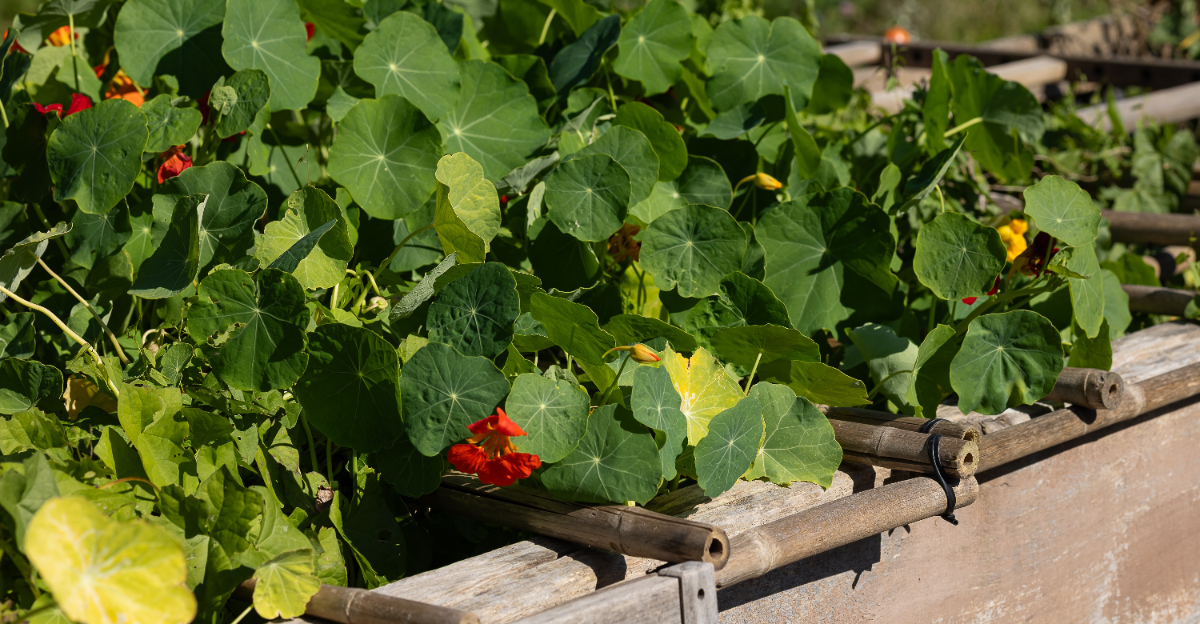
3. Nasturtiums Spill Over Soil And Block Weed Light
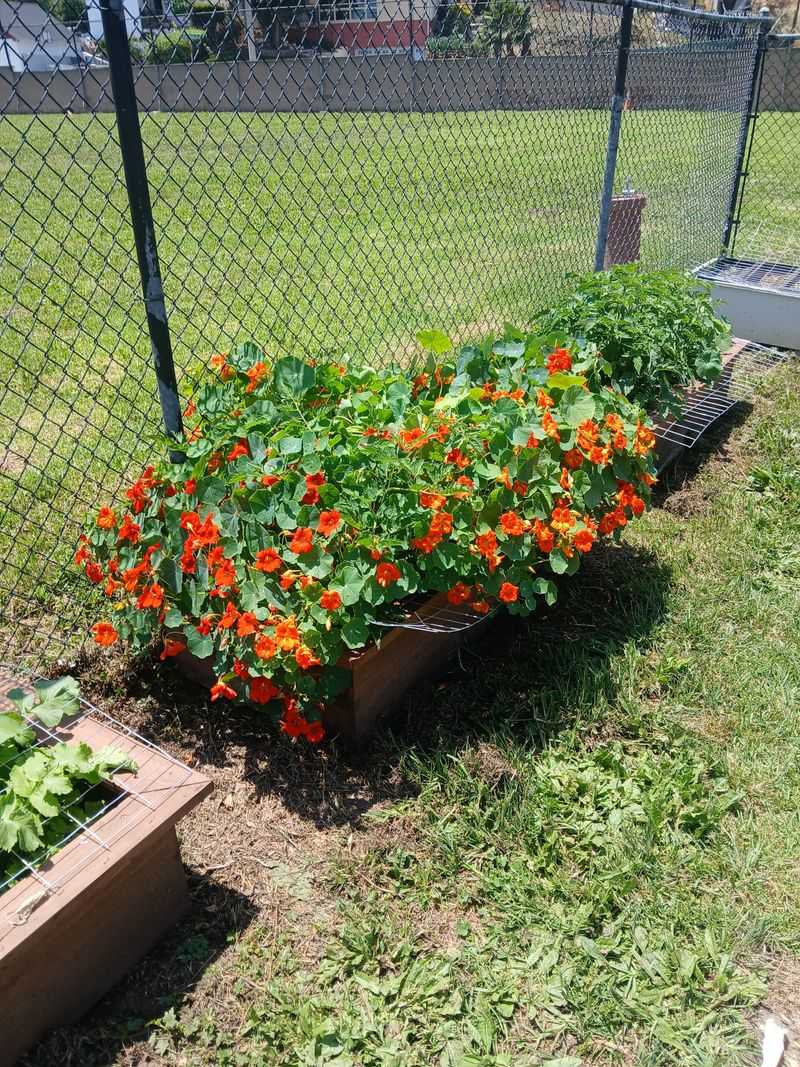
Few plants are as cheerful and hardworking as nasturtiums. They bloom in bold shades of orange, yellow, and red, and they spread quickly across bare soil.
Once they get going, their big round leaves overlap and form a thick mat that blocks sunlight from reaching the ground below.
Weeds need light to sprout. When nasturtiums cover the soil surface, those weeds simply do not get the light they need.
The result is a colorful, natural barrier that requires almost no effort to maintain. You just plant the seeds and let them do their thing.
Nasturtiums also attract aphids away from your other plants, acting like a natural trap crop. Pollinators love the flowers too, so you get pest control and pollinator support all at once.
That is a lot of value from one simple plant.
They grow best in full sun and actually prefer poor soil. Too much fertilizer makes them produce more leaves than flowers.
They thrive from early spring through fall. You can direct sow seeds right into the raised bed about an inch deep.
Space them around ten inches apart and water regularly until they establish. After that, they are pretty tough and low-maintenance.
The vines will sprawl, fill gaps, and keep your bed looking full while quietly suppressing weeds underneath their cheerful canopy.
4. Creeping Thyme Works Around Permanent Raised Beds
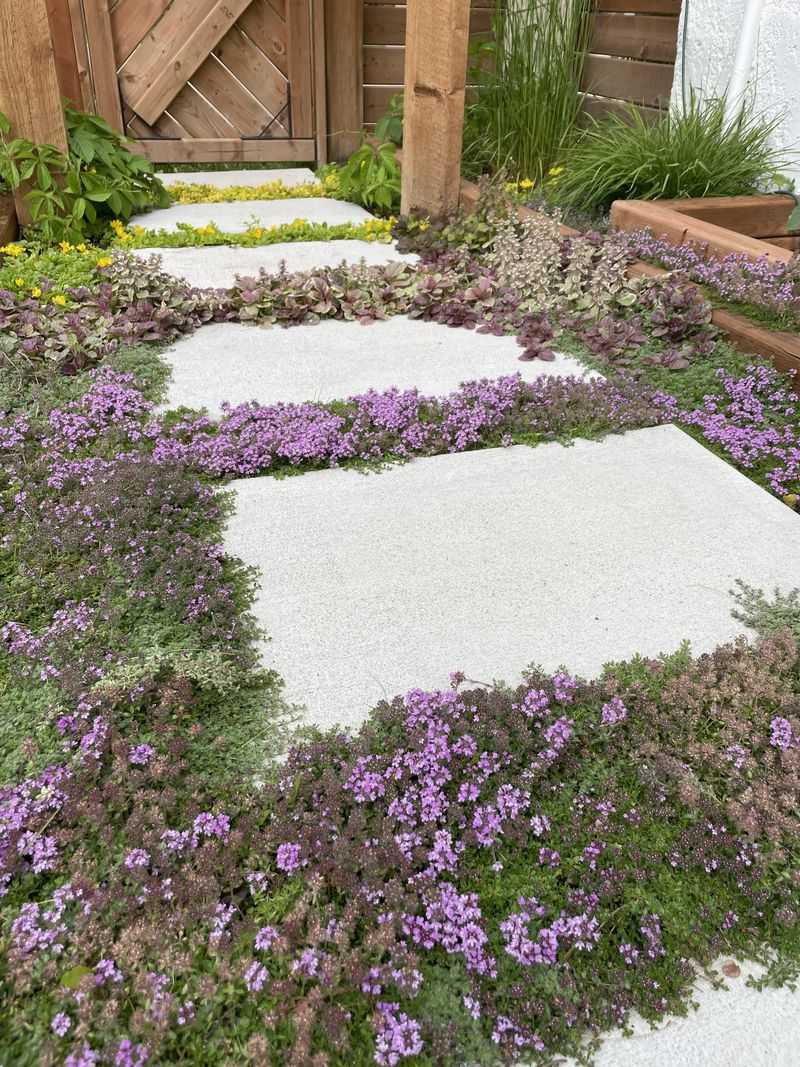
Around the edges and pathways of permanent raised beds, creeping thyme is one of the best plants you can choose.
It spreads low and wide, rooting as it goes, and forms a dense mat that crowds out weeds naturally. It is tough, drought-tolerant, and perfectly suited to our warm, dry climate.
Most people think of thyme as just a cooking herb, but creeping thyme is a low-growing groundcover variety.
It only reaches about two to three inches tall, which makes it ideal for filling the spaces where weeds love to sneak in.
The tiny leaves overlap tightly, and the plant spreads quickly once it gets established in warm soil.
In late spring, creeping thyme bursts into bloom with small pink or purple flowers that bees absolutely love. The blooms last for several weeks and add real beauty to the garden while still doing the hard work of blocking bare soil.
After the flowers fade, the foliage stays green and dense all summer.
Plant creeping thyme along the edges of your raised beds or in the pathways between them. Space plants about twelve inches apart and water regularly during the first few weeks.
Once established, it is very drought-tolerant and needs little watering. It can handle foot traffic too, which makes it ideal around beds you visit often.
Trim it back lightly after flowering to keep it compact and full. It returns reliably each year in most parts of California.
5. Strawberries Cover Soil While Producing Fruit
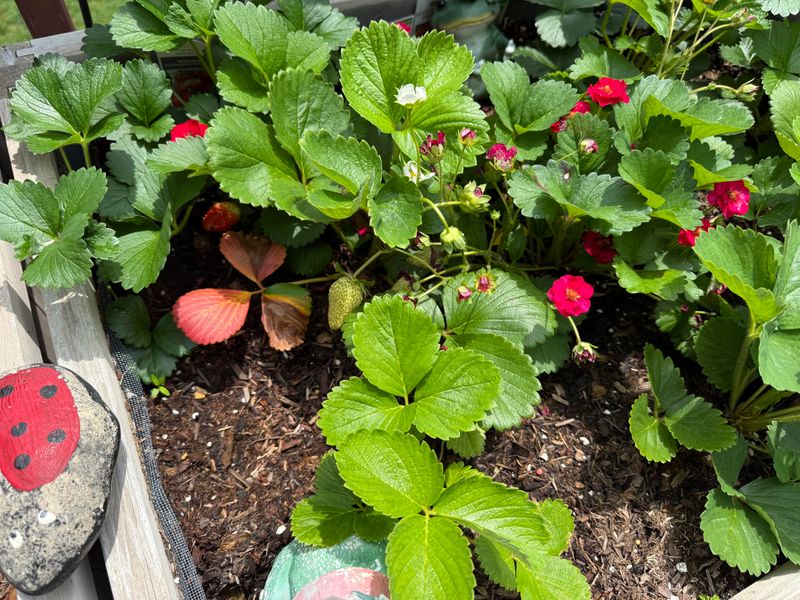
Getting fruit and weed control from the same plant is a pretty great deal. Strawberries spread through runners that creep along the soil surface, and their thick leafy crowns shade the ground below.
In a raised bed, a healthy planting of strawberries can cover the soil so completely that weeds barely stand a chance.
The key is planting them close enough together so their leaves overlap. In a raised bed, space plants about twelve inches apart in a grid pattern.
As they send out runners and establish new crowns, the bed fills in quickly. Within one season, you can have a solid mat of strawberry plants covering the entire bed surface.
Strawberries thrive in our California’s climate, especially in coastal and inland valley regions. They prefer full sun and well-draining soil, which is exactly what a raised bed provides.
June-bearing varieties produce one big harvest in early summer. Everbearing varieties keep producing smaller harvests throughout the season, giving you more time with a full, leafy canopy in place.
To get the most weed suppression, remove any weeds before planting and start with a clean bed. Mulch lightly around new transplants until they fill in.
Once established, the plants do the heavy lifting on their own. Keep runners directed where you want them and remove any that grow outside the bed.
With a little early care, strawberries reward you with fruit and a naturally weed-free bed all season long.
6. Summer Squash Shades Open Soil Fast
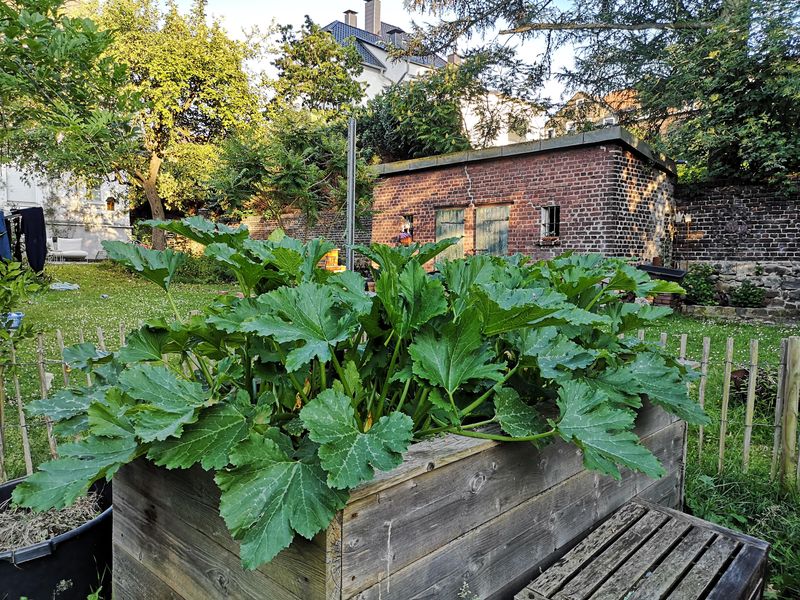
If speed is what you need, summer squash is your answer. Few vegetable plants grow as fast or spread as wide.
Within just a few weeks of planting, squash sends out enormous leaves that can span a foot or more across. Those leaves shade the soil so effectively that weeds underneath barely get a chance to start.
Zucchini is the most popular variety for raised beds. One or two plants can easily cover a four-by-eight-foot bed on their own.
The sprawling habit that can feel like too much in a small garden is actually a benefit when weed suppression is the goal. The more the leaves spread, the less bare soil remains exposed to sunlight.
Summer squash grows best in warm soil with full sun. You can start seeds indoors in early spring and transplant once nighttime temperatures stay above fifty degrees.
Or direct sow after your last frost date. Either way, plants take off quickly and reward you with both shade and food.
Plant one squash per square foot of raised bed space, or give each plant about three feet if you have room. Water deeply and consistently, especially during hot spells.
Feed with a balanced fertilizer every few weeks to keep growth strong. Harvest squash regularly to keep the plant producing and the foliage dense.
The more active the plant, the better it covers the soil and shades out any weeds trying to sneak in below its broad green canopy.
7. Pumpkins Work Best In Large Raised Beds
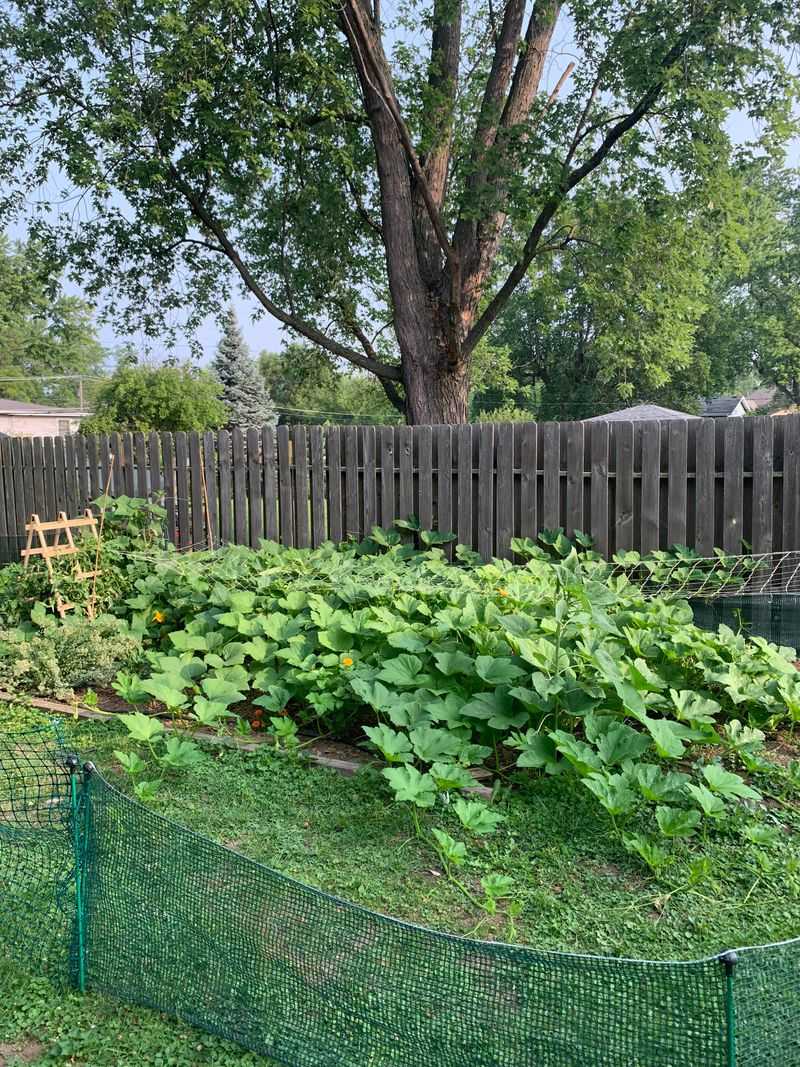
Pumpkins are not a subtle plant. They are big, bold, and they take over space fast.
That is exactly why they work so well for weed suppression in large raised beds. Their long vines and massive leaves create a dense canopy that blocks almost all sunlight from reaching the soil below.
A single pumpkin vine can spread six to ten feet in all directions. In a wide raised bed, that means one or two plants can cover an enormous amount of ground.
The leaves are rough and large, layering over each other to form a nearly solid ceiling of green. Weeds simply cannot survive without light reaching them.
Pumpkins are warm-season plants that love heat, making them a natural fit for our long, hot summers. Start seeds indoors about three weeks before your last frost date, or direct sow once the soil warms to at least sixty degrees.
They grow fast once the weather heats up and will take over the bed with enthusiasm.
Give pumpkins plenty of water and a rich, well-amended soil to support their aggressive growth. Add compost before planting and side-dress with fertilizer once the vines start running.
Train the vines to stay within the bed as best you can, or let them spill over the sides if space allows. Keep an eye out for powdery mildew in humid conditions.
When managed well, pumpkins deliver both a fun fall harvest and a season-long, weed-smothering canopy.
8. Sweet Potatoes Turn Hot Beds Into Leafy Groundcover
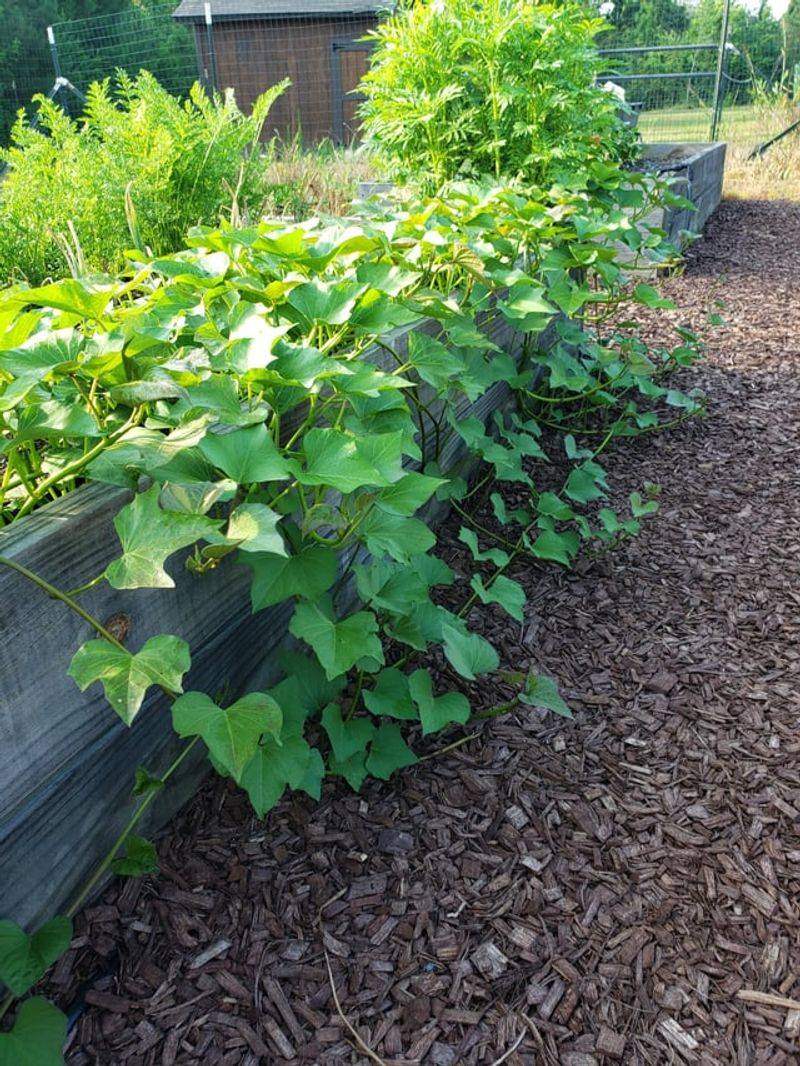
Hot weather does not slow sweet potatoes down one bit. While other plants struggle in summer heat, sweet potato vines take off and cover the ground with enthusiasm.
Their heart-shaped leaves spread quickly and overlap thickly, turning a bare raised bed into a dense carpet of living mulch.
Sweet potatoes are not just a food crop. They are one of the most effective living groundcovers you can grow in a warm-climate raised bed.
The vines spread in every direction, covering soil that would otherwise become a weed magnet.
In California’s hot inland valleys, sweet potatoes thrive from late spring through early fall, giving you months of weed suppression.
Plant sweet potato slips, which are small rooted cuttings, after the last frost when soil has warmed. Space slips about twelve inches apart.
They will start slowly but pick up speed once temperatures climb above seventy degrees. By midsummer, the vines will be running across the entire bed surface.
One thing to keep in mind: sweet potatoes grow underground, so avoid disturbing the soil once plants are established. Water consistently but do not overwater, as soggy soil can cause root rot.
You can harvest the tubers in fall after the vines start to yellow. Until then, let the foliage do its job.
The thick mat of leaves blocks weeds, retains soil moisture, and keeps the bed looking lush all summer with very little effort from you.
9. Cucumbers Can Trail Or Climb To Reduce Bare Soil
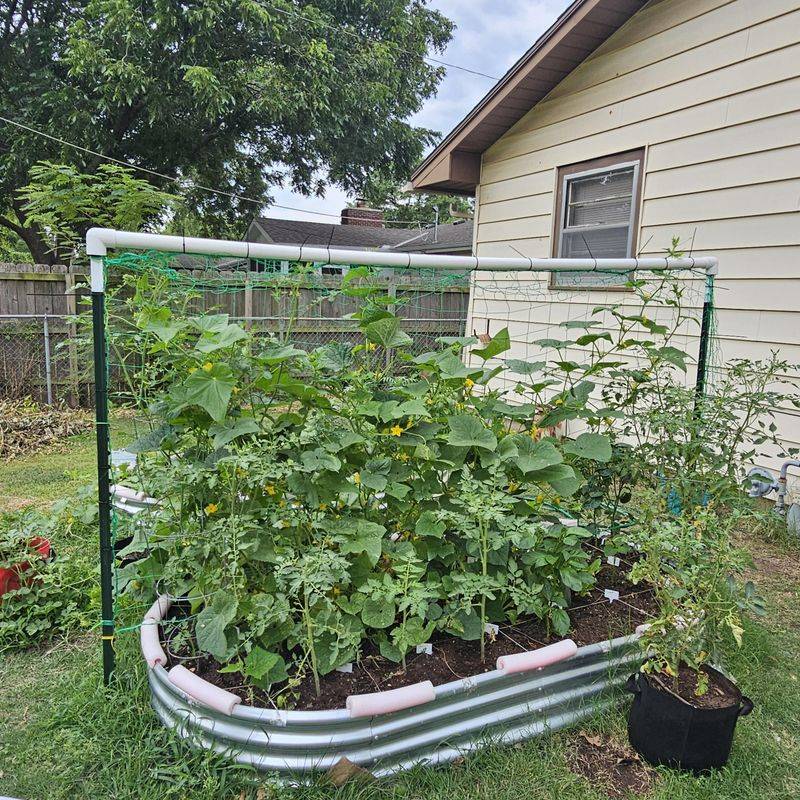
Cucumbers give you options. You can let them trail along the soil surface, where their leafy vines cover the ground and block weed light.
Or you can train them up a trellis and let the lower leaves and sprawling side shoots shade the soil below. Either way, cucumbers are excellent at reducing bare soil in a raised bed.
When left to trail, cucumber vines spread quickly and create a loose but effective canopy. The leaves are medium-sized but numerous, and they overlap enough to shade large patches of soil.
Trailing cucumbers work especially well in wide raised beds where vertical space is limited but horizontal space is available.
When grown on a trellis, the vertical structure frees up soil space while the dense foliage above still casts shade downward.
You can plant low-growing herbs or flowers like basil or alyssum under the trellis to fill that shaded ground and block any remaining weeds.
The combination creates a layered planting system that covers soil from every angle.
Cucumbers grow fast in warm weather and need consistent moisture to produce well. Plant seeds or transplants after your last frost date in full sun.
Feed every two weeks with a balanced fertilizer. Harvest cucumbers regularly to keep the vines producing and the foliage thick.
Healthy, actively growing plants provide the best weed suppression because the foliage stays dense and full. In California’s long warm season, cucumbers can keep producing well into fall with proper care.
10. Low Basil Fills Sunny Gaps Under Taller Plants
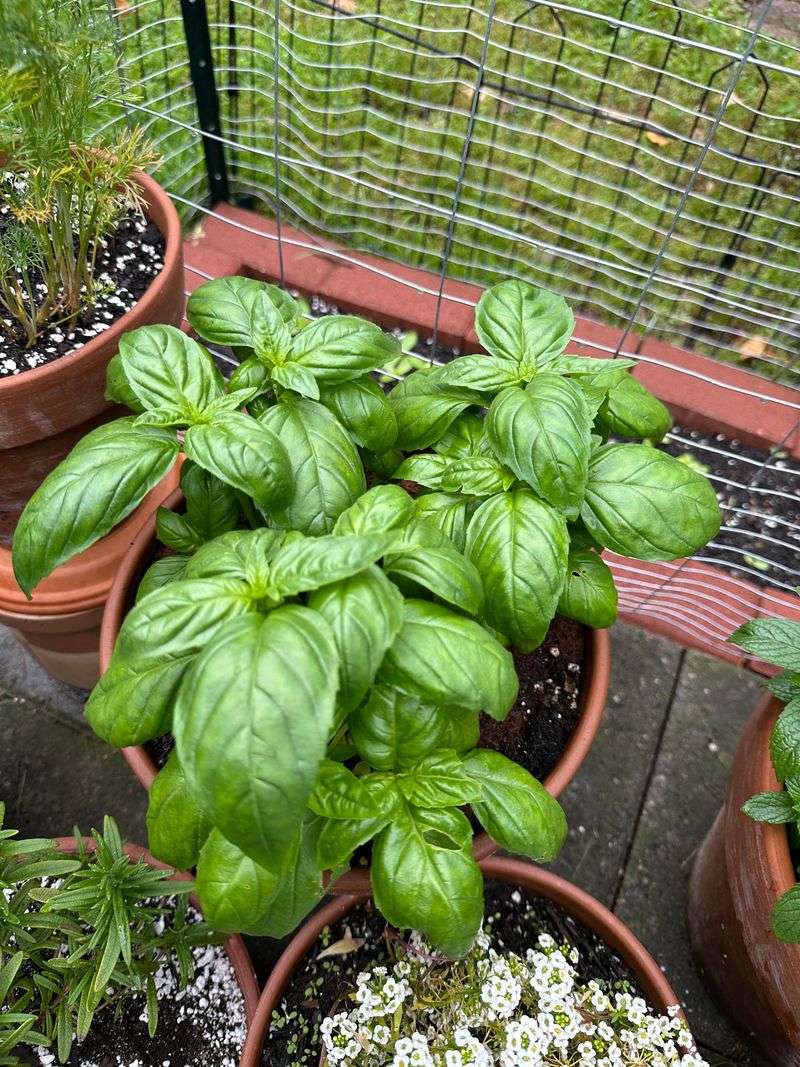
Basil might be the most useful herb in the raised bed. It smells amazing, it pairs perfectly with tomatoes, and it grows dense enough to fill in the sunny gaps between taller plants.
Those gaps are exactly where weeds love to grow. Planting compact basil varieties in those spaces is one of the easiest weed-blocking moves you can make.
Compact varieties like Spicy Globe or Boxwood basil stay low and rounded, reaching only about ten to twelve inches tall.
Their leaves are large relative to the plant size and grow close together, creating a thick mini-canopy over the soil.
When you tuck these varieties into open spots around tomatoes, peppers, or eggplants, they fill the space beautifully and block the light weeds need.
Basil loves California heat and full sun, which makes it perfectly suited to our warm raised bed conditions. It grows fast in summer and can be harvested regularly without losing its weed-suppressing shape.
Pinch off flower buds as they appear to keep the plant bushy and full rather than tall and leggy. A bushier plant covers more soil.
Direct sow basil seeds or transplant seedlings after your last frost date. Space plants eight to ten inches apart in the gaps between taller crops.
Water at the base to avoid leaf problems. Pair basil with tomatoes for the classic companion planting combo that improves flavor, repels pests, and covers soil all at once. It is a small plant with a big job, and it does that job very well.