Why Hummingbirds Are Leaving Maryland Gardens Early And What To Do Now
Silence at the feeder means changes are already underway. Maryland hummingbirds depart weeks before frost ever touches the ground. Your instincts insist they should still be circling that feeder.
Biology follows its own quiet timeline instead. Daylight length, not temperature, triggers their internal countdown. Hormones shift inside their tiny bodies long before you notice.
Fat reserves matter far more than sentiment when migration finally begins. Nectar sources fade faster than most gardeners realize. Local bloom cycles across Maryland encourage these birds toward earlier departures.
Timing separates a lively garden from a silent yard. Every feeder you maintain sends a signal they can read. Waiting a single week can shorten their entire visit.
Their narrow window shifts quickly and without much notice. You hold more influence over their stay than you think.
Small gestures now help them thrive on their journey south. Everything you do next shapes how long they stay.
Shorter Days Trigger Their Migration Instinct
The sun sets earlier, and hummingbirds notice before you do. Their bodies are wired to track daylight length with stunning precision.
Scientists call this response photoperiodism. When daylight drops below a certain threshold, a hormonal chain reaction fires inside the bird.
That reaction prepares them to migrate south. No amount of full feeders can override that ancient biological signal.
Ruby-throated hummingbirds in Maryland typically begin feeling this pull in mid-to-late August. The calendar might still say summer, but their bodies are already reading autumn.
This seasonal shift can feel sudden and confusing. One day they are everywhere, and then the feeder barely moves for days.
Understanding this instinct helps you stop blaming yourself or your garden. The birds are not leaving because your flowers are bad or your feeder ran dry once.
They are responding to something as old as the species itself. Your job is not to stop the migration but to support the birds through it.
Knowing the trigger also helps you time your response better. Start paying closer attention to feeder activity in early August, not late September.
Watch for changes in feeding frequency. When visits spike suddenly, the birds are fueling up fast before departure, and that is your window to act.
Cooler Nights Signal Seasonal Change Ahead
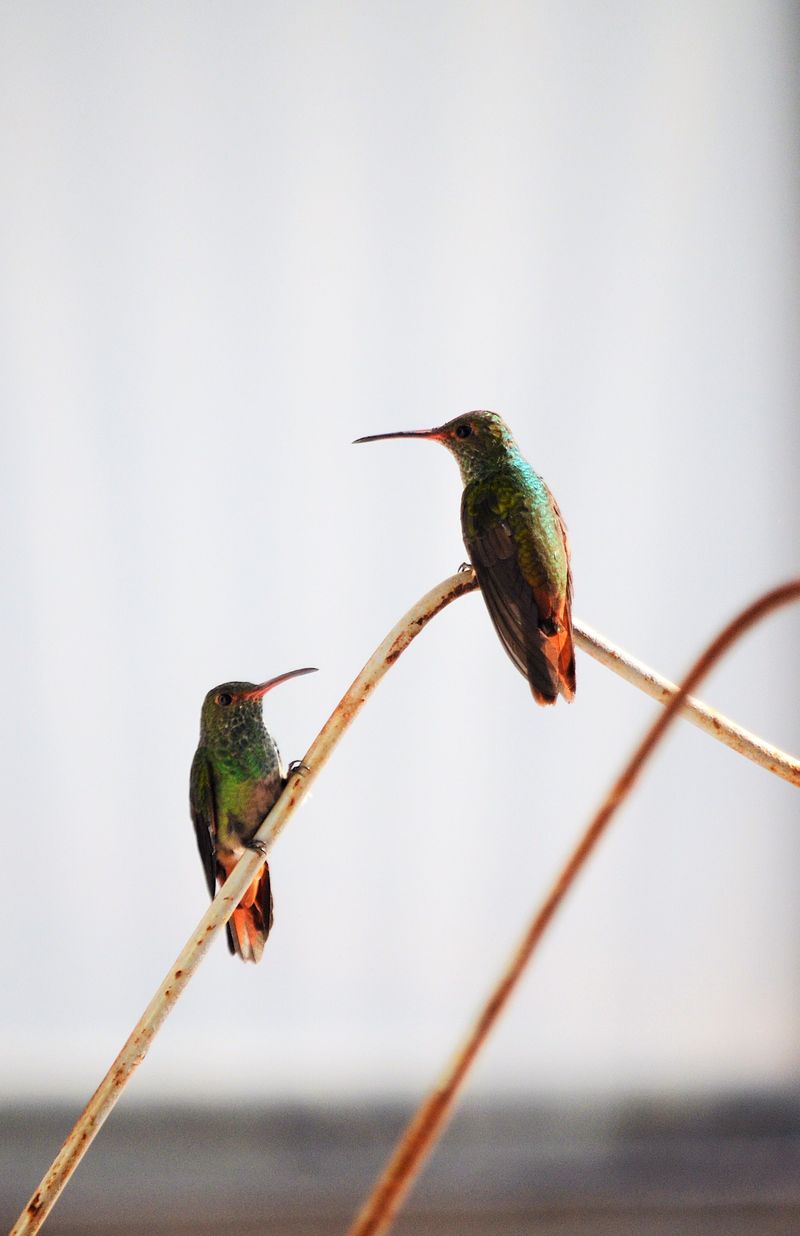
There is a chill in the air at 11 p.m. that did not exist in July. Hummingbirds feel that chill long before you reach for a jacket.
Nighttime temperatures dropping into the 50s or 60s appear to act as an additional seasonal cue for these birds.
Together, these two environmental cues send a clear signal that the season is shifting. The bird’s metabolism and fat-storage systems respond almost immediately.
Hummingbirds cannot afford to wait and see what happens next week. Their survival depends on leaving before food sources disappear completely and cold becomes dangerous.
In Maryland, cool nights can sometimes arrive earlier than expected, occasionally appearing by mid-to-late August. That early arrival can push departure timelines forward by days or even a week.
Your Maryland Garden Changes Every Week. Your Plan Should Too.
Gardening in Maryland changes quickly throughout the season. Every Friday you’ll receive a simple weekly plan showing exactly what to plant, prune, fertilize, harvest, and protect so you never miss the right timing.
Gardeners often notice hummingbirds leaving Maryland gardens early in years when August nights turn cool faster than usual. The correlation is not a coincidence at all.
You can track nightly low temperatures on any weather app. If temps consistently dip below 60 degrees, feeding activity may shift into high gear soon.
Use that information to make sure feeders are full and fresh every single day. A bird loading up for a thousand-mile trip needs reliable fuel, not an empty tank.
Think of yourself as the last gas station before a very long highway. Stock the shelves and keep the lights on.
Natural Nectar Sources Start Declining
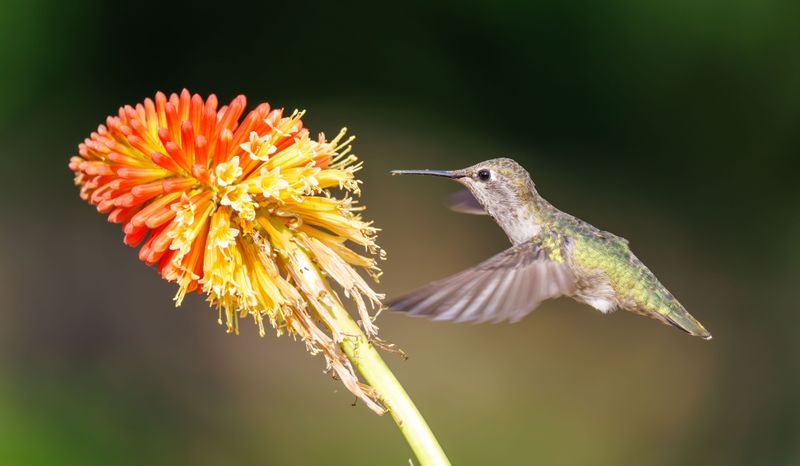
Bee balm blazed red in July, but now the blooms are brown and brittle. Cardinal flower is fading, and the trumpet vine has nearly given up for the season.
When natural nectar sources decline, hummingbirds face a shrinking food supply at exactly the moment they need maximum energy. That mismatch accelerates their departure timeline.
A garden that felt like a buffet in June starts looking like a picked-over salad bar by late August. The birds read that change instantly and begin planning their exit.
This is one of the most direct reasons hummingbirds leaving Maryland gardens early happens in some years more than others. A dry summer can wipe out late-blooming plants weeks ahead of schedule.
Drought, heat stress, and early frost all reduce the nectar available in your neighborhood. Hummingbirds survey their territory daily and notice the decline faster than any gardener would.
The fix here is surprisingly straightforward. Plant late-blooming species that carry nectar production deep into September, giving birds more reason to linger.
Salvia, agastache, and native impatiens are excellent choices for mid-Atlantic gardens. They bloom when other plants have already called it a season.
Supplementing with a clean, well-maintained feeder bridges the gap when blooms thin out. The feeder becomes the anchor that keeps birds around longer.
A garden that feeds hummingbirds through September is a garden that earns its reputation. Make yours that garden this year.
Longer Flights South Require Fat Reserves Now
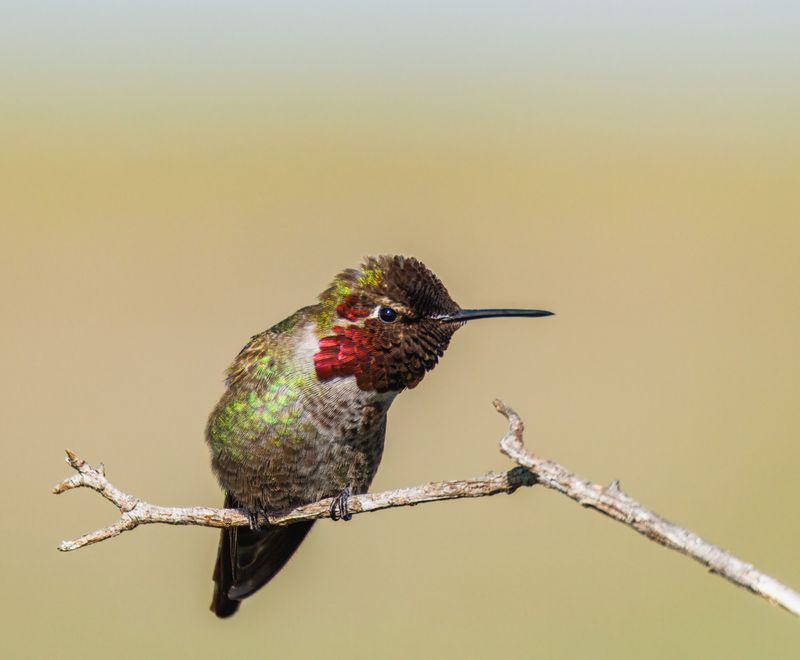
A ruby-throated hummingbird weighs less than a nickel, yet it can cross the Gulf of Mexico in a single nonstop flight. That crossing demands serious fuel stored in advance.
Before departure, these birds nearly double their body weight in fat. Every calorie they consume in your garden goes directly toward surviving that extraordinary journey.
This pre-migration feeding frenzy is called hyperphagia. During this phase, a hummingbird may visit feeders dozens of times per hour, burning and rebuilding energy reserves at a frantic pace.
If your feeder runs dry during hyperphagia, you may be limiting a bird’s fuel supply at a critical time. That matters more than most gardeners realize.
This early departure pattern sometimes happens simply because available fuel ran low at the critical moment. A well-stocked feeder can help support a bird staying a little longer.
Check your feeder morning and evening during August and September. If it empties faster than usual, that is hyperphagia in action and a sign to refill more frequently.
Use a simple one-to-four ratio of white sugar to water. No red dye, no honey, no artificial sweeteners, just clean fuel the bird can actually use.
Think of your feeder as a pre-flight meal, not just a snack. The bird eating at your garden today might be over the Gulf Coast next week.
Keeping that feeder full is one of the most impactful things any backyard host can do. Small effort, enormous payoff for a tiny traveler.
Keep Feeders Filled Through Early Fall
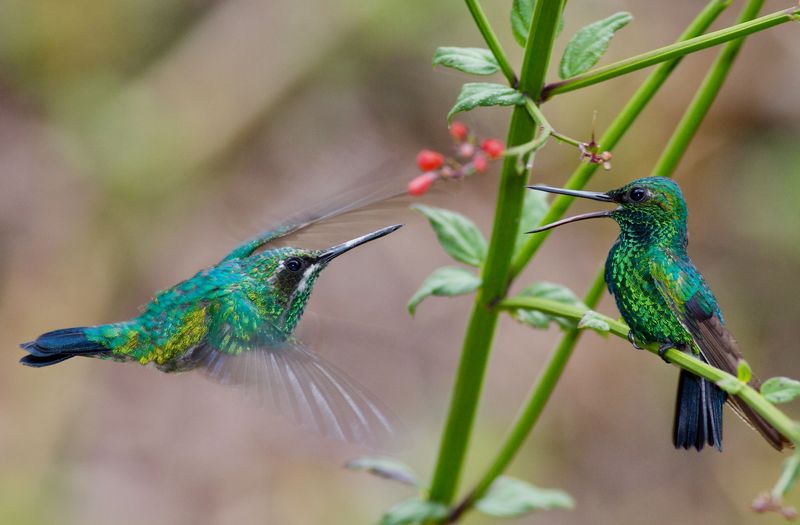
Leaving a feeder empty in early September is like closing a diner right before the breakfast rush. The customers show up hungry and leave disappointed.
Late migrants passing through Maryland depend on feeders that resident birds may have already abandoned. Keeping yours filled creates a critical pit stop on a long route south.
Not every hummingbird in your yard hatched nearby. Some are traveling from as far north as Canada, moving through Maryland on their way to Central America.
Those travelers need fuel just as badly as your resident birds did all summer. A full feeder in early October can be a lifesaver for a bird exhausted from days of flying.
Many gardeners make the mistake of pulling feeders when they stop seeing regular visitors. That action removes exactly the resource that late migrants are searching for.
Hummingbirds leaving Maryland gardens early does not mean migration is over for the region. Stragglers and late travelers can pass through well into October some years.
Keep the feeder up and the nectar fresh even when visits become rare. Rare does not mean none, and that one passing bird will thank you.
Change the nectar every three to four days even if no one seems to be visiting. Fermented or cloudy nectar can harm the birds you are trying to help.
Fresh food and a clean feeder signal a welcoming stop. Be the host that every tired traveler hopes to find.
Clean Feeders Regularly To Prevent Mold
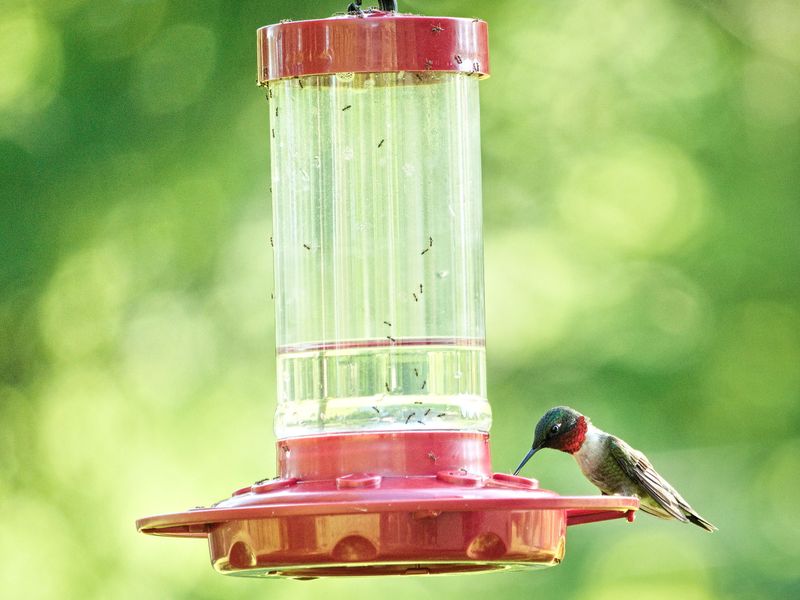
Black mold inside a feeder looks harmless from a distance but can be harmful to a small bird’s health.
Warm late-summer temperatures cause nectar to ferment within two to three days. A feeder that looked fine on Monday can be growing mold by Wednesday afternoon.
Hummingbirds have no way to assess whether the liquid they are drinking is fresh or contaminated. They trust the feeder you put out, and that trust is a real responsibility.
Cleaning your feeder weekly, or even every few days in hot weather, is not optional if you want to truly help these birds. It is the most basic form of backyard stewardship.
Use hot water and a bottle brush to scrub every surface inside the feeder. Skip the soap if possible, since residue can linger and affect the taste of fresh nectar.
If you spot black or pink residue inside the ports or reservoir, soak the feeder in a diluted white vinegar solution for an hour. Rinse thoroughly before refilling.
A sparkling clean feeder also attracts more visits. Hummingbirds are quick to abandon a feeder that smells off or looks discolored inside.
Hummingbirds leaving Maryland gardens early can sometimes be traced back to a feeder that was not maintained well enough during peak season. Cleanliness keeps them coming back.
A quick cleaning routine can make a real difference. Treat your feeder like you would a dish you eat from yourself.
Plant Late-Blooming Flowers For Extra Nectar
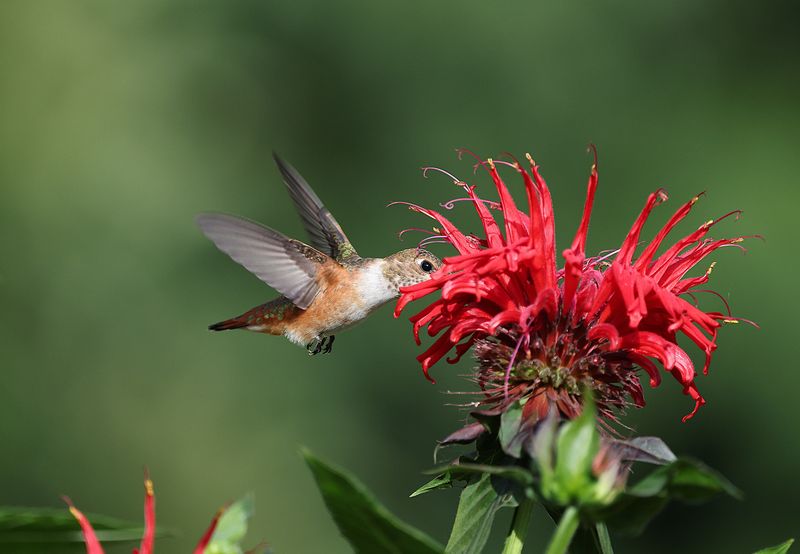
Salvia guaranitica blooms deep blue through frost, and hummingbirds treat it like a five-star restaurant. Planting the right flowers can extend your garden’s appeal well into autumn.
Late-blooming plants fill the nectar gap that opens when summer favorites fade. They give migrating birds a reason to stop, rest, and refuel in your specific yard.
Cardinal flower is a native Maryland plant that blooms in August and September. Its tubular red blossoms are practically designed for hummingbird beaks, and the birds know it.
Agastache, also called hyssop, produces long spikes of nectar-rich flowers that hold up beautifully through the cooler weeks of early fall. It is also drought-tolerant, which makes it a low-maintenance powerhouse.
Trumpet vine and native honeysuckle extend bloom time when planted alongside earlier-flowering species. Layering bloom times across your garden creates a rolling buffet that never fully closes.
Early departures are less likely when the garden itself keeps offering something worth staying for. Flowers are the original feeders, and nothing beats them for authenticity.
Native plants also support the insects that hummingbirds eat for protein. A flower-rich garden feeds the whole bird, not just its sweet tooth.
Plan your planting calendar now, even if the season has already started. Container plants purchased in late summer can still add meaningful blooms before first frost.
A garden that blooms through September is a garden that works harder for wildlife. That extra effort pays off in visits, color, and pure backyard joy.
Leave Feeders Up Two Weeks After Sightings Stop
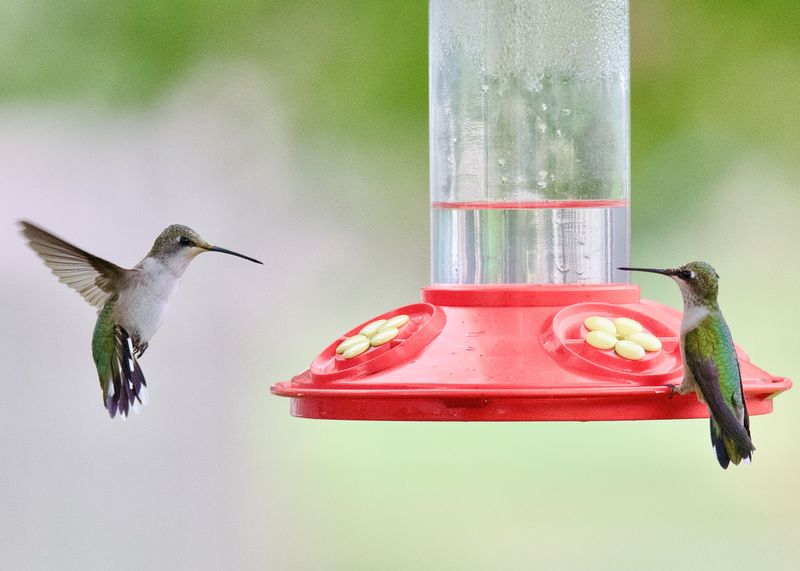
The last sighting felt final, but migration is rarely as clean as a door closing. Stragglers, late-season birds, and off-course travelers may still pass through your yard for weeks.
Removing your feeder the day after your last sighting is one of the most common mistakes Maryland gardeners make every autumn. That gap in resources can leave a tired bird with nowhere to refuel.
Many birding experts recommend a simple guideline: leave the feeder up and stocked for at least fourteen days after you see your final hummingbird. This window catches the birds you never even knew were passing through.
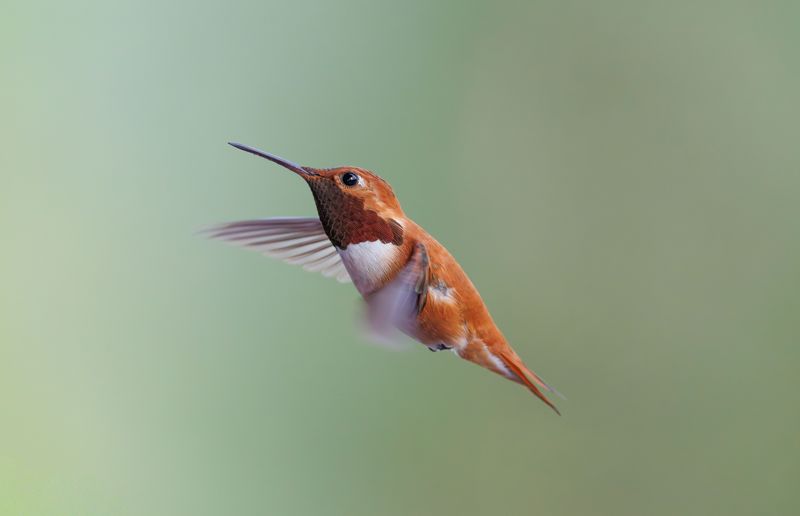
Rufous hummingbirds, a western species, occasionally wander into the mid-Atlantic region during fall migration. These rare visitors show up unexpectedly, and a feeder still hanging could be the only thing that saves them.
Keeping the feeder up does not delay migration for healthy birds. That myth is not supported by current research from ornithologists who study hummingbird behavior across North America.
This early migration pattern is driven by biology, not by feeder availability. A feeder cannot convince a healthy bird to stay past its instinctual departure window.
What a feeder can do is support the birds that need a little extra help. Late migrants, injured birds, or young-of-year birds navigating their first solo trip all benefit from reliable stops.
Change the nectar every three to four days even if no visitors appear. When the two-week window closes without a single sighting, you can bring the feeder in with confidence.
You gave every passing bird a fighting chance, and that is exactly what a good backyard host does.