What It Means When Your Pennsylvania Hydrangeas Wilt Every Afternoon
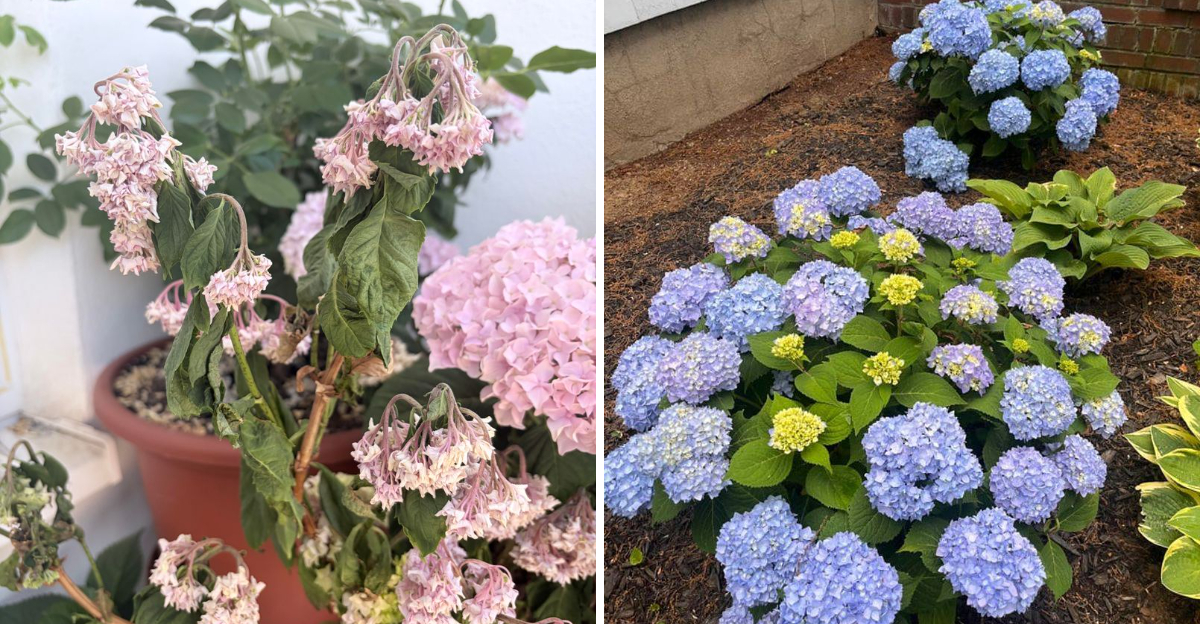
Hydrangeas know how to make a gardener nervous.
One hour, the shrub looks full, lush, and perfectly fine. A few hours later, the leaves hang low, the stems look tired, and the whole plant seems like it gave up on the day.
Then evening arrives, the air cools, and the same shrub perks back up like nothing happened.
That daily drama can feel confusing.
In Pennsylvania summers, afternoon wilt is often part of the plant’s response to heat, sun, and moisture demand.
It does not always mean the shrub is thirsty, and it definitely does not always mean the hose should come out right away.
The timing tells the story.
A hydrangea that wilts at two in the afternoon and recovers by dinner is giving a very different signal than one that starts the morning limp and stays that way.
So what does afternoon wilting really mean for Pennsylvania hydrangeas?
It usually points to heat stress, but soil moisture, sun exposure, watering depth, mulch, drainage, and recovery patterns decide how worried you should be.
1. Afternoon Wilt Often Means Heat Stress
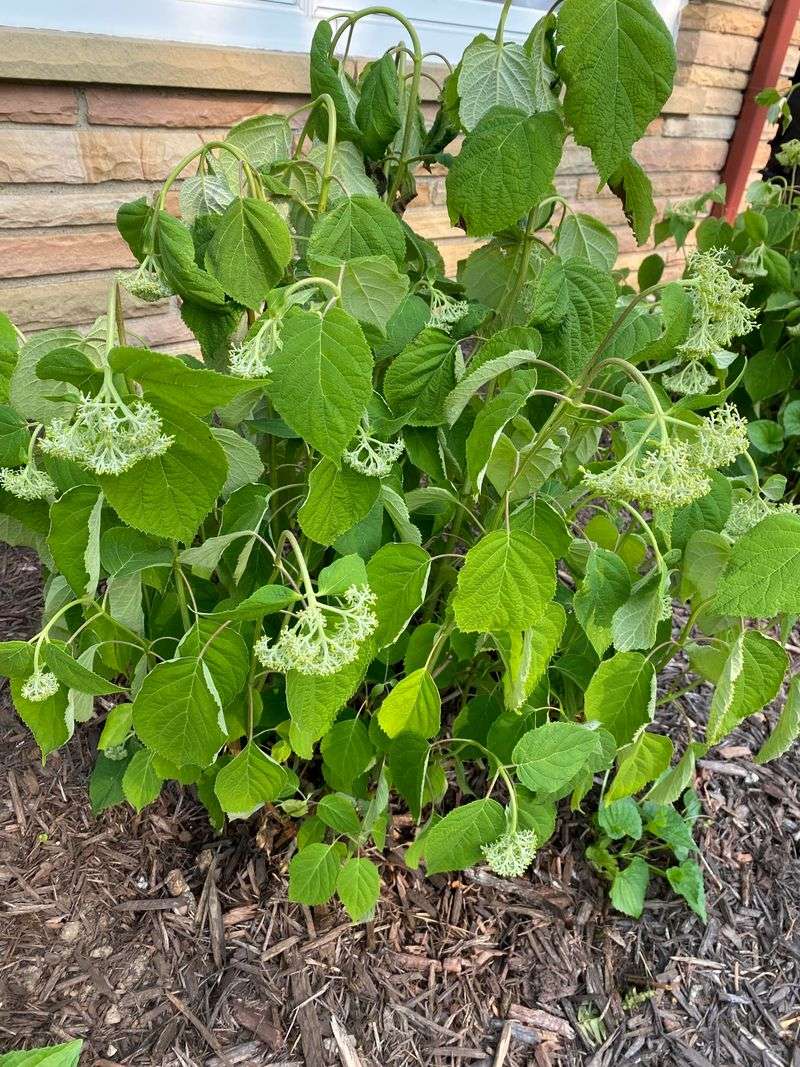
Afternoon wilt is often the hydrangea’s heat response.
On hot Pennsylvania summer days, leaves can lose water faster than roots can replace it. The plant reacts by letting the leaves droop, which reduces some of the exposed surface area during the harshest part of the day.
This is normal plant behavior. It looks dramatic, but it does not automatically mean the shrub is in serious trouble.
The sun pushes the response. Direct afternoon light heats the leaves and raises water demand quickly.
Humidity can make it feel worse. Pennsylvania summers often bring sticky air, but warm humid weather still stresses leaves when sun exposure is strong.
Reflected heat adds pressure. Brick walls, pale siding, patios, sidewalks, driveways, and fences can bounce extra warmth toward the plant.
Western exposure is especially tough. A hydrangea that gets strong late-day sun may wilt sooner than one with morning light and afternoon shade.
Bigleaf hydrangeas are often the most dramatic. Their large, soft leaves respond quickly to heat and moisture demand.
Smooth and panicle hydrangeas may cope better. They can still droop in heat, but many tolerate sunnier sites with less daily drama.
Look at timing before acting. Wilt that appears only during peak heat and eases later is usually less concerning.
Drooping leaves are a clue, not a diagnosis.
The plant may simply be protecting itself until evening gives the roots time to catch up.
2. Evening Recovery Is Reassuring
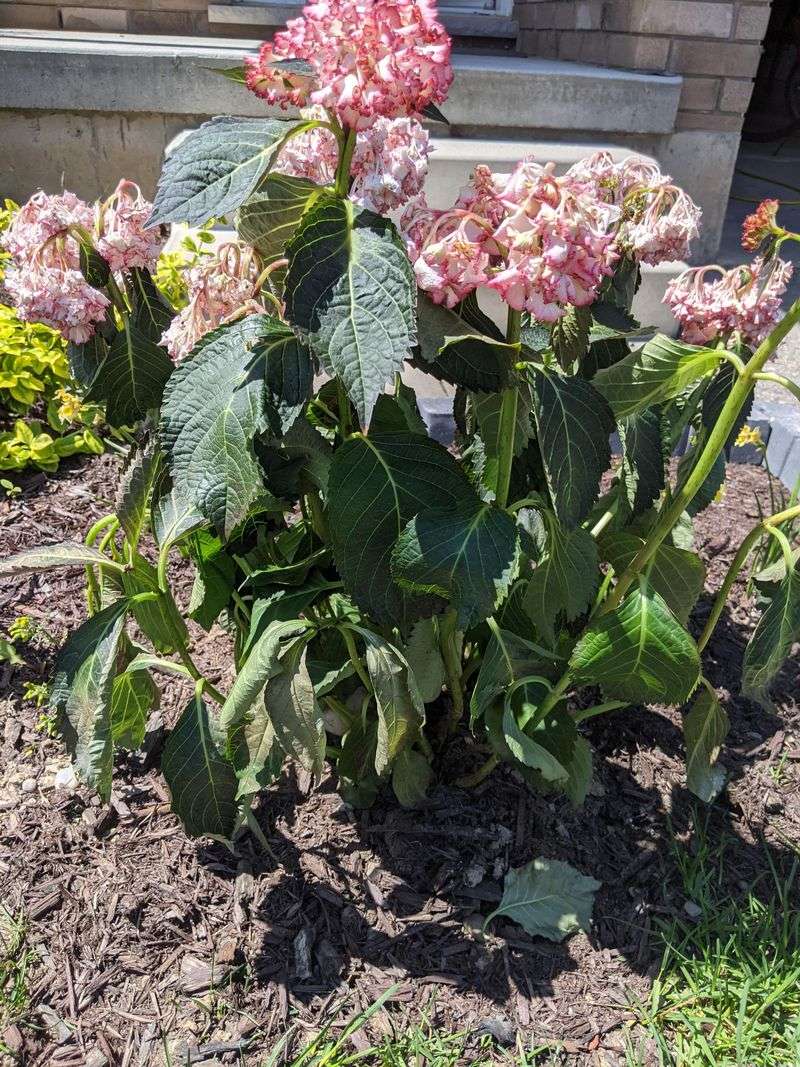
Evening recovery is the sign every gardener wants to see.
When a hydrangea perks back up after the sun drops lower, the root system is still moving enough water to restore the leaves. That bounce-back tells you the afternoon wilt was probably heat stress rather than a deeper root problem.
Check the shrub after dinner. Leaves that look fuller, firmer, and lifted again are a very good sign.
Check again in the morning. A healthy plant should usually look refreshed before the next round of afternoon heat begins.
Your Pennsylvania Garden Changes Every Week. Your Plan Should Too.
Gardening in Pennsylvania changes quickly throughout the season. Every Friday you’ll receive a simple weekly plan showing exactly what to plant, prune, fertilize, harvest, and protect so you never miss the right timing.
This pattern matters. Wilt during peak heat followed by steady evening recovery usually means the plant is coping.
Do not water automatically. Soil that already has enough moisture does not need more water just because the leaves drooped earlier.
Too much water can create new stress. Roots need air as well as moisture, and saturated soil limits oxygen around them.
Use recovery as your guide. A hydrangea that rebounds daily may need shade support or mulch, not constant watering.
Keep simple notes. Write down the time wilt appears, the weather, the soil moisture, and how the plant looks later.
Patterns are more useful than panic. One hot afternoon tells you less than several days of observation.
A plant that recovers is not asking for emergency care.
It is showing you that the daily heat load is high, but the root system still has enough strength to reset after the worst hours pass.
3. Dry Root Zones Need A Check
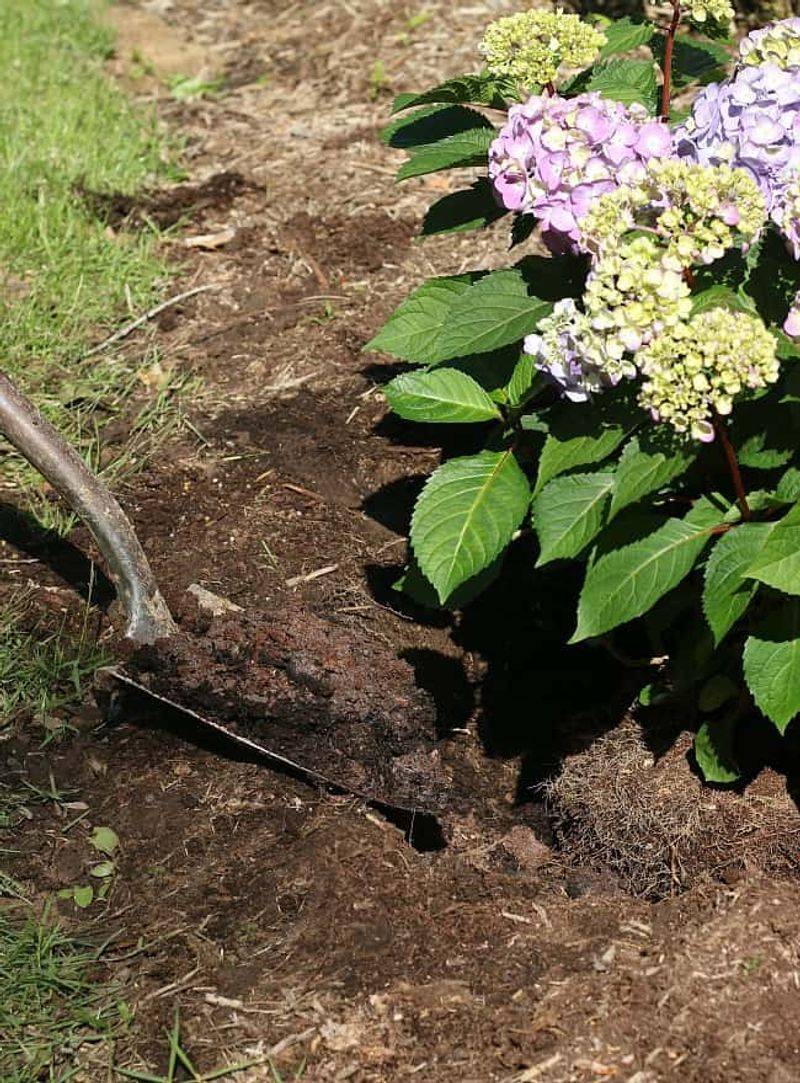
Soil moisture should settle the argument.
Leaves can wilt from heat even when soil moisture is fine. They can also wilt because the root zone is genuinely dry. The only reliable way to know the difference is to check beneath the surface.
Do not trust the top layer. Surface soil can look dry while deeper soil still holds moisture.
Pull mulch aside first. Mulch protects the soil, but it can hide what is really happening below.
Press a finger three to four inches down. That depth gives a better sense of the active root zone than a surface touch.
Cool, slightly damp soil means wait. The plant may be reacting to heat rather than thirst.
Powdery, crumbly soil means water is needed. A dry root zone cannot support the shrub through another hot afternoon.
Check more than one spot. Moisture can vary around the plant, especially near slopes, walls, roots, and irrigation lines.
New hydrangeas need extra attention. A fresh root ball can dry faster than the surrounding native soil because it has a different texture.
Container hydrangeas dry even faster. Pots heat up quickly and have less soil volume to buffer roots.
Do the test before watering. Guessing from wilt alone can lead to overwatering one week and underwatering the next.
The soil tells the truth.
Once you know what the root zone feels like, afternoon droop becomes much easier to interpret.
4. Hot Sun Raises Water Demand
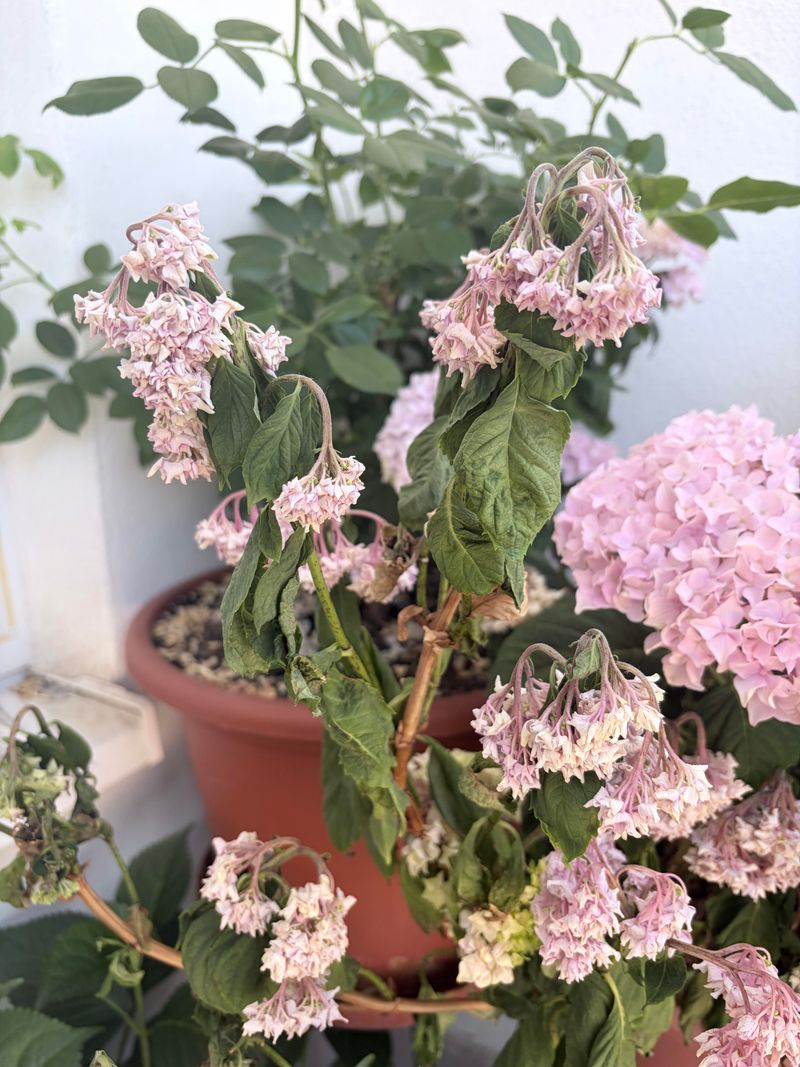
Sun exposure can turn a normal afternoon into a stress test.
Hydrangeas often look their best with morning sun and some relief later in the day. Many Pennsylvania yards, however, place them near foundations, fences, patios, and driveways where afternoon heat builds fast.
Late-day sun is harsh. It hits when temperatures are already high and the soil has been warming for hours.
Reflected heat makes a small area much hotter. A shrub beside a wall or concrete path may face more stress than one in open soil.
Bigleaf hydrangeas notice quickly. Their broad leaves lose moisture fast and wilt visibly in strong afternoon exposure.
Panicle hydrangeas handle more sun. They are often better choices for open, bright spots where shade is limited.
Smooth hydrangeas fall somewhere in between. They can tolerate sun, but they still appreciate steady moisture and protection during heat waves.
Watch the plant’s daily light pattern. A site that looked partly shaded in spring may be much hotter by July.
Temporary shade can help. A shade cloth, patio umbrella, or taller nearby plant can soften the hottest hours during extreme weather.
Avoid summer transplanting. Moving an established shrub during heat can stress the roots far more than the original sun exposure.
Plan major moves for cooler seasons. Early spring or fall gives the plant a better chance to settle.
Sun does not make a site automatically wrong.
But the hotter the exposure, the more carefully moisture, mulch, and plant choice need to work together.
5. Shallow Watering Misses Main Roots
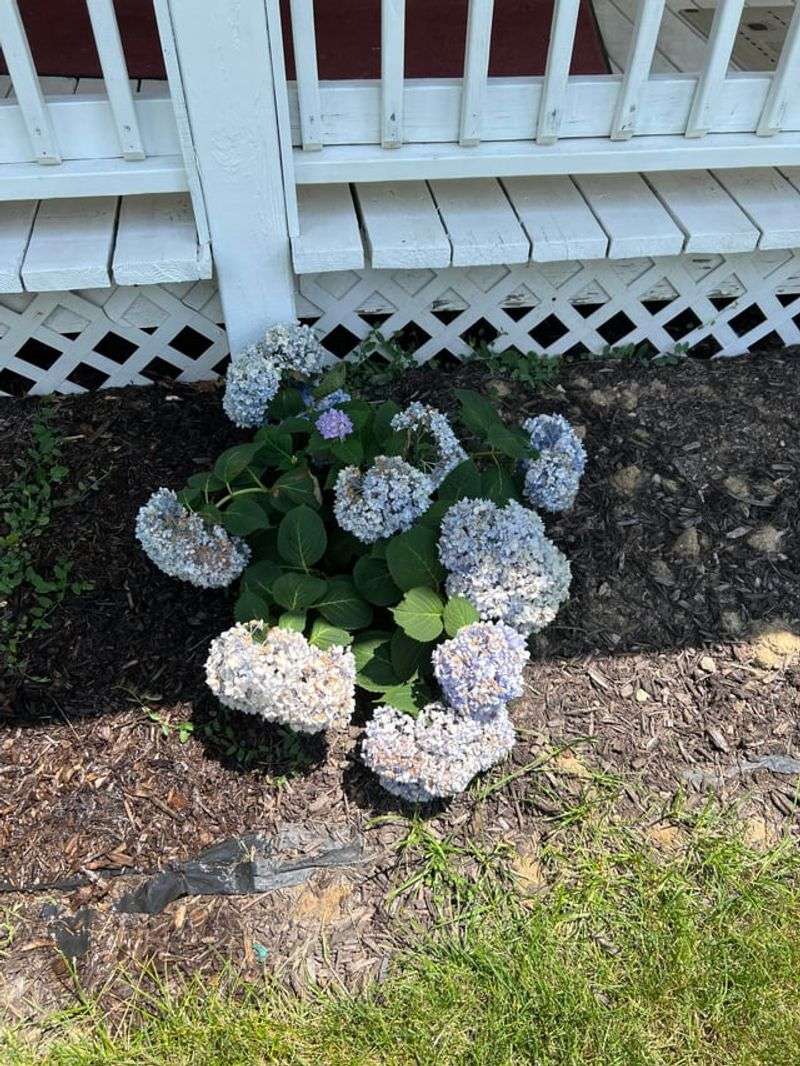
A quick sprinkle rarely reaches where hydrangeas need it.
The soil may look wet after a few minutes with the hose, but water sitting in the top inch does not help deeper roots for long. On a hot afternoon, that shallow moisture can evaporate before the plant gets much benefit.
Deep watering works better. The goal is to move moisture several inches into the soil across the root zone.
Use a slow hose trickle. Place it near the drip line and let the water soak in gradually.
Soaker hoses are useful too. They deliver water evenly without blasting soil or wetting the leaves.
Water wider than the stem. Hydrangea roots spread outward, so watering only at the base misses much of the active root area.
Check after watering. Push a trowel or screwdriver into the soil thirty minutes later to see how far the moisture reached.
Slopes need slower watering. Water can run away from the root zone before it soaks in.
A shallow basin can help. A small soil berm near the drip line can hold water long enough to soak downward.
Avoid frequent light sips. They encourage roots to stay close to the surface, where heat dries the soil faster.
Deep watering builds resilience. Roots that follow moisture downward can handle dry spells better.
The hose should not just make the surface look better.
It should deliver water where the plant can actually use it after the afternoon sun returns.
6. Mulch Slows Moisture Loss
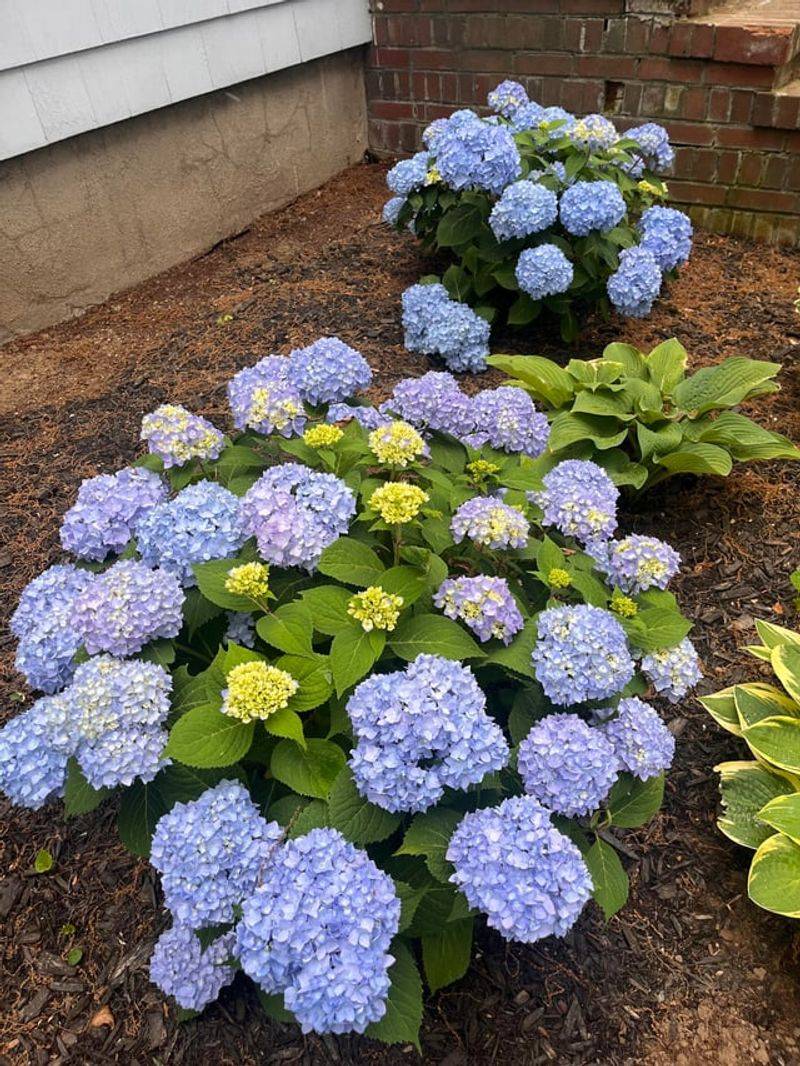
Mulch gives hydrangea roots a cooler, steadier zone.
Bare soil around a shrub loses moisture quickly, especially during a sunny Pennsylvania afternoon. A good organic mulch layer slows evaporation and helps prevent sharp soil temperature swings.
Use organic material. Shredded bark, wood chips, pine bark, shredded leaves, or leaf mold all work well around shrubs.
Aim for two to three inches. That depth protects the soil without blocking water and air.
Cover the root zone broadly. Spread mulch toward the drip line rather than making a tiny ring at the base.
Keep stems clear. Pull mulch back a few inches from the woody stems so the crown can breathe.
Avoid mulch volcanoes. Piling material against the base traps moisture and can weaken bark over time.
Water before mulching dry soil. Mulch protects moisture already present, so dry soil needs a deep soak first.
Check beneath old mulch. A bed may look covered but still be dry below the layer.
Refresh thin spots. Rain, wind, birds, and garden work can expose bare patches through the season.
Do not keep stacking new layers. Too much mulch can become dense and slow water movement.
Mulch does not stop every afternoon wilt.
It reduces the root stress that makes wilting more severe and helps the plant recover more reliably by evening.
7. Morning Wilt Signals Deeper Trouble
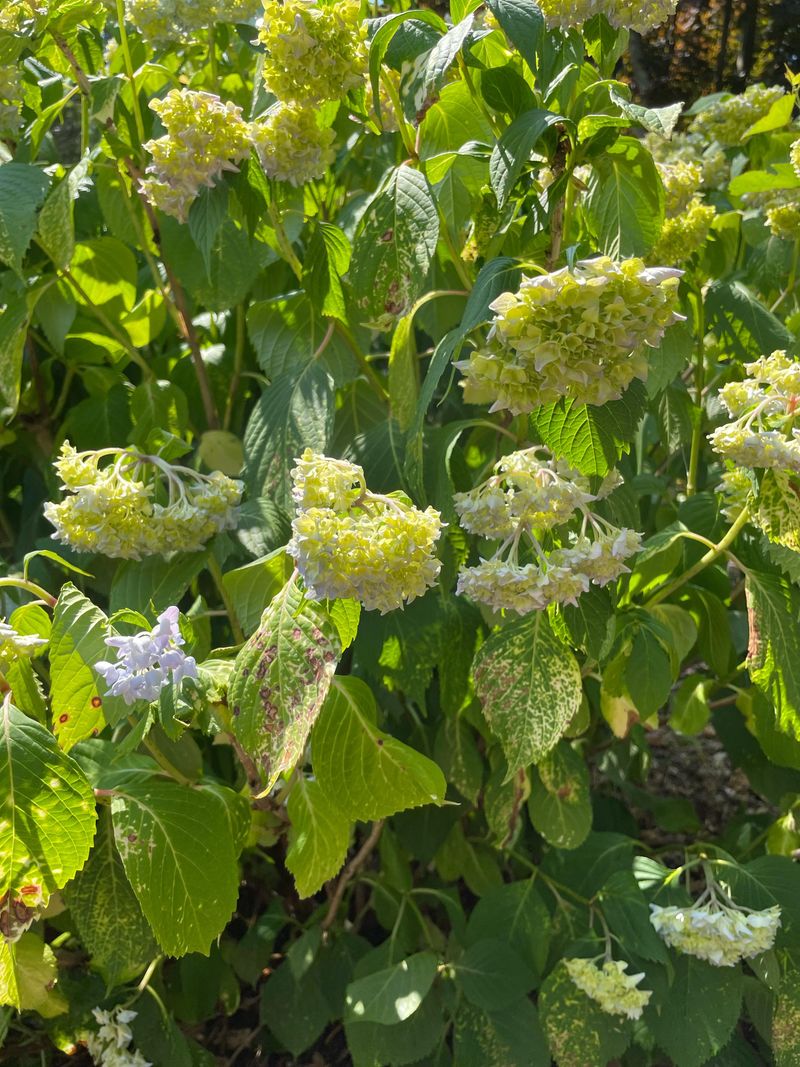
Morning wilt is a different message.
A hydrangea that looks limp before the day heats up needs closer attention. Early morning is usually cool enough that heat stress alone should not be causing dramatic droop.
Check the soil first. A dry root zone in the morning means the plant may truly need water.
Also check for soggy soil. Roots surrounded by saturated soil cannot function well because they lack enough oxygen.
Poor drainage can mimic thirst. The leaves wilt, but adding more water only worsens the root-zone stress.
Look for yellowing leaves. Yellow foliage paired with morning wilt may point toward drainage trouble, root stress, or nutrient uptake issues.
Inspect the stem bases. Soft spots, darkened tissue, or unusual swelling near the soil line deserve attention.
Think about recent planting. Newly installed hydrangeas can wilt in the morning when their roots have not spread into surrounding soil yet.
Check the root ball separately. It may be dry even when the native soil around it feels damp.
Avoid fertilizer as a first response. A stressed root system may not support the extra growth fertilizer encourages.
Pause before applying products. Fungicides, fertilizers, and soil drenches should follow a real diagnosis, not a worried guess.
Morning wilt deserves respect.
It often means the problem is no longer just afternoon heat, and the root zone needs a careful inspection.
8. Persistent Wilt Needs Diagnosis
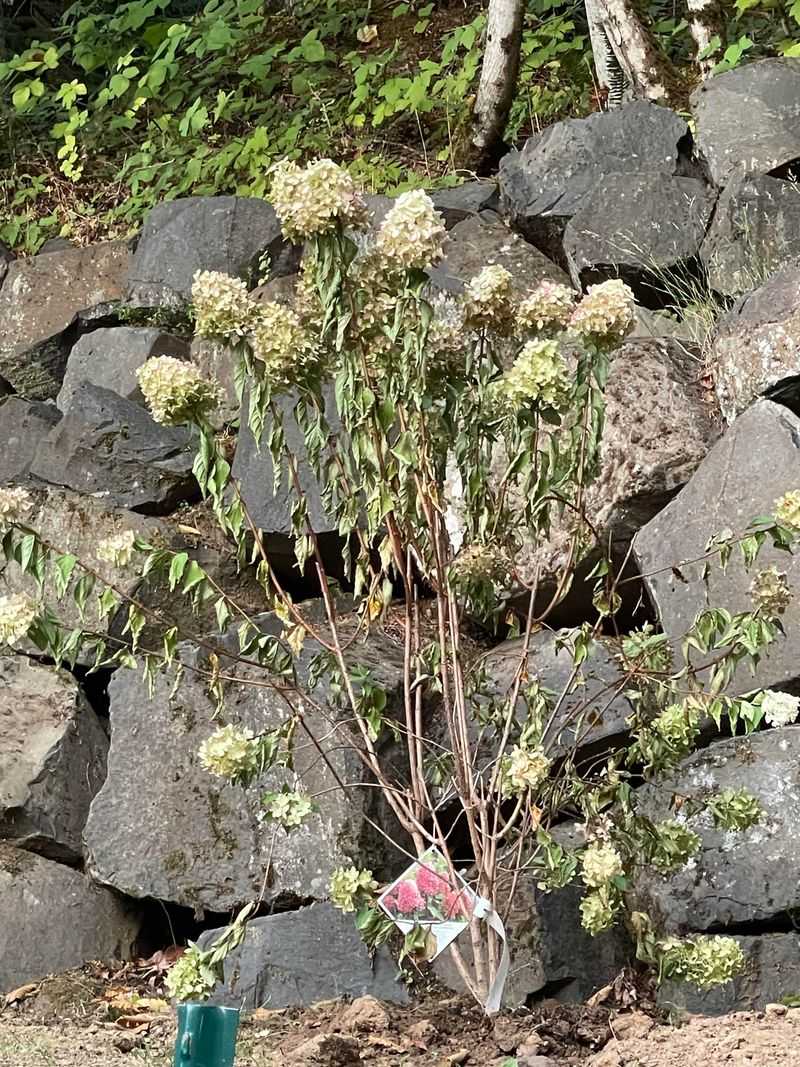
Wilt that never fully clears needs a deeper look.
A hydrangea that droops every afternoon and only partially recovers at night is sending a stronger warning. The same is true for a plant that stays limp through cloudy days, cool mornings, or after proper watering.
Start with a written record. Note when the wilt appears, when it improves, recent rainfall, irrigation, sun exposure, and soil moisture.
Inspect the whole shrub. Look for leaf scorch, yellowing, curled edges, spots, stem damage, and bare sections.
Check irrigation coverage. A sprinkler may miss one plant while the rest of the bed gets plenty of water.
Look for competition. Tree roots, large shrubs, and dense nearby plantings can pull moisture from the same soil area.
Examine the root zone gently. Healthy roots are usually firm and lighter in color, while stressed roots may look dark, soft, or sparse.
Smell matters too. Sour-smelling soil can point toward poor drainage or stagnant conditions.
Consider planting depth. A shrub planted too deep may struggle around the crown, especially in humid summer weather.
Look at the mulch. Deep material against the stems can hide crown issues.
Do not keep changing everything at once. One adjustment at a time makes it easier to learn what helped.
Seek a professional diagnosis for stubborn symptoms. A local garden center, extension office, or plant diagnostic lab can help when the cause remains unclear.
Persistent wilt is not a mood.
It is a pattern, and patterns deserve diagnosis before treatment.