What Adding Grass Clippings To Your Michigan Garden Soil Actually Does In August
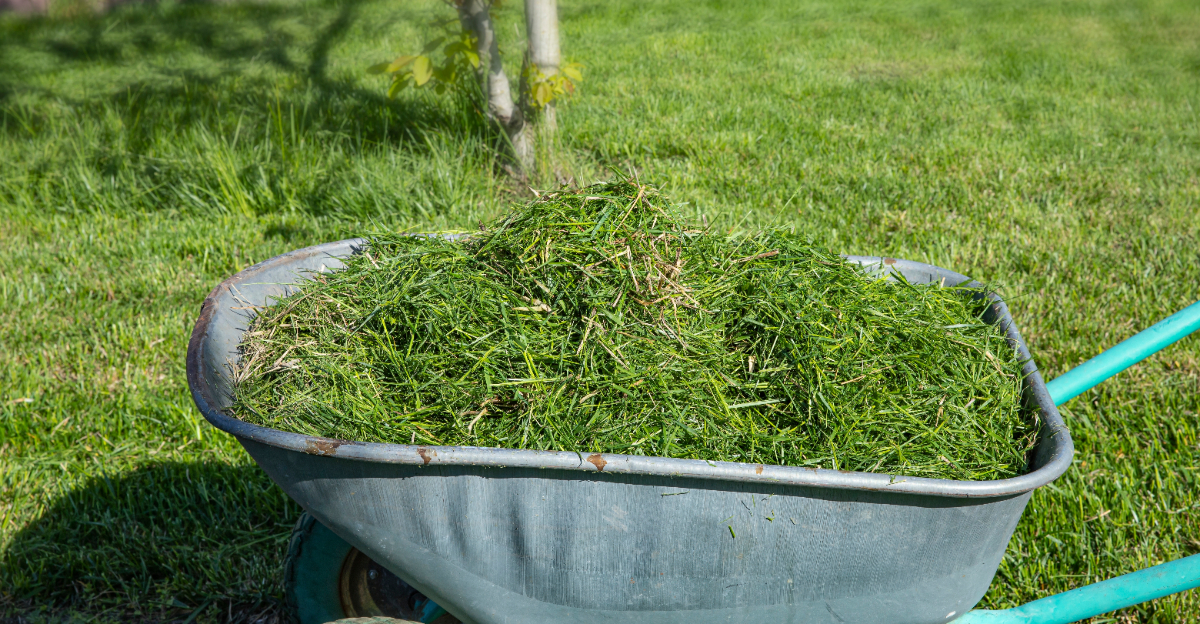
Adding grass clippings to Michigan garden soil in August can either help or hurt, depending entirely on how the clippings are used.
Fresh clippings release heat and nitrogen as they break down, which can benefit soil but also risks burning tender roots if applied too thickly.
Allowing clippings to dry out for a few days before use significantly reduces this risk while still providing valuable organic matter.
Clippings work best as a thin mulch layer, helping retain soil moisture during August’s warm, often unpredictable weather.
Thick, wet layers can mat down and block air and water from reaching soil underneath, creating more harm than benefit. Clippings from lawns treated with herbicides should be avoided entirely, since residue can transfer directly into garden beds.
Mixing clippings with other organic matter like compost helps balance their nutrient contribution more effectively. Used thoughtfully, grass clippings offer a free, practical way to support soil health through the rest of summer.
1. Grass Clippings Help August Soil Hold Moisture
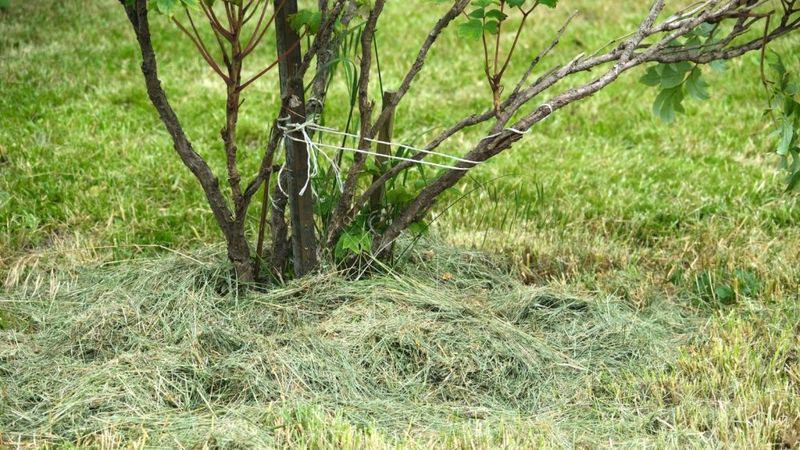
Hot August days in Michigan can pull moisture right out of your garden soil faster than you might expect. A thin layer of grass clippings spread over the soil surface acts like a natural shade blanket, slowing down that evaporation process.
Even a one to two inch layer can make a noticeable difference in how long the soil stays damp after watering.
The clippings block direct sunlight from hitting the bare soil, which keeps the surface temperature lower and reduces the rate at which water escapes into the air. Roots benefit from that steadier, cooler environment around them.
Plants under mulched soil tend to show less stress during heat waves compared to those in bare, exposed beds.
Something worth knowing is that grass clippings conserve the moisture already in the soil but do not replace the need for regular watering during long dry stretches. If Michigan goes a week or two without rain, your garden still needs attention.
Before reaching for the hose, press your finger an inch into the soil beneath the clippings to check if it is still damp. Watering when the soil is already moist wastes water and can cause other problems.
Using clippings as mulch is a smart, free way to stretch the time between waterings and support your plants through the hottest part of the growing season without adding anything artificial to your garden beds.
2. Grass Clippings Can Reduce New Weed Growth
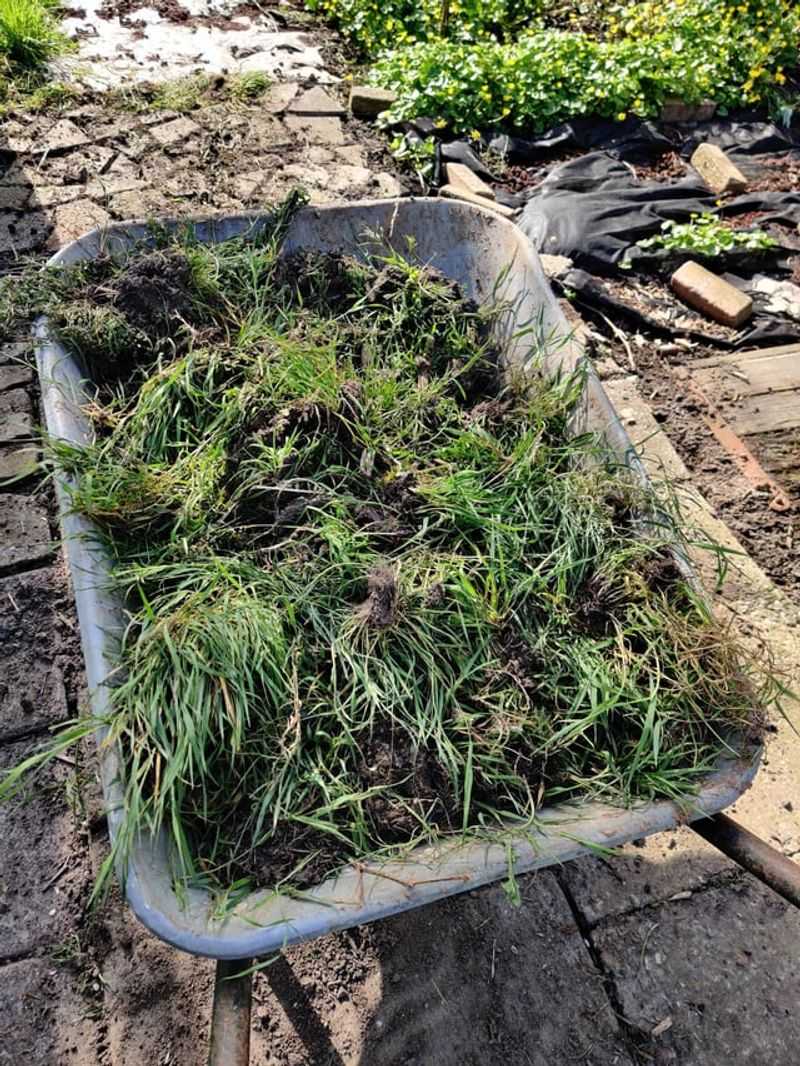
Weeds are basically opportunists. They need light to sprout, and when bare soil is exposed in your Michigan garden during August, weed seeds sitting on or near the surface will take full advantage of every sunny moment.
Spreading grass clippings over those open areas takes away the light those seeds need to get started.
A consistent layer of clippings between your plants creates a physical barrier that keeps new weed seedlings from pushing through easily.
Fewer weeds breaking through means less time on your knees pulling them out and more time actually enjoying your garden. It is one of those small changes that quietly saves a lot of effort over the course of a season.
Your Michigan Garden Changes Every Week. Your Plan Should Too.
Gardening in Michigan changes quickly throughout the season. Every Friday you’ll receive a simple weekly plan showing exactly what to plant, prune, fertilize, harvest, and protect so you never miss the right timing.
One thing to be clear about is that grass clippings will not handle perennial weeds that are already rooted deep in your garden bed.
Those established plants have their own food supply underground and will push right through a layer of mulch without any trouble.
The clippings work best as a preventive measure against new weed seeds germinating. For the best results, pull or remove any existing weeds thoroughly before you spread the clippings.
Starting with a clean bed gives the mulch layer the best chance to do its job and keeps your August garden looking tidy and well managed without a lot of extra chemical input or effort on your part.
3. Decomposing Clippings Return Nutrients To The Soil
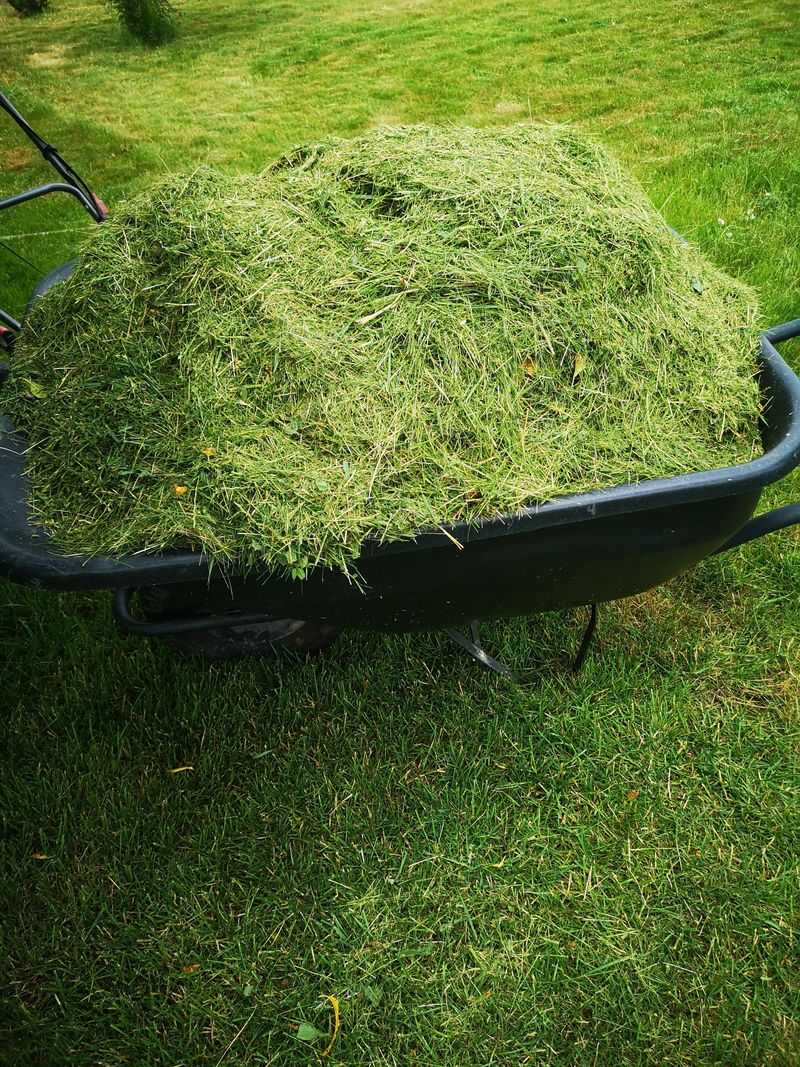
Fresh grass clippings are mostly water, but they also carry real plant nutrients locked inside their cells. As those clippings break down on or in the soil, that stored material gets released slowly back into the garden system.
It is a quiet, low effort way to feed your soil without opening a bag of fertilizer. The breakdown process is driven by soil microbes, tiny organisms that consume the organic material and release nutrients as a byproduct of their activity.
Nitrogen, potassium, and small amounts of other nutrients become available to nearby plants as this happens.
Over the course of August and into fall, regular additions of clippings can gradually improve the overall organic content of your Michigan garden soil.
That said, grass clippings are not a precise or complete fertilizer replacement. The nutrient content in clippings varies depending on what type of grass you have, whether the lawn was recently fertilized, and how the lawn was managed throughout the season.
Relying only on clippings without ever testing your soil or following a broader nutrition plan could leave certain plants short on what they need.
A soil test from your local Michigan State University Extension office gives you a much clearer picture of what your garden actually needs.
Clippings work best as a helpful supplement within a broader soil care routine, not as a standalone solution for all your garden nutrition needs throughout the growing season.
4. Green Clippings Add Nitrogen To A Compost Pile
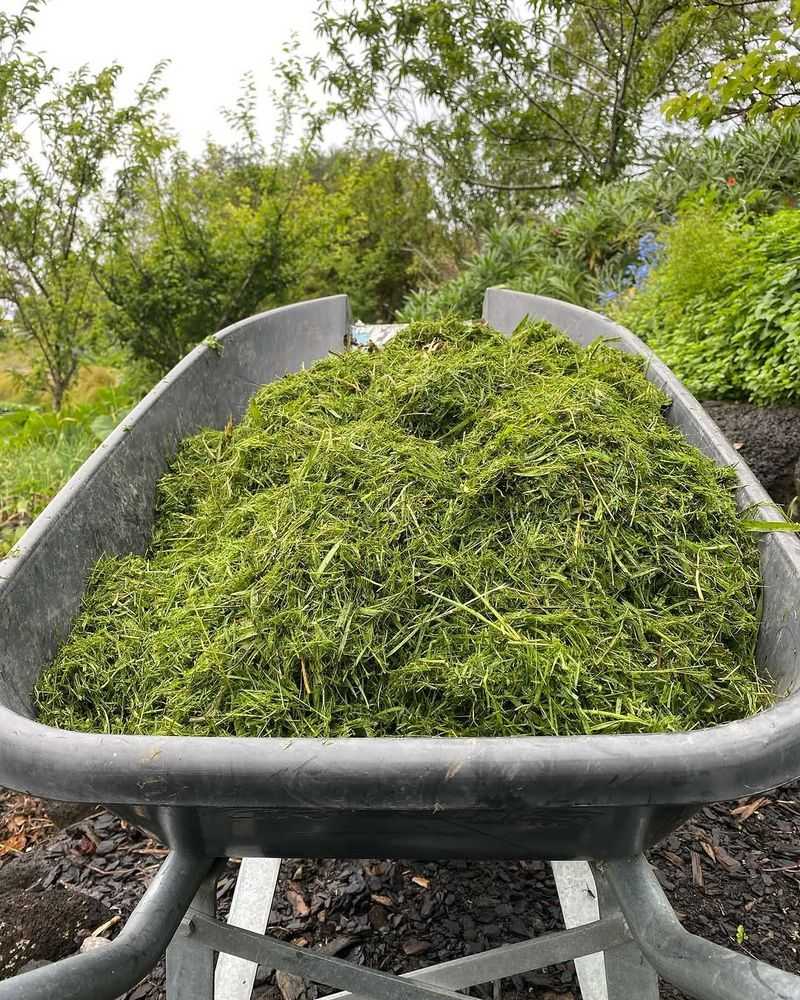
Fresh green grass clippings are considered a nitrogen-rich material in the composting world.
Michigan State University has documented an approximate carbon to nitrogen ratio of thirteen to one for green clippings, which means they are one of the best nitrogen sources a home composter can add.
Nitrogen is what heats a compost pile up and speeds the breakdown of everything else inside it.
The trick is balance. Dumping a large pile of fresh clippings straight into a compost bin without mixing in carbon-rich materials often creates a wet, compacted, unpleasant-smelling mess.
Dry leaves, straw, and other suitable dry plant material are the perfect partners for grass clippings in a compost pile. Layering or mixing these materials together keeps the pile loose, aerated, and working efficiently.
A well-balanced compost pile with grass clippings in the mix can heat up to temperatures high enough to break down plant material quickly and naturally.
That heat also helps neutralize many weed seeds that might be present in the organic matter. Turning the pile every week or so keeps oxygen moving through it and speeds up the process even more.
For Michigan gardeners who mow regularly throughout the summer, clippings can become a steady, reliable supply of green material for the compost pile.
Rather than bagging them up for curbside collection, putting them to work in compost is one of the most practical and satisfying things a gardener can do with yard waste during the growing season.
5. Finished Compost Improves Garden Soil Over Time
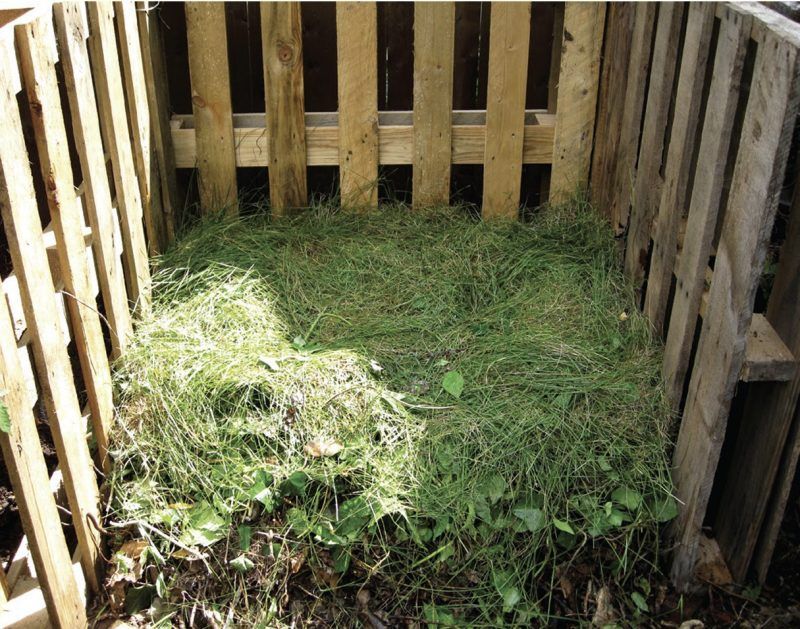
There is a real difference between tossing fresh grass clippings onto your garden and working finished compost into the soil.
Finished compost is the fully broken down, dark, crumbly material that results from weeks or months of decomposition. When you mix it into Michigan garden soil, something genuinely useful happens beneath the surface.
Compost improves soil structure by helping sandy soils hold more moisture and helping heavy clay soils drain better. It feeds the billions of microorganisms living in healthy soil, supports nutrient cycling, and encourages earthworm activity.
Over time, regular additions of compost transform tired, compacted soil into something plants actually thrive in. That kind of improvement does not happen overnight, but it builds season after season.
Fresh clippings and finished compost are not the same thing, and that distinction matters a lot in August when your garden beds are full of actively growing plants.
Adding large amounts of unfinished material directly into planted beds can temporarily tie up soil nitrogen as microbes work to break it down, which may actually slow plant growth for a short period.
Finished compost does not have that problem because the breakdown process is already complete. Patience during composting pays off with a product that genuinely benefits your soil.
Allow the pile to fully mature before incorporating significant amounts into your planted garden beds, and your vegetables, flowers, and perennials will reward you with stronger growth and better overall performance through the rest of the season.
6. Thick Fresh Layers Can Form A Harmful Mat
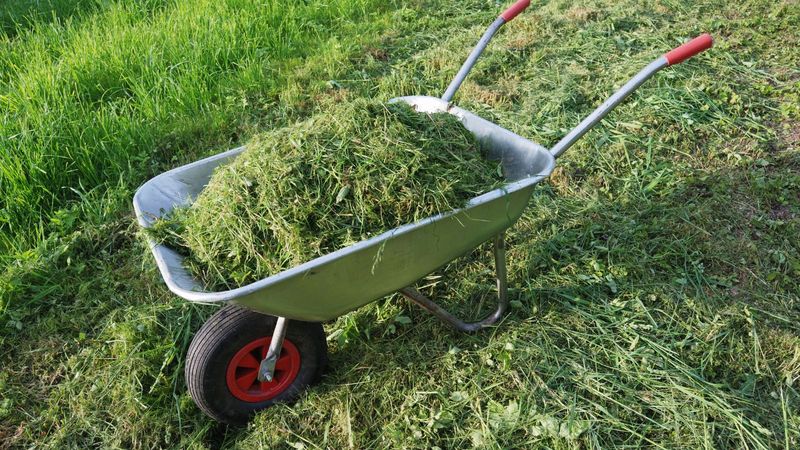
Grass clippings might seem harmless, but pile them on too thick and they can cause real trouble in your Michigan garden during August. Fresh clippings are full of moisture, and when stacked in heavy layers they press together tightly as they start to break down.
What starts as a soft green covering can quickly turn into a dense, slick mat that smells unpleasant and blocks both water and oxygen from reaching the soil beneath.
Plants need air and water to move freely through the soil around their roots. When a thick clipping mat forms, it can act almost like a physical lid, preventing rain and irrigation from penetrating properly.
The heat generated inside a thick decomposing layer can also stress the stems and crowns of tender vegetables, flowers, shrubs, and young transplants placed directly against it.
That kind of heat and moisture combination near the base of a plant creates conditions that no gardener wants to deal with.
Keeping layers thin is the key. Spreading clippings no more than one to two inches deep gives them room to breathe and break down without matting.
Letting them dry out for a day or two before applying them also helps significantly. Another smart option is to add larger amounts directly to a properly balanced compost pile rather than spreading them fresh around plants.
A little patience and a lighter hand go a long way when it comes to getting the benefits of grass clippings without running into the frustrating problems that come from using too much at once.
7. Treated Clippings Can Injure Sensitive Garden Plants
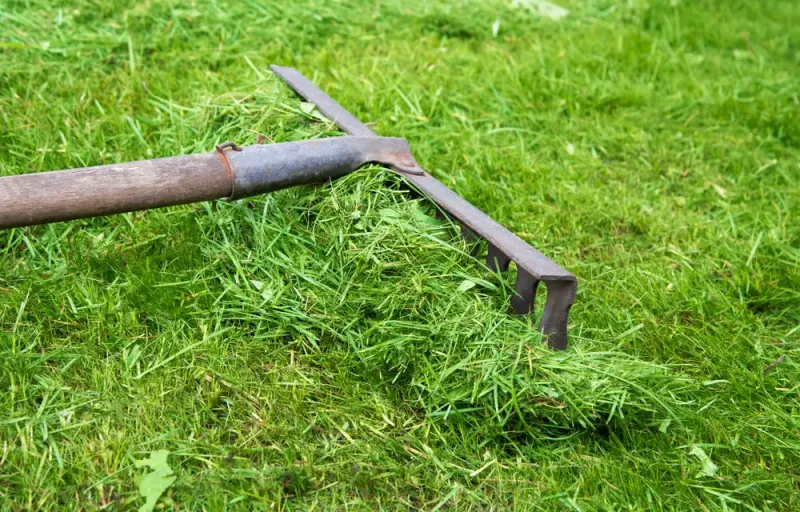
Not every bag of grass clippings is safe for your garden, and this is one of the most important things Michigan gardeners need to understand before spreading them around plants.
Clippings from a lawn recently treated with a broadleaf weed control product can carry herbicide residues that affect sensitive garden plants nearby. The residue does not simply disappear when the grass gets mowed.
Michigan State University research has shown that residues from treated clippings can affect sensitive plants including tomatoes, beans, and annual flowers.
Tomatoes in particular are known to show dramatic responses to even small amounts of certain herbicide residues, with symptoms including curled, twisted, or distorted leaves and stems.
Seeing those signs in a plant that was healthy just days before can be alarming and confusing if you do not know the source.
The general recommendation from turf and garden experts is to wait at least two weeks after a lawn herbicide application before using those clippings anywhere near garden plants.
Some products carry even longer restriction periods or specific disposal instructions printed directly on the label, and those instructions should always take priority.
Reading the product label thoroughly before and after application is not optional if you plan to recycle your clippings in the garden.
When in doubt, compost those clippings separately and allow them to break down fully before using the finished material, or simply skip them for that mowing cycle and use clippings from untreated sections of your lawn instead.
8. Keeping Clippings In The Garden Protects Michigan Water
Michigan is surrounded by the Great Lakes and laced with thousands of inland lakes, streams, and ponds.
That makes water quality a topic every resident has a stake in, including gardeners and homeowners who mow their lawns each week.
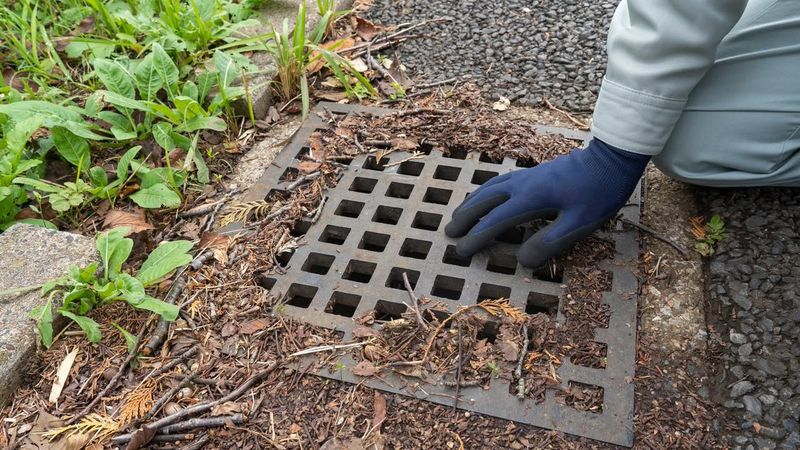
Grass clippings left on hard surfaces like driveways, sidewalks, and streets can travel a surprisingly long way when rain washes through the area. When clippings wash into storm drains, they carry their nutrients along with them.
Phosphorus and nitrogen from decomposing clippings can enter local waterways and contribute to algae blooms that choke out aquatic life and reduce water clarity.
This is a well-documented environmental concern across Michigan and the broader Great Lakes region, and simple habits at home can genuinely make a difference at the neighborhood and watershed level.
The solution is straightforward. After mowing, take a few minutes to sweep any clippings that landed on paved surfaces back onto the lawn or collect them for garden or compost use.
Keeping clippings on vegetated ground means their nutrients stay where they can do good rather than flowing into waterways where they cause problems.
It is a small act that connects directly to the health of Michigan lakes and streams that so many people enjoy for fishing, swimming, and recreation.
Responsible clipping management is one of those quiet contributions that adds up when enough people practice it consistently across a community, and it costs absolutely nothing beyond a few extra minutes of attention after each mow.