The Native Texas Plant You Need If You Want Lace Bugs To Find Your Yard Less Attractive
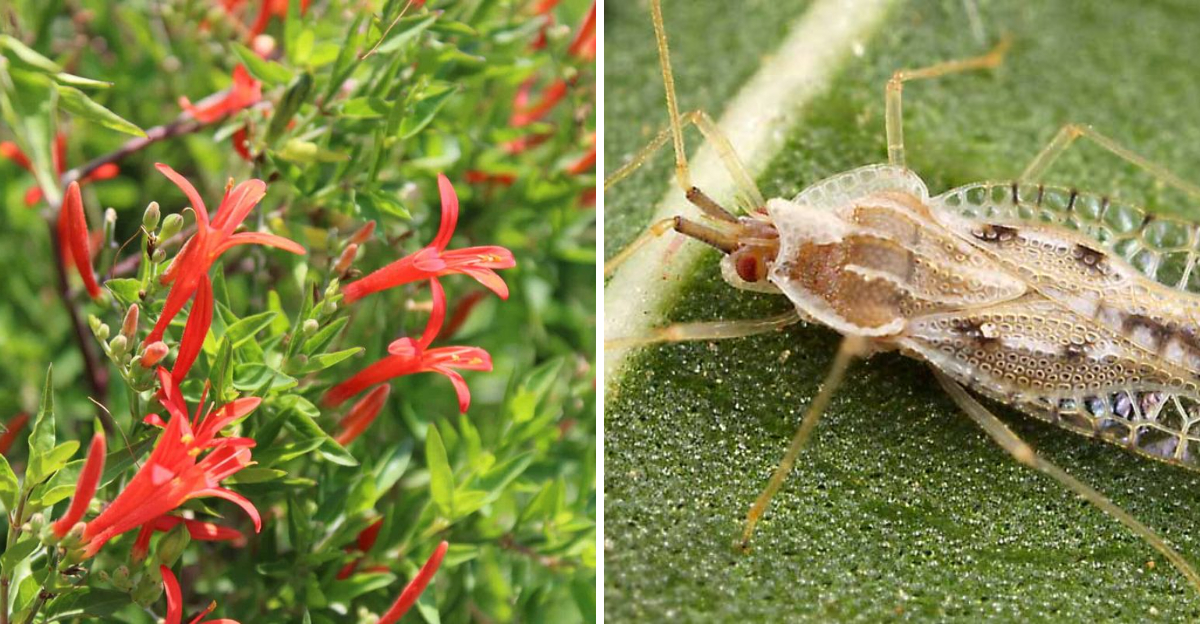
Lace bugs are one of those Texas garden pests that cause a lot of damage without getting much attention. They work on the undersides of leaves, slowly draining the life from plants while most gardeners are looking elsewhere.
By the time the tell tale silvery stippling becomes obvious on the upper leaf surface, lace bugs have typically been feeding for a while and the plant is already significantly stressed.
Most people reach for a spray. But there’s a native Texas plant that takes a different and more lasting approach.
This plant creates conditions in and around the garden that lace bugs consistently find unappealing.
Planted near the shrubs and perennials that lace bugs typically target, it introduces natural compounds into the immediate environment that disrupt the feeding and egg laying patterns these pests depend on.
It’s beautiful, drought tolerant, and genuinely useful in the garden beyond just deterring lace bugs. A plant that earns its spot several times over.
1. This Is The Plant
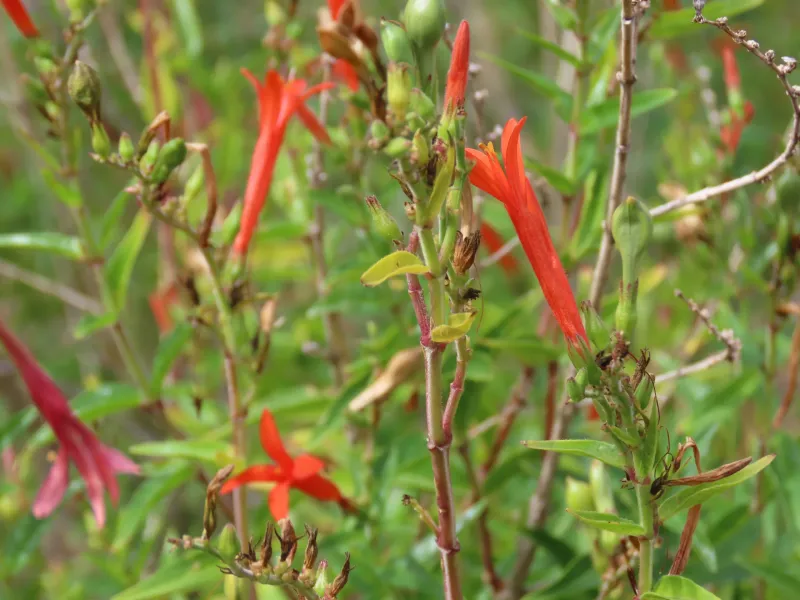
Meet flame acanthus, the hardworking native shrub that Texas gardeners are starting to talk about more and more.
Its scientific name is Anisacanthus quadrifidus var. wrightii, but most people simply call it hummingbird bush. That nickname alone should tell you something special is going on with this plant.
Flame acanthus is not listed among the primary host plants of the lantana lace bug, which is the species most commonly causing headaches for Texas gardeners.
That means swapping out your repeatedly damaged lantana or cenizo for flame acanthus can reduce the amount of lace-bug-friendly habitat in your yard.
You are not eliminating every lace bug in the neighborhood, but you are making your space a lot less appealing to them.
This shrub is native to western and south-central Texas, so it already knows how to handle the heat, the rocky soil, and the unpredictable rainfall that comes with life in the Lone Star State. It is a plant that genuinely belongs here.
Gardeners who have struggled to keep ornamental plants looking good through long Texas summers often find flame acanthus refreshingly easy to work with.
Replacing susceptible plants with flame acanthus is a proactive step, not a magic fix. You are reshaping your landscape so that fewer pest-preferred plants are present.
Over time, that kind of thoughtful plant selection can make a real difference in how much pest damage you see season after season. Starting with the right plant is always easier than fighting a problem after it has already taken hold in your yard.
2. Why Lantana And Cenizo Attract Lace Bugs
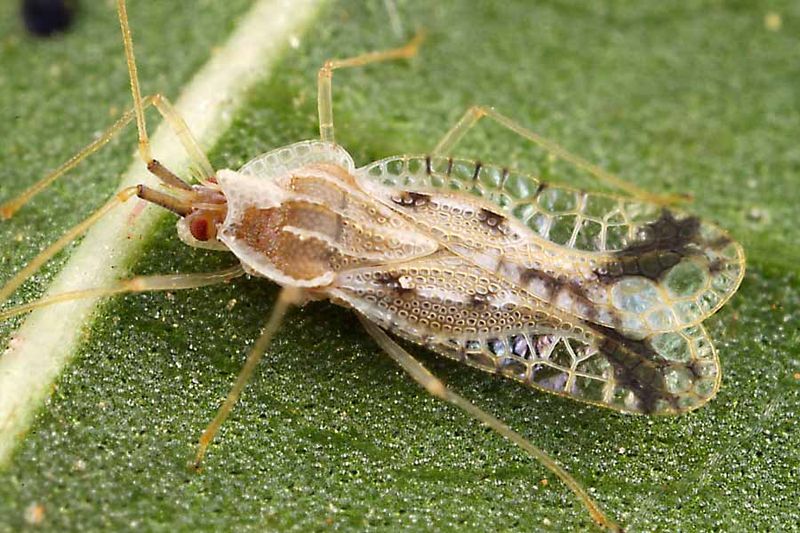
Texas A&M University has identified lantana and Texas sage, also called cenizo, as primary host plants of the lantana lace bug. If you have both of these plants in your yard, you are essentially rolling out a welcome mat for these tiny pests.
Understanding why certain plants attract lace bugs is the first step toward making smarter landscaping choices.
Lace bugs feed on the undersides of leaves, using their piercing mouthparts to suck out plant fluids. Adults and nymphs both feed this way, and because multiple generations can develop within a single growing season, populations can build up quickly.
Your Texas Garden Changes Every Week. Your Plan Should Too.
Gardening in Texas changes quickly throughout the season. Every Friday you’ll receive a simple weekly plan showing exactly what to plant, prune, fertilize, harvest, and protect so you never miss the right timing.
A small problem in spring can turn into a much larger one by midsummer if conditions are right.
Large lace bug populations weaken plants over time and make them look terrible. The feeding damage causes leaves to lose their healthy green color and take on a pale, washed-out appearance that is hard to miss.
Plants that are already stressed by heat or drought tend to show damage even faster. Knowing which plants are most at risk lets you make smarter choices before problems begin.
If lantana and cenizo are struggling year after year in your yard, lace bugs may be a big reason why.
Reducing the number of these host plants, or replacing them entirely with less susceptible options like flame acanthus, gives you a real advantage.
You are working with nature instead of constantly fighting against it. That shift in thinking can change the way you approach gardening in Texas for good.
3. How To Recognize Lace-Bug Damage
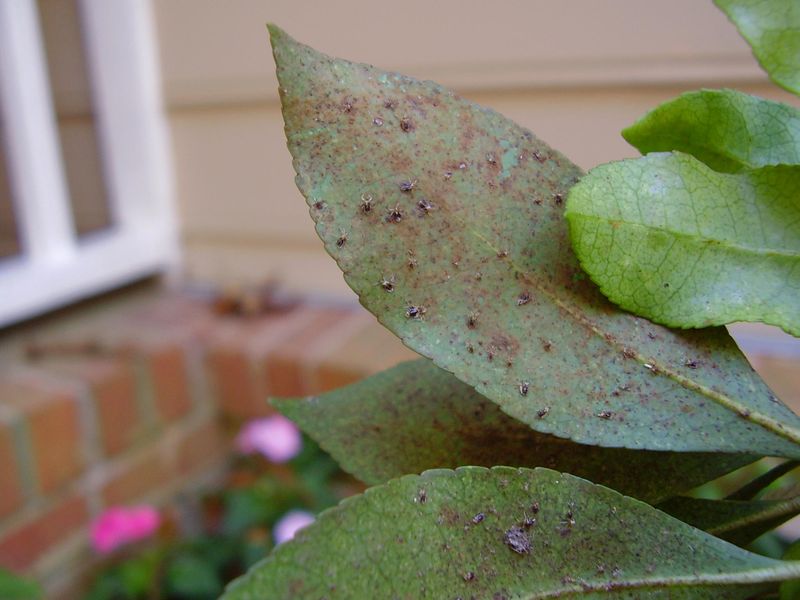
Spotting lace-bug damage early gives you the best chance to respond before populations grow out of hand. The first clue usually shows up on the tops of leaves.
You will notice pale yellow or white speckling scattered across the surface, almost like someone flicked tiny drops of bleach across the foliage. It starts subtle but becomes hard to ignore as feeding continues.
As the damage worsens, those pale spots can merge and the leaf may begin to look brownish and worn out. At that stage, the plant is under real stress and its ability to photosynthesize is being reduced.
Catching the problem earlier, before widespread browning sets in, gives you more options for managing it effectively.
Flip a damaged leaf over and look at the underside. That is where you will find the actual insects.
Tiny lace bugs, their shed skins from earlier growth stages, and dark, varnish-like waste spots are all signs of an active infestation. The combination of those three things is a strong confirmation that lace bugs are responsible for what you are seeing.
These signs help you tell lace-bug feeding apart from other common plant problems like drought stress or a nutrient deficiency.
Drought stress tends to affect the whole plant more evenly, while lace-bug damage is concentrated on leaves and shows that distinctive speckling pattern.
Nutrient problems often show up as yellowing along leaf veins rather than random spotting. Getting the diagnosis right means you can respond in the right way instead of wasting time and money on the wrong treatment.
4. Flame Acanthus Still Delivers Summer Color
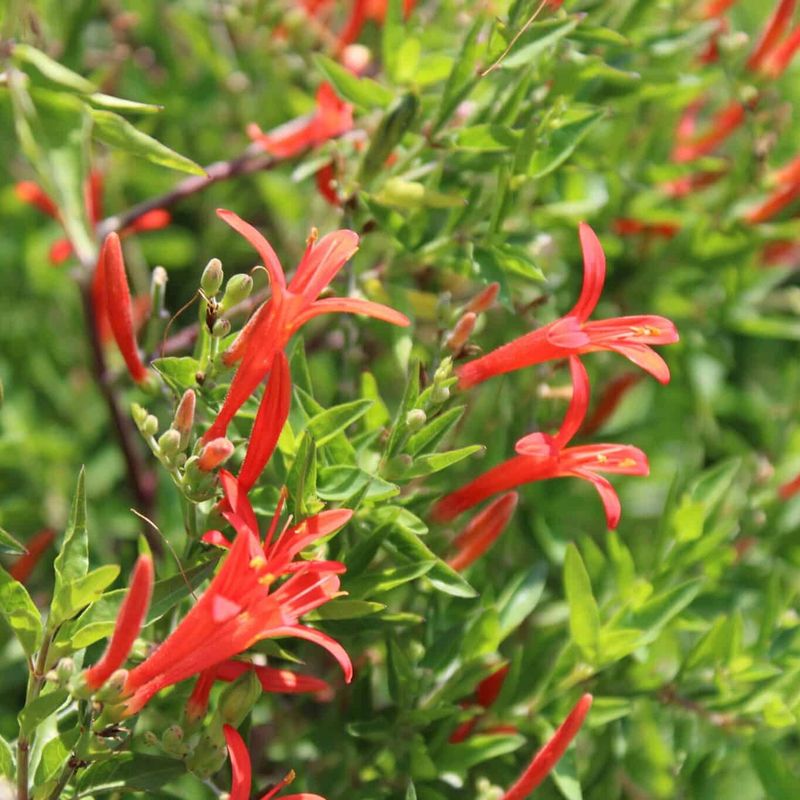
Worried that switching away from lantana means giving up color in your yard? Flame acanthus has something to say about that.
This shrub produces slender, tubular flowers in brilliant shades of orange and red that can light up a garden bed from June all the way through November. That is a seriously long bloom period for any plant.
Beyond the color payoff, flame acanthus is a wildlife magnet. Hummingbirds absolutely love the nectar-rich flowers, and butterflies are frequent visitors too.
If you have been trying to make your yard more wildlife-friendly, this plant does that work naturally without requiring any extra effort on your part. You get beauty and ecological value in one shrub.
Plants typically grow into spreading shrubs somewhere between three and five feet tall, though the exact size depends on your soil, water availability, and how much sun the plant receives.
That size range makes flame acanthus flexible enough to work as a border plant, a focal point in a garden bed, or even a low-water hedge along a fence line.
One thing gardeners appreciate about this plant is that it does not demand a lot of fussing to look good. It blooms reliably even when conditions are tough, which is a quality that is hard to find in showier ornamental plants.
Lantana has long been popular because of its bold color and heat tolerance, but flame acanthus brings those same strengths to the table while also being far less attractive to lace bugs. That combination makes it a genuinely worthwhile swap for many Texas yards.
5. Where Flame Acanthus Grows Best
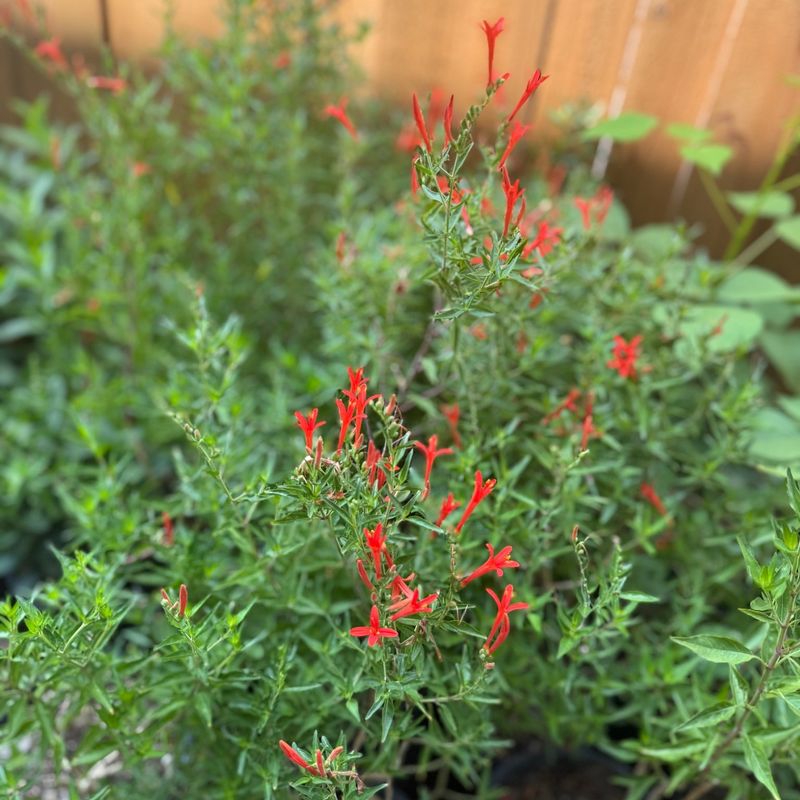
Getting the most out of flame acanthus starts with planting it in the right spot. Full sun is where this shrub truly shines, producing the most flowers and the most vigorous growth.
It can handle partial shade, but you will likely notice fewer blooms when it does not get enough direct sunlight each day. A spot with at least six hours of sun is a solid target.
Soil drainage matters a lot with this plant. Flame acanthus prefers well-drained soil and does not do well when its roots sit in water for extended periods.
If your yard has heavy clay soil that holds moisture, consider amending the planting area or choosing a raised bed. Rocky or sandy soils that drain quickly are actually very well suited to this native shrub.
Once established, flame acanthus is highly drought tolerant. That makes it an excellent fit for water-wise landscaping, which is increasingly important across much of Texas.
During extremely hot and dry stretches, occasional deep watering can encourage more flower production, but the plant will generally survive without it once its root system is well developed.
Keep in mind that flame acanthus is native to western and south-central Texas. It performs best in those regions and may not be equally well suited to every corner of the state.
Gardeners in East Texas, where soils tend to be heavier and more acidic, may find it trickier to grow successfully.
Checking with your local Texas A&M AgriLife Extension office is a smart move before you commit to any new plant in your landscape. Local knowledge makes a big difference.
6. Redesign The Yard Rather Than Expecting A Repellent
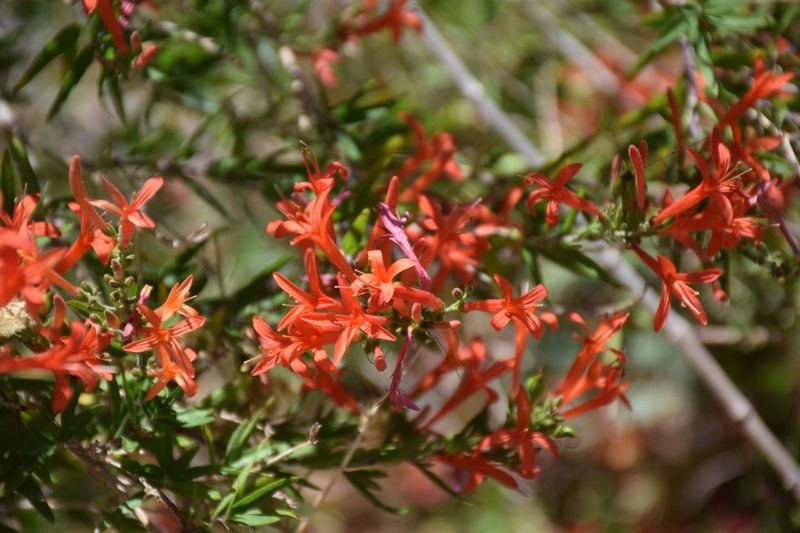
Here is the honest truth about flame acanthus and lace bugs: this plant is not a repellent. It will not send lace bugs fleeing from your yard or protect your other plants from being attacked.
What it does is remove a preferred food source from your landscape, which is a smarter and more sustainable approach than looking for a spray that fixes everything.
Start by replacing any lantana or cenizo plants that have been repeatedly infested with flame acanthus, wherever growing conditions are suitable. That targeted swap reduces the habitat that lace bugs prefer.
At the same time, make a habit of inspecting your remaining plants regularly, especially checking the undersides of leaves where lace bugs hide and feed.
Be careful with broad-spectrum insecticides. These sprays often remove beneficial insects along with the pests, including the natural predators that help keep lace bug numbers in check.
Losing those helpful insects can actually make pest problems worse over time. Targeted, careful management is almost always a better long-term strategy.
Also worth knowing: Texas is home to several different lace bug species, and they each have their own preferred host plants.
Replacing your lantana will not protect your oak trees, sycamores, pyracantha, or other susceptible plants from the lace bug species that target them.
A yard redesign focused on native, regionally adapted plants is the bigger picture goal here. Flame acanthus is a great piece of that puzzle, but building a diverse, thoughtfully chosen landscape is what really gives you the best defense against pest pressure over the long run.