These Texas Yard Mistakes Can Attract More Black Widows To Your Home
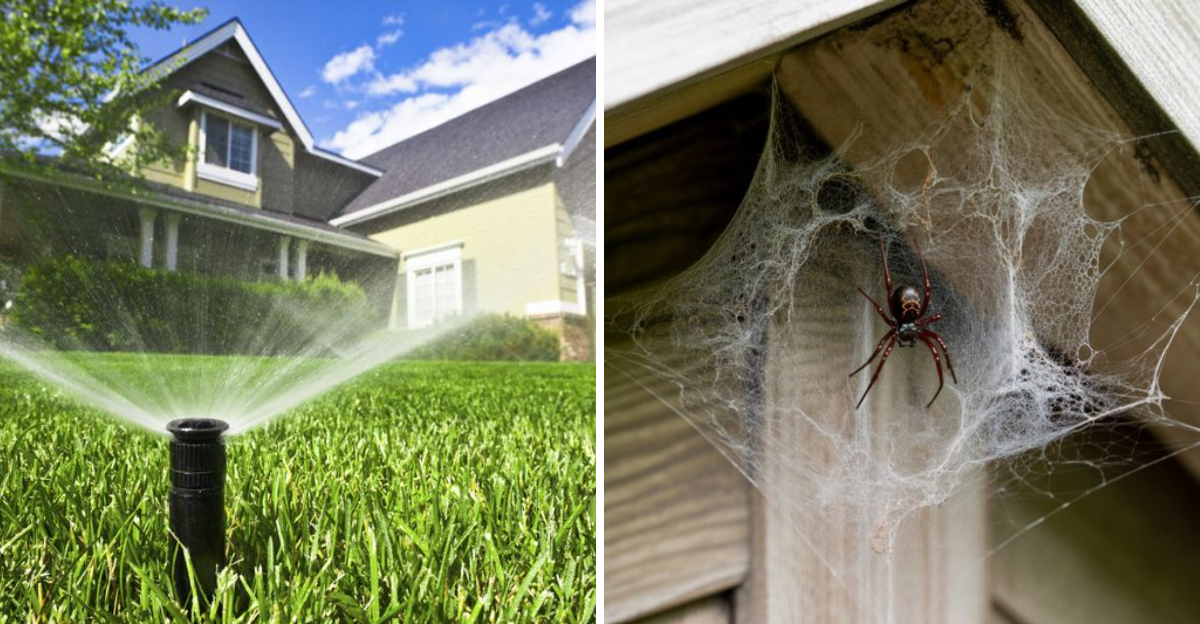
Black widows are present in yards across Texas, and most homeowners accept that reality without thinking much about whether their yard habits are actively making the situation worse. Black widows do not distribute themselves randomly.
They are drawn to specific conditions, and a yard that provides the right combination of shelter, moisture, darkness, and prey concentration will consistently harbor more of them than a yard that does not.
Several of the most common Texas yard habits create those conditions without the homeowner ever intending to, and the connection between what the yard looks like and how many black widows are working through it is more direct than most people realize.
Understanding what actually attracts and retains black widows around a Texas home gives a much more targeted approach to managing their presence than general pest control alone, and some of the most effective changes are also the simplest ones to make.
1. Leaving Debris And Wood Piles

Few things welcome black widows into a yard faster than a pile of wood sitting undisturbed near your home. Stacked firewood, old lumber, and brush piles create exactly the kind of dark, sheltered environment these spiders seek out.
The gaps between logs and debris give black widows a cozy, protected spot to spin their webs and lay eggs without being bothered.
In Texas, this is an especially big problem because the warm climate allows black widows to stay active for much of the year. A wood pile that sits untouched for just a few weeks can quickly become a spider hangout.
Many homeowners store firewood right against the side of the house, which makes it even easier for spiders to eventually move indoors.
Moving firewood at least 20 feet away from your home is one of the smartest things you can do. Stack it off the ground using a firewood rack so air can circulate underneath and moisture cannot build up.
Wear thick gloves whenever you handle wood, and always shake logs before bringing them inside.
Brush piles from yard clean-up should be bagged and removed promptly rather than left sitting in a corner of your yard. Old lumber or scrap wood that you no longer need should be disposed of or stored properly in a sealed shed.
Keeping your yard free of clutter and debris removes the prime real estate that black widows are always searching for, making your outdoor space much less attractive to these eight-legged visitors.
2. Overgrown Shrubs And Dense Foliage

Walk around the outside of your home and take a close look at the shrubs and plants growing near your foundation. If the foliage is thick, tangled, and shading the ground heavily, you may be rolling out the welcome mat for black widows without even realizing it.
Dense vegetation close to your home creates a sheltered, shaded environment that spiders absolutely love.
Black widows do not need much space to set up a web. A thick cluster of shrubs pressed against a wall gives them protection from heat, wind, and predators all at once.
Your Texas Garden Changes Every Week. Your Plan Should Too.
Gardening in Texas changes quickly throughout the season. Every Friday you’ll receive a simple weekly plan showing exactly what to plant, prune, fertilize, harvest, and protect so you never miss the right timing.
The shadier and more undisturbed the spot, the more appealing it is to these spiders. Texas summers are brutal, and black widows are always looking for cool, dark corners to escape the heat.
Trimming shrubs and plants regularly is a straightforward way to reduce spider-friendly hiding spots around your home. Keep bushes pruned so they do not touch the exterior walls or foundation.
Aim for at least a foot of clear space between your plants and the structure of your house.
Removing dry leaves, fallen branches, and plant debris from around the base of your shrubs also helps a lot. These materials pile up and create additional hiding spots right at ground level.
Consider replacing very dense, low-growing shrubs near the foundation with smaller, more open plants that allow better airflow and sunlight.
A well-maintained, trimmed landscape not only looks great but also sends a clear message to black widows that your yard is not the cozy hideout they are hoping to find.
3. Ignoring Outdoor Furniture And Equipment
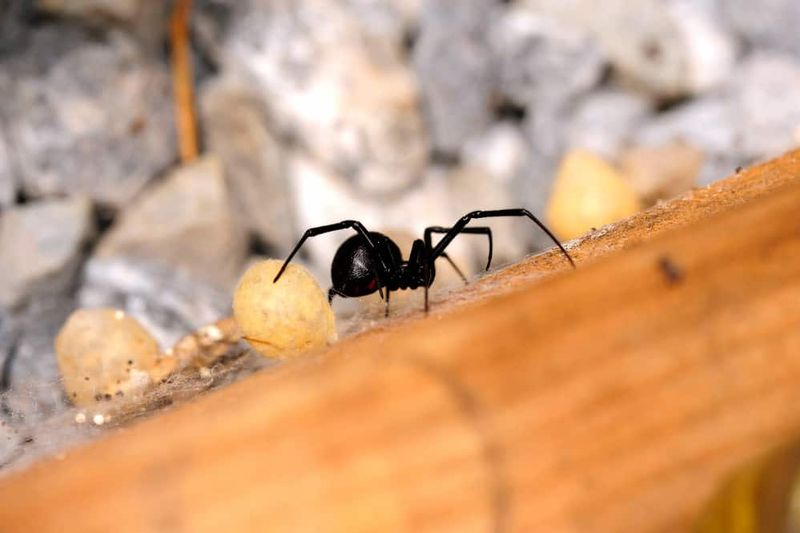
Picture this: you flip over a patio chair you have not used in a few weeks, and there is a classic black widow web tucked right underneath the seat. It happens more often than most Texas homeowners expect.
Outdoor furniture and equipment that sits unused for long stretches of time becomes a prime hiding spot for black widows almost by default.
Chairs, benches, swings, and even children’s playground equipment all have gaps, grooves, and undersides that spiders find irresistible. Garden tools leaning against a shed wall or stored in an open bin are another favorite.
The less often these items are moved or used, the more likely a black widow will decide to move in and make itself comfortable.
Getting into the habit of regularly checking and moving your outdoor furniture makes a real difference. Wipe down the undersides of chairs and tables every week or two, especially during the warmer months.
If you have a swing set or play structure, inspect it thoroughly before letting kids use it after it has been sitting idle.
Store garden tools in a sealed shed or a closed container rather than leaving them propped up in open spaces. If you have furniture you do not use often, consider covering it with fitted outdoor covers that block access to the hidden areas underneath.
Shake out gloves, boots, and other equipment before putting them on if they have been sitting in the garage or shed. Staying consistent with these simple habits keeps black widows from treating your outdoor gear like their personal apartment complex.
4. Cluttered Garages Or Sheds
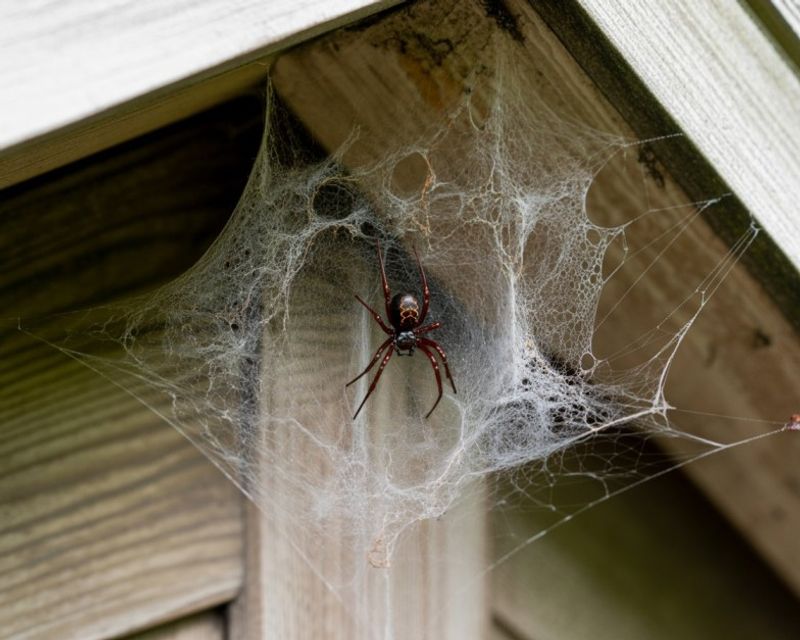
A cluttered garage or shed is basically a luxury resort for black widows. Stacks of cardboard boxes, old bags, rarely touched equipment, and piles of miscellaneous junk all create a dark, sheltered maze that spiders can explore and settle into without ever being disturbed.
Once black widows establish themselves in these spaces, they can eventually find their way further into your home.
Texas garages are particularly vulnerable because they tend to collect years worth of stored items. Seasonal decorations, sports gear, lawn equipment, and old furniture all pile up over time.
The clutter creates countless hidden corners and crevices where spiders can spin webs, catch prey, and reproduce without anyone noticing until the population has already grown.
Decluttering your garage or shed on a regular schedule is one of the most effective steps you can take. Go through stored items at least once a season and get rid of anything you no longer use.
Replace cardboard boxes with sealed plastic storage bins, since spiders cannot get inside sealed containers as easily as they can slip into loose cardboard.
Seal any cracks or gaps around windows, doors, and the base of your garage walls where spiders might enter from outside. Keep the floor as clear as possible and avoid leaving items piled directly against the walls.
Install bright lighting inside your garage because black widows strongly prefer dim, dark environments. A well-organized, well-lit garage gives spiders far fewer places to hide and makes it much easier for you to spot any webs before they become a bigger problem.
5. Overwatering Or Poor Drainage

Most people think about mosquitoes when they imagine the problems that standing water and soggy soil can cause in a Texas yard. But damp conditions actually play a bigger role in attracting black widows than many homeowners realize.
The connection is simple: moisture draws insects, and insects draw the spiders that feed on them.
Black widows are predators, and they go where the food is. Overwatered garden beds, poor drainage near the foundation, and spots where water pools after rain all create environments where beetles, roaches, and other insects gather in large numbers.
Once the insect population in a damp corner of your yard builds up, black widows are not far behind, moving in to take advantage of the easy food source.
Check your yard for areas where water tends to collect after rain or irrigation. Low spots in the lawn, compacted soil, and clogged gutters that spill water near the foundation are all common culprits.
Fixing drainage issues and adjusting your watering schedule can help reduce moisture buildup significantly.
Avoid overwatering garden beds, and let the soil dry out between watering sessions when possible. Make sure your sprinkler system is not soaking areas right up against your home’s foundation.
Adding proper grading or drainage solutions to problem spots in your yard can also help redirect water away from your home. Keeping mulch layers thin and allowing them to dry out between waterings is another small but smart step.
Reducing excess moisture throughout your yard cuts down on the insect activity that quietly signals to black widows that your yard is a great hunting ground.
6. Leaving Lights On Near Entrances
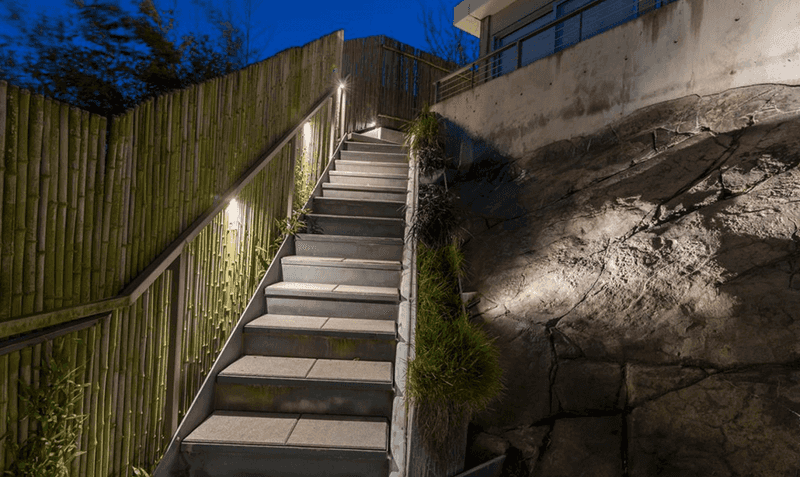
Outdoor lighting near your doors and windows might make your home feel warm and welcoming, but it is also sending out an open invitation to black widows every single night. The connection starts with insects.
Many flying bugs are naturally drawn to bright lights after dark, and when they gather near your porch light or back door lamp, they create a ready-made buffet for any nearby spider looking for a meal.
Black widows are opportunistic hunters. They do not chase their prey but instead spin webs and wait.
A porch light that attracts dozens of moths, flies, and beetles every night gives a black widow the perfect reason to set up a web right next to your front door. Over time, a well-fed spider near your entrance is also a spider that is more likely to eventually find its way inside.
Switching to yellow or amber-toned bulbs for your outdoor lights is one of the easiest fixes available. These warm-toned bulbs are far less attractive to insects than bright white or blue-white LED lights.
Motion-activated lights are another great option since they only turn on when needed rather than staying on all night.
Keeping outdoor lights off when they are not needed is a habit worth building. Check around your light fixtures, door frames, and window sills regularly for webs, and remove any you find promptly.
Seal gaps around door frames and windows to prevent spiders from slipping inside. A few small changes to how you use outdoor lighting can significantly reduce the insect activity near your home and make your entrances a much less appealing spot for black widows to call home.