Iowa Gardens Are Facing A Tough Squash Bug Season, Here Is What Actually Works Against Them
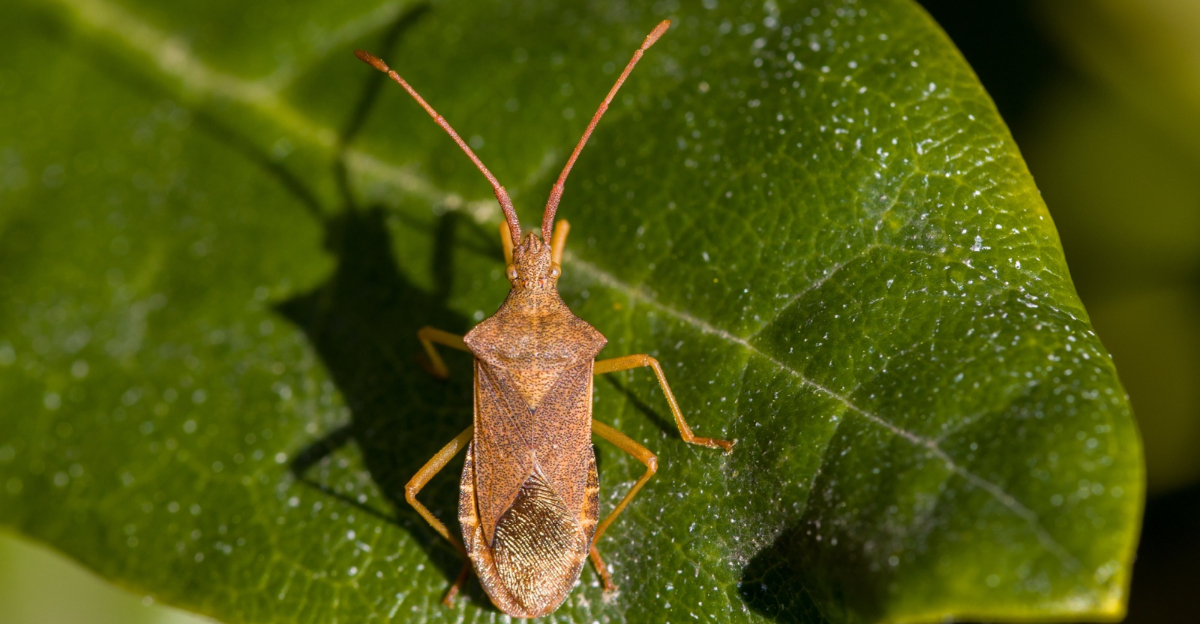
Zucchini plants can decline within days, and you may never notice. Gardeners across Iowa are losing entire beds before summer even peaks.
Squash bugs multiply fast, and they conceal themselves better than you expect. These insects gather beneath leaves, laying eggs you rarely spot in time.
Adults endure cold nights, evade mulch, and return stronger every season. Trouble spreads quietly until stems weaken and leaves droop without clear warning signs.
Iowa summers create ideal breeding conditions for pests that reward neglect. Many gardeners assume chemical sprays are your only real option here.
Truthfully, effective control depends on timing, close observation, and habits you routinely overlook. Hesitation helps squash bugs thrive, and waiting too long affects your harvest.
Understanding their behavior changes how you protect everything you have grown. Ignoring this problem guarantees repeat trouble before next season even arrives. Nothing about this challenge ends until you understand what happens next.
1. Warm Dry Summers Boost Reproduction Fast
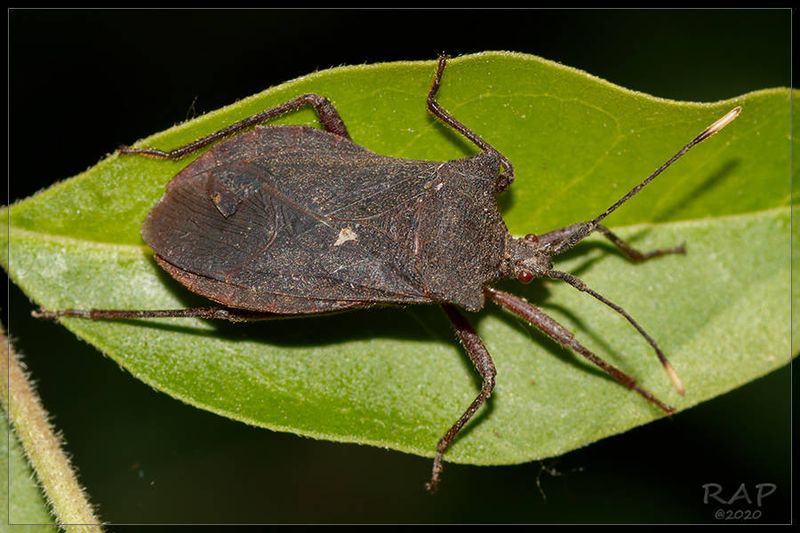
Hot weather creates ideal conditions for squash bug reproduction. When temperatures climb and rain stays away, these pests can reproduce notably fast under the right conditions.
Female squash bugs lay eggs in tight, organized clusters on leaf undersides. Each cluster can hold up to 20 bronze-colored eggs, and a single female can produce multiple batches across a season.
Dry conditions also reduce the natural moisture that slows insect movement. Bugs travel faster, feed more aggressively, and find mates more easily when the soil is cracked and the air is still.
Understanding this connection helps you get ahead of infestations. When a dry stretch begins, that is your signal to start daily scouting, not waiting until you see damage.
According to regional weather patterns, Iowa summers can vary from year to year, with some seasons bringing warmer and drier stretches that favor pest activity.
Many gardeners across the state have noticed heavier squash bug pressure in recent seasons, though conditions vary by location and year.
Prevention during heat waves matters more than any single spray or trap. Proactive monitoring during hot spells is the single most effective thing you can do before the population expands.
Think of warm, dry weather as a countdown clock. Once those conditions set in, early action makes a significant difference before populations increase and your plants start showing stress.
2. Dense Foliage Gives Them Hiding Spots
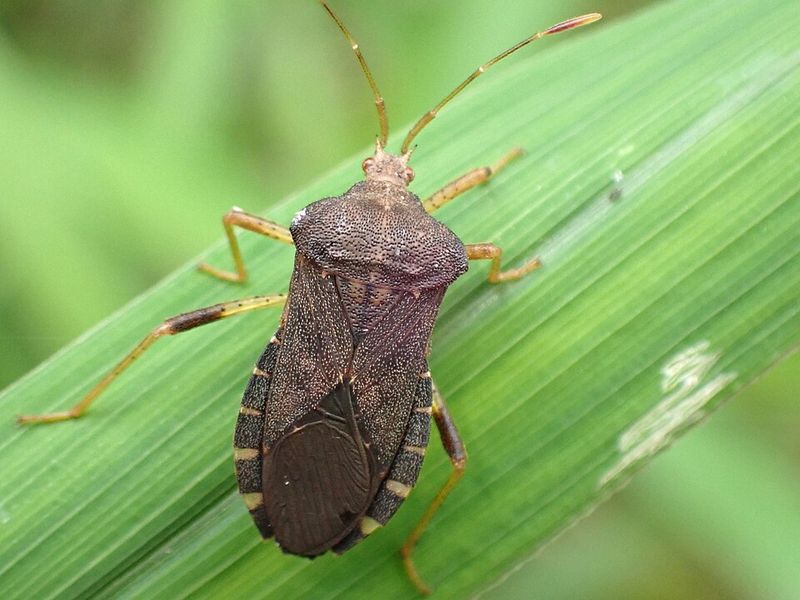
Squash plants are generous growers, producing wide, overlapping leaves that create a shady jungle underneath. That dense canopy creates the shaded, humid conditions squash bugs prefer.
Adults tuck themselves under leaves and along stems where it stays cool and dark. Nymphs cluster in groups near the base of plants, hidden from birds and your eyes alike.
Thick foliage also traps humidity close to the soil surface. That microclimate makes the bugs more comfortable and harder to spot during a quick walk-through of your garden.
Your Iowa Garden Changes Every Week. Your Plan Should Too.
Gardening in Iowa changes quickly throughout the season. Every Friday you’ll receive a simple weekly plan showing exactly what to plant, prune, fertilize, harvest, and protect so you never miss the right timing.
One practical fix is to prune older, lower leaves from your squash plants as the season progresses. Removing that extra cover forces bugs into more visible spots where you can catch and remove them.
Spacing plants further apart than the seed packet suggests also helps. More airflow and light penetration mean fewer dark hiding zones and a less hospitable environment overall.
Training vines along a single direction rather than letting them sprawl randomly reduces overlap too. A tidier plant is genuinely easier to inspect and manage throughout the growing season.
Do not underestimate how much plant structure influences pest pressure. A well-pruned, well-spaced squash plant is not just healthier, it is also far less hospitable to the bugs affecting gardens across the state right now.
3. Check Leaf Undersides For Egg Clusters Daily
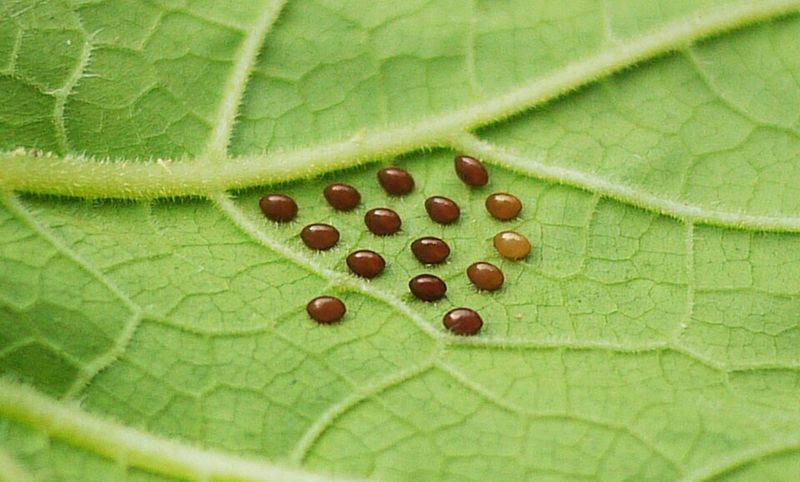
Flip a squash leaf over right now and look closely at the surface. Chances are good you will find neat rows of shiny, reddish-brown eggs arranged in a precise diamond pattern.
Squash bug eggs are small but visible without a magnifying glass. They look almost like tiny copper beads, and once you know what to search for, you will spot them fast.
Daily checks make an enormous difference in keeping populations manageable. Catching eggs before they hatch means you stop dozens of nymphs from ever reaching the feeding stage.
Focus your inspection on the lower leaves first, especially near the base of the plant. Females prefer spots that are sheltered and close to the soil where they feel protected.
Check both sides of every large leaf, not just the undersides. Eggs occasionally appear on stems and even on the soil surface near the crown of the plant.
Morning is the best time to inspect because bugs are slower and less likely to scatter. Cooler temperatures keep adults sluggish, making removal much easier after your daily egg hunt.
Building this habit into your morning routine takes about five minutes per plant. That small investment of time each day is genuinely one of the most effective habits for managing squash bugs in Iowa gardens this season.
4. Handpick Adults And Nymphs Each Morning
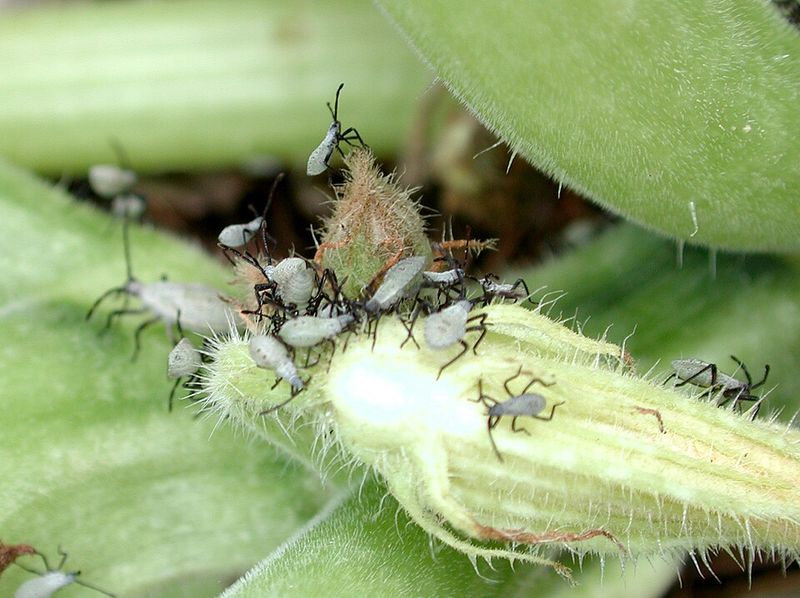
There is something deeply satisfying about catching a squash bug with your bare hands and dropping it into soapy water.
Old-fashioned handpicking remains one of the most effective control methods available to home gardeners today.
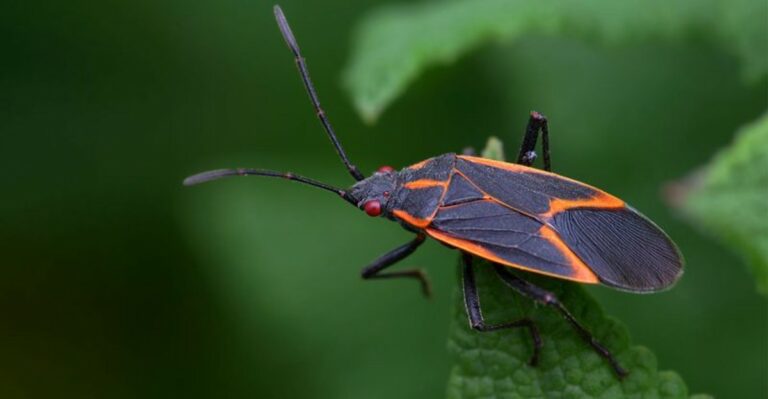
Adults are flat, brownish-gray, and about half an inch long. Nymphs are lighter in color and move in tight clusters, which actually makes them easier to scoop up all at once.
Wear gloves if the smell bothers you. Squash bugs release a sharp, unpleasant odor when disturbed, and that scent can linger on your skin for hours after a removal session.
A wide-mouthed jar filled with soapy water is your best tool for this job. Drop bugs directly into the jar as you find them, and the soap prevents escape while ending the infestation cycle.
Morning handpicking works best because cooler temperatures slow the bugs down considerably. They grip the plant less tightly and respond more slowly, making capture much simpler before the sun warms them up.
Do not skip nymphs just because they look harmless and small. Young nymphs feed aggressively and grow into egg-laying adults within weeks, so removing them early breaks the cycle before it restarts.
Consistency is the secret ingredient here. Handpicking once a week will not cut it, but a quick five-minute check every morning can genuinely help keep squash bug populations manageable.
5. Crush Egg Clusters Before They Hatch
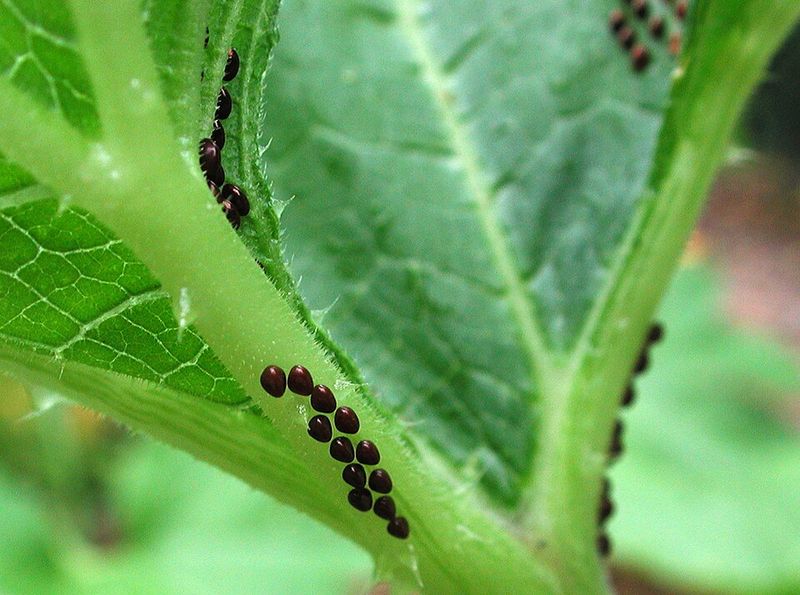
Finding an egg cluster and removing it right then and there is one of the most rewarding moments in pest management. You just stopped up to 20 new bugs from ever reaching your plants.
Use your thumbnail, a flat stick, or a piece of tape to remove egg clusters from the leaf surface. Tape works especially well because it lifts the eggs cleanly without tearing the leaf apart.
Some gardeners prefer to remove the entire leaf section bearing the eggs. That approach is fast and effective, though it works best when the leaf is older and not critical to the plant’s health.
Timing matters a great deal with egg removal. Fresh eggs appear bronze and shiny, while older eggs darken slightly as hatch day approaches, so acting quickly after spotting them is essential.
Eggs typically hatch within one to two weeks of being laid, depending on temperature. Warmer conditions speed up development, which is why daily checks during hot spells are non-negotiable for serious gardeners.
Do not toss removed eggs onto the soil nearby. Carry them away from the garden entirely or seal them in a bag before disposal to prevent any chance of late hatching near your plants.
Every egg cluster you remove today means fewer adults feeding on your squash next month. That compounding effect is why removing eggs is considered one of the more effective early interventions for squash bug control.
6. Use Row Covers Until Flowering Begins

Floating row cover is a simple piece of lightweight fabric that can completely block squash bugs from reaching your plants during the most vulnerable early weeks. It sounds almost too easy, but it genuinely works when applied correctly.
Install the cover right after transplanting or germination, before any bugs have a chance to settle in. Secure the edges with soil, rocks, or garden staples to prevent gaps that bugs can sneak through.
The cover lets in sunlight, water, and airflow while physically blocking insects. Plants grow normally underneath it, and you get several pest-free weeks to build a strong, established plant before exposure begins.
Remove the covers once flowers appear, because squash plants need pollinators to produce fruit. Leaving covers on too long will protect plants from bugs but also prevent the bees your garden depends on.
Reusable row covers last multiple seasons when stored properly after each use. Washing and folding them carefully after the season ends keeps the fabric intact and ready for next year without buying replacements.
Timing the removal strategically also helps. Pull covers off in the evening when squash bugs are less active, giving your plants a full night to adjust before peak bug movement resumes the next morning.
Row covers will not solve a problem that already exists, but as a prevention tool before squash bugs arrive, they are one of the more effective preventive tools an Iowa gardener can use this season.
7. Apply Insecticidal Soap Directly On Nymphs
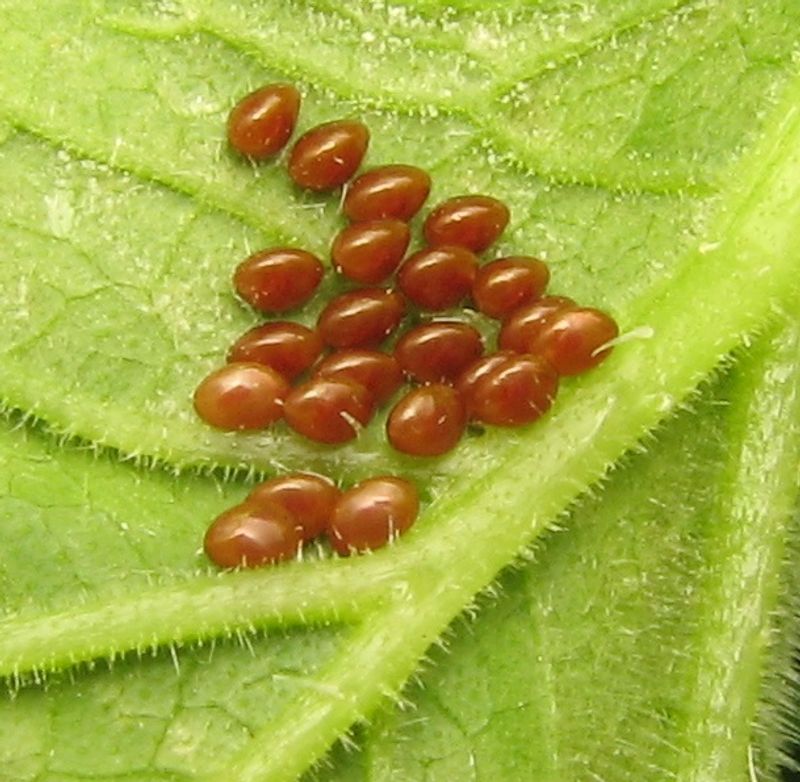
Nymphs are the weak link in the squash bug life cycle, and insecticidal soap is one of the few treatments that actually stops them in their tracks. Catching them young is the entire strategy here.
Insecticidal soap works by breaking down the soft outer coating of young nymphs on contact. Once that protective layer is gone, the insects cannot retain moisture and quickly succumb to dehydration.
Adults have a tougher exterior that soap struggles to penetrate effectively. Focus your spray sessions on nymph clusters rather than chasing individual adults across the garden for the best results.
Mix insecticidal soap concentrate strictly according to the label directions for your specific product, since concentration ratios vary by brand. Homemade dish soap solutions can damage plant leaves, so stick with products formulated specifically for garden use.
Apply the spray in the early morning or evening to avoid leaf scorch from sun exposure. Wet the nymphs thoroughly and coat the stems and leaf undersides where clusters tend to gather most densely.
Reapplication is necessary every five to seven days because soap has no residual effect after it dries. A single treatment will not remove an established population, but consistent spraying slows reproduction significantly.
Pairing soap applications with daily handpicking creates a two-pronged approach that addresses squash bugs through combined methods.
That combination is one of the more reliable non-chemical strategies available to gardeners managing this pest.
8. Remove Garden Debris Right After Harvest
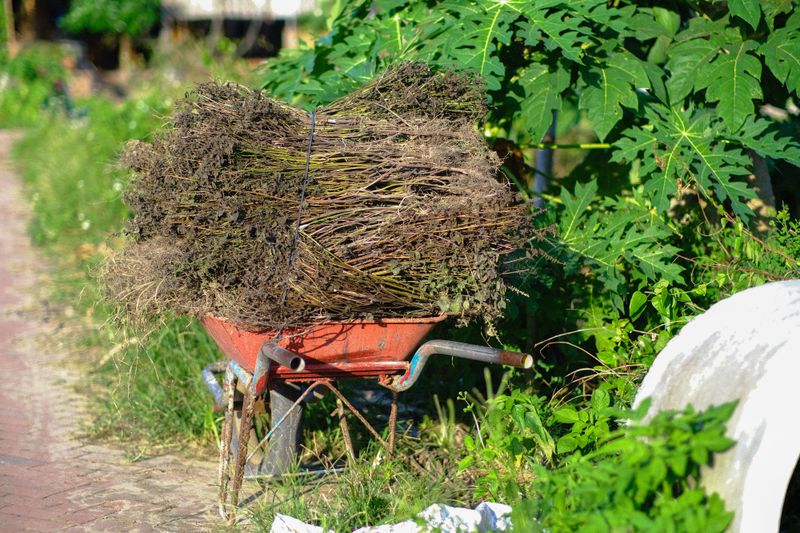
Once your last squash is picked, the clock starts on the most important cleanup of the entire growing season. Leaving old vines and plant material in the garden is basically rolling out a welcome mat for next year’s squash bugs.
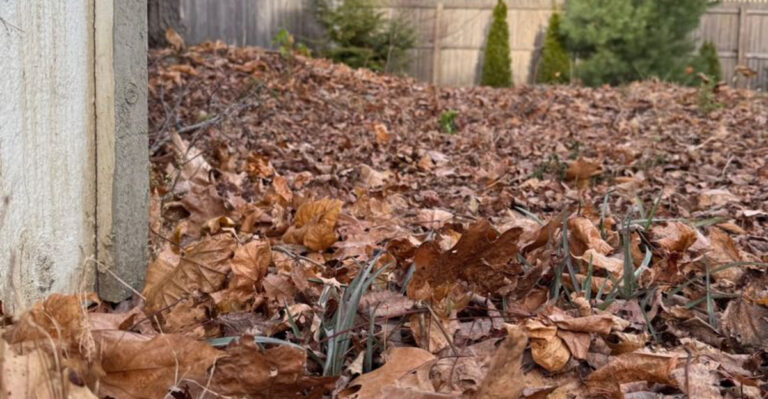
Adult squash bugs overwinter in garden debris, leaf litter, and under boards or dense mulch near the soil surface. Removing their hiding spots in fall dramatically reduces the number that survive to spring.
Pull spent vines out completely and bag them for disposal rather than composting. Home compost piles rarely reach temperatures high enough to eliminate eggs or overwintering adults hiding in the plant material.
Turn your soil after clearing the bed to expose any bugs sheltering just below the surface. Birds will often follow you through this process, happily picking off anything that gets turned up.
Clear nearby weeds and ground cover too, since bugs do not limit themselves strictly to the vegetable bed. A tidy perimeter around your garden reduces overwintering habitat across a wider area.
Timing this cleanup before the first hard frost gives you the best chance of disrupting overwintering populations before they fully settle in for the cold months ahead.
The effort you put in at the end of this season directly shapes how bad the squash bug pressure feels next spring.
Thorough fall cleanup is one of the most overlooked but effective steps in managing squash bug populations in Iowa gardens.