The Kentucky Yard Mistakes Keeping Heat-Stressed Roots From Ever Recovering
Kentucky summers turn lawns into a real test of patience. Once temperatures climb past 90 degrees, grass roots grow thin and brittle beneath the surface. A few careless habits during these weeks can quietly undo months of healthy growth.
Most homeowners never notice the damage until it’s already done. Small missteps pile up fast under a scorching sun, and heat-stressed roots rarely get a second chance. By the time the yard turns patchy and dull, the harm already runs deep.
August doesn’t have to leave your lawn looking worn out and defeated. A little awareness now can spare you weeks of brown, exhausted grass later. Here’s what’s quietly working against your yard this season.
1. Cutting Grass Too Short Removes Its Natural Shade
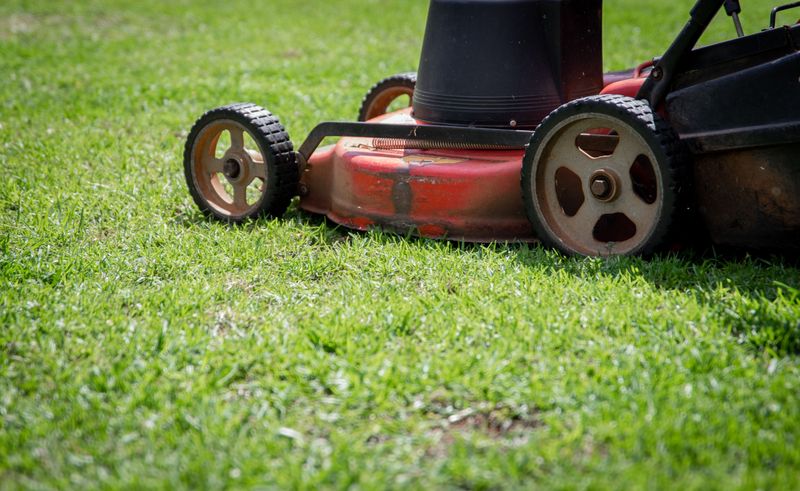
Scalping your lawn feels satisfying in the moment, but it is one of the worst things you can do during a heat wave. Grass blades act like tiny umbrellas, shading the soil beneath them from direct sun exposure.
When you mow too short, that natural shade disappears instantly, and the soil heats up fast. Hot soil cooks roots from below while the sun hammers them from above.
Most cool-season grasses in Kentucky, like tall fescue, need to stay at least three to four inches tall in summer. Cutting below that threshold removes the plant’s ability to protect itself and recover from heat-stressed roots.
Think of blade height like sunscreen for your soil. Taller grass keeps ground temperatures measurably cooler.
That temperature difference is the gap between grass that bounces back and grass that struggles all season. Raise your mower deck now, before the next hot stretch hits your yard hard.
You do not need a perfect-looking lawn. You need a surviving one that can push through summer.
Adjust your cutting height once, and your roots will thank you with stronger, deeper growth all season long. Even a single mow at the right height can start reversing weeks of stress underground.
2. Shallow Daily Watering Keeps Roots Close To The Surface
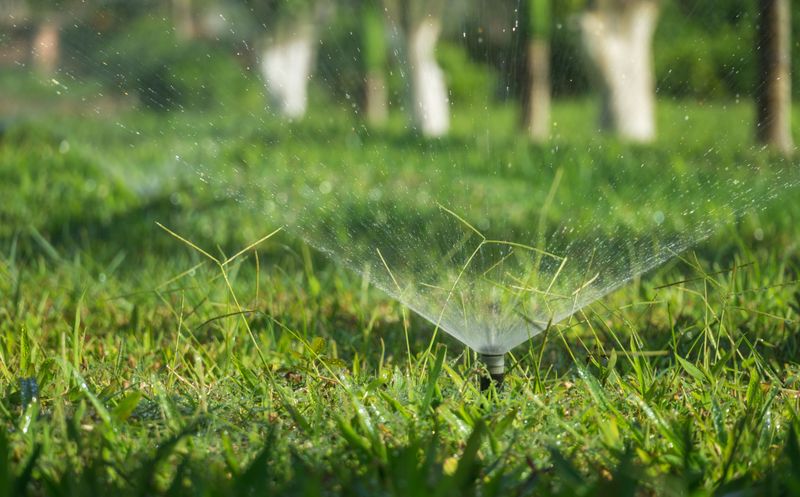
Watering every single day sounds like the responsible thing to do, but it is actually training your lawn to be weak. When you apply just a little water daily, moisture stays near the top inch of soil.
Roots follow water, so they stay shallow instead of pushing down where it is cooler and safer. When a real heatwave hits, that top inch dries out in hours and your roots have nowhere to go.
Heat-stressed roots that never went deep have a much harder time surviving extended dry spells or intense summer sun. The fix is watering deeply but less frequently, about two to three times per week at most.
Each watering session should push moisture down four to six inches into the soil profile below. That depth encourages roots to chase the water downward, building a stronger and more resilient root system.
A simple screwdriver test can confirm depth. Push it six inches into moist soil after watering to check penetration.
Your Kentucky Garden Changes Every Week. Your Plan Should Too.
Gardening in Kentucky changes quickly throughout the season. Every Friday you’ll receive a simple weekly plan showing exactly what to plant, prune, fertilize, harvest, and protect so you never miss the right timing.
If it slides in easily, you hit the right depth. If it stops at two inches, water longer next time.
Deep watering also reduces runoff and evaporation, making your efforts more efficient on hot afternoons. Changing this one habit can transform a struggling lawn into one that handles Kentucky summers without constant babysitting.
Most homeowners notice a difference within just a couple of weeks of switching their schedule. Consistency matters more than frequency when it comes to training roots to grow down instead of sideways.
3. Mowing During Peak Heat Adds Stress At The Worst Time
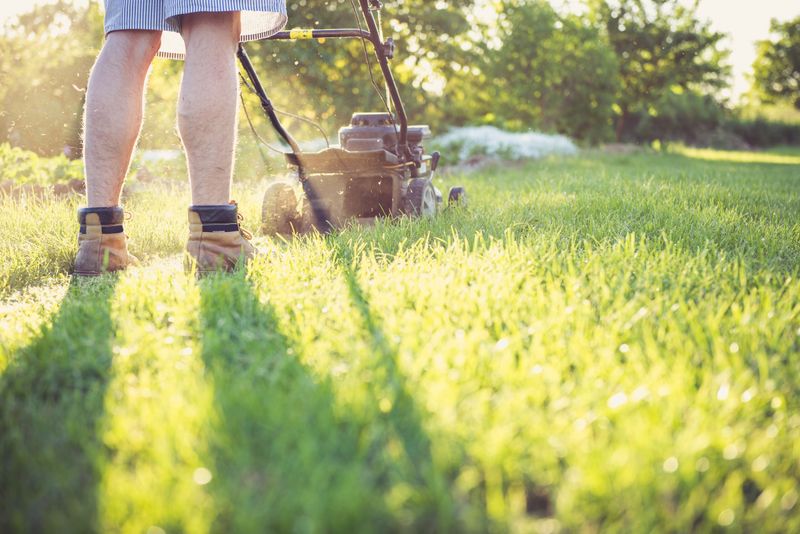
Noon mowing is a double setback for your lawn and honestly for you too. Grass is already under enormous strain when temperatures peak between 11 a.m. and 3 p.m. on summer days.
Cutting it during that window adds physical strain right when the plant has zero energy to recover. Every blade cut during peak heat becomes an exposed cut point that loses moisture rapidly in the scorching air.
The lawn cannot seal those cuts fast enough, leading to browning, wilting, and deeper root decline. Heat-stressed roots cannot redirect resources to healing when the whole plant is fighting to stay hydrated at once.
Mowing in the early morning or evening changes everything about how your grass handles the cut. Cooler air temperatures let the plant begin healing before the heat arrives or after it has passed.
Morning mowing also allows the clippings to dry naturally, which reduces the risk of fungal issues in your lawn. Evening mowing works well too, but avoid cutting so late that wet grass sits overnight without drying.
A good rule of thumb: if you are sweating through your shirt before you start, so is your grass. Reschedule your mowing time and give your lawn the recovery window it desperately needs every single week.
Even shifting your routine by just a few hours can noticeably reduce how much your lawn browns after each cut. Small scheduling changes add up to real protection over a long, hot summer.
4. Foot Traffic Compacts Soil Already Struggling For Air
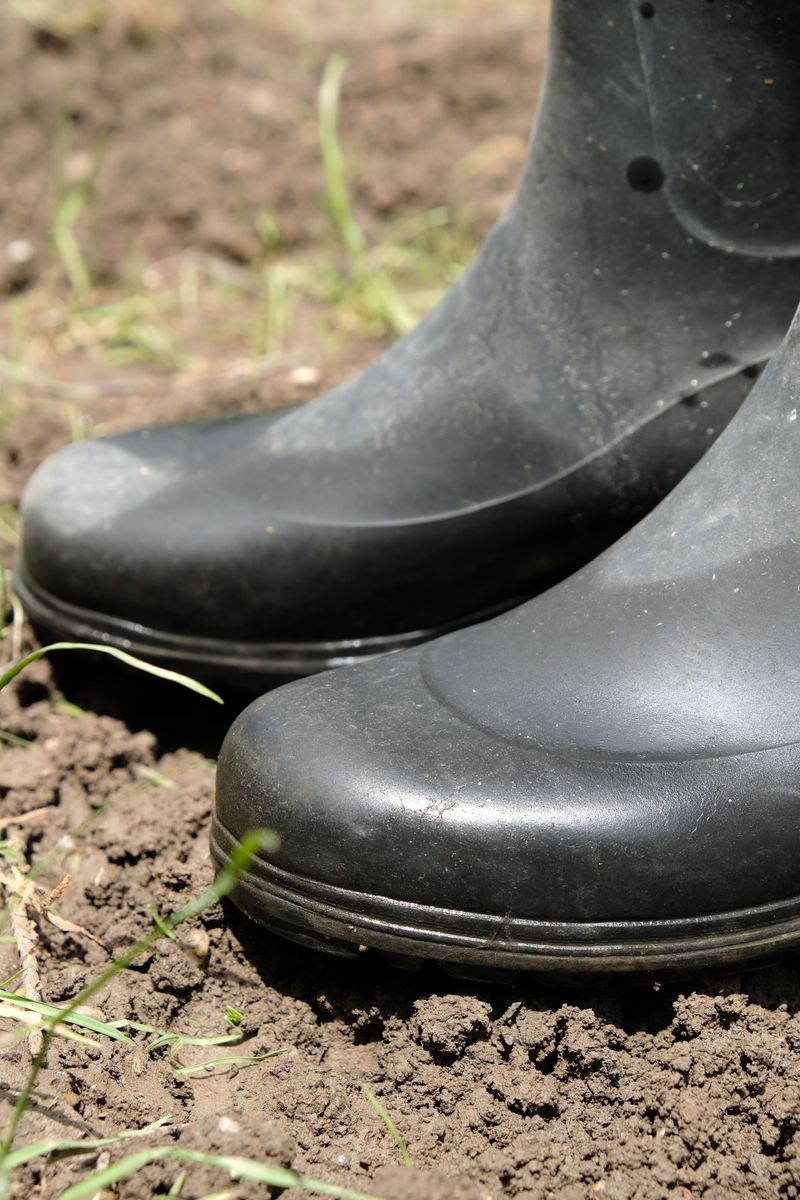
Your lawn is not a sidewalk, even though it gets treated like one all summer long. Every step across dry summer grass presses soil particles tighter together beneath the surface.
Compacted soil blocks air pockets that roots need to breathe, grow, and absorb water efficiently. When those air pockets disappear, water runs off instead of soaking in, and roots begin to lose oxygen slowly.
Heat makes compaction worse because dry soil compresses more easily than moist, healthy soil does. Lawns with heavy foot traffic during summer often show bare patches that look like drought damage but are not.
The real culprit is oxygen loss happening just below the surface where nobody thinks to look. Aerating your lawn in fall breaks up compacted layers and allows roots to expand into fresh, open soil.
Core aeration pulls small plugs of soil out, creating channels for water, air, and nutrients to reach roots. For summer, try redirecting foot traffic with stepping stones or temporary garden borders to protect high-use areas.
Even placing a portable path across your lawn can reduce compaction in the spots that see the most pressure. Giving roots room to breathe is one of the most overlooked steps in helping heat-stressed roots truly recover.
Kids, pets, and delivery routes are often the biggest hidden sources of compaction homeowners overlook. Watching where daily traffic naturally flows can help you decide exactly where to place a stepping path.
5. Fertilizing A Stressed Lawn Pushes Growth It Can’t Support
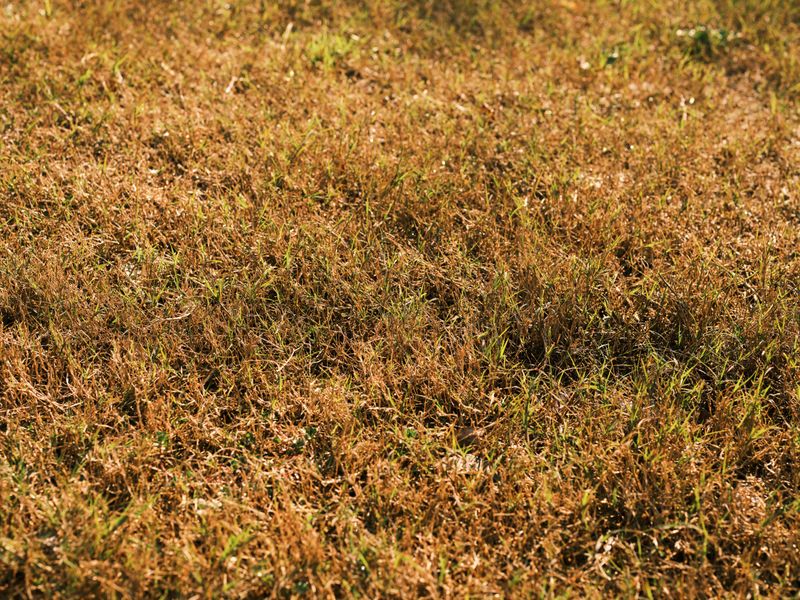
Fertilizer on a stressed lawn is like forcing someone to run a marathon when they have a fever. It sounds helpful on the surface, but the timing makes it genuinely damaging to your grass.
Nitrogen-heavy fertilizers push rapid blade growth, which demands enormous energy and water from the root system below. When roots are already struggling with heat stress, they simply cannot support that sudden surge of new growth.
The result is a lawn that looks briefly green, then declines harder than it would have without any fertilizer. Roots that were barely hanging on get stretched beyond their limit and begin to weaken rapidly in the heat.
Summer is not the time to feed your lawn. It is the time to protect and stabilize it instead.
If you want to support your grass during a heatwave, focus on hydration and mowing height adjustments first. Fall is the ideal season for fertilizing cool-season grasses common across Kentucky yards and neighborhoods.
Cooler soil temperatures allow nutrients to absorb slowly, supporting root development without forcing top growth too fast. A soil test from your local extension office can also show exactly what your lawn needs before you add anything.
Feeding at the right time means your grass builds strong roots that can actually handle next summer’s heat. Patience in July pays off directly in how your lawn performs the following year.
6. Skipping Mulch Leaves Root Zones Exposed To The Heat
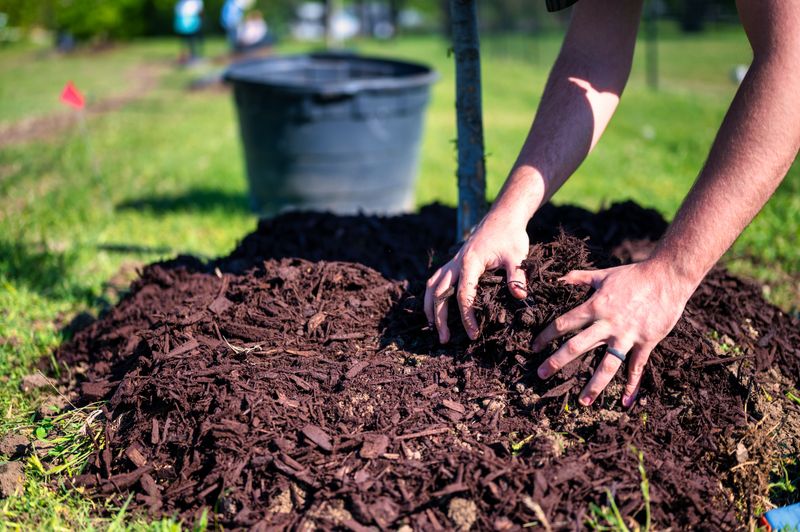
Bare soil in summer is like leaving a pot on a stove with no lid. Everything inside suffers.
Without mulch, the sun bakes the soil surface, and ground temperatures can spike dramatically within just a few hours. Tree roots, shrub bases, and even grass edges near garden beds all feel that radiating heat intensely.
A two to three inch layer of organic mulch acts as an insulating blanket over vulnerable root zones. It holds moisture in, keeps soil temperatures stable, and reduces the need for frequent supplemental watering.
Wood chips, shredded bark, and leaf mulch are all affordable and widely available at garden centers across the state. Mulching around trees is especially important because tree roots spread far beyond the trunk in every direction.
Those roots sit just below the surface and absorb heat from exposed soil on all sides of the tree. Heat-stressed roots under unprotected soil struggle to pull adequate water up to the canopy above during dry spells.
Adding mulch mid-summer still helps. It is never too late to give root zones some insulation from the heat.
Keep mulch a few inches away from plant stems and tree trunks to prevent moisture-related rot issues. That simple ring of coverage around your plants could be the difference between a tree that thrives and one that fades.
A weekend afternoon spent spreading mulch can protect root zones for months with almost no maintenance afterward. Few lawn tasks offer that much payoff for so little ongoing effort.
7. Overwatering Deprives Roots Of Oxygen
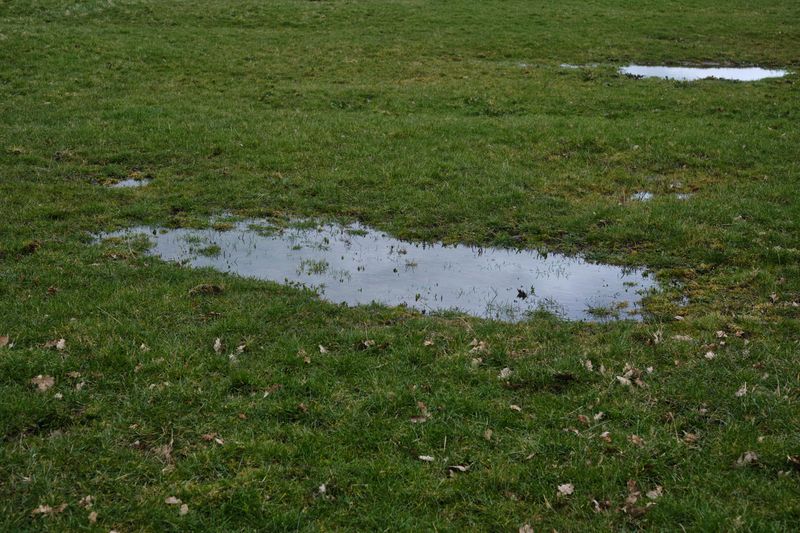
More water does not always mean more help, and summer overwatering is a mistake that sneaks up on homeowners fast. Soil saturated with water pushes out all the oxygen that roots need to function and absorb nutrients properly.
Without oxygen in the soil, roots begin to lose function even when they are surrounded by plenty of moisture. This condition mimics drought stress in ways that confuse a lot of people.
Your lawn may look yellow and wilted even though the soil is soaking wet beneath the surface. Many homeowners respond by adding even more water, which deepens the problem instead of solving it.
The key is learning what proper soil moisture actually feels like before reaching for the hose again. Push a finger or screwdriver two inches into the soil before watering.
If it feels moist, skip that session. Good drainage is also essential.
Low spots in your yard where water pools are prime zones for root stress. Topdressing with compost can improve drainage in heavy clay soils, which are common across much of Kentucky.
Raising your lawn’s drainage capacity takes time, but even small improvements make a big difference during wet summers. Watering smarter, not more, is what heat-stressed roots actually need to recover and grow strong again.
A quick moisture check before every watering session can prevent most overwatering mistakes before they start. It takes seconds and saves your lawn from a slow, hidden decline.
8. Dull Mower Blades Tear Grass Instead Of Cutting It Clean
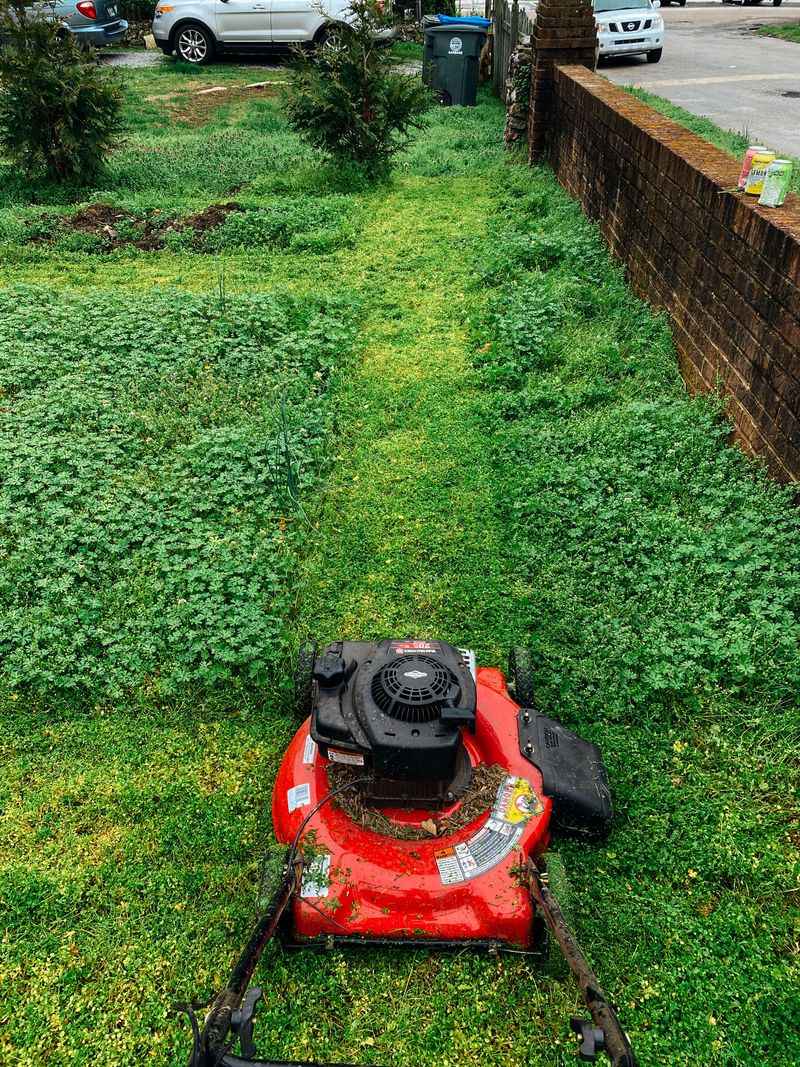
A dull blade on your mower is doing far more damage than most homeowners ever stop to consider. Sharp blades slice grass cleanly, leaving a neat edge that heals quickly and loses minimal moisture afterward.
Dull blades shred and tear the grass tissue, creating jagged cuts that stay open much longer in the heat. Those torn tips turn brown within a day or two, making your entire lawn look dry and neglected fast.
More importantly, shredded grass loses water through those ragged openings at a much faster rate than clean cuts do. For heat-stressed roots already working overtime to hydrate the plant above, that extra moisture loss is a serious setback.
Sharpening your mower blade once a month during the cutting season makes a noticeable difference in lawn health. A blade that cuts an acre of grass per week dulls faster than most people expect it to.
You can sharpen blades yourself with a file or angle grinder, or take them to a hardware store for service. The telltale sign of a dull blade is a white or tan haze across your lawn the day after mowing.
That haze is actually thousands of torn, browning blade tips spread across your entire yard at once. Keeping blades sharp is one of the easiest wins for protecting heat-stressed roots from unnecessary setbacks all season long.
A five-minute blade check before each mow can save an entire lawn from looking scorched by midweek. It is one of the cheapest fixes on this whole list.