This Is What It Means When An Indigo Bunting Visits Your Tennessee Garden
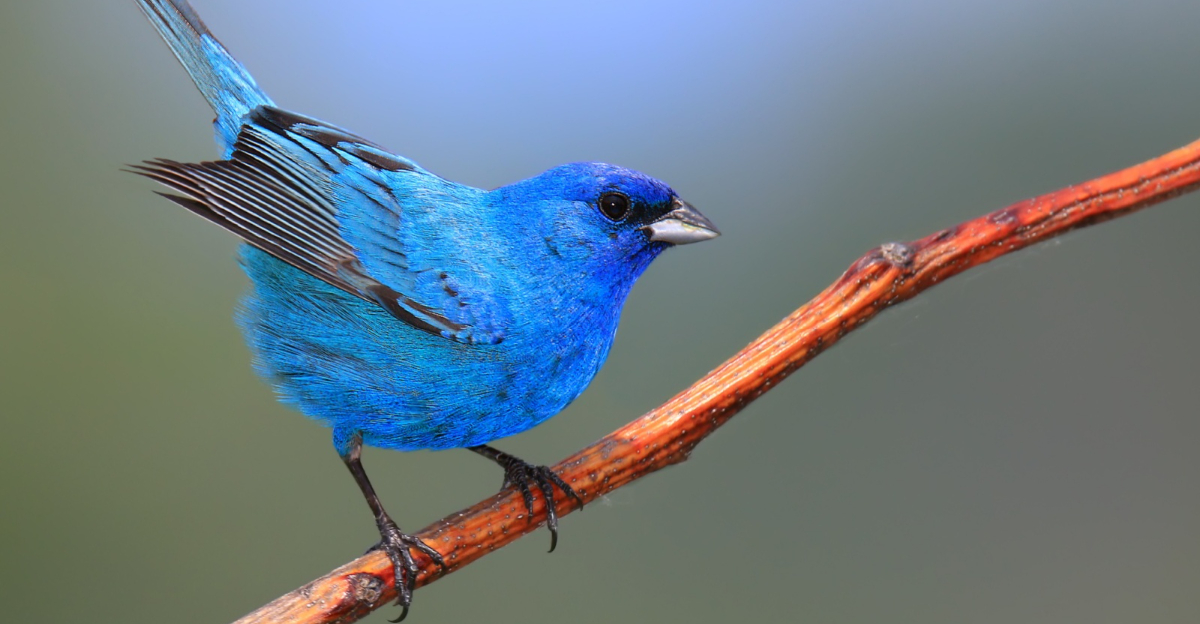
A flash of brilliant blue just crossed your porch rail. Color this vivid rarely appears without meaning. Backyards across Tennessee don’t often host colors this striking.
You noticed something special, whether you realized it or not. Indigo buntings choose their landing spots with quiet precision. Nothing about their arrival happens randomly.
Habitat quality, food sources, and cover all shape their decision. Your yard met a standard you didn’t know existed. Migration routes through Tennessee favor birds like this indigo visitor.
Few homeowners understand what draws that specific shade of blue. Curiosity alone won’t reveal why this bird picked your space. Science, instinct, and opportunity all came together at your fence post.
You’re about to learn exactly what that moment means. Every detail about this encounter points toward something worth understanding.
Patterns like these reveal more than casual observation allows. What happens next changes how you see your yard forever.
What An Indigo Bunting Looks Like
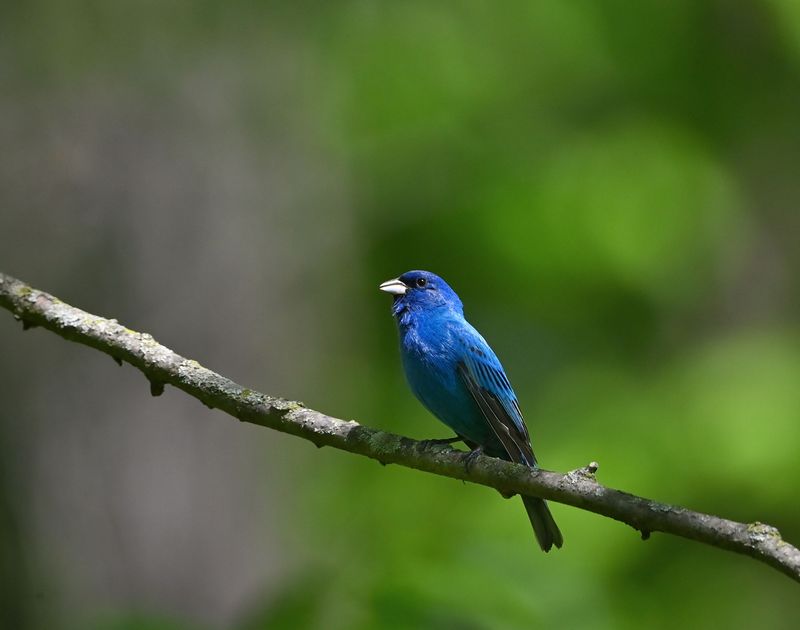
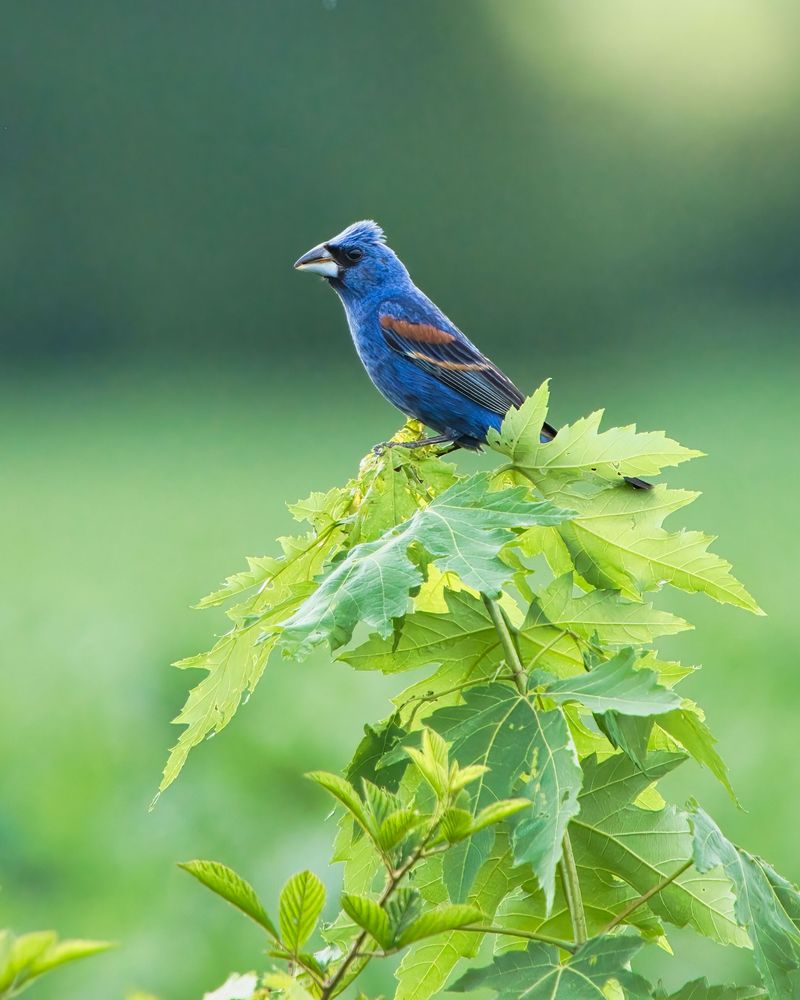
Take a closer look. That impossibly blue bird is not a trick of the light. The male indigo bunting is covered in feathers that shift from deep navy to brilliant turquoise depending on the angle of the sun.
No other backyard bird in the eastern United States comes close to matching that color intensity.
Interestingly, the blue is not from pigment at all. The feathers contain microscopic structures that scatter light, producing that electric hue through the same principle that makes the sky blue.
Up close, the bird is small, roughly the size of a large sparrow. It weighs less than half an ounce, which makes its bold coloring even more surprising for such a tiny frame.
Female indigo buntings look completely different. They wear plain brown feathers with just a faint blue wash on the wings, making them easy to overlook near shrubs or feeders.
The male sings from exposed perches throughout the day, even during the hottest afternoon hours when most birds go quiet. That cheerful, paired-note song is a reliable way to confirm the species before you even spot the bird.
Young males in their first year show a patchy mix of brown and blue. By their second summer, they develop the full brilliant coat that makes the indigo bunting one of the most recognizable visitors your Tennessee garden can attract.
Why This Bird Chose Your Garden
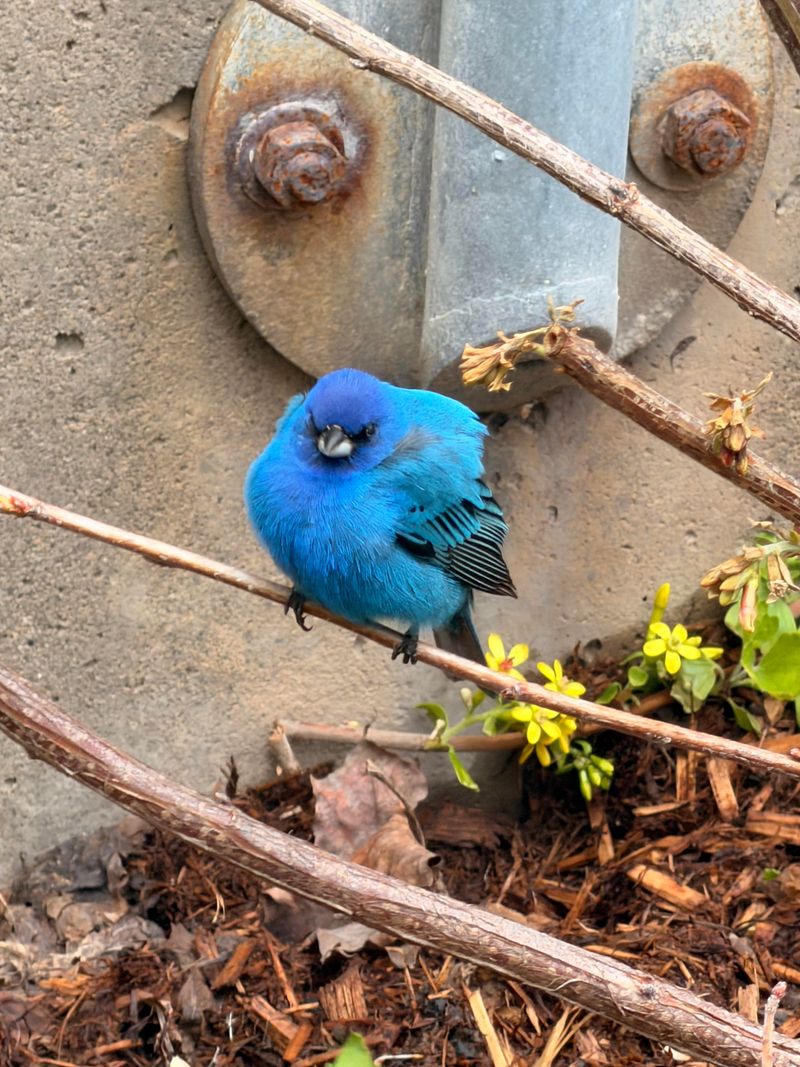
Your yard offers the right conditions for this visit. Indigo buntings are selective about where they spend their time.
These birds are drawn to what ecologists call edge habitat, which means areas where open space meets dense shrubs or woodland. If your garden borders a tree line, a fence row, or a brushy patch, you have already created ideal conditions.
Seed availability plays a huge role in attracting them. Indigo buntings feed heavily on small seeds from grasses and wildflowers, especially during migration and breeding season when energy demands are high.
A fresh water source is another powerful draw. Even a simple birdbath with clean, shallow water can tip the scales and bring a bunting in close enough for a proper look.
Your Tennessee Garden Changes Every Week. Your Plan Should Too.
Gardening in Tennessee changes quickly throughout the season. Every Friday you’ll receive a simple weekly plan showing exactly what to plant, prune, fertilize, harvest, and protect so you never miss the right timing.
Your neighborhood matters too. Gardens surrounded by manicured lawns with no native plants tend to get skipped.
Yards with some wildness, a little mess, and natural food sources send out a welcome signal that most birds recognize immediately.
Indigo buntings navigate during migration using the stars. They memorize star patterns as juveniles and use them to find their way back to the same breeding territories year after year.
That means if a bunting found your garden appealing this season, there is a real chance the same individual will return next spring. Creating a consistently welcoming space now pays off in future visits that feel almost like reunions with an old friend.
Signs Their Presence Reveals About Your Yard
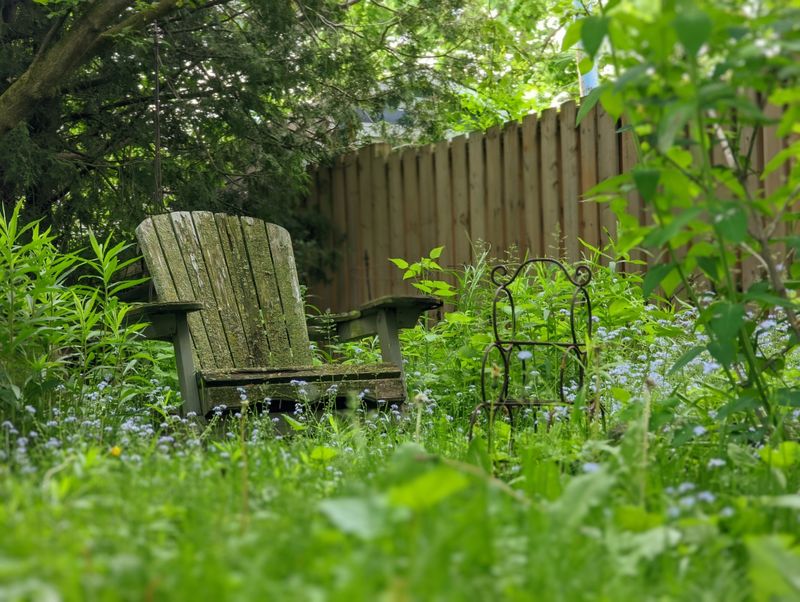
A bunting landing in your yard is a strong positive sign. It signals your space is doing something right.
Indigo buntings are often viewed as a helpful signal species by birders and naturalists. Their presence suggests a healthy mix of native plants, adequate insect life, and low pesticide use in the surrounding area.
Insects are a critical part of their diet, especially during nesting season. Parent birds feed their chicks almost entirely on caterpillars and small bugs, so a yard with visible insect activity is exactly what a nesting pair needs nearby.
If you have been skipping the pesticide sprays and letting a few weeds go to seed, you deserve some credit. That approach supports the food chain that buntings depend on from the ground up.
Dense low shrubs near your garden also signal good nesting potential. Female buntings build cup-shaped nests tucked into forked branches just a few feet off the ground, often in blackberry thickets or young saplings.
A visiting bunting can also hint at broader landscape health in your neighborhood. These birds tend to avoid heavily developed or fragmented areas, so their appearance suggests your corner of the county still holds enough natural character to support wildlife.
Think of the indigo bunting as a living report card for your garden. When one shows up, you are receiving honest feedback that your outdoor space supports real biodiversity worth protecting and celebrating.
Best Plants To Keep Them Coming Back
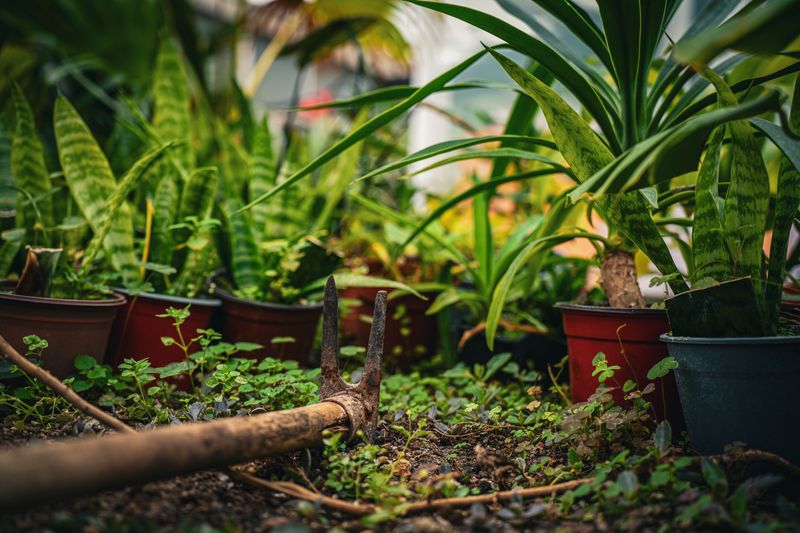
Want a repeat visitor? Start with the plants. The right choices make your yard irresistible to these birds season after season.
Native grasses top the list. Plants like little bluestem, switchgrass, and broomsedge produce the small seeds that indigo buntings prefer. These grasses also add beautiful texture and movement to any garden bed.
Coneflowers, also known as echinacea, are another excellent pick. They produce seed heads that buntings will cling to and pick clean, and they attract the insects that make up the protein portion of the bird’s diet.
Blackberry and elderberry shrubs serve double duty. They provide nesting cover for females and offer both fruit and insects throughout the growing season, making them one of the most productive native plants you can add.
Sunflowers are a crowd favorite for a reason. Their large seed heads attract many species, and buntings will work the edges of a sunflower patch alongside goldfinches and sparrows without much conflict.
Leaving some areas of your yard unmowed through late summer allows native plants to set seed naturally. That low-effort approach creates a foraging buffet that costs nothing and requires almost no maintenance once established.
Avoid ornamental non-native plants that look pretty but produce little wildlife value. A yard full of hostas and impatiens may look tidy, but it offers an indigo bunting almost nothing worth stopping for on a long migration journey.
Common Mistakes That Scare Them Away
A few small mistakes can quietly push buntings out of your yard. Common habits often make the difference between a return visit and none at all.
Pesticide use is the fastest way to lose them. Spraying for insects removes the very food source buntings rely on to raise their young, and it contaminates seeds that adults eat throughout the day.
Outdoor cats are a serious problem. Buntings forage low to the ground and nest close to the soil surface, which puts them directly in the hunting zone of even a casual outdoor pet.
Feeders placed in the open with no nearby cover create anxiety for shy species. Indigo buntings prefer to dart in from a shrub, grab a seed, and retreat quickly rather than perch in a wide-open space for extended periods.
Loud, frequent yard disturbances during nesting season also cause problems. Power tools, dogs running through shrubs, and heavy foot traffic near nesting areas can cause a female to abandon her nest without warning.
Using millet in feeders instead of white proso millet is a subtle but real issue. Buntings tend to favor white proso millet over mixed seed blends that contain fillers like milo or cracked corn.
Keeping things too tidy works against you as well. A perfectly manicured yard with no leaf litter, no brush piles, and no seed-bearing plants sends a clear message that this space has no room for wild things.
How Long They Typically Stay Each Summer
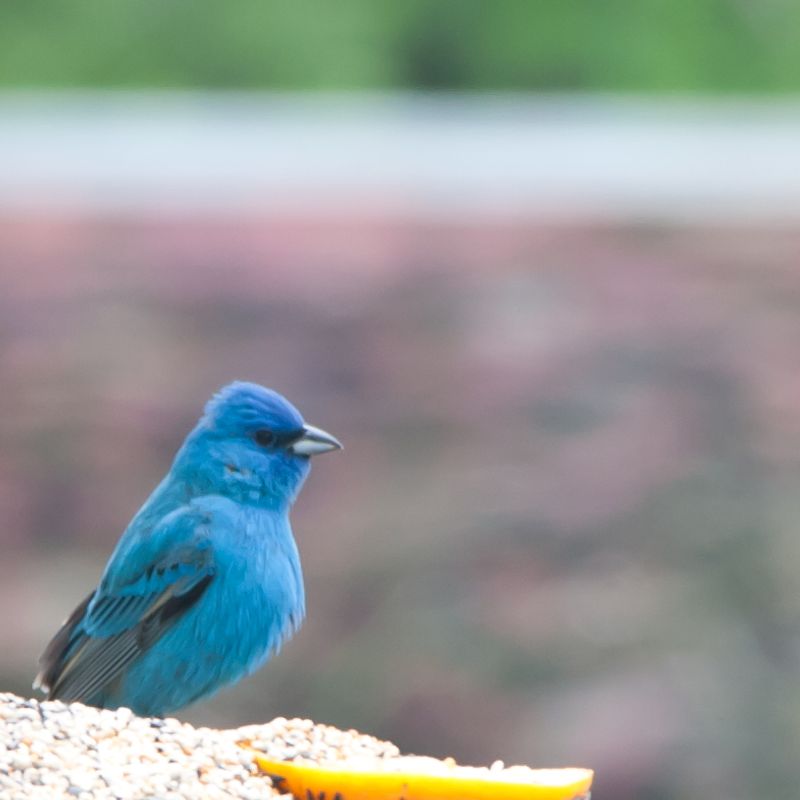
This visitor’s stay is seasonal. Knowing the timeline helps you make the most of every sighting while it lasts.
Indigo buntings typically arrive in Tennessee in late April or early May, riding the same warm southerly winds that push warblers and tanagers northward. Males show up a few days before females to scout and claim territory.
Breeding activity peaks from May through July. During this window, males sing constantly from exposed perches, sometimes logging dozens of songs per hour to defend their chosen patch of habitat.
Females may raise two broods in a single season if conditions are favorable. Each nesting cycle takes about three weeks from egg-laying to fledging, which means a successful pair stays busy well into August.
By late August, the singing slows noticeably. Males begin molting into a duller brownish coat that helps camouflage them during the southward migration back to Central America and the Caribbean.
Most buntings have left Tennessee by early October. A few linger into mid-October during warm autumns, but the window for seeing them in full brilliant color is really the heart of summer.
Keeping your garden stocked with fresh seed and clean water through September gives late-departing birds a reliable fuel stop.
Your yard could be the last great meal an indigo bunting enjoys before a long flight south, and that small act of hospitality genuinely matters for the species.