The Invasive Shrub North Carolina Gardeners Should Remove Before It Chokes Out The Fence Line
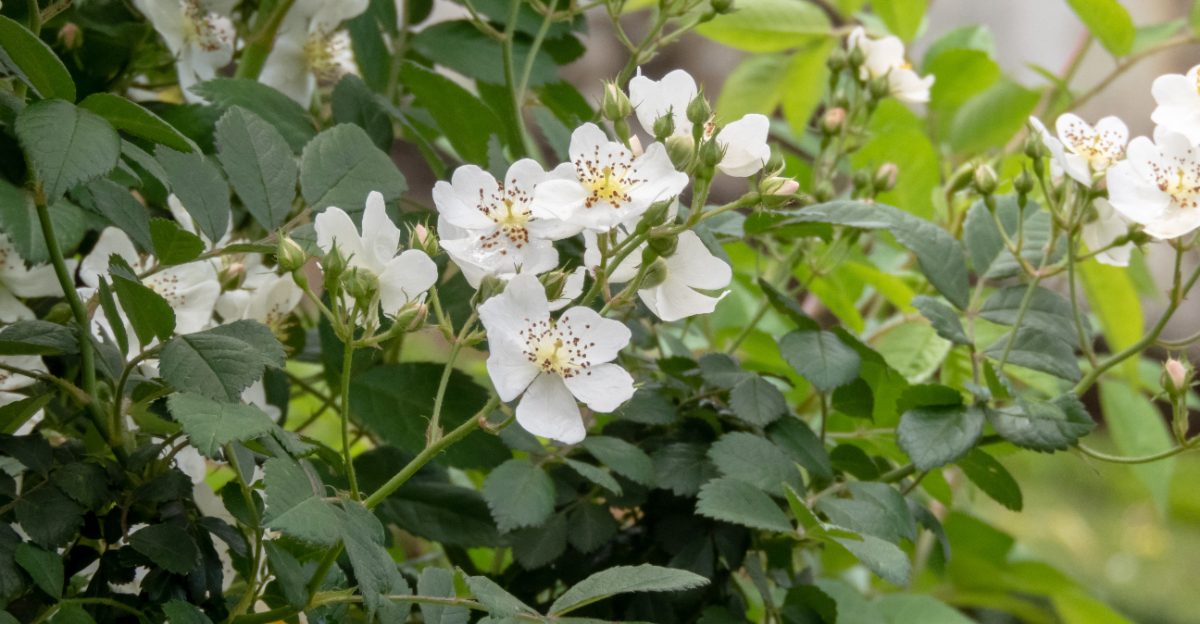
Multiflora rose might look harmless along a fence line, but this invasive shrub spreads aggressively and quickly overtakes everything in its path.
Its arching canes root wherever they touch soil, allowing a single plant to expand into a dense, thorny thicket within just a couple seasons.
Birds also spread its seeds widely, meaning new plants can appear far from the original shrub without any warning.
Left unchecked, multiflora rose crowds out native plants along fence lines, blocking sunlight and competing aggressively for space and nutrients.
Removing smaller plants while roots are still shallow makes the job significantly easier than tackling an established thicket later.
Cutting alone often triggers vigorous resprouting, so full removal including the root system offers the most effective long term solution.
Wearing thick gloves is essential, since its sharp thorns make handling this plant particularly unpleasant. Addressing this invasive shrub now protects the rest of your yard from a much bigger problem later.
1. Multiflora Rose Is An Invasive North Carolina Shrub
Back in the early 1900s, multiflora rose seemed like a brilliant idea. Farmers planted Rosa multiflora as a natural living fence, used it to control soil erosion on slopes, and nurseries sold it as rootstock for grafting ornamental roses.
Nobody realized at the time that this woody shrub from eastern Asia had the drive and adaptability to spread far beyond where it was planted.
Multiflora rose is now considered one of the most troublesome invasive plants across the eastern United States, including throughout North Carolina.
It establishes quickly in disturbed areas, woodland edges, roadsides, fields, and yes, right along your fence line.
Once a plant gets a foothold, it does not stay politely in one spot. The arching canes grow long and fast, the roots dig in deep, and the plant produces an enormous number of seeds each season.
North Carolina lists multiflora rose as a noxious weed, which means the state officially recognizes how much damage it can cause to native ecosystems and agricultural land.
For residential gardeners, that matters because it means this plant is actively working against the health of your yard.
Shrubs, young trees, wildflowers, and native grasses all struggle to compete with it. Removing it from your property is not just a personal gardening goal.
It also helps protect the surrounding natural areas and neighboring properties from further spread.
2. Fence Lines Give Its Arching Canes Room To Spread
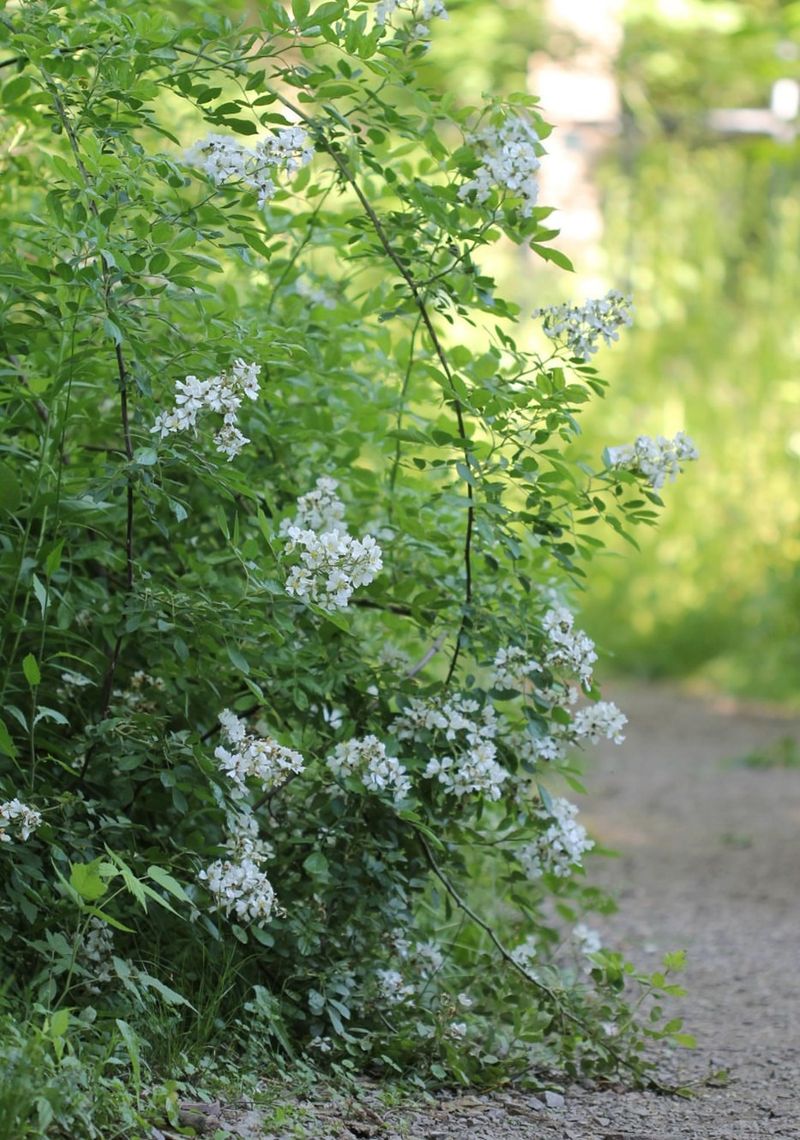
Fence lines are practically a welcome mat for multiflora rose. The structure of a fence gives those long, flexible canes something to lean on and weave through, which helps the plant sprawl outward in every direction without falling over.
Combined with the disturbed, often open soil found along property boundaries and roadsides, a fence line becomes one of the easiest places for this shrub to get started and grow unchecked.
Seeds dropped by birds land in the soft ground near fence posts. A seedling sprouts, gets ignored for a season or two, and before long it has sent canes stretching several feet in multiple directions.
Your North Carolina Garden Changes Every Week. Your Plan Should Too.
Gardening in North Carolina changes quickly throughout the season. Every Friday you’ll receive a simple weekly plan showing exactly what to plant, prune, fertilize, harvest, and protect so you never miss the right timing.
Left alone, a single multiflora rose plant can grow roughly ten to fifteen feet tall and spread just as wide.
Along a fence line, that kind of sprawl can block sightlines, tangle with other plants, and make the fence itself nearly impossible to access or maintain.
Pasture fences and property boundary lines in North Carolina are especially vulnerable because they often run through areas that do not get regular foot traffic or close attention.
A plant tucked against a fence post at the back of a property can grow for two or three seasons before anyone notices it has become a serious problem.
Checking fence lines at least once a season, especially in spring when new growth is easiest to spot, gives you the best chance of catching multiflora rose while it is still manageable rather than after it has settled in for the long haul.
3. Rooting Cane Tips Can Produce Additional Plants
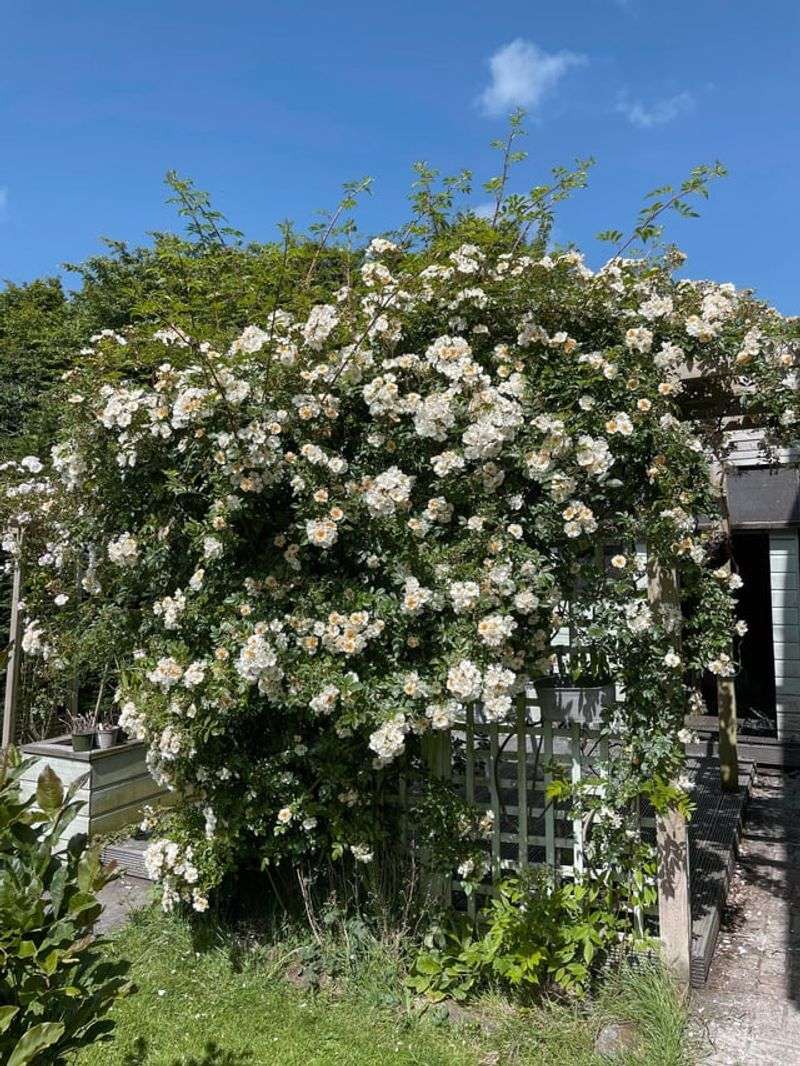
Seeds are only part of how multiflora rose expands its territory.
One of the sneakiest ways this shrub spreads is through a process called tip rooting, where the arching end of a long cane bends down, touches the soil, and quietly develops its own root system.
Once that tip takes hold, it becomes a connected but independent growing point that can eventually survive even if the original cane is cut.
For North Carolina gardeners, this means the visible center of a multiflora rose shrub is rarely the full picture.
New rooted tips may already be producing growth several feet away from the main plant, sometimes hiding under nearby vegetation or tucked against the base of a fence post.
You might remove what looks like the whole shrub and still find new shoots emerging a few weeks later from those rooted tips you did not know were there.
Before you start any removal effort, take a few minutes to trace the canes outward from the center of the plant and look for spots where they dip down and contact the soil.
Gently lifting the cane at those points will often reveal whether roots have already formed. Removing those rooted sections along with the main root system gives you a much better chance of clearing the plant completely.
Thorough inspection around the whole perimeter of the shrub, not just the obvious center growth, is one of the most practical steps you can take toward a successful and lasting removal.
4. Birds Carry Its Seeds Into New Areas
Every autumn, multiflora rose puts on a show of small, bright red hips that birds absolutely love.
Robins, cedar waxwings, mockingbirds, and many other species that are common across North Carolina feast on these fruits and then fly off, depositing the seeds in their droppings across lawns, garden beds, woodland edges, and neighboring properties.
A single established shrub can produce hundreds of thousands of seeds in a single season, and birds are remarkably efficient at spreading them far and wide.
The hips develop through summer and often stay on the stems well into winter, which means birds have access to this food source for months at a time.
That extended availability gives the plant a long window for seed dispersal, and it helps explain why multiflora rose seedlings can pop up in places that seem completely disconnected from any visible parent plant.
Your neighbor’s shrub can seed your garden, and your shrub can seed theirs.
Removing fruiting plants before the hips fully ripen is one way to reduce how many seeds move off your property. Cutting stems with developing hips and bagging them for disposal rather than composting them helps limit future spread.
That said, seeds already present in the soil from previous seasons can remain viable for several years, which means new seedlings may continue to appear even after the parent plant is gone.
Staying watchful for small seedlings and pulling them promptly while the roots are still shallow is the most effective way to stay ahead of seed-driven regrowth on your property.
5. Dense Growth Crowds Out Desirable Plants
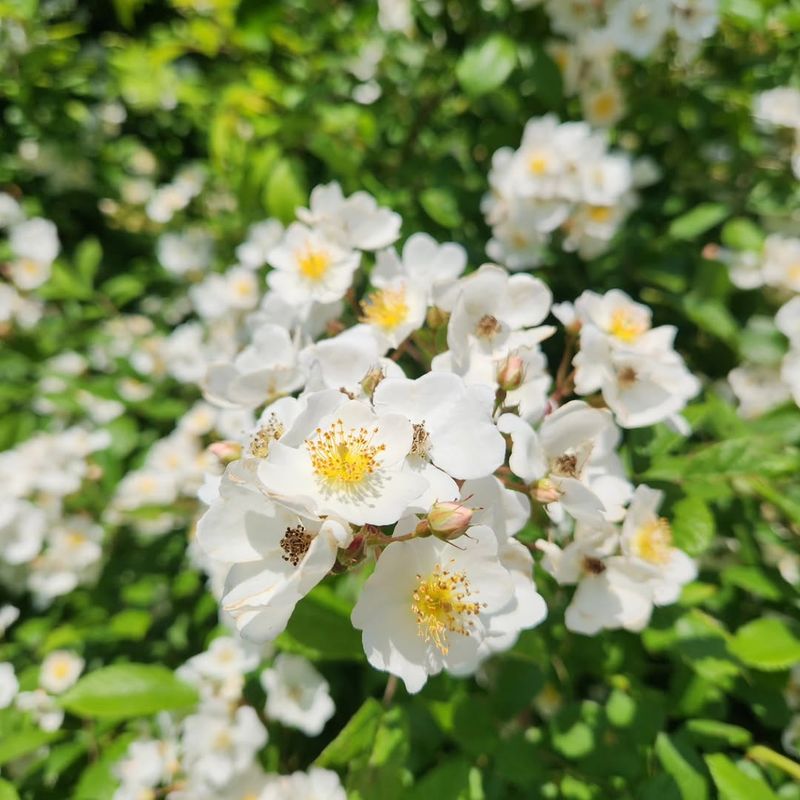
Once multiflora rose gets going, it does not share space graciously. The stems grow long and arch outward, layering over each other to form dense, impenetrable tangles that block light from reaching the plants underneath.
Native shrubs, young trees, wildflowers, and grasses that once lined a fence line can get completely buried under this growth within just a few seasons.
One reason multiflora rose is such a tough competitor is its timing. It leafs out earlier in spring than many native plants, which means it gets a head start on capturing sunlight before surrounding vegetation even wakes up.
By the time native plants are putting out new leaves, multiflora rose may already be shading them significantly. Over time, this repeated early-season advantage allows it to steadily outcompete the plants that belong in your landscape.
Early removal really does make a meaningful difference here. A young multiflora rose plant with a small root system and a few short canes is manageable with basic digging tools and a bit of effort.
A mature shrub with multiple seasons of growth, deep roots, and canes woven through a fence is an entirely different project that can take significant time and repeated effort to fully clear.
Addressing new plants in their first or second year, before they produce seeds and before their root systems become deeply established, protects the desirable plants already growing nearby and keeps your fence line looking the way you actually want it to look.
Acting early is always the easier path.
6. Fringed Stipules Help Confirm Its Identity
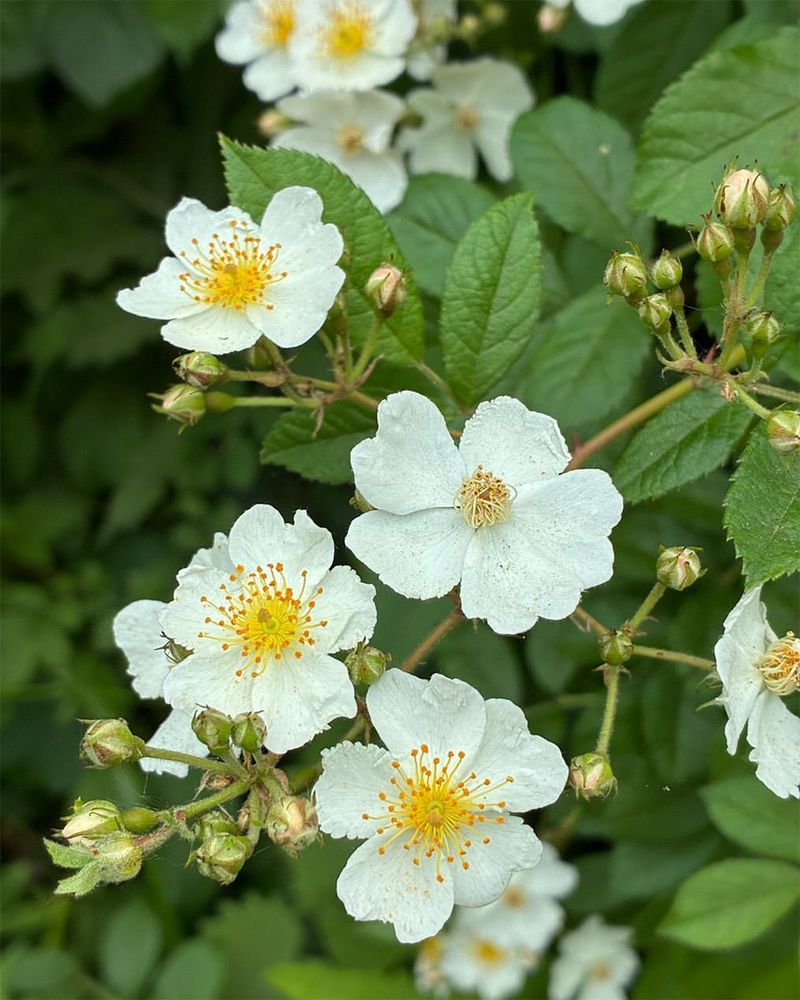
Before you start pulling anything out of the ground along your fence line, it is worth making sure you are actually looking at multiflora rose and not a native rose species or a blackberry plant.
North Carolina has several native plants with thorny stems and compound leaves, and removing the wrong one would be a shame.
Fortunately, multiflora rose has a few very distinctive features that make it easier to identify once you know what to look for.
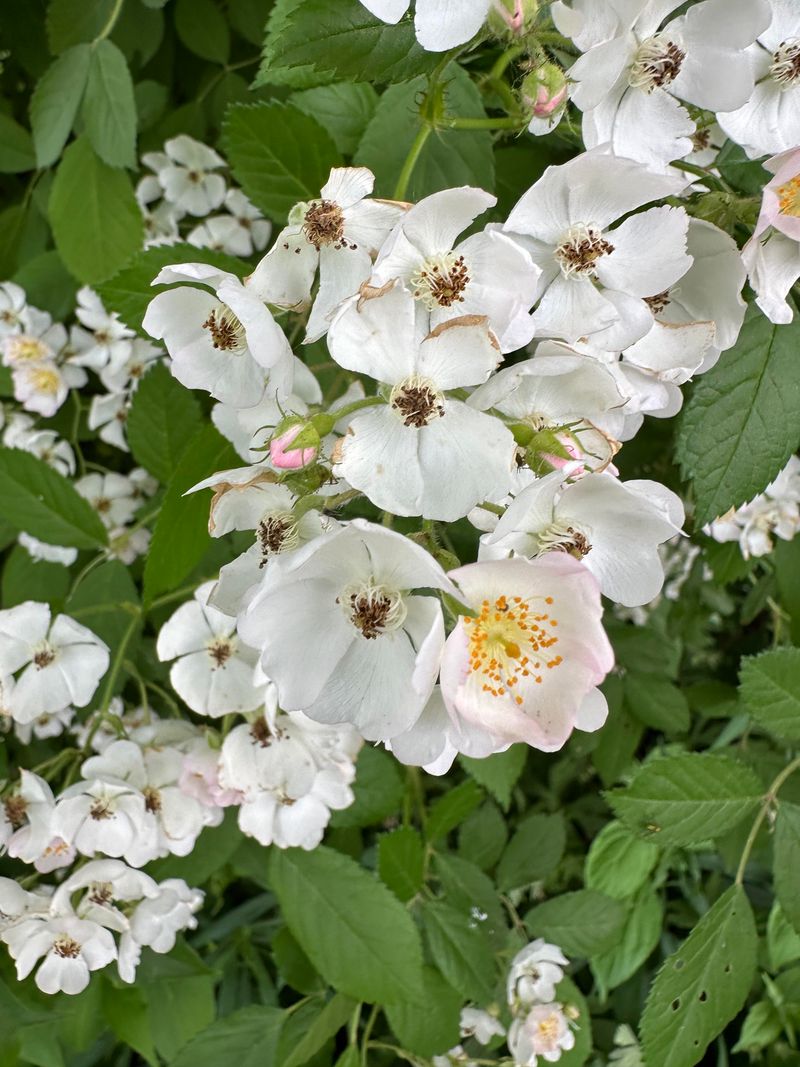
Start with the stipules, which are small leaf-like structures found at the base of each leaf stalk where it meets the stem. On multiflora rose, these stipules have a distinctive fringed or feathery edge, almost like tiny combs.
This feature is unique enough that it is often the most reliable way to confirm your identification. The stems themselves are green and arching, covered with curved, hooked prickles rather than straight thorns.
The leaves are compound, meaning each leaf is made up of five to eleven smaller toothed leaflets arranged in pairs along a central stalk.
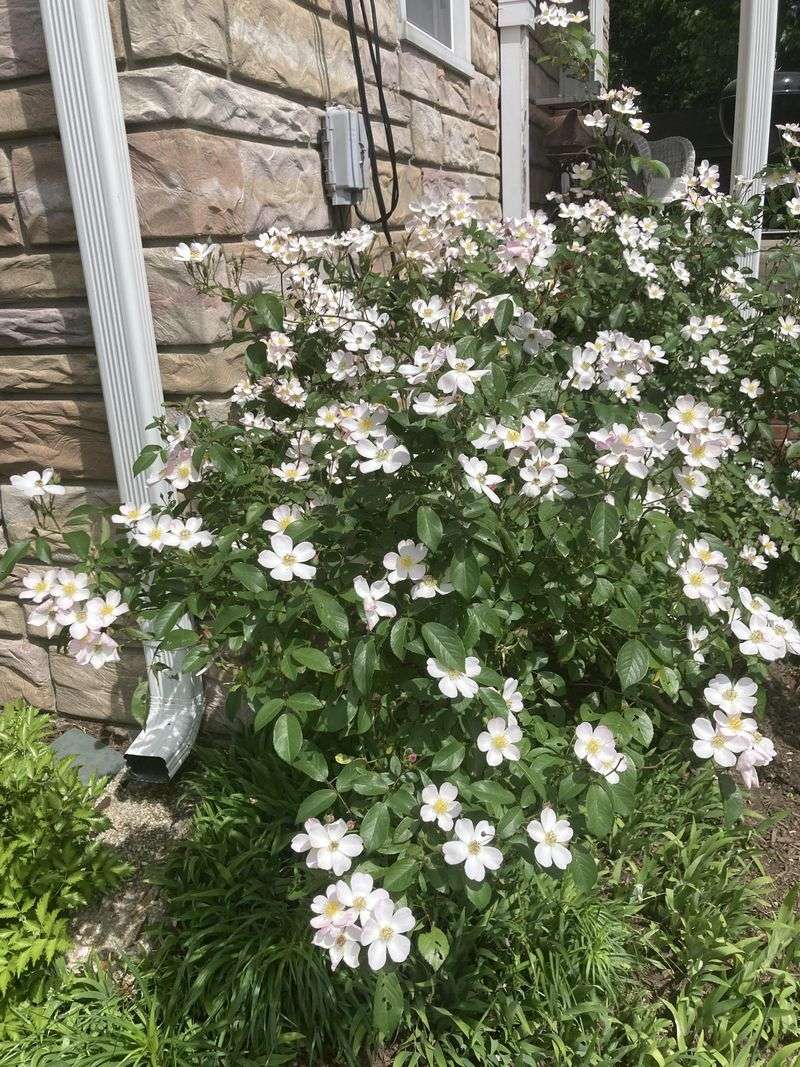
In late spring, usually around May in North Carolina, multiflora rose produces large clusters of small white or pale pink flowers that have a sweet fragrance and can be quite showy.
Later in the season, those flowers give way to clusters of small round red hips that persist through autumn and winter.
Checking for the fringed stipules is the quickest confirmation step, but looking at the combination of all these features together gives you the most confident identification before you begin any removal work.
7. Cutting The Canes Alone May Not Solve The Problem
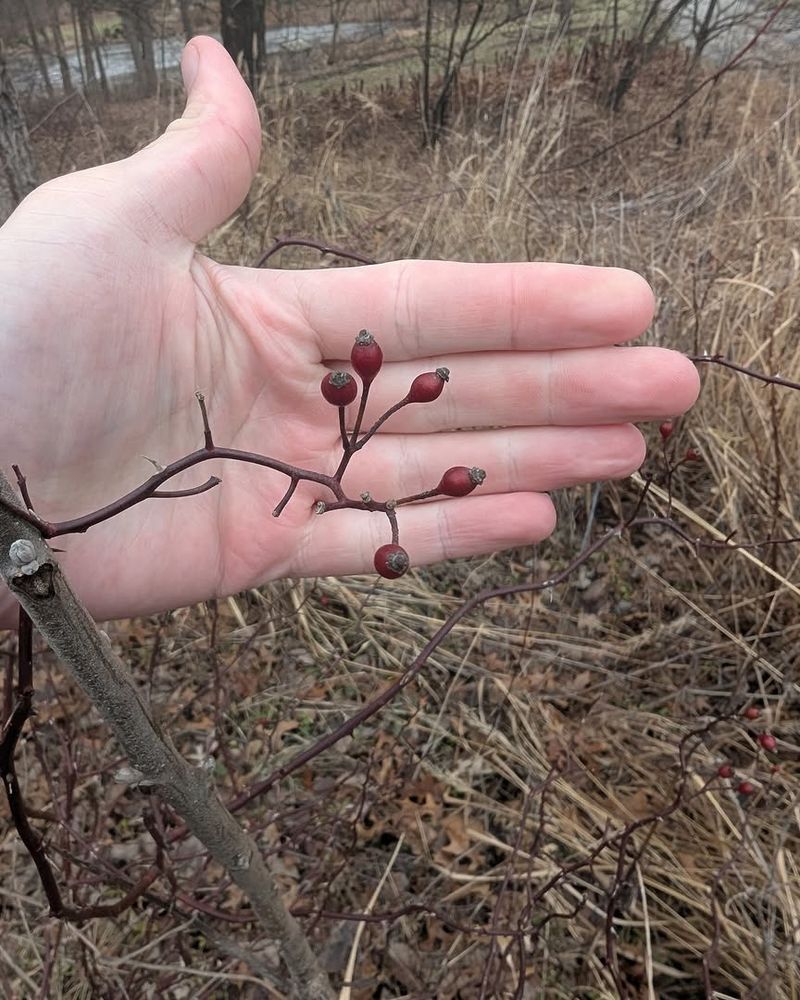
Reaching for a pair of loppers and cutting multiflora rose back to the ground feels satisfying, and it does reduce the immediate bulk of the plant.
However, cutting the canes without addressing the root system is more of a temporary setback for the plant than a real solution.
The root system stays intact underground, and within weeks, fresh green shoots begin pushing up from the crown, often with surprising energy.
For small, young plants, the most effective approach is digging. Using a sharp spade or a digging fork to loosen the soil around the base of the plant and then pulling the entire root system out gives you a much better outcome than cutting alone.
Moist soil after rain makes this significantly easier since the roots release more cleanly without breaking off deep in the ground. Removing as much of the root as possible reduces the chance of regrowth from the remaining tissue.
Larger, more established plants with extensive root systems are genuinely harder to remove by digging alone, and that is when it makes sense to reach out to your local North Carolina Cooperative Extension office for guidance.
Extension agents can recommend management strategies appropriate for your specific situation and site conditions.
If herbicide treatment is something you decide to consider for a large infestation, following every instruction on the product label is essential, and choosing a product approved for use in your specific setting matters.
Plan on returning to the site multiple times over the following seasons, because even thorough removal efforts often require follow-up attention to fully clear a fence line.
8. Continued Monitoring Protects The Cleared Fence Line
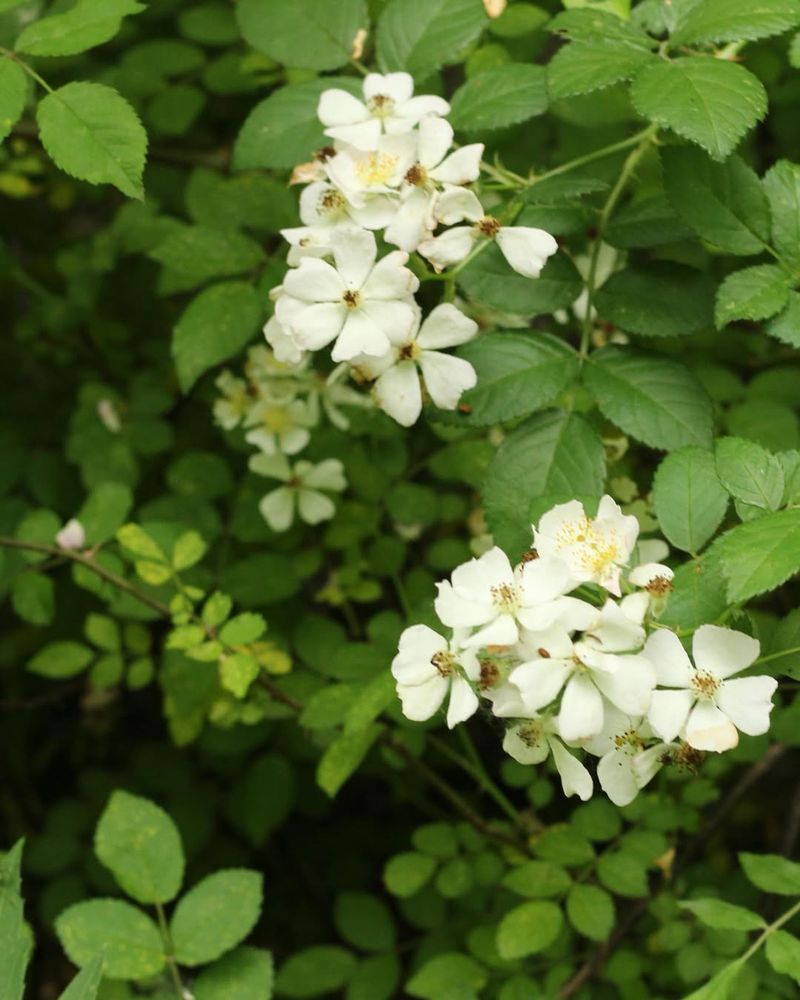
Clearing multiflora rose from a fence line is genuinely worth celebrating, but the work does not stop the day the last cane comes out.
Seeds already sitting in the soil can remain viable for several years, and any root fragments left behind have the potential to send up new shoots when conditions are right.
A fence line that looks completely clear in June can have a new flush of seedlings or regrowth by August if nobody checks on it.
Building a simple monitoring routine into your regular yard care schedule makes a real difference.
Walking the fence line every four to six weeks through spring, summer, and early fall gives you the chance to catch seedlings and new shoots while they are still small and easy to pull.
Young plants with shallow roots come out of the soil quickly and cleanly, especially after rain. Waiting until they are knee-high means dealing with a more established root system all over again.
Filling the cleared space with desirable plants is one of the most practical steps you can take to prevent multiflora rose from reclaiming the area.
Native grasses, shrubs, or flowering perennials suited to your specific site conditions compete for the same light, water, and nutrients that new multiflora rose seedlings would need to get established.
Choosing plants that are well-matched to your soil type and sun exposure gives them the best chance of thriving and holding the space.
Your local North Carolina Cooperative Extension office can suggest native species that work well for fence line plantings in your region.