What It Means When You Stop Seeing Butterflies In Your Georgia Yard This July
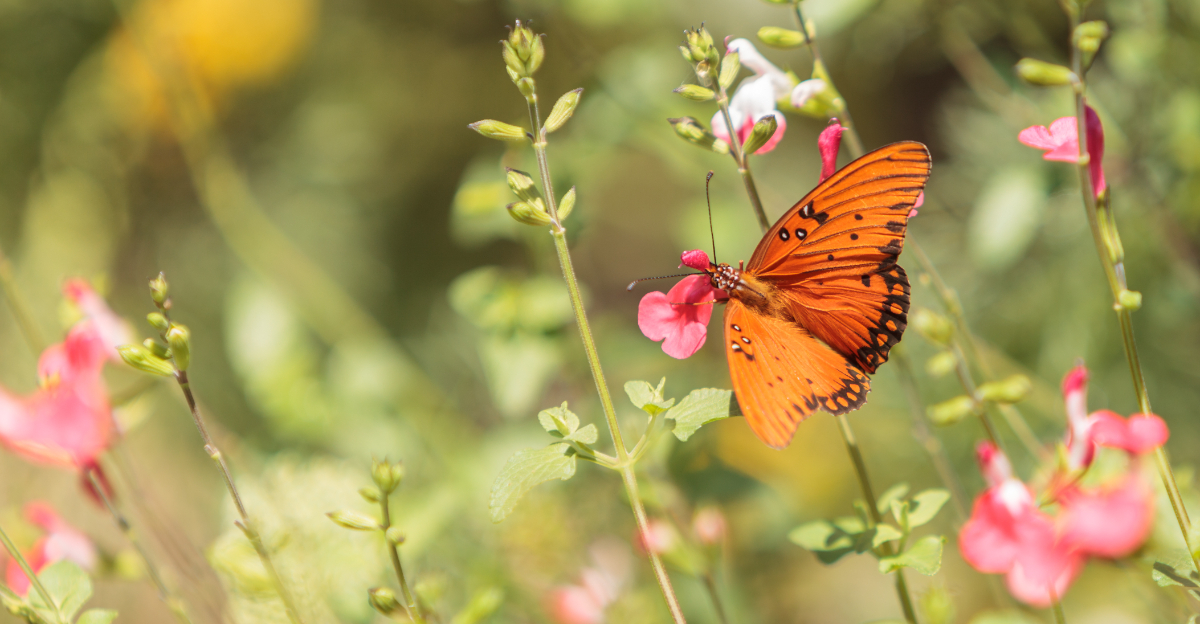
A quiet flower bed in July can feel strangely disappointing.
Just a few weeks ago, wings moved through the garden like little flashes of color. Now the blooms look still, the air feels heavy, and the yard seems to have lost some of its summer magic.
That does not always mean something has gone terribly wrong.
Georgia summers change butterfly behavior fast. Heat shifts their flight hours. Storms interrupt feeding.
A short gap between bloom cycles can send adults searching somewhere else. Recent sprays, missing host plants, and too much mowing can also make a once-busy yard feel empty.
The good news is that most of these problems are fixable.
A butterfly garden is not just about having flowers somewhere in the yard. It needs nectar, host plants, shelter, safe resting spots, and blooms that carry through the season without long pauses.
So what does it mean when butterflies seem to vanish from your Georgia yard in July?
It usually means the yard has a gap in food, shelter, timing, or safety, and a few thoughtful changes can bring movement back.
1. A Nectar Gap May Have Opened
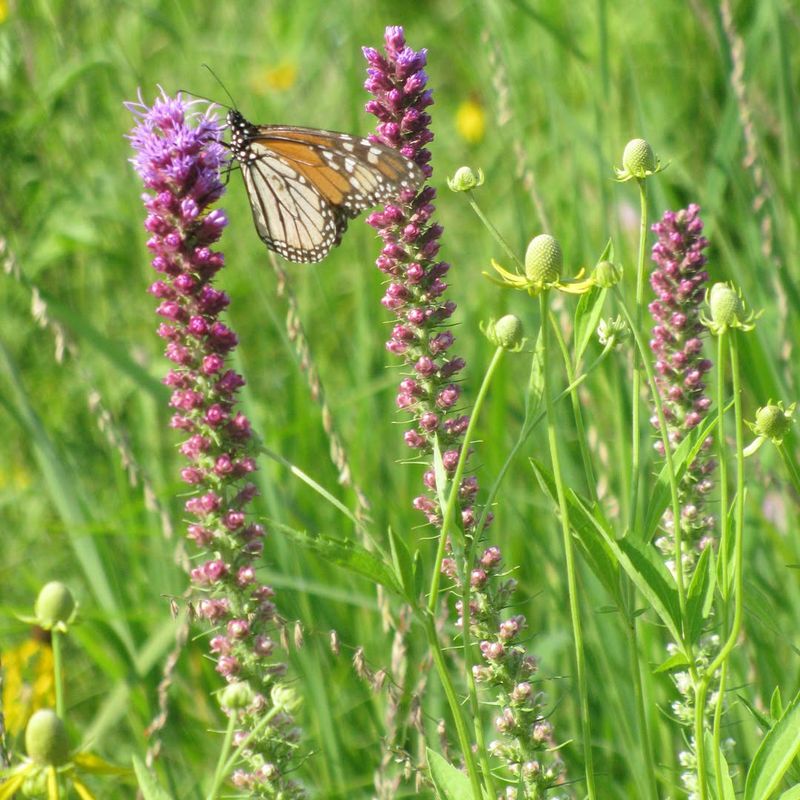
A quiet yard often starts with a bloom gap.
Walk through the garden and count what is actually open. Not what bloomed in May, not what looked promising in June, but what has fresh nectar available right now.
July can be an awkward bridge. Spring bloomers may have finished, while many late-summer plants have not reached their peak yet.
Butterflies notice that gap quickly. Adults need nectar to keep flying, mating, and searching for host plants.
A garden can look leafy and still offer little food. Green stems, spent flowers, and tight buds do not help much during a hot July afternoon.
Drought stress can reduce nectar too. A flower may look acceptable from the porch while producing less sugar than usual.
Deep watering helps established nectar plants. A slow soak during dry stretches keeps blooms more useful than quick surface sprinkles.
Deadheading can extend the show. Removing spent blooms on annuals and some perennials encourages fresh flowers instead of seed production.
Plant in clusters. Butterflies find groups of flowers more easily than single scattered plants.
Add summer bloomers where the gap appears. The goal is a handoff from one bloom period to the next.
A nectar gap does not mean the yard failed.
It simply means the butterfly buffet ran low for a moment, and the next round of flowers needs to pick up the work.
2. Host Plants May Be Missing
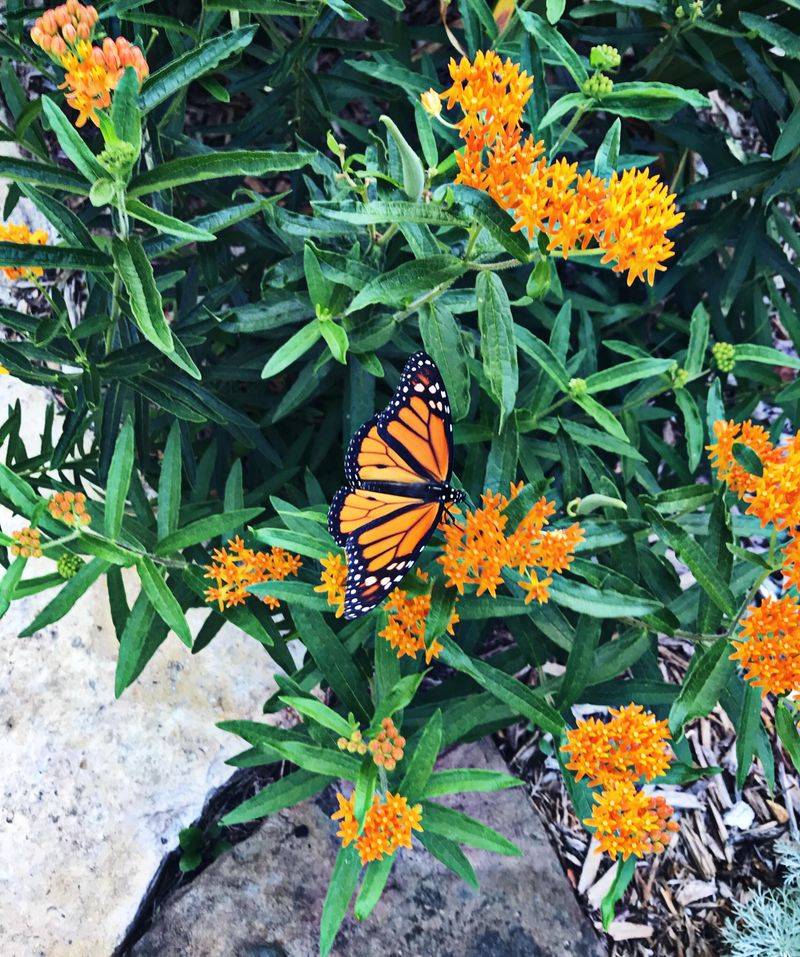
Nectar brings butterflies in, but host plants make them stay.
Adult butterflies visit flowers for food. Female butterflies search for specific plants where their caterpillars can feed. Without those plants, the yard becomes a snack stop instead of a real habitat.
Each species has its own needs. A beautiful flower bed cannot replace the correct host plant for a caterpillar.
Milkweed supports monarchs. Parsley, dill, and fennel can support black swallowtails.
Passionflower supports gulf fritillaries and zebra longwings in parts of Georgia. Spicebush and sassafras support spicebush swallowtails.
Your Georgia Garden Changes Every Week. Your Plan Should Too.
Gardening in Georgia changes quickly throughout the season. Every Friday you’ll receive a simple weekly plan showing exactly what to plant, prune, fertilize, harvest, and protect so you never miss the right timing.
Violets support fritillaries. Native trees and shrubs support many species that gardeners rarely notice as caterpillars.
A yard can have many blooms and still miss this layer. That is why adult butterflies may pass through without lingering.
Look for chewed leaves before worrying. Host plants often look imperfect when they are doing their job.
Do not spray the nursery. Caterpillars on host plants are the future butterfly show, not a garden mistake.
Use several plants together. A single host plant can be overwhelmed quickly, while a small patch supports more feeding.
Place host plants near nectar plants. Adults can feed, rest, and lay eggs without leaving the yard.
The missing ingredient may not be another bright flower.
It may be the plant that lets the next generation begin.
3. Heat May Shift Flight Hours
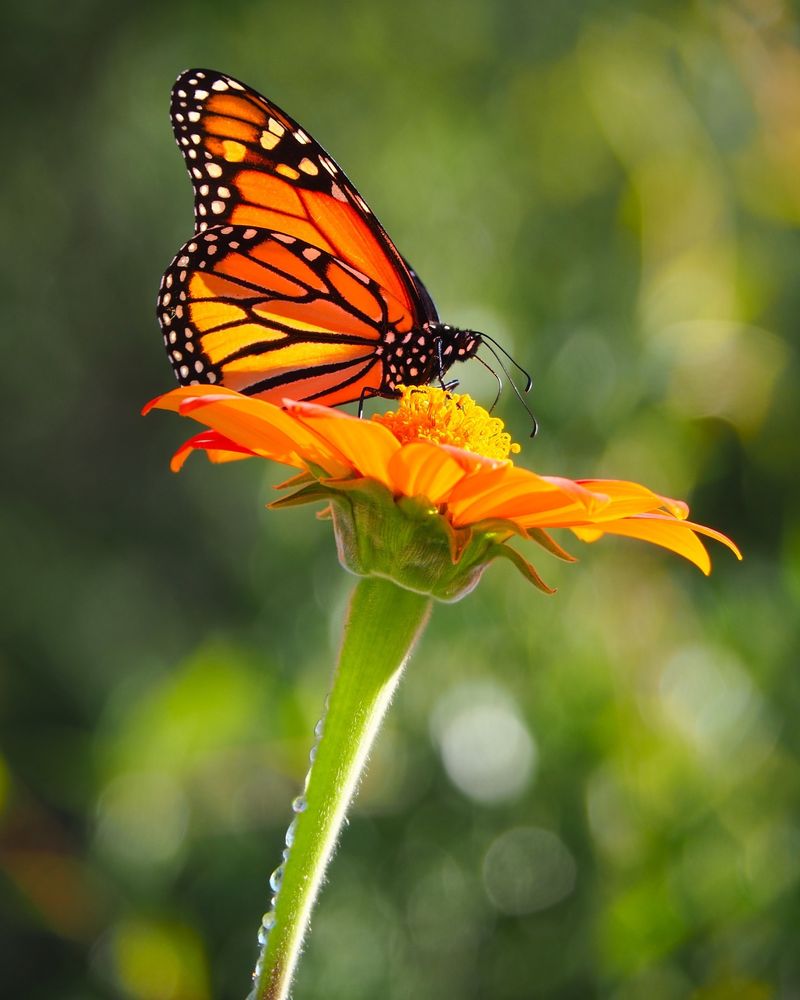
July heat changes the butterfly schedule.
Midday in Georgia can be intense, and butterflies respond by reducing activity during the hardest hours. A yard that seems empty at two in the afternoon may be much busier earlier or later.
Check in the morning. Around breakfast time, flowers are fresh and temperatures are easier for many insects to handle.
Check again near evening. As the sun softens, butterflies may return to feed before settling down for the night.
Midday stillness can be normal. During extreme heat, many butterflies rest under leaves, in shrubs, or in tall grasses.
Shade matters. Dense plants give them places to pause when open beds become too hot.
Wind protection helps too. A sheltered corner near shrubs or a fence can hold more activity than an exposed open lawn.
A damp mineral spot can draw visitors. Butterflies may gather at moist sand or mud to take in minerals, especially after rain or watering.
Keep the spot shallow. A saucer of damp sand is safer and more useful than open standing water.
Observe for several days. One quiet afternoon does not tell the full story during a Georgia July.
Change your watch time before changing the whole garden. The butterflies may not be gone. They may just be avoiding the worst heat.
Summer does not stop the activity.
It shifts the best viewing window.
4. Recent Sprays Can Reduce Activity

A recent spray can make a butterfly garden go quiet.
Mosquito treatments, broad insect sprays, and some pest-control products do not affect only the insects people meant to target. Butterflies and other beneficial insects can be exposed when they land on treated foliage or flowers.
Ask what was applied. Product names, active ingredients, timing, and treated areas all matter.
Read the label. It explains where the product can be used, how it should be applied, and what precautions belong around pollinators.
Avoid spraying open blooms. Butterflies, bees, flies, and wasps visit flowers directly, so treated blossoms can reduce safe feeding space.
Drift can travel. A neighbor’s treatment may move on wind and affect nearby flowers.
Mosquito barrier sprays need caution. Shrubs, fence lines, and resting areas can also be places butterflies use for shelter.
Systemic products need extra care. Some move into plant tissues, which can affect nectar or pollen depending on the product.
Use targeted methods first. Hand removal, pruning, water sprays, traps, barriers, and better plant spacing can solve many garden problems with less risk.
Treat only confirmed problems. Routine spraying across a whole yard can remove the helpers along with the pests.
Talk with neighbors when possible. Shared timing and careful applications protect more than one garden.
A quiet week after spraying is not a mystery.
The yard may simply need time, safer practices, and fresh untreated blooms before butterflies return confidently.
5. Storms Can Change Local Movement
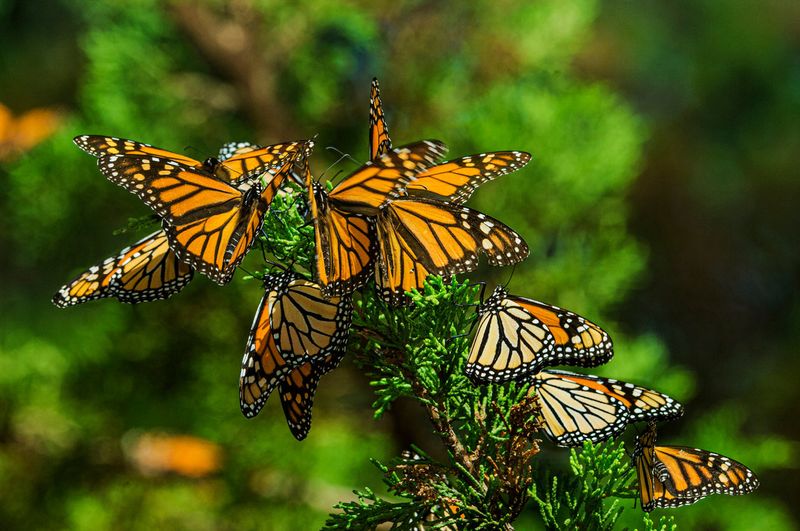
Summer storms can scatter activity for a while.
Georgia thunderstorms arrive fast, hit hard, and change the garden in minutes. Heavy rain, strong wind, and sudden temperature drops can all interrupt butterfly feeding.
Flowers may need time to recover. Rain can wash nectar from open blooms and leave petals bruised or closed.
Wind can push butterflies into shelter. Dense shrubs, tree edges, hedgerows, and protected neighboring yards may become temporary refuge.
A garden can feel empty the next day. That quiet does not always mean the local population has declined.
Watch the bloom condition. Tattered flowers, flattened stems, and soggy clusters may offer less nectar until they refresh.
Deadhead damaged annuals. Fresh growth and new buds can bring nectar back sooner.
Support leaning plants. Upright stems make flowers easier for butterflies to find and use.
Avoid major cleanup too quickly. Eggs, caterpillars, and chrysalises can be tucked onto stems and leaves after storms.
Check sheltered corners. Butterflies may be resting under leaves or near shrubs rather than flying in open beds.
Give the yard a few calm days. Activity often rebounds after flowers dry, temperatures stabilize, and fresh nectar returns.
Storms rearrange the butterfly map.
Sometimes your yard is only quiet because the insects are waiting for better flying weather.
6. Caterpillars May Be Hidden Nearby
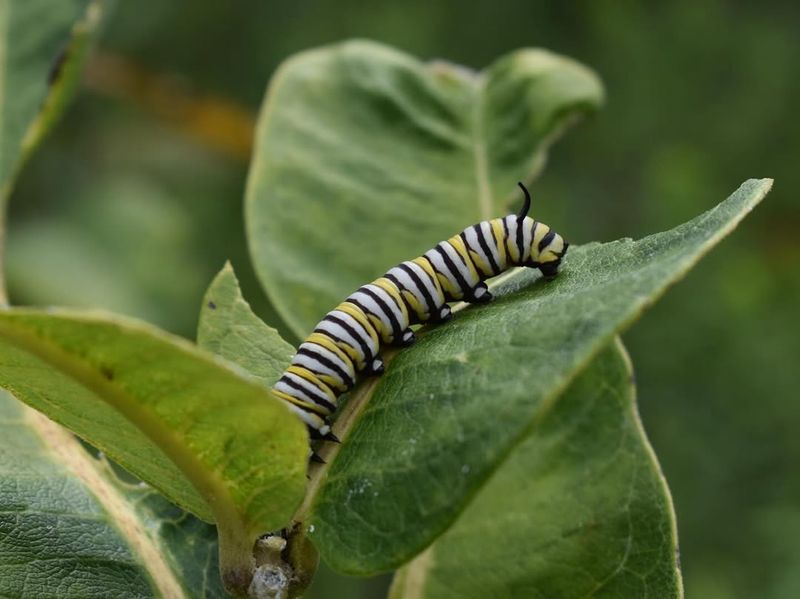
No adult butterflies does not mean no butterfly life.
The yard may be in a quieter stage of the cycle. Eggs, caterpillars, and chrysalises are much harder to notice than bright wings, but they may be present on host plants right now.
Look closely at leaves. Chewed edges, small holes, and missing sections can be promising signs on the right plants.
Check undersides. Many eggs are tiny and hidden where a casual glance will never catch them.
Inspect curled leaves. Some caterpillars shelter in folded or tied leaves while they feed.
Search stems and nearby structures. Chrysalises may attach to plant stems, fences, porch rails, or garden supports.
Do not treat chewed host plants like a failure. Ragged leaves can mean the habitat is working.
Leave caterpillars in place. Moving them without knowing the correct host plant can cause more harm than help.
Grow extra host plants. A few sacrificial leaves are easier to accept when the plant patch is large enough.
Teach the eye to look smaller. Butterfly activity is not always wing-sized.
Be patient. The adult stage may return after the hidden stages finish developing.
A still yard can be busier than it looks.
Sometimes the butterflies have not left. They are just becoming butterflies where you have not learned to look yet.
7. Mowing May Have Removed Blooms
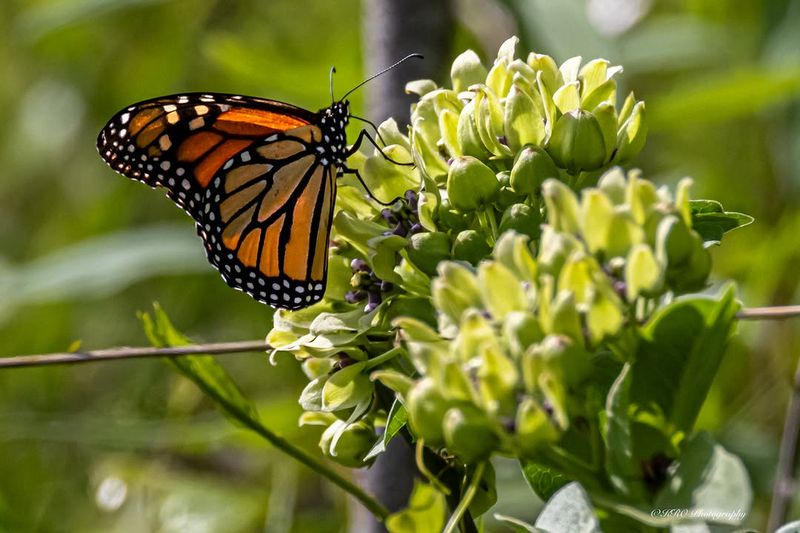
A tidy lawn can quietly remove butterfly food.
Many low-growing flowers in Georgia yards support pollinators, especially during summer gaps. A weekly mow can erase them before butterflies ever get a chance to use them.
Clover matters. It can provide nectar when flower beds are between bloom cycles.
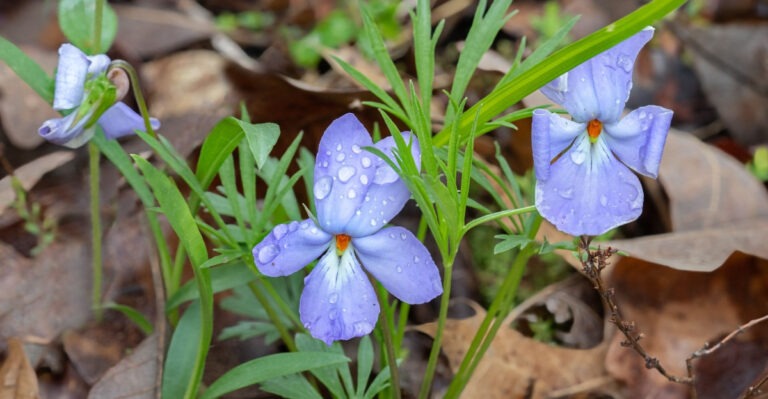
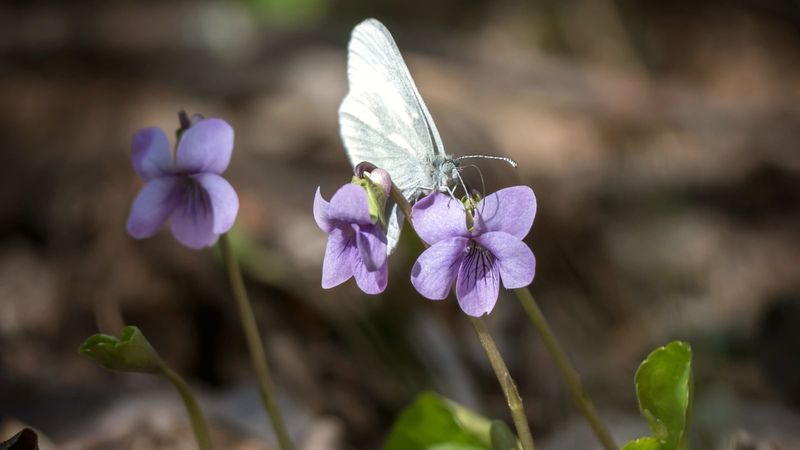
Violets matter too. They serve as host plants for some butterfly species and often disappear under heavy lawn control.
Fleabane, bluets, frogfruit, and other low flowers may help. Some are easy to overlook until they bloom.
Fence lines are valuable. The edges of a yard often hold more plant variety than the center of the lawn.
Mow less often where allowed. Extending the interval can give low flowers time to open.
Leave a defined strip. A neat unmowed border along a back fence can look intentional and provide habitat.
Check local rules. Some neighborhoods and municipalities have height limits, especially near sidewalks and front yards.
Avoid mowing host patches. Mark areas with milkweed, violets, passionflower, or other important plants so they do not vanish in one pass.
Raise the mower height. Taller grass can protect soil moisture and leave some low blooms intact.
A mower can remove a week’s worth of food in minutes.
A little restraint can keep the yard useful without letting it look forgotten.
8. Build A Season Long Bloom Chain
A July gap is usually solved by planning the whole season.
Butterflies need flowers from early spring through fall, not one spectacular flush followed by weeks of nothing. A strong bloom chain keeps food available as different species move through their life cycles.
Start with early flowers. Native violets, spring ephemerals, azaleas, and other early bloomers help begin the season.
Bridge into summer. Coneflowers, bee balm, black-eyed Susans, mountain mints, and milkweeds can carry important weeks.
Strengthen July. Lantana, pentas, blazing star, zinnias, bee balm, and native sunflowers can help keep nectar available during heat.
Plan for late summer. Ironweed, Joe-Pye weed, goldenrod, and asters extend the season when many gardens start looking tired.
Use native plants heavily. They often provide both nectar and host value for Georgia butterflies.
Group plants in clusters. Three or more of the same plant creates a stronger target than one isolated flower.
Choose different flower shapes. Flat clusters, tubes, daisies, spikes, and umbels serve different insects.
Keep something blooming in each bed. A single full-sun pollinator patch is good, but repeated bloom spots across the yard are even better.
Add gradually. One or two missing bloom periods can be fixed each season.
A butterfly garden improves over time.
The goal is a living chain, where one flower fades and another opens before the yard goes quiet.