What’s Causing White Powder On Your Squash Leaves, And How To Stop It Spreading
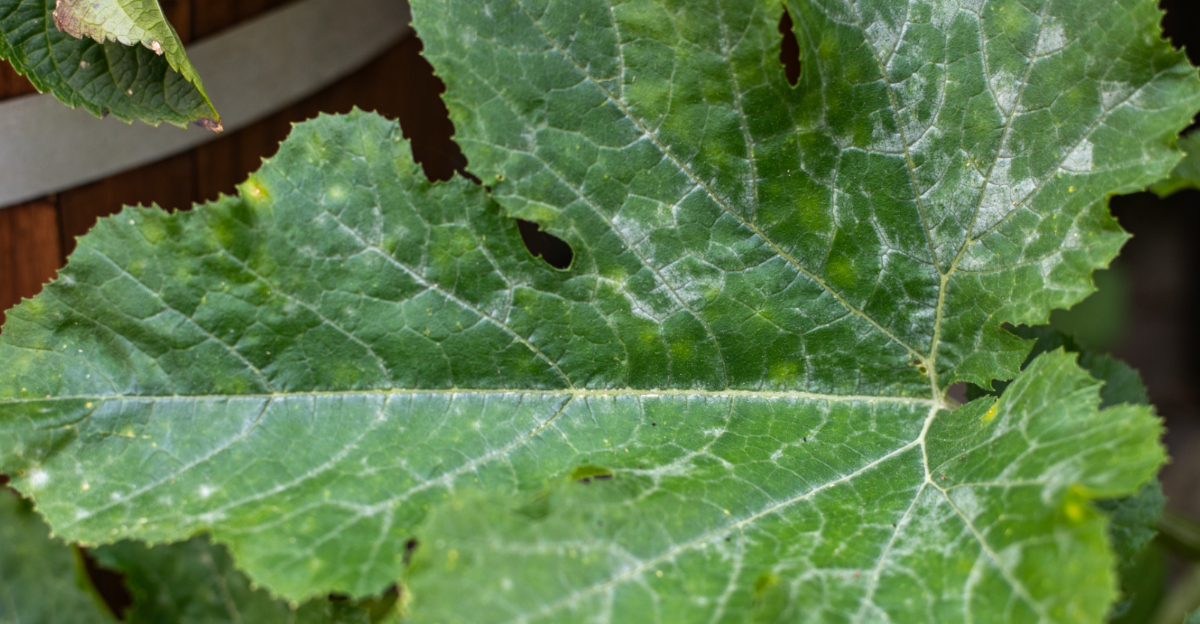
White powder shouldn’t appear on healthy squash leaves overnight. Something has changed in your garden while you slept. Fungal spores drift silently through humid Indiana air, searching for green tissue.
Warm days and cool nights create perfect conditions. Powdery mildew spreads fast, covering leaves like a quiet takeover. You watch your Indiana garden weaken under fungal pressure.
Leaves curl, yellow, then wilt under constant fungal strain. Spores land, germinate, and spread within days. Nobody warns you how quickly this disease multiplies in humid heat.
Mornings feel deceptively calm until damage becomes impossible to ignore. Squash vines cannot manage this problem alone. Ignoring this issue only lets it grow worse.
Worry never solves plant disease, but knowledge does. Understanding why mildew spreads changes everything about your response. Timing matters more than most gardeners realize.
Every hour without action quickly favors the fungus. Your squash deserves better, and the fix starts now.
Humid Days With Cool Nights Trigger Fungal Spores
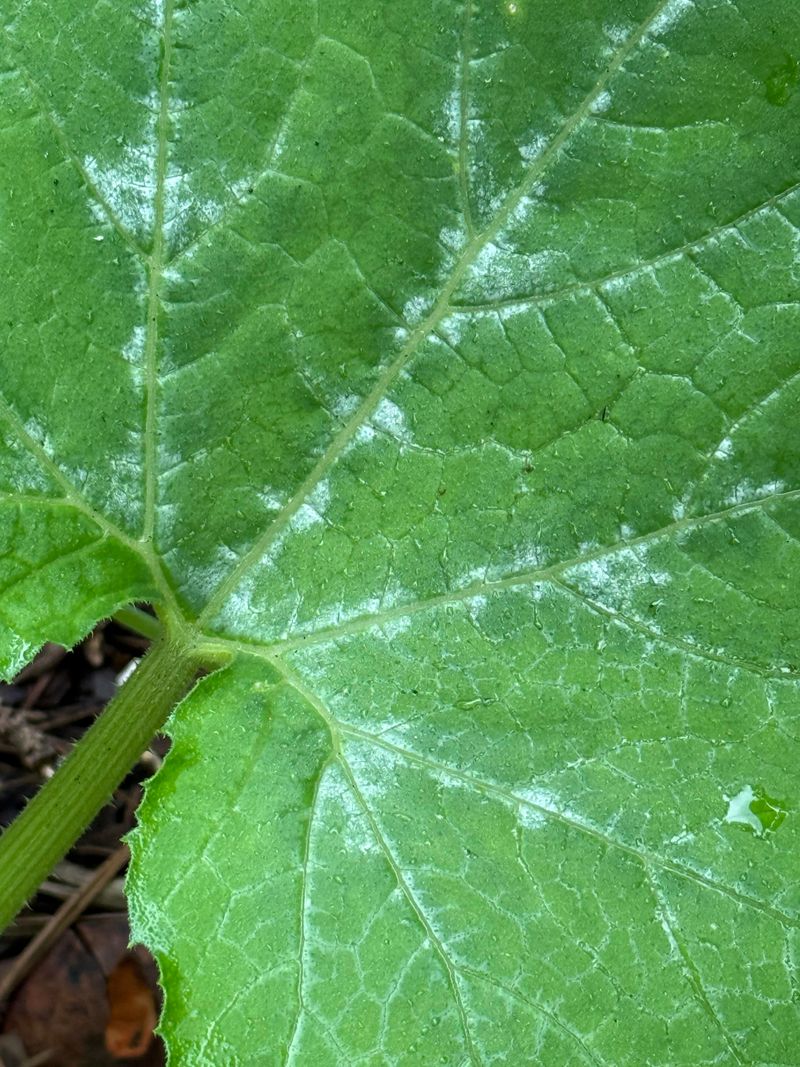
Powdery mildew loves a specific kind of weather, and Indiana delivers it all summer long. Warm, humid days followed by cool nights create the perfect storm for fungal spores to spread fast. This isn’t random bad luck. It’s a predictable pattern rooted in biology.
The fungus behind white powder on squash leaves is called Podosphaera xanthii. It does not need standing water to grow, which surprises a lot of gardeners.
Most fungal diseases require moisture on the leaf surface to germinate. This one breaks that rule entirely.
Unlike most fungi, this one thrives when humidity is high but leaves stay dry. That combination is exactly what you get during Indiana summers, especially in July and August.
The air holds moisture while the leaf surface stays a comfortable landing spot for spores. That contrast is what makes squash so vulnerable.
Spores float through the air, carried by wind currents across your garden. Once they land on a leaf surface, they start feeding on the plant within hours. There is no waiting period, no grace window. Infection begins almost immediately.
Cool nights slow down the plant’s natural defenses while spores keep multiplying undisturbed. By morning, you see that chalky white coating spreading across your squash patch, seemingly overnight. What looks sudden is really hours of quiet, unseen growth.
Tracking your local weather forecast actually helps here. When you notice warm days paired with cool nights in the sixties or below, that’s generally a good time to start prevention.
Start your prevention routine before you see a single white spot. Acting early is always easier than reversing a full-blown outbreak later.
Overcrowded Plants Trap Moisture And Reduce Airflow
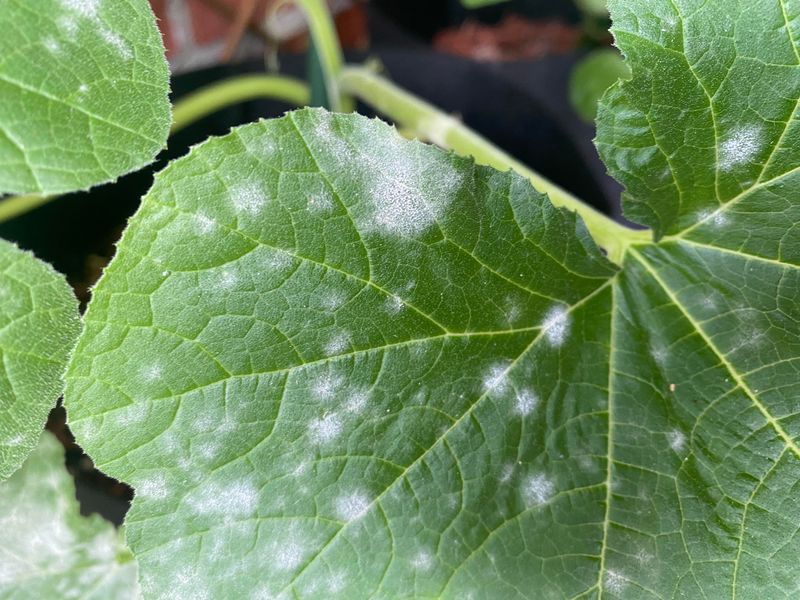
Planting squash too close together significantly increases the risk of white powder developing on your leaves. When plants crowd each other, air stops moving between them.
Still air creates favorable conditions for powdery mildew spores to settle and survive. They land on leaves and never get blown away or dried out by a breeze.
Moisture gets trapped in that thick canopy of overlapping leaves. The undersides of leaves stay damp for hours longer than they should.
Your Indiana Garden Changes Every Week. Your Plan Should Too.
Gardening in Indiana changes quickly throughout the season. Every Friday you’ll receive a simple weekly plan showing exactly what to plant, prune, fertilize, harvest, and protect so you never miss the right timing.
Most squash varieties do best with roughly 24 to 36 inches between plants, though exact spacing can vary by variety, so check your seed packet for specifics. Bush types can get away with a little less, but vining types need even more room.
A lot of gardeners pack plants in tight because seedlings look so small at first. Then six weeks later, the whole bed is a tangled mess of leaves rubbing against each other.
When leaves touch, spores transfer directly from one plant to the next. That is how a single infected leaf can spread white powder to nearby plants in your garden row.
Thinning out your squash patch mid-season feels painful, but it helps limit the spread. Removing a plant or two can reduce the risk of the infection spreading to the rest of the crop.
Good spacing is not just about room to grow. It is your first line of defense against the white powder problem that plagues Indiana squash growers every single season.
Shady Spots Slow Leaf Drying After Watering
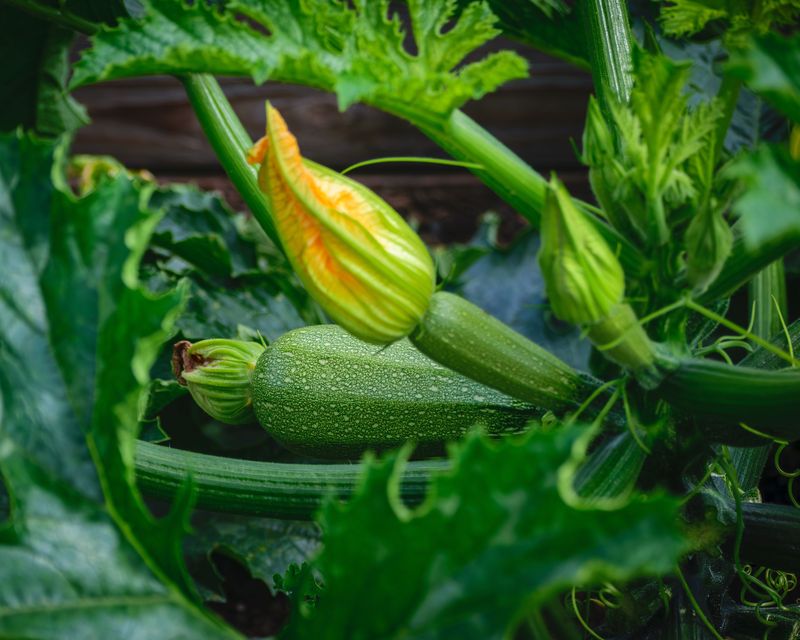
Shade feels like a relief on a hot Indiana afternoon, but your squash plants do not agree. Squash are sun-loving crops that need at least six to eight hours of direct light each day.
When you plant them in a shaded spot, the leaves stay wet much longer after rain or watering. That extra moisture on the leaf surface gives powdery mildew spores exactly what they need to settle in.
Full sun dries leaves quickly, which cuts off the moisture that fungi depend on. A shady location removes that natural drying effect and extends the window for infection.
Even partial shade from a nearby fence or large tree can make a noticeable difference. Leaves on the shaded side of a plant often show white powder before the sunny side does.
If your squash are already planted in a low-light spot, you have a few options. Trimming back overhanging branches can open up more sunlight and improve the situation significantly.
You can also reflective mulch around the base of plants. It bounces extra light up onto the leaves and helps speed up drying time after rain.
Choosing a sunnier planting location next season is the smartest long-term fix. Scout your yard in late spring and watch where direct sun falls for most of the day before you plant.
Your squash will reward that extra planning with stronger growth and far less white powder all season long.
Overhead Watering Keeps Leaf Surfaces Damp Longer
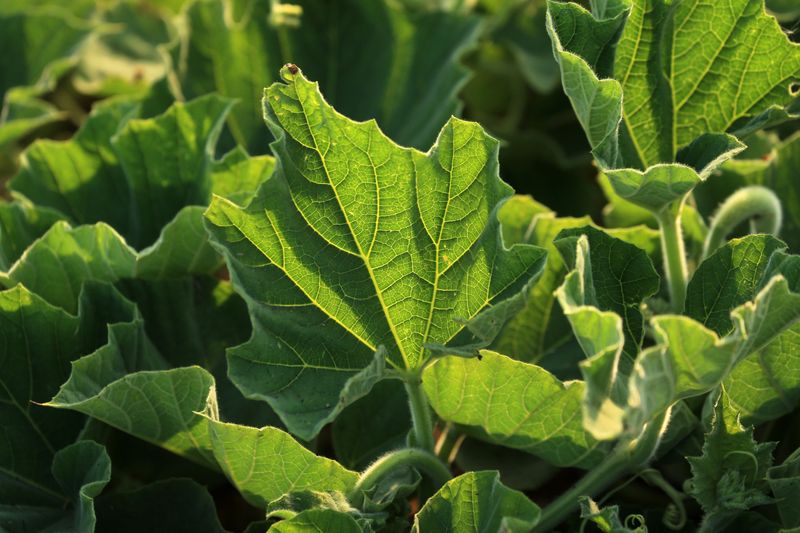
Grabbing a hose and spraying water over your squash is quick and easy, but it causes real problems. Overhead watering soaks the leaves along with the roots, and wet leaves are a breeding ground for white powder fungus.
Water sitting on leaf surfaces does not evaporate instantly. On a cloudy day or in the evening, that moisture can stay on leaves for hours.
That prolonged dampness is exactly the condition powdery mildew spores need to germinate and spread. Each water droplet on a leaf is basically a tiny invitation for fungal growth.
Sprinkler systems are especially problematic because they cover a wide area and soak every leaf thoroughly. Gardeners who switch away from sprinklers often report fewer mildew problems over time.
The fix is straightforward: stop watering from above. Direct your water to the soil at the base of each plant instead.
Soaker hoses and drip irrigation systems do this automatically. They deliver moisture directly to the root zone without splashing leaves at all.
If you water by hand, aim the hose low and keep the stream gentle. Let water soak in slowly rather than splashing around the base of the plant.
Changing your watering method is one of the simplest upgrades you can make to protect your squash from white powder on Indiana squash leaves all season long.
Space Plants Wider For Better Airflow
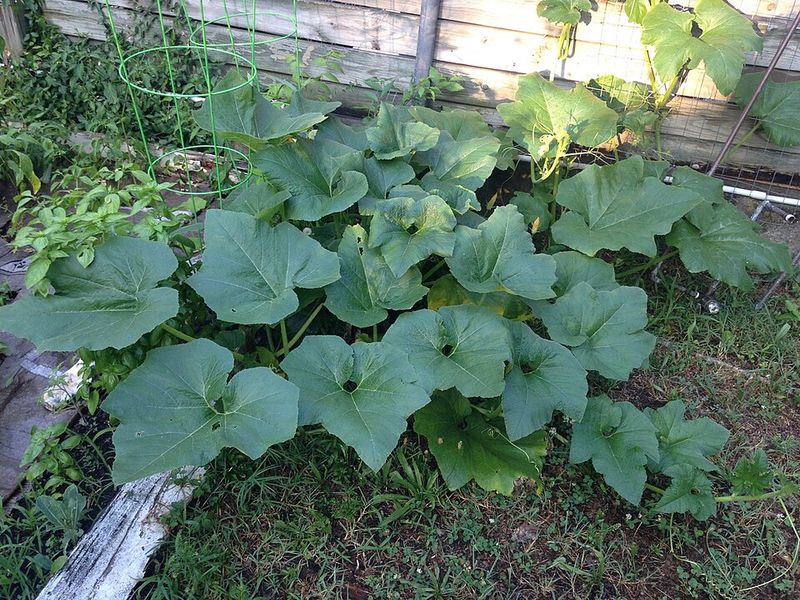
Giving your squash plants room to breathe is one of the most underrated moves in the garden. Wide spacing creates airflow, and airflow is what keeps white powder from taking hold.
When a breeze can move through your garden freely, leaf surfaces dry faster after rain. Spores that land on dry leaves have a much harder time getting established.
Most seed packets suggest spacing, but gardeners often ignore those numbers. Squeezing in extra plants feels productive in spring, but it creates problems by midsummer.
For vining squash varieties like butternut or spaghetti, aim for roughly three feet between plants. Bush varieties like zucchini typically do well with about two feet of space on each side, though checking your specific variety’s guidelines is always a good idea.
Raised beds make spacing feel wasteful because the area is limited. But a few healthy, well-spaced plants will always outproduce a crowded bed full of sick ones.
Training vines to grow in one direction also helps manage space. When all the growth heads the same way, you avoid the tangled pile-up that blocks airflow.
Vertical growing is another smart option for small spaces. A trellis or sturdy cage lifts the foliage off the ground and exposes more leaf surface to moving air.
Starting next season with proper spacing feels like a small change, but it pays off in a big way. Fewer white powder outbreaks mean more squash on your table all summer.
Water At The Base Early Morning
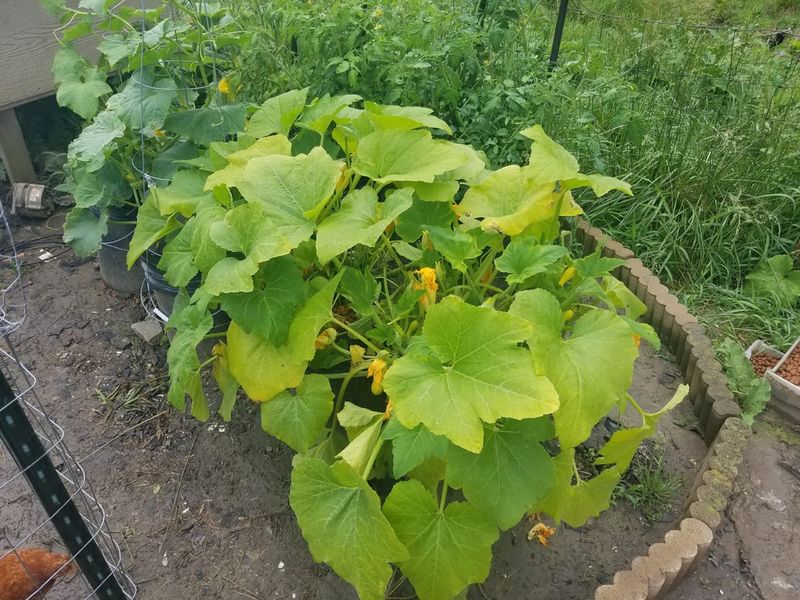
Early morning watering is one of those habits that seems small but makes a huge difference. Watering at the base of your squash plants in the morning gives the soil time to absorb moisture before the heat of the day kicks in.
Any accidental splash on the leaves dries quickly in the morning sun. That fast drying time cuts off the moisture window that powdery mildew needs to take root.
Evening watering is the worst option for squash. Moisture that lands on leaves at 7 p.m. can sit there all night long.
Cool overnight temperatures slow evaporation dramatically. By morning, your leaves have been wet for ten or twelve hours, creating favorable conditions for mildew.
Midday watering wastes water through evaporation and stresses the plant with temperature shock. Morning is genuinely the sweet spot for squash care.
Set a reminder on your phone if you tend to forget. Watering before 9 a.m. is the goal, and even 10 a.m. is better than afternoon or evening.
Pairing early morning watering with base-only delivery is a powerful combo. Together, they remove two of the biggest triggers for white powder on squash leaves.
Consistency matters more than perfection here. Getting into a steady morning routine protects your plants more than any single treatment ever could.
Apply A Baking Soda Spray Weekly

Baking soda spray is an old-school remedy that some gardeners find helpful as a preventive measure. It changes the pH on the surface of the leaf, making it harder for fungal spores to survive.
You probably already have everything you need in your kitchen right now. A simple mix of baking soda, water, and a drop of dish soap is all it takes.
A commonly used recipe is about one tablespoon of baking soda per gallon of water, though some gardeners use slightly more or less depending on plant sensitivity. Add a few drops of liquid dish soap to help the solution stick to the leaf surface.
Spray both the tops and undersides of leaves thoroughly. The undersides are where spores often hide first, so do not skip that step.
Apply the spray roughly once a week as a preventive measure before you even see white powder. If mildew is already present, spraying every four to five days is a common approach for better control.
Morning application works best so the solution dries before evening. Wet leaves at night can cause other problems, even with a protective spray on them.
One caution worth mentioning: avoid applying baking soda spray during extreme heat. High temperatures, generally above the mid-80s to 90-degree range, can increase the risk of leaf burn when combined with the solution.
Consistent weekly applications through the growing season can help build an added layer of protection. Many gardeners across the Midwest report success with this method for keeping white powder on squash leaves under control.
Remove Infected Leaves As Soon As Spotted
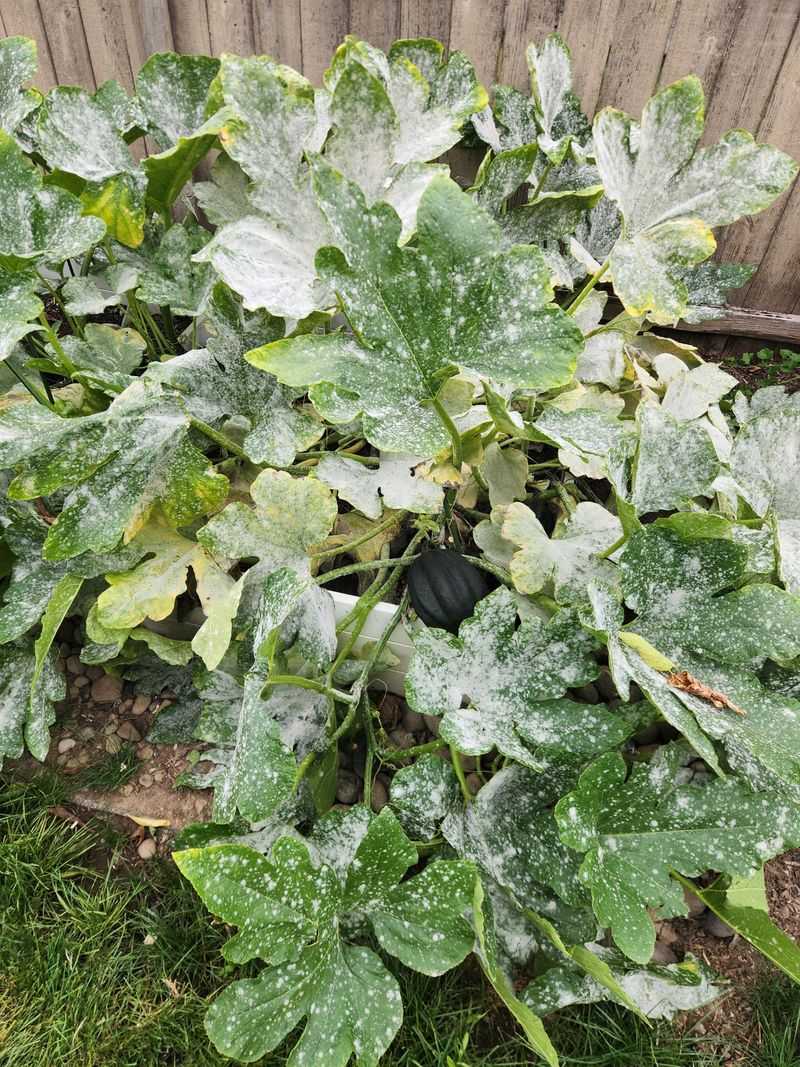
Spotting that first white-dusted leaf and pulling it off immediately is one of the most effective moves you can make. Infected leaves continue producing spores, and every hour they stay on the plant, they spread more fungal material into the air.
Do not just toss pulled leaves on the ground nearby. Spores can still spread from detached leaves sitting in your garden bed.
Seal removed leaves in a plastic bag and toss them in the trash. Composting infected plant material is a mistake that many gardeners make only once.
Checking your squash plants every couple of days during peak summer heat is a good general practice. The faster you catch new infections, the easier they are to manage.
Look at both the tops and bottoms of leaves when you inspect. White powder sometimes starts on the underside before it becomes visible from above.
Older leaves lower on the plant tend to show symptoms first. Starting your inspection from the bottom of the plant and working upward saves time.
After handling infected leaves, wash your hands and any tools you used. Spores can hitch a ride on gloves or pruning shears and spread to healthy plants.
Staying on top of removal throughout the season keeps the overall spore load in your garden low. That consistent effort, combined with all the other steps, helps keep white powder on Indiana squash leaves under long-term control.