These California Yard Mistakes Can Attract Skunks To Your Property
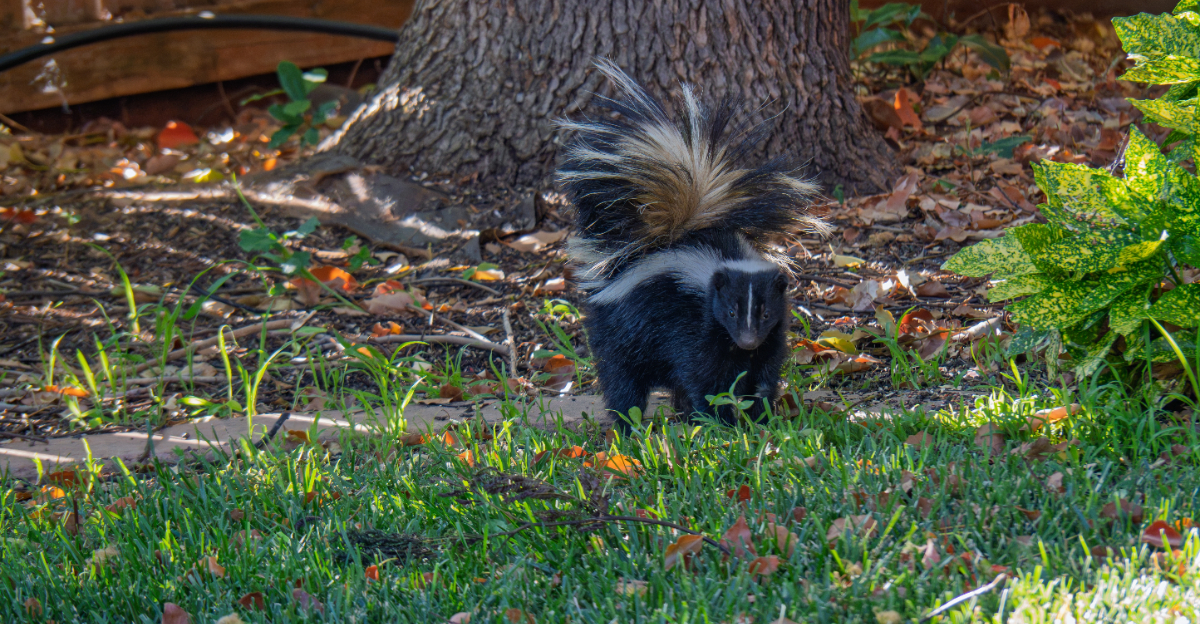
You may never see the skunk that visits your yard. You may only notice the clues the next morning.
A few holes in the lawn can seem harmless at first. Then the smell hits near the porch, and the mystery solves itself.
California yards can offer skunks more than homeowners realize. One casual habit may leave behind exactly what they hope to find after dark.
The yard does not need to look messy, either. That is the sneaky part.
Once a skunk finds an easy reward, it may return night after night. Soon, that random visit starts to feel like a standing reservation.
The good news is that most of the attraction comes back to simple yard routines. Change those, and the property can become far less interesting to the striped guest who keeps showing up uninvited.
1. Letting Fallen Fruit Pile Up
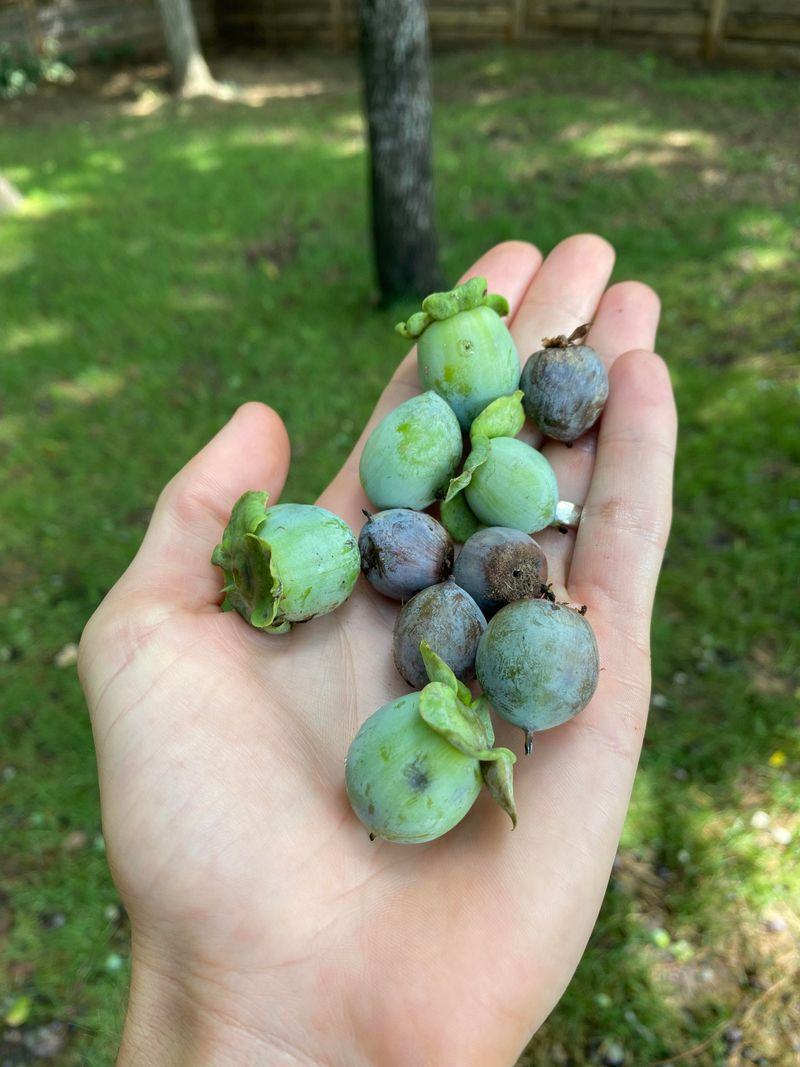
Fruit trees are one of the best things about living in California. The warm climate makes it easy to grow citrus, stone fruit, apples, and more right in your own backyard.
But here is the problem: every piece of fruit that drops to the ground becomes a skunk buffet.
Skunks have an excellent sense of smell. They can sniff out rotting fruit from a surprising distance.
Once they find a reliable food source in your yard, they will come back every single night. Fallen fruit also attracts beetles, worms, and other insects that skunks love to eat.
The fix is simple but requires consistency. Walk your yard every day or two and pick up any dropped fruit.
Do not leave it sitting on the ground overnight. Even one or two pieces can be enough to draw a skunk in.
If you have a compost pile, be careful about tossing fruit scraps there unless it is fully enclosed. Open compost with fruit in it is just as tempting.
Bag fallen fruit in sealed garbage bags before tossing it in the trash. Keeping the ground beneath your trees clean is one of the easiest and most effective ways to reduce skunk activity around your home.
A tidy yard sends a clear message that there is nothing worth sniffing around for here.
2. Keeping Trash Cans Poorly Sealed
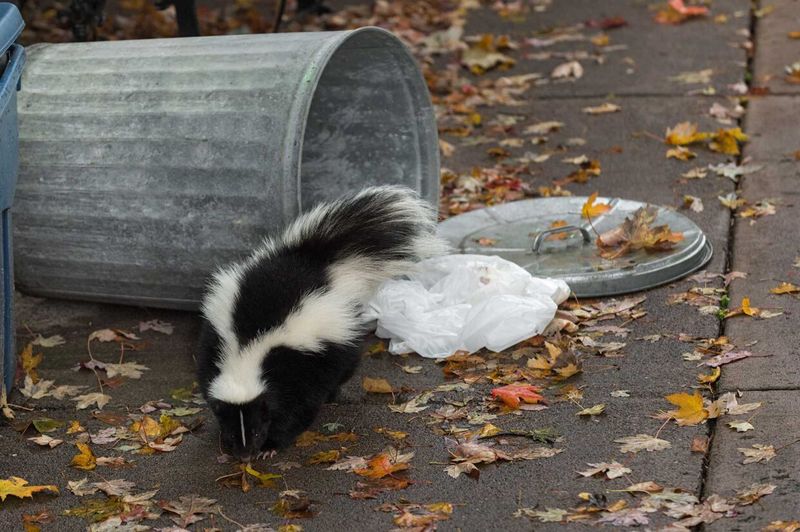
Few things attract wildlife faster than an unsecured trash can. Skunks are built for foraging, and a loose or flimsy lid is basically an open invitation.
Once a skunk figures out that your trash is accessible, it will show up like clockwork every single garbage day.
Across California, many homeowners use standard plastic bins with lids that just rest on top. A skunk does not need much force to knock one over or nudge a lid aside.
Even the smell seeping through a cracked lid can be enough to bring them sniffing around your property.
Upgrading your trash setup is a smart move. Look for cans with locking lids or bungee cords that hold the lid tightly in place.
Storing your bins in a garage or enclosed shed overnight is even better. If outdoor storage is your only option, place cans against a wall so they are harder to tip over.
Your California Garden Changes Every Week. Your Plan Should Too.
Gardening in California changes quickly throughout the season. Every Friday you’ll receive a simple weekly plan showing exactly what to plant, prune, fertilize, harvest, and protect so you never miss the right timing.
Rinsing out your trash cans regularly also helps reduce odor. Food residue left inside a bin can smell strong enough to attract skunks even when the lid is on.
A quick rinse with a garden hose every week or two goes a long way. Small changes to how you handle trash can make a noticeable difference in how often wildlife visits your yard.
3. Watering Lawns Until Grubs Move In
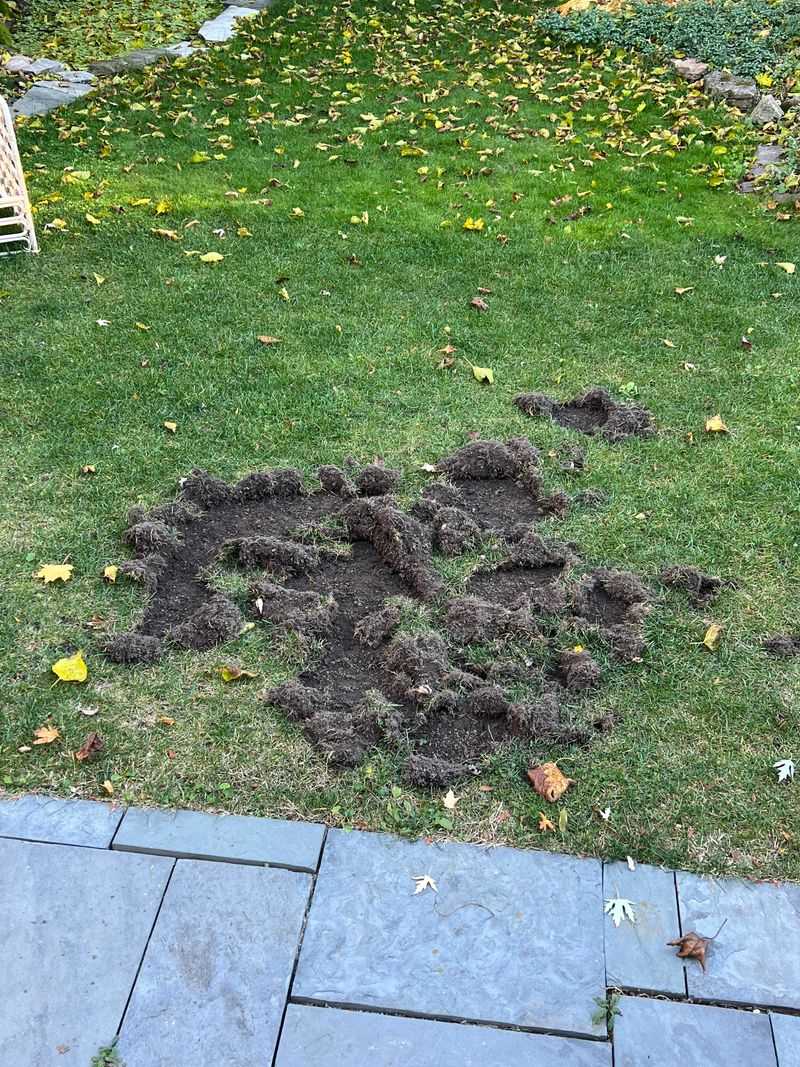
Overwatering your lawn might seem like a harmless mistake, but it creates the perfect underground habitat for grubs. Grubs are the larvae of beetles, and they live just beneath the surface of moist soil.
Skunks absolutely love them. In fact, grubs are one of the top reasons skunks start digging up lawns across California.
You can usually tell skunks have been digging for grubs by the small, cone-shaped holes or rolled-back sections of turf you find in the morning. It looks like someone took a small shovel to your grass overnight.
The damage can spread quickly if the grub population is large.
Reducing how often and how deeply you water your lawn can help a lot. Most lawns only need watering two or three times per week during warm months.
Deep but infrequent watering encourages roots to grow downward rather than keeping the soil surface soggy.
If you already have a grub problem, consider using beneficial nematodes. These are microscopic organisms that naturally reduce grub populations without harming your lawn or other wildlife.
They are available at most garden centers and are easy to apply with a hose attachment. Addressing grubs directly cuts off one of the biggest food incentives that keep skunks returning to your yard night after night.
4. Leaving Compost Open And Smelly
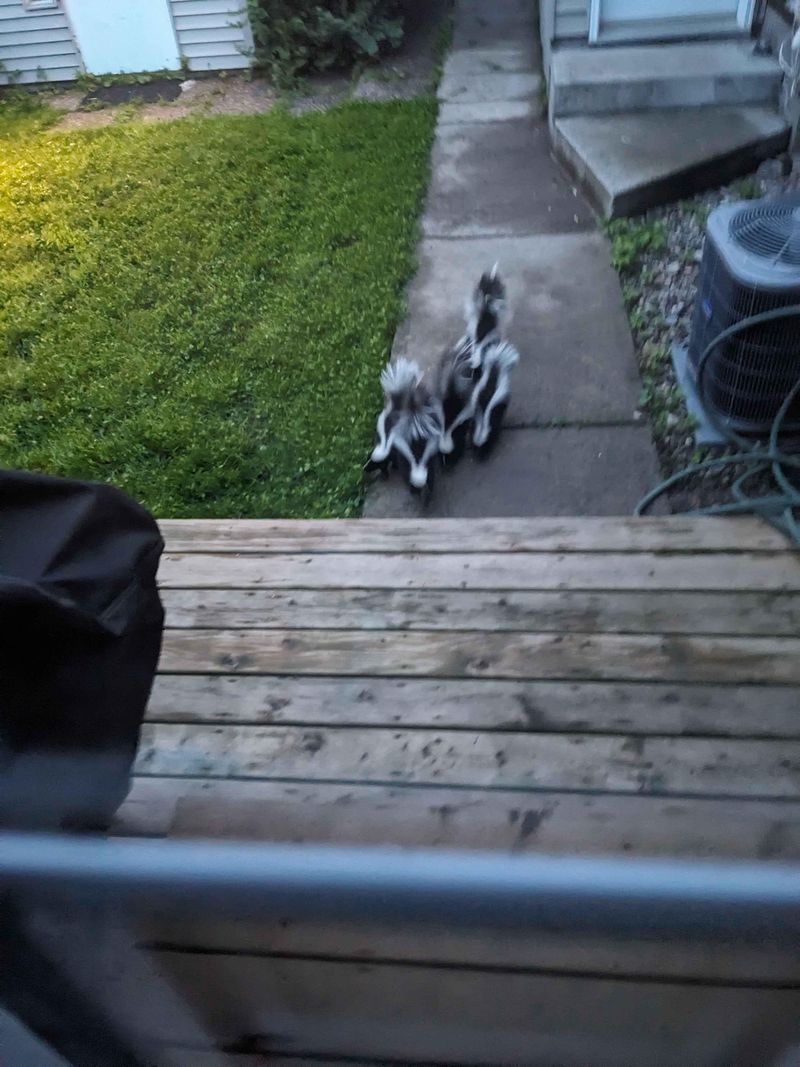
Composting is great for your garden and good for the environment. But an open, unmanaged compost pile is basically a skunk magnet.
The strong, fermenting smells from food scraps travel far, especially on warm evenings when skunks are most active.
Skunks are drawn to compost bins that contain meat scraps, cooked food, dairy, or fruit. These items break down quickly and produce intense odors.
Even vegetable scraps can attract them if the pile is not properly maintained. A skunk does not need to eat much to decide your yard is worth revisiting every night.
Switching to a fully enclosed compost tumbler is one of the best upgrades you can make. These sealed units allow organic matter to break down without releasing strong smells into the air.
They also prevent direct access, so skunks and other animals cannot dig through the contents.
If you prefer a traditional bin, make sure it has a tight-fitting lid and solid sides. Avoid adding meat, fish, or dairy to an open pile entirely.
Turn your compost regularly to speed up decomposition and reduce odor buildup. Burying fresh scraps under older material also helps contain the smell.
Taking composting seriously means your garden benefits without your backyard turning into a late-night snack stop for every skunk in the neighborhood.
5. Letting Deck Gaps Become Dens
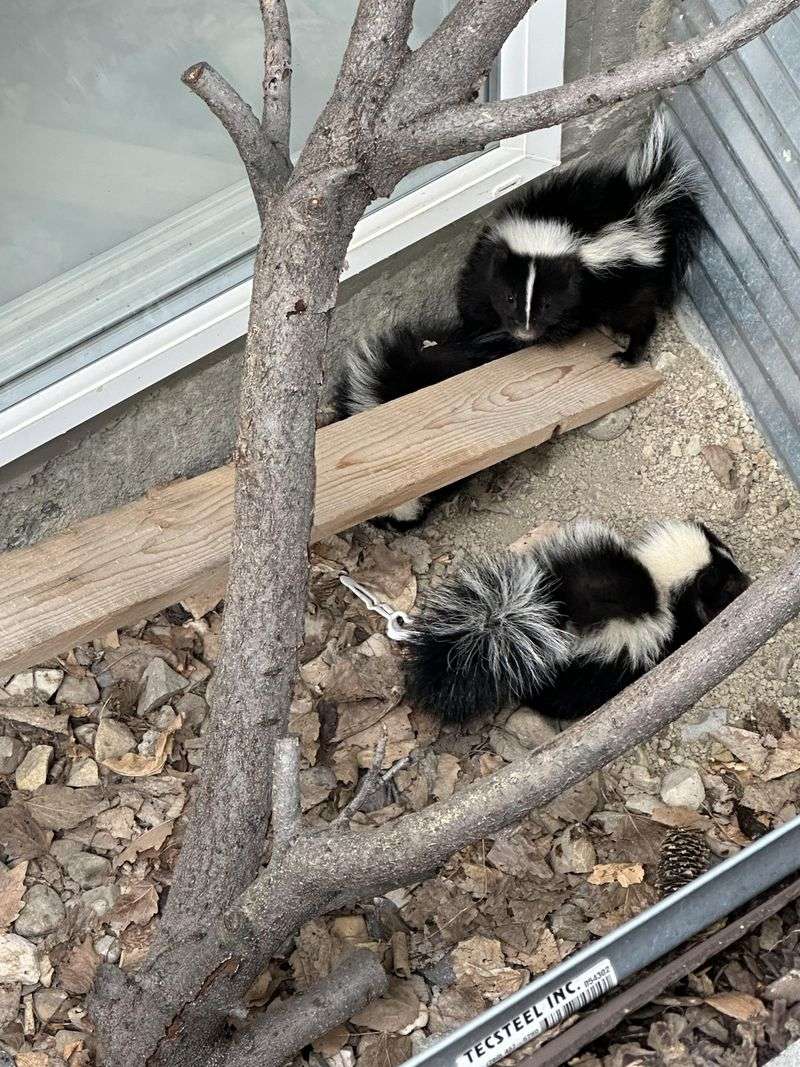
That cozy gap under your deck might look harmless to you, but to a skunk, it looks like the perfect home. Skunks are burrowing animals that love dark, sheltered spaces.
The area beneath a deck checks every box: it is protected from rain, hidden from predators, and close to a food source.
Once a skunk sets up a den under your deck, things get complicated fast. A mother skunk with babies is especially difficult to deal with.
You cannot simply chase them out without risking a spray, and relocating them often requires professional help. Prevention is far easier than eviction.
Check around the perimeter of your deck for any gaps or openings wider than about four inches. Skunks are surprisingly flexible and can squeeze through spaces you might think are too small.
Use hardware cloth with a small mesh size to close off these openings. Make sure the material extends a few inches underground to prevent digging.
Hardware cloth is available at most home improvement stores and is easy to install with basic tools. Fasten it securely to the frame of the deck and check it a few times a year for damage or gaps.
Adding a layer of gravel along the base of the deck can also discourage digging. A well-sealed deck is a deck that stays skunk-free all year long.
6. Ignoring Open Crawl Space Vents
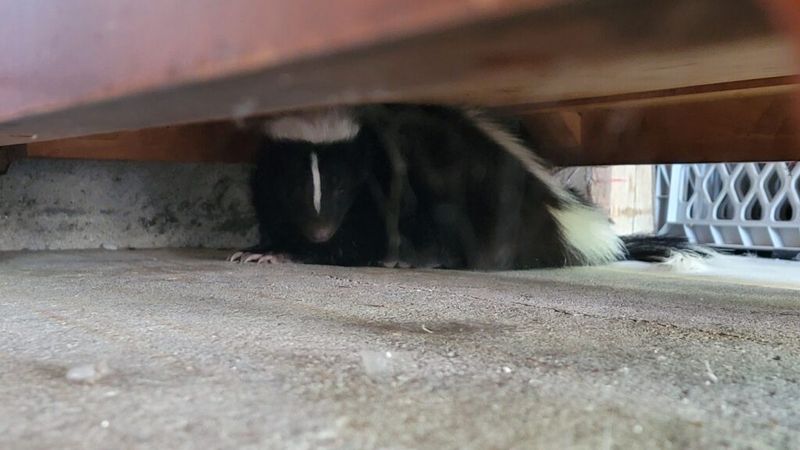
Crawl spaces are one of the most overlooked entry points for skunks in homes across California. Open or broken foundation vents give skunks easy access to a warm, dark, sheltered area directly beneath your living space.
Once inside, they can cause odor problems, structural damage, and a real headache to remove.
Standard vent covers can crack, rust, or fall off over time. Mesh screens that were once secure can develop holes large enough for a small animal to squeeze through.
Many homeowners never think to check these until they start smelling something unpleasant wafting up through the floorboards.
Walk around the base of your home and inspect every vent cover. Look for damage, missing hardware, or gaps around the edges.
Replace any broken covers immediately with heavy-gauge metal mesh screens. Plastic covers are less durable and easier for animals to chew through or break.
For added protection, consider installing vent covers specifically designed to keep wildlife out.
These are available at hardware stores and often include a fine mesh backing that allows airflow while blocking animal entry.
Check them at least twice a year, especially before fall when skunks start looking for winter shelter.
Keeping your crawl space sealed is one of the most important steps you can take to protect your home from unwanted wildlife guests during cooler months in northern regions and beyond.
7. Stacking Brush Too Close To The House
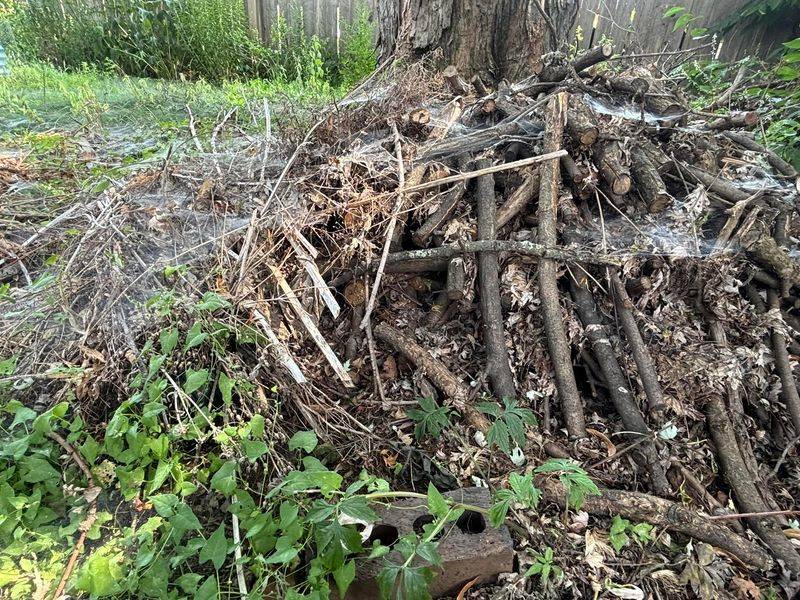
After a big yard cleanup, it is tempting to stack all that brush against the side of the house and deal with it later.
But that pile of branches, leaves, and clippings creates exactly the kind of dense, sheltered cover that skunks love to hide in. The closer it is to your home, the more trouble it can cause.
Brush piles stay cool and damp inside, which is perfect for insects. And where there are insects, skunks are not far behind.
A large pile near a fence or foundation wall can also become a launching point for a skunk trying to access your deck or crawl space.
The simple fix is to keep any brush or debris piles as far from the house as possible. Ideally, you should not let them sit for more than a few days before chipping or hauling them away.
If you need to store yard waste temporarily, place it in a far corner of your property, well away from structures.
Regular yard cleanups also remove hiding spots that skunks use during the day. Skunks are nocturnal but still need daytime shelter.
Dense plantings, overgrown shrubs, and debris piles all work as daytime hiding spots. Keeping your yard tidy and open reduces the number of places skunks feel safe resting, which makes your property far less attractive to them overall.
8. Leaving Birdseed Scattered Under Feeders
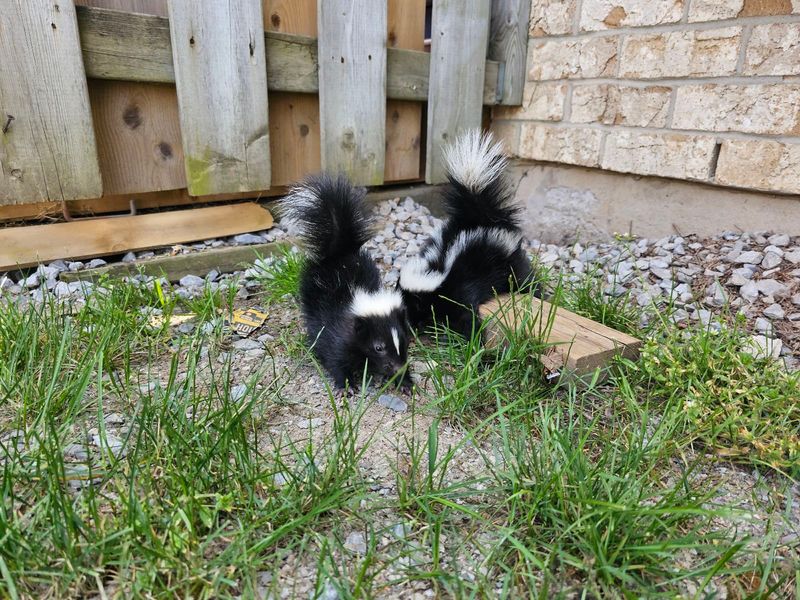
Bird feeders bring a lot of joy to a backyard. Watching finches, sparrows, and jays stop by throughout the day is one of the simple pleasures of yard life in California.
But the seeds that fall to the ground are a problem. Skunks are not picky eaters, and birdseed is a perfectly good meal in their opinion.
Scattered seed on the ground does not just attract skunks directly. It also draws mice and rats, which in turn attract skunks that hunt small rodents.
So even if your skunk is not eating the seed itself, the seed is creating a food chain that leads right to your yard.
A few easy changes can make a big difference. Use feeders designed to catch falling seeds in a tray.
These keep most of the seed contained and off the ground. Sweep or rake beneath your feeders every day or two to remove any accumulation.
Avoid filling feeders to the brim, especially in the evening, since overfilling leads to more spillage.
You can also switch to no-waste birdseed blends that contain hulled seeds. Birds eat the entire seed, leaving little to fall on the ground.
Moving your feeder away from the house and fence lines gives skunks less reason to patrol near your home.
Small adjustments to how you feed birds can protect your yard without giving up the hobby you enjoy.