What It Means When Bark Starts Cracking On A California Citrus Tree
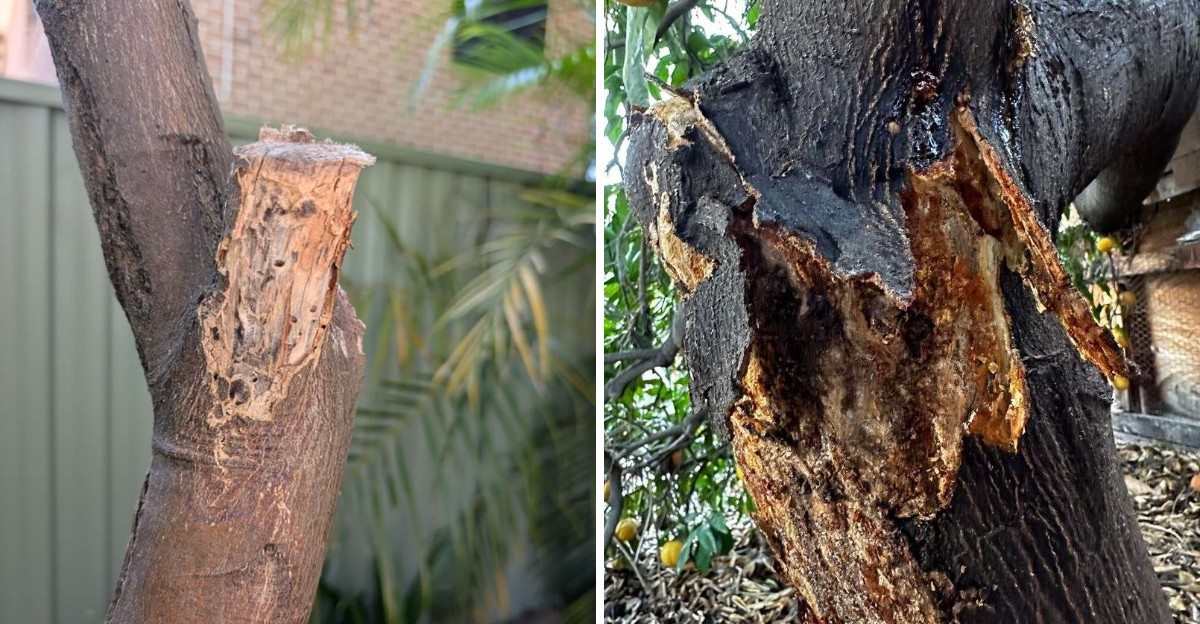
A crack in citrus bark can turn a peaceful Saturday tree check into an instant detective story.
Yesterday, the trunk looked normal. Today, a long split runs up one side, a patch looks dry and pale, or amber gum has appeared near the soil.
Your first instinct may be to reach for pruning seal, fertilizer, or a hose.
Hold that thought.
California citrus can crack for very different reasons, and the clues around the wound matter more than the crack alone.
Was the bark suddenly exposed to afternoon sun? Did a freeze arrive recently? Does the soil stay wet near the trunk? Does sticky gum keep returning from a darkened patch?
So what is your tree actually trying to tell you?
Location, moisture, timing, and bark texture can narrow the possibilities surprisingly fast.
A little observation now can prevent the wrong fix and spare you a worse problem.
Before you paint, prune, scrape, or water anything, read the trunk first. Citrus bark leaves a useful trail of clues for you.
1. Sunscald Damages Exposed Bark Fast
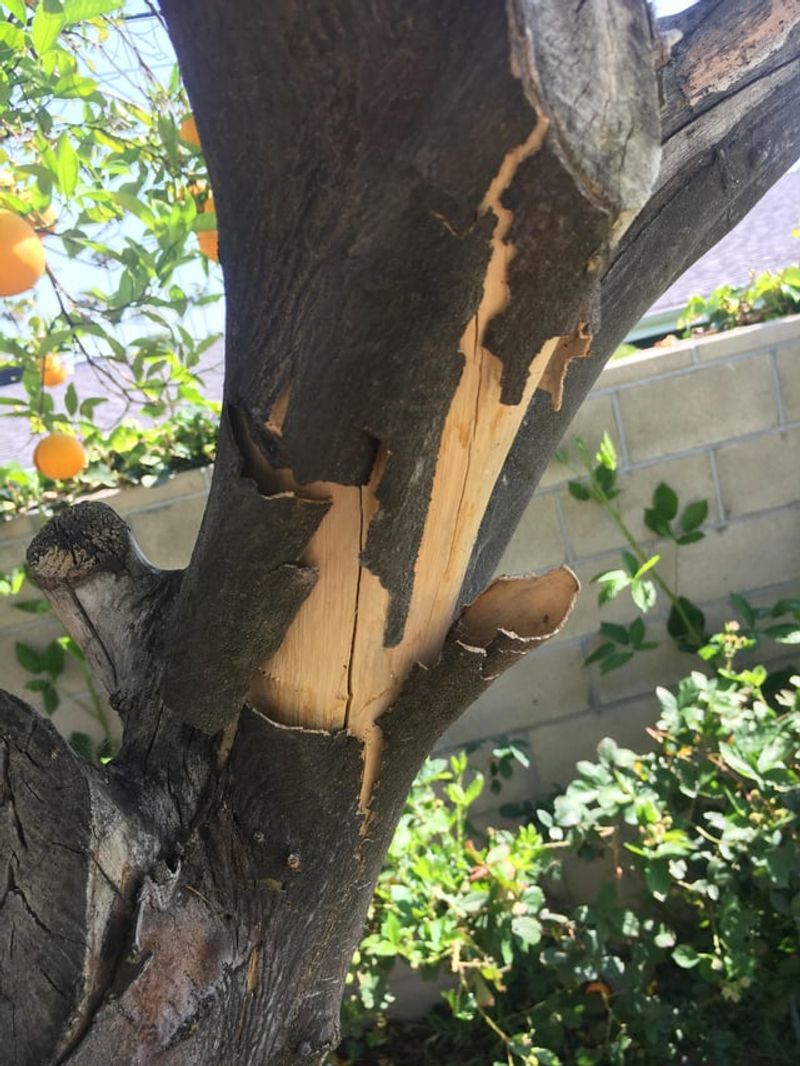
A hard summer prune can expose more than the shape of the tree.
Suddenly, bark that spent years under leafy shade is taking full afternoon sun. On California citrus, that change can show up as dry, pale, or brownish damage on the south and west sides of the trunk and major limbs.
Young trees are especially vulnerable because their bark is thin.
The same thing can happen after stress causes heavy leaf drop. Once the canopy opens, surfaces that were never built for direct heat can bake quickly.
Look at the pattern before blaming disease.
Sunburn usually follows the exposed side of the trunk rather than appearing evenly around it. The bark may dry, crack, and peel in patches. Sticky gum is less typical than it is with some trunk diseases.
Do not strip away more canopy just because the tree looks uneven. Extra exposure can make the problem worse.
Give the damaged area time, keep irrigation appropriate, and protect newly exposed bark from intense sun.
Future pruning should stay gradual. Leaving some interior and lower growth on young citrus can provide useful shade while the trunk develops.
This is also where whitewash can earn its keep.
Your citrus does not need sunscreen and a beach umbrella. It does, however, appreciate not being sent into a Central Valley afternoon with its bark suddenly uncovered.
2. Cold Snaps Can Split Bark Too
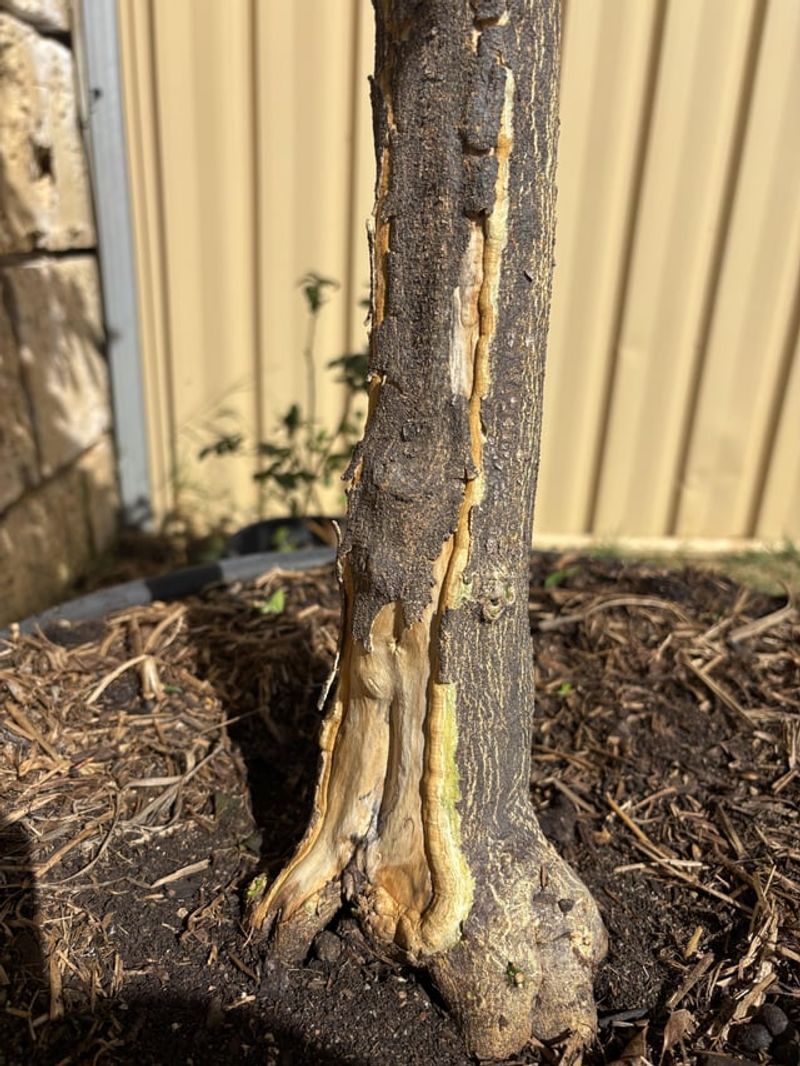
The weather report from last month may explain a crack you only noticed today.
Cold injury on citrus does not always announce itself the morning after a freeze. Bark damage on trunks and larger limbs can become clearer weeks later as injured tissue dries, loosens, or splits.
That delayed timing can make the problem feel mysterious.
Look for other signs from the same cold event. Leaves may have dropped, young twigs may look rough, and sections of bark can curl or separate from the wood underneath.
Unlike classic sunburn, freeze injury does not have to stay on the south or west side.
Your California Garden Changes Every Week. Your Plan Should Too.
Gardening in California changes quickly throughout the season. Every Friday you’ll receive a simple weekly plan showing exactly what to plant, prune, fertilize, harvest, and protect so you never miss the right timing.
Young citrus tends to show trouble sooner, but variety, rootstock, tree health, and the length of the cold spell all influence the outcome.
Resist the urge to prune immediately.
Cold damage can be deceptive, and it may take until spring growth appears to show which wood still has life in it. Early cutting can remove sections that would have recovered.
Keep care steady instead. Avoid a fertilizer push, watch soil moisture, and wait for warmer weather before making major pruning decisions.
A tree with fewer leaves also uses less water, so do not automatically increase irrigation after a freeze.
Citrus can look dramatic after a cold night.
Give it time before you hand the pruners a starring role in the recovery plan.
3. Gummosis Signals A Deeper Problem
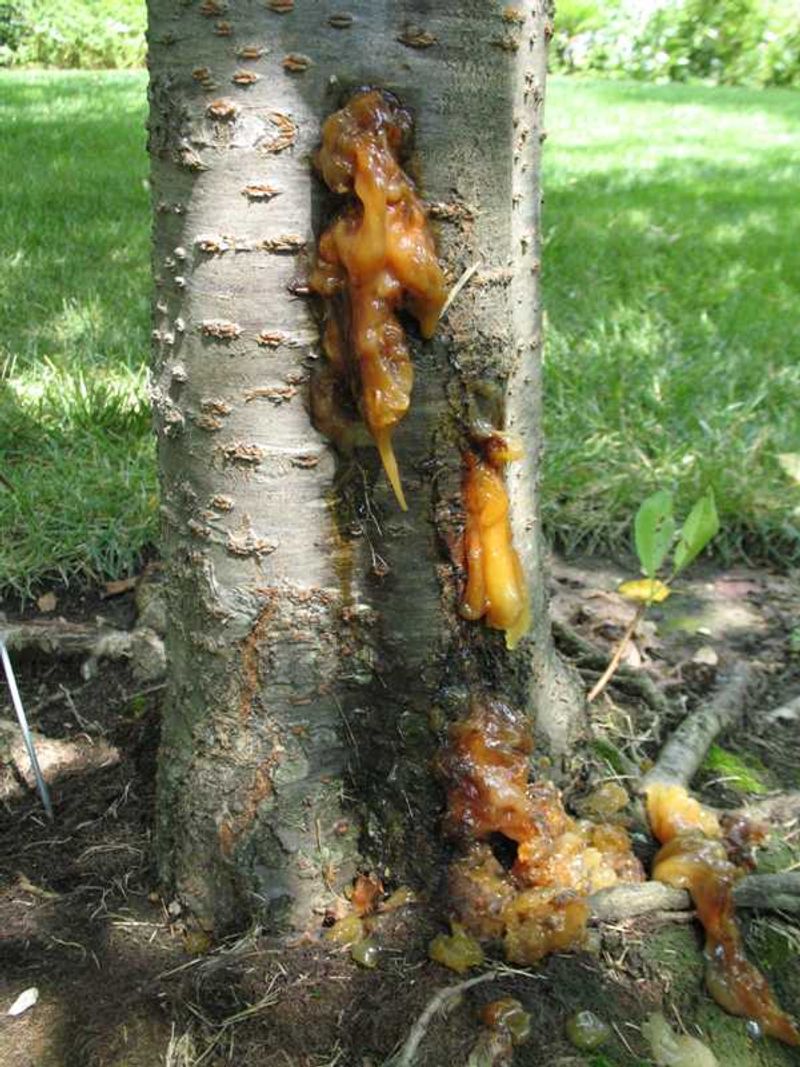
Sticky amber gum changes the conversation.
A dry crack from sun or cold can look alarming, but gum that keeps seeping from bark near the lower trunk deserves a closer look for Phytophthora gummosis.
The location is an important clue.
This disease often starts near the soil line where water can splash onto susceptible bark. Small cracks may ooze sap, while the surrounding bark can darken, dry, crack, and eventually slough away.
Rain may wash the gum off, so its disappearance does not always mean the problem ended.
Check the moisture pattern around the trunk. Sprinklers hitting the bark, mulch piled against the base, or soil that stays wet for long stretches can all create conditions that favor trouble.
Do not diagnose every sticky spot from one glance.
Citrus can gum for more than one reason, and other injuries can complicate the picture. A spreading lesion near the base deserves proper identification before you start cutting bark or applying a treatment.
Correcting the wet conditions is the first useful move.
Keep irrigation off the trunk and let the area dry appropriately. Pull mulch away from direct bark contact.
Take photos and track whether the lesion expands.
A little sap can look like the tree spilled syrup on itself. Near the trunk base, though, that sticky clue deserves more respect than a quick wipe with a rag.
4. Phytophthora Thrives In Wet Soil
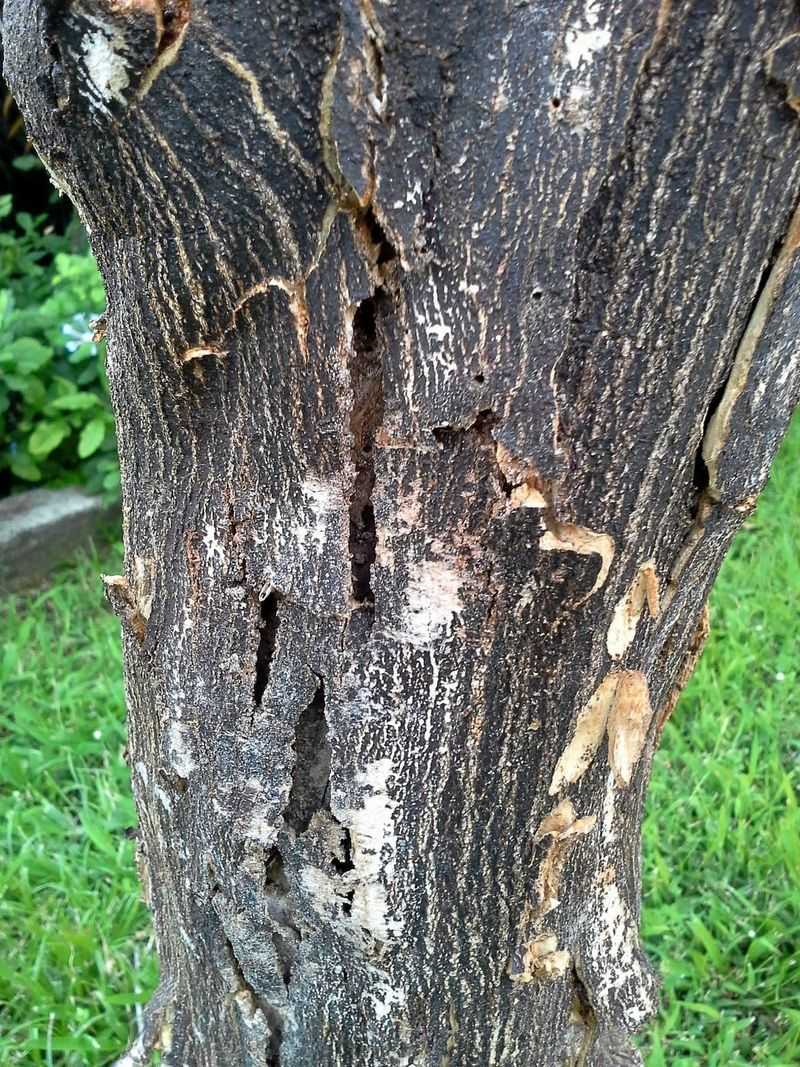
The hose may be helping the leaves while quietly causing trouble at the trunk.
Phytophthora thrives when moisture stays where citrus bark does not want it. California gardeners sometimes create that setup with lawn sprinklers, buried graft unions, deep planting, or watering basins that hold water against the trunk.
Wet soil alone does not prove disease.
The bigger warning comes when persistent moisture lines up with darkened bark, cracking, or gum near the base.
Step back and look at how water moves around the tree.
Emitters should wet the root zone rather than spray the trunk. Mulch can help conserve soil moisture, but it belongs a few inches away from the bark. The top of the root system and graft area should not disappear under added soil or thick mulch.
Drainage matters too.
Heavy soil that stays saturated after irrigation can keep roots stressed and create better conditions for soilborne problems. A tree planted in a low pocket may struggle more than one on slightly higher ground.
Do not respond by letting the tree go bone dry.
Citrus still needs consistent moisture. The goal is a well-watered root zone without a constantly wet trunk base.
That difference sounds small, but it matters.
Your citrus wants a drink through its roots. It does not need the trunk sitting in a permanent splash zone like a kid who refuses to leave the pool.
5. Cracks Invite Secondary Pests And Rot
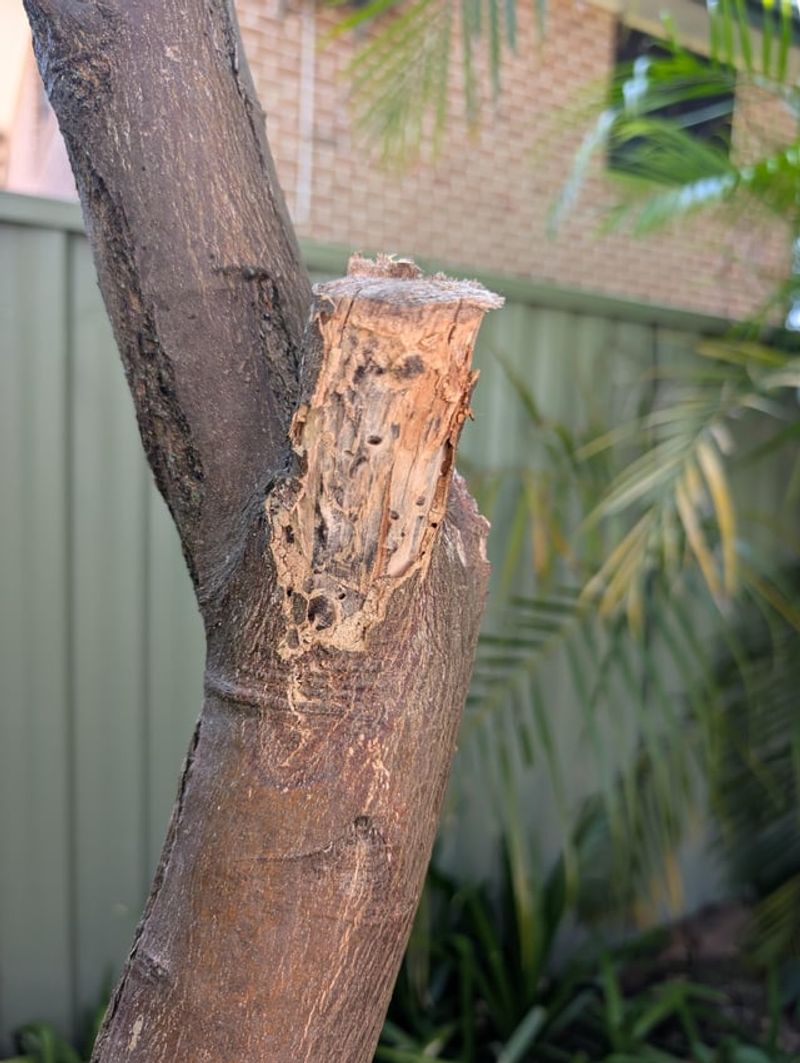
Once bark opens, the original cause is no longer the only thing worth watching.
A crack exposes tissue that normally sits behind a protective outer layer. Sunburned or otherwise stressed wood can become more vulnerable to secondary problems, including borers and decay organisms.
That does not mean every split will turn into a major pest issue.
It does mean you should keep the wound area clean, dry, and easy to inspect.
Avoid piling soil, mulch, or wet plant debris against the damaged section. Keep string trimmers and mower equipment far away too. One bark problem does not need a second injury added for variety.
Skip the old habit of coating every crack with tar or a thick wound dressing.
Those materials do not automatically help the tree close the injury and can interfere with drying in some situations.
Watch for changes instead.
New holes, sawdust-like material, expanding soft areas, worsening gum, or increasing bark loss deserve a closer diagnosis. So does a crack that continues to widen while the canopy thins.
Healthy citrus has a better chance of growing protective tissue around an injury over time.
Support that process with sensible irrigation, normal nutrition, and protection from additional sun or mechanical damage.
A bark crack is already enough paperwork for one tree.
There is no reason to invite borers, rot, and a weed trimmer to sign the same guest book.
6. Painting Trunks Prevents Sun Damage
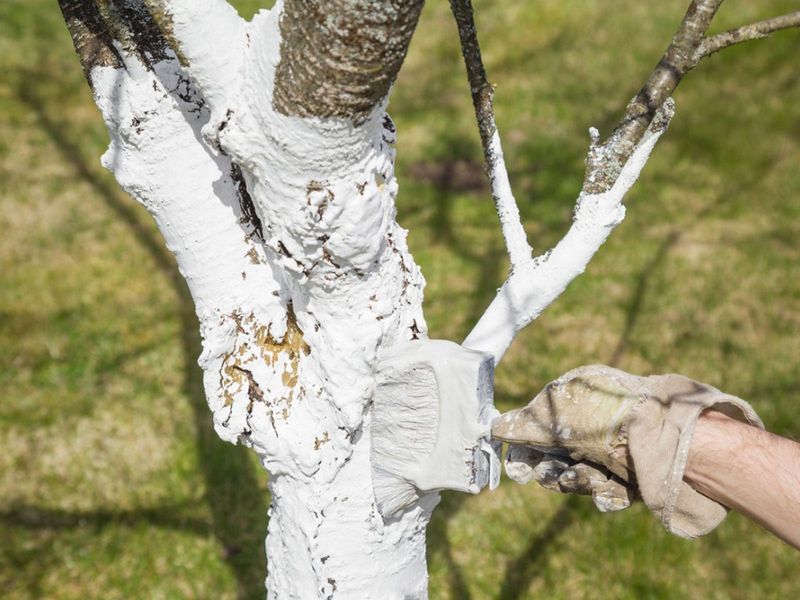
One of the simplest citrus protections looks suspiciously like leftover house paint.
Whitewashing exposed trunks helps reflect sunlight and reduce bark heating, which is why bright white lower trunks are common in California fruit-growing areas.
The product choice matters.
Use white interior latex paint diluted with an equal amount of water. Oil-based paint and exterior formulations are not the same recommendation.
Brush the mixture onto young trunks and older bark that suddenly lost its shade after pruning or leaf drop.
Pay special attention to exposed south and west surfaces and the upper sides of major limbs that now receive direct sun.
Do not wait for a crack to prove the point.
Protection works best before peak heat or soon after canopy changes expose bark that spent years in shade.
Young citrus can benefit from trunk protection from the beginning, especially in hot inland areas.
Tree wraps and guards can also provide shade, but check them regularly. Anything that stays damp, tightens around a growing trunk, or hides insects can create a fresh problem.
Whitewash is not a cure for Phytophthora, freeze damage, or an old structural wound.
It has one job: reduce sunburn risk on exposed bark.
That plain coat may not win any landscaping awards.
Your orange tree probably does not care. It would rather look like it is wearing white socks than spend July with a roasted trunk.
7. Catching It Early Protects The Tree
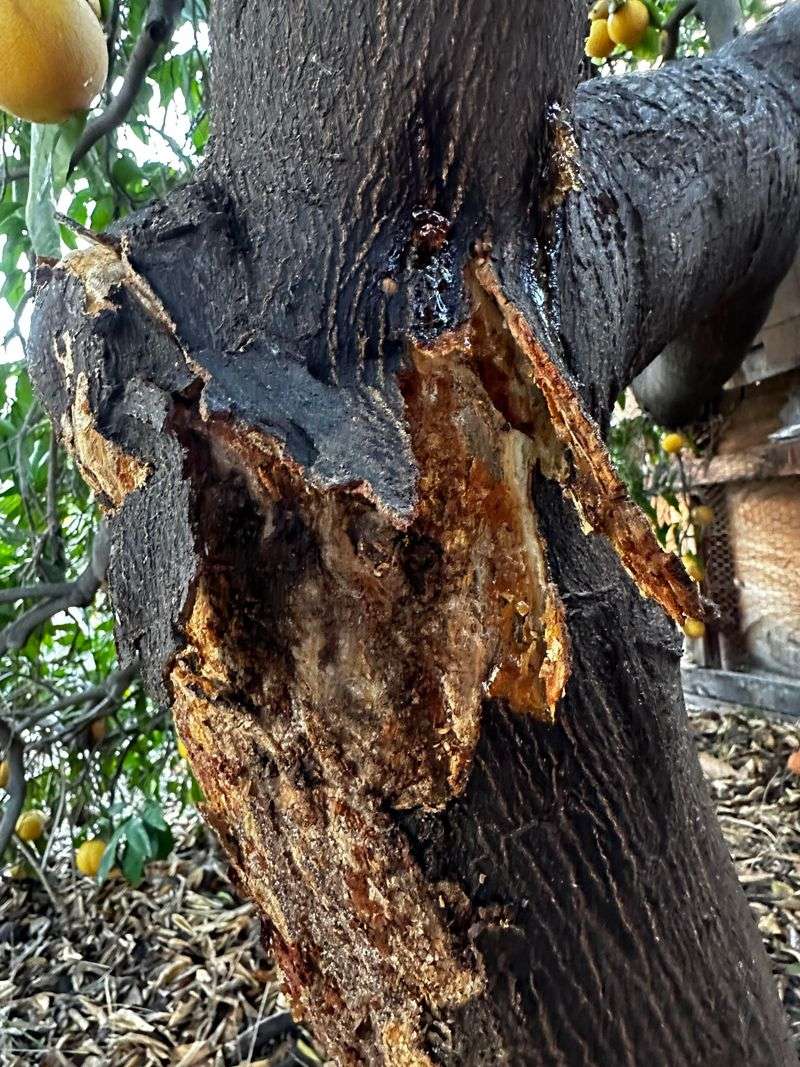
A phone photo can become surprisingly useful when a bark crack refuses to explain itself.
Take one from the same angle today, then compare the area over the next few weeks.
You are looking for change.
A stable, dry sunburn patch tells a different story from a dark lesion that keeps spreading around the lower trunk. Returning gum, soft tissue, fresh cracks, or increasing canopy decline all raise the stakes.
Check the whole tree while you are there.
Look at leaf color, new growth, irrigation patterns, the graft union, and the soil line. One symptom makes more sense when you know what the rest of the tree is doing.
Avoid turning observation into constant picking.
Peeling healthy bark, digging around roots, or scraping every suspicious edge can create injury while you are trying to diagnose one.
Get expert help when the pattern keeps expanding or the cause stays unclear.
A local UC Cooperative Extension or Master Gardener resource can help narrow common citrus problems, and a qualified tree professional may be useful for larger structural damage.
Early attention matters most when disease is spreading around the trunk.
For stable sun or freeze injury, patience may be just as valuable as action.
Citrus bark rarely sends a text explaining what happened.
A few photos, a look at the weather history, and some restraint can get you surprisingly close to the answer.