What Smart California Gardeners Do The First Week Of August That Most Homeowners Never Think To Try
The first week of August can slip by without much attention. The garden still looks full, summer crops keep producing, and fall feels comfortably far away.
That quiet stretch is exactly what makes it so useful. Experienced California gardeners often use these few days to set up the next phase of the season.
They know the garden has started to shift, even if it still looks like peak summer.
A small task now can save trouble later. It can also give plants a better chance to handle the heat that remains. Nothing dramatic. Just smart timing.
Most homeowners wait for obvious signs before they act. By then, the best window may have passed.
August rewards anyone who pays attention early. One thoughtful move during that first week can shape how the yard looks and performs long after summer starts to fade.
1. Check Irrigation Before Heat Peaks Again
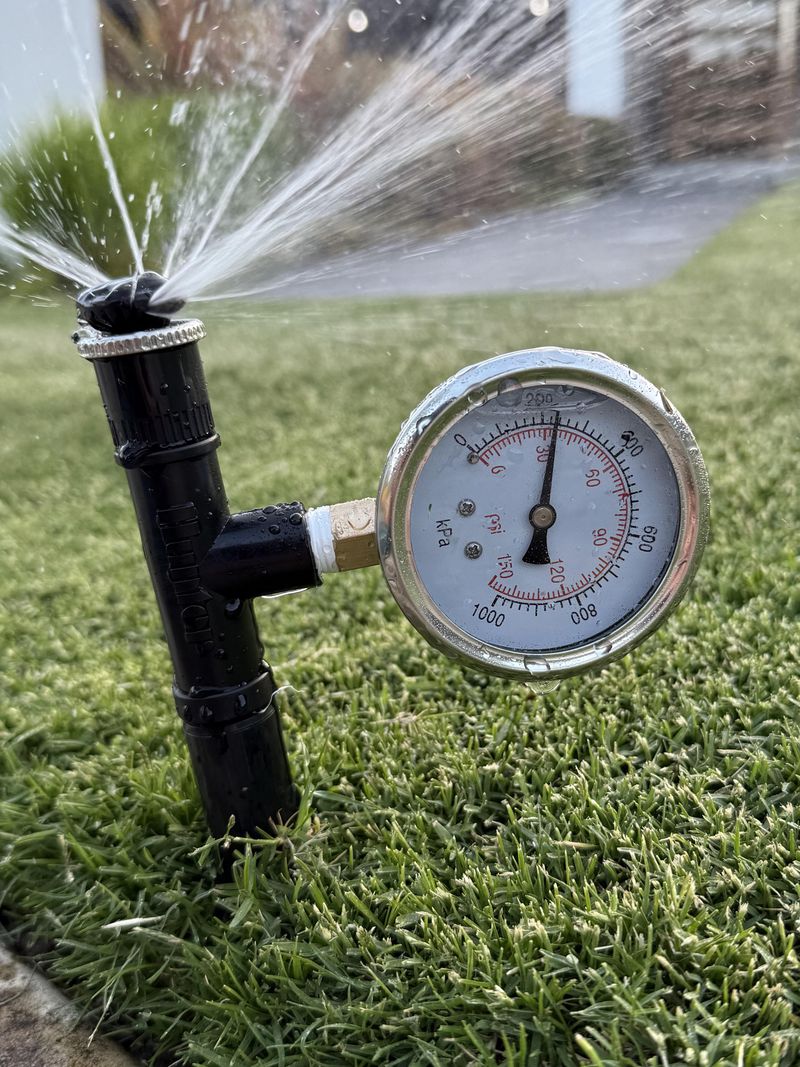
Most people set their irrigation system in spring and never look at it again. That is a costly mistake, especially when temperatures start climbing back into triple digits in late August.
A single clogged emitter or broken sprinkler head can quietly stress a plant for weeks before you ever notice the damage.
Walk your entire system during the coolest part of the morning. Look for dry patches, pooling water, or plants that seem wilted even after a watering cycle.
These are signs something is off. Check each drip emitter by hand to confirm water is actually flowing.
Flush filters if your system has them, and tighten any loose fittings you spot along the way.
Also review your watering schedule. Early August heat is different from June heat.
Many zones need longer run times now. Adjust your controller to reflect the current conditions rather than sticking with the schedule you set in May.
Most smart controllers can do this automatically, but a quick manual check never hurts. Trees and shrubs need deeper, less frequent watering, while vegetables may need daily attention.
Getting your irrigation dialed in now means your plants are fully supported before the next heat wave hits. A little time spent on this task can save both water and plants.
2. Refresh Mulch Before Soil Dries Out
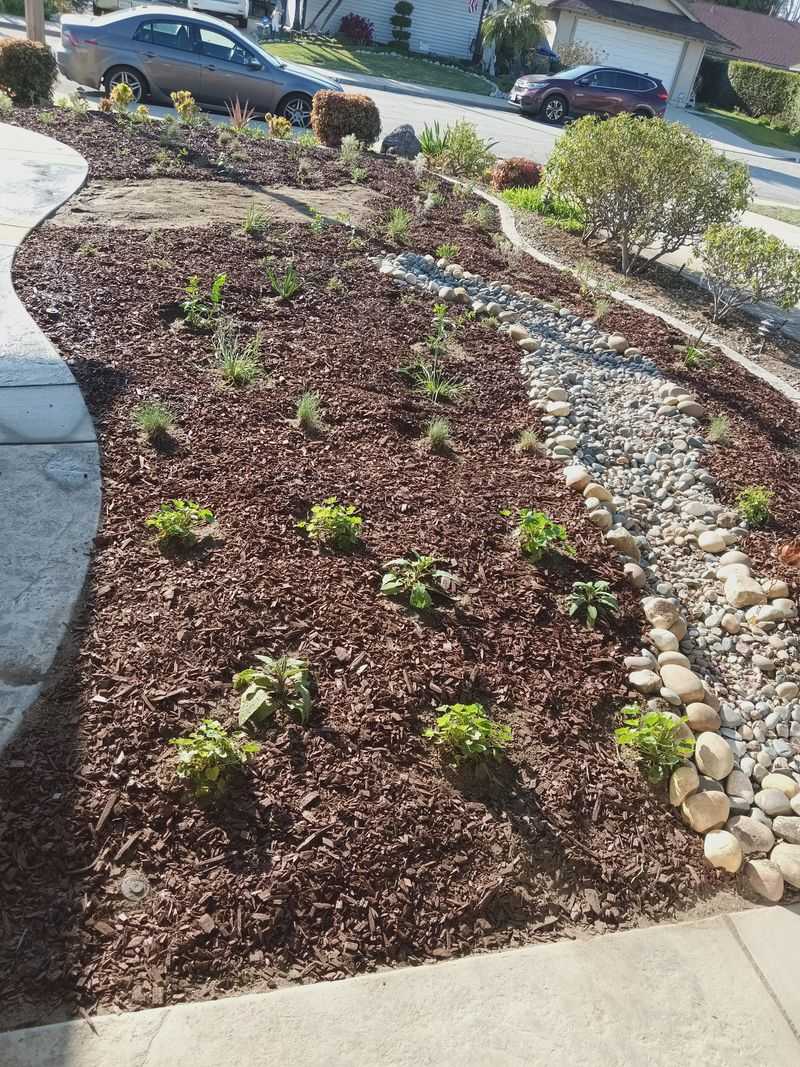
Bare soil in August is basically an open invitation for moisture to vanish fast. The sun beats down, the heat radiates back up, and within a day or two your topsoil can turn into something that looks and feels like cracked clay.
Mulch is one of the simplest tools a gardener has, and refreshing it now makes a huge difference.
Aim for a layer about three inches deep around trees, shrubs, and garden beds. Do not pile it against plant stems or tree trunks, though.
That traps moisture against the bark and can cause rot over time. Pull the mulch back a few inches from the base of each plant and let it sit like a ring instead of a mound.
Wood chips, straw, and shredded bark all work well in California. Each material holds moisture a little differently, but all of them slow evaporation, keep roots cooler, and reduce the number of times you need to water each week.
Your California Garden Changes Every Week. Your Plan Should Too.
Gardening in California changes quickly throughout the season. Every Friday you’ll receive a simple weekly plan showing exactly what to plant, prune, fertilize, harvest, and protect so you never miss the right timing.
Fresh mulch also suppresses weeds that would otherwise compete with your plants for water during this critical period. If your existing mulch looks faded, thin, or compacted, now is the right time to top it off.
You will notice the difference in your soil within just a few days of adding a fresh layer.
3. Start Fall Vegetables While Beds Are Warm
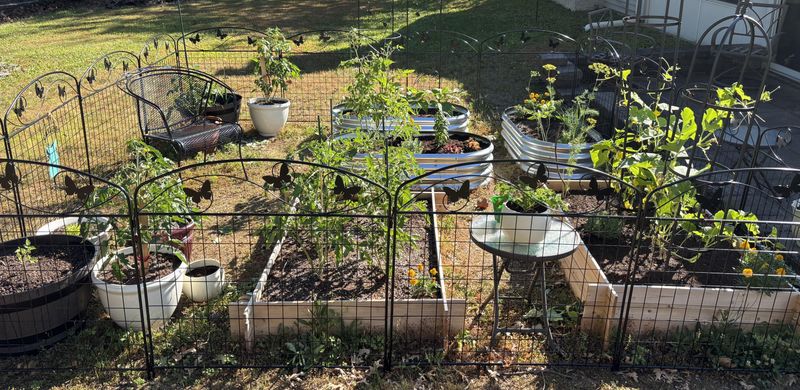
Here is something most homeowners never think about in early August: the soil is warm, the days are long, and fall vegetables actually need those conditions to get started. Waiting until September to plant cool-season crops is usually too late in many parts of California.
Smart gardeners use this exact window to get a head start.
Broccoli, cauliflower, kale, and lettuce all benefit from being started now. You can direct sow some of them or start seeds indoors if afternoon temps are still too fierce.
By the time cooler weather arrives in October, these plants will already be established and growing strong. That means you get a real harvest instead of a half-grown plant that barely makes it before the first frost.
Prepare your beds by removing spent summer crops and working in a bit of compost. The warm soil encourages fast germination, which gives seedlings a strong start.
Keep the soil consistently moist during germination, as hot and dry conditions can prevent seeds from sprouting properly. A light shade cloth draped over freshly seeded beds can help retain moisture and keep temps manageable.
In southern parts of California, you may have even more flexibility with timing. Check a local planting calendar for your specific region to confirm the best varieties and dates for your area.
4. Shade New Seedlings From Afternoon Sun
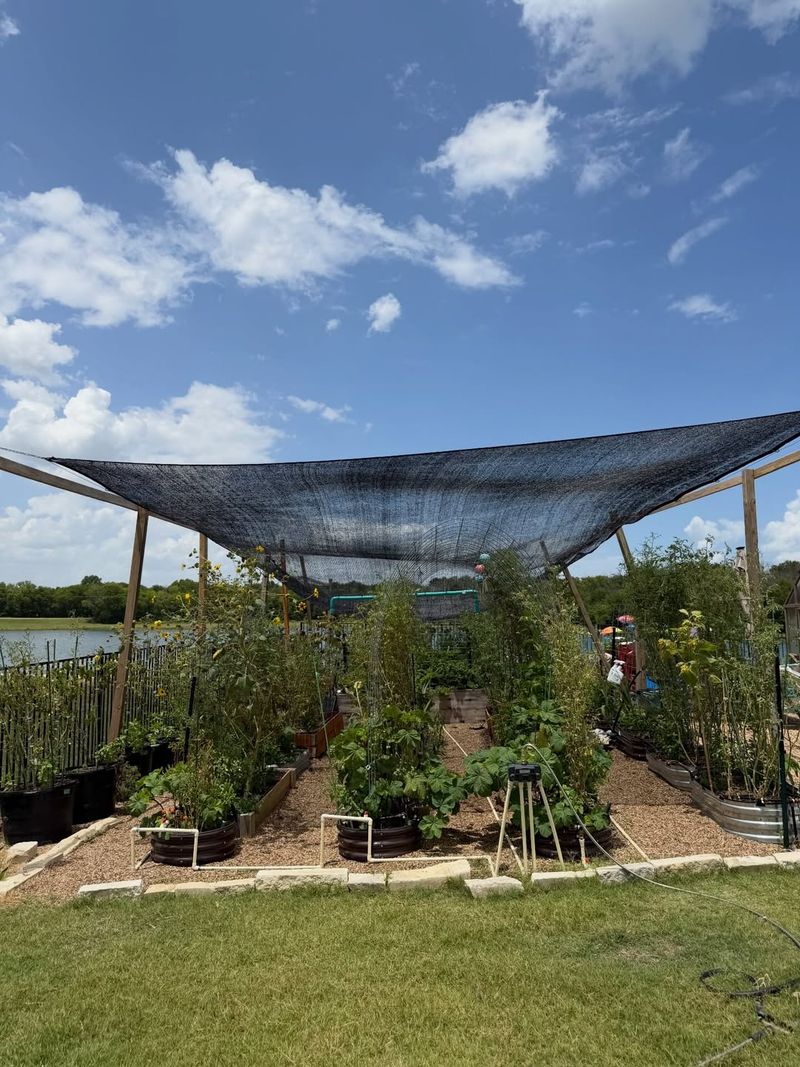
Young seedlings are tougher than they look, but afternoon sun in August can overwhelm even the most resilient ones.
Temperatures under direct sun can climb well above what the air thermometer reads, and small plants with shallow roots simply cannot keep up with that kind of heat.
Protecting them early gives them the best possible chance to thrive.
Shade cloth is an easy and affordable fix. A 30 to 40 percent shade cloth lets in plenty of light for growth while cutting the intensity of the harshest afternoon rays.
You can drape it over simple wire hoops or attach it to a basic PVC frame. It does not need to be fancy.
What matters is that your seedlings get relief from roughly noon to four in the afternoon, when sun angles are most intense.
You will notice a big difference in how quickly seedlings bounce back after a hot day when they have shade protection. Leaves stay greener, stems stay upright, and root development stays on track.
Without shade, seedlings often show signs of wilting, leaf curl, or sunscald, which sets them back by days or even weeks. Once plants are about six inches tall and roots are established, you can gradually reduce the shade coverage.
Transitioning them slowly to full sun helps prevent shock and keeps growth steady through the rest of the season.
5. Deep-Water Trees Before Stress Shows
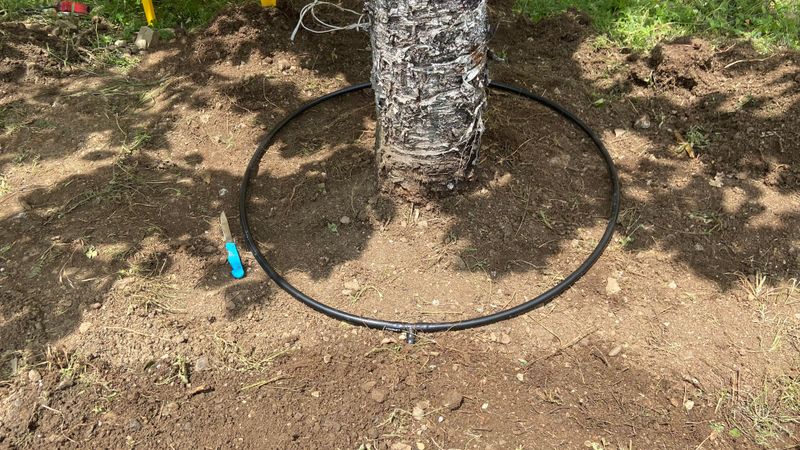
Trees are the quiet giants of any yard, and they rarely complain until things get serious. By the time you see wilting leaves, yellowing foliage, or early leaf drop in August, your tree has already been under significant stress for weeks.
Getting ahead of that stress with a deep watering session now is one of the smartest things you can do.
Shallow watering does not help mature trees much. Their roots go deep, and surface moisture evaporates before it ever reaches the root zone.
Instead, set up a slow drip or soaker hose at the drip line of the tree, which is the outer edge of the canopy, and let it run for several hours. This encourages roots to pull from deeper, cooler soil layers.
Established native trees like oaks can actually be harmed by summer watering if done too frequently. For those, one deep soak in late July or early August may be all they need.
Non-native fruit trees, ornamentals, and young trees planted in the last two to three years need more regular attention. Check soil moisture six inches down before watering.
If it is dry, water deeply. If it still feels damp, wait a few more days.
Knowing your tree types helps you water smarter, not just more. Your trees will reward that attention with strong, healthy growth into fall.
6. Cut Back Spent Summer Perennials
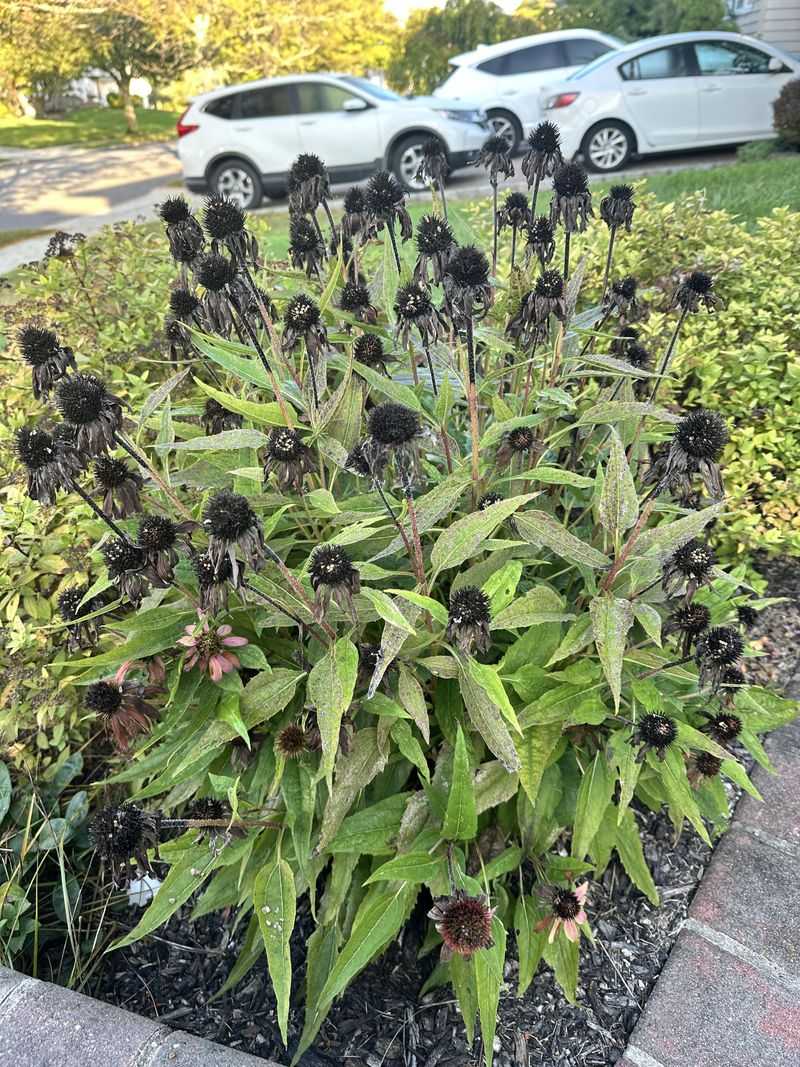
By early August, many summer perennials look a little rough around the edges. Salvias, lavender, and coneflowers that bloomed beautifully in June and July are now producing fewer flowers and a lot more scraggly stems.
Cutting them back now does not hurt them. In fact, it wakes them right up.
A good cutback encourages fresh growth from the base of the plant and often triggers a second bloom cycle in fall. Use clean, sharp pruners and cut stems back by about one third to one half.
Avoid cutting all the way down to the crown unless the plant is truly spent. Leaving some foliage helps the plant recover faster and keeps the root system protected from the sun.
After cutting back, give plants a light feeding with a balanced fertilizer to support the new growth that is coming.
Some gardeners skip this step, but a small boost of nutrients right after pruning makes a noticeable difference in how quickly plants flush out again.
Water deeply after fertilizing to help nutrients reach the root zone. Remove all the clippings from the bed to reduce the risk of pests or fungal issues.
In many parts of our state, perennials that get a proper August cutback look absolutely stunning by September and October. It is one of those small efforts that delivers an outsized reward come fall.
7. Remove Fire Fuel Near The House
Fire season is not something to take lightly, and early August is exactly when conditions get most dangerous.
Dry vegetation, low humidity, and hot winds create a perfect storm that can turn a spark into a serious threat very quickly.
Clearing fire fuel near the house is not just smart gardening. It is essential safety work.
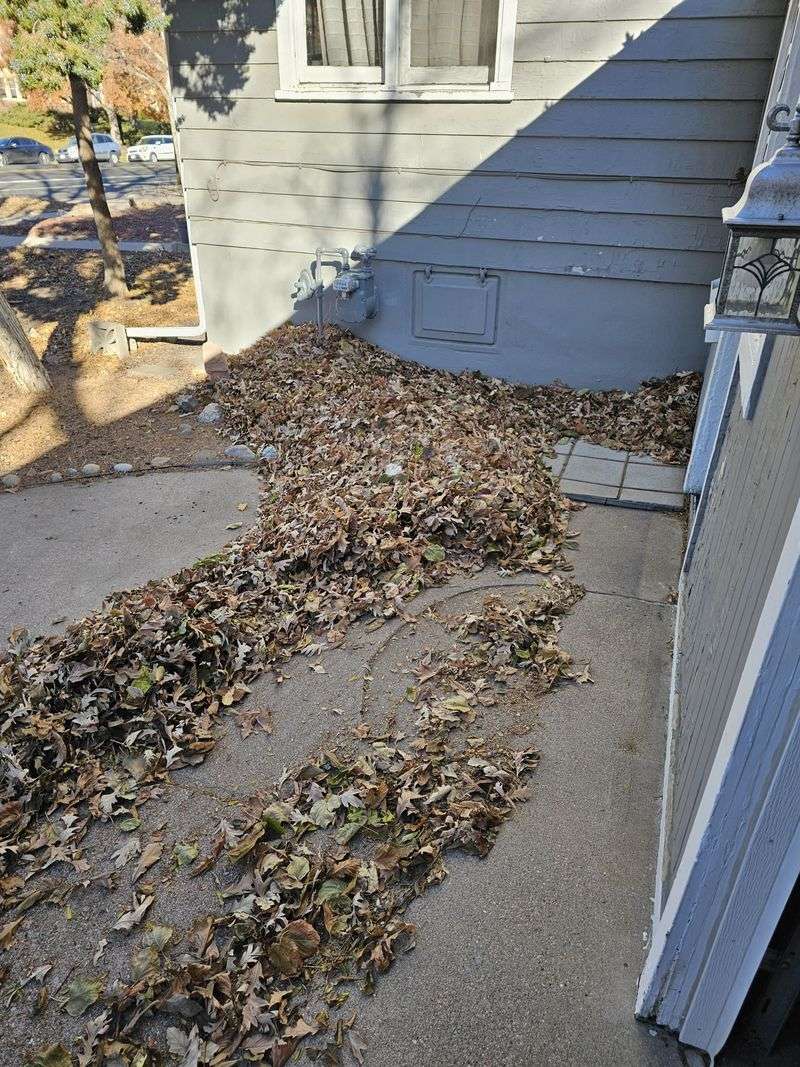
Start within the first five feet around your home. Remove all withered plant material, dry leaves, and anything that could catch a spark and carry flame to your walls or roof.
Move outward from there, thinning plants so they are not touching each other. Ember cast is one of the biggest threats during a fire, so gaps between plants matter a lot.
Check along fences, under decks, and near vents or utility areas. These spots collect debris and are often overlooked during routine yard cleanup.
Replace highly flammable plants near the house with fire-resistant varieties like succulents, agaves, or native groundcovers that hold less moisture but burn more slowly. Keep lawn grass short and well-watered if possible.
Store firewood well away from the structure. Northern regions and foothill communities face especially high risk, but even urban yards benefit from this kind of clearance.
Taking a few hours now to reduce fire fuel could make a life-saving difference when conditions turn extreme later this month or in September.
8. Watch For Spider Mites On Stressed Plants
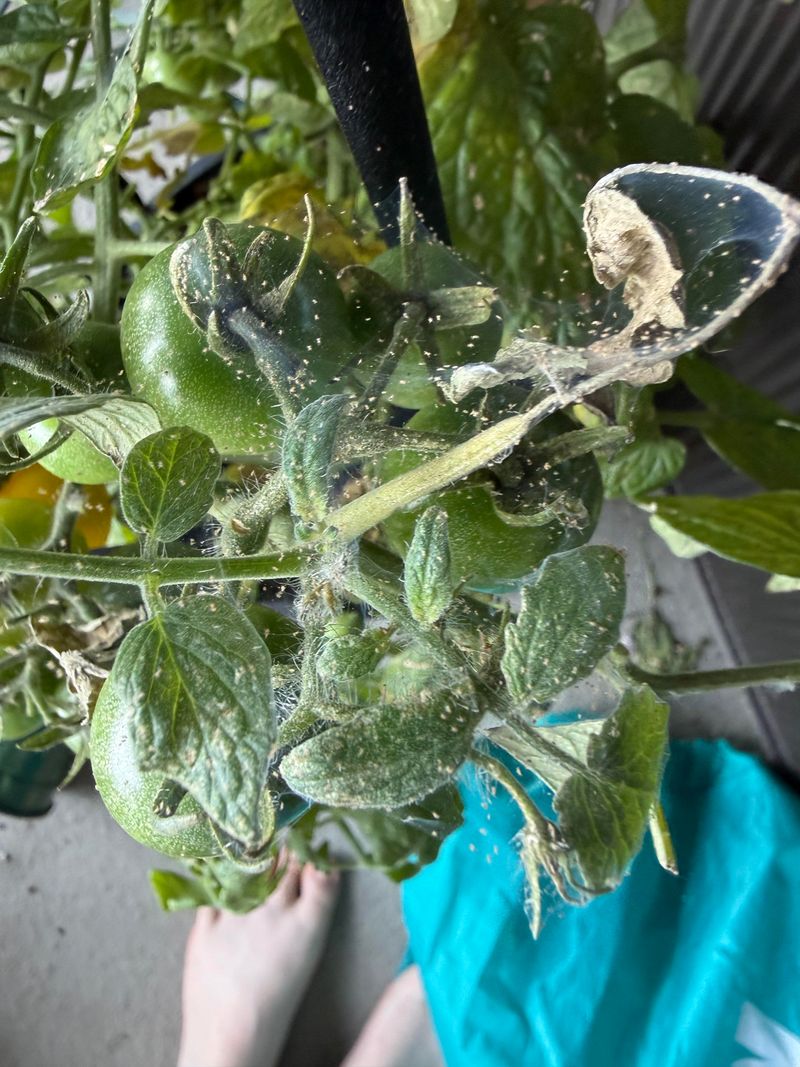
Spider mites love hot, dry conditions, which makes early August prime season for an infestation.
These tiny pests are barely visible to the naked eye, but the damage they leave behind is hard to miss.
Leaves start to look dusty, speckled, or bronzed, and fine webbing appears on the undersides of foliage. If you spot these signs, act fast.
Check plants that are already under heat or drought stress first. Roses, tomatoes, beans, and fruit trees are common targets.
Turn leaves over and look closely. You can also hold a sheet of white paper under a branch and tap it gently.
If tiny moving specks fall onto the paper, you have mites. They multiply incredibly fast in warm weather, so catching them early matters a lot.
A strong blast of water from the hose knocks mites off plants and disrupts their colonies effectively. Do this in the morning so foliage dries before evening.
For heavier infestations, neem oil or insecticidal soap sprays work well and are safe for most garden plants. Repeat treatments every five to seven days for at least two to three weeks to break the mite life cycle.
Keeping plants well-watered and healthy is the best long-term prevention. Stressed plants are far more vulnerable, so fixing underlying water or heat issues helps reduce mite pressure across your entire garden.
9. Harvest Fruit Before Pests Find It
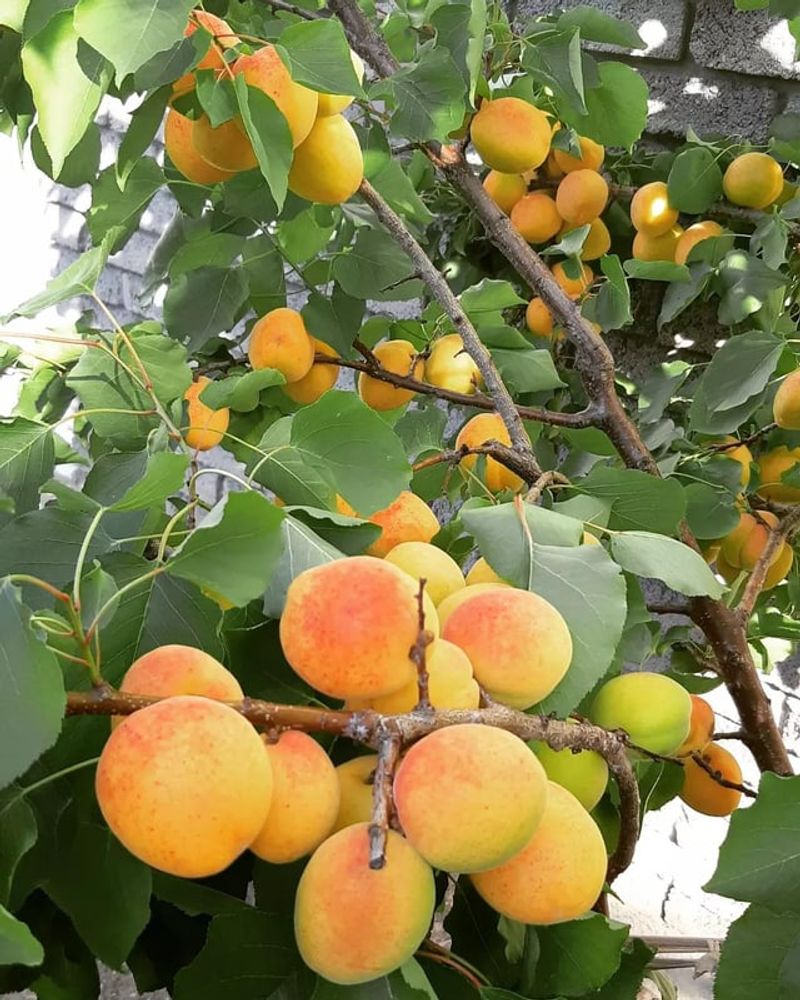
Ripe fruit does not wait, and neither do the pests that want it.
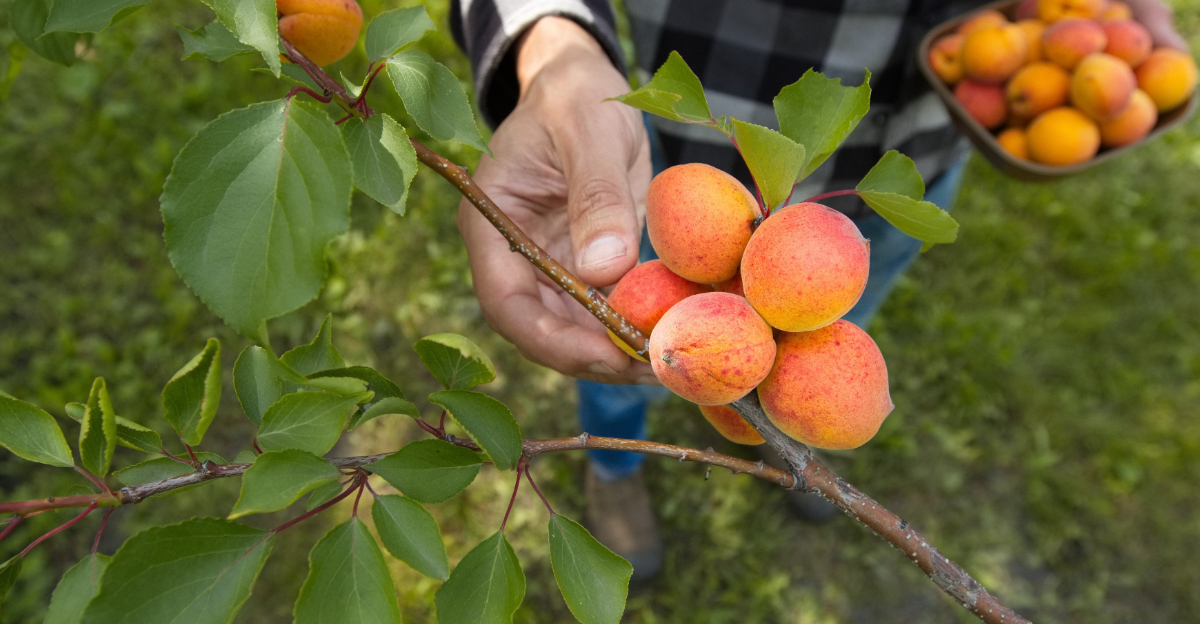
Figs, peaches, plums, and early apples are hitting their peak right now in many parts of California, and leaving them on the tree even a day or two too long opens the door to fruit flies, birds, squirrels, and a host of other visitors.
Check your fruit trees every single day during peak ripeness. Look for softening skin, deep color, and fruit that comes away easily with a gentle twist.
Do not wait for fruit to fall on its own. Fallen fruit on the ground attracts pests and can spread fungal disease to the soil and nearby roots. Pick it up immediately or remove it from the yard entirely.
Harvesting on a consistent schedule also encourages the tree to put energy into ripening remaining fruit rather than trying to hold overripe pieces. After each picking session, inspect the tree for any damaged or diseased fruit and remove it right away.
Storing your harvest properly is just as important as picking at the right time. Most stone fruits keep best at room temperature for a few days or in the refrigerator for up to a week.
Figs are more delicate and should be eaten or preserved within a day or two of picking for the best flavor and quality.