Why California Cilantro Bolts So Fast And What Actually Slows It Down
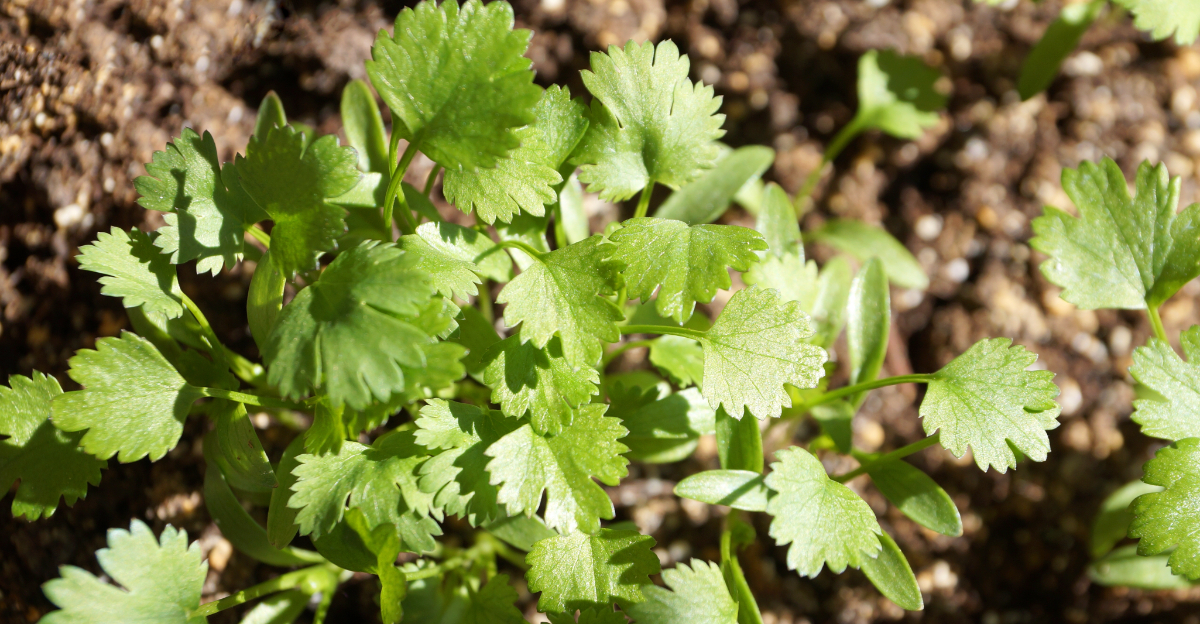
California cilantro can look generous right up until the center suddenly shoots skyward.
Broad leaves give way to fine, feathery growth. A flower stalk rises. That big bunch you planned for salsa suddenly cares far more about seed than supper.
The change feels abrupt, but the plant has tracked its surroundings all along.
Warm weather matters. Longer days matter too. Dry soil can push the plant harder, while a hot patio or exposed inland bed can shorten the leafy phase even more.
So can gardeners actually slow the rush?
Yes, within limits.
Cilantro is an annual, and the flower stage is part of its normal life cycle. The trick is not to stop that clock forever. It is to remove avoidable stress, choose a cooler spot, keep moisture steady, and sow fresh batches before the older plants switch jobs.
California gives you one major advantage.
Its many climates create more than one cilantro season.
Learn where your garden runs cool, and the taco garnish can stay leafy much longer there.
1. Blame Heat For The Fast Flower Stalk
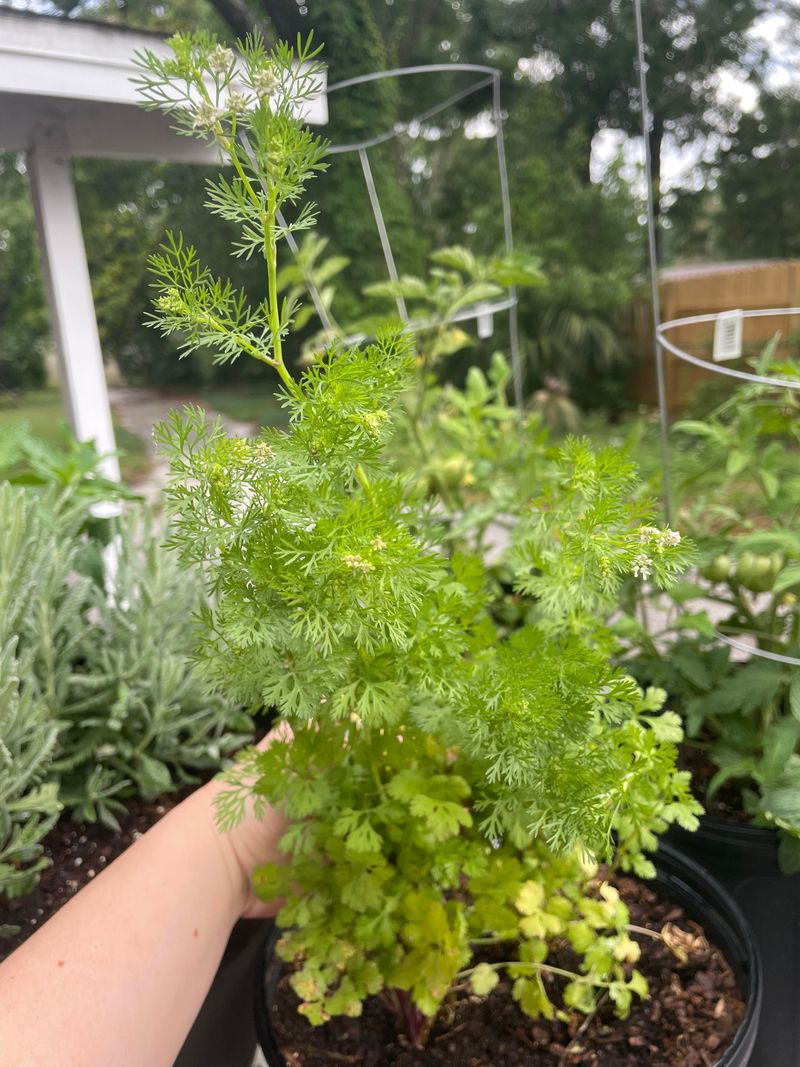
That sudden center stalk usually starts with weather, not bad luck.
Cilantro is a cool-season annual. Warm conditions speed its shift from broad leaves toward flowers and seed, and longer days add another push. California gardens with hot microclimates can see that change far sooner than milder sites.
Watch the center of the plant rather than wait for white flowers.
The first sign is often a taller central stem with finer leaves. Once that change starts, the plant has entered its reproductive phase. Cooler weather can delay the shift, but no treatment sends a mature plant back to its original leafy stage.
Use season choice as your strongest tool.
In many California gardens, fall and early spring give cilantro a longer leafy run than the hottest part of summer. Light shade can help in hot microclimates, and warm weather plus longer days can speed the bolt.
Choose a slow-bolt variety for another small advantage. Slow Bolt, Slo-Bolt, Calypso, and Santo appear in California recommendations for leaf production.
Do not expect the name on the packet to beat a heat wave forever.
It buys time, not immortality.
Cilantro is less stubborn than it looks. The plant simply reads the season well and races toward seed before summer takes full control.
2. Afternoon Shade Can Buy The Leafy Stage More Time
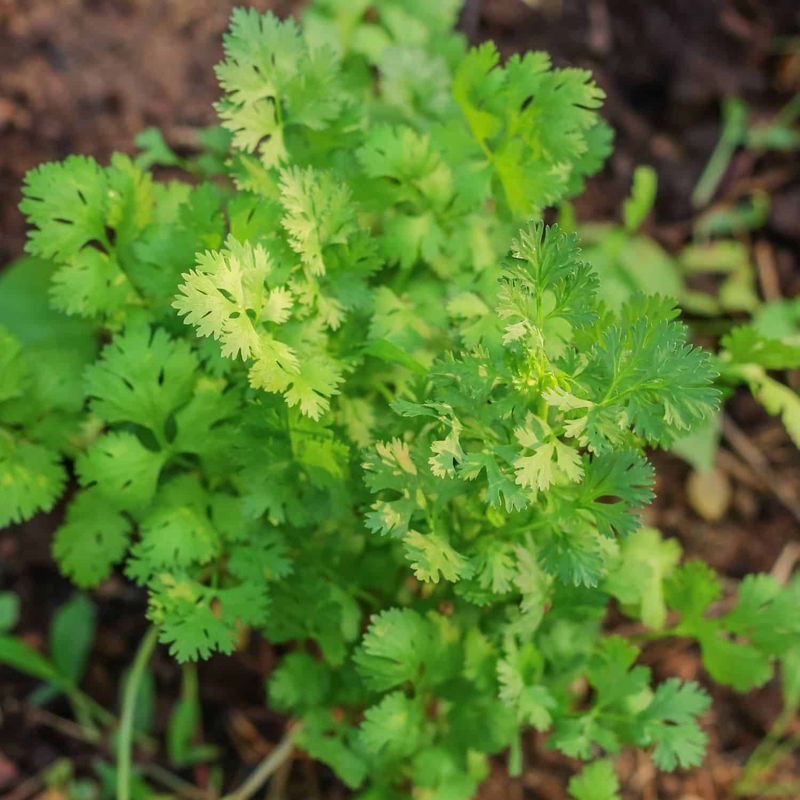
The hottest corner of the yard is a poor place to ask for weeks of tender cilantro leaves.
Give the crop strong light without the hardest late-day heat. In a hot California microclimate, light shade can help, while cooler sites can handle more direct sun.
Use nearby plants as free protection.
A taller tomato cage, trellis, fence, or wall on the east side can block part of the western sun while leaves still receive useful light earlier in the day. Keep enough open sky above the patch so the plants stay compact rather than pale and stretched.
Containers offer another advantage.
Your California Garden Changes Every Week. Your Plan Should Too.
Gardening in California changes quickly throughout the season. Every Friday you’ll receive a simple weekly plan showing exactly what to plant, prune, fertilize, harvest, and protect so you never miss the right timing.
Move the pot out of a heat trap during a severe hot spell. Concrete, masonry, and dark patio surfaces can make the root zone warmer than the nearby air, so a cooler location can ease stress and keep the plant outdoors.
Avoid deep, all-day shade.
Cilantro still needs good light for sturdy leaf production. The goal is heat relief, not darkness. Full sun to light shade suits the crop, with extra shade useful in hotter microclimates.
Give the bed a midday check during the first hot stretch.
Leaves that stay upright in the morning but collapse hard each afternoon signal that the site may be too exposed.
A little strategic shade will not stop the life cycle.
It can, however, make each sunny California afternoon less of a final exam for a crop that already prefers cooler conditions.
3. Steady Moisture Removes One Bolt Trigger
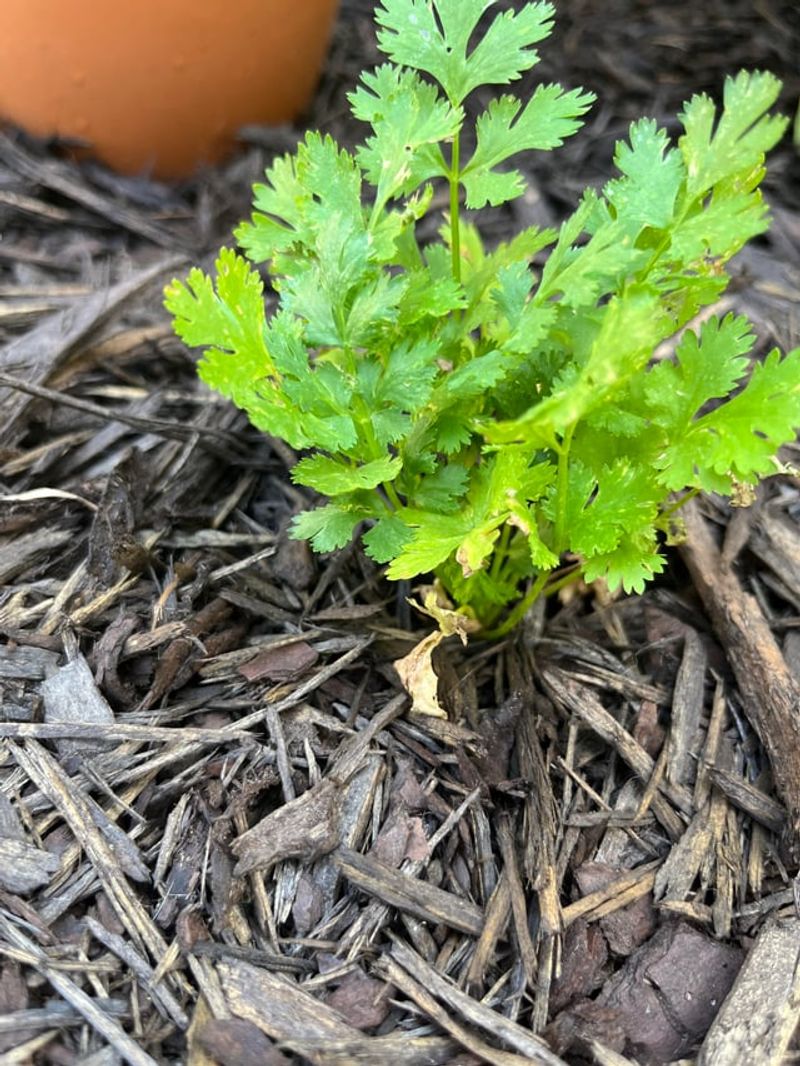
Dry soil can push a short-lived herb toward an even shorter harvest.
Keep the root zone consistently moist, but never swamp it. Dry soil and irregular water can speed the bolt, while regular moisture supports a more robust plant.
Check below the surface before you reach for the hose.
The top layer can look dusty while useful moisture still sits underneath. Press a finger into the soil and water once the root zone starts to lose that cool, damp feel.
Annual herbs need regular moisture, and shallow-rooted herbs generally benefit from water that reaches several inches into the soil.
Mulch can make that job easier.
A thin layer of clean straw, shredded leaves, or another light organic mulch slows surface moisture loss and buffers the soil from sharp temperature swings. Keep the material a little away from the stems so the crown stays open.
Use drip or a gentle soil-level flow where practical.
The goal is an even root zone, not a wet leaf canopy. A deep drink followed by a reasonable interval usually serves the plant better than repeated tiny splashes that barely wet the surface.
Do not turn consistency into constant saturation.
Roots still need air.
Your cilantro does not need spa treatment. It needs fewer surprises.
Take away the dry-wet roller coaster, and one major stress signal disappears from the plant’s rush toward flowers.
4. A Roomier Pot Makes Heat And Dryness Easier To Manage
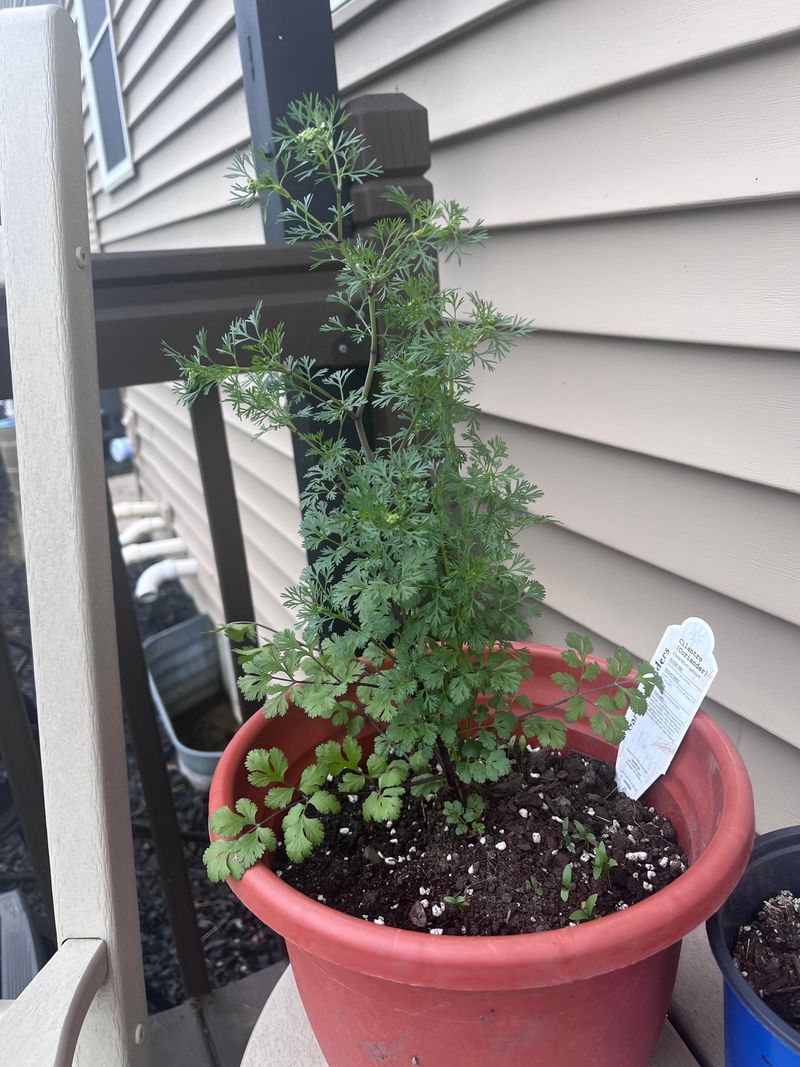
A tiny black nursery pot can turn cilantro season into a very short story.
Use a container with enough soil volume to hold moisture and buffer rapid heat changes. For a dense crop, one tested method uses a broad bowl at least 18 inches wide and 8 to 10 inches deep, paired with fast-drained potting mix.
That width does useful work.
You can sow several small patches across the surface and harvest different sections in sequence. More soil also dries less abruptly than a shallow seed tray perched on hot concrete.
Keep drainage holes open from day one.
A larger pot solves nothing once water collects around the roots. Use potting mix rather than dense garden soil, and let excess water leave freely after each soak.
Place the container where you can move it.
During a hot inland spell, slide it toward light afternoon shade. During cooler weather, return it to stronger sun. A hot climate is one situation where light shade can benefit container cilantro.
Do not obsess over the material alone.
A light-colored container may stay cooler than a dark one in direct sun, but location, soil volume, moisture, and airflow matter too.
Lift the pot occasionally.
A suddenly feather-light container often tells you the root zone dried before the leaves make the complaint obvious.
Give cilantro enough room for roots and enough soil to hold a drink.
The taco garnish should not live in a thimble.
5. Staggered Batches Beat The One-Crop Crash
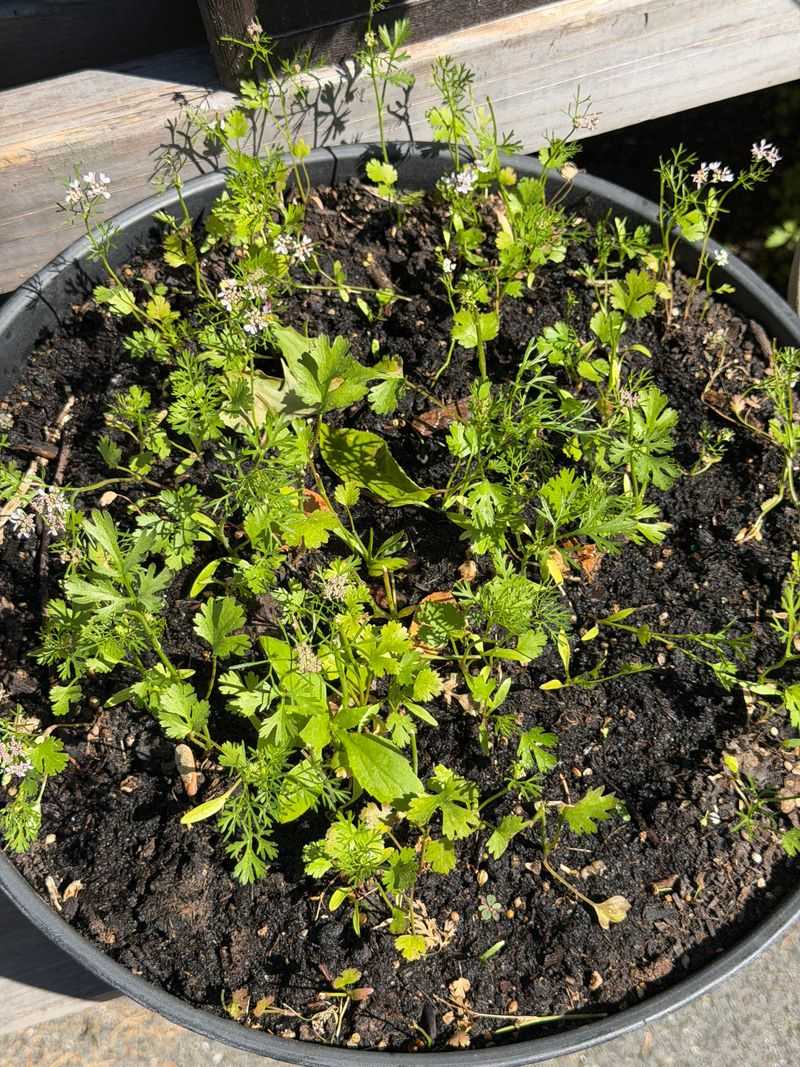
One seed packet sown on one afternoon creates one very predictable cilantro shortage later.
Break the packet into smaller batches.
Fresh seed every one to three weeks keeps a new crop close behind the old one, with two to three weeks a common interval.
The idea is simple: one patch reaches peak harvest while the next remains young and another waits just behind it.
This does not make an individual plant bolt more slowly.
It does something more useful.
A staggered seed schedule keeps fresh leaves available after the oldest group decides its leafy career is over. That distinction matters because no garden trick can freeze cilantro in the same stage forever.
Direct sow where practical.
Cilantro forms a taproot and does not love root disturbance, so seed placed in its final bed or container avoids an unnecessary setback. Sow only the amount your kitchen can use before the next batch catches up.
Mark the dates.
A plant label, wooden stick, or small note beside the row keeps each patch distinct. Harvest the oldest section first and leave younger plants to build size.
Adjust the interval with the season.
Warm weather can shorten each crop, while cooler fall conditions can stretch it. Your schedule should respond to the garden rather than a rigid calendar.
Cilantro loves to leave early.
The easiest answer is not to argue with one plant.
Keep the replacements queued behind it.
6. Harvest Early Enough To Catch The Best Leaves
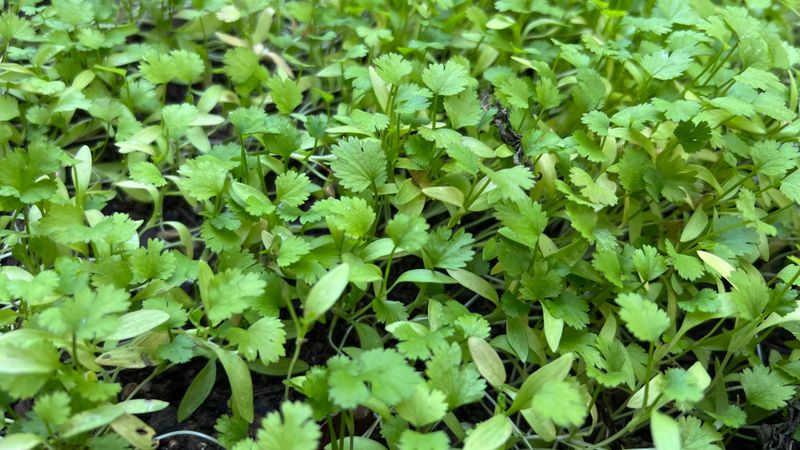
A pair of scissors can buy better leaves, but it cannot rewrite the season.
Harvest once plants have enough size to spare stems. Frequent harvest and removal of outer leaves or stems can encourage fresh, tender growth while center leaves remain in place.
Take modest amounts at a time.
Cut stems near the base rather than shave the whole plant flat. Leave the center intact so new leaves have somewhere to emerge. A section-by-section harvest works especially well in a broad container with several dense patches.
Watch leaf shape as you cut.
Broad lower leaves belong to the leafy phase. Fine, feathery upper leaves and a tall center stem signal that the plant has already started its move toward bloom.
That is the moment for a generous kitchen harvest.
Do not assume constant cuts can hold the plant forever. Heat and day length still control the larger seasonal response. Harvest helps you capture more usable foliage, not cancel biology.
Keep clean scissors near the bed.
A quick snip at dinner time becomes much more likely when the tool does not require a garage expedition.
Cilantro has a habit: its best stage often lands during the three days you forget to check it.
Beat the flower stalk to the kitchen board, and the plant’s short season feels much less rude.
7. Pinch The First Flower Stalk, But Expect A Limit
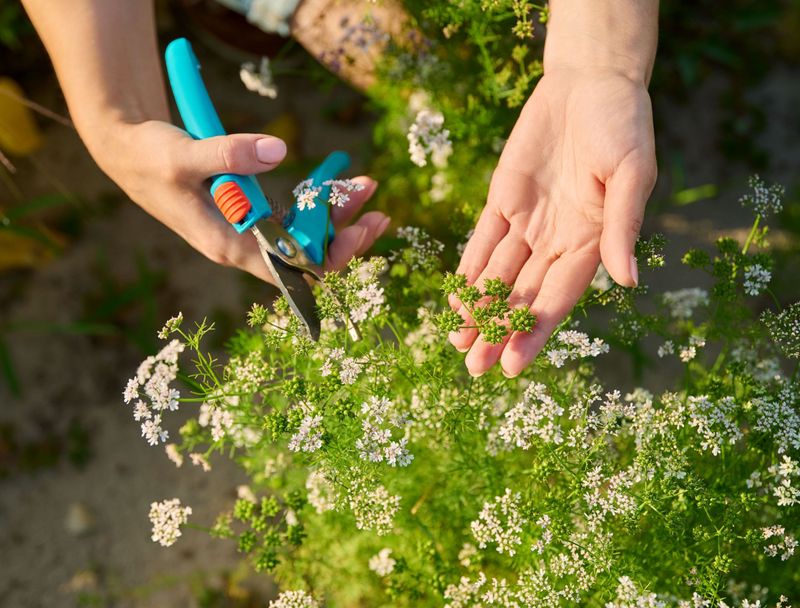
The first flower stem deserves a quick pinch, followed by realistic expectations.
Remove the stalk while it is still small. Flower removal can help preserve better leaf flavor and keep the current plant useful for a little longer.
Do not call it a reset.
Once warm weather and longer days have pushed cilantro into its reproductive phase, another stalk can follow. That first pinch removes the current flower stem, but it does not erase the environmental signals that started the process.
Combine the pinch with cooler conditions.
Move a pot toward light shade, restore even soil moisture, and harvest mature leaves promptly. Those steps remove extra stress while the plant still has some leafy growth left to give.
Inspect the center every few days.
A new vertical stem can rise quickly above the broader leaves. Catch it early, before buds open, and cut it near its base without damage to the crown.
Stop the battle once the plant becomes mostly fine leaves and repeated flower stems.
At that point, the better move is usually a fresh batch rather than endless surgery on an annual near the end of its leaf phase.
Save your persistence for the next crop.
Cilantro can be persuaded to linger.
It cannot be talked out of adulthood forever, no matter how persuasive your garden scissors look.
8. Let One Bolted Plant Pay You Back In Coriander
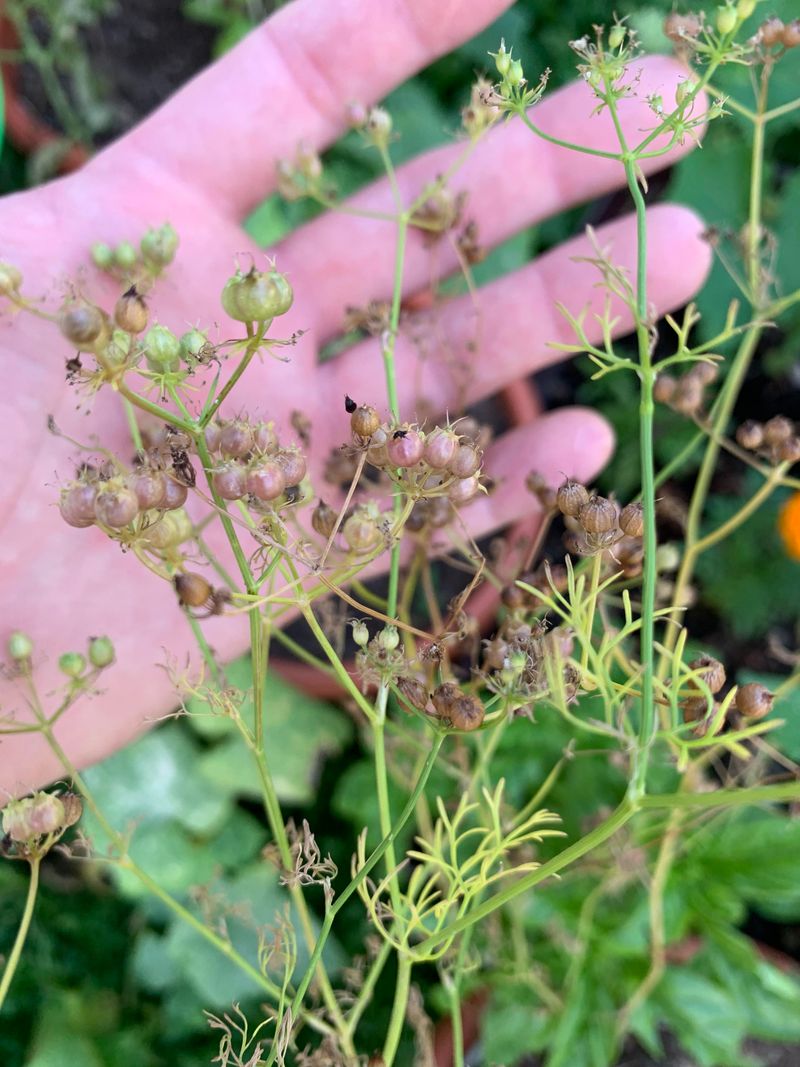
A bolted plant can still earn its square foot.
Leave one healthy specimen alone and let the white flower clusters open. Cilantro flowers attract bees and other beneficial insects, and the mature seed becomes coriander for the kitchen or seed for a later crop.
Wait for the seed to change color.
Collect the seed once it turns brown or tan. Cut the dry heads before too much seed drops, then finish the process in a paper bag or another dry, airy container.
Save some for spice.
Store fully dry coriander seed in a sealed jar away from heat and strong light. Crush only what you need so the aroma stays stronger in the whole seed.
Keep another portion for the garden.
A labeled envelope gives you a fresh batch for the next suitable season. This also turns one early bolt into something useful rather than a plant you resent every time you pass the bed.
The flowers deserve a little patience too.
Beneficial insects can use them while the rest of the cilantro patch stays focused on leaves. One plant can handle the seed job while younger batches handle dinner.
That division of labor works surprisingly well.
Once cilantro leaves the leaf-crop stage, it does not become useless.
It simply changes departments.
Let one overachiever finish the paperwork and send coriander home with you.