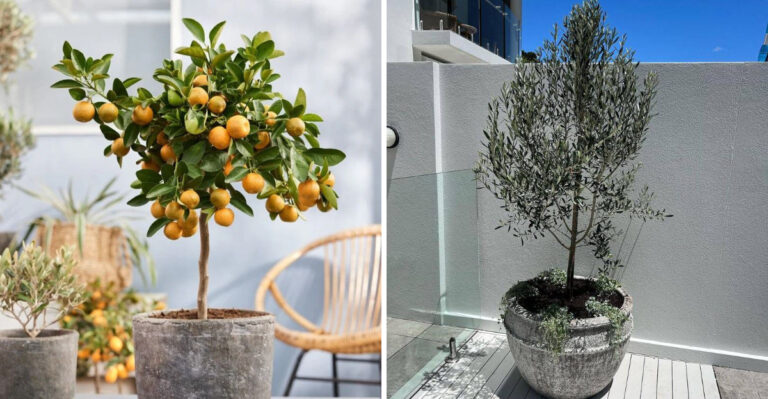
This Arizona Citrus Tree Needs Less Water Than Most Homeowners Expect
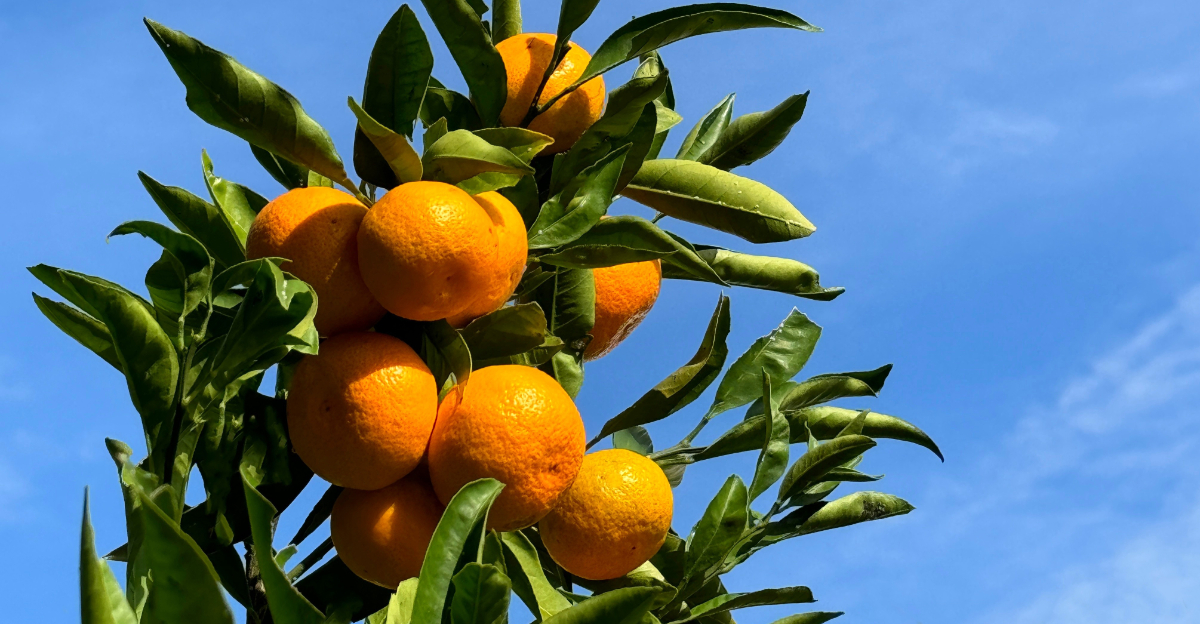
Watering more often feels like the safest choice when temperatures stay above 100 degrees. That habit makes sense, but it is not always what every citrus tree needs.
Some varieties handle dry conditions better than people expect once they have developed a strong root system. Extra watering can even create problems if the soil never has a chance to drain.
Instead of following the same routine for every tree, it helps to understand how a specific variety grows and uses moisture.
Many yards throughout Arizona include this dependable citrus because it stays productive without demanding constant attention.
A few simple adjustments can keep it healthy through the hottest weeks of summer while helping you avoid wasting water.
1. The Answer Is A Mandarin Tree
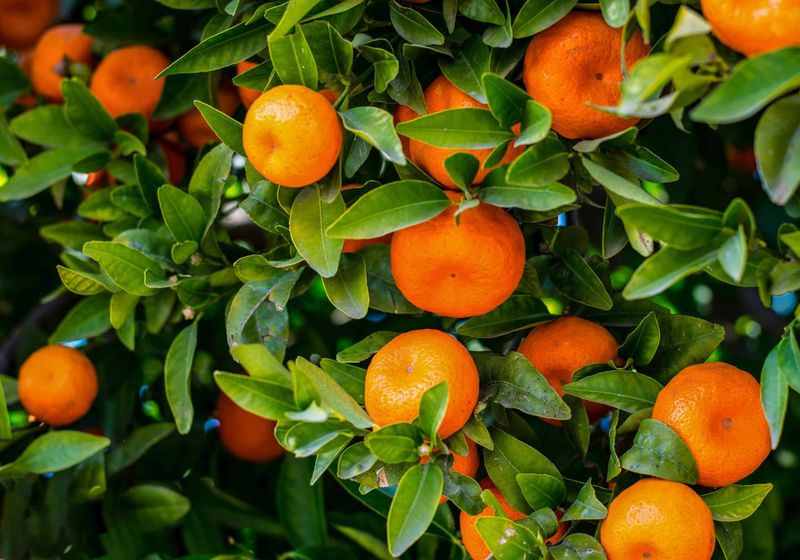
Mandarin trees are quietly one of the best-kept secrets in desert gardening. Most homeowners expect citrus to be high-maintenance and water-hungry, but mandarins break that assumption pretty fast.
Compared to other citrus varieties, mandarins tend to tolerate dry spells better once they settle in.
They are not completely drought-proof, but established trees can go longer between waterings than oranges or grapefruits typically can.
Warm, dry summers actually suit them well. Mandarins prefer heat and do not struggle in temperatures that other fruit trees might find stressful.
In desert regions like the low desert valleys, mandarins fruit reliably from late fall into winter. That harvest window is a bonus when most other fruit trees have already wrapped up for the season.
Varieties like Satsuma, Clementine, and Kishu are popular choices. Each one has slightly different water needs and cold tolerance, so picking the right variety for your specific yard matters.
Satsuma mandarins, for example, handle cooler winter nights better than most. Clementines tend to produce sweeter fruit in very hot summers.
Starting with a healthy nursery tree from a reputable local grower gives you a strong foundation. A good start saves a lot of trouble later on down the road.
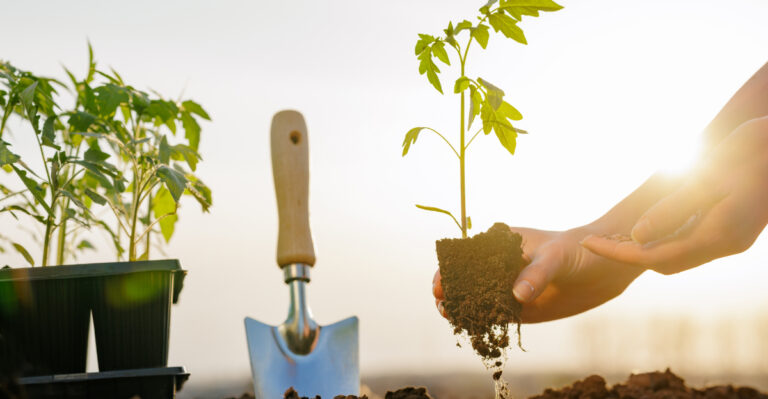
2. Plant It At The Same Depth As The Nursery Pot
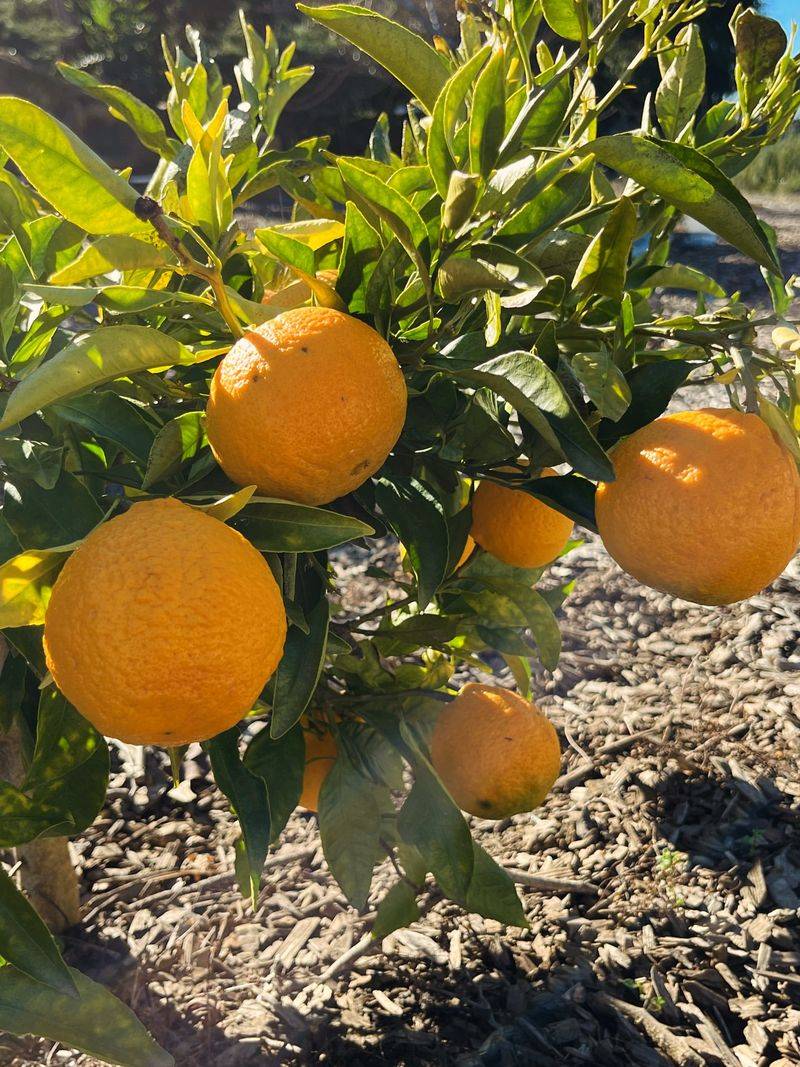
Planting depth is one of those details that sounds minor but makes a real difference long-term. Set the tree too deep, and moisture collects around the trunk, which can cause rot over time.
When you pull the tree from its nursery container, check where the soil line sits on the trunk.
That line should match the soil level in your planting hole exactly.
Dig the hole about two to three times wider than the root ball but no deeper. Wide holes loosen the surrounding soil and encourage roots to spread outward naturally.
Backfill with the native soil you removed. Amending heavily with compost or rich soil can actually slow root expansion in desert conditions.
After planting, water the root zone thoroughly.
A slow, deep soak helps the roots make contact with the surrounding soil and reduces transplant stress.
Build a small watering basin around the tree by mounding soil into a ring about two feet out from the trunk. This keeps water focused right where the roots need it most.
Your Arizona Garden Changes Every Week. Your Plan Should Too.
Gardening in Arizona changes quickly throughout the season. Every Friday you’ll receive a simple weekly plan showing exactly what to plant, prune, fertilize, harvest, and protect so you never miss the right timing.
Avoid piling mulch directly against the trunk. Keep a few inches of space clear so air can circulate and moisture does not sit against the bark.
Getting the planting right from day one sets the tree up for stronger growth in Arizona’s intense climate.
3. Leave Enough Space For Full Canopy Growth
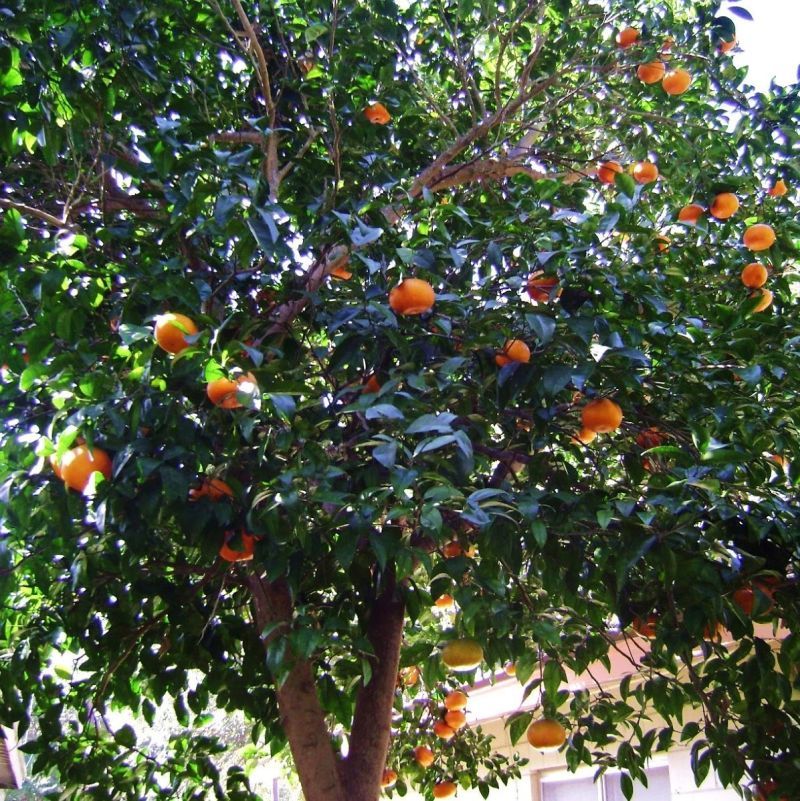
Crowding a mandarin tree is a mistake that is hard to undo later. Give it room from the start, and it will reward you with better airflow, more fruit, and fewer pest problems.
Most mandarin varieties reach about ten to fifteen feet wide at maturity. Planting too close to a fence, wall, or other tree forces the canopy to compete for light and space.
Good airflow through the canopy reduces humidity pockets around the leaves.
In a desert climate, that matters less than in humid regions, but it still affects how well the tree handles certain fungal issues.
Spacing also affects how evenly sunlight reaches the fruit. Mandarins need full sun to develop good sugar content and deep color.
When planning your yard layout, place the tree at least ten feet from structures and other plantings. A little extra space now prevents a lot of pruning headaches down the road.
Root spread follows canopy spread fairly closely. Keeping the tree away from sidewalks and irrigation lines protects both the infrastructure and the roots.
Dwarf mandarin varieties exist if space is genuinely limited.
They still need adequate room, but they top out smaller and work better in tighter spots or large containers.
Proper spacing is one of those decisions you make once but benefit from for many years of harvests.
4. Feed It With A Citrus Fertilizer
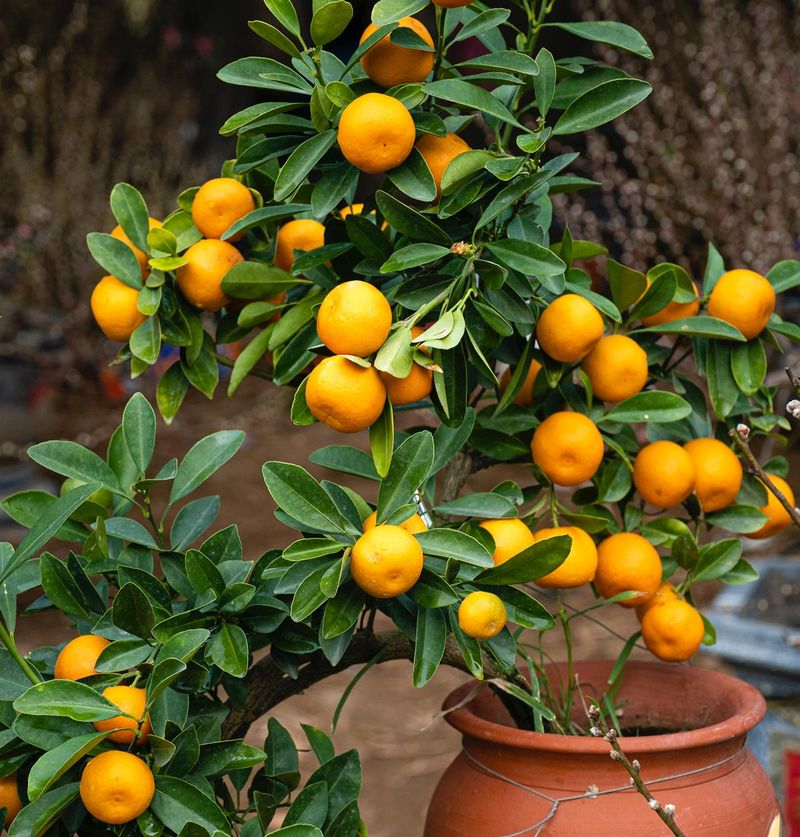
Mandarins are not heavy feeders, but they do have specific nutrient needs that regular garden fertilizers often miss. Citrus-specific blends are formulated with the right ratios of nitrogen, iron, zinc, and manganese.
Desert soils tend to be alkaline, which locks up certain micronutrients.
Even if those nutrients exist in the soil, the tree cannot always access them without a little help.
Yellowing leaves between the veins, known as chlorosis, often signal a micronutrient deficiency rather than a watering problem. A citrus fertilizer with chelated iron usually addresses this fairly well.
Apply fertilizer in late winter, late spring, and early fall. Avoid feeding in midsummer heat or late fall when the tree is heading into cooler weather and slowing its growth naturally.
Granular fertilizers work well for in-ground trees.
Scatter them evenly under the canopy, staying a few inches away from the trunk, then water thoroughly afterward.
Liquid fertilizers absorb faster and can help when a tree shows signs of deficiency mid-season. They are not a replacement for regular granular feeding, but they bridge gaps effectively.
Do not over-fertilize.
Too much nitrogen pushes excessive leafy growth at the expense of fruit production and can stress the tree during extreme heat.
Consistent, moderate feeding keeps the tree producing well without pushing it beyond what the climate supports.
5. Protect The Trunk From Intense Sun
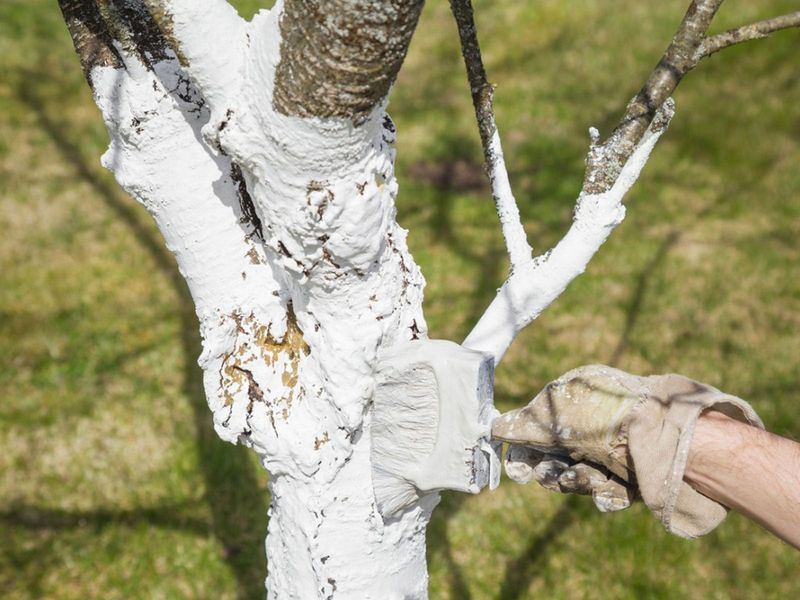
Trunk sunburn is a real problem in hot desert climates.
Young citrus trees have thin bark that scorches easily when exposed to direct afternoon sun for hours at a time.
Sunburned bark cracks and peels, leaving the tree vulnerable to pests and disease. Protecting the trunk early prevents damage that can take years to recover from.
White latex tree paint, diluted with water to about fifty percent strength, works well as a protective coating. Apply it to the trunk and main lower branches of young trees.
Some gardeners use light-colored tree wrap instead. Both options reflect heat and reduce the temperature at the bark surface during peak afternoon hours.
As the canopy fills in, it naturally shades the trunk more.
Mature trees with full canopies need less trunk protection than young ones with sparse foliage.
Reapply paint or replace wraps as needed, especially after monsoon season when rain can wash coatings off. A quick check each spring keeps the protection effective.
Positioning also plays a role. Planting where the tree gets some afternoon shade from a structure or larger plant can reduce trunk heat exposure without blocking the full sun the canopy needs.
In the low desert regions of the Southwest, where summer temperatures regularly push past 110 degrees, trunk protection is not optional for young trees. It is simply good practice.
6. Prune Only To Remove Damaged Growth
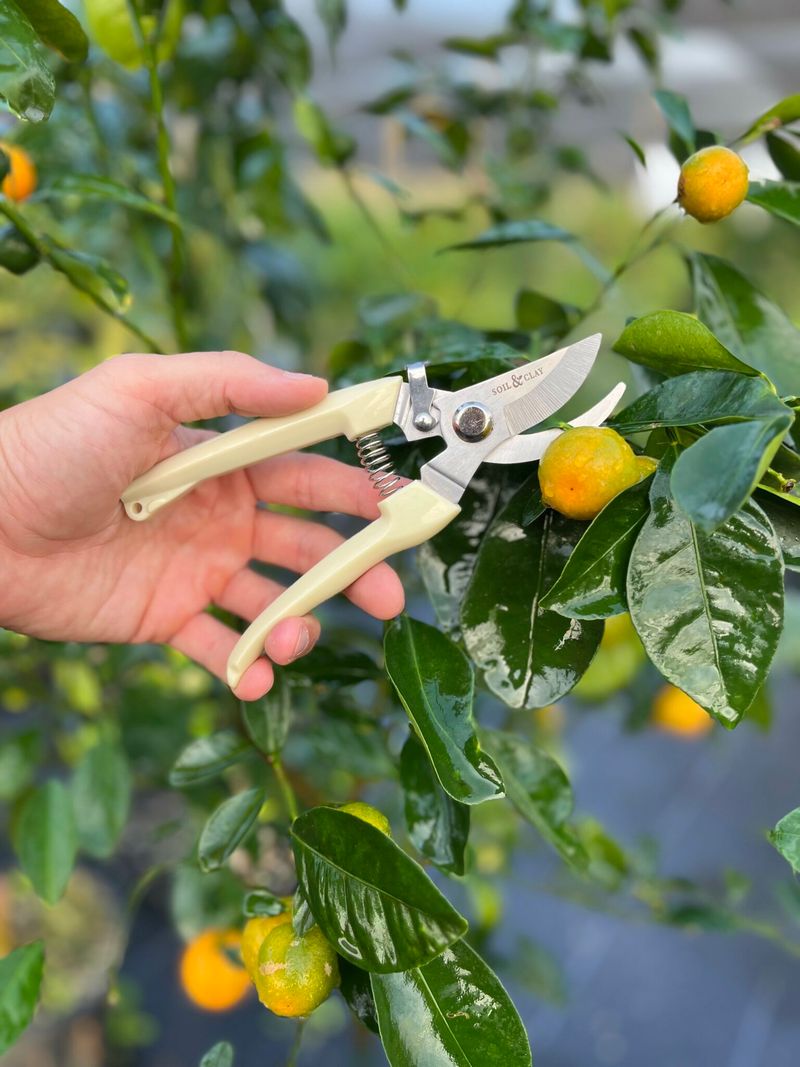
Citrus trees do not need aggressive pruning to stay productive. Mandarins in particular fruit best when left mostly to their own shape.
Over-pruning removes fruiting wood and forces the tree to spend energy on new vegetative growth instead of developing fruit. Less is genuinely more with mandarins.
Focus pruning efforts on branches that are clearly damaged, crossing awkwardly, or growing inward toward the center of the canopy.
Removing these improves airflow without disrupting fruiting potential.
Suckers, which are vigorous shoots growing from below the graft union near the base, should be removed promptly. They draw energy away from the productive part of the tree.
Late winter, just before new spring growth begins, is a reasonable time to prune.
Avoid heavy pruning right before or during a heat wave, since fresh cuts are more vulnerable to sun damage.
Sterilize your pruning tools before and after use. Citrus diseases can spread through contaminated cuts, so clean blades matter more than most gardeners realize.
Water sprouts, which are fast-growing vertical shoots that pop up through the canopy, can be removed if they block light. Otherwise, they sometimes develop into productive branches over time.
A light, purposeful approach to pruning keeps the tree structured, healthy, and consistently productive without stressing it unnecessarily through the growing season.
7. Harvest Fruit At Full Color
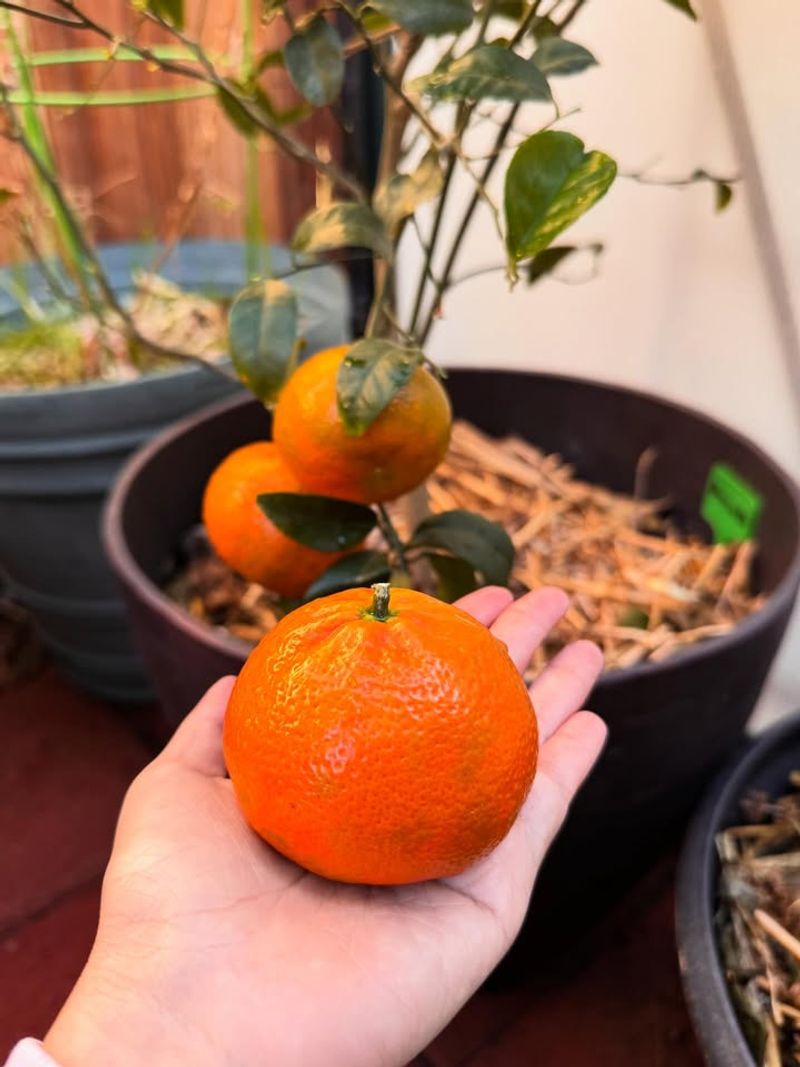
Color is your best guide when deciding whether mandarins are ready to pick. Fully orange fruit signals that sugar development is likely complete, though taste-testing confirms it better than looks alone.
Mandarins do not continue ripening after they are picked the way some fruits do.
Harvesting too early means the fruit stays tart and lacks the sweetness it would develop if left on the tree longer.
Gently twist and pull the fruit when harvesting. It should come free without much resistance when it is truly ripe.
Fruit can actually stay on the tree for several weeks past peak color without dropping in quality right away. This gives you a flexible harvest window instead of requiring immediate harvesting.
In the low desert, mandarin harvest typically runs from November through February depending on the variety.
Satsumas tend to ripen earlier than Clementines or other late-season types.
Storing freshly picked mandarins at room temperature keeps them good for about a week. Refrigerating them extends shelf life to a few weeks without much loss in flavor or texture.
Avoid leaving overripe fruit on the tree for extended periods. It can attract pests and may affect the following season’s fruit set if it stays attached too long.