The Native Georgia Shrub That Thrives In Red Clay Without Constant Watering
Red clay frustrates plenty of gardeners before the first shrub even goes into the ground.
Digging feels harder, drainage can be uneven, and many popular landscape plants never seem to settle in.
That is why native plants often have the advantage. They evolved in these conditions instead of fighting against them.
Some shrubs actually grow well where others struggle. Georgia landscapes are full of places where the right native choice can thrive with very little extra attention.
Constant watering is not always the answer. Choosing a plant that naturally fits the soil saves time and avoids unnecessary work through the hottest part of summer.
One dependable native shrub stands out for exactly that reason. It handles red clay with ease and keeps looking good even when rainfall becomes less reliable.
1. American Beautyberry Handles Heavy Clay Soil
Not every shrub can handle Georgia red clay, but American Beautyberry was practically built for it. Native to the southeastern U.S., this shrub has grown in heavy, compacted soils for centuries without much help from anyone.
Red clay drains slowly and gets rock-hard in dry weather. Most ornamental shrubs struggle badly in those conditions.
Beautyberry adapts because its root system is tough and flexible, spreading outward rather than deep to find moisture and nutrients near the surface.
It handles the region’s clay-heavy piedmont soils without much amendment. You may want to loosen the soil before planting, but you do not need to replace it entirely.
A little organic matter mixed in at planting time can help, though it is not always necessary.
Beautyberry grows naturally along woodland edges and roadsides across the South. It has seen drought, poor drainage, and compacted ground and keeps coming back season after season.
That natural resilience is what makes it such a practical choice for home landscapes.
Sizes range from about four to eight feet tall and wide at maturity, depending on growing conditions. It fills in nicely over a few seasons.
2. It Needs Very Little Water Once Established
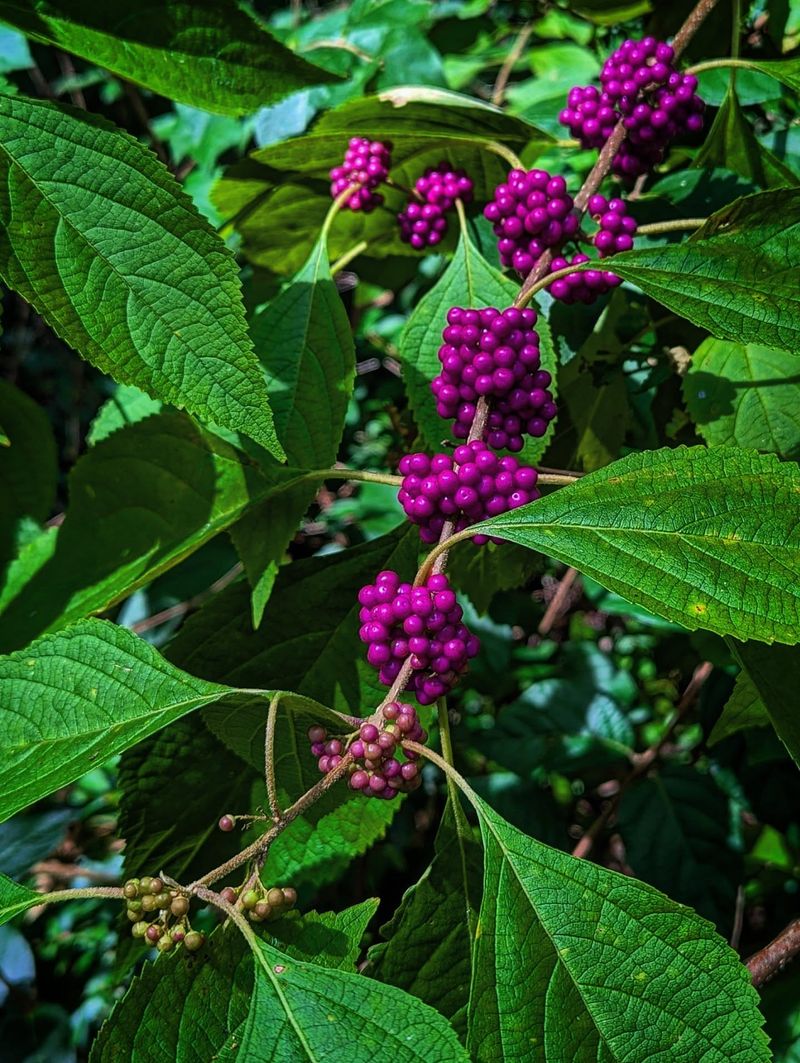
Drought tolerance is one of Beautyberry’s best qualities, and it earns that reputation honestly. Once the root system is established, usually after the first full growing season, this shrub can handle dry stretches that would stress most landscape plants.
Established plants typically need no supplemental watering during normal summer conditions. In extended droughts lasting several weeks, some light watering can help maintain healthy leaf color and berry production.
But casual neglect will not set it back significantly.
That low water demand matters a lot in a region where summers run hot and dry for weeks at a time. Water bills add up fast when you are trying to keep thirsty plants alive through July and August.
Beautyberry sidesteps that problem almost entirely.
Its deep root spread lets it pull moisture from a wider area than shallow-rooted plants can reach. It also drops some leaves during extreme heat, which reduces water loss without harming the overall plant.
That is a natural survival response, not a sign of trouble.
Your Georgia Garden Changes Every Week. Your Plan Should Too.
Gardening in Georgia changes quickly throughout the season. Every Friday you’ll receive a simple weekly plan showing exactly what to plant, prune, fertilize, harvest, and protect so you never miss the right timing.
Keep in mind that newly planted shrubs are not yet drought tolerant. They still need regular watering through their first season.
Drought resistance builds gradually as roots spread and anchor into the surrounding soil. Patience during that first year pays off with years of low-effort growth afterward.
3. Bright Purple Berries Feed Birds In Fall
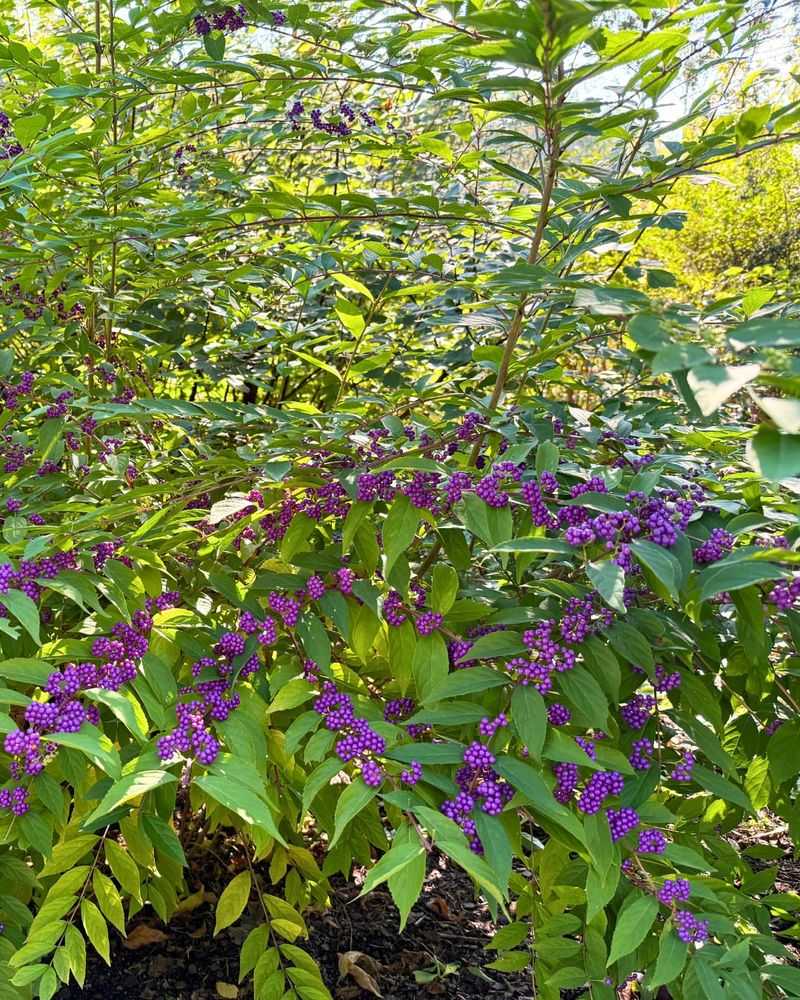
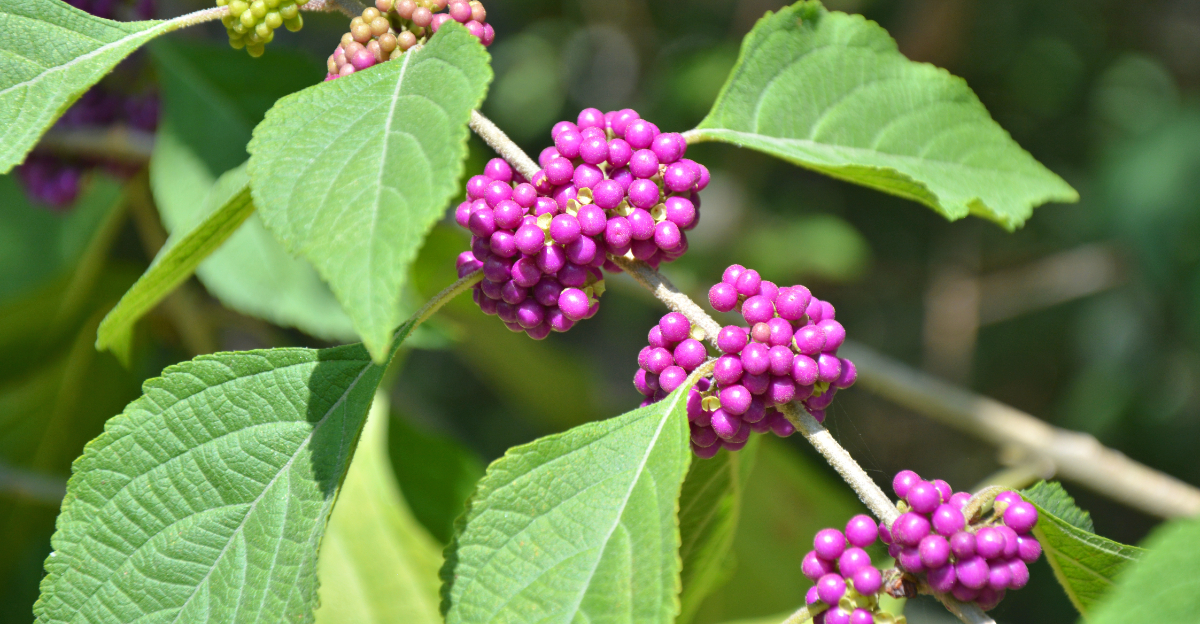
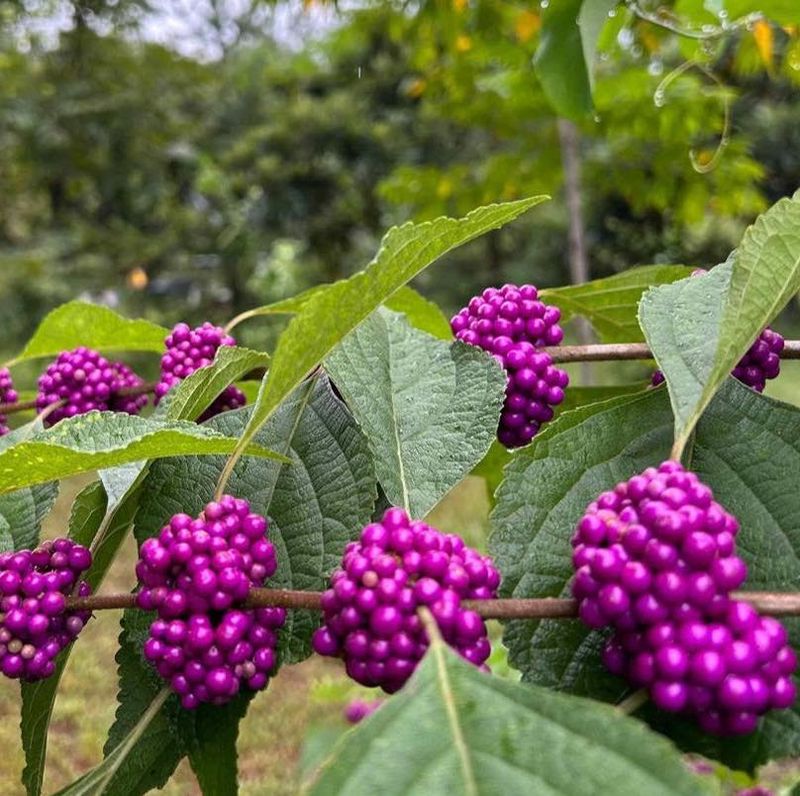
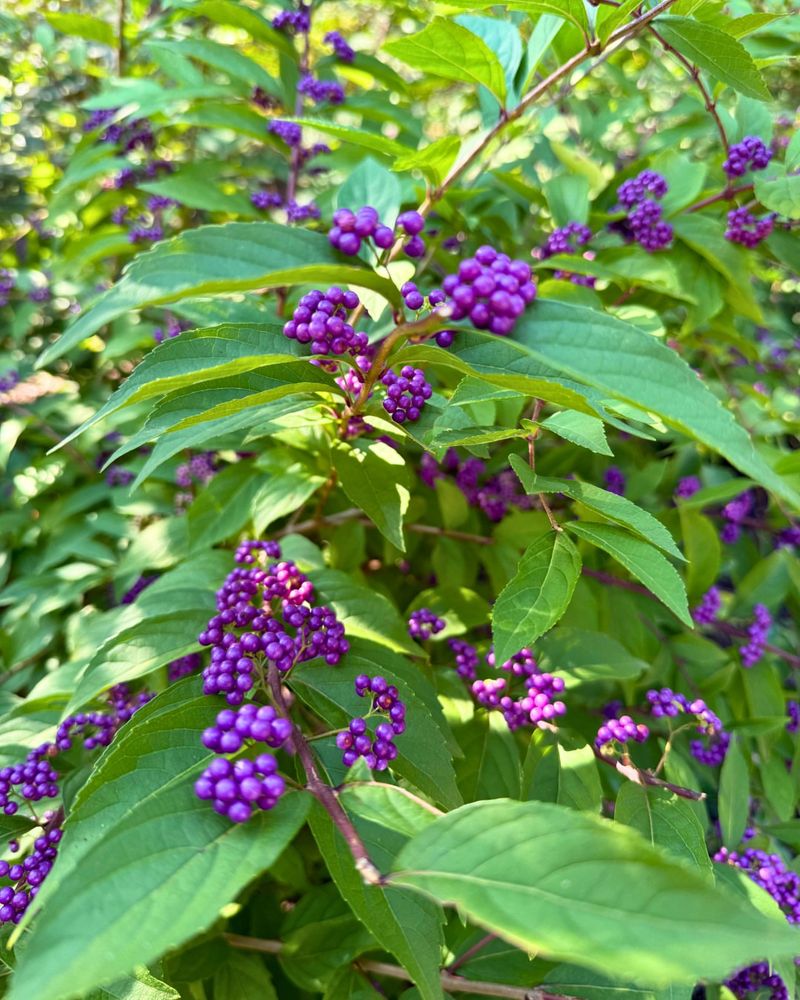
Few shrubs in the Southeast put on a fall show quite like this one. Beautyberry produces tight clusters of vivid magenta-purple berries that line every branch from late summer into autumn.
The color is almost unreal.
Birds notice quickly. Mockingbirds, robins, brown thrashers, and cedar waxwings are among the species regularly spotted feeding on Beautyberry fruit.
The berries ripen just as many songbirds are fueling up for migration or preparing for winter, making the timing genuinely useful for local wildlife.
Berries appear in dense rings around each stem at the leaf joints. A single mature shrub can carry hundreds of berry clusters at peak season.
That abundance means birds return repeatedly over several weeks rather than stripping the plant in a single afternoon.
Beyond birds, white-tailed deer occasionally browse the stems, and small mammals sometimes eat fallen berries. Planting Beautyberry near a window or patio gives you a front-row seat to a lot of backyard wildlife activity without any feeders or extra effort.
Some years berry production is heavier than others, depending on rainfall and pollination during the flowering period. A healthy, well-established shrub in decent light typically produces reliable crops most years.
4. Spring Flowers Attract Bees And Butterflies
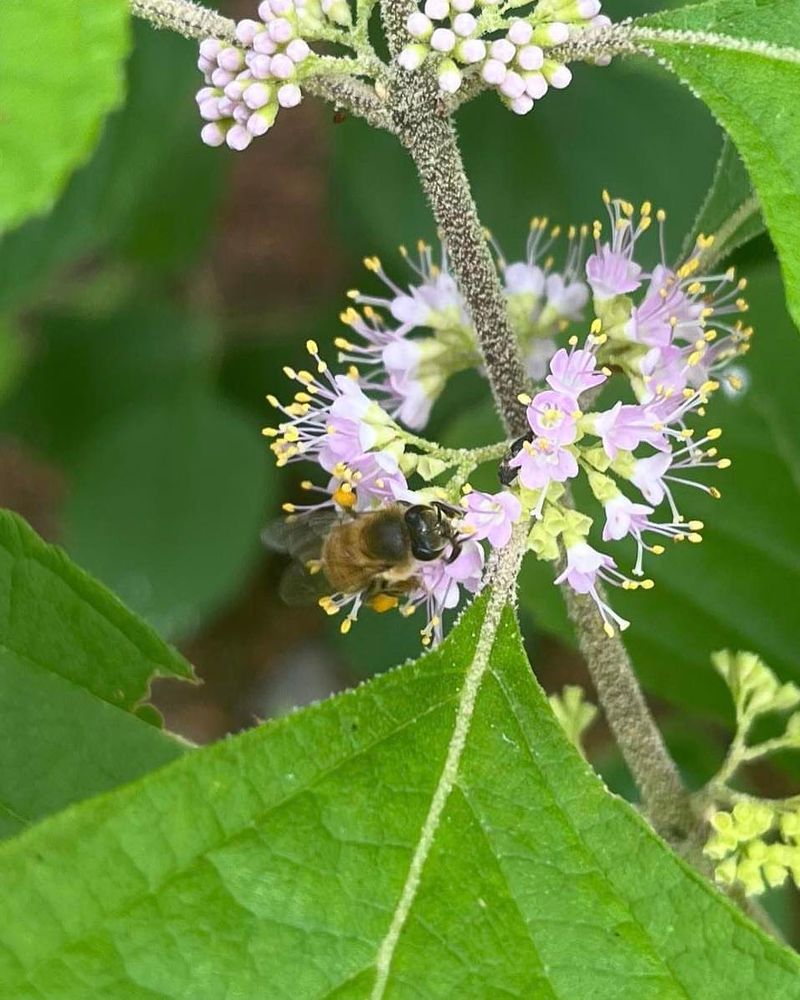
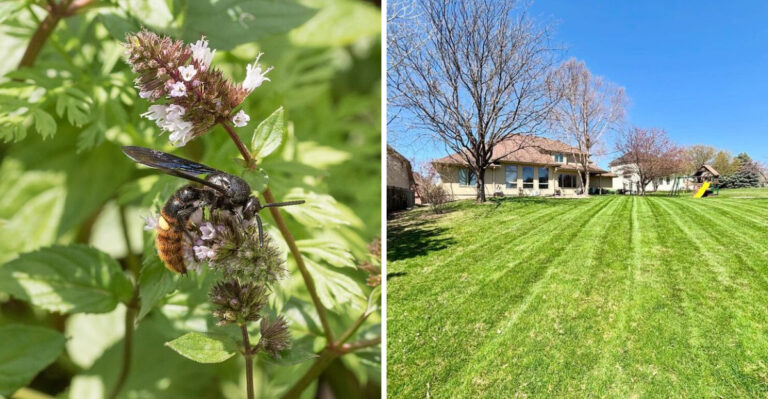
Before the berries arrive, Beautyberry earns its keep in a completely different way. Tiny pink to lavender flowers bloom in clusters along the stems from late spring into early summer.
They are small but plentiful.
Native bees find these flowers especially useful. The blooms provide pollen and nectar during a period when many spring-flowering shrubs have already finished.
Bumble bees, sweat bees, and small carpenter bees are frequent visitors on warm mornings.
Butterflies also stop by, particularly skippers and hairstreaks that tend to favor small, clustered blooms over large showy flowers.
Pairing Beautyberry with other native flowering plants nearby can increase overall pollinator activity across your yard throughout the season.
The flowers are not flashy by any measure. You might walk past the shrub and barely notice them from a distance.
Up close, though, the clusters are delicate and pretty in a quiet, understated way that suits a naturalistic garden style well.
Flowering typically begins in May or June across the Southeast and continues for several weeks. Exact timing shifts slightly depending on your local climate and whether the shrub is growing in full sun or partial shade.
Plants in more sunlight tend to flower a bit earlier and more heavily than those growing under a dense tree canopy.
5. Improve Heavy Clay Before You Plant
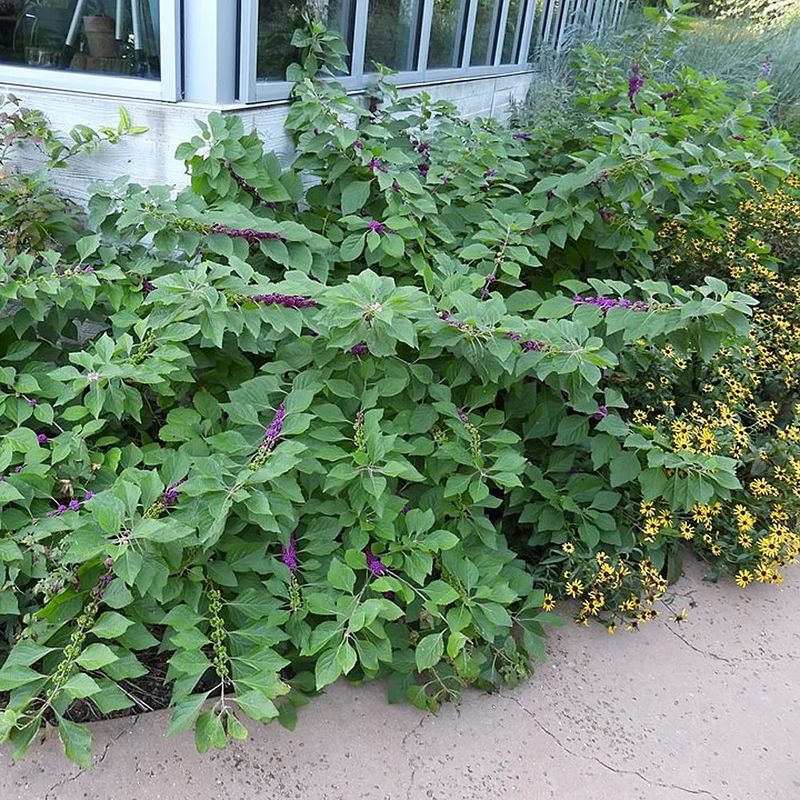
Red clay is workable, but it rewards a little preparation before you drop any plant into it. Spending thirty minutes improving the planting site can make a real difference in how quickly Beautyberry settles in and starts growing strong.
Dig a hole about twice as wide as the root ball and roughly the same depth. Breaking up the surrounding clay gives young roots an easier path outward.
That horizontal spread matters more than depth for most shrubs.
Mix a few shovelfuls of compost or aged pine bark into the soil you removed. Work it through the clay rather than creating a clean layer.
A 50/50 blend of native soil and organic matter is a reasonable starting point, though exact ratios are flexible.
Avoid the temptation to fill the hole with pure compost or potting mix. That creates a soft pocket surrounded by hard clay, and roots may circle inside it rather than pushing outward.
Blending keeps the transition gradual and more natural for root development.
Raised planting is another useful technique in poorly draining clay. Setting the root ball an inch or two above the surrounding grade lets excess water drain away from the crown.
Mulching over the root zone after planting helps retain moisture, moderate soil temperature, and slowly improve soil structure as it breaks down over time.
6. Water Regularly During The First Growing Season
Drought tolerance does not show up overnight. Beautyberry needs consistent moisture during its first growing season to build the root system that makes it self-sufficient later on.
Skipping watering too early can slow establishment significantly.
A good rule of thumb is watering deeply once or twice a week during dry spells from spring through early fall. Deep watering encourages roots to push downward and outward.
Light, frequent watering keeps roots shallow and makes the plant more dependent on you.
Check the soil a few inches below the surface before watering. If it still feels moist, wait another day or two.
Overwatering in clay can cause standing water around the root zone, which creates problems just as serious as drought stress.
Mornings are the best time to water. Moisture soaks in before afternoon heat evaporates it, and leaves dry out before evening, which reduces the chance of fungal issues.
A slow, steady stream at the base of the plant works better than overhead spraying.
By the second spring, roots should be spread wide enough that the shrub can largely manage on its own. You may still want to water during unusually long dry stretches in year two, especially in sandy or very shallow clay soils.
7. Prune In Late Winter To Maintain Its Shape
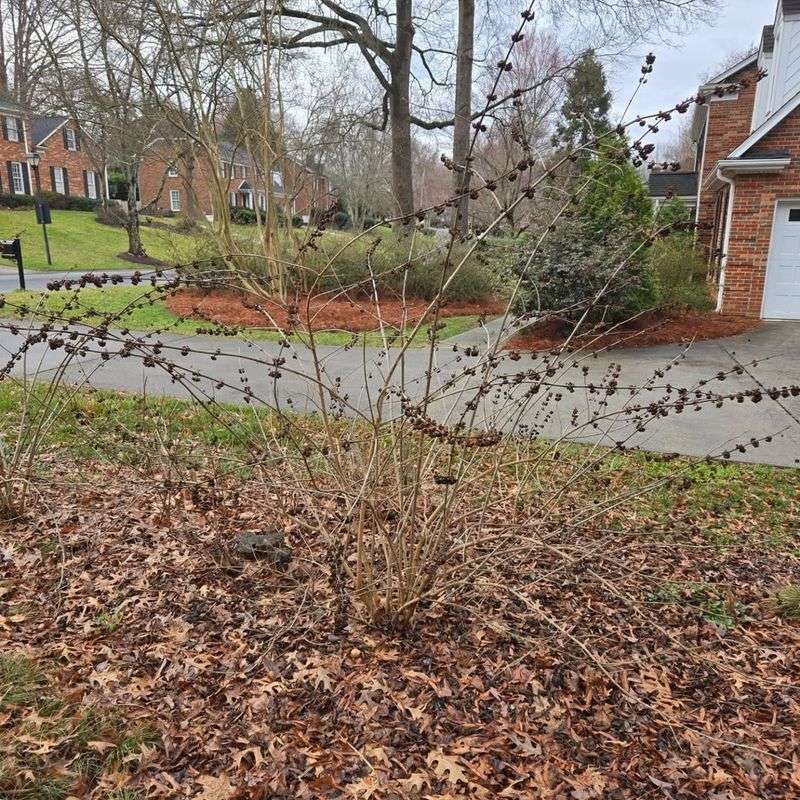
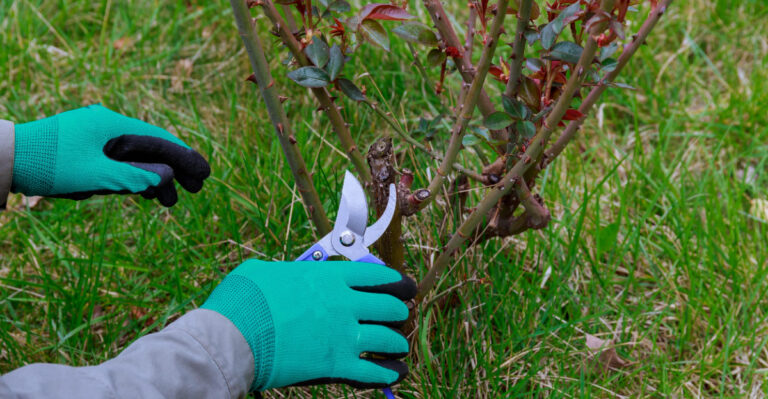
Beautyberry blooms on new wood, which makes late winter the right window for pruning. Cutting it back before new growth emerges in spring sets the plant up for a full season of fresh stems, flowers, and berries.
Hard pruning is an option if the shrub has gotten oversized or leggy. Cutting stems back to within a foot or two of the ground can seem drastic, but the plant typically rebounds with vigorous new growth by early summer.
It will not hurt the shrub when done at the right time.
Light pruning works well for plants that are already a good size and shape. Removing crossing branches, weak stems, and any winter-damaged wood is usually enough to keep things tidy and promote healthy new growth throughout the season.
Timing matters more than technique here. Pruning too late in spring after new growth has begun removes the season’s flower buds and cuts into berry production.
Late February through early March is a reliable window across most of the Southeast before growth kicks into gear.
Skip pruning entirely some years if the shrub looks healthy and manageable. Beautyberry does not strictly need annual cutting to perform well.
Pruning is more about controlling size and encouraging vigorous stems than keeping the plant alive.