The One Thing North Carolina Rosemary Needs In August To Survive Extremely Wet Soil
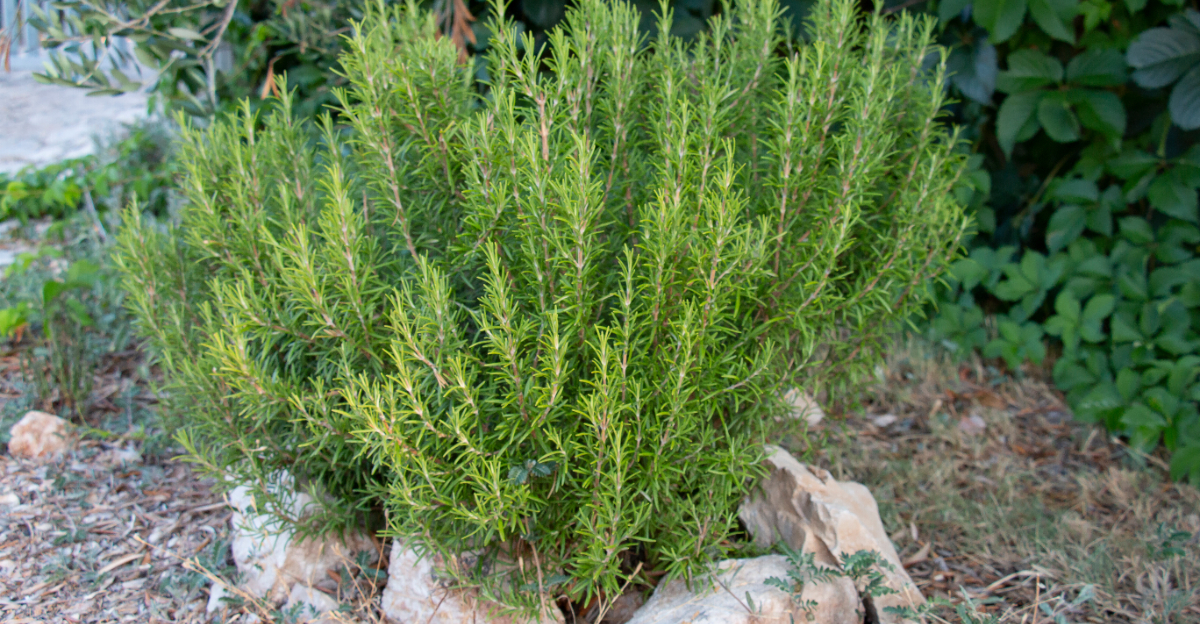
Improved drainage is the one thing North Carolina rosemary desperately needs in August if soil stays consistently wet from summer storms.
This Mediterranean herb evolved in dry, rocky conditions, making it especially vulnerable to root rot when soil holds too much moisture for extended periods.
Raising the planting area slightly, even just a few inches, can make a significant difference in how quickly excess water drains away.
Adding coarse sand or small gravel to the surrounding soil also improves drainage without requiring a full replant.
Checking for yellowing leaves or a mushy stem near the soil line helps catch early signs of rot before it spreads further.
Avoiding additional watering during already wet stretches gives roots a chance to recover instead of sitting in saturated soil.
Moving container grown rosemary to a covered area during heavy rain offers another simple solution. Addressing drainage now can be the difference between rosemary surviving or declining through the rest of summer.
1. Rosemary Needs Immediate Drainage Above Everything Else
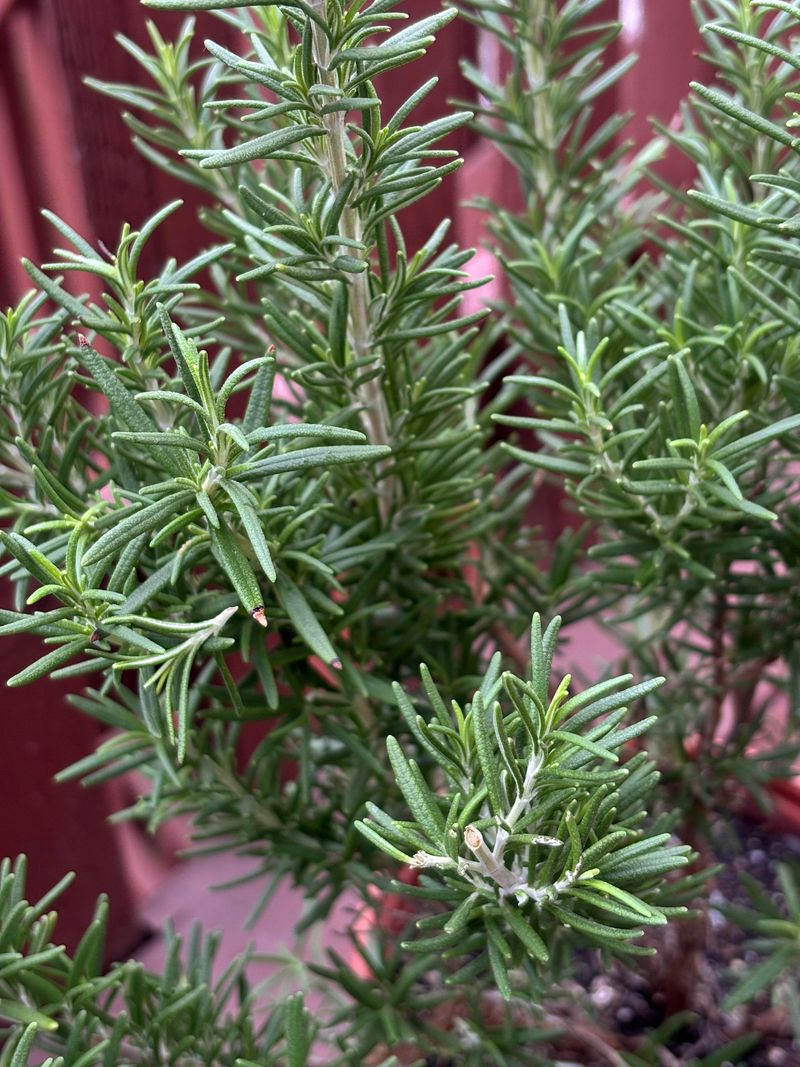
Out of every challenge rosemary faces in a North Carolina August, nothing matters more than getting water away from its roots fast.
Rosemary evolved in the dry, rocky hillsides of the Mediterranean, where rain drains quickly and soil stays light and airy.
That origin story explains everything about what this plant needs today. When your garden soil holds water for hours or even days after a heavy summer rain, rosemary roots are already under serious stress.
Cutting back on your watering schedule helps, but it does not solve the problem when natural rainfall keeps soaking the ground.
The water has to have somewhere to go, and if your planting site does not allow that, the plant cannot recover on its own.
A raised bed is one of the best solutions available to North Carolina gardeners dealing with wet summer conditions.
Elevating the root zone even a few inches above the surrounding ground level allows excess moisture to flow away naturally. Containers with open drainage holes work just as well when a raised bed is not an option.
Moving your rosemary to a better-draining spot might feel like a big step, but it is far more effective than waiting for conditions to improve.
Amended soil, gravel layers, and drainage additives can help in mild situations, but they rarely fix a site that floods repeatedly.
Proper drainage is not just one helpful tip among many. It is the single most critical factor standing between your rosemary and a very unhappy August.
2. Saturated Soil Restricts The Air Roots Require
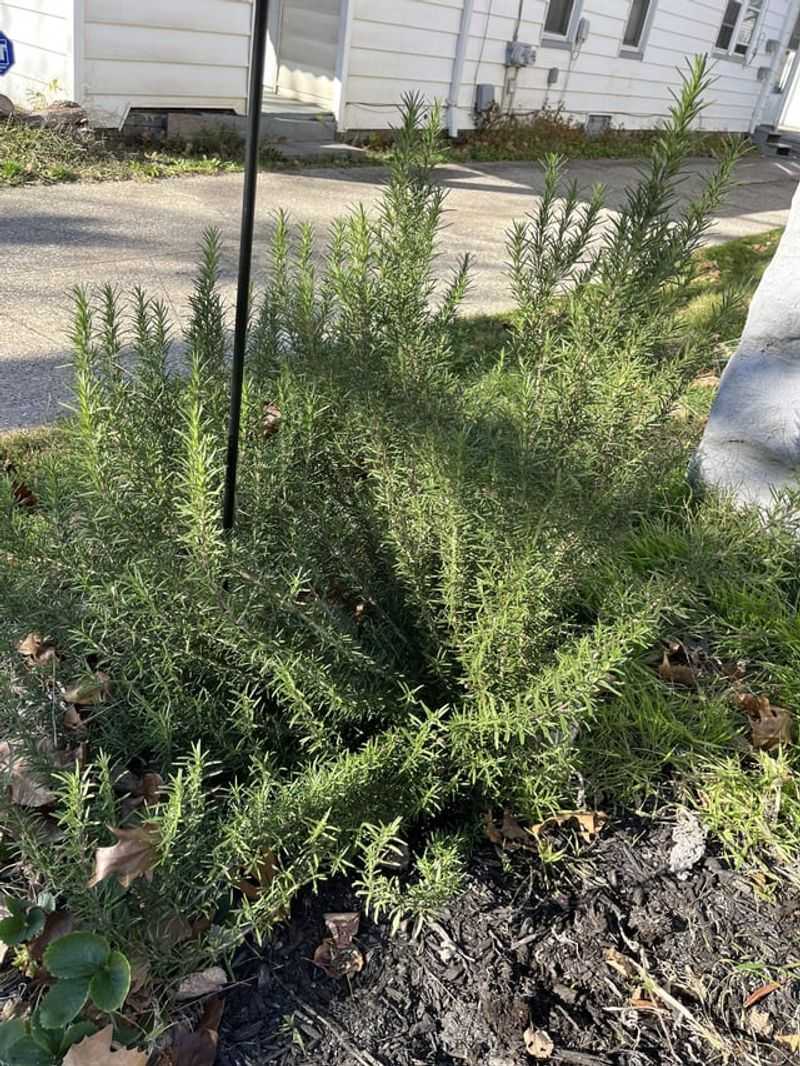
Most people think plants only need water and sunlight, but roots actually need oxygen just as much.
Healthy soil is full of tiny pore spaces that hold both moisture and air, giving roots room to breathe while they absorb nutrients.
When those pore spaces fill completely with water, the air disappears and the root system starts to suffer. Rosemary roots are particularly sensitive to this kind of suffocation.
Unlike plants that naturally grow near streams or in boggy areas, rosemary has no built-in ability to function in low-oxygen soil.
Your North Carolina Garden Changes Every Week. Your Plan Should Too.
Gardening in North Carolina changes quickly throughout the season. Every Friday you’ll receive a simple weekly plan showing exactly what to plant, prune, fertilize, harvest, and protect so you never miss the right timing.
Prolonged saturation essentially cuts off the supply of air the roots depend on to stay active and healthy. North Carolina summers make this problem even trickier.
August heat speeds up plant metabolism, meaning rosemary is working harder than ever to absorb water and nutrients right when the soil is least able to support that activity.
The combination of warm temperatures and saturated ground creates conditions the plant is simply not built to handle.
Waiting for a dry spell to fix things naturally might seem reasonable, but leaving rosemary standing in waterlogged soil for too long gives root stress time to build up.
Roots that cannot access oxygen become weak and vulnerable very quickly. The smart move is to improve drainage right away rather than hoping the weather changes in time.
Giving the roots access to both moisture and air is the foundation of keeping rosemary healthy through a wet North Carolina summer.
3. Container Rosemary Must Have Open Drainage Holes
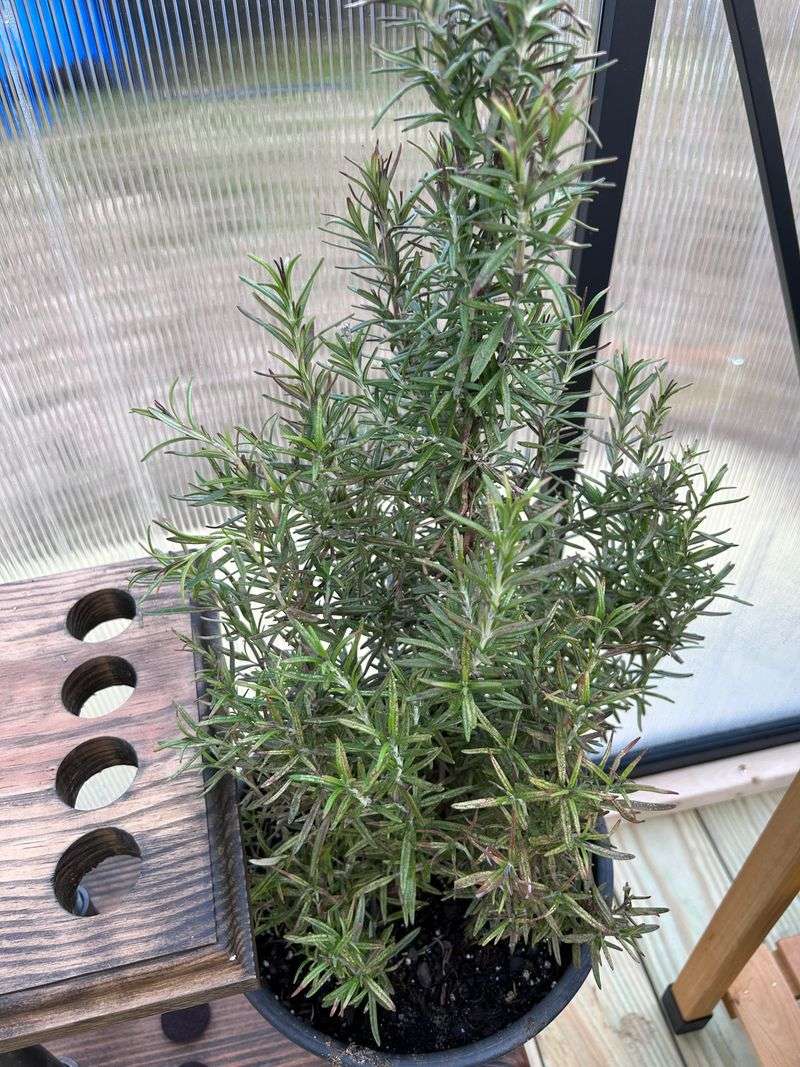
Container-grown rosemary has a real advantage during a rainy North Carolina August because you can move it, adjust it, and control its environment far more easily than an in-ground plant.
That said, a container without proper drainage can actually make things worse by trapping water right at the root zone with no escape route.
Start by checking every drainage hole at the bottom of your pot. It sounds simple, but holes can get blocked by compacted soil, roots, or even small pebbles over time.
Hold the pot up and look directly at the base. If water is not flowing out freely after watering, something is blocking the path and needs to be cleared.
Saucers are another sneaky problem. They are great for protecting floors and patios, but during heavy rain they collect water and keep it sitting directly beneath the pot.
That moisture wicks back up through the drainage holes and keeps the soil wetter than it should be. During prolonged wet weather, removing saucers entirely is the better call.
Decorative outer pots are popular for a reason, they look great, but they can trap water around the inner container without you realizing it. Always lift the inner pot out after heavy rain to check for pooling at the bottom.
Using a lightweight, gritty potting mix rather than dense garden soil also makes a significant difference.
A mix designed for herbs or cacti drains much faster and gives rosemary roots the airy environment they need to stay strong through August.
4. In-Ground Rosemary May Need A Raised Location
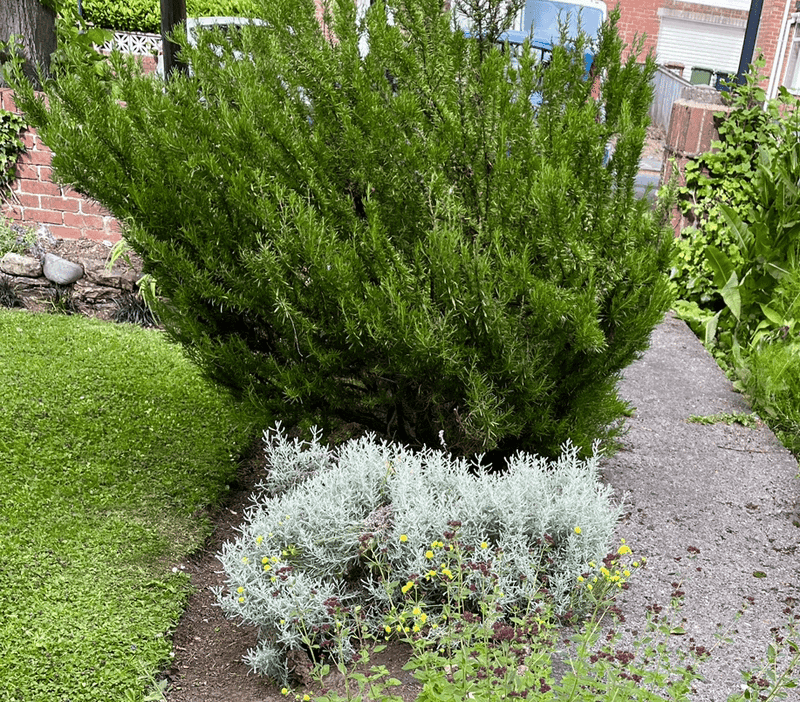
Sometimes the problem is not the plant, it is the spot. Low-lying garden beds and flat planting areas in North Carolina can collect rainwater like a shallow bowl, holding moisture around roots long after the rain has stopped.
If your rosemary sits in a location like that, the only real fix is moving it somewhere higher. A raised bed is the most reliable option, but you do not always need a full construction project.
A simple mound of well-draining soil raised six to ten inches above the surrounding ground gives rosemary enough elevation to shed excess water effectively.
Slopes and naturally elevated areas in the yard work just as well and require almost no extra effort to set up. When you lift the plant, try to preserve as much of the root ball as you reasonably can.
Disturbing roots during an already stressful period adds to the challenge, so work carefully and efficiently.
Early morning is the best time to do this work in August, when temperatures are cooler and the plant is not already under heat stress from midday sun.
One thing worth knowing: adding a small amount of compost or amendment directly around the transplanted rosemary will not correct a site that floods regularly.
Site selection matters far more than soil amendment in this case. A location where water visibly pools after rain is simply not suitable for rosemary long-term.
Moving the plant once to the right spot saves far more effort than repeatedly trying to nurse it through wet conditions in the wrong one.
5. Additional Watering Must Stop Until The Root Zone Drains
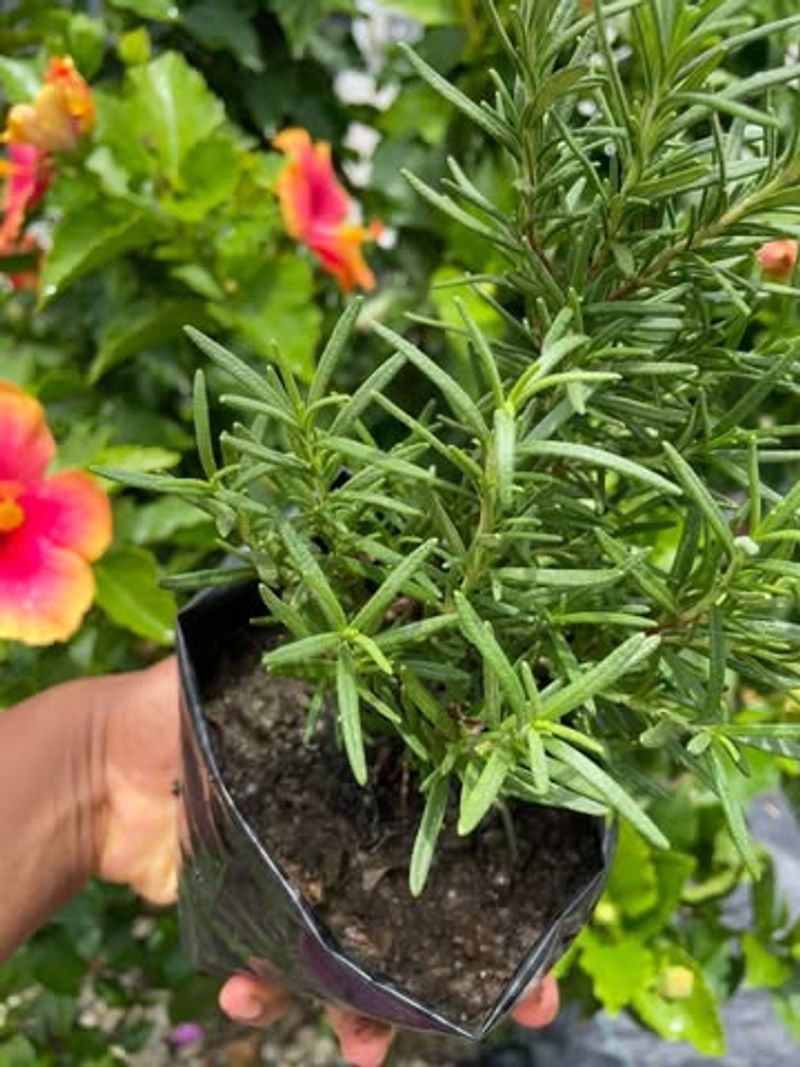
Watering on a schedule feels responsible, but in a wet August it can actually work against your rosemary.
When the soil is already saturated from rain, adding more water on top just pushes the moisture level higher and gives roots even less access to the air they need.
Pausing supplemental irrigation is one of the easiest and most effective steps you can take right now.
The tricky part is that rosemary foliage can look wilted or stressed even when the soil is soaking wet.
That is counterintuitive, but it makes sense once you understand what is happening underground.
When roots are under stress from too much water, they struggle to move moisture up through the plant efficiently, so leaves can droop even though the ground is saturated.
Before you reach for the hose, push a finger or a wooden skewer about two inches down into the soil near the base of the plant. If it comes out damp or with soil clinging to it, watering is not needed.
The surface of the soil might feel warm and dry from the August sun, but what is happening a few inches down is what actually matters for the roots. Give the root zone time to drain and breathe before adding any more moisture.
In most cases, North Carolina summer rain provides more than enough water during August without any supplemental irrigation at all.
Trusting the soil to tell you what it needs rather than sticking to a fixed schedule is one of the smartest habits a rosemary grower can develop during the rainy summer months.
6. The Crown Must Remain Above Wet Soil And Mulch
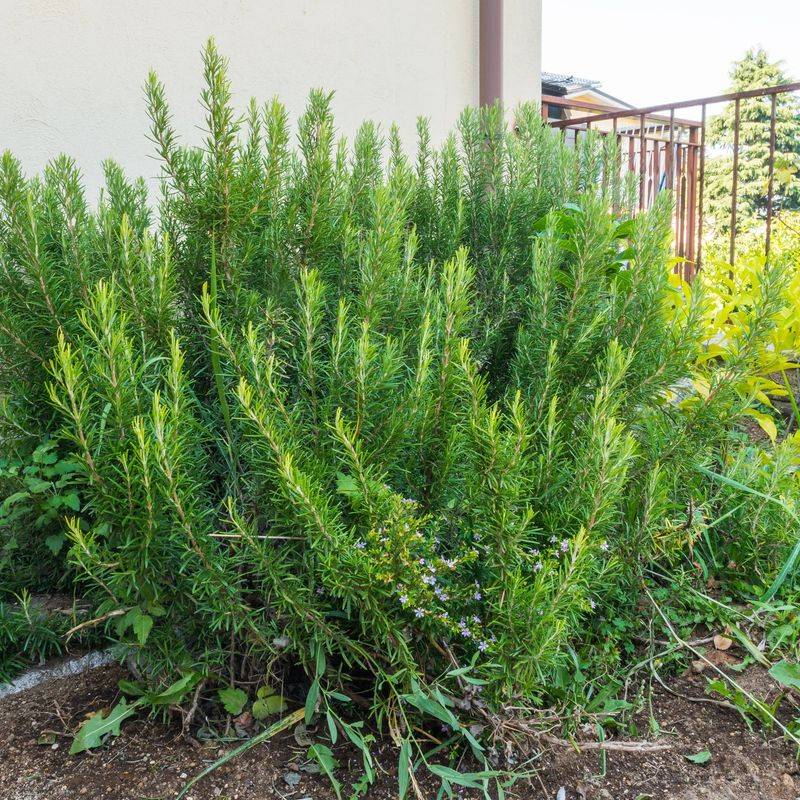
The crown of a rosemary plant, that central point where the stems meet the soil, is one of the most vulnerable parts of the whole plant.
When the crown stays wet for extended periods, the tissue there becomes prone to softening and rot in a way that the rest of the plant can sometimes avoid.
Keeping it exposed to open air is a small but genuinely important habit. Mulch is a wonderful tool in most garden situations, but it needs to be applied thoughtfully around rosemary.
A thick layer of mulch pushed right up against the base of the plant holds moisture against the crown and prevents air from circulating around the stems.
During a dry spell that is manageable, but during a wet North Carolina August it creates exactly the kind of prolonged dampness that harms the plant most. Pull any mulch back at least three to four inches from the main stems.
The goal is to create a small, clear zone around the crown where air can move freely and excess moisture can evaporate rather than sitting against the plant.
That small gap makes a noticeable difference in how well the crown stays dry between rain events. Soil mounded up around the base can cause the same issue.
When planting or replanting rosemary, make sure the crown sits slightly above the surrounding soil level rather than being buried or level with it.
A slightly elevated crown sheds water naturally and stays better ventilated.
This one detail is easy to overlook but consistently makes rosemary more resilient through the wettest weeks of summer.
7. Sunlight And Air Movement Support Faster Drying
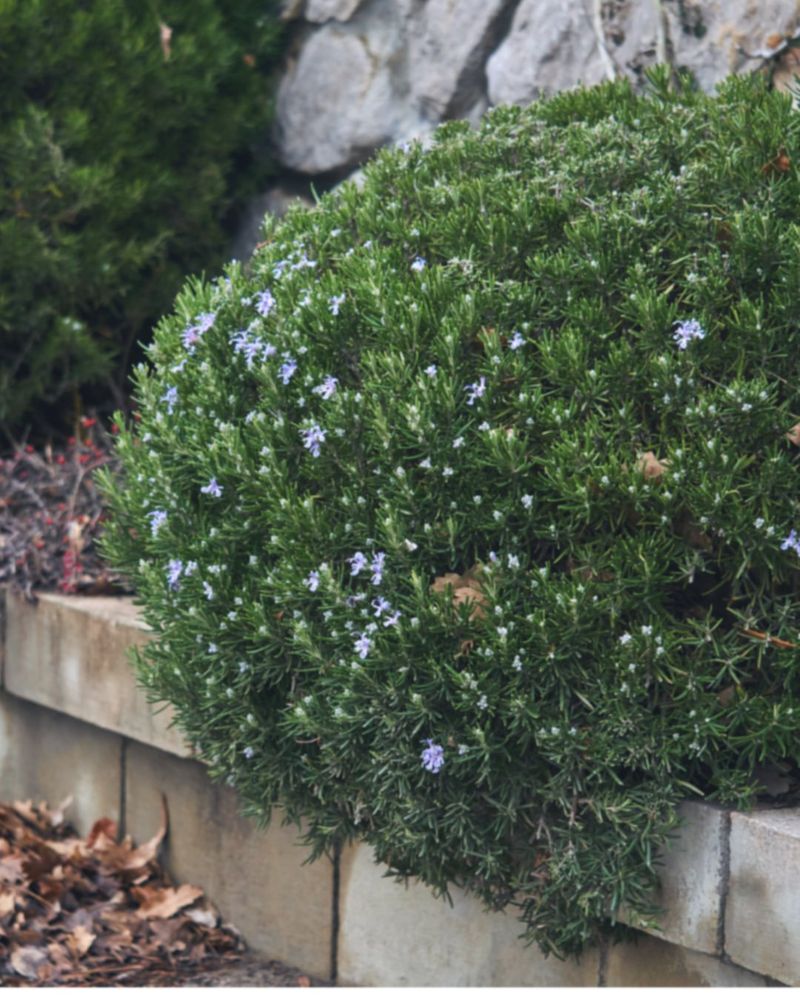
Rosemary is a full-sun plant through and through.
It wants at least six to eight hours of direct sunlight daily, and that need becomes even more important during a wet August when the soil and foliage need every opportunity to dry out between rain events.
A shady or crowded location slows that drying process significantly. Air movement is just as important as sunlight when conditions are humid and wet.
A gentle breeze moving through the foliage helps moisture evaporate from the leaves and the soil surface faster than still air would.
North Carolina summers can be heavy and humid, so placing rosemary in an open area where air circulates freely gives the plant a real advantage.
Watch out for a few common placement mistakes that limit both light and airflow. Rosemary planted directly beneath a downspout gets hammered with concentrated roof runoff during every storm, which is far more water than the plant can handle.
Dense plantings where rosemary is crowded by neighboring shrubs or perennials trap humidity and slow drying at the soil level. Both situations are worth correcting if you notice them.
Here is something important to keep in mind, though: sunlight and good air circulation are genuinely helpful, but they cannot fix a drainage problem on their own.
If the soil around your rosemary stays waterlogged even in a sunny spot, improving drainage is still the priority.
Think of sunlight and airflow as strong supporting players that help the plant recover and stay healthy, not as a complete solution to extremely wet soil conditions.
8. Drainage Improvement Cannot Reverse Every Existing Symptom
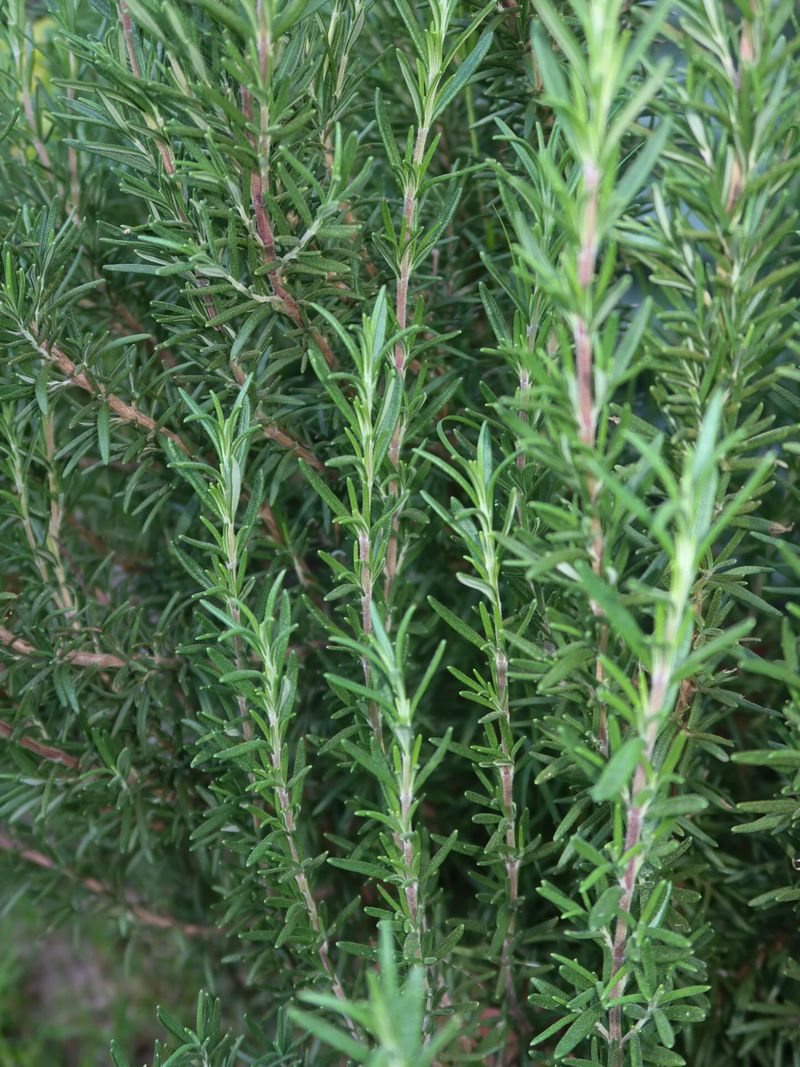
Fixing drainage is the right move, and it protects the healthy roots that remain.
But it is worth being honest about what that fix can and cannot do for foliage that has already been affected by prolonged wet conditions.
Brown tips, soft stems, and severely discolored leaves that developed before drainage improved may not bounce back, even once the soil is drying out properly.
Keep a close eye on the plant over the following weeks. New growth emerging from healthy stems is a positive sign that the root system is recovering and the plant is stabilizing.
Continued browning or softening after drainage has been corrected tells a different story and suggests the stress may have reached deeper into the root system than expected.
If you need to remove damaged growth, use clean, sharp pruning tools and cut back only what is clearly affected.
Avoid heavy pruning while the plant is still under stress, since removing too much at once asks the root system to support rapid regrowth before it has fully recovered.
Less is more during this recovery window. Hold off on fertilizer until the plant shows clear signs of stable, healthy new growth.
Fertilizing a stressed rosemary plant does not speed up recovery. It actually adds pressure to a root system that is already working hard just to stabilize.
The long-term lesson here is a simple one: rosemary thrives in dry to moderately moist, freely draining soil, and the best strategy is always to give it that environment from the start rather than trying to manage the consequences of an extremely wet site after the fact.