The August Pruning Mistake That Stops Ohio Perennials From Returning Strong Next Year
Most gardeners grab their shears in August feeling productive. A single wrong cut can undo weeks of healthy growth before winter even arrives.
There is a specific pruning mistake that stops Ohio perennials from returning strong, and it is sneaky because the damage stays invisible until spring. You trim, the beds look tidy, then March arrives with weak sprouts and bare patches.
One small choice makes the real difference. It decides whether your garden bounces back beautifully or disappoints you again next season.
Cutting Back Spent Blooms Too Late Signals The Plant To Stop Storing Energy
Your perennials are basically running a savings account all summer long. Every leaf and stem is quietly banking energy in the roots for next year’s big comeback.
When you cut back spent blooms too late in August, you interrupt that process at the worst time. The plant reads the sudden trim as a signal to stop storing and start trying to regrow.
That last-minute regrowth push burns through root reserves fast. Those reserves are exactly what fuel the strong spring return every gardener hopes for.
Think of it like draining your bank account the week before a big purchase. The money is gone when you need it most.
Spent blooms that are left slightly longer actually help the plant recognize the season is ending. That recognition triggers the shift from growth mode into storage mode.
Cutting too late in August scrambles that natural signal. The plant gets confused about what season it is and wastes precious weeks on the wrong job.
Gardeners in the Midwest often feel pressure to keep beds looking neat. But a slightly untidy August bed can mean a spectacularly full garden the following May.
This late-summer pruning slip usually starts with the best intentions, not carelessness. Knowing what is actually happening underground changes everything about how you approach your shears.
Why Ohio’s First Frost Timeline Makes August Trimming Risky
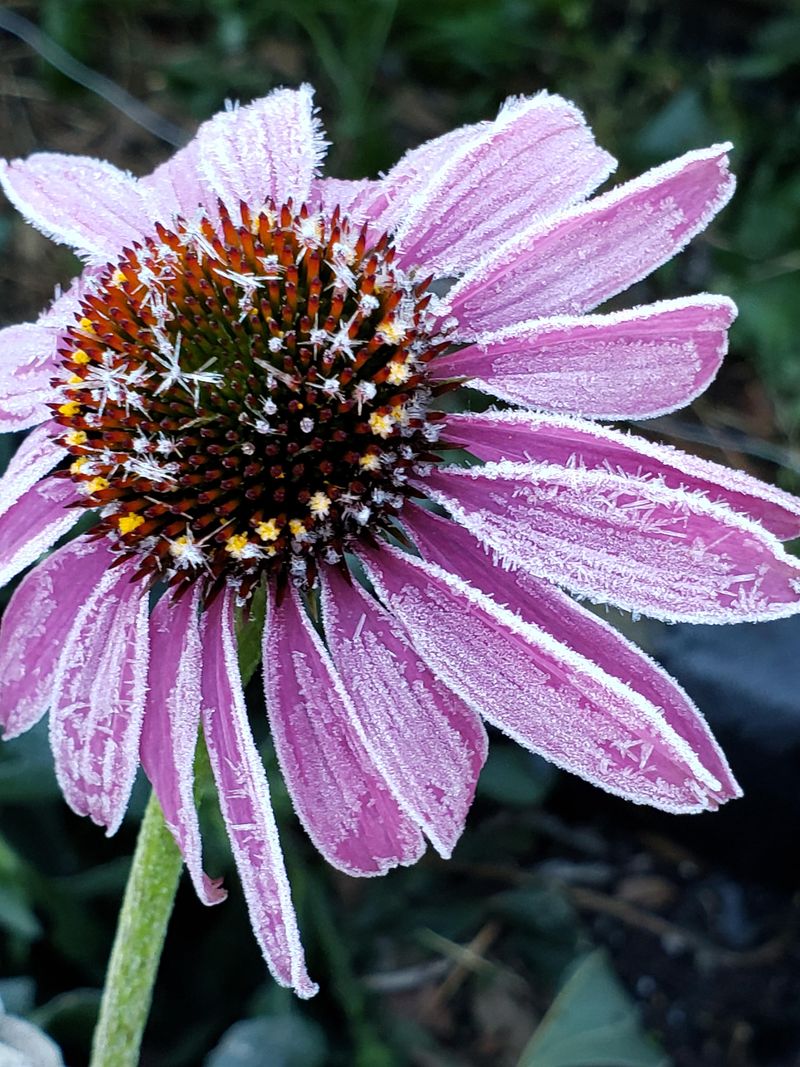
Ohio’s first frost usually arrives between mid-October and early November depending on your county. That window sounds generous, but perennials need every single day of it.
When you trim heavily in August, you shorten the energy-banking season by weeks. Those missing weeks are not small losses for a root system preparing for a long winter.
Higher inland areas and spots farther from Lake Erie’s moderating effect tend to see frost earlier than the immediate shoreline. Gardeners in places like Youngstown often have less buffer time than those near Columbus or Cincinnati.
A perennial cut back in mid-August in a northern county may only have eight to nine weeks left before hard frost. That is barely enough time to stabilize, let alone rebuild root reserves.
Southern Ohio gardeners sometimes feel safer pushing the pruning calendar later. But even in warmer zones, August cuts leave plants scrambling to recover before the ground freezes.
The frost timeline is not just about temperature survival. Roots need warmth in the soil to keep absorbing and storing nutrients after the top growth is gone.
Your Florida Garden Changes Every Week. Your Plan Should Too.
Gardening in Florida changes quickly throughout the season. Every Friday you’ll receive a simple weekly plan showing exactly what to plant, prune, fertilize, harvest, and protect so you never miss the right timing.
Once soil temps drop below 50 degrees, most perennial root activity slows dramatically. Any energy not stored by then is essentially lost until spring.
This narrow seasonal window is exactly why late-summer trims carry so much risk for Ohio perennials. Respecting that calendar is one of the smartest moves any gardener can make.
Which Perennials Are Most Affected By Late Pruning
Not every perennial reacts the same way to an August haircut. Some are tough and bounce back quickly, while others hold grudges well into the following spring.
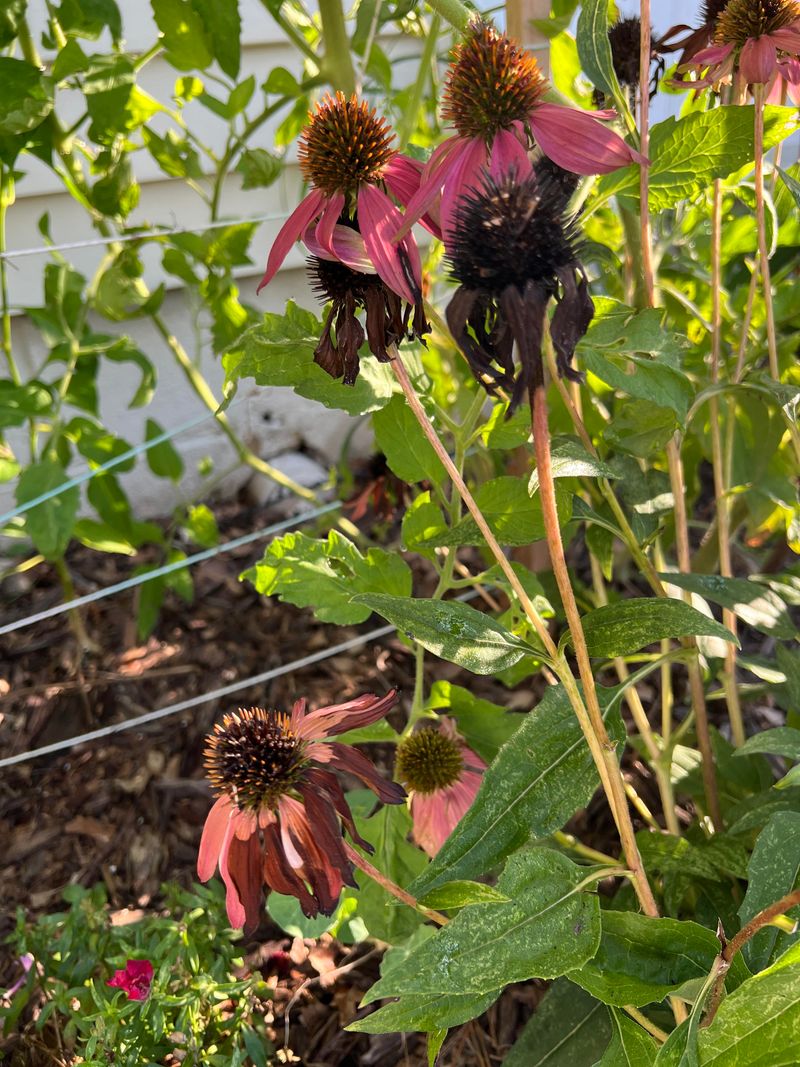
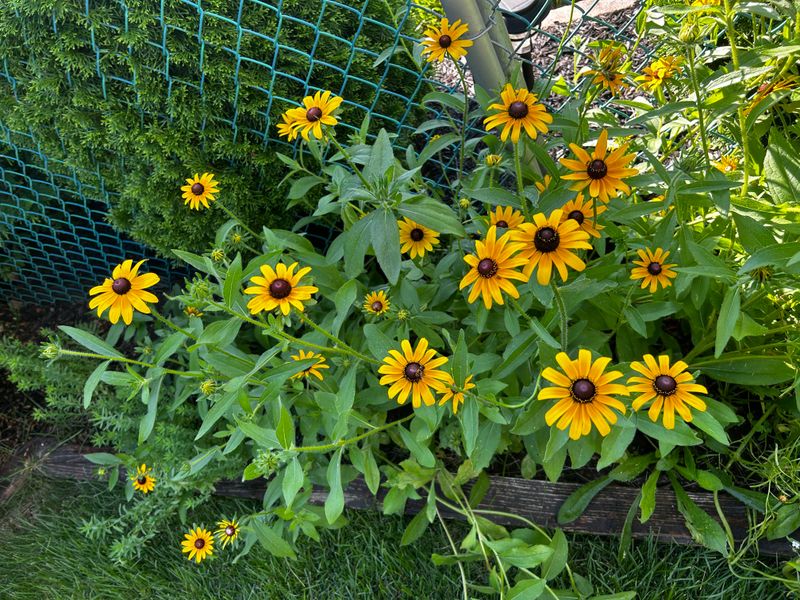
Coneflowers, also called echinacea, are especially sensitive to late-season cuts. Their thick taproots depend heavily on an uninterrupted late-summer energy cycle to power next year’s blooms.
Black-eyed Susans behave similarly and can show noticeably fewer flowers the following year after overly heavy August pruning. Gardeners often blame poor soil when the real culprit was last summer’s shears.
Peonies are legendary for their dramatic reactions to bad timing. Cut their foliage back too soon in August and you may see noticeably fewer blooms the following spring.
Hostas are a bit more forgiving but still suffer when trimmed hard before they finish their late-summer photosynthesis push. Their large leaves are working overtime in August, capturing light and sending it straight to the roots.
Salvia and catmint are slightly more resilient, but even they benefit from waiting until September before any serious cutting begins. Patience with these plants pays off in dense, full clumps by May.
Ornamental grasses should almost never be touched in August. Their entire winter strategy depends on keeping that foliage intact as insulation and ongoing root support.
Knowing which plants are most vulnerable helps you prioritize where to hold back. Late pruning hits these sensitive varieties the hardest, often with results gardeners notice too late.
How To Tell If You’ve Already Made This Mistake
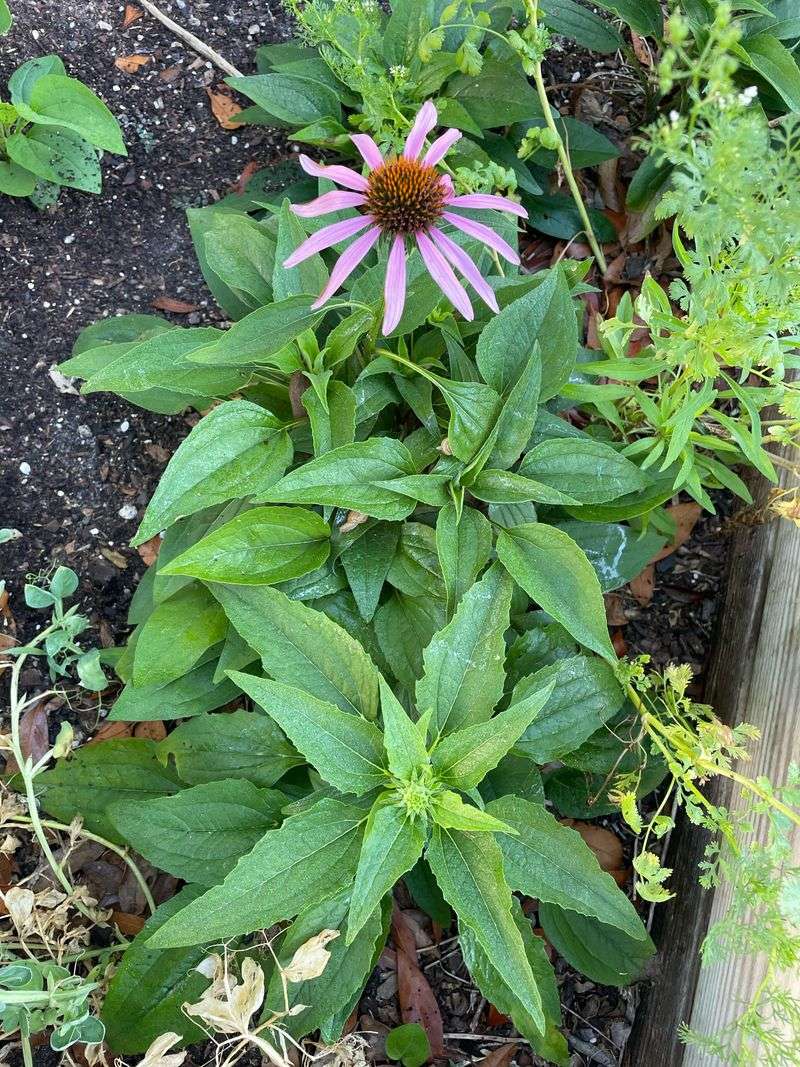
Spring has a way of delivering honest report cards on last summer’s garden decisions. Bare patches and weak, spindly sprouts are the clearest signs something went wrong in August.
If your coneflowers or peonies send up fewer stems than usual, late pruning is often the reason. A plant that was cut back too hard simply has less stored fuel to push through cold soil.
Yellowing leaves that appear unusually early in the season are another red flag. The plant is struggling to build momentum because its root reserves were depleted before winter even began.
Check the crown of the plant, which is the area where stems meet the soil. If the crown looks shrunken or less robust than previous years, energy depletion from late pruning is a likely cause.
Some perennials will leaf out but refuse to bloom that first season after a hard August cut. That is the plant choosing survival over reproduction, a clear sign the roots are running low.
Slow emergence in spring is worth noting too. Healthy, well-rested perennials typically push through the soil within a week or two of consistent warm temperatures.
A plant that lags three or four weeks behind its neighbors is sending a message worth hearing. Recovery is possible, but it starts with an honest look at what happened last August.
These clues point straight back to an August cut that came at the wrong moment. Spotting them early gives you a real chance to help the plant rebuild before summer heat arrives.
The Right Way To Remove Spent Flowers Without Hurting Next Year’s Growth

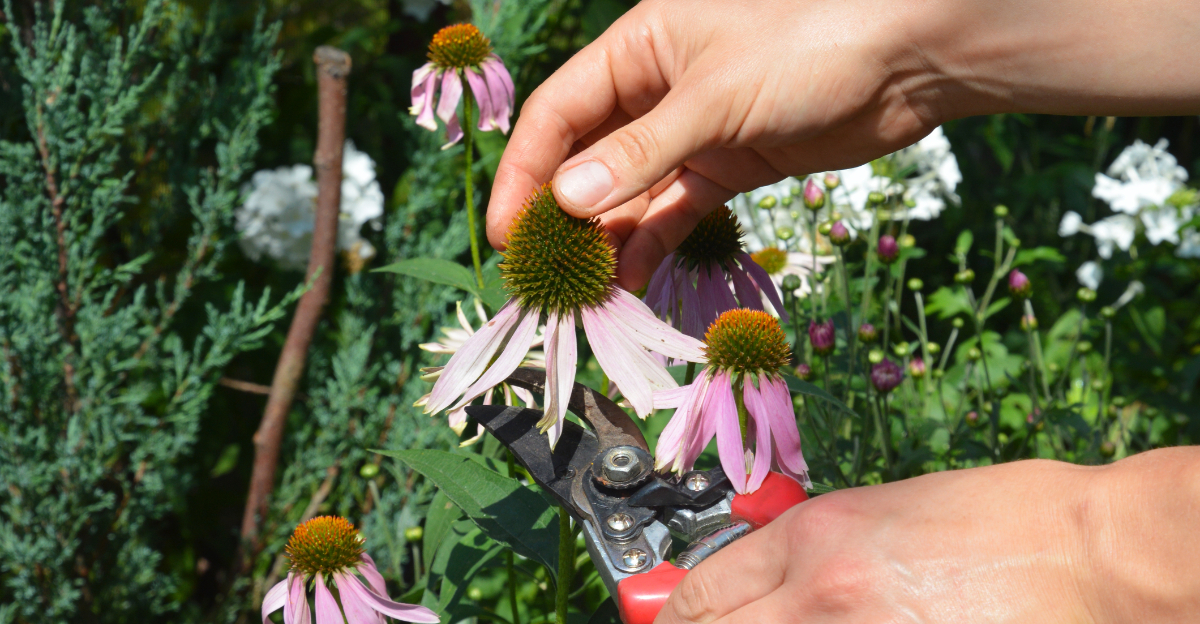
Removing spent blooms and hard pruning are two very different jobs, and mixing them up is where most gardeners go wrong. Removing a spent flower head is gentle work, while cutting stems back to the base is a major intervention.
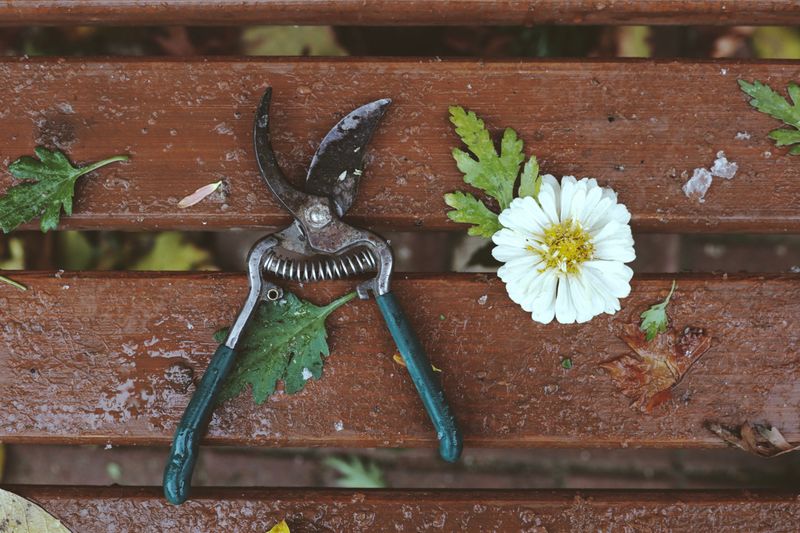
For removing spent blooms in August, snip just below the faded flower and leave the stem and foliage in place. That remaining green material is still actively feeding the roots.
Use clean, sharp shears every single time you trim off spent blooms. Dull or dirty blades create ragged cuts that invite disease and stress the plant during an already demanding season.
Focus on flowers that are clearly finished and browning at the edges. If a bloom still shows any color or the seed head looks fresh, leave it alone for now.
Some perennials, like coneflowers and rudbeckia, actually benefit from leaving seed heads in place through late August. Birds will visit those heads, and the plant will get the full signal that the season is wrapping up.
Avoid cutting more than one-third of any plant’s total foliage during a single August session. That rule protects the photosynthesis capacity the plant needs to finish its energy work.
Timing matters as much as technique. Early morning tends to be the best window for trimming because plants are hydrated and stress response is lower in cooler air.
Done right, this careful approach protects everything you want from next season. A little restraint in August is really all it takes to avoid this setback entirely.
Fixing A Perennial That Was Cut Back Too Hard
Finding out you cut back too hard is frustrating, but the situation is rarely hopeless. Acting quickly and thoughtfully can help a stressed perennial recover more than you might expect.
Start by adding a generous layer of compost around the base of the plant right away. Compost feeds soil microbes, and those microbes help deliver nutrients directly to the struggling root system.
Follow the compost with two to three inches of organic mulch, like shredded leaves or straw. Mulch regulates soil temperature and helps retain moisture, both of which support root recovery before frost arrives.
Avoid any fertilizer with a high nitrogen content at this stage. Nitrogen pushes leafy top growth, and that is the last thing a depleted plant needs heading into autumn.
A low-phosphorus fertilizer applied in early September can gently encourage root development without triggering unwanted regrowth above the soil. Look for a product labeled for fall bulb or root feeding.
Water deeply but infrequently through September to encourage roots to reach downward. Shallow, frequent watering keeps roots near the surface where they are most vulnerable to temperature swings.
Mark the plant with a small flag or tag so you remember to check on it first thing in spring. Early attention in March or April gives you time to intervene again if recovery is slow.
This setback is fixable with the right follow-up steps, even after a hard cut. Your garden has more resilience than you think, and so do you.