September Is One Of Florida’s Best Months To Start Another Crop Of Bush Beans
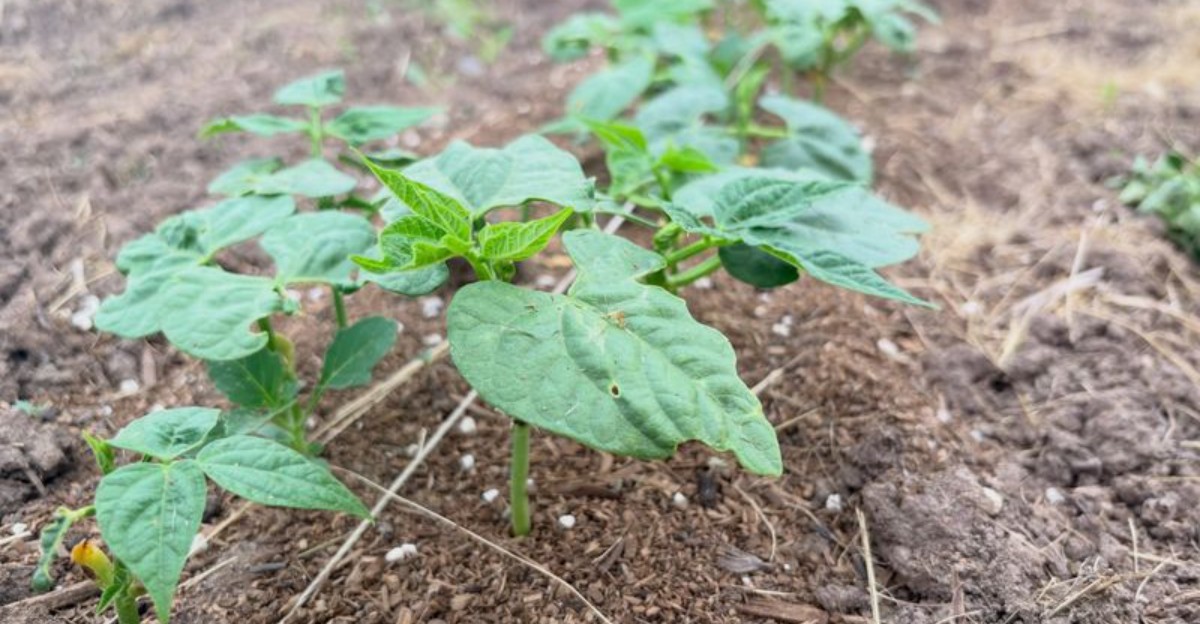
Florida in late summer feels like living inside a warm, damp sock that someone forgot in the dryer. The air buzzes with bugs, the tomatoes sulk, and even the sprinkler looks tired of working so hard.
Then something sneaky happens as the calendar flips past Labor Day and the storms start to calm down. Mornings smell a little crisper, the shadows stretch longer, and the dirt out back feels cool under bare toes.
Gardeners who hid indoors all August suddenly feel brave again and ready to dig in. They dig out old seed packets, rinse the dusty watering can, and stare at that empty patch with hope.
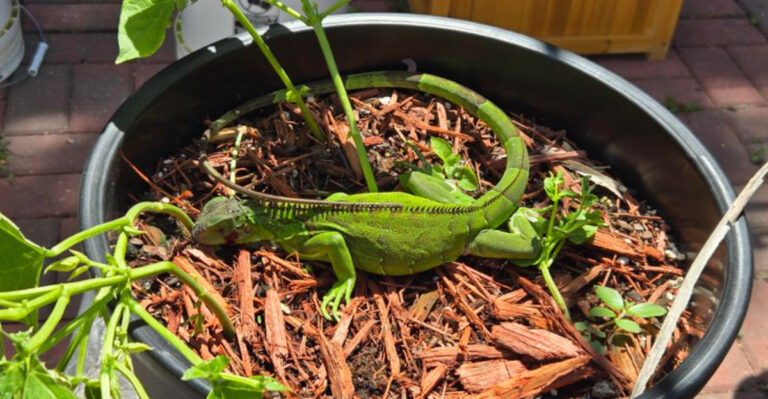
A second shot at a fresh, crunchy harvest is closer than most people think, and it grows surprisingly fast. Even the lizard sunning on the fence seems to agree, bobbing its head like a tiny, scaly garden coach.
Warm Soil With Cooler Nights Ahead
Picture a seed that loves warm dirt but wilts at the thought of a blast furnace summer. Bush beans are exactly that kind of picky houseguest, and September gives them the perfect room.
Bean seeds sprout fastest when the soil sits somewhere between 70 and 85 degrees Fahrenheit. In most parts of Florida, September soil lands right in that cozy sweet spot after the hottest weeks fade.
Air temperature matters too, because blossoms can drop when days climb above 90 degrees. By the time plants start flowering in October, the worst heat has usually packed its bags.
Frost is the other big enemy, since a single freezing night can wreck tender leaves. Planting in September lets the crop finish well before North and Central Florida see their first chilly snaps.
Beans also grow quickly, which makes them great for this short fall window. Most bush types go from seed to harvest in about 50 to 60 days.
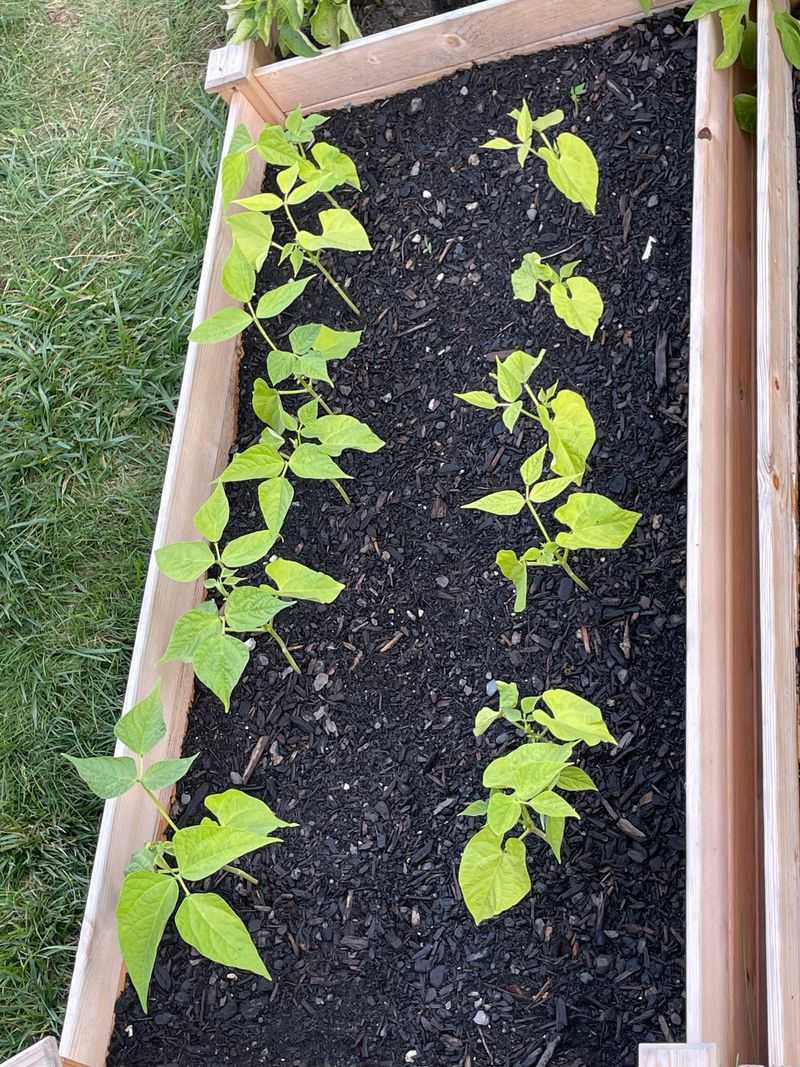
Fun fact, bush beans do not need a trellis like their pole bean cousins. They stay compact, usually under two feet tall, so they fit nicely in raised beds or big containers.
Rain is easing up by now, too, so seeds are less likely to rot in soggy ground. Warm soil, fading heat, and fewer storms make September feel like a gift for gardeners.
Think of it as nature holding the door open for one more round of homegrown snacks. Walk through that door while the timing is on your side.
The Best Planting Window Across The State
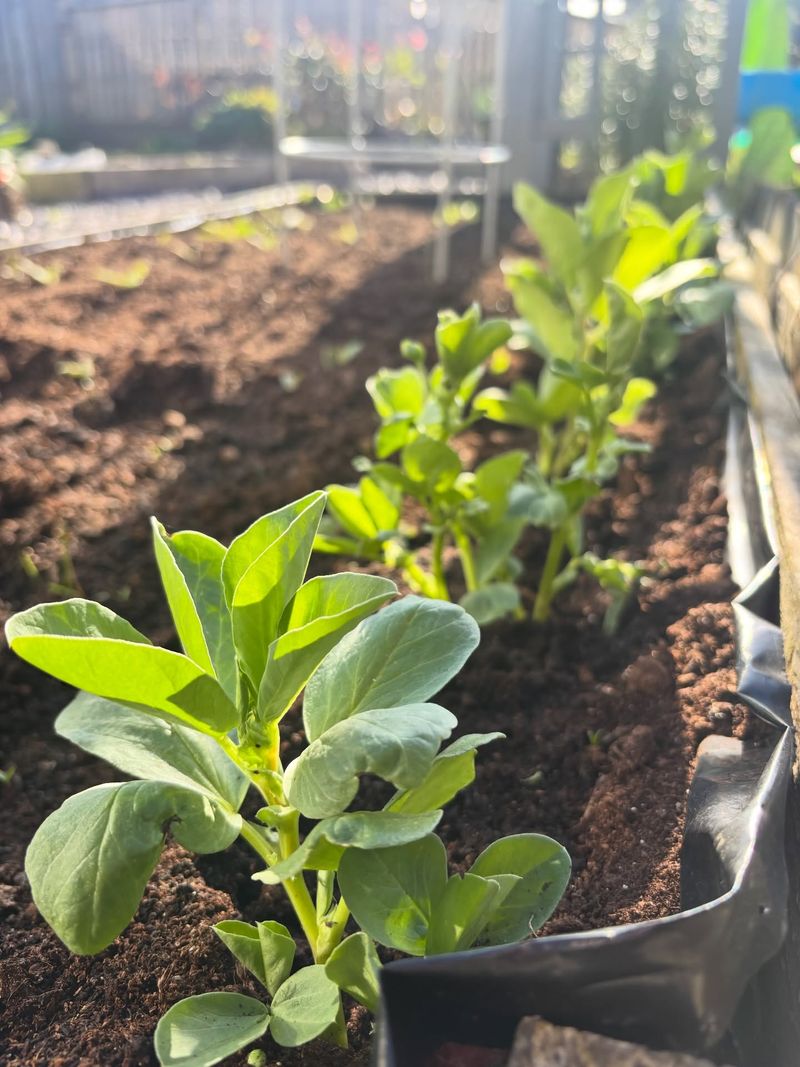
Florida is long, stretching roughly 450 miles from Pensacola down to Key West. That distance means the calendar looks a little different depending on where your garden sits.
North Florida gardeners should aim for early September, ideally in the first two weeks. Waiting too long up there risks a surprise cold front before pods fill out.
Central Florida has a bit more wiggle room, with most of September working well. Some folks around Orlando and Tampa even sneak in a planting in early October.
South Florida plays by its own rules, since frost rarely shows up there. Gardeners in Miami or Naples can plant from September clear through spring, though September heat can still be intense.
Your Florida Garden Changes Every Week. Your Plan Should Too.
Gardening in Florida changes quickly throughout the season. Every Friday you’ll receive a simple weekly plan showing exactly what to plant, prune, fertilize, harvest, and protect so you never miss the right timing.
A smart trick is to plant a short row every two weeks instead of all at once. That way, you get a steady trickle of beans rather than a giant pile in one weekend.
Check the weather forecast before sowing, especially during peak hurricane season. A heavy tropical downpour right after planting can wash seeds away or leave them sitting in puddles.
Morning planting is easier on both you and the seeds. Sow them about one inch deep and two to four inches apart, then water gently.
A soil thermometer costs only a few dollars and takes the guesswork out of timing. If it reads above 70 degrees at two inches deep, you are good to go.
Keep a simple garden notebook with planting dates, too. Next year, those notes will tell you exactly which week worked best in your yard.
The Overwatering Trap In Sandy Soil
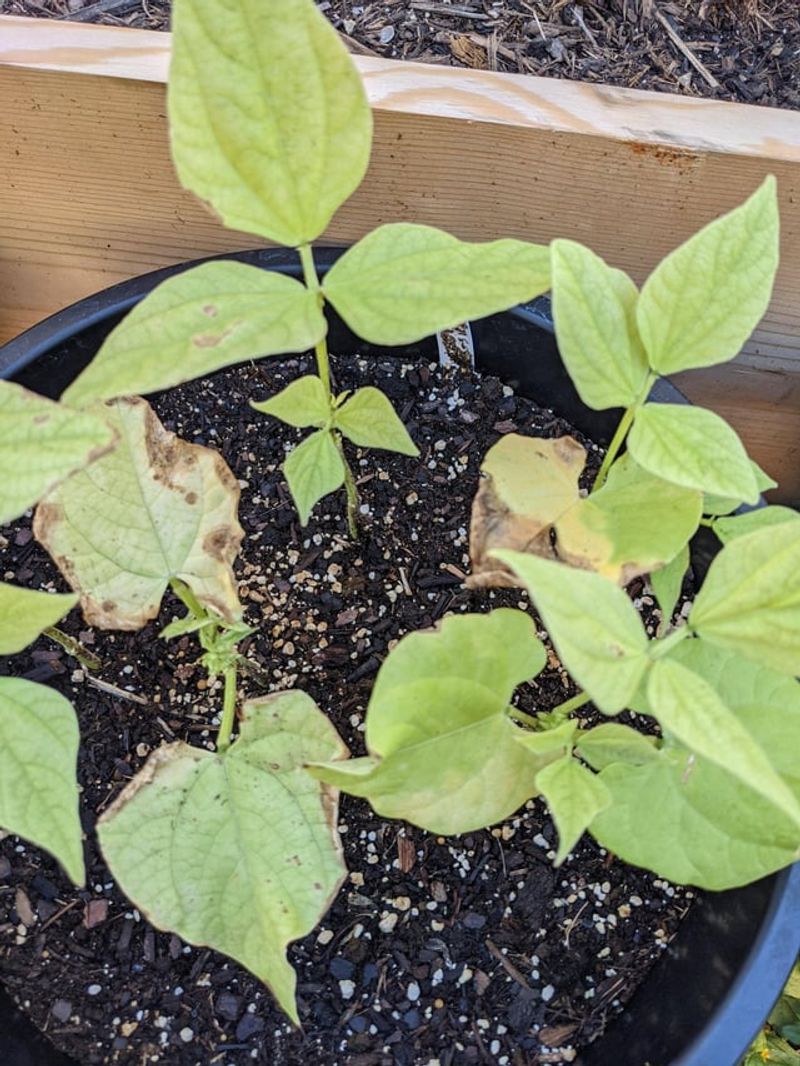
Loving your garden too much can actually cause trouble, and water is where most of that love goes wrong. Florida’s sandy soil drains fast, which tempts people to soak it constantly.
The problem is that bean seeds rot quickly when they sit in wet, cool pockets of ground. Roots also need air, and soggy soil squeezes that air right out.
Before sprouting, seeds only need the soil to stay lightly moist, like a wrung-out sponge. Once seedlings pop up, watering deeply two or three times a week usually works better than daily sprinkles.
Shallow, frequent watering keeps roots lazy near the surface. Deep watering encourages them to reach down, which helps plants handle hot afternoons later on.
Another sneaky mistake is watering the leaves at night. Wet foliage in warm, humid air invites fungal problems like rust and powdery mildew.
Try the finger test before grabbing the hose each day. Push a finger two inches into the soil, and only water if it feels dry at that depth.
Adding compost to sandy beds helps a lot, too. Organic matter acts like a tiny sponge, holding just enough moisture without turning the ground into mud.
Drip lines or soaker hoses are another great option for busy gardeners. They deliver water straight to the roots and keep leaves nice and dry.
Rain counts as well, and September storms can still dump plenty of it. A cheap rain gauge helps you skip the hose on days when the sky already did the job.
A Simple Fix For Sudden Heat Waves
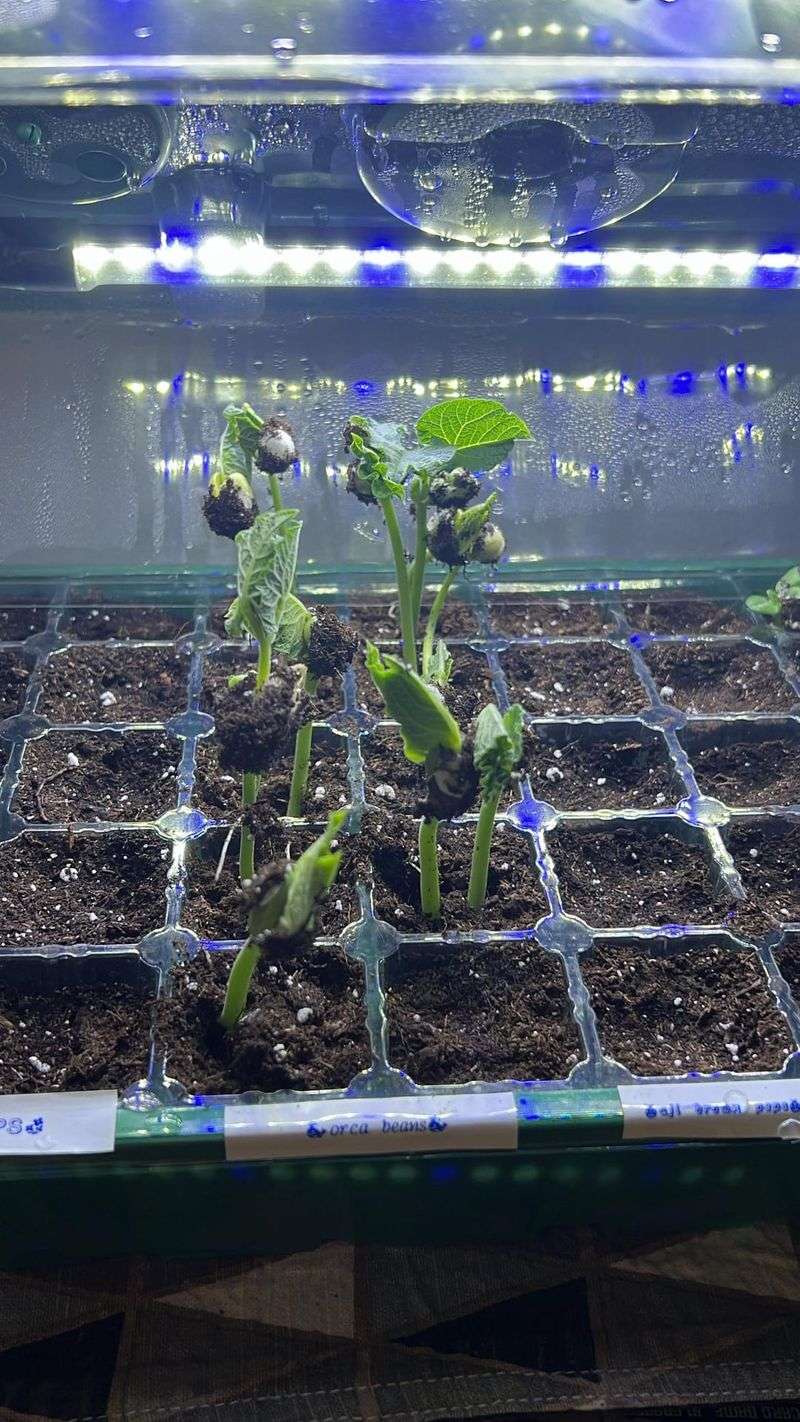
September in Florida can feel like summer refusing to leave the party. A surprise week of 95-degree afternoons might make young bean plants droop like tired puppies.
Luckily, the fix is cheap and easy, and it starts with shade. A piece of lightweight shade cloth, around 30 percent, cuts harsh sunlight without blocking the light plants need.
Drape the cloth over simple hoops made from PVC pipe or bent wire. Keep it a foot or so above the leaves so air can still move freely underneath.
Mulch is the second part of the fix, and it works like sunscreen for soil. A two-inch layer of straw or pine needles keeps roots cooler and slows evaporation.
Blossom drop is the most common heat problem with beans. When temperatures soar, flowers may fall off before forming pods, which can be frustrating to watch.
Do not panic if a few blooms land on the ground. Plants usually produce a fresh wave of flowers once the weather cools a few degrees.
Watering in the early morning also helps plants face the heat with full tanks. Afternoon watering loses much of the moisture to evaporation before roots can drink it up.
Skip heavy fertilizer during hot spells, since extra nitrogen pushes leafy growth that wilts easily. A light dose of balanced fertilizer at planting time is usually plenty.
Once the heat wave breaks, remove the shade cloth so plants get full sun again. They will perk up quickly, as if the whole heat drama was just a bad dream.
A Steady Harvest Before Thanksgiving
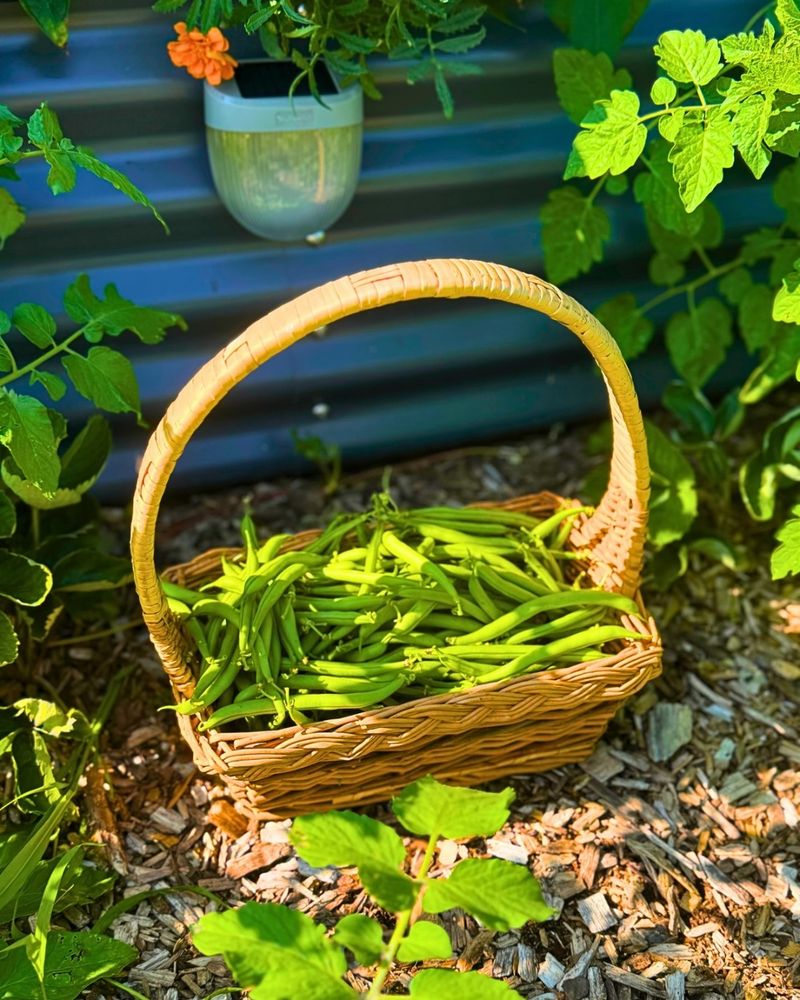
There is something magical about snapping a fresh bean off the plant and hearing that crisp little pop. Grandparents across Florida have been growing fall beans for generations, and that sound brings back memories.
Seeds sown in early September usually start producing pods by late October. With a little care, picking can continue well into November, just in time for holiday meals.
Pick beans when they are about the thickness of a pencil and before the seeds bulge. Young pods taste sweeter and snap cleanly, while older ones get tough and stringy.
Harvesting every two or three days keeps plants busy making more. If pods are left to ripen fully, the plant thinks its job is done and slows down.
Use two hands when picking, holding the stem with one and pulling the pod with the other. Bush bean stems are tender, and a rough yank can snap off a whole branch.
A 10-foot row can produce several pounds of beans over the season. That is enough for family dinners, a few jars of pickled beans, and some to share with neighbors.
Fresh beans keep best in the fridge inside a loose plastic bag for about a week. Wash them just before cooking so they stay crisp longer.
Popular varieties for Florida fall gardens include Contender, Provider, and Bush Blue Lake. Each one handles warm weather well and rewards patient gardeners with plenty of pods.
Picture a Thanksgiving table with a steaming bowl of green beans you grew yourself. That kind of pride tastes even better than the buttery sauce on top.
Pest Protection For Fall Bean Beds
Florida bugs seem to treat fall gardens like an all-you-can-eat buffet. Bean leaves are high on their menu, so a little planning goes a long way.
Aphids, whiteflies, and stink bugs are some of the most common troublemakers. Bean leaf beetles and Mexican bean beetles also love chewing tiny holes in tender leaves.
Start by checking plants every couple of days, especially the undersides of leaves. Catching a problem early is much easier than dealing with a full-blown outbreak later.
A strong spray of water from the hose knocks aphids right off the plants. For bigger bugs, hand-picking them into a cup of soapy water works surprisingly well.
Floating row covers are another great tool for young seedlings. These light fabric sheets let sun and rain through while keeping hungry insects out.
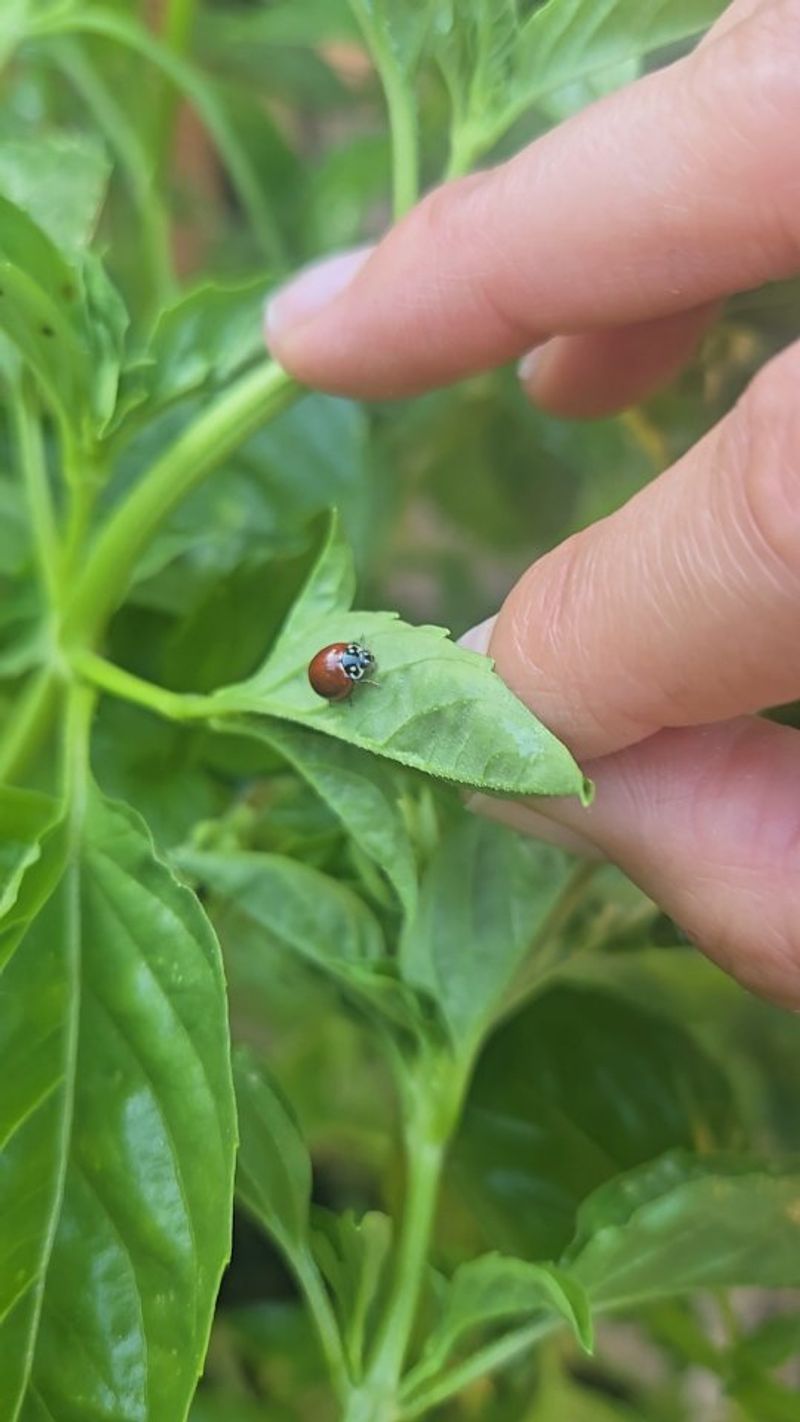
Planting marigolds, basil, or dill nearby can attract helpful insects like ladybugs and lacewings. Those garden heroes happily munch on aphids so you do not have to lift a finger.
Rotate your crops, too, instead of planting beans in the same spot every season. Moving them around helps break the life cycle of soil pests and diseases like root knot nematodes.
Keep the garden tidy by pulling weeds and removing fallen leaves. Clutter gives pests cozy hiding spots right next to your crop, much like a messy closet hides lost socks.
If sprays are needed, gentle options like insecticidal soap or neem oil are good choices. Apply them in the evening to protect bees that visit the flowers during the day.