Who Pays When A California Neighbor’s Tree Damages Your Roof
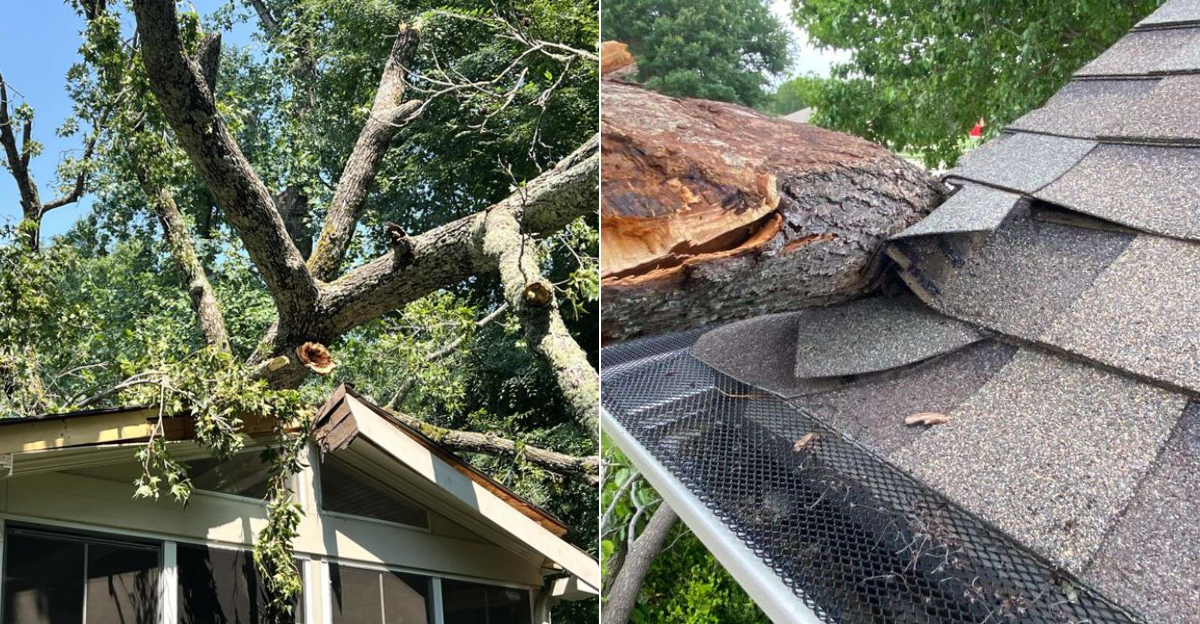
A branch crashes onto your roof, shingles scatter, and the tree responsible stands in your neighbor’s yard. The repair bill arrives quickly.
The answer about who pays usually does not.
Ownership alone may not settle the issue. California liability can depend on the tree’s condition and what the neighbor knew before the damage occurred.
A healthy tree that falls during a severe storm can create a very different dispute than one with obvious decay.
Insurance may cover part of the loss, but that does not always decide who was legally at fault. Photos, prior complaints, and inspection records can suddenly matter more than anyone expected.
This is where a messy cleanup can turn into a tense property dispute. Knowing which details carry weight can help you protect your claim and avoid an expensive assumption.
1. Your Homeowners Insurance May Pay First
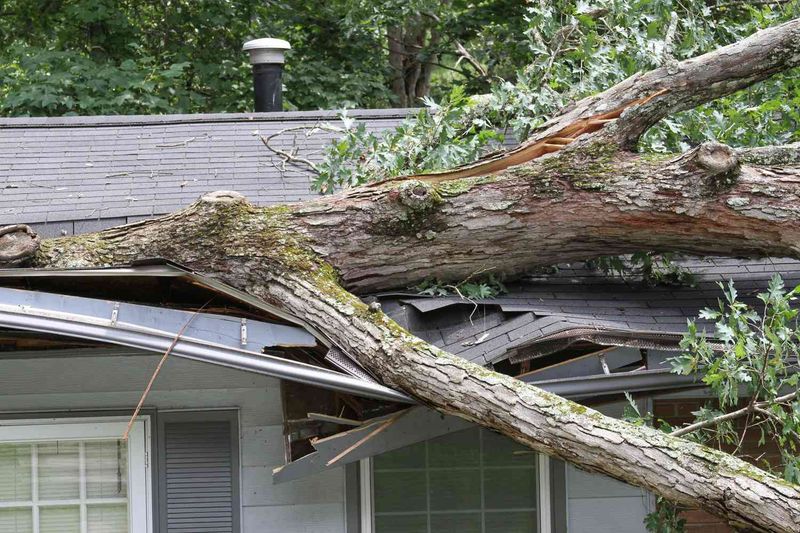
Most people are surprised to learn that their own insurance policy is usually the first to respond when a neighbor’s tree damages their roof. Even if you did not plant the tree and had nothing to do with it, your homeowners insurance is designed to protect your property.
That means your insurer will likely step in before anyone else does.
Filing a claim with your own insurance company is often the fastest way to get repairs started. Waiting for your neighbor’s insurance to pay can take weeks or even months.
Your policy may cover the cost of removing the tree, repairing the roof, and fixing any interior damage caused by the fallen tree.
Of course, filing a claim usually means paying a deductible. That out-of-pocket amount can range from a few hundred dollars to over a thousand, depending on your policy.
Some homeowners hesitate to file because they worry about their premiums going up afterward.
Talk to your insurance agent before making any decisions. Ask specifically what your policy covers for fallen tree damage.
Some policies cover tree removal only if the tree blocks a driveway or damages a structure, so reading the fine print matters. Knowing your coverage ahead of time helps you move quickly when an emergency happens.
2. A Healthy Tree Is Usually Treated Differently
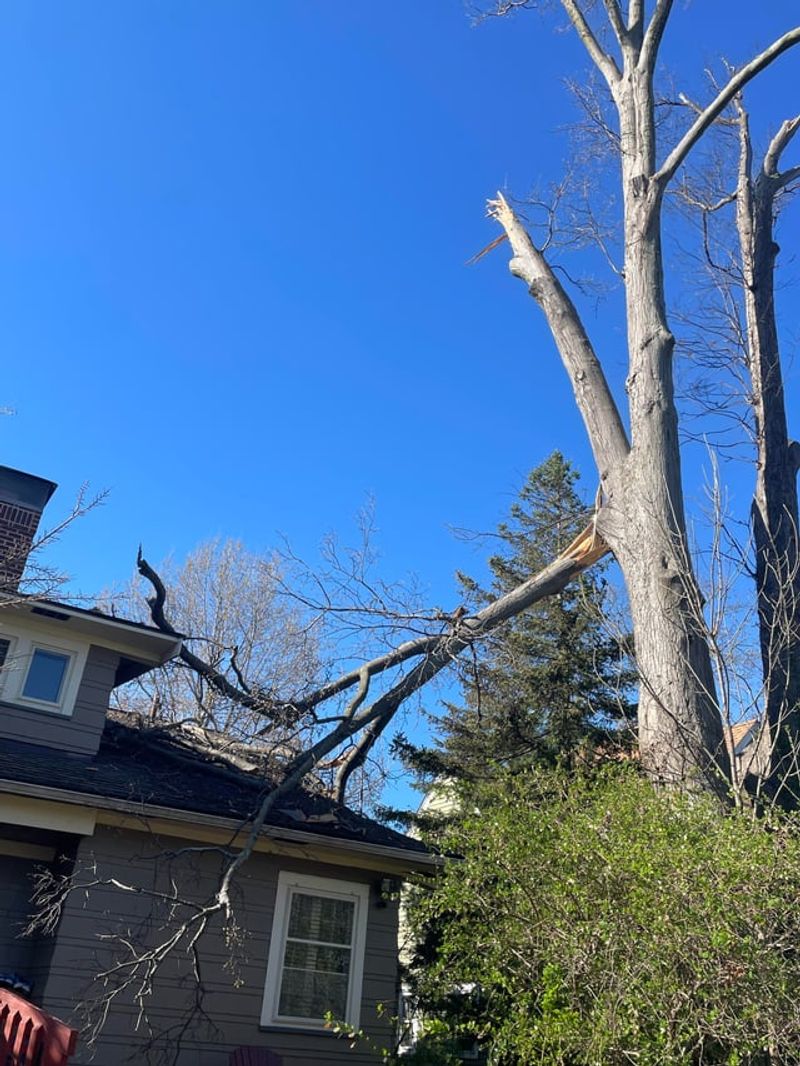
When a perfectly healthy tree falls and damages your roof during a storm, the law generally does not hold your neighbor responsible. Healthy trees can fall unexpectedly, especially during high winds or heavy rain.
In those cases, the event is considered an act of nature, and no one is legally at fault.
Many homeowners feel frustrated by this rule. You might think, “It was their tree, so they should pay.” But the legal system in California treats healthy trees differently from neglected ones.
A neighbor who properly cares for their tree is not automatically liable just because it fell onto your property.
Your homeowners insurance would typically handle the repairs in this situation. That is exactly what the policy is designed for.
You pay premiums every month so that when something unexpected happens, you have financial protection ready to go.
Your California Garden Changes Every Week. Your Plan Should Too.
Gardening in California changes quickly throughout the season. Every Friday you’ll receive a simple weekly plan showing exactly what to plant, prune, fertilize, harvest, and protect so you never miss the right timing.
One thing worth knowing is that some insurance policies have specific exclusions or limits related to trees. For example, a policy might cap how much it pays for tree removal at a set dollar amount.
Always review your policy carefully after a storm, and ask your agent if anything is unclear.
Healthy trees that fall are treated as accidents. No blame, no legal fight. Just a claim filed and repairs made as quickly as possible so your home stays protected.
3. A Neglected Tree Can Change Who Pays
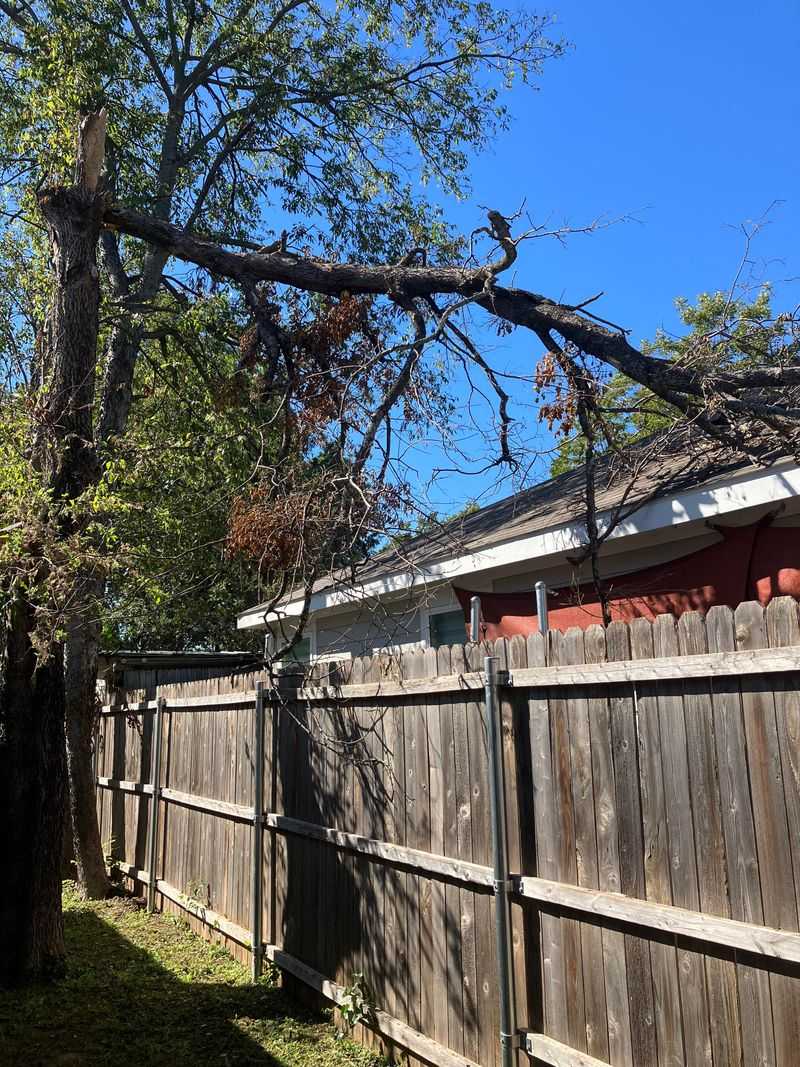
Not all trees are well cared for, and a neglected tree tells a very different legal story. When a tree shows clear signs of poor health or structural problems, the owner may be considered negligent if it falls and causes damage.
Negligence changes who is financially responsible. Neglect can look like many things. A tree with rotting bark, a hollow trunk, or branches that have been falling for months is a warning sign.
If your neighbor ignored those signs and the tree eventually fell on your roof, you may have a strong case for holding them liable.
Proving negligence is not always simple. You would need to show that the tree was visibly unhealthy and that your neighbor either knew or should have known about the problem.
Evidence like photos, past complaints, or reports from a certified arborist can help build your case.
California property owners have a legal duty to maintain trees on their land. If a tree poses a clear risk to neighboring properties and the owner does nothing about it, they can be held responsible for any damage that results.
This duty of care is an important part of property law here. A neglected tree shifts responsibility.
When a homeowner fails to act on an obvious problem, the cost of that inaction can fall squarely on their shoulders instead of yours.
4. Prior Warnings Matter More Than Blame
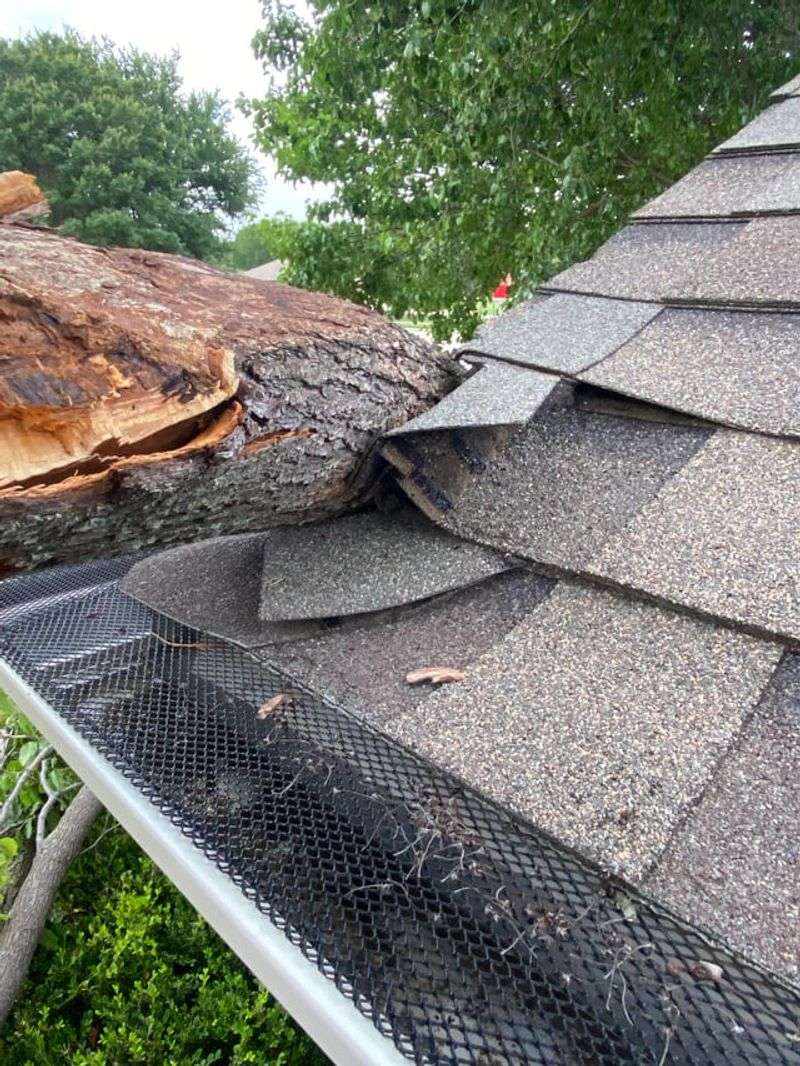
Sending your neighbor a written warning about a dangerous tree might feel awkward, but it could be one of the most important things you ever do.
If that tree later falls and damages your roof, having a record of your warning can make a huge difference in who ends up paying.
A written warning creates a paper trail. When you put your concern in writing, either by email, letter, or even a text message, you create documentation that proves your neighbor was aware of the risk.
Without that record, it becomes your word against theirs. Many people skip this step because they do not want conflict with a neighbor. That is understandable.
Relationships matter, and nobody wants to start a fight over a tree. But protecting your home and your finances is just as important as keeping the peace.
In legal disputes, prior warnings carry a lot of weight. A judge or insurance adjuster will take seriously the fact that a homeowner was told about a dangerous tree and chose not to act.
That decision can be viewed as negligence, which shifts financial responsibility toward the neighbor.
Keep copies of every warning you send. If you speak with your neighbor in person, follow up with a quick email summarizing the conversation.
These small steps create a strong foundation for your case if things ever go wrong with that tree.
5. Withered Limbs Can Point To Negligence
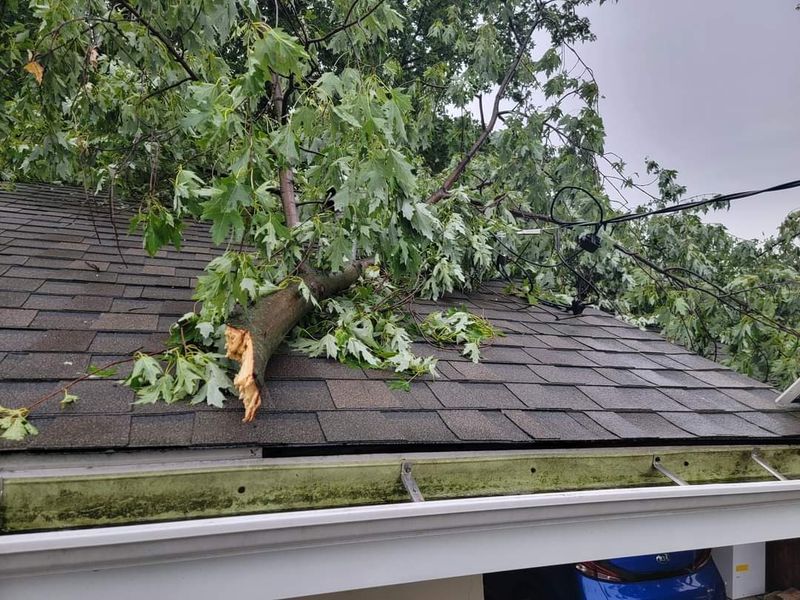
A tree does not have to fall completely to cause serious roof damage. Damaged limbs are one of the most common culprits behind unexpected damage during storms.
When a large branch breaks off and crashes into your roof, the repair costs can be just as serious as a full tree fall.
Withered limbs are often visible from the ground. They tend to have no leaves, cracked or peeling bark, and a brittle appearance.
A homeowner who notices these signs on their tree has a responsibility to address them before something goes wrong.
If your neighbor’s tree had obvious damaged limbs that were never trimmed, and one of those limbs damaged your roof, that oversight could be considered negligence.
The key word here is “obvious.” If the problem was easy to see and nothing was done about it, the tree’s owner may be held liable for the resulting damage.
Hiring a certified arborist to inspect a tree is not expensive, and it can prevent much larger problems. Many tree care professionals offer free estimates.
A written report from an arborist is also powerful evidence if a dispute ever goes to court or involves insurance companies.
Staying alert to what is happening in the trees around your home is a smart habit. Noticing a problem early and reporting it in writing gives you much stronger footing if the worst happens.
6. Storm Damage Is Not Always Your Neighbor’s Fault
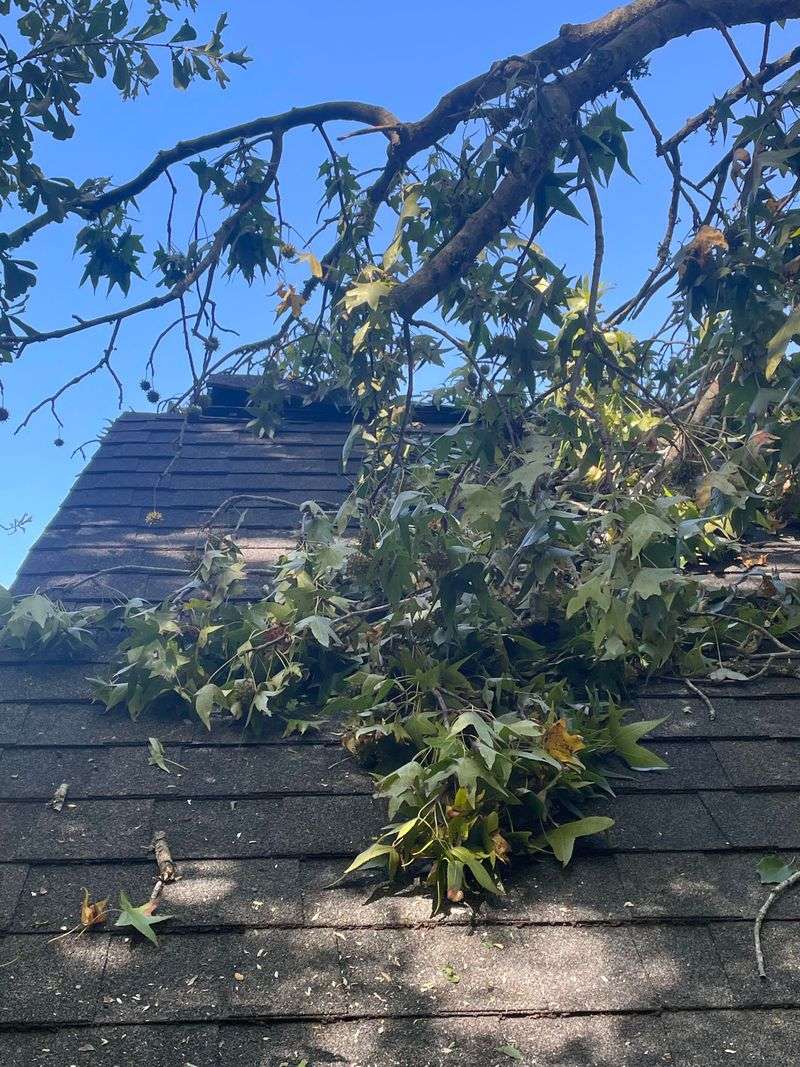
Storms are unpredictable, and even the healthiest trees can give way under extreme conditions. When a major storm rolls through, wind gusts can reach speeds that no tree is built to withstand.
In those situations, the law generally does not assign blame to the tree’s owner.
Northern regions of California often experience powerful winter storms, while southern areas deal with dry, high-speed Santa Ana winds.
Both types of weather events can bring down trees that were perfectly fine before the storm hit.
These are considered acts of nature, and they are treated differently under the law.
Your homeowners insurance is your best friend in these situations. Policies that include windstorm coverage will typically pay for roof repairs caused by falling trees during a storm.
Make sure you understand whether your policy includes this type of coverage before storm season arrives.
One exception worth knowing: if your neighbor’s tree was already weakened before the storm, the storm might not fully protect them from liability. A storm can be the final trigger, but if the tree was already in poor condition, the owner may still share some responsibility.
After any storm, walk around your home and document any damage right away. Take clear photos of the tree, the roof, and the surrounding area.
Report the damage to your insurance company as soon as possible to get the claims process moving quickly.
7. Your Insurer May Pursue Their Insurer
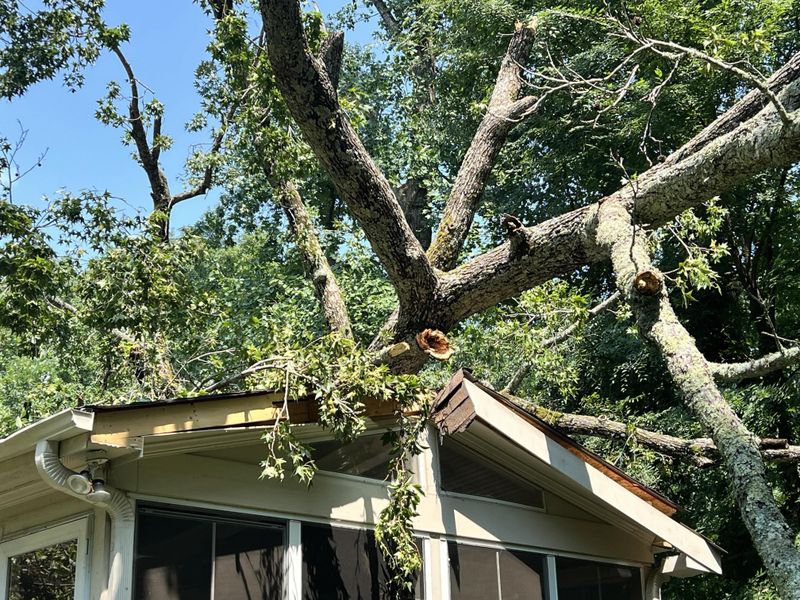
Here is something many homeowners do not realize: after your insurance company pays for your roof repairs, they may go after your neighbor’s insurance company to recover that money.
This legal process is called subrogation, and it happens more often than you might think.
Subrogation works like this. Your insurer pays your claim and gets you back on your feet quickly.
Then, behind the scenes, your insurance company investigates whether someone else was at fault for the damage.
If they find that your neighbor’s negligence caused the problem, they will file a claim against your neighbor’s liability insurance.
From your perspective, this process happens mostly in the background. You do not have to manage the legal back-and-forth between the two insurance companies.
Your job is simply to cooperate with your insurer and provide any documentation they request.
If subrogation is successful, your insurance company recovers the money they paid out. In some cases, you might even get your deductible back.
That is a benefit that many homeowners do not know about, so ask your agent about it when you file your claim.
Subrogation is one reason why documenting everything is so important from the very start. Photos, written warnings, arborist reports, and communication records all support the subrogation process.
The stronger your evidence, the better your insurer’s chances of recovering the full cost of your repairs from the responsible party.
8. Photos Help Prove The Tree’s Condition
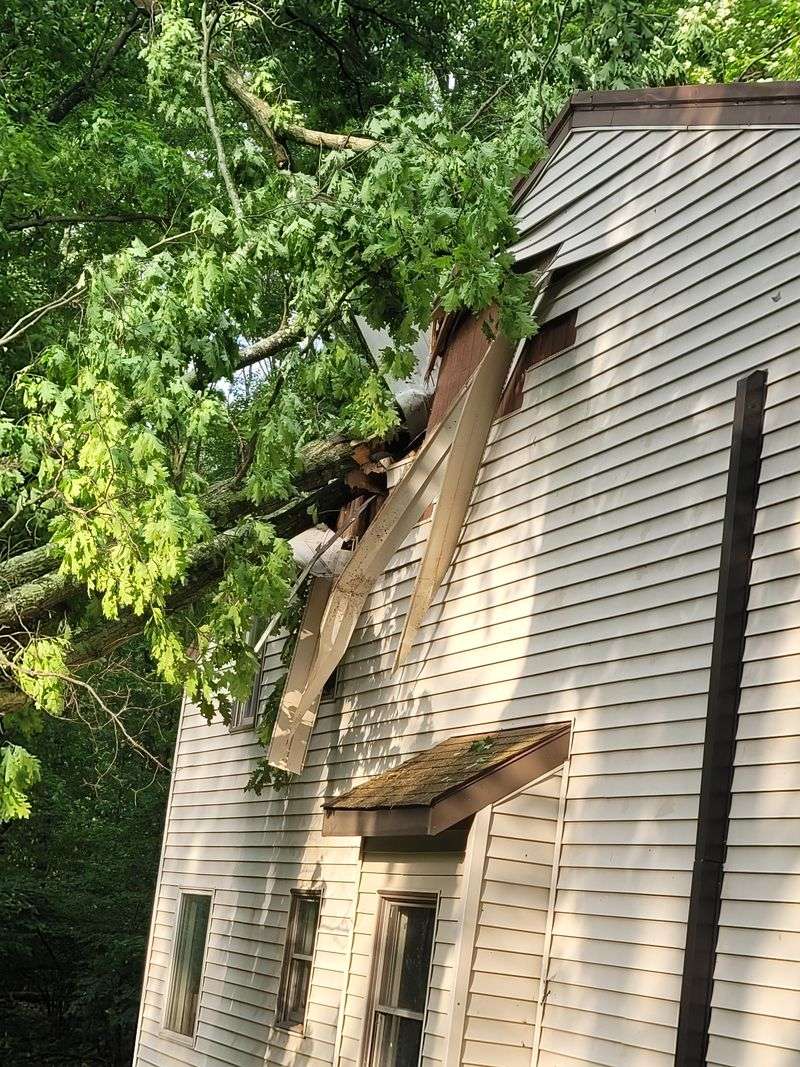
Right after a tree hits your roof, grabbing your phone and taking photos might not be the first thing on your mind. But those early photos are often the most important evidence you will ever collect.
They capture the scene exactly as it was, before anything is moved or cleaned up.
Good documentation includes photos of the fallen tree, the damage to your roof, any broken branches on the ground, and the overall condition of the tree itself.
If the tree shows signs of rot, hollowness, or previous storm damage, photograph those details up close. These images can tell a powerful story later on.
Date and time stamps on photos matter too. Most smartphones automatically record this information in the image file.
If you ever need to show when the damage occurred or what conditions looked like immediately after the incident, that metadata becomes important evidence.
Video can also be helpful. A slow, steady walk-around of the tree and the damaged area captures details that still photos might miss.
Narrate what you are seeing as you record, pointing out specific areas of concern on the tree or the roof.
Store your photos and videos in a cloud backup right away. Do not rely only on your phone’s local storage.
If your phone is lost or damaged during the cleanup process, having a cloud backup ensures your evidence is safe and accessible when you need it most.
9. Do Not Remove Evidence Too Quickly
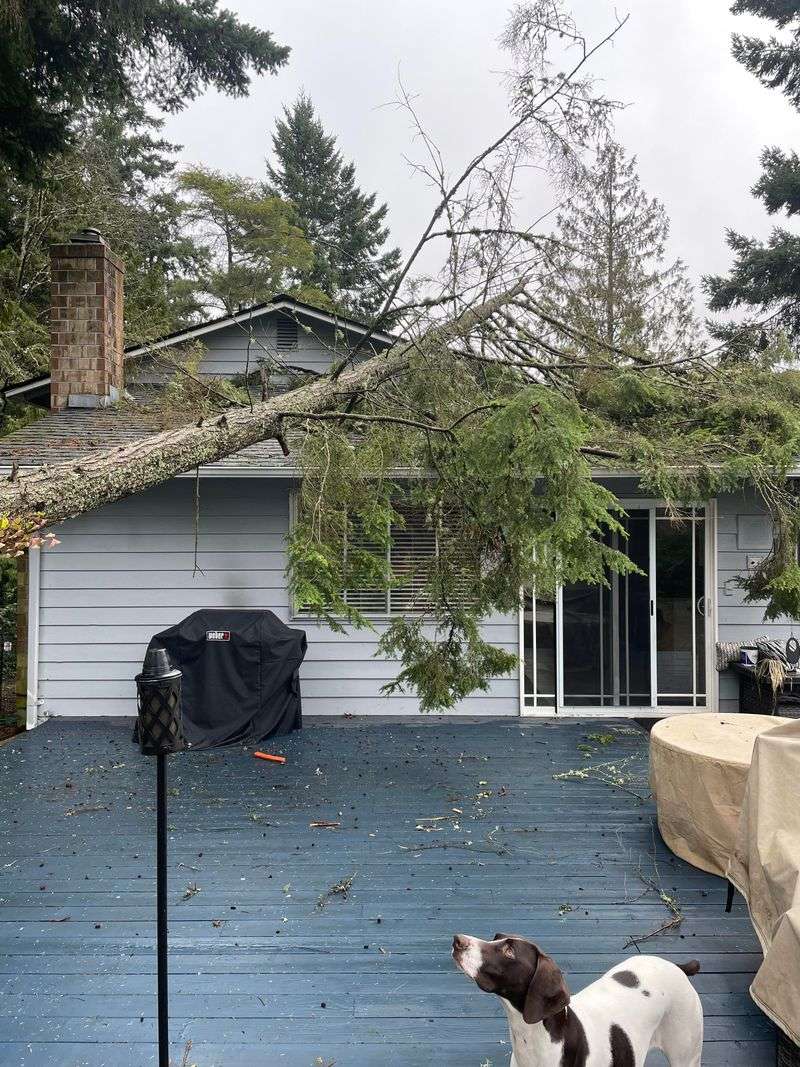
After a tree falls on your roof, the pressure to clean everything up quickly is completely understandable. You want your home safe and secure again.
But rushing to remove the tree before documenting everything can seriously hurt your ability to prove what happened and who is responsible.
Before any tree removal begins, make sure you have taken thorough photos and videos from multiple angles.
Document the tree’s root system if it is visible, the point where it broke or uprooted, and any signs of decay or structural weakness.
These details are critical for both insurance claims and potential legal disputes.
It is also smart to contact your insurance company before the tree is removed. Many insurers want to send an adjuster out to inspect the damage in person.
If the tree is already gone by the time they arrive, they may have a harder time assessing the full scope of the damage.
Ask the tree removal company to save a section of the trunk if possible. A cross-section can reveal internal decay that supports a negligence claim against your neighbor.
An arborist can examine that sample and provide a written opinion about the tree’s condition before it fell.
Patience in the first 24 to 48 hours after the damage can pay off significantly. A little extra time spent documenting and communicating with your insurer before the cleanup begins can make the difference between a fully covered claim and a costly dispute.