The California Lawn Task That Keeps Weeds From Taking Over By October
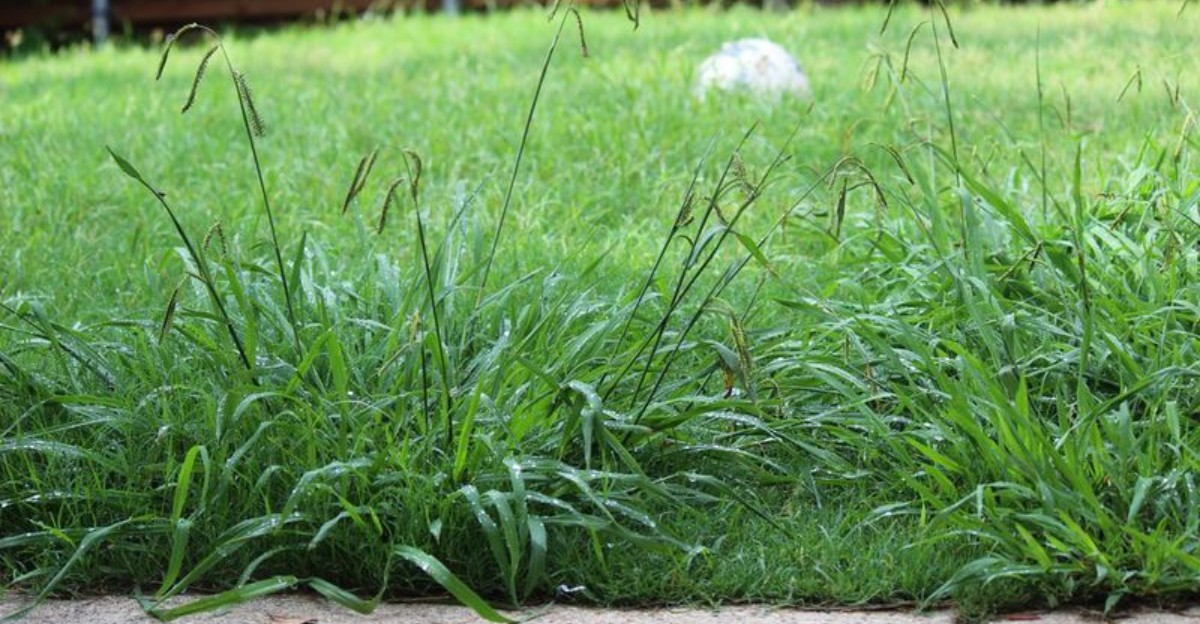
September in California smells like warm dust, dry grass, and one last round of smoky backyard barbecues. Your lawn looks tired and thin, but honestly, it seems pretty harmless sitting there in the sun.
Underneath that calm brown surface, the soil is already preparing for the season’s first real rain. Trouble rarely announces itself in California yards. It simply waits for cooler nights and shorter days.
By late October, plenty of homeowners step outside and wonder where that smooth green carpet quietly went. The answer was written weeks earlier, back when sprinklers were struggling to keep up with the heat.
One short afternoon of work this month decides how your whole yard looks through the wet winter. Skip that afternoon, and your lawn fills with weeds you never planted.
The Pre-Emergent Barrier That Stops Winter Weeds Before They Sprout
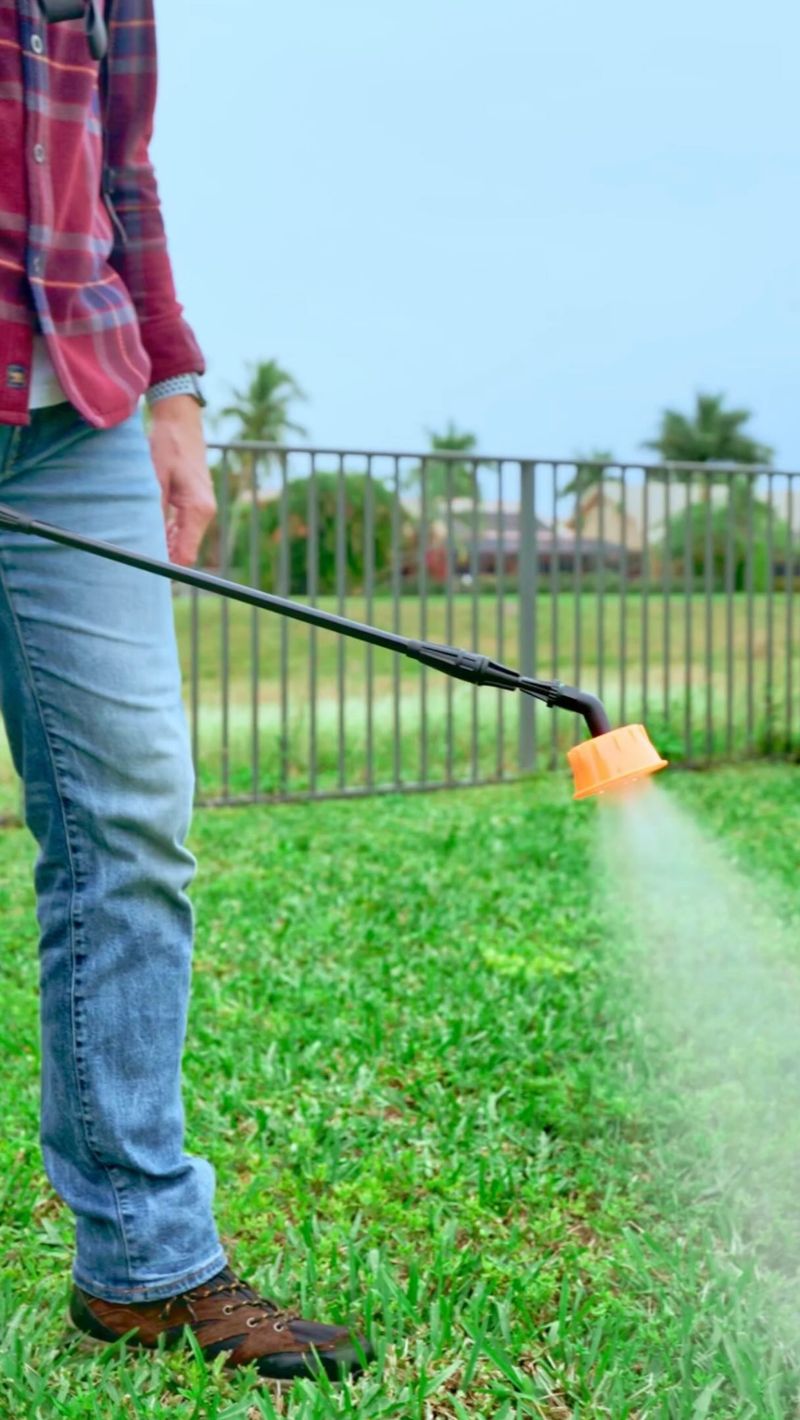
Think of it as sunscreen for your soil, spread carefully long before the burn ever happens. A fall pre-emergent herbicide forms a thin protective layer across the top inch of ground.
Weed seeds still sprout down there, but their fragile new roots cannot push through the treated zone. Seedlings stall out below the surface, and your grass claims that space instead.
Most products sold across California list prodiamine, dithiopyr, or pendimethalin somewhere on the label. Granular versions spread easily with a basic push spreader from any neighborhood hardware store.
Timing matters more than brand name, because the barrier must exist before those seeds wake up. September hits the sweet spot across most of the state, from Sacramento down to San Diego.
A single application handles the entire cool-season crowd, including annual bluegrass, common chickweed, and burclover. Skipping the step means pulling those same plants by hand every weekend in January.
Weeds already growing will shrug it off, so pull or spot-treat those plants first. Pre-emergent products work on seeds, not on anything that already shows green leaves.
Bags cover a set square footage, so measure your lawn before heading to the store. Buying slightly extra beats running out halfway across the front yard.
Expect to spend roughly twenty to fifty dollars for an average suburban California yard. Compare that price against an entire season of frustrating weekend weed pulling.
Neighbors who treat their lawns in September usually spend October relaxing rather than kneeling in damp grass. That trade sounds fair for roughly forty minutes of pushing a spreader.
Dormant Weed Seeds Beneath Your Summer Lawn
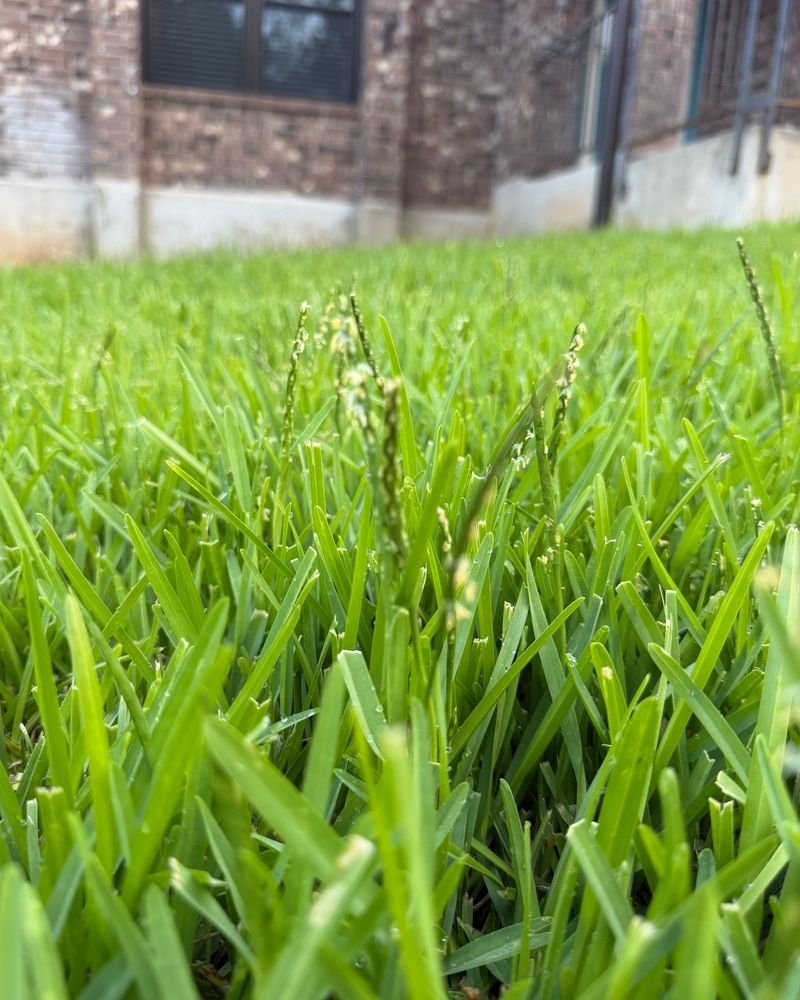
Every California lawn sits on top of a hidden library of weed seeds. Wind, birds, mower blades, and old landscaping deposits keep adding fresh titles to that collection each year.
Researchers estimate a single square foot of soil can hold thousands of viable seeds. Most of them sit quietly, waiting for the exact soil temperature and moisture levels they prefer.
Cool-season weeds in California want soil temperatures sliding down toward the low seventies. That gentle shift usually begins in September, weeks before anyone spots the first cool-season weeds.
Annual bluegrass is the usual troublemaker, producing lighter green patches and seed heads by winter. A single plant can drop hundreds of seeds long before spring weather even arrives.
Your California Garden Changes Every Week. Your Plan Should Too.
Gardening in California changes quickly throughout the season. Every Friday you’ll receive a simple weekly plan showing exactly what to plant, prune, fertilize, harvest, and protect so you never miss the right timing.
Chickweed, filaree, and burclover join the party wherever irrigation keeps the surface damp. Thin spots left over from summer heat give those seeds an easy landing pad.
Understanding that buried supply explains why pulling weeds each winter feels endless. You remove the visible plants, yet the buried seed bank stays fully stocked below.
Blocking germination shrinks that bank slowly, since unused seeds break down over several seasons. Two or three consistent years of treatment make a visible difference in most yards.
Bare dirt and compacted areas invite seeds far more than thick, healthy turf. Aerating, feeding, and mowing high all support the chemical barrier you apply.
Picture the seed bank as a bill that shows up almost every October. September is the month when smart homeowners quietly cancel that unwanted subscription.
Ideal Timing Around The First Autumn Rains
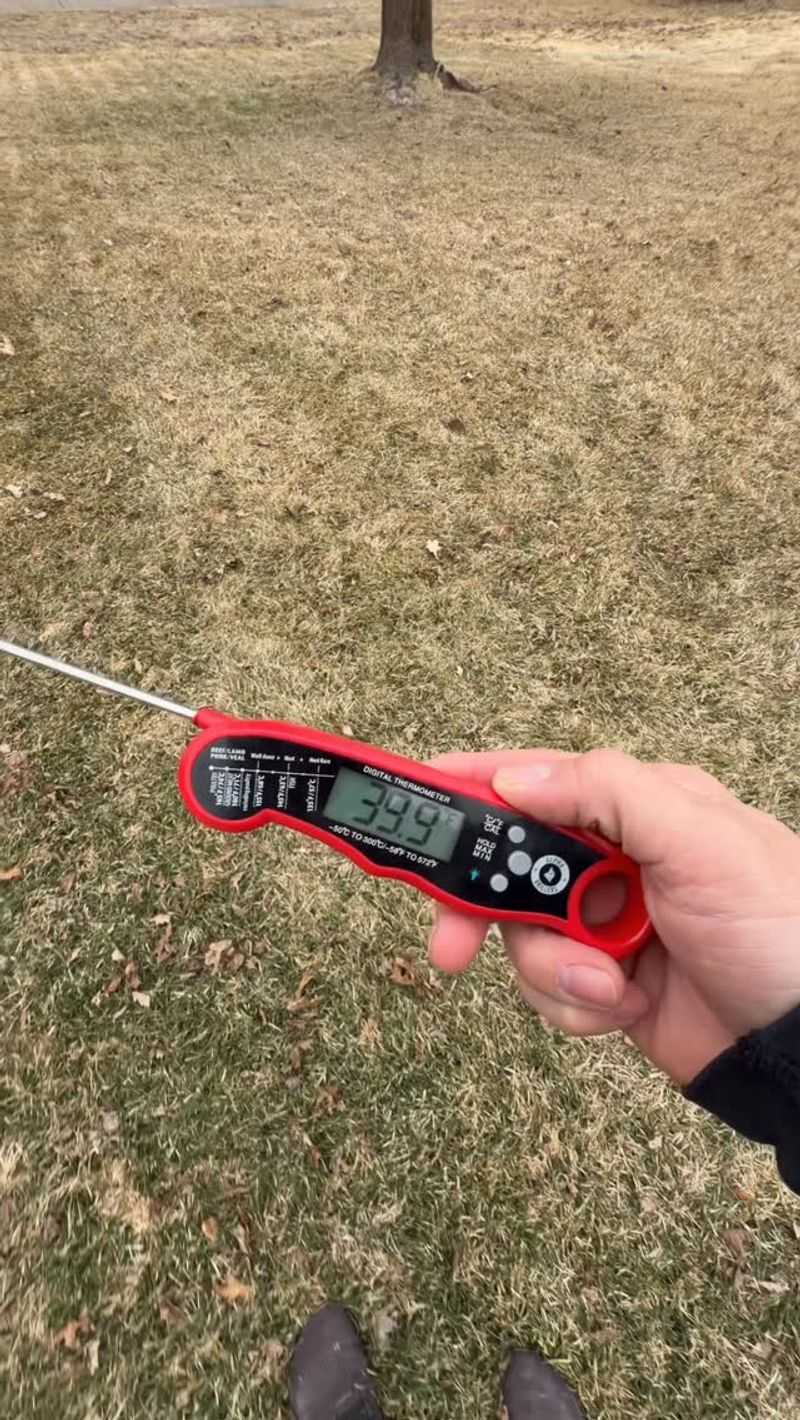
Ask ten California landscapers about timing and nine will mention soil temperature, not the calendar. Around sixty-five to seventy degrees at a two-inch depth, the real countdown starts.
Coastal and Southern California yards often hit that window in late September or early October. Inland valleys and foothill towns usually cool down a week or two sooner.
A cheap compost or soil thermometer settles the whole argument for around fifteen dollars. Push it into the lawn mid-morning and check it for three straight days.
Applying too early risks the barrier fading before winter weed seeds finish germinating underground. Applying after the first soaking rain often means the seedlings already beat you outside.
Most granular products protect for roughly three to four months in mild California weather. Mid-September through early October gives coverage straight through the heaviest rainy stretch.
Some homeowners split the job into two lighter applications about eight weeks apart. That approach stretches protection deep into February without overloading the soil with chemicals.
Watch the ten-day forecast and aim for a dry, calm morning before rain arrives. Granules land more accurately when wind stays under about eight miles per hour.
Missing the perfect week is not a disaster, since late treatment still blocks some seeds. Partial protection still beats an untreated lawn on any given winter weekend.
Mark your phone calendar for the second week of September and repeat it yearly. Future you, sipping coffee on a clean green lawn, will quietly approve.
Product Choices For Fescue, Bermuda, And Zoysia Yards
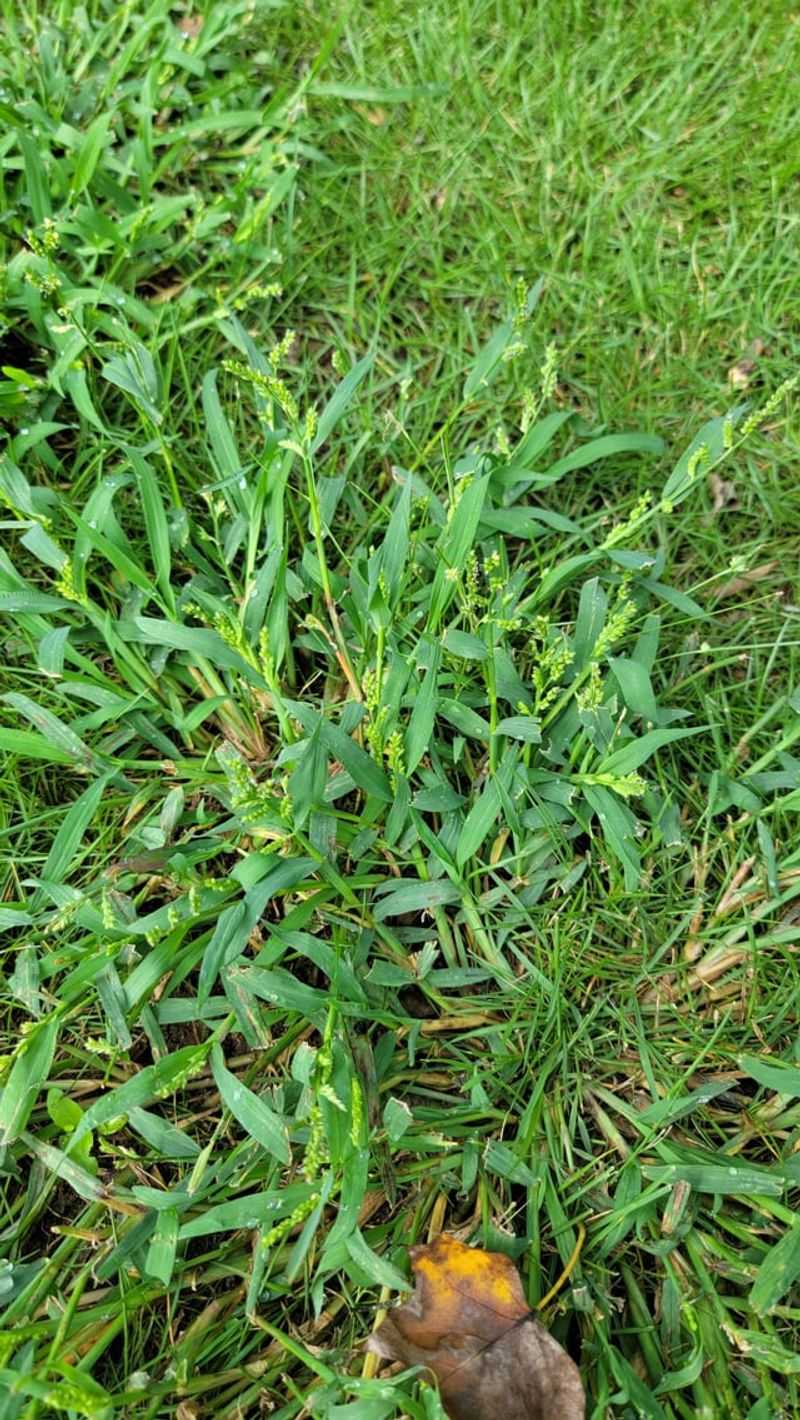
Not every bag on the shelf fits every California lawn, despite the cheerful packaging promises. Grass type, weed targets, and recent seeding plans all shape the right pick.
Tall fescue lawns, common across Northern California, handle prodiamine and dithiopyr without any drama. Both products hold up well through several months of steady winter rainfall.
Bermuda and zoysia lawns going dormant in fall tolerate stronger rates with ease. Warm-season grass is resting, so the product mainly targets seeds trying to sprout.
Combination products pair pre-emergent with fertilizer, which saves you an entire afternoon of extra work. Read the nitrogen numbers carefully so you avoid feeding dormant Bermuda without reason.
Organic-minded gardeners often choose corn gluten meal, which suppresses certain seedlings in a natural way. Results vary quite a bit, and heavy rain shortens its working window considerably.
Liquid concentrates sprayed through a hose-end applicator work nicely on small city lots. Granules remain easier on larger yards, where even coverage really makes the final difference.
Check every label for California registration, because some formulas face specific state restrictions. County agriculture offices and UC extension pages list current guidance for home gardeners.
Match the bag to your square footage rather than guessing at the register. Most labels list total coverage right on the front panel in bold, easy print.
Store leftover granules in a dry garage corner, sealed tight and far from pets. Granules clump badly once humidity sneaks into a bag left open.
Spreader Errors That Leave Weeds An Open Door
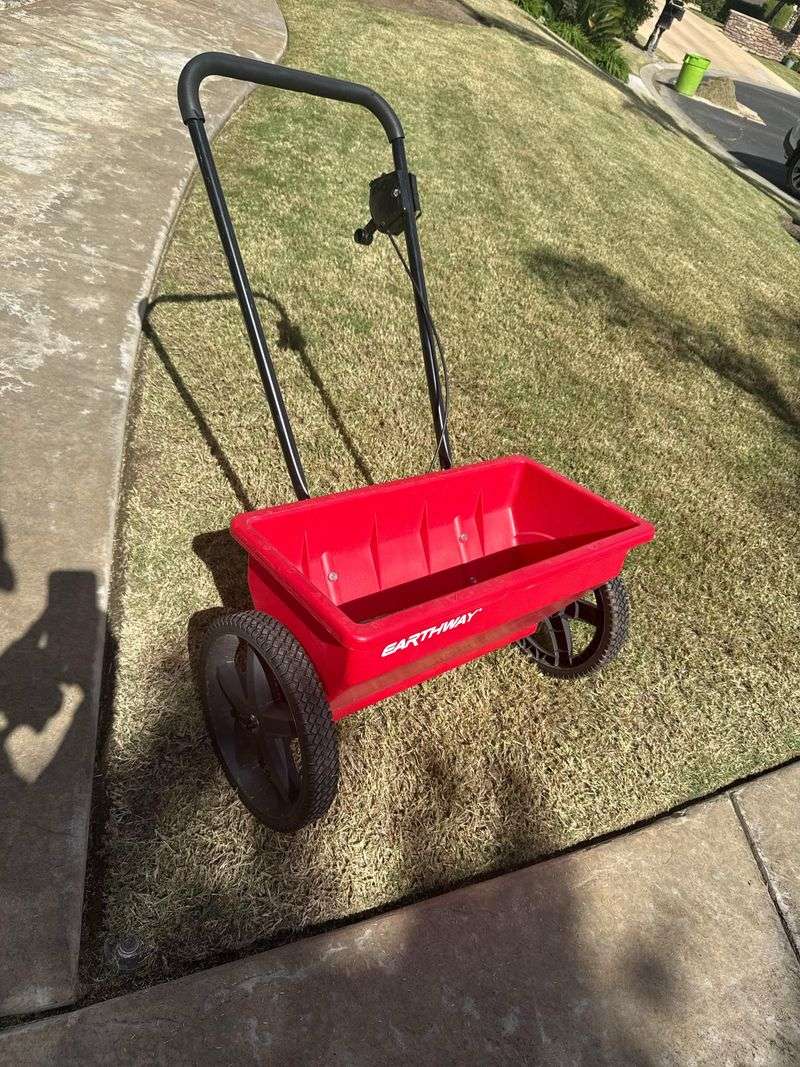
Here is where good intentions usually go sideways, somewhere between the driveway and the mailbox. A rushed spreader pass leaves stripes of untreated soil that weeds find immediately.
Calibration sounds technical, but it simply means setting the dial to the number the label recommends. Guessing high wastes product, while guessing low leaves obvious gaps in your protection.
Pros spread half the bag walking north and south, then the rest east and west. Crossing patterns erase the stripes that a single direction almost guarantees.
Walking speed matters as well, because a fast pace throws granules out unevenly. Keep a steady rhythm, similar to a relaxed evening walk with the dog.
Edges near driveways and sidewalks tempt people to close the hopper a little too late. Sweep stray granules back onto the grass to keep storm drains clean.
Broadcast spreaders fling material several feet to each side, which surprises many first-time users. Drop spreaders offer tighter control around flower beds and backyard vegetable gardens.
Skipping shady strips under oaks or along fences creates weak points by December. Weeds settle into those overlooked corners and spread outward from there all winter.
Rinse the spreader with a hose afterward and let it dry fully before storage. Leftover granules corrode metal parts and jam the gate by next season.
One careful pass beats three sloppy ones, and your October lawn shows the difference. Precision here costs nothing beyond a little extra patience on a Saturday.
The Watering Step That Seals The Barrier In Place
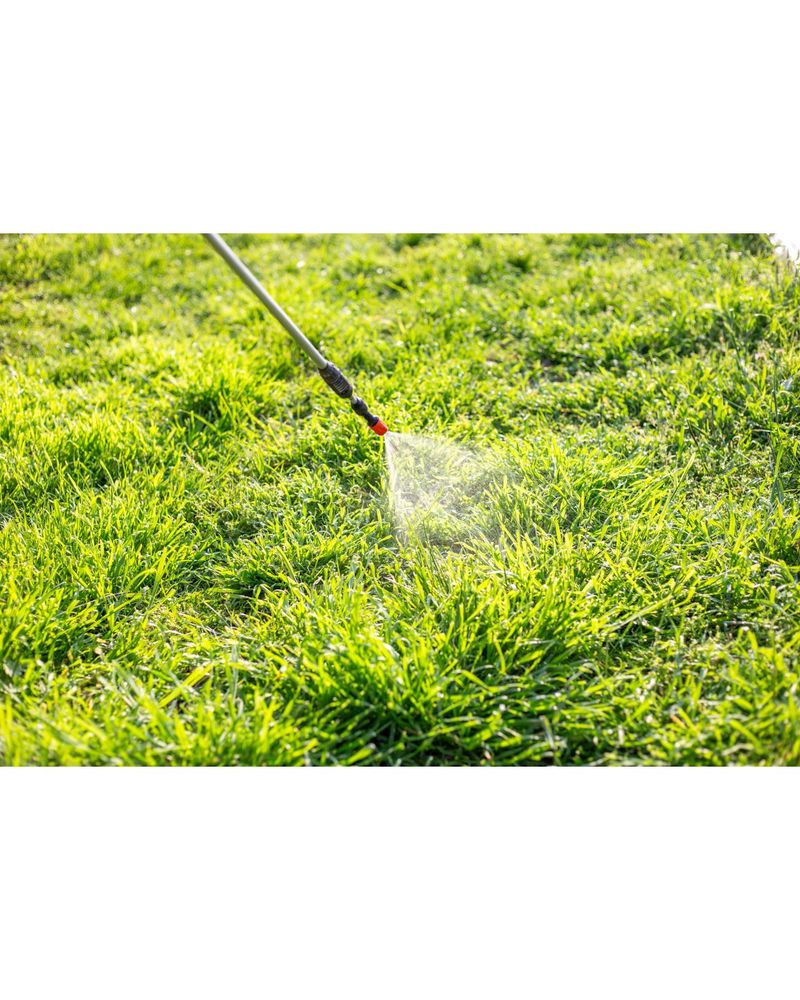
Granules sitting dry on top of the grass do approximately nothing for actual weed control. Water activates the product and carries it down into the top soil layer.
Most labels ask for roughly a half inch of irrigation within the first forty-eight hours. Empty tuna cans placed around the lawn measure that amount surprisingly well.
Skipping the watering step leaves granules exposed to sunlight, which weakens the active ingredient fast. Wind and lawn mowers can also scatter them well off target areas.
Timing your application just ahead of a forecast rain saves both water and effort. Half an inch of natural rainfall handles the entire job perfectly on its own.
Heavy downpours right after application can wash granules toward gutters, sidewalks, and low spots. A gentle, even soaking works far better than one dramatic autumn storm.
Avoid heavy foot traffic, raking, or core aeration for several weeks after treatment. Breaking that treated layer opens doorways for the seeds sitting just underneath.
Dogs and children can return once the treated lawn dries, according to most product labels. Check your specific product, because waiting periods differ from brand to brand.
Sprinkler systems running on old summer schedules may deliver less water than you think. Run a quick test cycle and time the sprinkler output with your phone.
Think of that watering as pressing the start button on the entire project. Without it, you spent money on granules that never got the chance to work.