Why Wisconsin Gardeners Are Dividing Daylilies In Early August For Bigger Clumps Next Summer
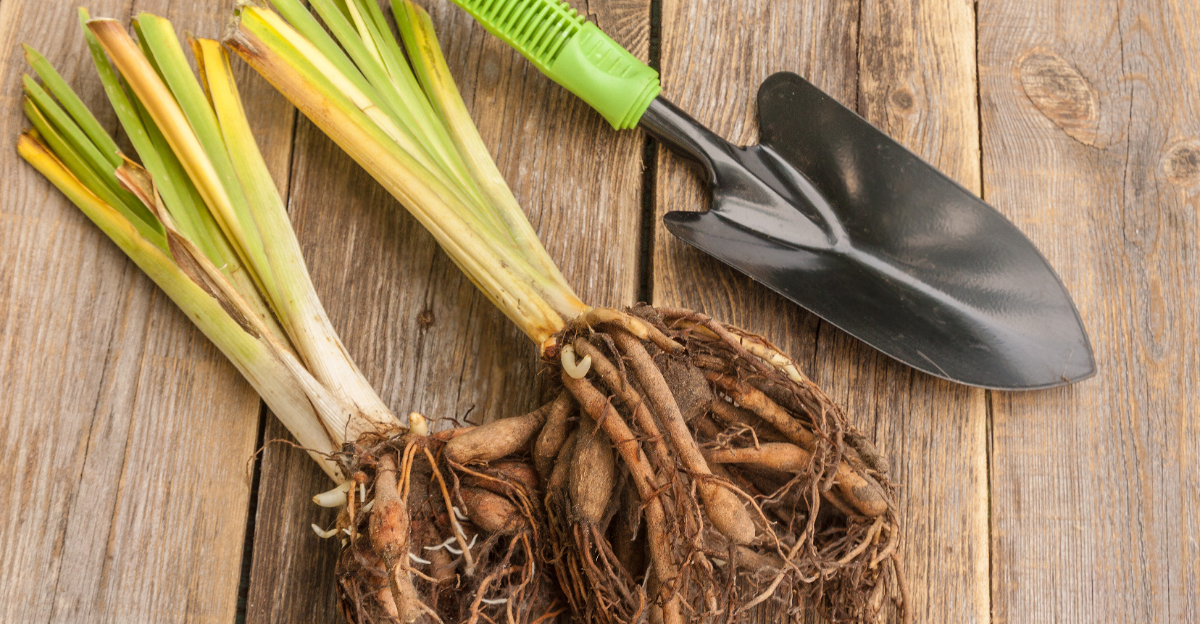
Neighbors watch you split daylily clumps in early August and quietly worry. You know better.
Wisconsin gardeners have uncovered a secret that others rarely notice. Warm soil still holds summer heat beneath your feet.
Cooling nights push roots to grow instead of pause. Your plants have just finished blooming and now redirect all their energy.
That energy flows underground, building strength for next year. Timing decides everything here, not luck or guessing.
Winters in Wisconsin arrive fast and test every single root. Waiting until fall leaves your clump vulnerable.
Dividing now gives roots real time to settle in. Every week matters before frost tightens its grip.
Patience shown today becomes next June’s reward. Skilled growers understand exactly what casual ones overlook completely.
Confidence replaces confusion once you know the reasoning. Nothing here relies on chance or folklore. Turn away now, and you’ll spend next June wishing you had started sooner.
1. Roots Establish Faster In Warm Soil
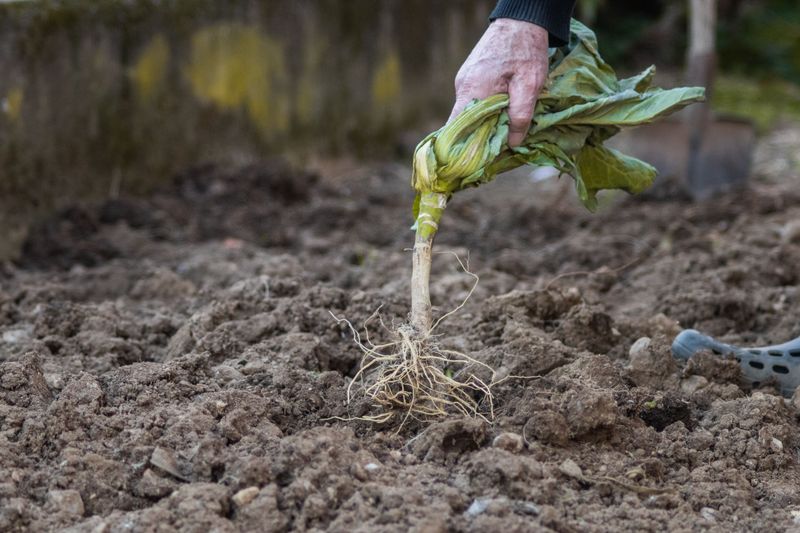
Warm soil is particularly beneficial for root development. When you divide daylilies in early August, the ground is still holding onto summer’s heat.
That warmth speeds up root growth in a big way. Newly divided plants tend to push out fresh roots quickly when soil temperatures stay warm enough.
Cold soil slows everything down. Roots planted in September or October barely move before the ground freezes solid.
August soil in Wisconsin typically stays warm at a six-inch depth well into early fall. That warmth is ideal for triggering fast root development after a division.
Think of warm soil like a cozy incubator. The plant doesn’t have to work as hard against cold conditions; it can focus entirely on growing new roots.
Faster root establishment also means less stress on the plant overall. A well-rooted division recovers quickly and stores more energy before dormancy hits.
That stored energy becomes next summer’s blooms. Gardeners who divide daylilies now are setting their plants up for a strong bloom display.
Root activity also pulls moisture more efficiently in warm conditions. That means less wilting and a smoother transition for freshly split clumps.
Soil temperature is something most people overlook when planning divisions. Paying attention to it gives you a real edge in the garden.
Warm roots mean a stronger plant heading into winter. And a stronger plant means bigger, fuller clumps next summer without extra effort.
2. Cooler Nights Reduce Transplant Stress
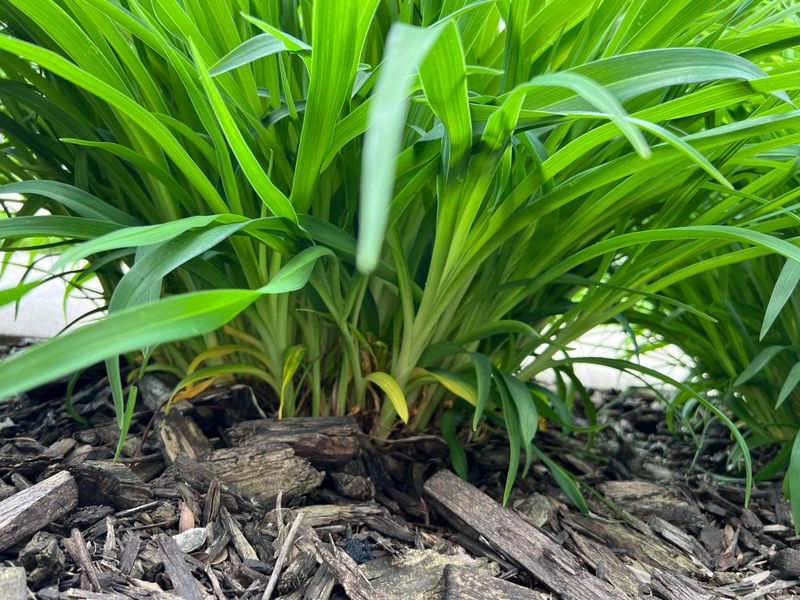
August nights in Wisconsin bring a noticeable shift in temperature. The air cools down noticeably after sunset, giving plants a real break from the day’s heat.
That temperature drop matters a lot when you’re moving plants around. Transplant stress hits hardest when both days and nights stay hot with no relief.
Cooler evenings slow down water loss through the leaves. A divided daylily can catch its breath overnight instead of struggling around the clock.
Plants lose moisture fast when they’re stressed. Lower nighttime temps help slow that process and keep newly split sections from drying out too quickly.
Your Wisconsin Garden Changes Every Week. Your Plan Should Too.
Gardening in Wisconsin changes quickly throughout the season. Every Friday you’ll receive a simple weekly plan showing exactly what to plant, prune, fertilize, harvest, and protect so you never miss the right timing.
Early August nights in Wisconsin often turn noticeably cooler. That’s cool enough to calm a stressed plant but warm enough to keep root activity going.
Compare that to a July division, when nights stay muggy and warm. The plant never gets a break, and recovery takes much longer as a result.
Cooler air also reduces the risk of fungal issues. High heat combined with moist soil can invite disease, but cooler nights help keep that balance in check.
Gardeners who time their divisions for early August take advantage of this natural rhythm. The days are still long enough for good light, and the nights offer recovery time.
It’s a bit like giving your plants a built-in recovery period every evening. Less stress means faster recovery and stronger growth heading into fall.
Dividing daylilies now takes advantage of the seasonal cooling cycle. That’s a natural advantage most gardeners overlook.
3. Plants Recover Before Dormancy Sets In
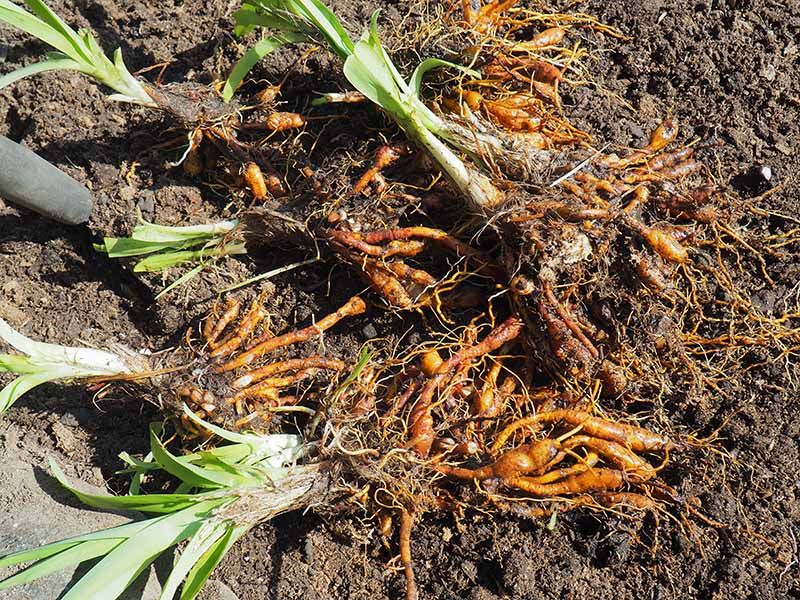
Daylilies don’t stay active all year. They go dormant once temperatures drop and daylight shortens, pulling energy back into their roots for winter storage.
If you divide them too late, they won’t have time to recover before that shutdown happens. Early August gives them several weeks of active growth.
That recovery window is everything. A newly divided plant needs time to grow roots, stabilize its foliage, and build up energy reserves.
Several weeks of warm-season growth is plenty for a daylily to bounce back. By the time October arrives, your divisions will look like they’ve been in the ground all season.
Dormancy isn’t a bad thing, but timing matters around it. You want your plant fully settled before it checks out for the cold months ahead.
A plant that goes dormant before it recovers is fragile. It enters winter with shallow roots and low energy, making it more vulnerable to frost damage.
One that has had time to establish comes out of dormancy in spring with momentum. The roots are deep, the energy is banked, and the plant is ready to grow fast.
Think of it like sending a kid to school well-rested versus exhausted. The one who slept well learns more and does better all day long.
Early August divisions get that rest period before the freeze. They wake up in spring strong, healthy, and ready to push out more blooms than ever.
Giving plants time to recover before dormancy is one of the smartest moves in the garden. Dividing daylilies now makes that possible.
4. Early Division Gives Roots Ample Time To Settle
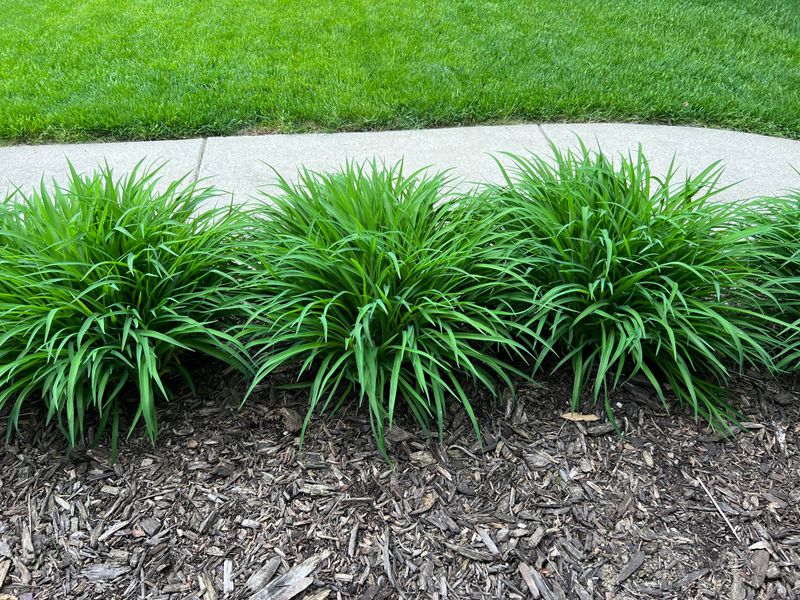
Time matters when it comes to root development. A daylily divided in early August has ample growing time before hard frost arrives.
That’s a significant head start. Roots that have been settling since August are far more established than ones planted in late September.
Deep roots anchor the plant through freeze-thaw cycles. Those cycles can actually heave shallow-rooted plants right out of the ground over winter.
An early division avoids that problem almost entirely. The roots go deep enough to stay put, even when the soil shifts with temperature changes.
More settling time also means more nutrient uptake before dormancy. The plant feeds itself from the soil and builds reserves that fuel spring growth.
Shallow roots can’t access the same nutrients as deep ones. Early divisions have a clear advantage when it comes to feeding and strengthening the plant.
Gardeners often underestimate how long roots need to settle. A few extra weeks can mean the difference between a plant that struggles and one that thrives.
Picture a tree planted in spring versus one planted in October. The spring tree has ample time to grip the soil before winter; the fall tree barely gets started.
Daylilies work the same way. Earlier planting equals deeper roots, and deeper roots equal stronger plants come spring.
Choosing to divide daylilies in early August is choosing long-term success. Those roots will be ready to grow vigorously the moment warm weather returns.
5. Dividing Now Prevents Overcrowded Clumps
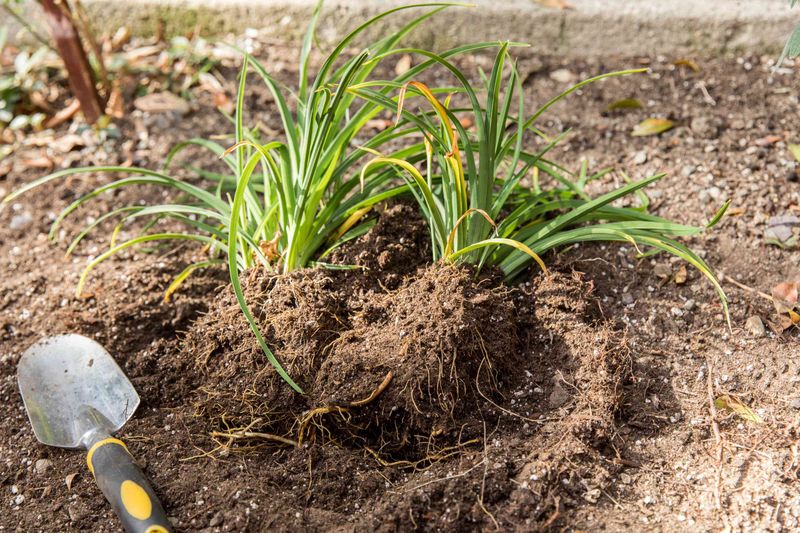
Overcrowded daylilies compete with each other for space. When clumps get too dense, every plant in the group struggles for it.
Roots compete for water and nutrients, and the result is fewer blooms and weaker stems. What used to be a strong display becomes a dense, weakened clump.
Splitting the clump gives each section room to breathe. Separated fans have their own space, their own root zone, and their own shot at a strong season.
Most daylily clumps benefit from dividing every few years. If yours have gone longer than that, August is the perfect time to fix it.
Overcrowding also leads to a buildup of spent material in the center of the clump. That debris can trap moisture and create conditions where rot sneaks in.
Dividing the clump lets you clean out that center section. You toss the old, tired parts and replant only the healthy outer fans with fresh root growth.
The result is a cleaner, healthier planting that performs better right away. Fewer plants per square foot means more energy per plant and more blooms per stem.
It’s a bit like thinning carrots in the vegetable garden. Crowded plants never reach their full potential, but give them space and they take off.
Early August is the ideal moment to tackle this job. The blooms are done, the foliage is still green, and you can clearly see what you’re working with.
Preventing overcrowding now protects the whole bed’s future. Healthier spacing today means a more impressive display next summer.
6. Wisconsin’s Timing Avoids Fall’s First Frost
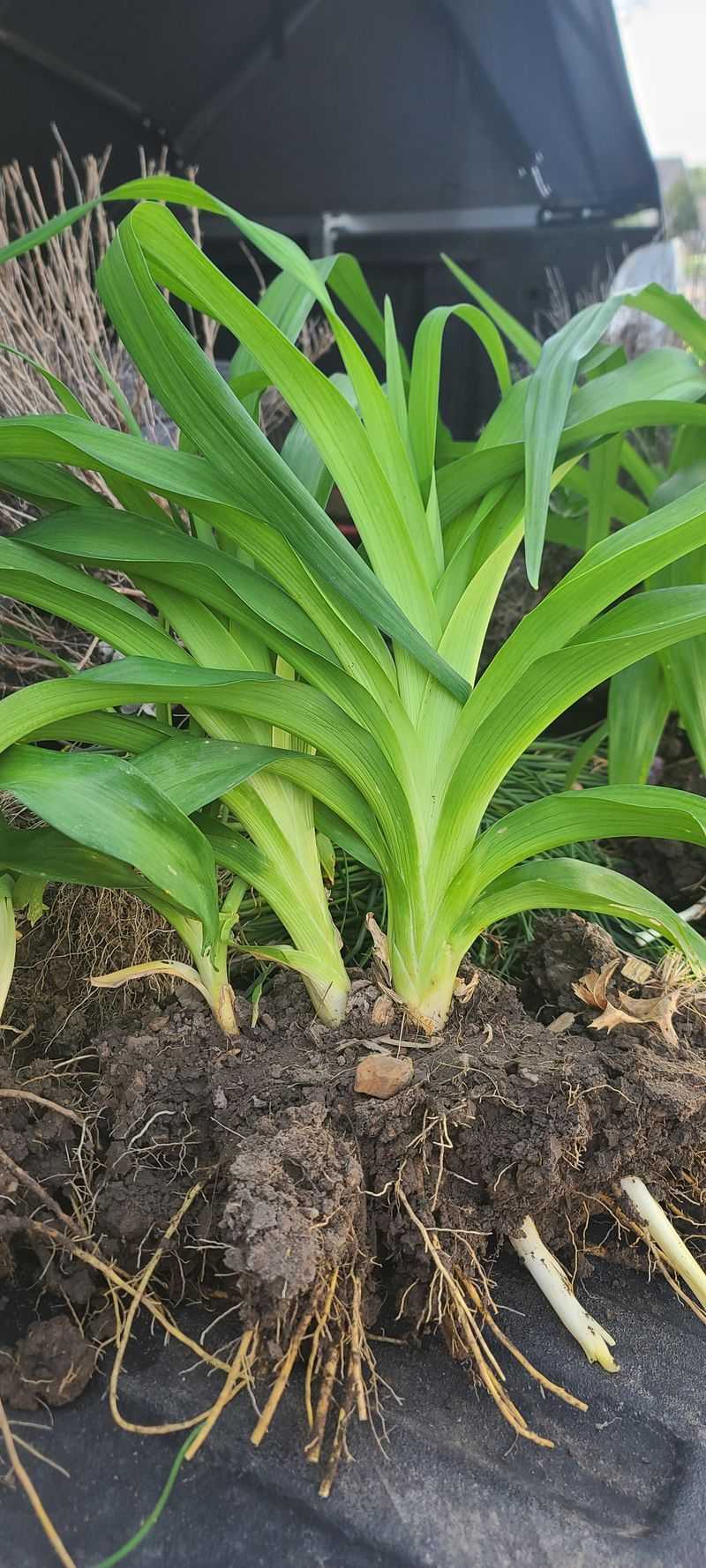
Frost doesn’t wait around in Wisconsin. The first freeze can arrive as early as late September in northern parts of the state.
That gives late-season dividers a very tight window. A plant split in mid-September might face frost only weeks after being moved.
That’s nowhere near enough time for a daylily to settle in. The roots barely get started before cold shuts everything down.
Early August divisions sidestep that problem completely. By the time frost threatens, those plants have had ample time in the ground to establish.
That extended root growth before frost is a significant advantage. The plant is anchored, fed, and prepared to handle the cold with confidence.
Wisconsin gardeners who know their frost dates plan their divisions around them. Counting back from the average first frost puts early August right in the sweet spot.
The average first frost date in Madison typically falls sometime in October, according to regional climate data. Northern Wisconsin sees it even earlier, sometimes before the end of September.
Working backward from those dates, early August is the last safe window for dividing daylilies with confidence. Any later and you’re risking the plant’s ability to survive winter.
Knowing your local frost date is one of the most useful things a gardener can do. It turns guesswork into a solid, reliable plan.
Timing your daylily divisions around Wisconsin’s first frost protects your investment. You put in the work now so the plants are ready when cold arrives.
7. August Fits Between Bloom And Dormancy
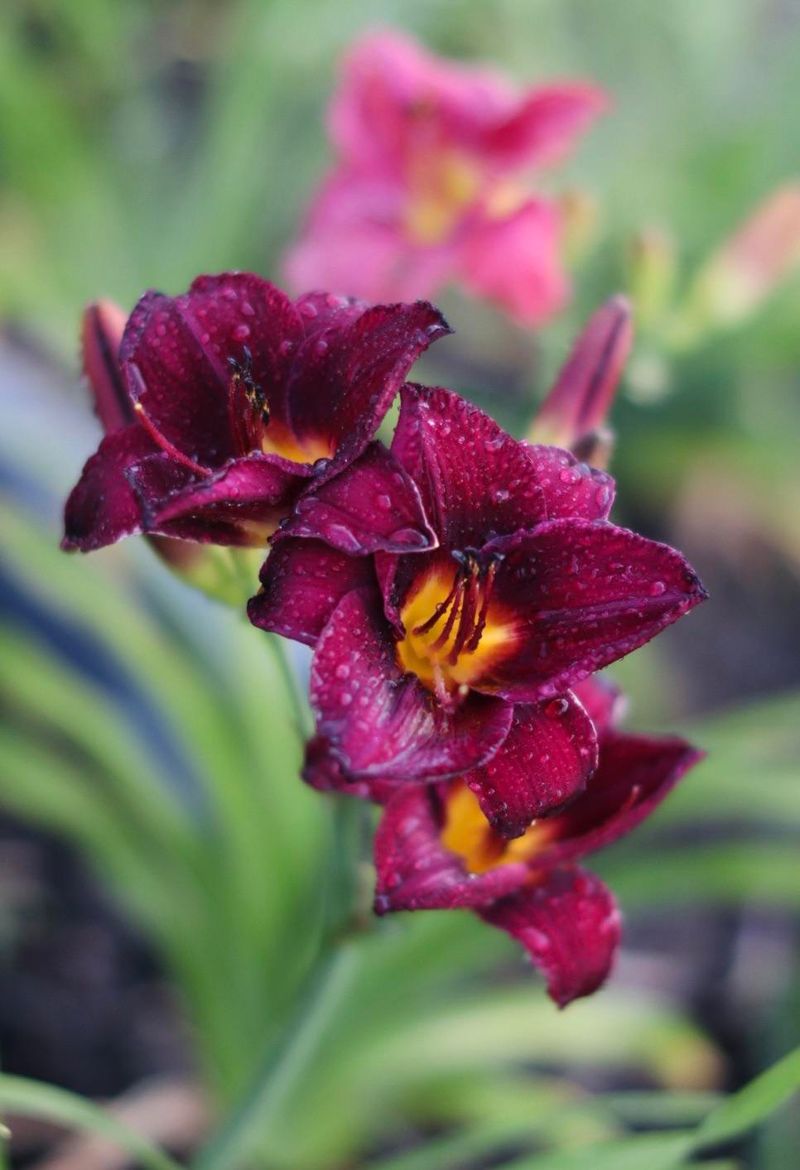
Timing a division is all about reading the plant’s calendar. Daylilies follow a predictable rhythm: bloom, rest, dormancy, and repeat.
Early August lands right in the rest phase. The flowers are finished, but the plant hasn’t started shutting down for winter yet.
That middle ground is the sweet spot for division. The plant has enough energy to recover but isn’t pouring resources into blooming or going dormant.
Dividing during bloom would stress the plant at its busiest moment. Dividing too close to dormancy doesn’t leave enough recovery time.
August hits the balance perfectly. The plant is metabolically calm, the soil is warm, and the growing season still has weeks left to offer.
Think of it like scheduling surgery during a calm period rather than during a marathon or a deep sleep. The body handles it much better.
Daylilies respond the same way. A division made during their rest phase causes far less shock than one made at the wrong time.
Gardeners who watch their plants closely learn to recognize this window. The last bloom fades, the foliage softens slightly, and the plant signals it’s ready.
That signal usually comes in late July or early August across most of Wisconsin. Acting on it quickly gives you the best possible outcome.
Catching daylilies between bloom and dormancy is the secret most experienced gardeners already know. Dividing daylilies at this moment supports stronger blooms next summer.
8. Splitting Now Boosts Next Year’s Blooms
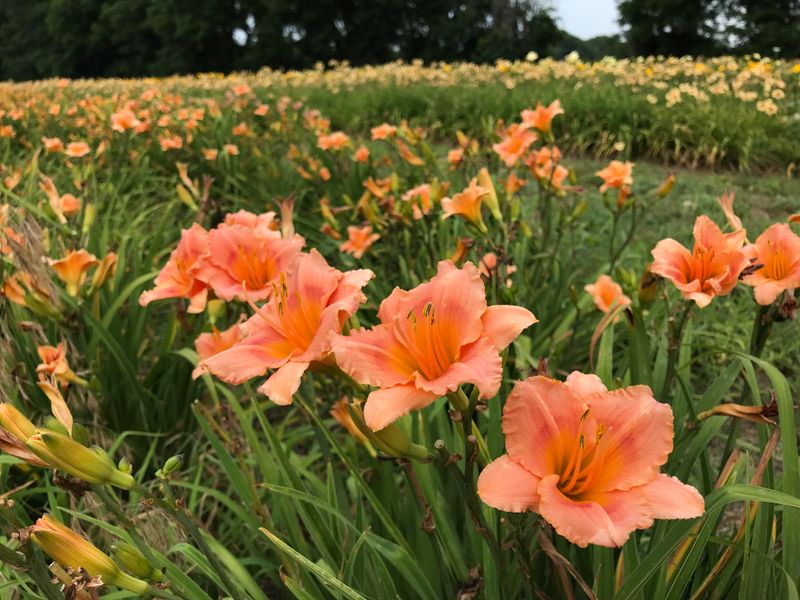
More blooms next summer start with smarter choices this August. Splitting daylilies now is one of the more effective steps a gardener can take.
When a clump gets divided, each section redirects its energy. Instead of feeding a crowded mass, the plant focuses on one strong, healthy fan.
That focused energy shows up next June as bigger, bolder blooms. More flower scapes per plant, more buds per scape, and more color across the whole bed.
Overcrowded plants bloom less because they’re stretched thin. Division resets that balance and gives each section a fresh start with full resources.
Experienced growers often notice a dramatic difference the first summer after dividing daylilies. Plants that barely produced a dozen blooms can produce notably more the following season.
The timing of the division plays a big role in that outcome. An August split gives roots time to establish, and established roots support more flower production.
A weak root system can only do so much. Strong, deep roots from an early division support taller scapes and heavier bud loads come flowering season.
There’s also a multiplying effect to consider. One crowded clump becomes three or four healthy sections, and each one blooms fully on its own.
You don’t just get better blooms; you get more of them across a wider area. The whole bed benefits from the work done in August.
Splitting daylilies in early August is an investment in next summer’s color. Make the cut now and let the roots do the rest of the work.